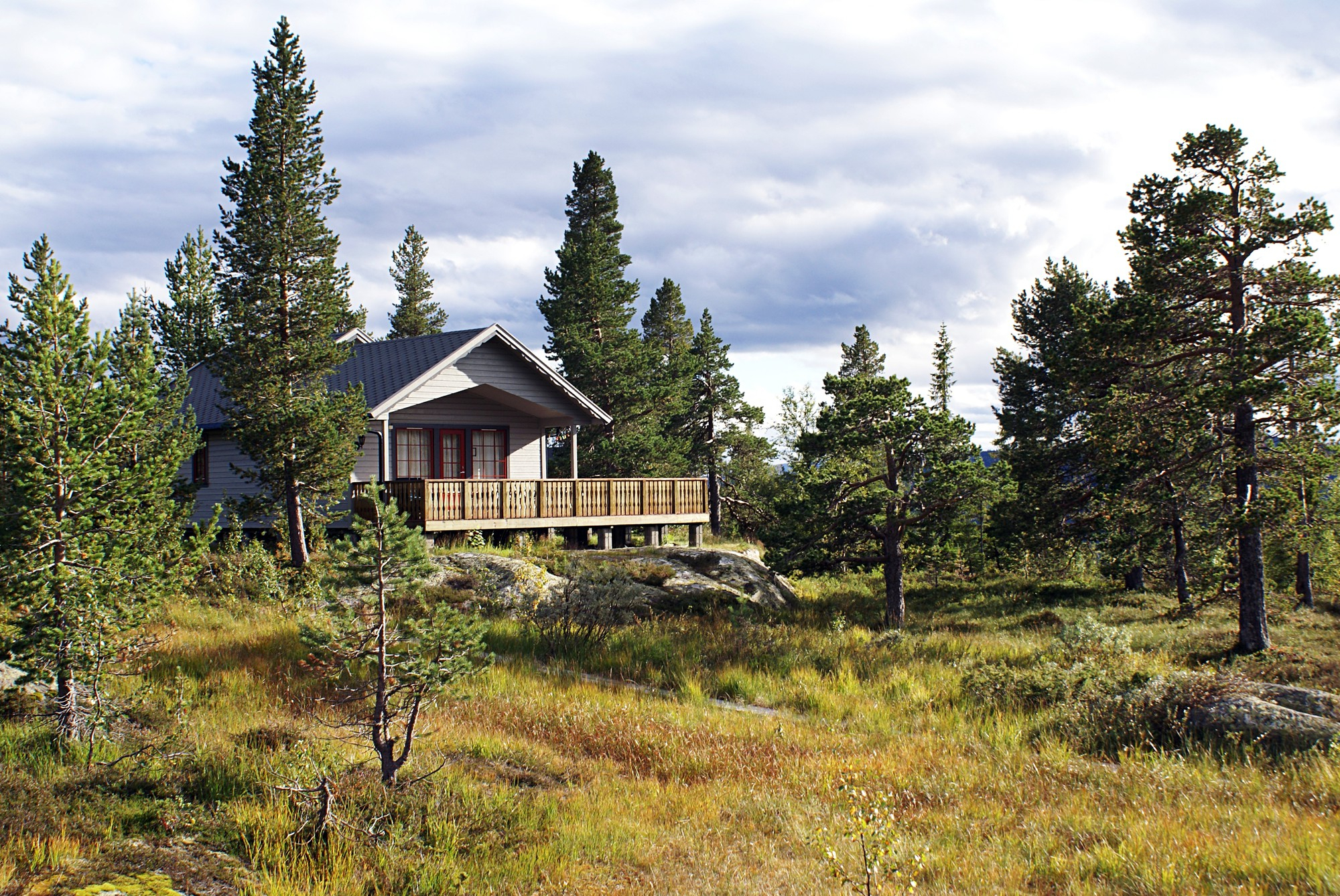
I spent the next two days looking at that fireplace.
I didn’t knock on it or pry at it. Derek’s warning was still ringing in my ears. If you damage it, my lawyer will have you arrested. If I started smashing stones, I’d lose the house and maybe end up in jail.
So I looked. The way Mr. Pratt taught me. The way Uncle Tom said I could. I looked for where the wall was lying.
I counted the stones. There were a hundred and forty-three of them in the front face of the fireplace. Every one was different. Round ones, flat ones, gray ones, brown ones, pink granite, black basalt.
On the second morning, I sat in the leather chair with a cup of coffee and the shipwreck book in my lap, and I looked at the compass.
N 11.
I’d thought it was a serial number. A maker’s mark.
But what if it wasn’t?
North. Eleven.
I stood up. I held the compass flat in my palm and turned until the needle pointed north. The fireplace was on the west wall. North was to my right.
I walked to the north edge of the fireplace. I started at the floor and counted up. One stone. Two. Three.
The eleventh stone up from the floor, on the north edge of the fireplace, was different from the others.
It was smaller. Smooth and dark. Almost black. And when I looked very closely, really closely, with my face six inches from it, I saw something I’d walked past fifty times without noticing.
A thin line. Barely visible. Running around the edge of the stone where the mortar should have been solid. Like the stone had been set in place separately from the others.
And in the center of the stone, a tiny slot. No wider than a pencil. No, narrower. About the width of a knife blade.
My heart was pounding so hard I could hear it.
I went back to the table and picked up the pocketknife. Uncle Tom’s pocketknife. The one he sent me when I was ten. The one my mother was horrified by.
I opened the blade. It was thin. Worn thin from years of sharpening.
I slid it into the slot.
It fit perfectly.
I turned it.
Something clicked. Deep inside the wall. A heavy, metallic sound, like a bolt sliding back.
The black stone moved. Just a quarter inch. I put my fingers on its edges and pulled. It slid out of the wall like a drawer, revealing a dark square hole behind it.
Inside the hole, there was an iron handle.
I took a deep breath. I wrapped both hands around the handle and pulled.
The whole north side of the fireplace moved.
Not a lot. It was heavy. Incredibly heavy. A section of stone about two feet wide and five feet tall, swinging outward on a hidden hinge. It groaned. Dust poured down from the top. I pulled harder, putting my whole body into it, and it swung open slowly, slowly, until there was a gap wide enough for a person to slip through.
Behind it was darkness.
And a cold, dry smell, like old paper and iron.
I got the flashlight from my car. My hands were shaking so badly I dropped it twice.
I squeezed through the gap.
Inside, there was a narrow space. About three feet wide, running along the back of the chimney. Stone walls on both sides. A wooden floor. A steep ladder going up into the dark.
And shelves.
Wooden shelves, built into the stone, running from floor to ceiling.
They weren’t full of gold.
They were full of paper.
I shone the flashlight over them slowly. Rolled drawings. Folders. Notebooks. Shoeboxes. Stacks of envelopes tied with string.
I pulled down the first folder. It was labeled in Uncle Tom’s block capitals. EMILY — AGE 8.
Inside were my drawings.
The crayon castles. The treehouses. The house with the slide coming out of the second floor. Twenty or thirty of them. Every one I’d ever sent him. He’d put each one in a clear plastic sleeve to protect it. On the back of one, a castle with seven towers and a moat, he’d written in pencil: GOOD STRUCTURAL INSTINCT. TOWERS EVENLY SPACED FOR LOAD. SHE’S EIGHT.
I pulled down the next folder. EMILY — HIGH SCHOOL.
My report cards. Newspaper clippings. The time I won the regional design competition in eleventh grade. A photo of me at my high school graduation that I’d never seen before. Taken from far away, from the back of the gym.
He’d been there. He’d come all the way to North Carolina for my graduation and stood in the back and never said hello.
I pulled down the next folder. EMILY — COLLEGE.
My acceptance letter to the architecture program at Virginia Tech. Photocopied.
And under it, a stack of letters from the university’s financial aid office. Addressed to Thomas Carter.
Dear Mr. Carter, Thank you for your generous contribution to the Carter Family Scholarship for Architecture. As per your instructions, the full award has been granted to Emily Carter for the upcoming academic year. As requested, the donor’s identity will remain anonymous.
There were four of them. One for every year.
The Carter Family Scholarship.
I’d gotten that scholarship all four years of college. Full tuition. I thought it was some old endowment set up by some long-dead Carter I’d never heard of. The financial aid office told me it was an honor. I wrote a thank-you letter every year to the address they gave me. A post office box.
In Charlevoix, Michigan.
I sat down on the wooden floor of that secret room with the folder in my lap and cried so hard I couldn’t breathe.
He paid for my education. He came to my graduation. He kept every crayon drawing I ever sent. He bought champagne he hated when I got my first job. He called me every Christmas and asked if I was okay, and I said yes, and he said good.
And I never knew. I never knew any of it.
You doing okay, kid?
No, Uncle Tom. I wasn’t. But you were. You were taking care of me the whole time.
It was almost an hour before I could make myself climb the ladder.
It went up about eight feet into a small space at the top of the chimney wall. Hidden under the slope of the roof. You’d never know it was there from inside the house or outside.
There, in the beam of my flashlight, sitting on the stone floor, was a wooden sea chest.
Old. Dark oak, with iron bands around it. The wood was carved on the front with the outline of a ship. And under it, burned into the wood, a name.
MARGARET ANN.
The chest had a heavy iron padlock.
I pulled the iron key ring out of my pocket. The five keys Rachel gave me. One regular house key. Four old ones with teeth like little castles.
The third one fit.
The lock opened with a sound I’ll hear for the rest of my life. A heavy, rusty clunk.
I lifted the lid.
The chest was full of canvas bags. Old, gray canvas, the kind they used on ships. Dozens of them. Each one tied at the top with a leather cord.
I picked one up. It was so heavy I almost dropped it.
I untied the cord.
Gold coins spilled into my hand.
Twenty-dollar Double Eagles. Each one about the size of a half-dollar. A woman in flowing robes holding a torch on one side. An eagle in flight on the other. Dates from 1907 to 1932. Glowing in the beam of my flashlight like they’d been minted yesterday.
My father’s voice came back to me. Bedtime. A blanket tucked under my chin.
It’s still down there, Em. Somewhere in the dark.
It was never down there, Dad.
It was up here.
On top of the bag of coins, there was one more envelope. Tom’s handwriting.
KID. YOU FOUND IT. I KNEW YOU WOULD. NOW HERE’S THE HARD PART.
I was reaching for it when I heard a car door slam outside.
Then another one.
Then footsteps on the porch. Heavy ones.
And someone pounding on the front door.
“Emily!” Derek’s voice. “Open the door! I know you’re in there!”

Specialty: Emotional Turning Points
Rachel Monroe writes character-driven stories about betrayal, second chances, and unexpected resilience. Her work highlights the emotional side of family conflict — the silences, the misunderstandings, and the moments when someone quietly decides they’ve had enough.