It dropped. It slowed down. All the hurry went right out of it, and every word came out whole.
“Sir, I’m right here. I’m not going anywhere. I need you to tell me what you see.”
I knew exactly where she had gotten that. I had been hearing it my whole life through a bedroom wall and never once listened.
I looked over at Kyle. He was staring at the floor with his whole body. His hand had come up on its own and was pressing that taped-up headset tighter against his ear, like he was afraid he might miss something.
I drove home at one in the morning with the windows down and the radio off, and I didn’t sleep much.
He came out to her place on a Sunday in September.
I was there. I’m there most weekends now. My wife comes too, sometimes. She and my mother sit at the kitchen table and drink coffee, and my mother tells her things she never told me, and I sit on the porch and pretend I’m not listening.
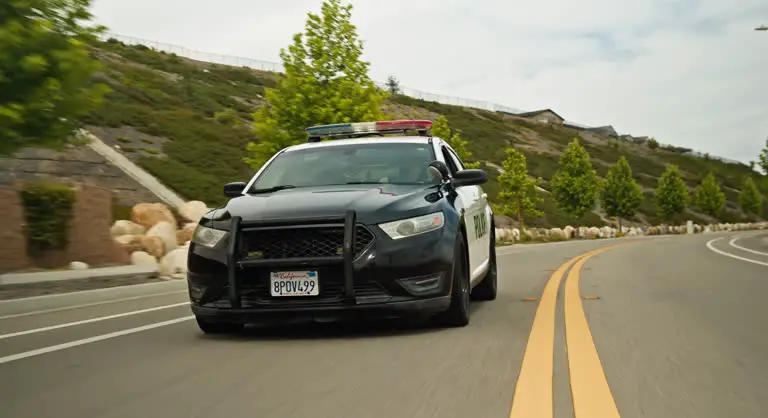
He pulled into the yard in his own car, an old Pontiac with a cracked windshield. He was wearing jeans. He had the shoebox under his arm, and he stood at the bottom of the porch steps, the ones I’d finally gotten around to fixing that summer, and he didn’t come up until she told him to come up and sit.
He sat in the chair across from her. He held the shoebox on his lap.
He told her about the third week. Three in the morning. A little girl, nine years old, calling because her mother wouldn’t wake up. Fourteen minutes before the ambulance got there. Kim kept that child counting out loud the whole time. One hundred, ninety-nine, ninety-eight. Over and over. Kept her counting so she wouldn’t stop talking.
“I heard her count to one hundred four times,” Kyle said. “I wrote down every number. I don’t know why. I just couldn’t stop.”
My mother nodded. “I know why.”
“I’ve been back on the road a week now,” he said. “Thursday I stopped a woman for a taillight. She was shaking so bad she dropped her registration on the floor of her car. A month ago, I’d have figured that meant she was hiding something.”
He looked down at the box in his lap.
“I know what she sounded like now. I know what all of them sound like. I asked her if she needed a minute.” He paused. “She did.”
He held the shoebox out to her.
My mother didn’t take it.
“Keep it in your squad,” she said. “In the glove box. You don’t have to wear it. Just know it’s in there.”
He sat there holding it. Then he nodded, and he tucked it under his arm, and he shook my hand on the way down the steps. He held on a second longer than he needed to.
After he drove off, the two of us sat on the porch a while. The corn across the road had started to turn gold at the edges. The air was finally cooling down. Somewhere out past the tree line, a combine was running.
“I used to tell people you just answered phones,” I said.

Specialty: Quiet Comebacks & Personal Justice
David Reynolds focuses on stories where underestimated individuals regain control of their lives. His writing centers on measured decisions rather than dramatic outbursts — emphasizing preparation, patience, and the long game. His characters don’t shout; they act.