My father did not say anything.
Then she turned and looked at me, and she said the only thing I have ever heard her say that I knew cost her something.
“I should have asked you. I knew I should have asked you. That’s why I didn’t.”
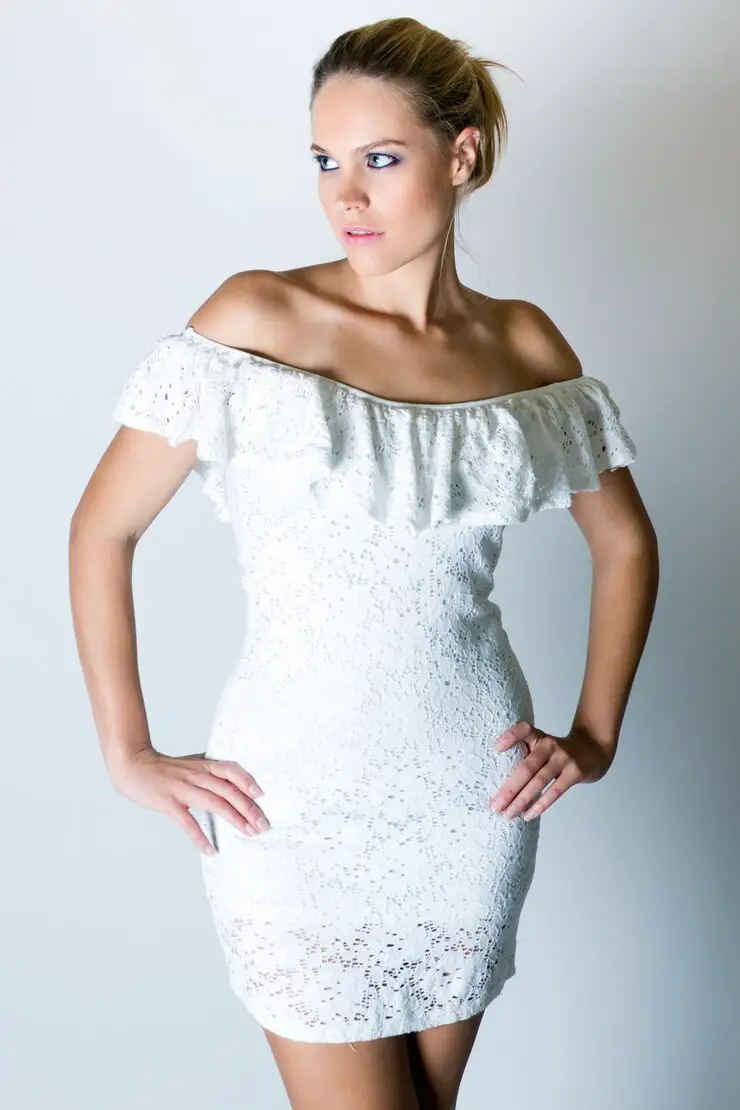
I believed her. That is the strange part. I stood there holding the dress and I believed every word of it.
“I would have come and gotten it all, Sharon,” I said. “Any Saturday. You’d have had your room by supper.”
She nodded. She did not cry, and neither did I. She went into the house through the garage, and the door to the kitchen closed behind her, not hard.
“What else is gone?” I asked him. “From before I got here.”
He rubbed his face with both hands. “I don’t know, Em. She had it all set out before I came outside. She said basement things, and I took her at her word and sat down.” He went to the garage and came back with a spiral notebook. Sharon had written down every sale, neat as a ledger. That is the kind of woman she is.
We read it together, his finger moving down the page.
Most of it was not my mother’s. But at 8:15 there was a line that said: Tote bag, quilt pieces, $4.
I put my hand flat on the page.
“What is it?” my father said.
“She was making me a quilt.” My voice did not sound like mine. “Out of my little-girl dresses. She had the blocks about half done when she got sick. She kept it in the canvas bag from the library.”
My father closed his eyes.
“Who bought it, Dad?”
“I don’t know.” He opened them and looked up the empty street as though the woman might still be on it. “I took four dollars from somebody and I don’t know who.”
He helped me finish loading. He would not let me carry the sewing machine. When the hatch was closed he stood by my window with his hands on the door, and he looked into the back seat, where I had laid the dress out full length across the cushions.
“I should have turned around,” he said.
“Yes,” I said. I was not going to lie to him. “You should have, Dad.”
He took that. He nodded, and patted the door twice, the way you would pat a horse, and stepped back from the car.
I drove home at twenty miles an hour with my mother’s dress in the rearview mirror.

Specialty: Emotional Turning Points
Rachel Monroe writes character-driven stories about betrayal, second chances, and unexpected resilience. Her work highlights the emotional side of family conflict — the silences, the misunderstandings, and the moments when someone quietly decides they’ve had enough.