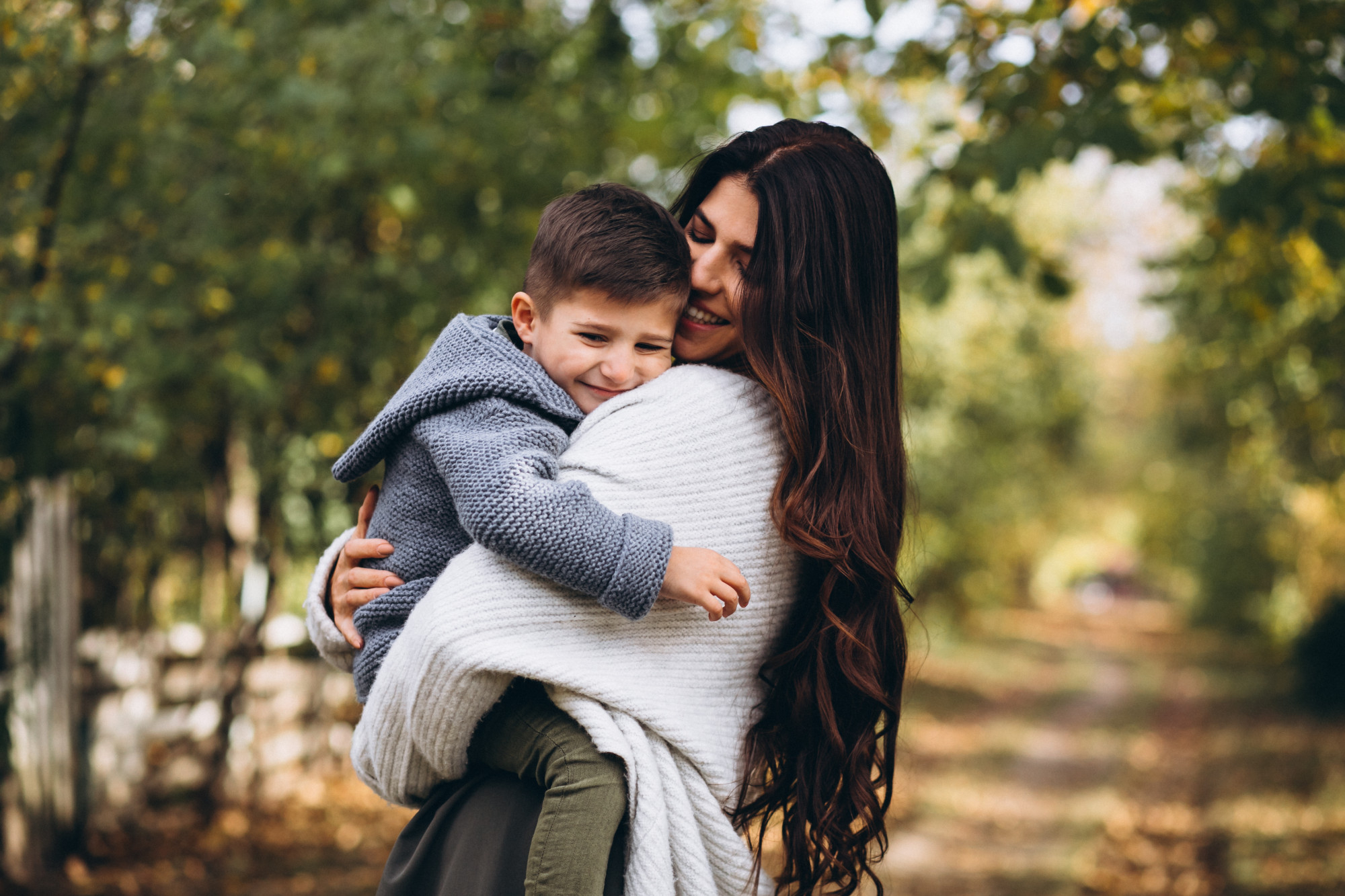
Jenna made a sound I’ll never forget. It was half a laugh and half a scream, and it came all the way up from the bottom of her soul.
“He’s awake,” Dr. Okafor said. “He’s groggy, and he’ll be with us for at least a week on IV antibiotics. But the tests confirmed what we thought, and we caught it early enough. His fever is coming down. He asked for his mom about two minutes ago.”
Jenna was already moving toward the doors.
“Can I see him? Please, can I see him right now?”
“Of course. Come with me.”
She took two steps, then turned around and ran back to me. She threw her arms around my neck one more time.
“I can’t repay you,” she said into my ear. “I don’t even know how I could ever repay you.”
I squeezed her tight and then pushed her gently away.
“You don’t owe me a thing. Just go be with your boy.”
She wiped her face with the back of her hand, nodded, and followed the doctor through the doors.
I stood there in the waiting room by myself for a minute.
Then I sat down in that same hard plastic chair, put my face in my hands, and cried harder than I had cried in years.
Not because I was sad. Because I wasn’t.
Somewhere back there, a four-year-old boy with a fever was asking for his mother. And he was going to grow up. He was going to lose his baby teeth and learn to ride a bike and probably break his mother’s heart a hundred little times the way boys do.
He was going to get to be six. And seven. And twenty.
Danny never did. But Noah would.
A nurse walked past and asked if I was all right.
“I’m fine,” I said, laughing through my tears. “I’m better than fine.”
Before I left, I went to the front desk and wrote my name and my store’s phone number on a piece of paper.
“Would you give this to Jenna? Noah’s mother? Tell her to call me if she needs anything. A ride. Anything.”
The receptionist smiled. “I’ll make sure she gets it.”
Then I walked out into the parking lot.
The sun was high now. It was almost noon. I had been gone for nearly two hours.
The whole drive back, I kept picturing my store. The register drawer pried open. The shelves knocked over. Cigarettes gone. Beer gone. Maybe the window smashed. We’d never had much crime in our town, but times were hard. Times were hard everywhere. There had been a couple of break-ins over by the Dollar General in the spring.
I tried to tell myself it didn’t matter. And it really didn’t, compared to what had just happened.
But that store was everything I had. It was the only thing I had built with my own two hands after the world had fallen apart.
I pulled into the gravel lot around twelve-thirty and sat in the car for a second, scared to go inside.
Then I got out and opened the back door.
The coffee pot was still gurgling. The radio was still playing. The light over the counter was still on.
I walked through the whole store slowly. The candy rack was full. The cigarette case was locked, the way it always was. The beer cooler was humming. The canned peaches I’d been pricing were still sitting on the counter right where I’d left them, with the pricing gun lying next to them.
I opened the register.
The money was there.
Everything looked exactly as I had left it.
I let out the longest breath of my life and laughed out loud in my empty store.
I figured nobody had even come in. It was a Tuesday morning, after all. Tuesdays were always slow.
I thought that was the end of it.
I was wrong.

Adrian Hawthorne is a celebrated author and dedicated archivist who finds inspiration in the hidden stories of the past. Educated at Oxford, he now works at the National Archives, where preserving history fuels his evocative writing. Balancing archival precision with creative storytelling, Adrian founded the Hawthorne Institute of Literary Arts to mentor emerging writers and honor the timeless art of narrative.