I pulled into her driveway. Before I even had the car in park, she was out of it.
She didn’t go up the porch steps. She went around the side of the house in her church shoes, with the little flashlight off her key ring, to the shed.
I sat in the car with the engine running and watched the beam of that tiny flashlight bob across the yard.
She came back out with her garden trowel in one hand and a coffee can in the other. The big red three-pound kind. My father used to keep nails in it.
She set them both on the porch step. Side by side. The way you lay out your clothes the night before something important.
Then she went inside and turned off the kitchen light.
I live four blocks from my mother. That month my husband Jeff was running the grain cart for his brother, which meant he was gone before five in the morning and home after dark. I was doing the books at the co-op through harvest, which meant about the same for me.
I walked over to her house at six-thirty the next morning with my coffee still in my hand.
She was out on the porch in my father’s old canvas barn coat. She was pouring white paint out of a half-gallon bucket into the coffee can. It was the exterior white left over from when she painted the porch rail two summers ago.
“What are you doing?”
“Thinning this. It skinned over.”
“Mom.”
She stirred it with a paint stick and didn’t look up.
Beside her on the step sat the trowel. A two-inch brush. A little jar of black enamel. A stenographer’s notebook with a green cover worn soft as cloth. And my father’s tile probe. That’s a steel rod about four feet long with a T-handle on top. Farmers use them to find old drainage tile underground.
“I’m going out to the cemetery,” she said. “I’ll be back by supper.”
“To do what?”
“What I told them I’d do. If they’d listened to the end of the sentence.”
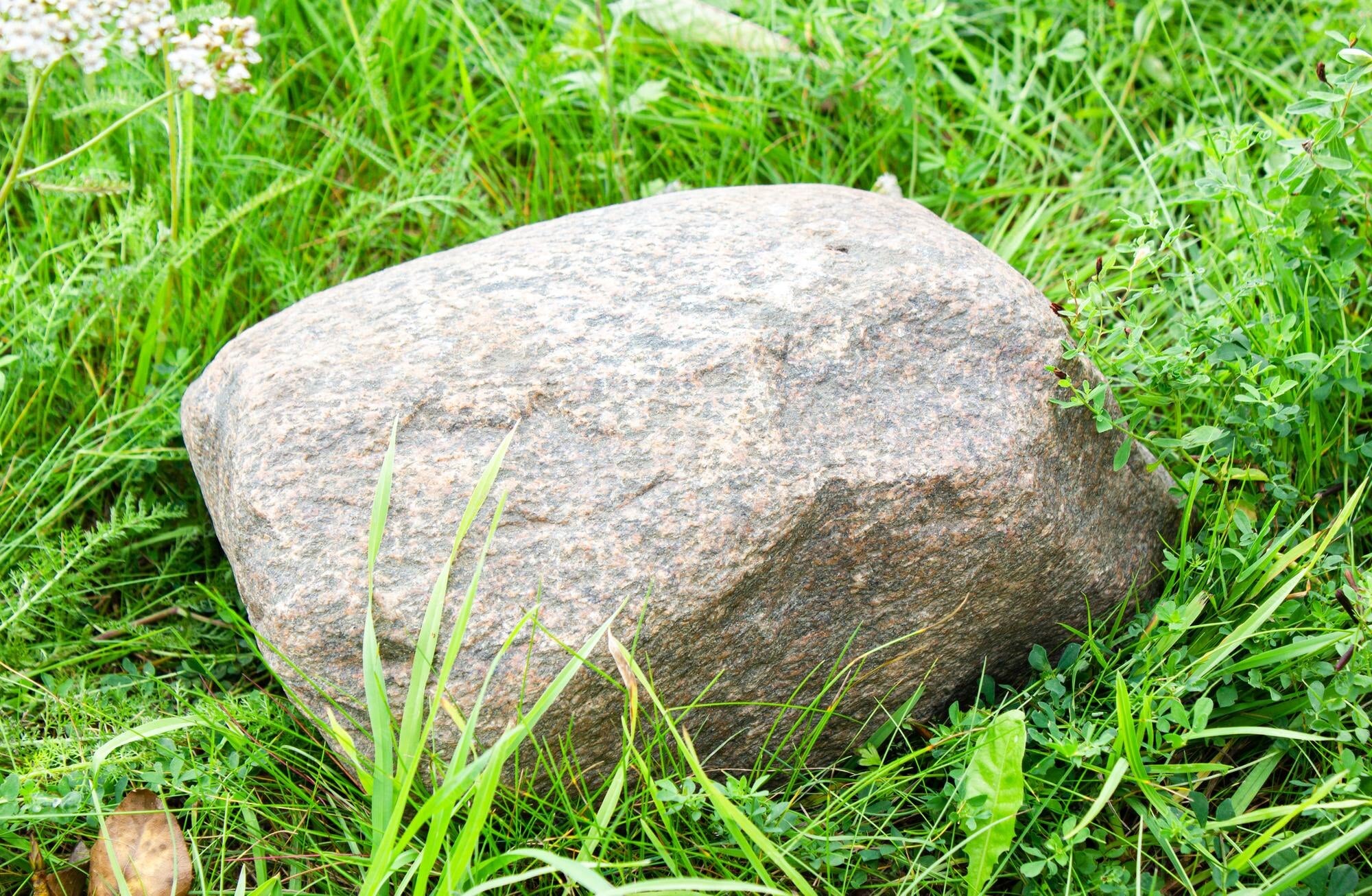
There was a little red wagon at the bottom of the steps. Kayla’s old wagon, from when she was small. In it were four rough fieldstones, each about the size of a loaf of bread.
I knew those stones. They were the border from her peony bed. My father picked those rocks out of the north quarter of the farm every spring for forty years, and she had laid them around her peonies one at a time.
“You can’t pull that wagon a mile.”
“I’m not going to. I’m going to put it in the trunk.”
“You can’t lift those into a trunk.”
“I already did it once,” she said. “To see.”
So I helped her load the car. I helped her the way you help somebody do a foolish thing. And I let her see on my face exactly what I thought of it.
She saw it. She didn’t say a word.
She drove off at twenty miles an hour.
I went to work. I made it until noon.

Adrian Hawthorne is a celebrated author and dedicated archivist who finds inspiration in the hidden stories of the past. Educated at Oxford, he now works at the National Archives, where preserving history fuels his evocative writing. Balancing archival precision with creative storytelling, Adrian founded the Hawthorne Institute of Literary Arts to mentor emerging writers and honor the timeless art of narrative.