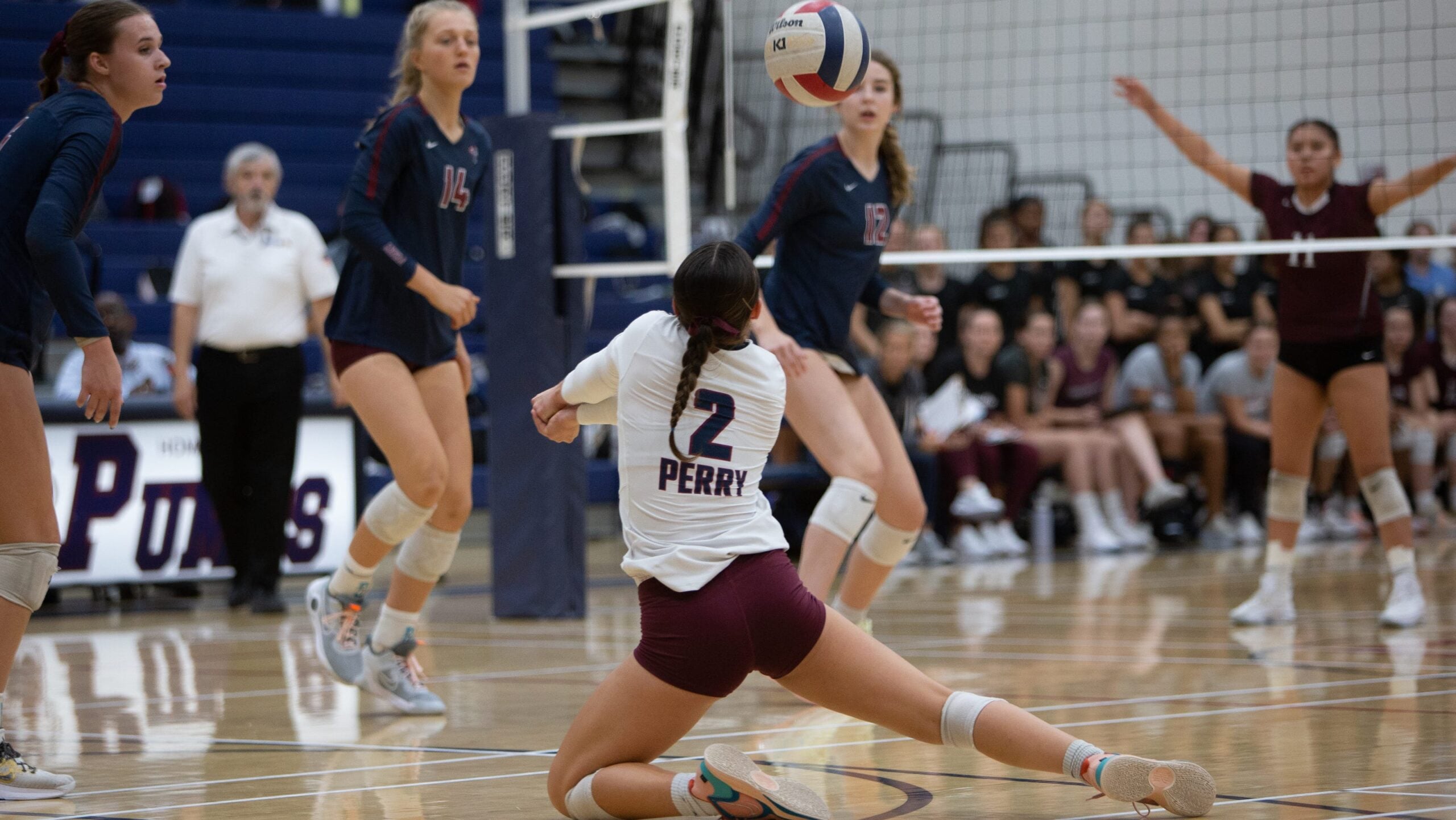
Travis came along when Kaylee was seven.
He sells seed corn and soybeans out of a pole shed north of town. He came into the dental clinic where I work with a cracked molar.
I cleaned his teeth for two whole years before he asked me to supper.
He told me later that he’d been scheduling his six-month cleanings at five months. So he could see me sooner.
On our second date, he asked if he could meet Kaylee.
Not to impress me.
He said he wouldn’t keep seeing a woman with a little girl unless the little girl was all right with him being around.
Kaylee interviewed him at the kitchen table like a county commissioner.
Did he have a dog? Did he know how to braid hair? Did he like the Twins?
He said yes, no, and only when they win.
He learned to braid hair that summer.
He practiced on a length of orange baler twine tied to a cabinet knob out in the seed shed.
I know, because I walked in on him doing it once. He turned red all the way to his ears.
We got married when she was eight. She called him Travis then. She calls him Travis now.
Neither one of them ever made a big thing of it. And I never pushed.
I thought it was working.
He drove her to every single practice since seventh grade. An hour each way, when her club team practiced in Mankato.
He built her a hitting net out of old fence posts and cargo netting behind the shed.
He sat through every match. He kept stats on a clipboard nobody asked him to keep.
He knows her kill percentage better than her coach does.
And he’d never once called himself her dad.
That last part, I took for respect. I thought he was being careful with her. Giving her room.
I didn’t understand, until that Thursday, that a man can be careful for so long it turns into fear.
After supper that Tuesday, Travis went out to the shed.
He does that when something’s on his mind. He says he’s checking inventory. But there isn’t much inventory to check in October.
I went upstairs and knocked on Kaylee’s door.
“Come in.”
She was lying on her bed with her shoes still on, which she knows I hate. Staring up at the ceiling fan.
“You don’t have to talk about it,” I said.
“Good,” she said. “Because I don’t want to.”
I sat down on the edge of her bed.
Her room smells like the vanilla body spray every girl in her class wears. And like the knee pads she keeps forgetting to air out.
I didn’t mention the knee pads.
After a while, she said, “He’s not wrong, you know. He’s not my real dad.”
She stared at the fan going around.
“I just thought, I don’t know. I thought it didn’t matter anymore.”
“It doesn’t,” I said.
“Apparently it does to him.”
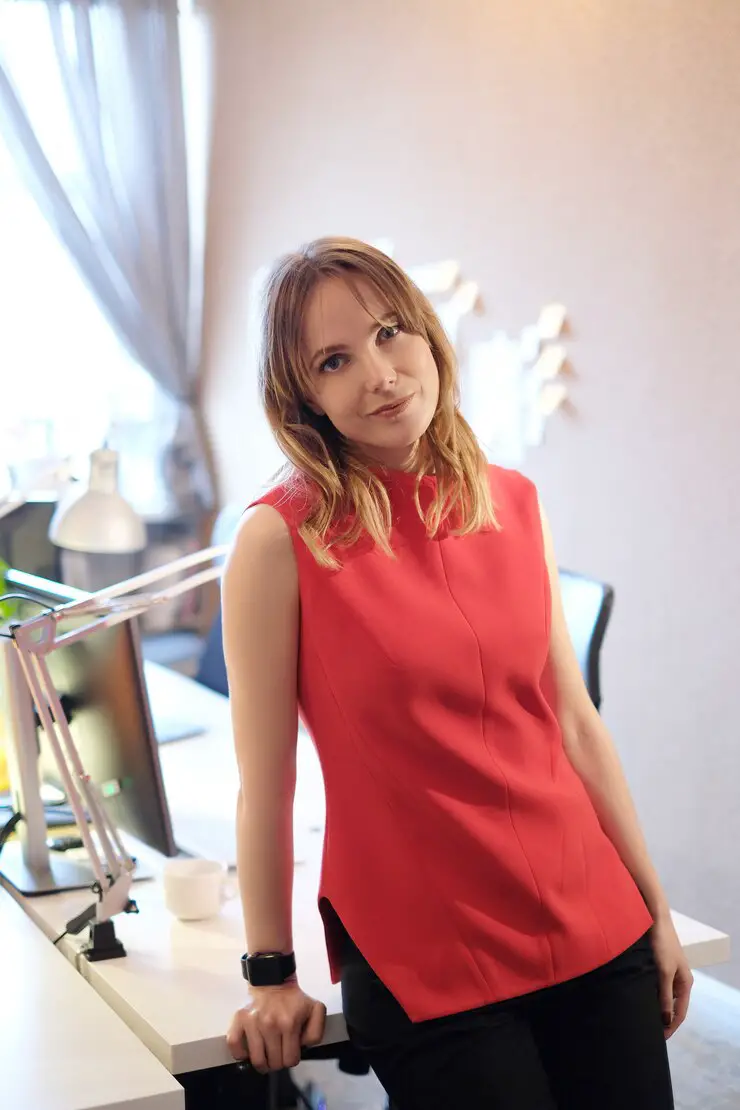
Sophia Rivers is an experienced News Content Editor with a sharp eye for detail and a passion for delivering accurate and engaging news stories. At TheArchivists, she specializes in curating, editing, and presenting news content that informs and resonates with a global audience.
Sophia holds a degree in Journalism from the University of Toronto, where she developed her skills in news reporting, media ethics, and digital journalism. Her expertise lies in identifying key stories, crafting compelling narratives, and ensuring journalistic integrity in every piece she edits.
Known for her precision and dedication to the truth, Sophia thrives in the fast-paced world of news editing. At TheArchivists, she focuses on producing high-quality news content that keeps readers informed while maintaining a balanced and insightful perspective.
With a commitment to delivering impactful journalism, Sophia is passionate about bringing clarity to complex issues and amplifying voices that matter. Her work reflects her belief in the power of news to shape conversations and inspire change.