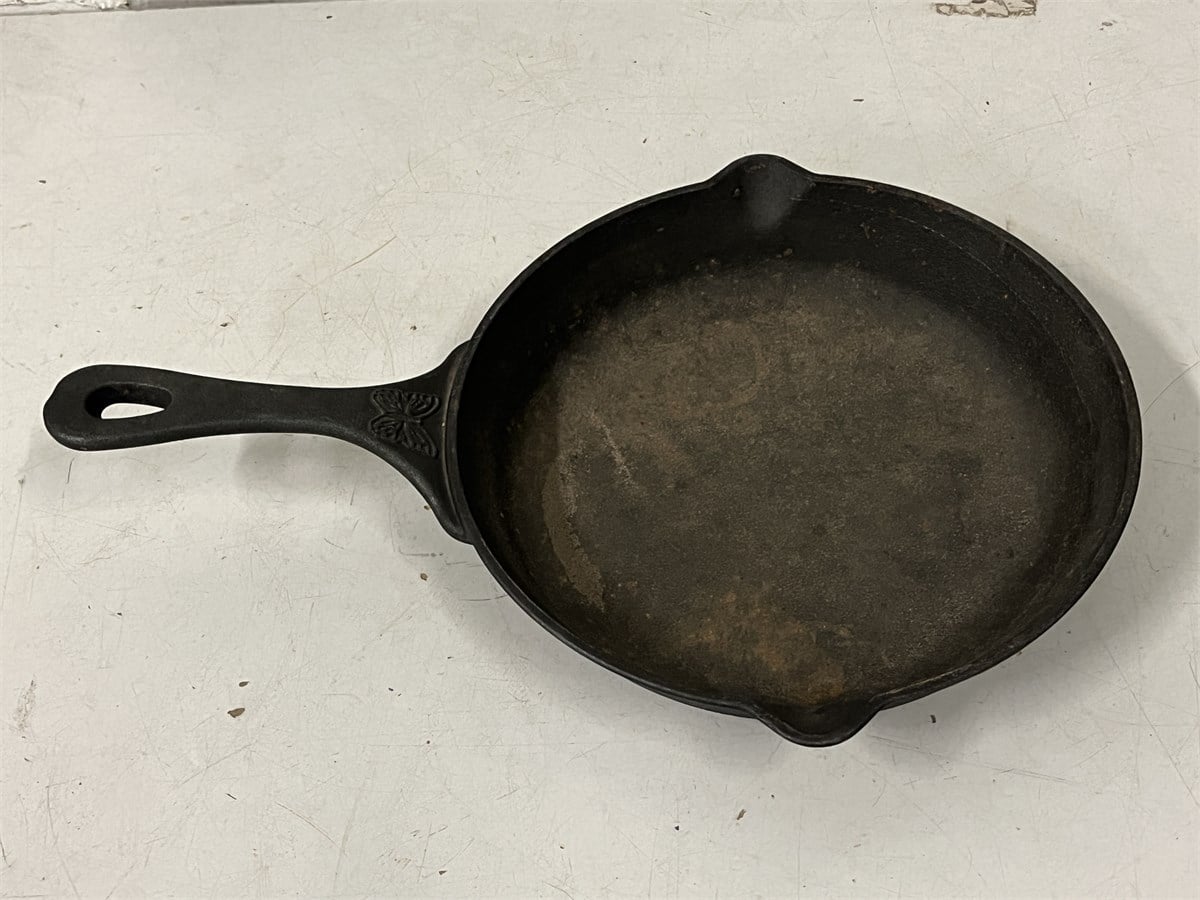
I brought it at Christmas.
On Christmas Eve morning, at six o’clock, I came down the stairs in Maple Grove, and Ashley was already in the kitchen. In her robe. With flour, buttermilk and a stick of cold butter lined up on the counter.
She’d cleared off the whole front of that eleven-thousand-dollar range.
“I didn’t know how much butter,” she said. “So I got four sticks.”
“One’s plenty, honey.”
I taught her the way I taught Owen. Two cups of flour. A tablespoon of baking powder. A pinch of salt. Cut in the butter till it looks like little peas. Don’t overmix. Pat it out with your hands.
She was terrible at it. She stirred too much. Her biscuits came out flat.
She laughed at herself. I’d never heard Ashley laugh at herself before.
“Why do they have to touch?” she asked, sliding them into the pan.
Owen was leaning on the doorframe in his pajamas, watching us.
“So they help each other rise,” he said.
Ashley looked at her son for a long moment. Then at me.
“That’s a good rule,” she said quietly.
The biscuits were flat and lopsided and a little burnt on the bottom.
Harold Ellingson ate four of them at Christmas dinner and said they were the best biscuits he’d had since 1936.
Ashley cried in the bathroom afterward. Greg told me.
My skillet doesn’t go home with me anymore.
At Easter, I left it in Maple Grove. On the back burner of that fancy range. Where Ashley says it belongs now.
She uses it every Sunday morning. She sends me pictures. Her biscuits are getting better. Not good yet. Better.
But I kept one thing back.
The horseshoe nail.
It was in a little velvet box in my jewelry drawer. My mother gave it to me along with the skillet in 1969. Ragnhild kept it her whole life.
On Owen’s fifteenth birthday, I gave it to him.
He opened the little box and looked at the rusty nail inside for a long time.
“Is this the one?” he whispered. “Gus’s nail?”
“That’s the one,” I said.
“What am I supposed to do with it?”
“Someday,” I said, “when you’ve fed somebody who really needed it, you turn that skillet over. And you put your initials next to hers.”
He closed the box very carefully. And put it in his pocket.
Last month, Owen sent me a text.
He’d started volunteering on Saturday mornings at a food shelf in Osseo. Making breakfast for families. He’d talked the director into letting him bring the skillet.
Attached to the text was a photo.
The bottom of my mother’s skillet. Upside down on a stainless steel counter.
R.M. 1919.
And right next to it, freshly scratched, the letters still bright silver against the black iron:
O.L. 2027.
Under the picture, he’d written one line.
Fed 43 people today, Grandma. Biscuits touching.
I sat at my kitchen table in Fergus Falls and looked at that picture until the screen went dark.
Then I called my daughter-in-law.
“Did you see it?” I said.
“I saw it,” Ashley said. She was crying. “I’m the one who drove him there.”
Ragnhild Moe came to this country with four dollars and a cardboard suitcase. She carved her name into a pan with a borrowed nail so everybody would know she’d made it.
A hundred and eight years later, her great-great-great-grandson carved his name right next to hers.
That pan has never let a single person in our family go hungry.
Now it’s feeding other people’s families too.
Which is exactly what she always used it for.
Sophia Rivers is an experienced News Content Editor with a sharp eye for detail and a passion for delivering accurate and engaging news stories. At TheArchivists, she specializes in curating, editing, and presenting news content that informs and resonates with a global audience.
Sophia holds a degree in Journalism from the University of Toronto, where she developed her skills in news reporting, media ethics, and digital journalism. Her expertise lies in identifying key stories, crafting compelling narratives, and ensuring journalistic integrity in every piece she edits.
Known for her precision and dedication to the truth, Sophia thrives in the fast-paced world of news editing. At TheArchivists, she focuses on producing high-quality news content that keeps readers informed while maintaining a balanced and insightful perspective.
With a commitment to delivering impactful journalism, Sophia is passionate about bringing clarity to complex issues and amplifying voices that matter. Her work reflects her belief in the power of news to shape conversations and inspire change.