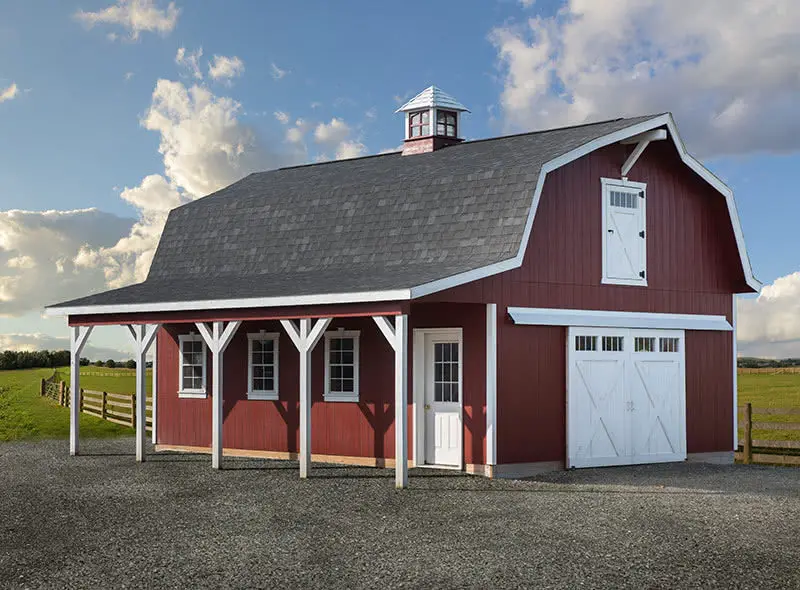
Above the haymow door, in fresh white paint, about a foot tall and a little bit crooked, were two letters and a year.
Not E.J. 1958.
A.J. 2026.
Arlo’s initials.
Emma had painted them from the lift basket, with Merle holding onto her by the back of her belt the whole time. Nate had called her grandmother Ruth on the phone first to ask permission.
Emma stood up in that basket thirty feet in the air with a sash brush. And she did it in about ten minutes.
I hadn’t known until that moment.
I stood there in the grass and looked up at my husband’s initials, right where his father’s had been.
And I couldn’t say anything for a long time.
Neither could Brad.
He stood there with his hands in his pockets and his head tipped back.
And I watched my son’s face come apart. Slowly. Like ice going out on a stock tank in March.
“I had a photographer coming Monday,” he finally said.
His voice was very small.
“I know.”
“I already canceled him. I canceled him Thursday night. Right after you hung up on me.”
“I’m sorry I hung up on you,” I said. “I’ve never done that before.”
“I deserved it.”
He looked at the kids. At the lift. At the barn.
Then he looked at that gray strip on the northwest corner. And something in his face moved again.
“Mom,” he said. “I didn’t do this to hurt you.”
“I know you didn’t, honey.”
“I don’t think you do.”
He took his hands out of his pockets. They were shaking.
“I went up to see Dad on Tuesday. I didn’t tell you. You were downstairs getting coffee.”
I hadn’t known that either.
“He was trying to say something to me, Mom. He worked at it. Ten minutes. His face got all red. And all that came out was the same word, over and over. And I couldn’t tell what it was.”
He wiped his face with the back of his hand.
“And I walked out to the parking lot and sat in my truck. And I thought, he’s not coming home. He’s never coming home to this place. And she’s going to be out here all by herself with three hundred acres and a hundred-year-old barn falling down around her.”
“It’s not falling down, Brad.”
“I know it’s not falling down.” He almost laughed. “I just thought if I got ahead of it. If I got it listed before winter. While land prices are up. Before you had to watch it all go to pieces. I thought I was helping.”
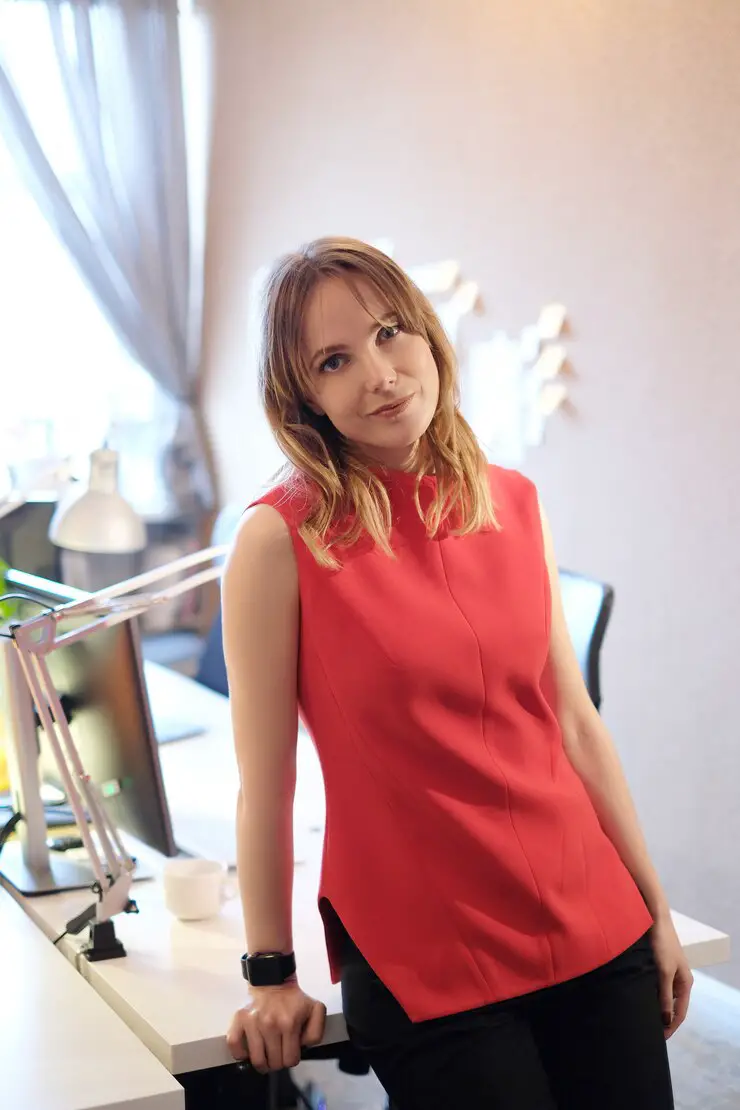
Sophia Rivers is an experienced News Content Editor with a sharp eye for detail and a passion for delivering accurate and engaging news stories. At TheArchivists, she specializes in curating, editing, and presenting news content that informs and resonates with a global audience.
Sophia holds a degree in Journalism from the University of Toronto, where she developed her skills in news reporting, media ethics, and digital journalism. Her expertise lies in identifying key stories, crafting compelling narratives, and ensuring journalistic integrity in every piece she edits.
Known for her precision and dedication to the truth, Sophia thrives in the fast-paced world of news editing. At TheArchivists, she focuses on producing high-quality news content that keeps readers informed while maintaining a balanced and insightful perspective.
With a commitment to delivering impactful journalism, Sophia is passionate about bringing clarity to complex issues and amplifying voices that matter. Her work reflects her belief in the power of news to shape conversations and inspire change.