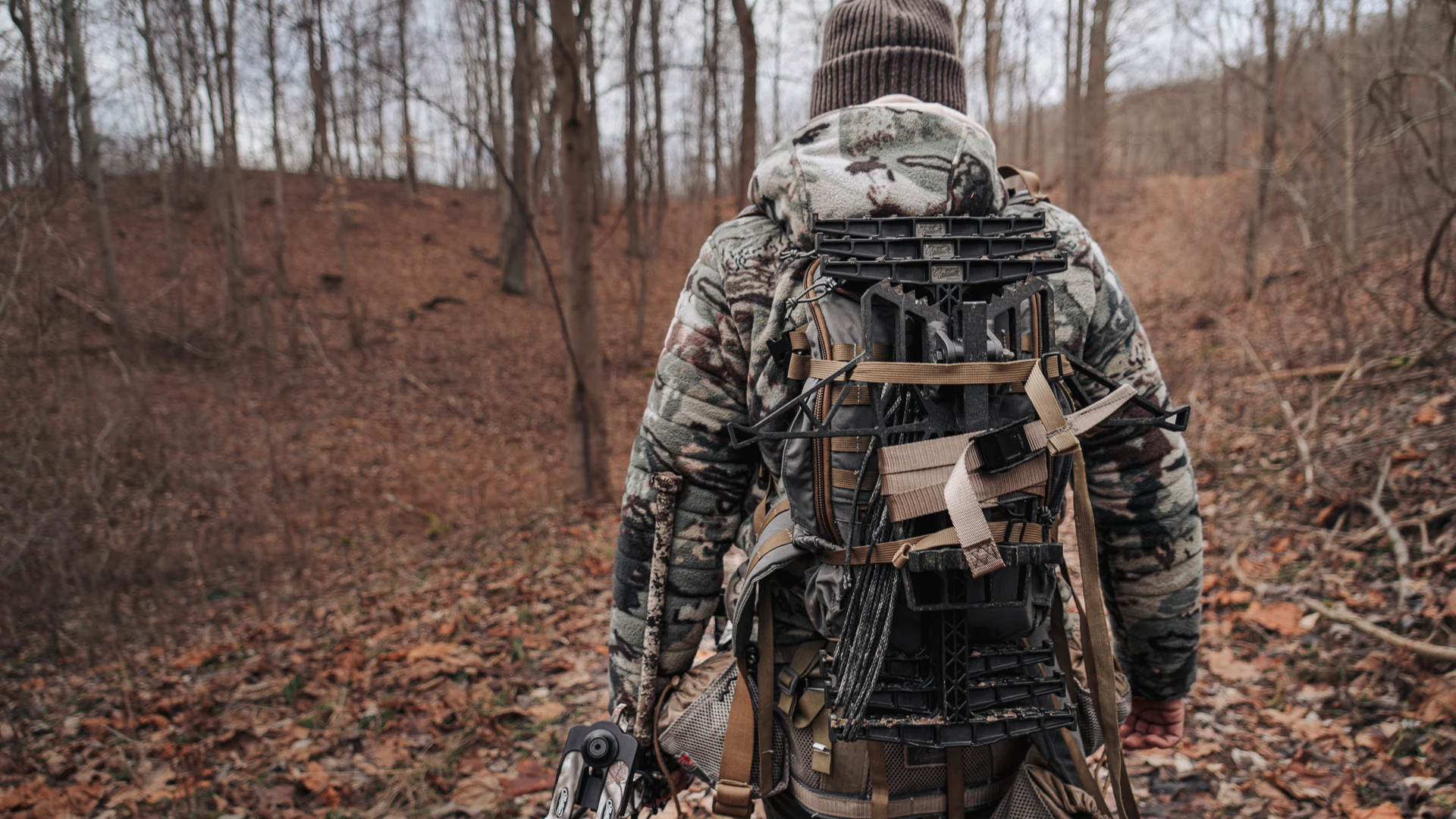
To understand how I ended up standing on that ridge at dawn with three Army veterans and a forged lease, you need to know about my grandfather.
Arvid Halvorsen was born in 1932 in the farmhouse that still stands at the bottom of that land, a mile and a half outside Elk Mound, Wisconsin. He served in Korea with the Second Infantry Division and came home in 1953 with a Purple Heart and a limp in his left leg that never went away. He married my grandmother, Ingrid, in 1955 and farmed that land for fifty years. They grew corn and soybeans, kept a few beef cattle, and raised three kids on what the eighty acres would give.
But what he loved most was the ridge.
The north forty is mostly hardwoods: big white oaks, a few red, and a creek bottom thick with cedar. Every fall the deer came down off that ridge to feed in the picked corn. Grandpa said it was the best deer ground in Dunn County, and nobody ever argued with him, mostly because nobody else had a ridge like it.
He never charged anyone a dime to hunt it.
Every opening morning, from 1961 until the year before he died, he walked his hunters in himself. Most of them were veterans: Korea, Vietnam, the Gulf, then the younger ones from Iraq and Afghanistan. He kept a little green ledger in the kitchen drawer with every name in it, the year they hunted, and whether they got a deer. Sometimes there was a line or two more. “Jim Haugen, Vietnam, 1969. First hunt since he came home. Didn’t shoot. Sat all day. Said it was the first time he slept since Khe Sanh.”
When I was little, he let me walk behind him on those mornings. I’d carry his steel thermos, nearly as big as I was, and he’d tell me to step where he stepped so I wouldn’t crunch the leaves.
“Why don’t you charge them, Grandpa?” I asked him once. I was maybe nine. “The Larsons charge people to hunt their land. Uncle Gary says they make a lot of money.”
He stopped on the field edge in the dark and looked down at me.
“Some things you don’t sell, Amy,” he said. “These men already paid.”
Grandpa died three years ago in March. He was eighty-nine. His will had been drawn up by an old lawyer in Menomonie named Harold Brekke, who’d handled the Halvorsen family’s affairs since the sixties. It left the farmhouse and the eighty acres to me, his only granddaughter, in my name alone.
At the time I was married to Brad Kessler.
We’d been married nine years. Brad was a sales manager at the John Deere dealership in Menomonie. He was charming and easygoing, and the kind of man who could sell a combine to a dairy farmer who didn’t need one. Everybody liked Brad. I liked Brad, for a long time.
When Grandpa’s will went through probate in Dunn County, Brad sat beside me in Harold Brekke’s office while Harold read it out loud. When Harold got to the part about the land, Brad squeezed my knee.
Afterward, in the parking lot, he said, “That’s our land now, babe.”
“It’s my land,” I said, half joking. “Grandpa left it to me.”
He laughed. “Same thing, right? We’re married.”
It wasn’t the same thing. I found that out a year later, when the marriage came apart.

Laura Bennett writes about complicated family dynamics, difficult conversations, and the quiet moments that change everything. Her stories focus on real-life tensions — inheritance disputes, strained marriages, loyalty tests — and the strength people find when they finally speak up. She believes the smallest decisions often carry the biggest consequences.