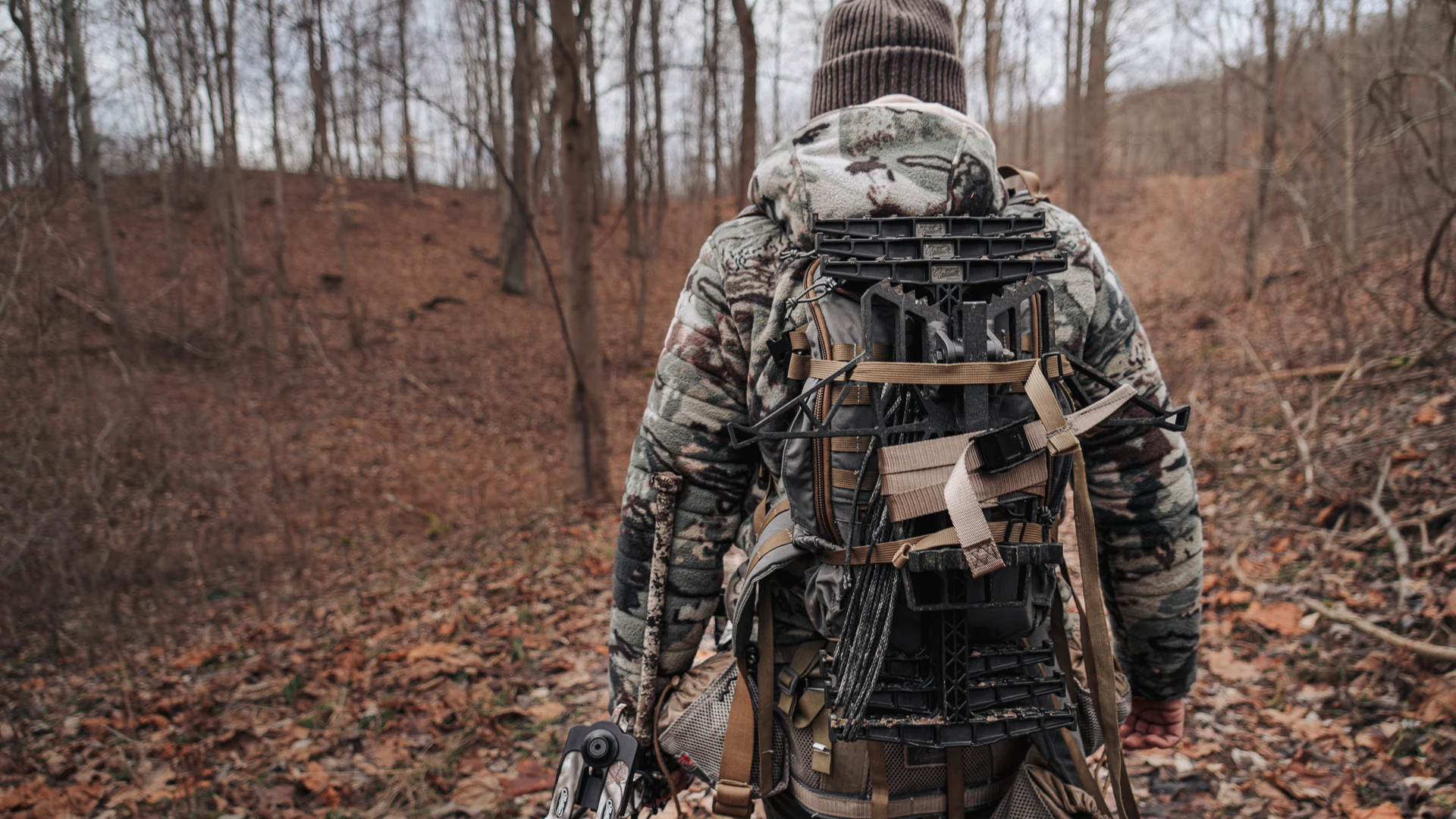
Kurt told me in August like he was telling me the weather.
I was at the Cenex in Elk Mound filling my truck. Kurt pulled in at the next pump in his black Silverado and waved.
“Amy! How you doing?”
“Good, Kurt. You?”
“Good, good.” He pulled the nozzle out and leaned against his truck bed. “Hey, just so you know, we’re paid up with Brad through this season. Four grand, cash. Me, Mike, and Russ. Same as last year.”
I stood there with the gas nozzle in my hand. The pump kept clicking.
“Same as last year?” I said.
“Yeah. Brad said you were okay with it, with him still running the hunting out there. He said you didn’t care about it since you don’t hunt.” Kurt shrugged. “Figured you knew.”
I didn’t know.
I’d had no idea that for the last two seasons, after the divorce, after the judgment, after I wrote “Paid in full” on a check, Brad had been collecting four thousand dollars a year in cash from his buddies to hunt land that wasn’t his.
And I’d been at home in the farmhouse every November weekend, hearing shots on the ridge and thinking they were coming from the neighbors.
I called Brad that night.
He answered on the fourth ring. I could hear a TV in the background and a woman laughing.
“Amy. What’s up?”
“Kurt told me you’ve been leasing the hunting on my land. Four thousand dollars a season. For two years.”
There was a pause. Then he chuckled, that easy, warm chuckle that used to make me forgive him for anything.
“Come on, Amy. You don’t even hunt. It’s wasted on you. Those guys love it out there. They’ve been hunting that ridge for years.”
“With my grandfather’s permission,” I said. “And then with mine, when we were married. Not with yours, Brad. You don’t own anything out there.”
“I built those stands.”
“You built four plywood boxes on my land.”
“Amy.” His voice stayed calm, almost amused. “Don’t make this into a thing. It’s a few weeks in November. Nobody’s hurting anybody.”
Then he hung up.
He never raised his voice. He never had to. That was Brad’s gift: making you feel like the unreasonable one, just by staying calm while you got upset.
I sat at Grandpa’s kitchen table for a long time with the phone in my hand. The green ledger was in the drawer in front of me. I took it out and turned the pages: all those names, all those years. Fifty-nine years of men walking up that ridge with my grandfather because he told them they’d already paid.
And Brad was selling it for cash.
The next morning, I drove to Menomonie and sat across a desk from Patricia Haugen.
“I don’t want to sue anybody,” I told her. “I just want it to stop.”
“Then we stop it,” she said. “You don’t need a sheriff or a judge to keep people off your own land, Amy. The deed has one name on it. That’s yours.”
She explained it plainly. Wisconsin law lets a landowner post her land against trespass. If I put up signs at the right intervals along the boundaries and at the gates, anybody who entered without my permission would be trespassing, no matter who told them it was okay. And if I sent Brad a certified letter revoking any permission he thought he had, he couldn’t claim later that he didn’t know.
“There’s one more thing you need to know,” Patricia said. She folded her hands on the desk. “Something about liability.”

Laura Bennett writes about complicated family dynamics, difficult conversations, and the quiet moments that change everything. Her stories focus on real-life tensions — inheritance disputes, strained marriages, loyalty tests — and the strength people find when they finally speak up. She believes the smallest decisions often carry the biggest consequences.