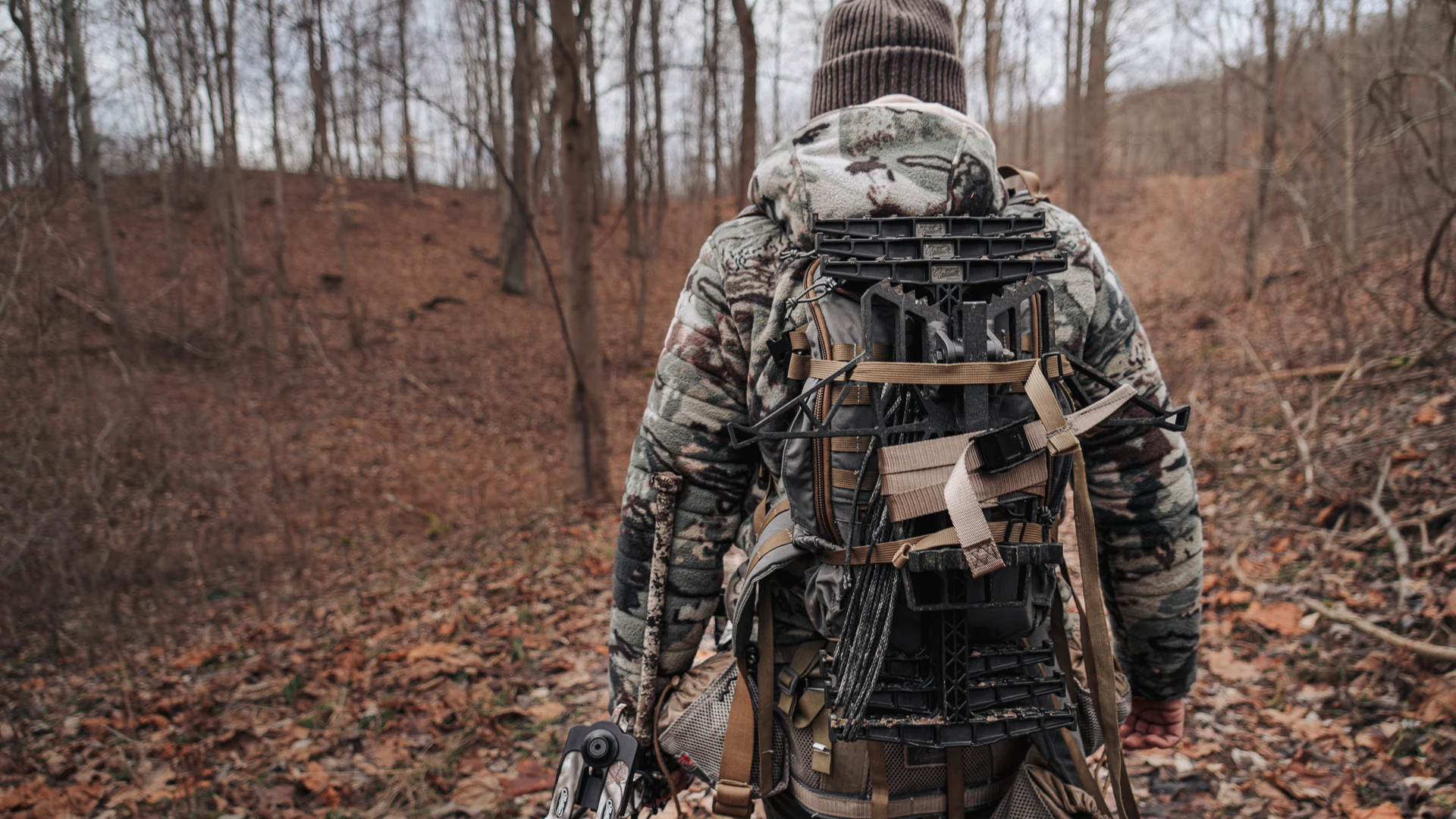
In September, I sat across from Dale Moody at the potluck after church.
Our Savior’s Lutheran in Elk Mound holds a harvest potluck the third Sunday of every September in the basement fellowship hall. There are long folding tables, paper tablecloths, and about forty kinds of hot dish. I brought Grandma Ingrid’s scalloped potatoes, which is the only thing I make that people ask for.
Dale sat down across from me with a plate full of tater tot casserole and three different Jell-O salads. I’d seen him at church for years but never really talked to him. He was a big man with a short gray beard and a quiet way of looking at people, like he was making sure they were okay before he said anything.
“These your scalloped potatoes?” he asked.
“My grandmother’s recipe.”
“Ingrid Halvorsen’s?” He smiled. “I remember these. She brought them to my dad’s funeral in ’99.”
That got us talking. Dale had grown up in Colfax, joined the Army at eighteen, and served twenty-four years, including Desert Storm with the First Cavalry Division and two tours in Iraq. He retired as a first sergeant and came home to Dunn County to drive a delivery truck for the Menomonie co-op.
“You hunt?” I asked.
He shook his head. “Used to. Hunted public land for thirty years. The state forest up by Bruce, the county land near Downsville.” He pushed a tater tot around his plate. “Quit about five years ago.”
“Why?”
He was quiet a moment.
“Too many guys walking in on me in the dark,” he said. “Public land on opening morning is a circus. You get to your spot at four-thirty, and somebody’s already there. Or somebody walks right under your stand at dawn with a flashlight, talking on his phone.” He shrugged. “After Iraq, I don’t do so well with people coming up behind me in the dark. I’d sit there with my heart going like a jackhammer, and that’s no way to hunt. That’s no way to do anything.”
A younger man sitting beside him looked up from his plate. He was in his thirties, thin, with a careful way of holding himself.
“This is Tim Seger,” Dale said. “He works with me at the co-op.”
Tim nodded at me. “Ma’am.”
“You hunt, Tim?”
“Not since I was a kid.” He set his fork down. “My uncle used to take me, up near Chippewa Falls. Then I joined up at nineteen and did two tours in Afghanistan. Kandahar. When I came home, my uncle had passed and his land was sold. I never found anywhere to go after that.” He gave a short, embarrassed laugh. “I’ve got a rifle in my closet I haven’t fired in fifteen years. Dad’s old .30-06.”
On Dale’s other side, another man shook his head. He was maybe forty, broad-shouldered, with a buzz cut and a Wisconsin Badgers sweatshirt.
“Wes Hanna,” Dale said. “Army National Guard. Iraq, 2007.”
“Nobody’s got land anymore,” Wes said. “Everything’s leased up. The big outfitters lease it, or out-of-staters come in and pay a fortune. Guy I know pays six grand a year to hunt a hundred and twenty acres over by Durand. Six grand. I’ve got two kids and a mortgage on a house in Boyceville. I can’t pay six grand to sit in a tree.”
I looked at the three of them, sitting in the basement of my grandfather’s church eating Jell-O salad off paper plates.
I thought about the green ledger in the kitchen drawer. I thought about Grandpa standing on the field edge in the dark, looking down at a nine-year-old girl.
“These men already paid,” I said out loud.
Dale looked up. “Sorry?”
“I have eighty acres,” I said. “My grandfather’s farm, out on County Road H. There’s a hardwood ridge with a creek bottom. Best deer ground in Dunn County, according to him.” I took a breath. “It’s posted now, but not against you. If you three want to hunt it this fall, it’s yours. All season.”
The table went quiet. Even Wes stopped chewing.
“What’s it cost?” Dale asked carefully.
“Nothing.”
“Ma’am, we can’t hunt your land for nothing.” Dale reached for his wallet right there at the potluck table. “Let me at least give you something. A thousand. That’s fair for opening weekend alone.”
I put my hand over his wallet.
“Dale,” I said, “my grandfather walked veterans up that ridge for free from 1961 until the year before he died. If I took a dime from you, Grandpa Arvid would haunt us both.”
Dale looked at me for a long moment. Then he slowly put his wallet away.
“Arvid Halvorsen,” he said quietly. “My dad hunted with him. In the seventies. After Vietnam.”
I went home that night, opened the green ledger, and found it in Grandpa’s slanted handwriting: “Roger Moody, Vietnam, 1974. Big 10-pointer, north ridge. Cried when he shot it. Said it was the first good thing since he got back.”

Laura Bennett writes about complicated family dynamics, difficult conversations, and the quiet moments that change everything. Her stories focus on real-life tensions — inheritance disputes, strained marriages, loyalty tests — and the strength people find when they finally speak up. She believes the smallest decisions often carry the biggest consequences.