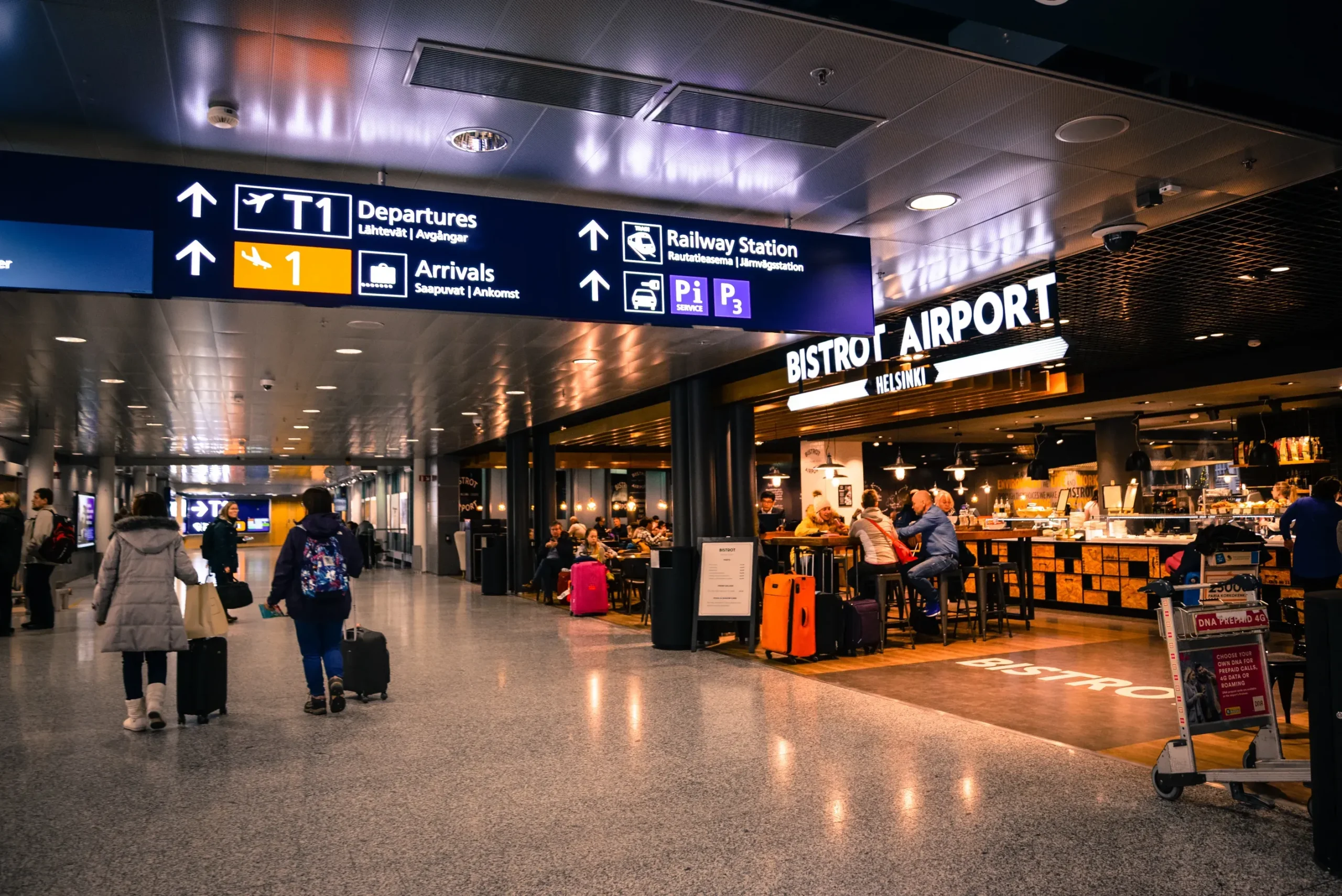
That was eight months after I sat on that bench at the airport.
On the first warm Saturday of the following spring, I planted tomatoes in a raised bed on the tiny patio behind my townhouse. Better Boys and Early Girls, the same kinds Dad always grew.
Travis came over to help. He showed up on time, actually ten minutes early, with a bag of potting soil over his shoulder and two coffees in a cardboard tray. Cream and two sugars.
He’d moved into a one-bedroom apartment in Hilliard and was working as a real estate agent again, with his license reactivated. He’d closed three deals since January. He was dating a nice, quiet woman named Elena, a middle school science teacher, who laughed at his jokes but also made him split the check. His credit score had climbed to 628.
“Still not great,” he told me. “But it’s going the right direction.”
We spent the afternoon on our knees in the dirt, planting tomatoes. Halfway through, Travis sat back on his heels and wiped his forehead with his wrist.
“Hey,” he said. “Your company’s sending you to that conference in Atlanta next month, right?”
“Yeah. Why?”
“What day do you fly back?”
I looked at him. “The fourteenth. I land at 6:10.”
He took his phone out of his pocket, opened his calendar, and typed it in. Then he set an alarm. Then he set a second alarm, an hour earlier. Then he held the phone up so I could see the screen.
PICK UP RYAN. AIRPORT. 6:10 PM. DO NOT FORGET. SERIOUSLY.
I laughed. This time, it was actually funny.
“You don’t have to do that, Trav. I can get an Uber.”
“I know you can,” he said. “You can always figure it out. That’s kind of the point.” He put the phone away. “But I want to be the guy who shows up.”
On the fourteenth of the next month, my plane from Atlanta touched down at 6:04, six minutes early. I collected my suitcase and walked out through Door 6 at 6:31.
Travis’s car was already at the curb, hazard lights blinking. He was leaning against the passenger door in a clean shirt, holding a piece of cardboard with something written on it in black marker.
WELCOME HOME, RYAN. I REMEMBERED.
People walking past laughed. One woman took a picture.
I stood on the sidewalk with my suitcase and looked at my brother holding that ridiculous sign, and I started laughing all over again.
“How long have you been here?” I asked.
“Forty-five minutes,” he said. “I didn’t want to risk traffic.”
He took my suitcase and put it in the trunk. Then he opened the passenger door for me like a chauffeur, with a little bow.
On the drive home, the sun was going down over Columbus. He told me about a house he was trying to sell in Upper Arlington, and I told him about the conference. Somewhere along I-670, he went quiet.
“Ryan?”
“Yeah?”
“Thanks for not catching me.”
I looked out the window at the city lights coming on one by one.
“Thanks for finally landing,” I said.
When he dropped me off at my townhouse, I went straight through the kitchen and out to the patio. The tomato plants were knee-high and full of small yellow flowers. Somebody had watered them while I was gone. The soil was dark and damp.
On the edge of the raised bed sat a yellow sticky note held down by a rock.
Watered them Tues, Thurs, Sat. Didn’t forget. —T
I folded the sticky note and took it inside. Then I opened Dad’s green tackle box on the shelf above my desk, the one Britney had thrown in the trash, and tucked the note inside, right next to the red-and-white spoon that caught a nineteen-pound walleye on Lake Erie in 1998.
Dad always said a man’s word is the only thing he owns that nobody can repossess.
It took my brother thirty-four years and a lawyer’s letter to learn that.
But Dad was right about him too. He was slower than me.
But he got there.
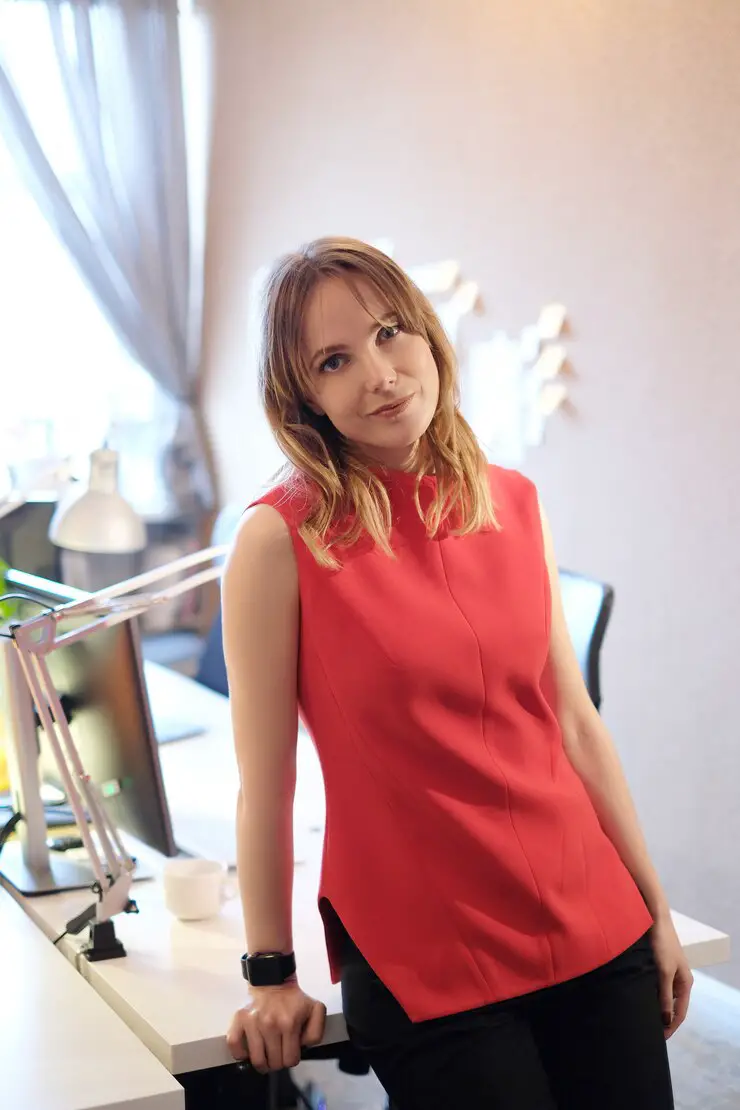
Sophia Rivers is an experienced News Content Editor with a sharp eye for detail and a passion for delivering accurate and engaging news stories. At TheArchivists, she specializes in curating, editing, and presenting news content that informs and resonates with a global audience.
Sophia holds a degree in Journalism from the University of Toronto, where she developed her skills in news reporting, media ethics, and digital journalism. Her expertise lies in identifying key stories, crafting compelling narratives, and ensuring journalistic integrity in every piece she edits.
Known for her precision and dedication to the truth, Sophia thrives in the fast-paced world of news editing. At TheArchivists, she focuses on producing high-quality news content that keeps readers informed while maintaining a balanced and insightful perspective.
With a commitment to delivering impactful journalism, Sophia is passionate about bringing clarity to complex issues and amplifying voices that matter. Her work reflects her belief in the power of news to shape conversations and inspire change.