That was seven months ago.
It’s November now, and the first real cold of the winter came through last week. Twenty below on Tuesday night.
I called Mom on Tuesday evening at seven.
“What does the thermostat say, Mom?”
“Seventy,” she said. “Sixty-eight at night. Like I promised.”
“Good.”
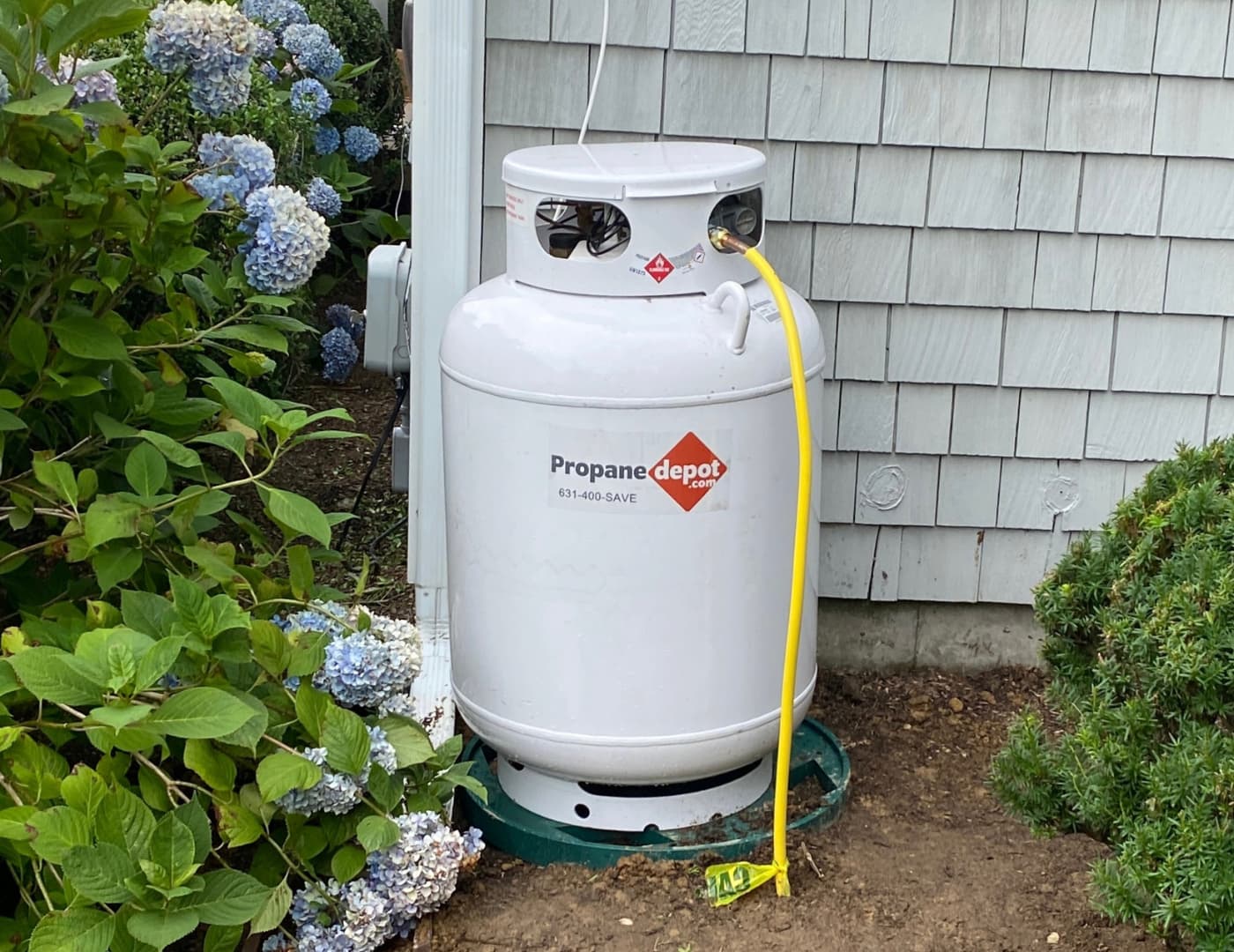
“And Julie? The co-op truck came out in October. Kyle filled the tank all the way up. He said it was the easiest delivery on his whole route. Nobody had to call.”
“That’s the whole point, Mom.”
Pam and I talk every week now. Sometimes more. In June, she sent in the financial assistance application to Trinity Hospital. I helped her fill it out at my kitchen table over two long Saturday afternoons, gathering Mark’s disability paperwork, their tax return, their bank statements, and the mortgage letter. In August, the hospital wrote back. Because of their reduced income during Mark’s recovery, they qualified for a sixty percent reduction. Their bill dropped from $18,400 to $7,360.
Pam called me the day the letter came. She was crying so hard I could barely understand her.
“Eleven thousand dollars, Julie. Gone. Just like that. Because somebody told me to ask.”
Mark went back to work in September, driving truck again, but no more loading. He’s on light duty now, running grain from the elevator in Harvey to the terminal in Minot. They’re caught up on their mortgage. Mom’s house payment checks stopped in October, because Pam told her they didn’t need them anymore.
Mom told me Pam brought the last one back to her, uncashed.
This October, I got a check in the mail from Rob for $250, and one from Dean. I added my own $250 to a separate savings account at my credit union that I labeled MOM’S HEAT. Every time the co-op bills my card for a delivery, I pay it from that account.
Pam sent me a check too, even though Rob told her not to. It was for $50, with a note in her loopy handwriting: I know Rob said my share is the driving. But I want to put in something. Even if it’s small. —P
I deposited it with the others.
Last Sunday, Pam drove Mom to church in Harvey, the way she does every week. Afterward, she texted me a photo. It was Mom, standing on the porch of the farmhouse in her lavender cardigan, holding a cup of coffee and smiling. Behind her, through the kitchen window, I could see the warm yellow light of the kitchen and the frost-free glass.
Underneath, Pam had written: Thermostat says 70. Coat’s on the hook. Just checking.
I saved that photo on my phone. Some nights, I look at it before I go to sleep.
My father’s last words to us were, “You four take care of your mother. Don’t let her get cold out there.”
We almost failed him. All four of us, in our own ways. One of us cut corners. Three of us didn’t look closely enough. And Mom, bless her stubborn heart, sat out there in her coat rather than tell anybody she was cold.
But we figured it out. Late, and with some hurt feelings along the way. But we figured it out together.
Mom’s brown winter coat still hangs on the hook by the kitchen door, right beside Dad’s old barn jacket. She only wears it to feed the cats now.
And the furnace hums all night long.

Laura Bennett writes about complicated family dynamics, difficult conversations, and the quiet moments that change everything. Her stories focus on real-life tensions — inheritance disputes, strained marriages, loyalty tests — and the strength people find when they finally speak up. She believes the smallest decisions often carry the biggest consequences.