Sunday came with a hard, bright, windless sky.
I woke at seven on the couch with a crick in my neck. I showered, made coffee, and walked through the house room by room, checking windows. I stood in the kitchen I’d designed on graph paper and ran my palm along the quartz counter.
The yard was clean. The tent was gone. The pool was full, blue and still, inside the chain-link fence with its new padlock. The side gate was locked. My stake stood in the northwest corner with its torn orange tape.
At 11:30, Sergeant Abernathy’s cruiser pulled up to the curb.
I met him on the front walk. He was about sixty, broad, with a gray mustache, carrying a manila folder under his arm. He had the unhurried manner of a man who’d spent forty years standing in the middle of other people’s trouble.
“Mr. Voss.”
“Sergeant.”
“I’ve read your file.” He glanced at the house. “Good-looking place.”
“Thank you.”
“Anything new?”
I took the printout from my pocket and handed it to him. He read it on my front walk in the sun, reading glasses halfway down his nose.
He doesn’t have the nerve to call the cops. Once 50 people are in his yard, what’s he going to do? Have his own family removed?
When he finished, he was quiet for a moment.
“That’s your sister?”
“Yes.”
“That’s what we’d call evidence of intent,” he said, tapping the page against his palm. “It shows she knew you’d refused and planned to go ahead anyway. It matters if this goes further.”
“I’d rather it didn’t.”
“So would I. But I’d like to keep a copy.”
“Of course.”
He crossed the lawn and stationed himself beside the side gate, at ease, hands folded in front of him, the new padlock gleaming at his elbow. He looked exactly like what he was: a patient man, waiting for the weather.
Shaw’s truck pulled up behind the cruiser. He climbed out in jeans and a clean flannel shirt, carrying two cups of coffee and a box of donuts. He handed me a coffee and took his place on the porch beside me.
“Figured you could use company.”
“Thanks. I can’t eat.”
“I’ll eat yours.”
I laughed. It came out short and a little cracked.
At 12:15, the first car arrived, a silver minivan with Ohio plates and a bike rack. A man in a Browns jersey got out, then a woman with a baby carrier, then two little kids in matching swimsuits who ran in circles on the grass, shrieking.
Then a blue sedan. Then a Ford pickup. Then a black SUV, a white SUV, and a rusted hatchback with a bumper sticker that read WORLD’S OKAYEST GRANDMA. Then five more cars. Then ten.
By 12:30, both sides of Alder Court were packed bumper to bumper all the way to the corner. My neighbors had come out onto their porches. Mrs. Pellegrino, across the street, stood with her arms folded and her mouth in a thin line.
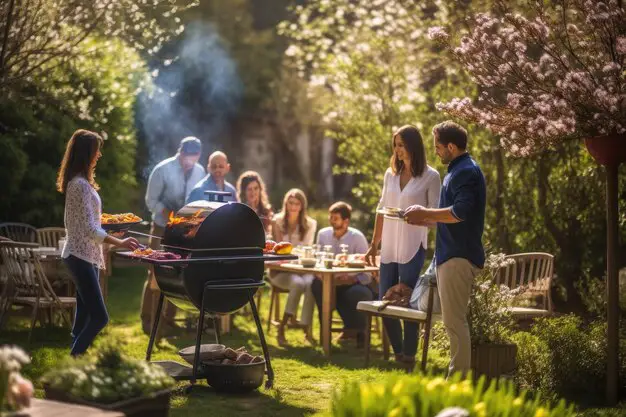
People poured out of the cars. Cousins I hadn’t seen in years. Uncle Rudy in a Hawaiian shirt. Great-Aunt Lorraine in her wheelchair, pushed by a teenage grandson. Kids in swimsuits with floaties on their arms. Adults with coolers and trays and folding chairs.
They streamed up the street toward the side of my house.
“The side gate!” someone called. “Naomi said the side gate!”
I stood on my porch with my coffee and didn’t move.

Specialty: Quiet Comebacks & Personal Justice
David Reynolds focuses on stories where underestimated individuals regain control of their lives. His writing centers on measured decisions rather than dramatic outbursts — emphasizing preparation, patience, and the long game. His characters don’t shout; they act.