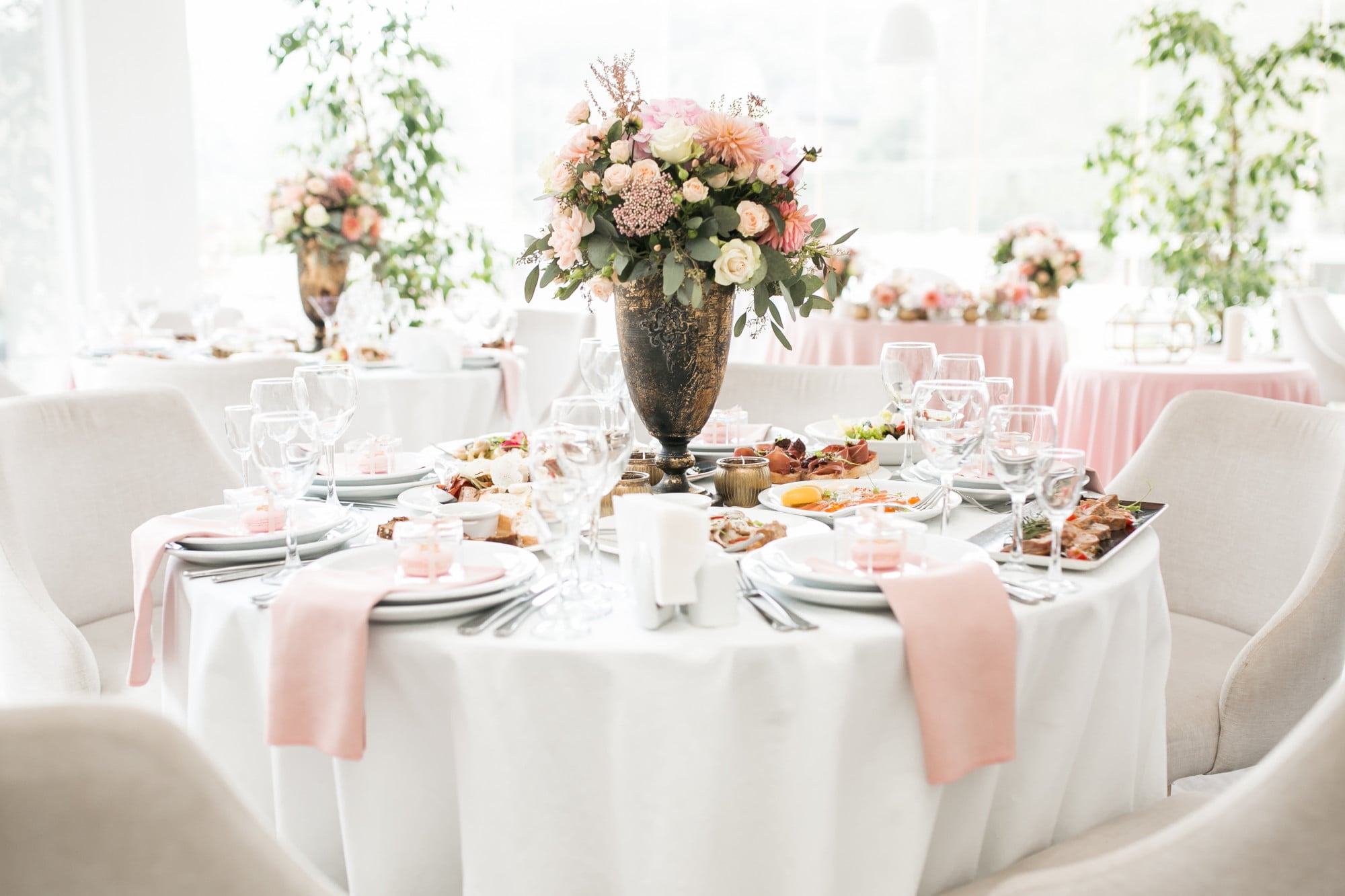
The Table by the Kitchen
Part One: The Necklace
“Grandma, let me fix your necklace,” Lucy said.
My daughter was standing behind my mother in the bride’s dressing room at the Hillside Country Club, carefully unhooking a thin gold chain that had twisted at the back of Mom’s neck. Lucy is fifteen. She has long, careful fingers, the kind that are good at untangling things.
Mom smiled at her in the mirror.
“Thank you, sweetheart,” she said. “I want to look nice for Daniel.”
She did look nice. She looked beautiful.
She was wearing a lavender dress she’d bought at Dillard’s three months earlier and altered herself, because she said the sleeves were too long for an old woman’s arms. Her silver hair was set in soft curls. She had on the pearl earrings my father gave her for their fortieth anniversary, the year before he died.
And the necklace. A tiny gold locket on a thin chain. Inside were two pictures. My father on one side. On the other, a photo of my son, Daniel, at four years old, in a little chef’s hat she’d made him out of a paper bag.
My mother’s name is Ida Kowalski. She’s seventy-six years old.
She raised both my kids after my divorce. I want you to understand that. I want everybody to understand that.
When Daniel was seven and Lucy was eight months old, my husband left. He moved to Phoenix with a woman from his office and sent child support for exactly fourteen months. After that, nothing.
I was a nurse at Mercy Hospital in Cincinnati. I worked nights, twelve-hour shifts, three and four nights a week. It was the only way to pay the mortgage.
My mother moved in with us that winter.
She’d just retired from thirty-four years as head pastry cook at this very country club. The Hillside Country Club, up on the hill in Indian Hill, where the old money in Cincinnati plays golf and holds weddings and eats crème brûlée on the terrace.
Mom made that crème brûlée. And the wedding cakes. And the Christmas cookies and the birthday cakes and the little lemon tarts the ladies ate at bridge club.
She retired at sixty-two with a sore back, a modest pension, and a lifetime of burns on her forearms from the ovens. Two weeks later, she was sleeping on a pull-out couch in my living room, packing my children’s lunches.
When I worked nights, she made the kids dinner. She helped with homework at the kitchen table. She took them to school in the morning in her old Buick, then picked them up in the afternoon.
She taught Daniel to make pie crust when he was nine. She taught Lucy to read before kindergarten. She sat in the bleachers at every one of Daniel’s high school basketball games and every one of Lucy’s choir concerts.
She did it for eleven years. Until Lucy was old enough to stay home alone and I’d finally moved to day shifts.
She never once asked for anything.
The night before the wedding, Daniel called her.
I was in Mom’s kitchen when the phone rang. She put him on speaker.
“Grandma,” Daniel said. “Are you still coming tomorrow? You’re feeling okay?”
“Of course I’m coming,” Mom said. “Why wouldn’t I be?”
“I just wanted to make sure,” Daniel said. His voice was a little thick. “I want you there. More than anybody.”
Mom smiled at the phone.
“I wouldn’t miss it for anything,” she said.
Part Two: Jenna
Daniel is twenty-seven now. He’s a sous chef at a restaurant in Over-the-Rhine. He got into cooking because of my mother. He says she’s the reason he does everything he does.
He met Jenna Whitfield three years ago at a farmers market in Hyde Park. She was buying tomatoes. He told her she was picking the wrong ones. She told him to mind his own business. Then she bought the ones he recommended.
They’ve been together ever since.
Jenna is a pediatric occupational therapist at Children’s Hospital. She’s smart and funny and warm. She calls my mother “Grandma Ida.” She sends her birthday cards with handwritten notes.
I loved her the moment I met her.
Her mother was a different story.
Patricia Whitfield is fifty-eight. She lives in a big stone house in Indian Hill with a three-car garage and a circular driveway. Her husband, Grant, is a corporate attorney. They’ve been members of the Hillside Country Club for twenty-five years.
Patricia chairs the Garden Society. She’s on the board of the Cincinnati Art Museum. She plays doubles tennis every Tuesday and Thursday at nine a.m.
She’s always perfectly dressed. Always perfectly polite.
And from the first time she met my mother, something in her face went tight.
It happened at the engagement party. Two years ago, at the Whitfields’ house.
I walked in with Mom on my arm. Patricia was standing in the foyer greeting guests. She shook my hand. She smiled.
Then she turned to Mom.
And for just a second, her smile froze.
“Have we met?” Patricia asked.
Mom looked at her for a long moment.
“I don’t believe so,” Mom said quietly.
Later that night, in the car, I asked her about it.
“Mom, did you know her?”
Mom was looking out the window at the big houses going by in the dark.
“A long time ago,” she said. “When she was very little. I don’t think she remembers.”
“From where?”
Mom didn’t answer right away.
“From the club,” she finally said. “Her mother worked there.”
I didn’t think about it again.
Not until the wedding.
Part Three: The Cake
Two days before the wedding, Daniel called me in a panic.
It was Thursday afternoon. I was at work, on my lunch break in the cafeteria. He was talking so fast I could barely understand him.
“Mom,” he said. “The bakery closed. The cake’s gone.”
The bakery was Lumière. A famous French patisserie in Mariemont. Patricia had chosen it. She’d paid a deposit of four thousand dollars for a five-tier white chocolate and raspberry cake with sugar flowers cascading down the side.
That morning, a water main broke under the street. The bakery flooded. Two feet of water in the kitchen. The ovens were ruined. The health department shut them down.
Every order for the weekend was canceled.
“Patricia’s losing her mind,” Daniel said. “She’s called every bakery in Cincinnati. Nobody can do a five-tier cake for a hundred and eighty people in two days. Nobody.”
“What about a smaller cake? Cupcakes?”
“She says it’ll look cheap,” Daniel said. “She says everyone at the club will know. Jenna’s crying. Mom, I don’t know what to do.”
I was quiet for a moment.
“Have you called Grandma?” I asked.
Daniel didn’t answer.
“Daniel,” I said. “Your grandmother made every wedding cake at that country club for thirty-four years.”
“I know,” he said. “But she’s seventy-six. She’s got a bad back. It’s a five-tier cake. I can’t ask her to do that.”
“You don’t have to ask her,” I said. “Just tell her what happened.”
He called her that afternoon.
She was at her house in Westwood, watering her tomato plants. She listened to the whole story without saying a word.
When he was done, she said, “What flavor did Jenna want?”
“White chocolate and raspberry,” Daniel said.
“With sugar flowers?”
“Down the side,” Daniel said. “Like a waterfall.”
Mom was quiet for a moment.
“Bring me two hundred dollars’ worth of butter,” she said. “And six dozen eggs. And find me your sister. I’m going to need help.”
Part Four: Forty-Eight Hours
She baked for two days straight.
In her own small kitchen, in her own small house. With one oven and a stand mixer she’d bought in 1987.
She made twelve layers of white chocolate sponge cake. She made raspberry filling from scratch, with berries Daniel drove to a farm in Lebanon to pick. She made four batches of Swiss meringue buttercream, beating it until it was smooth as silk.
Lucy stayed with her the whole time.
She slept on Mom’s couch Thursday and Friday nights. She cracked eggs and sifted flour and washed bowls. She stood beside Mom at two in the morning, watching her make sugar roses.
That’s what I remember most. Lucy told me about it later.
“She made every single flower by hand, Mom,” Lucy said. “Two hundred and forty of them. Roses and peonies and little tiny forget-me-nots.”
She showed me pictures on her phone. My mother, at her kitchen table at three in the morning, with reading glasses on the end of her nose. Rolling out sugar paste so thin you could see light through it. Shaping each petal with a little metal tool.
“Her hands were shaking,” Lucy said. “From her arthritis. But she didn’t stop. She kept saying, Just one more. Just one more.”
On Friday night, at eleven o’clock, Daniel drove to Mom’s house with a cooler van he borrowed from his restaurant.
He walked into her kitchen.
He saw the cake.
Five tiers. White as snow. Smooth as porcelain.
And down one side, a waterfall of sugar flowers. Roses and peonies, blush and white and the palest pink. Tiny blue forget-me-nots tucked between them. Every petal perfect.
It was more beautiful than the picture Patricia had shown them from Lumière.
It was more beautiful than anything Daniel had ever seen.
He stood in the doorway and cried.
Mom was sitting at the kitchen table in her bathrobe, with flour in her hair and her feet up on a chair.
“Well?” she said. “Will it do?”
Part Five: The Promise
Before Daniel loaded the cake into the van, Mom made him promise something.
She made Lucy promise too.
“Don’t tell Patricia,” she said. “Don’t tell anybody where this came from.”
Daniel stared at her.
“Grandma,” he said. “Why not? You made this. Everyone should know.”
Mom shook her head.
“She won’t want it,” she said quietly. “Not if she knows it came from me.”
“That’s crazy,” Daniel said.
“It’s not,” Mom said. “Trust me, honey.”
She looked at the cake.
“Just tell her you found a baker,” she said. “A friend of a friend. Somebody who owed you a favor. Let her think whatever she wants.”
“But why?” Lucy asked.
Mom didn’t answer for a long time.
“Because the cake is for you, Danny,” she said finally. “Not for me. Not for her. It’s your wedding. I want it to be perfect. And it won’t be perfect if Patricia spends the whole night upset about where the cake came from.”
Daniel didn’t want to promise.
Lucy didn’t want to promise.
But they’d never once said no to their grandmother. Not in their whole lives.
So they promised.
Daniel called Patricia that night and told her he’d found a baker. A former pastry chef he knew through the restaurant. Retired. Doing it as a favor.
Patricia was so relieved she didn’t ask any questions.
Part Six: The Ceremony
The wedding was on Saturday at four o’clock.
On the terrace at the Hillside Country Club, overlooking the golf course and the Little Miami River valley. White chairs in rows. An arch covered in white roses. A string quartet.
It was beautiful. I’ll give Patricia that.
Mom sat in the second row on the groom’s side. Next to me and Lucy.
She cried through the whole ceremony.
When Daniel saw Jenna walking down the aisle in her lace dress, his face crumpled. He wiped his eyes with the back of his hand. Mom reached over and squeezed my fingers.
“He looks like your father,” she whispered. “When he saw me in my dress.”
They said their vows. They kissed. Everybody stood and clapped.
As they walked back down the aisle, Daniel stopped at our row. He bent down and kissed his grandmother on the cheek.
“Thank you, Grandma,” he whispered. “For everything.”
Mom couldn’t speak. She just patted his face.
Part Seven: Patricia’s Changes
After the ceremony, we walked into the reception hall.
It’s a big room with a high ceiling and crystal chandeliers and tall windows looking out on the golf course. Patricia had decorated it in white and gold. White roses on every table. Gold chargers under every plate. Little calligraphy place cards with everyone’s name.
The head table was at the front, under the windows. To the left of it were the family tables. Two round tables for the bride’s family. Two for the groom’s.
And in the corner, right by the swinging doors to the kitchen, there was a small table. Square, not round. No tablecloth. No flowers. Two folding chairs and a paper plate with half a sandwich on it.
That was the staff table. Where the catering workers sat to eat during their breaks.
Patricia was standing at the entrance, showing guests to their tables.
She looked perfect. A champagne-colored gown. Pearls. Her blonde hair swept up.
She smiled at everyone who came through the door. She checked her clipboard. She pointed them to their seats.
When we reached her, she smiled at me.
“Denise,” she said. “You’re at Table Three, with your daughter. Right next to the head table.”
“Thank you,” I said.
Then she looked at Mom.
“And your name?” she asked.
I stared at her. She’d met my mother at the engagement party. At the rehearsal dinner last night.
“Ida,” Mom said quietly. “Ida Kowalski.”
Patricia looked at her clipboard.
She didn’t say anything for a moment.
Then she walked us past the family tables. Past Table Three, with my place card and Lucy’s. Past Table Four, where Daniel’s father’s empty chair had a little place card that said Robert Kowalski — Regrets.
She walked us all the way to the corner.
To the small square table by the kitchen.
Two catering workers were sitting there. A young woman with her hair in a bun, eating a sandwich. An older man in a white jacket, drinking a cup of coffee.
They both looked up, surprised.
Patricia pulled out the folding chair.
“She can sit here,” she said.
Part Eight: Please Don’t Make a Scene
I stared at her.
“What?” I said.
“She can sit here,” Patricia said again. Very calmly. “I think she’ll be more comfortable.”
“She’s the groom’s grandmother,” I said. “She belongs with us. At the family table.”
Patricia gave me a tight little smile.
“We made some changes,” she said. “There wasn’t room. The seating is very tight.”
“There’s an empty chair at Table Four,” I said. “My ex-husband isn’t coming. You put his name on it.”
Patricia’s smile didn’t move.
“Please don’t make a scene, Denise,” she said. “Not today. Not at your son’s wedding.”
I felt my face get hot. I opened my mouth.
Mom touched my arm.
“It’s all right, honey,” she said softly. “I’ll be fine.”
“Mom, it’s not all right—”
“Denise,” she said. Firmly. The voice she used when I was a teenager and about to say something I’d regret. “It’s Daniel’s day. I’m fine.”
She sat down in the folding chair.
She sat beside the two catering workers. She smoothed her lavender dress over her knees. She folded her hands in her lap.
She tried to smile.
But I could see it. The way her chin trembled. The way her fingers went to the locket at her throat and held on to it.
She was hurt.
The young caterer looked at Mom. Then at Patricia. Then at me.
“Ma’am,” she said to Mom quietly. “Would you like some water?”
“That would be lovely, dear,” Mom said. “Thank you.”
Patricia turned and walked away. Back toward the entrance, with her clipboard. Smiling at the next guest.
Part Nine: Lucy
Lucy had been standing behind me the whole time.
She hadn’t said anything. She’d gone very quiet. She was looking from her grandmother, in the folding chair by the kitchen doors, across the room to the family tables. To the white roses and the gold chargers and the calligraphy place cards.
To Table Three, where her own name was written in gold ink.
“Grandma isn’t staff,” Lucy said.
She said it loud enough for Patricia to hear. Patricia stopped and turned around.
She gave Lucy a tight smile.
“This is an adult conversation, sweetheart,” she said.
Then she turned and walked away again.
I was shaking. I didn’t know what to do. I wanted to scream at Patricia. I wanted to drag my mother out of that folding chair and carry her to the family table.
I wanted to find Daniel.
I started to walk toward the head table.
Lucy caught my sleeve.
“Mom,” she said. “Stay with Grandma.”
I looked at her.
She was holding her phone. Her face was very calm. Very serious. The same face she makes when she’s about to take a really hard test.
“Lucy,” I said. “What are you going to do?”
She looked at her grandmother. In the folding chair. Holding her locket. Trying to smile at the caterer who’d brought her a glass of water.
“I didn’t want to do this today,” Lucy said quietly. “Grandma made me promise.”
She looked back at me.
“But she deserves it,” she said.
Before I could stop her, she walked away.
Across the room. Past the family tables. Past the dance floor. Straight to the head table, where Daniel and Jenna were sitting under the tall windows, laughing with the best man.
I sat down beside my mother.
I took her hand. It was cold.
“Denise,” Mom said. “Where’s Lucy going?”
“I don’t know, Mom,” I said.
Across the room, Lucy reached the head table.
She leaned toward her brother and Jenna. She said something. I couldn’t hear it. The string quartet was playing.
She held up her phone. She showed them something on the screen.
Daniel’s face went white.
He stood up.
Jenna looked at the phone. She looked across the room. At the corner by the kitchen. At my mother in her lavender dress, in a folding chair, beside two caterers eating sandwiches.
Jenna pushed back her chair.
It scraped loud against the floor.
She stood up. In her lace wedding dress. With her veil still on.
She looked across the room at her mother.
“You can’t do that!” the bride screamed.
Part Ten: The Bride
The room went silent.
The string quartet stopped mid-note. Every conversation died. A hundred and eighty guests turned and stared at the bride standing at the head table.
Patricia was halfway across the room with her clipboard. She froze.
“Mom,” Jenna said. Her voice was shaking. “What did you do?”
Patricia’s face went pale. She glanced around the room. At the guests. At the Garden Society ladies at Table Seven. At the tennis friends at Table Nine.
“Jenna,” she said quietly. “Sweetheart, sit down. We’ll talk about this later.”
“No,” Jenna said.
She walked out from behind the head table.
In her wedding dress, with her train dragging on the floor behind her. Her bridesmaids scrambled to pick it up. She didn’t wait for them.
She walked straight across the room. Past the family tables. Past the dance floor.
Daniel was right behind her.
They walked right past Patricia.
They walked all the way to the corner. To the small square table by the kitchen.
Jenna stopped in front of my mother.
She looked down at her. At the lavender dress. At the folding chair. At the paper plate with the caterer’s half-eaten sandwich.
At the locket my mother was still holding.
“Grandma Ida,” Jenna said. Her voice broke. “I’m so sorry. I didn’t know.”
Mom looked up at her.
“It’s all right, dear,” she said. “It’s your wedding. Don’t fuss.”
“It’s not all right,” Jenna said. “It’s not even close to all right.”
Daniel knelt down beside his grandmother’s chair.
He was crying.
“Grandma,” he said. “Lucy told us.”
Mom looked at him. Then she looked across the room at Lucy, who was standing by the head table with her phone in her hand.
“Lucy,” Mom said quietly. “You promised.”
Lucy walked over slowly. She stood beside her brother.
“I know, Grandma,” she said. “I’m sorry.”
She looked at the folding chair. At the caterers. At Patricia, standing frozen in the middle of the room with her clipboard.
“But she put you at the staff table,” Lucy said. “After everything you did.”
Part Eleven: What Lucy Showed Them
I didn’t understand.
“What did you show them?” I asked Lucy. “What’s on your phone?”
Lucy held it out to me.
It was a photo.
My mother. At her kitchen table. At three o’clock in the morning, two nights ago. Reading glasses on the end of her nose. Flour in her silver hair. Her arthritic fingers holding a tiny sugar rose, shaping each petal with a little metal tool.
In front of her, half-finished, was a five-tier white wedding cake.
Lucy swiped to the next photo.
The finished cake. On Mom’s kitchen counter. Five tiers. White as snow. A waterfall of sugar flowers down one side.
Then the next photo. Mom and Lucy, both with flour on their faces, grinning at the camera with the cake behind them.
Then a video. Ten seconds long. My mother, holding up a single sugar peony, laughing. “Two hundred and thirty-nine. One more to go.”
I looked up at Daniel.
“Grandma made the cake?” I said.
He nodded. He couldn’t speak.
“Two days,” Lucy said. “She didn’t sleep. Her hands were shaking the whole time. She made every flower by hand.”
She looked at Patricia.
“And she made us promise not to tell anybody,” Lucy said. “Because she said Mrs. Whitfield wouldn’t want a cake from her.”
The whole room heard it.
Every guest. Every caterer. Every Garden Society lady at Table Seven.
They all turned and looked at the cake.
It was standing on a round table by the windows, under a spotlight. Five tiers. A waterfall of sugar roses and peonies and forget-me-nots. Patricia had placed it there herself, that afternoon. She’d had a little sign printed in gold calligraphy and set on an easel beside it.
Wedding cake by Lumière Patisserie, Mariemont.
Part Twelve: The Kitchen
Patricia hadn’t moved.
She was standing in the middle of the reception hall in her champagne gown, holding her clipboard against her chest like a shield. Her face had gone from pale to blotchy red.
A hundred and eighty people were staring at her.
“Mom,” Jenna said. “Why?”
Patricia didn’t answer.
“She’s Daniel’s grandmother,” Jenna said. “She raised him. She made our cake. And you put her at the staff table. Next to the kitchen. In a folding chair.”
Her voice cracked.
“Why?”
Patricia looked at my mother.
My mother looked back at her.
For a long moment, neither of them said anything.
Then Mom spoke.
Very quietly. So quietly that only those of us at the little table could hear.
“Hello, Patty,” she said.
Patricia flinched.
Like she’d been slapped.
Nobody calls Patricia Whitfield Patty. I’d never heard anyone call her that. Not her husband. Not her friends. Not her daughter.
“Don’t,” Patricia whispered.
Jenna looked from her mother to my mother.
“Patty?” she said. “Grandma Ida, you know my mom?”
Mom nodded slowly.
“I knew her when she was seven years old,” she said.
“Her mother’s name was Lorraine,” Mom said. “Lorraine Dunn. She cleaned rooms here at the club. In the guest wing upstairs. Twenty years.”
Jenna stared at her mother.
“Lorraine didn’t have anybody to watch her little girl after school,” Mom said. “So she’d bring her here. To the club. Every day. And she’d sit her in the corner of my kitchen. At a little table by the back door. While Lorraine cleaned rooms upstairs.”
Mom looked at Patricia.
“You sat at a table just like this one,” she said gently. “In the corner. By the kitchen door. Every afternoon. From second grade to seventh.”
Patricia’s lip was trembling.
“You did your homework there,” Mom said. “Spelling. Long division. Book reports. And I gave you cookies. Lemon cookies with powdered sugar. You liked the broken ones best because you said they tasted better.”
Patricia put her hand over her mouth.
“You used to call me Miss Ida,” Mom said. “You used to tell me you were going to marry a rich man and be a member of this club someday.”
She smiled sadly.
“You did it,” she said. “You really did.”
Part Thirteen: Patty
The room was completely silent.
Patricia was crying now. Real tears. Running through her perfect makeup.
“I didn’t think you’d remember,” she whispered.
“I remember every child who ever sat in my kitchen,” Mom said.
Grant Whitfield, Patricia’s husband, had come across the room. He was standing behind his wife. He looked as shocked as everyone else.
“Patricia,” he said quietly. “Your mother worked here?”
Patricia didn’t look at him.
“Your mother told me she was a schoolteacher,” Grant said. “In Dayton.”
Patricia closed her eyes.
“She cleaned rooms,” she said. “Upstairs. In the guest wing. For twenty years. She scrubbed the toilets of the same women who sit at Table Seven.”
She opened her eyes. She looked at the Garden Society ladies. They were staring at her with their mouths open.
“Some of you,” Patricia said, “made her cry.”
“She died when I was nineteen,” Patricia said. “Lung cancer. From the cleaning chemicals, the doctor said. I was in my first year at Miami University on a scholarship. I came home for the funeral and then I went back to school and I never told anyone. Not one person. Ever.”
She looked at Grant.
“I told you she was a teacher,” she said. “I told everyone she was a teacher. I spent thirty-five years making sure nobody at this club would ever know I was the cleaning lady’s daughter who did her homework by the kitchen door.”
Then she looked at my mother.
“And then you walked into my house,” Patricia said. “At the engagement party. And I knew you right away. Miss Ida. From the kitchen.”
Her voice broke.
“And I thought, She’ll tell them,” Patricia said. “She’ll tell everyone at the wedding. Everyone will know.”
“So you put me at the staff table,” Mom said quietly.
“So I put you at the staff table,” Patricia said.
She looked at the folding chair. At the paper plate. At the two caterers, who were sitting very still.
“Because if you were staff,” Patricia said, “nobody would listen to you. Nobody listens to the help.”
Nobody moved.
Then Patricia said the worst part.
“I learned that here,” she said. “At this club. Watching my mother.”
Part Fourteen: What Mom Said
Mom stood up.
Slowly. Holding the edge of the little square table. Her bad back. Her seventy-six-year-old knees.
The young caterer jumped up to help her. Mom patted her hand. “Thank you, dear.”
She walked over to Patricia.
She stood in front of her. Small and silver-haired in her lavender dress. Patricia was half a foot taller.
Mom reached up.
She took Patricia’s face in her hands. The way she did when Daniel was little and had scraped his knee. The way she did when Lucy cried after her first breakup.
“Patty,” she said. “I never would have told anyone.”
Patricia stared at her.
“It wasn’t my story to tell,” Mom said. “It was yours.”
“And Patty,” Mom said gently. “There’s nothing to be ashamed of.”
She looked around the room. At the crystal chandeliers. At the white roses and gold chargers. At a hundred and eighty people in their best clothes.
“Your mother cleaned this club for twenty years,” Mom said. “I cooked in that kitchen for thirty-four. Those two people sitting at that table right now are carrying your trays and pouring your wine.”
She looked at the caterers. The young woman with the bun. The older man in the white jacket.
“We’re not the help,” Mom said. “We’re the reason any of this works.”
Patricia was sobbing now.
“Your mother was the hardest-working woman I ever knew,” Mom said. “She’d bring you lemon cookies from my kitchen on her break, wrapped in a napkin, and watch you eat them. She was so proud of you.”
She squeezed Patricia’s face gently.
“She told me once, Patty’s going to be somebody,” Mom said. “She’s going to sit at the front of this room someday.”
“She’d be proud of you, Patty,” Mom said. “For everything you made of yourself.”
She let go of Patricia’s face.
“But she would never,” Mom said, “ever have put another working woman at a table by the kitchen door to make herself feel bigger.”
Part Fifteen: The Sign
Nobody said anything for a long time.
Then Jenna walked over to the cake.
She looked at the little gold calligraphy sign on the easel. Wedding cake by Lumière Patisserie, Mariemont.
She picked it up.
She turned it over.
She held out her hand to her new husband.
“Daniel,” she said. “Do you have a pen?”
He did. He’s a chef. He always has a pen in his pocket for writing orders.
Jenna took it. She leaned the sign against the cake table. She wrote on the back of it.
Then she set it back on the easel.
Wedding cake by Ida Kowalski.
Head Pastry Cook, Hillside Country Club, 1966–2000.
Grandmother of the Groom.
Made by hand in 48 hours with her granddaughter Lucy.
240 sugar flowers.
The room was silent.
Then somebody at Table Seven started clapping.
It was Margaret Hollis. The president of the Garden Society. Eighty-two years old, in a pale blue suit and pearls. She stood up from her chair, slowly, with her cane.
“I remember Miss Ida,” she said loudly. “She made my daughter’s wedding cake in 1978. Lemon and elderflower. It was the best cake I ever ate.”
She kept clapping.
Then somebody at Table Nine stood up.
Then somebody at Table Four.
Then the whole room.
A hundred and eighty people stood up and clapped for my mother.
The caterers stood up. The string quartet stood up. Even the bartender came out from behind the bar and clapped.
Mom stood in the middle of the reception hall in her lavender dress, holding her locket.
She didn’t know what to do. She’d spent her whole working life in the kitchen. Behind the swinging doors. Where nobody saw her.
She’d never once been applauded.
Part Sixteen: The Head Table
Daniel walked over to his grandmother.
He held out his arm.
“Grandma,” he said. “Will you sit with us?”
Mom looked at him.
“At the head table?” she said. “Oh, honey, no. That’s for the bride and groom and the wedding party.”
“It’s for family,” Daniel said. “And you’re the most important family I have.”
Jenna came over and took Mom’s other arm.
“Please, Grandma Ida,” she said. “I want you next to me.”
Mom looked at Patricia.
Patricia was standing alone in the middle of the room. Grant had his hand on her back. Her face was swollen from crying. Her clipboard had fallen on the floor.
Mom held out her hand to Patricia.
“Only if Patty sits with us too,” she said.
Patricia stared at her.
“After what I did?” she whispered.
“After what you did,” Mom said. “Especially after what you did.”
She smiled.
“You and I both started at a little table by the kitchen door,” she said. “I think we ought to finish at the head table. Together.”
They brought two more chairs to the head table.
Gold chiavari chairs, the same as everyone else’s. The catering staff carried them over. The young woman with the bun set a place setting in front of Mom herself. A gold charger. A white rose. Crystal glasses.
She leaned down and whispered something in Mom’s ear.
Mom told me later what she said.
“My grandma was a cook too. Thank you for standing up for us.”
Mom sat between Daniel and Jenna.
Patricia sat on Jenna’s other side. She didn’t say much. She kept wiping her eyes with her napkin.
Lucy and I sat at Table Three, right next to the head table. Lucy held my hand under the tablecloth the whole time.
“Are you mad at me?” she whispered. “For breaking the promise?”
I looked at my daughter.
“I’ve never been prouder of you in my life,” I said.
Part Seventeen: The Cake
When it was time to cut the cake, the DJ called Daniel and Jenna to the cake table.
They walked over together. Daniel picked up the silver cake knife.
Then he stopped.
He turned around and looked at the head table.
“Grandma,” he said. “Come here.”
Mom shook her head. “Oh, no, honey. That’s for the two of you.”
“Grandma,” Daniel said. “You made it. You cut the first slice.”
So my mother walked to the cake table.
Daniel put the silver knife in her hand. He and Jenna put their hands over hers. The three of them cut the first slice together.
White chocolate sponge. Raspberry filling. Swiss meringue buttercream.
Daniel took a bite.
He closed his eyes.
“It tastes like your kitchen,” he said. “It tastes like Saturday mornings.”
The photographer took a picture.
It’s the photo that’s on Daniel and Jenna’s mantel now. In a silver frame. Not the one of the two of them at the altar. Not the one of the first kiss.
This one. Three pairs of hands on one silver knife. A small silver-haired woman in a lavender dress in the middle, laughing. Daniel on one side, Jenna on the other.
And behind them, five white tiers and a waterfall of two hundred and forty sugar flowers.
Part Eighteen: The Dance
Later in the evening, after dinner and toasts and the first dance, the DJ announced the father-daughter dance.
Jenna danced with Grant. They swayed to an old Frank Sinatra song.
Then the mother-son dance. Daniel danced with me. I cried through the whole thing.
Then the DJ said something that wasn’t on the schedule.
“Ladies and gentlemen,” he said. “The groom has one more request.”
The music changed.
It was “In the Mood.” Glenn Miller.
Mom’s head came up.
That was my father’s song. Their song. They used to dance to it in the kitchen on Saturday nights. My father would spin her around the linoleum floor while the radio played and dinner burned on the stove.
Daniel walked to the head table. He held out his hand.
“Grandma,” he said. “Would you dance with me?”
My mother hadn’t danced since my father died. Fourteen years.
She looked at Daniel’s hand for a long time.
Then she took it.
They danced in the middle of the floor at the Hillside Country Club. My son in his tuxedo. My mother in her lavender dress. Slowly at first, because of her bad back. Then a little faster.
Daniel spun her. Once. Carefully.
She laughed. She threw her head back and laughed, the way she used to in our kitchen when I was a little girl.
Halfway through the song, someone else came out on the dance floor.
Patricia.
She was standing at the edge of the dance floor, watching. Her makeup was ruined. Her hair was falling out of its perfect updo.
She walked up to Daniel and my mother.
“May I cut in?” she asked.
Daniel looked at his grandmother. Mom nodded.
Daniel stepped back.
Patricia held out her hands to my mother.
They didn’t really dance. Patricia couldn’t dance to Glenn Miller any better than Mom could at seventy-six with a bad back.
They just held hands and swayed a little. In the middle of the dance floor.
Patricia was crying again.
Mom said something to her. I couldn’t hear it.
Patricia laughed. Through the tears.
I asked Mom later what she said.
“I told her,” Mom said, “that I still had my lemon cookie recipe. And that she could have it, if she wanted. On one condition.”
“What condition?”
Mom smiled.
“She has to come to my kitchen,” she said, “and bake them with me. At my little table.”
Part Nineteen: Mondays
Patricia came.
The Monday after the wedding, a silver Mercedes pulled into the driveway of Mom’s little brick house in Westwood. Patricia got out. She was wearing jeans and a sweatshirt. No pearls. No makeup.
She stood on Mom’s porch for a long time before she rang the bell.
Mom opened the door in her apron.
“Well,” she said. “Come in, Patty. The butter’s softening.”
They baked lemon cookies at Mom’s kitchen table.
I wasn’t there. But Mom told me about it.
Patricia didn’t know how to cream butter and sugar. She didn’t know how to zest a lemon. She’d never baked anything from scratch in her life. She’d hired caterers for every event she’d ever hosted.
“She cried when she smelled them baking,” Mom said. “She said it smelled like the club kitchen. Like being seven.”
They had coffee at the little table while the cookies cooled.
Patricia told Mom about her mother. Things she’d never told anyone. About Lorraine Dunn’s cracked hands. About the sound of her mother coughing at night. About the day of the funeral, when only four people came.
“I was so ashamed of her,” Patricia said. “For thirty-five years. And she was the best person I ever knew.”
“She’d have been proud of you anyway,” Mom said.
“How do you know?”
Mom poured her more coffee.
“Because mothers who scrub floors for their children,” she said, “are always proud. Even when their children are ashamed of them.”
They bake together every Monday now.
Lemon cookies. Pound cake. Pie crust. Patricia’s learning. She’s terrible at pie crust. Mom says she has heavy hands.
But she keeps coming back.
Part Twenty: Lorraine’s Name
In the spring, Patricia did something.
She went to the board of the Hillside Country Club. She asked for one thing.
There’s a hallway at the club now. On the way to the kitchen. It’s the hallway the staff uses to go between the dining room and the swinging doors.
On the wall, there’s a new brass plaque.
In honor of the people who make this club run.
The cooks, the cleaners, the servers, the groundskeepers.
Especially:
LORRAINE DUNN, Housekeeping, 1965–1985.
IDA KOWALSKI, Head Pastry Cook, 1966–2000.
Nobody here is “the help.”
Everybody here is family.
And in the corner of the kitchen, by the back door, there’s a little square table now. With two chairs. A tablecloth. A vase with a white rose in it.
It’s for the children of the staff. For after school. For when there’s nobody at home to watch them.
There’s always a plate of lemon cookies on it.
Part Twenty-One: Lucy
Lucy is sixteen now.
She works at Mom’s kitchen table every Saturday. Mom’s teaching her everything. Pie crust. Pâte à choux. Sugar flowers.
She wants to go to culinary school. At the Culinary Institute in Hyde Park, New York. She wants to be a pastry chef. Like her grandmother.
Last month, she made her first wedding cake.
It was for one of the catering workers from that day. The young woman with the bun. Her name is Marisol. She married a groundskeeper from the club in a backyard ceremony in Price Hill.
Lucy made her a three-tier cake. Lemon and raspberry. With forty sugar roses down one side.
Mom supervised. Patricia helped.
At Marisol’s wedding, there were no assigned seats. Everyone sat wherever they wanted.
Mom sat at a picnic table in the backyard. Patricia sat on one side of her. Lucy on the other.
When it was time to cut the cake, Marisol walked over to their table.
“Miss Ida,” she said. “Will you cut the first slice?”
Mom shook her head.
“Not me,” she said. “Lucy made it.”
She put the cake knife in my daughter’s hand.
Lucy cut the first slice.
Marisol took a bite. She closed her eyes.
“It tastes like the club kitchen,” she said.
Lucy smiled.
“It tastes like Grandma’s kitchen,” she said. “Same thing.”
People ask me sometimes about my son’s wedding.
They’ve heard the story. The bride screaming. The cake. The country club. You can’t do that!
They want to know what Lucy said at the head table. What she whispered to Daniel and Jenna before Jenna stood up.
I asked Lucy once.
She was at Mom’s kitchen table, rolling sugar paste for flowers. Mom was beside her, reading glasses on the end of her nose.
“Lucy,” I said. “At the wedding. What did you say to Daniel and Jenna? Right before Jenna screamed?”
Lucy put down her rolling pin.
She looked at her grandmother.
“I said, Grandma made your cake,” Lucy said. “And your mom put her at the table by the kitchen door.”
She picked the rolling pin back up.
“I only needed one sentence,” she said. “The rest, they figured out for themselves.”
Mom smiled. She didn’t look up from her sugar roses.
“That’s the thing about kitchens,” she said. “Everybody thinks the table by the door is the worst seat in the house.”
She shaped another petal with her little metal tool.
“But that’s where all the good things come from,” she said.

Adrian Hawthorne is a celebrated author and dedicated archivist who finds inspiration in the hidden stories of the past. Educated at Oxford, he now works at the National Archives, where preserving history fuels his evocative writing. Balancing archival precision with creative storytelling, Adrian founded the Hawthorne Institute of Literary Arts to mentor emerging writers and honor the timeless art of narrative.