Then we said Wy’s name, all sixty-three of us, out loud, across the water.
And sixty-three white carnations drifted out on the tide.
Elmore had picked them up at noon the day before, while Karina and I set out the folding chairs.
Colby and Darcel didn’t come.
That evening, Elmore showed me the replay of Darcel’s live video on his phone. It had 4,300 views by then. Darcel’s church friends had seen it. So had a great many people she’d never met.
Stacy had deleted every one of her comments.
Three days later, the video disappeared entirely. By then, it didn’t matter much.
Darcel went to stay with a cousin in Dothan, Alabama. Stacy wouldn’t take her. The trespass warning is on file with the Halcott County Sheriff’s Office. I hope she never has a reason to read it again.
On Wednesday, October 14, Karina filed for divorce.
Her attorney, a sharp, soft-spoken woman named Renata Gallo with an office above a bank on Main Street in Port Halcott, laid it all out in the petition. The four missed mortgage payments. The lender’s thirty-day letter. And $31,400 in sports betting losses and credit card debt that Colby had kept in his own name and his own head.
Karina pulled her own credit report that same week, sitting at my kitchen table with a cup of tea. She went line by line, the way I taught her when she was eighteen.
“There’s a card I’ve never seen before, Mom,” she said quietly.
“Write it down,” I said. “Give it to Renata.”
She did. Renata handled the rest.
The house in Port Halcott went on the market that same week, before the bank could start foreclosure. It sold in November, and after the payoff and the closing costs, there was just enough left to clear the late fees.
Colby moved into a garage apartment behind a friend’s place on the north side of town. His mother still isn’t speaking to him.
Now. About that phone call on September 28. The one I didn’t tell anybody about.
I called my financial adviser, a patient man named Theodore Banks who’d managed Wy’s teacher retirement and my county pension for twenty years.
“Theo,” I said, “I want to open an account in my daughter’s name. Only her name. Nobody else on it.”
“How much, Loretta?”
“Forty thousand.”
He didn’t ask why. That’s why I’ve kept him for twenty years.
“Where should the statements go?”
“Her school,” I said. “Not her house.”
I didn’t know exactly what she’d need it for. I only knew she’d need something her husband couldn’t touch.
It paid Renata Gallo’s $6,000 retainer on October 9.
Colby spent five months telling everyone I ought to sell that house. He figured a widow living on a clerk’s pension had to be sitting on more house than she could afford.
The truth is, Wy and I paid off that house in 2001. Paid off the Wellsboro house in 2008. We drove our cars until they died and lived small on purpose for forty years.
I never needed to sell a thing.
Karina and Davey moved into the beach house the same day she filed. It’s thirty-five minutes from her school, the same as the house in Port Halcott was.
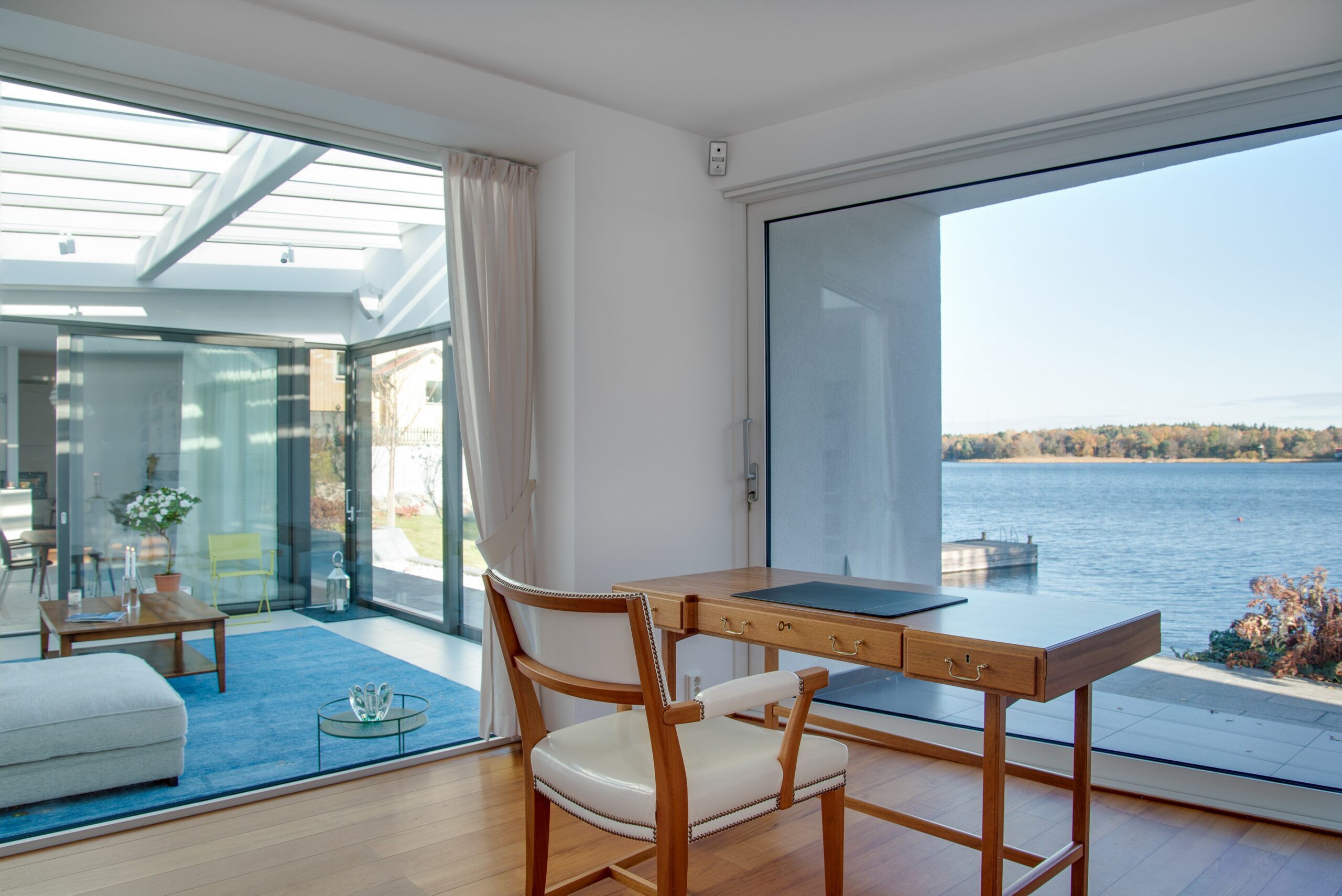
I sat down at Wy’s old desk and wrote her a letter. Signed and dated. Giving her permission to live at 17 Spoonville Lane for one year, renewable for as long as she likes.
I had Arvella witness it, and I had it notarized at the bank, because I’m a clerk, and I name my files, and I put things in writing.
That’s the difference between a key and permission. And I wanted her to have both.

Laura Bennett writes about complicated family dynamics, difficult conversations, and the quiet moments that change everything. Her stories focus on real-life tensions — inheritance disputes, strained marriages, loyalty tests — and the strength people find when they finally speak up. She believes the smallest decisions often carry the biggest consequences.