I studied my daughter’s face. Robert’s stubborn jaw. My own green eyes. The little scar on her chin from when she fell off her bicycle at seven and I carried her a quarter mile home.
When had she become so calculating?
“Patricia,” I said slowly. “What if I told you that I’ve been pretending?”
She blinked. “Pretending what?”
“Pretending to be helpless. Pretending to need help with things I understand perfectly well.”
For a moment, uncertainty flickered across her face. Then she shook her head and laughed.
“Mom, that doesn’t make any sense. Why on earth would you pretend to be confused?”
“Because people treat you differently when they think you’re weak,” I said. “They tell you things they’d never tell someone they considered a threat. They show you who they really are.”
Patricia’s laugh was sharp now.
“A threat? You? Mom, you’re almost seventy. You haven’t worked outside the home in thirty years. What kind of threat could you possibly be?”
I set down my coffee cup. I stood up and smoothed the front of my skirt.
“The kind you’re about to find out about.”
“What’s that supposed to mean?”
I walked to the front door. I put my hand on the heavy brass handle. Robert had admired that handle the day we toured this house with them. “Now that’s craftsmanship,” he’d said.
“It means, Patricia, that you and Michael have made a very serious miscalculation about who you’re dealing with.”
“Mom, you’re scaring me. This paranoid talk is exactly why we filed the petition.”
I turned back to her one last time.
“I love you, Patricia. I always will. But I will not let you or anyone else steal what your father spent his entire life building.”
I closed the door gently behind me.
Driving home, I felt something I hadn’t felt in years. Not fear. Not sadness. Something closer to anticipation. The old hum in my chest, the one I used to feel the night before a big trial.
Patricia thought she was hunting a rabbit.
She was about to discover she’d cornered a wolf.
That evening, I made the phone call I’d been putting off.
I sat in Robert’s chair with the business card in my hand and dialed. It rang twice.
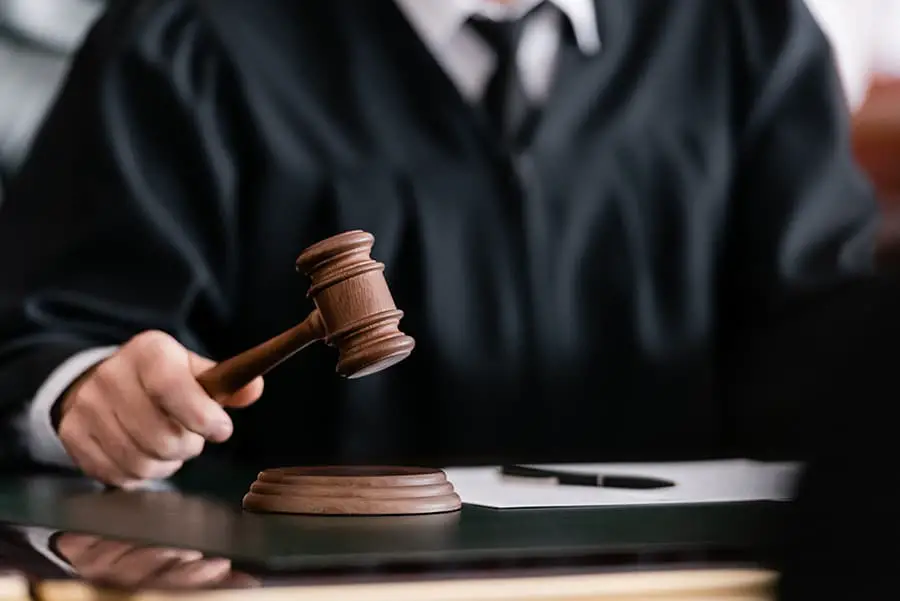
“Judge Walsh’s chambers.”
“This is Dorothy Hamilton,” I said. “I’d like to speak with Margaret, if she has a moment. It concerns a case that’s coming before her court.”
There was a pause on the line.
“Dorothy Hamilton,” the clerk repeated. “As in Dorothy Mitchell Hamilton?”
“Yes.”
“Please hold.”
The hold music was something classical. Vivaldi, I think. It played for almost two full minutes.
Then the music clicked off, and a voice came on the line. Older now. Rougher around the edges. But I knew it instantly. The memory came rushing back all at once, like a window flying open in a storm.
“Dorothy? My God. Is it really you?”
“Margaret,” I said, and forty years of memories flooded in. “It’s really me. Dorothy Mitchell.”

Lila Hart is a dedicated Digital Archivist and Research Specialist with a keen eye for preserving and curating meaningful content. At TheArchivists, she specializes in organizing and managing digital archives, ensuring that valuable stories and historical moments are accessible for generations to come.
Lila earned her degree in History and Archival Studies from the University of Edinburgh, where she cultivated her passion for documenting the past and preserving cultural heritage. Her expertise lies in combining traditional archival techniques with modern digital tools, allowing her to create comprehensive and engaging collections that resonate with audiences worldwide.
At TheArchivists, Lila is known for her meticulous attention to detail and her ability to uncover hidden gems within extensive archives. Her work is praised for its depth, authenticity, and contribution to the preservation of knowledge in the digital age.
Driven by a commitment to preserving stories that matter, Lila is passionate about exploring the intersection of history and technology. Her goal is to ensure that every piece of content she handles reflects the richness of human experiences and remains a source of inspiration for years to come.