Black and Paid For
Part One: The Hayfield
Dustin had just dropped a bale out the back of the baler when Shane’s silver sedan pulled up at the field edge.
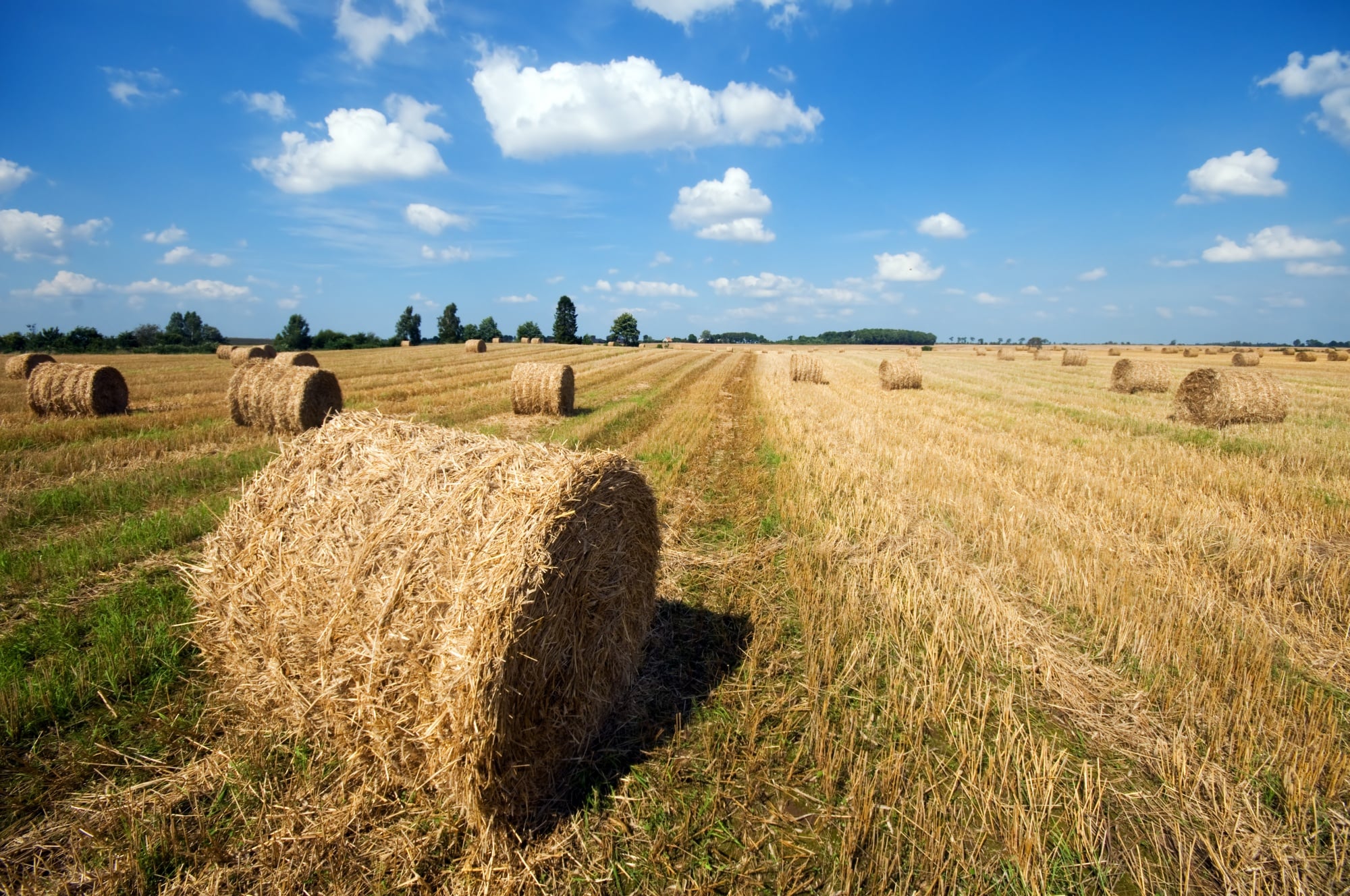
It was the second week of June. Late afternoon. Hot and still, the kind of Tennessee heat that sits on your shoulders like a wet towel. I was on the old Ford tractor, pulling the square baler down the windrows on the lower twenty. Dustin was walking behind, picking up bales and stacking them on the hay wagon.
The baler thumped and clanked. The bale chute dropped another one onto the stubble. Dustin grabbed it by the strings and swung it up onto the wagon.
Then he stopped.
He was looking past me. At the gravel road at the edge of the field.
I looked over my shoulder.
A silver Nissan Altima had pulled off onto the grass. Clean. Shiny. Way too nice for a hayfield.
I knew the car.
Jake had been gone thirty-one days.
Part Two: Jake
My husband was Staff Sergeant Jacob Whitfield.
Jake, to everybody. He was twenty-eight years old. He served nine years in the United States Army. Two deployments to Afghanistan. One to Iraq. He was stationed at Fort Campbell, Kentucky, on the Tennessee line. Forty minutes from our farm.
He died on May 12th.
It was a training accident. A night exercise. A Black Hawk helicopter went down in a field on the Kentucky side of the base during a routine air-assault drill. Seven soldiers were on board. Two died.
Jake was one of them.
He’d been through three combat deployments without a scratch. He came home every time.
He died forty minutes from his own front porch.
Two officers in dress uniforms knocked on my door at six in the morning.
I was in the kitchen in my bathrobe, making coffee. I saw them through the window. Walking up the gravel drive. Slowly. In step.
I knew before they knocked.
I’m April Whitfield. I’m twenty-seven years old.
I’m a vet tech at an animal clinic in Clarksville. I spend my days holding dogs while they get shots and cleaning up after cats who don’t want their teeth looked at.
I’ve been married to Jake for six years.
Part Three: Forty Acres
We met at a county fair in Montgomery County when I was nineteen.
He was showing his grandfather’s draft horse. A giant gray Percheron named Tank. I was working the 4-H livestock barn. Tank stepped on my foot. Jake apologized for twenty minutes.
He was twenty. Home on leave from basic training. Tall and lean, with a buzz cut and a sunburned neck and the slowest smile I’d ever seen.
He asked me to ride the Ferris wheel.
I said yes.
We got married two years later.
We bought forty acres outside Adams, Tennessee, from my grandfather when he moved into assisted living. He sold it to us for less than half what it was worth.
“I’d rather you have it than some developer from Nashville,” Grandpa said.
It’s not much. Forty acres of rolling hayfield, a little white farmhouse with a tin roof, a red barn with a sagging hayloft, and a creek along the back line.
We didn’t farm for a living. We couldn’t. Jake was in the Army. I had my job at the clinic.
But we made hay.
Jake loved hay.
I don’t know how else to say it. He loved the smell of it. He loved the sound of the baler. He loved stacking bales in the barn on a hot July evening with sweat running down his back.
He said it was the only thing that ever made his head quiet.
After his deployments, when he couldn’t sleep, when he jumped at loud noises, when he sat on the back porch at three in the morning staring at nothing—
He’d go out and cut hay.
We sold square bales to horse people in Clarksville and Springfield. We made maybe four thousand dollars a year.
It barely paid for the tractor repairs.
He didn’t care.
Part Four: Three Brothers
Jake had two brothers.
Shane was the oldest. He’s thirty-three now. He sells cars at a big dealership in Clarksville. Chevy and GMC. He’s good at it. Salesman of the Month eleven times. He’s got a framed photo of himself shaking hands with the regional manager.
He has a wife, Brittany, and two little girls. Kaylee and Madison. Six and four. A big brick house in a new subdivision off Highway 41. With a two-story foyer and a three-car garage.
A house he couldn’t afford.
I knew that. Everybody knew that. Jake used to shake his head about it.
“Shane’s always one paycheck from the edge,” he’d say. “Always has been.”
Dustin was the youngest.
He’s twenty-four. He works first shift at a tire shop in Clarksville. Big O Tires on Wilma Rudolph Boulevard. Six-thirty to three.
He’s quiet. Like Jake. Tall and lanky, with Jake’s slow smile and a faded green ball cap he’s worn since high school. He lives in a little rented trailer on the edge of town.
He doesn’t say much.
He doesn’t need to.
Jake’s parents are Ron and Debbie Whitfield. They live in a brick ranch in Clarksville. Ron retired from the post office. Debbie works at the library.
Ron had a heart stent put in that spring. In April. A month before Jake died.
He hadn’t been the same since the funeral.
Part Five: The Gratuity
The Army paid me the death gratuity four days after Jake died.
If you’ve never been a military spouse, you might not know what that is.
When a soldier dies on active duty, for any reason, the Department of Defense pays a one-time benefit to the family. A hundred thousand dollars. Tax-free. To help with immediate expenses.
It goes to whoever the soldier designated. Usually the spouse.
Jake designated me.
His wife. On the form. In his handwriting. Signed and dated three years earlier, when he re-enlisted.
Beneficiary: April Whitfield. Relationship: Spouse. 100%.
The money was in my bank account on May 16th.
I didn’t touch it.
I couldn’t.
I didn’t touch anything that month.
I didn’t go back to work. I didn’t answer my phone. I didn’t open the mail. I slept in Jake’s T-shirts. I didn’t wash them.
The hay grew. Nobody cut it.
Part Six: Dustin
On the eighteenth day after Jake died, I heard a sound outside.
It was the tractor.
I went to the window.
Dustin was in the barn. He’d pulled the old Ford out into the yard. He had the hood up. He was working on the hydraulic hose.
The hydraulic hose on the tractor had been leaking since March. Jake kept meaning to fix it. He’d bought the new hose at Tractor Supply. It was sitting on the workbench in the barn in its package.
He never got to it.
I walked out to the barn in my bathrobe.
Dustin looked up. He had grease on his hands and his face.
“Hey, April,” he said.
“Dusty,” I said. “What are you doing?”
He looked at the tractor.
“Hay’s ready,” he said. “Been ready a week. If we don’t cut it soon, it’ll be too stemmy.”
He wiped his hands on a rag.
“Jake would’ve been out here by now,” he said.
I didn’t say anything.
I stood in the barn door in my bathrobe and Jake’s T-shirt and cried.
Dustin didn’t say anything either. He just went back to work on the hose.
When he was done, he pulled the tractor around to the mower.
“I’ll cut tomorrow after work,” he said. “If that’s okay.”
Part Seven: The Summer
That’s how the summer went.
Dustin came out every evening after work.
His own truck had died at the start of summer. An old Ford Ranger with three hundred thousand miles. The transmission went out on the highway in early June. He couldn’t afford to fix it.
So he got rides.
Most evenings, a buddy from the tire shop dropped him off at the end of our road. A kid named Marcus with a loud Honda Civic.
Sometimes his dad drove him, before Ron got too tired.
Twice, when nobody could give him a ride, he walked.
Nine miles from his trailer in Clarksville to the edge of town. Then he hitched a ride from a guy in a feed truck to the Adams exit on Highway 41.
Then he walked the last mile.
Down our gravel road. In the July heat. In his work boots and his tire shop shirt.
He fixed the hydraulic hose Jake never got to.
He changed the oil on the tractor. He sharpened the mower blades. He replaced the knotter on the baler that kept missing strings.
He raked. I baled. We swapped.
I’d drive the tractor and he’d stack. Then he’d drive and I’d stack. We’d work until the sun went down. Then we’d sit on the hay wagon in the dark and drink sweet tea out of mason jars.
We didn’t talk much.
Sometimes he’d say something about Jake. A story from when they were kids. The time Jake jumped off the barn roof with an umbrella because he thought he could fly. The time Jake drove their dad’s truck into the creek.
Sometimes I’d laugh.
Sometimes I’d cry.
He’d just sit there either way.
He never once asked for a thing.
Not gas money. Not a meal. Not a ride.
When I tried to pay him, he looked at me like I’d slapped him.
“April,” he said. “It’s Jake’s hay.”
Part Eight: Shane Walks Out
So that’s where we were. The second week of June. Thirty-one days.
On the tractor in the lower twenty. Dustin stacking bales. When Shane’s silver sedan pulled up at the field edge.
Shane walked out across the cut rows.
In a polo shirt. Navy blue with the dealership logo on the chest. Khaki pants. Shiny brown loafers. He picked his way across the stubble like he was afraid of getting his shoes dirty.
He’d been at the funeral. He gave a eulogy. A good one. He cried.
He hadn’t been out to the farm since.
He stopped beside the tractor.
He looked up at me on the seat.
“April,” he said. “I’ll keep this short.”
I didn’t say anything.
“Jake would’ve wanted family looked after,” Shane said.
He put his hands in his pockets. He looked out at the field.
“Half seems fair,” he said.
Part Nine: No
I pulled off my work gloves.
Behind me, Dustin shut the baler off. The engine clattered to a stop. The sudden quiet was so loud I could hear the cicadas in the tree line.
He shut it off so I could hear.
I sat on the tractor seat and looked at my husband’s brother.
At his polo shirt with the dealership logo. At his clean loafers in the stubble.
Shane was thirty-three and sold cars in Clarksville.
He had a house he couldn’t afford and two little girls.
And somebody had told him this was family money.
I found out later who. It was Brittany. His wife. She’d heard about the death gratuity from a friend whose husband was in the Army. She’d looked it up online.
A hundred thousand dollars. Tax-free.
She’d told Shane that families usually split it. That it was meant for the whole family. That April would understand.
It wasn’t.
It wasn’t family money. It never was.
Jake had signed it to me. His wife. On a form, in his own handwriting. And the law backed that. Every word of it.
I could have just said no and let it sit there between us.
That would’ve been easy. I didn’t owe Shane an explanation. I didn’t owe him anything.
But Shane was going to be at every Thanksgiving for the rest of my life.
At every Christmas. At every one of Kaylee’s and Madison’s birthday parties. At Ron and Debbie’s anniversary dinners. At Ron’s funeral, someday. And Debbie’s.
He was Jake’s brother.
I wanted an answer I could live beside.
“No, Shane,” I said.
He blinked.
“That’s it?” he said. “No?”
“That’s it,” I said.
He stood there in the stubble for a long moment.
He looked at me. Then he looked past me.
At his little brother. Standing by the baler with hay on his T-shirt and grease on his hands.
“You going to say anything, Dusty?” Shane asked.
Dustin looked at him for a long time.
“I’ve got hay to bale,” Dustin said.
Part Ten: The Sedan
Shane walked back to his car.
Across the cut rows. In his clean loafers. Not looking back.
He opened the door of the silver Altima. He got in.
He didn’t slam the door.
I noticed that. I don’t know why. Shane always slammed doors. Ever since he was a teenager. Jake used to say you could tell Shane’s mood by how hard he shut the door.
This time, he closed it quietly.
He sat there a long time before he drove off.
I could see him through the windshield. Sitting in the driver’s seat with both hands on the wheel. Not moving. Looking at the field.
Five minutes. Ten.
Dustin started the baler again.
I put my gloves back on.
We finished the windrow.
When I looked back at the edge of the field, the silver Altima was gone.
Part Eleven: Ron
I didn’t tell Ron.
Jake’s dad had a stent put in that spring. In April. A month before Jake died.
He’d had a heart attack in the parking lot of the Kroger on Madison Street. Debbie found him slumped over the steering wheel. The paramedics said if she’d come out five minutes later, he’d be gone.
They put in two stents at Vanderbilt in Nashville. He came home a week later. Weak and gray and scared.
Then, a month later, two officers knocked on his door too.
Ron hadn’t been the same since the funeral.
He sat in his recliner. He didn’t go to the VFW. He didn’t go to church. He didn’t go to his Saturday morning breakfast with his post office buddies at the Cracker Barrel.
He just sat there, watching Westerns on TV with the sound turned down.
I wasn’t dragging him into this.
Not his oldest son asking his dead son’s widow for money. Not with two stents in his heart.
I didn’t tell Debbie either.
I didn’t tell anybody.
Dustin didn’t either.
Part Twelve: Black and Paid For
Here’s what I thought about that summer.
On the tractor. In the hayloft. In the dark on the hay wagon, drinking sweet tea.
Jake used to point at every black used pickup on Highway 41.
Every single one. For six years.
We’d be driving into Clarksville for groceries in my old Corolla. Or out to his parents’ house for Sunday dinner. And he’d see one. A black Chevy or a black Ford, a few years old, maybe with some dings in the bed.
He’d point.
“One day, April,” he’d say.
“Nothing fancy,” he’d say. “Just black and paid for.”
That was his whole dream.
Not a new truck. Not a lifted truck with big tires and a light bar. Not a truck with leather seats and a touchscreen.
Just a black pickup. Used. With a bench seat and a bed for hauling hay.
And paid for.
Jake grew up with debt.
His dad worked for the post office for thirty years. His mom worked at the library. They were always behind. Car payments. Credit cards. A second mortgage.
Jake watched his father worry about money his whole childhood.
He swore he’d never owe anybody anything.
We never had the money.
His Army salary paid our mortgage and our groceries and our utilities. My vet tech salary paid for everything else.
The hay paid for the tractor repairs. Barely.
There was never anything left.
Jake drove a 2004 Ford Ranger with a cracked windshield and a passenger door that didn’t open from the outside.
He drove it for nine years.
Every time it broke down, he fixed it himself in the barn. With parts from the junkyard in Springfield.
“One day,” he’d say.
Pointing at a black truck on Highway 41.
“Nothing fancy. Just black and paid for.”
Part Thirteen: Adams
In September, I found one.
I wasn’t looking. Not really.
I was driving home from work on a Tuesday. Down the back roads instead of the highway. The long way. I’d been taking the long way a lot that summer. It gave me time to cry before I got home.
I came around a curve on Old Clarksville Road, just outside of Adams.
There was a black pickup parked on a front lawn.
A 2014 Chevy Silverado. Black. Regular cab. Long bed. A little faded on the hood. A small dent in the tailgate.
A FOR SALE sign in the windshield. Hand-lettered on a piece of cardboard.
$18,000. Runs good. Ask at house.
I pulled over.
I don’t know why. I just did.
I sat in my Corolla on the side of the road and looked at that truck for a long time.
Black. Regular cab. Long bed for hauling hay.
Nothing fancy.
An old man came out of the house.
He was in his eighties. Tall and thin and stooped, in overalls and a seed cap. He walked down the porch steps slowly, holding the railing.
He came over to my car. I rolled down the window.
“Help you, young lady?” he said.
“The truck,” I said. “Is it still for sale?”
“It is,” he said. “Name’s Odell Pitts. That was my truck. I’m getting too old to drive it. My daughter says I have to sell it.”
He looked at the truck.
“Hundred and forty thousand miles,” he said. “Frame’s straight. No rust. Changed the oil every three thousand miles like clockwork.”
I got out of my car.
I walked over to the truck. I ran my hand along the hood.
“Can I ask you something?” Mr. Pitts said.
“Sure.”
“You’re the Whitfield girl, aren’t you?” he said. “The soldier’s wife. From over on Kinneys Road.”
I looked at him.
“Yes, sir,” I said.
He took off his seed cap.
“I’m real sorry about your husband,” he said. “Read about it in the Leaf-Chronicle. That helicopter.”
He looked at the ground.
“I was in Korea,” he said. “1952. Lost a lot of friends. Never gets easier.”
I didn’t say anything.
I just stood there with my hand on the hood of the truck.
“Seventeen-five,” Mr. Pitts said.
I looked at him.
“The sign says eighteen,” I said.
He shook his head.
“Fella came by in the spring,” he said. “Young soldier. Wanted it real bad. Put five hundred down. Said he’d be back for it in the fall with the rest.”
He put his cap back on.
“Never came back,” he said. “Figure he got deployed, maybe. Or changed his mind. I been holding his five hundred in an envelope in my kitchen drawer since April.”
He looked at me.
“Seems wrong to charge you the full price,” he said. “When somebody already paid part of it.”
I didn’t think anything of it.
Not then.
Part Fourteen: The Purchase
I paid him the next day.
Out of the gratuity.
It was the first money I’d taken out of that account since May.
Seventeen thousand, five hundred dollars. A cashier’s check from my bank in Clarksville.
I sat at Mr. Pitts’s kitchen table while he signed the title over. His kitchen was small and clean. Yellow curtains. A calendar from the Adams Farmers Co-op on the wall. A picture of his late wife on the refrigerator.
He signed the title in shaky handwriting. He handed me the keys.
Two keys on a ring. And a little brass tag that said Pitts Farm, 1961.
“Keep the tag,” he said. “For luck.”
Shane sells trucks.
I knew that. I thought about it.
I could’ve gone to Shane’s dealership. I could’ve bought a black truck off his lot. He’d have gotten a commission. Maybe that would’ve made things better between us.
I didn’t buy it from his lot.
I didn’t want one dollar of this to feel like a deal.
Not a negotiation. Not a favor. Not a commission.
Not something Shane could point to at Thanksgiving and say, Well, I sold her that truck, didn’t I?
I wanted it clean.
I drove the truck home that afternoon.
Black. Regular cab. Long bed. Bench seat. A hundred and forty thousand miles.
Paid for.
I parked it in the barn. Next to Jake’s old Ranger with the cracked windshield.
I sat in the driver’s seat for a long time.
The cab smelled like Mr. Pitts. Pipe tobacco and Old Spice and feed dust.
The radio was set to a classic country station out of Nashville. Johnny Cash was singing.
I sat there and cried until it got dark.
Part Fifteen: The Last Cutting
The last cutting was the third Saturday in September.
A golden afternoon. The kind you only get in Tennessee in the fall. The heat finally broken. The sky so blue it hurt to look at. The trees along the creek just starting to turn.
We’d switched to round bales for the last cutting. Dustin borrowed a round baler from the co-op. Big round bales, five feet tall, wrapped in net.
By four o’clock, they were dotting the whole field. Thirty-two of them. Golden in the sun.
Dustin was in the upper twenty, finishing the last windrow.
I drove the black pickup out of the barn.
I parked it at the edge of the field. On the grass. Facing the hay.
I got out. I stood beside it.
And I waited.
Dustin came walking up from the upper twenty at four-thirty.
He’d parked the tractor at the far end. He was walking across the stubble. Slowly. Tired.
Hay on his white T-shirt. A sunburned neck under that faded green ball cap. His jeans dusty to the knees.
He stopped about twenty feet away.
He looked at the truck.
“Whose truck?” he asked.
Part Sixteen: The Keys
I held out the keys.
The two keys on the ring. With the brass tag. Pitts Farm, 1961.
“Yours,” I said.
He didn’t reach for them.
He stood there in the stubble, looking at the keys in my hand. Then at the truck. Then at me.
“April,” he said. “No.”
He shook his head.
“That’s Jake’s money,” he said.
“It’s Jake’s truck,” I said.
I took a step toward him.
“Black,” I said. “Paid for. Nothing fancy.”
His face changed.
He’d heard Jake say it too. A hundred times. Every brother had.
One day. Nothing fancy. Just black and paid for.
“He’d want it driven,” I said, “by the brother who stayed.”
Dustin didn’t say anything.
He looked at the truck for a long time.
His jaw was working. His eyes were wet.
“I walked the last mile twice,” he said quietly. “This summer. From the highway.”
“I know,” I said.
“You never said anything.”
“Neither did you,” I said.
Part Seventeen: The Sedan Again
Then I saw it.
Behind Dustin. Out past the edge of the field. Parked in the stubble by the gravel road.
A silver sedan.
I hadn’t heard it pull up. The baler had been running in the upper twenty when it must have come. Or maybe it had been there a while. Sitting quietly. Engine off.
Shane stood beside it.
He was wearing jeans and a gray T-shirt this time. Not the polo. Not the loafers. Work boots.
He was standing with his arms folded. Leaning against the driver’s door.
Calm.
Just watching.
I don’t know how long he’d been there.
I don’t know what he’d heard.
Dustin saw me looking. He turned around.
He saw his brother.
He looked at Shane for a long moment.
Then he looked back at me.
Then, slowly, Dustin reached for the keys.
He took them from my hand. The two keys and the brass tag.
He held them in his palm.
He closed his fingers around them.
Part Eighteen: Shane
Shane pushed off the car.
He took a step toward us.
Across the stubble. In his work boots.
Then another step.
Dustin didn’t move. He stood beside me with the keys in his fist.
I didn’t move either.
Shane stopped about ten feet away.
He didn’t look at me. He didn’t look at Dustin.
He looked at the truck.
He looked at it a long time.
At the black paint, faded a little on the hood. At the small dent in the tailgate. At the long bed. At the regular cab with the bench seat.
At the cardboard sign that was still sitting on the dashboard. $18,000. Runs good. Ask at house. I’d never thrown it away.
His face was very still.
Then something moved across it.
He walked over to the truck.
He put his hand on the hood. The way I had in Mr. Pitts’s front yard.
He stood there with his hand on the hood for a long time.
Then he opened his mouth.
“Odell Pitts,” he said.
Part Nineteen: The Five Hundred
I stared at him.
“How do you know that?” I said.
Shane didn’t take his hand off the hood.
“This is Odell Pitts’s truck,” he said. “Off Old Clarksville Road. In Adams. 2014 Silverado. Hundred and forty thousand miles.”
He looked at the tailgate.
“The dent’s from a fence post in 2019,” he said. “Odell told us.”
“Us?” I said.
Shane didn’t answer right away.
He looked at the truck. His jaw was tight.
“Jake and me,” he said quietly.
Dustin went very still beside me.
“April of this year,” Shane said. “A month before he died. Jake called me on a Saturday. Said he’d found a truck. Said he wanted me to come look at it with him. Because I know trucks.”
He laughed. It wasn’t a happy sound.
“First time in five years he asked me for anything,” Shane said.
“So I drove out,” Shane said. “We met at Odell’s. Jake test-drove it down Old Clarksville Road and back. He was grinning like a kid.”
He swallowed.
“I looked it over,” Shane said. “Frame. Engine. Transmission. I told him it was a good truck. Fair price. I told him he’d never find a better one for the money.”
“He didn’t have the money,” Shane said. “Not all of it. He had five hundred dollars. Saved from the hay. In an envelope.”
He looked at me.
“He gave it to Odell,” Shane said. “As a deposit. Said he’d be back in October with the rest. For your anniversary.”
I couldn’t breathe.
“October eighteenth,” Shane said. “Six years. He was going to drive it home and park it in the yard and put a bow on it.”
He looked at the truck.
“He made me promise not to tell you,” Shane said. “He wanted to surprise you.”
Fella came by in the spring. Young soldier. Wanted it real bad. Put five hundred down.
Never came back.
I put my hand over my mouth.
“Seventeen-five,” I whispered. “Mr. Pitts charged me seventeen-five. He said somebody already paid part of it.”
Shane nodded slowly.
“Jake paid the first five hundred,” he said.
Part Twenty: What Shane Said
Nobody said anything for a long time.
The cicadas were singing in the tree line. A crow called from the creek. Out in the field, thirty-two round bales sat golden in the afternoon sun.
Shane took his hand off the hood.
He turned around. He looked at me for the first time.
“I came out here in June,” he said, “and asked you for half.”
His voice was rough.
“Fifty thousand dollars,” he said. “Thirty-one days after my brother died.”
He looked at the ground.
“Brittany read online that families usually split it,” he said. “She said you’d understand. She said Jake would want it.”
He shook his head.
“I knew that was a lie,” he said. “Standing in this field. In my polo shirt. I knew it was a lie the second I said it.”
“We’re behind on the house,” Shane said quietly. “Four months. The bank sent a letter in May. Two weeks before Jake died.”
He rubbed his face with both hands.
“I’ve been underwater since we bought it,” he said. “Brittany wanted the big house. The two-story foyer. I wanted her to have it. I thought if I sold enough cars—”
He stopped.
“I didn’t sell enough cars,” he said.
“I haven’t told Dad,” Shane said. “I haven’t told anybody. Jake knew. He’s the only one. He was going to help me figure it out after the anniversary.”
He looked at the truck.
“Instead, he bought a truck,” Shane said. “And then he died.”
“And I came out here,” Shane said, “and asked his widow for his death money. In a hayfield. While she was baling his hay.”
He looked at Dustin.
“While my little brother walked nine miles to do my brother’s chores,” he said. “Because I couldn’t be bothered to drive out once.”
His voice broke.
“I’ve been sitting in my car at the end of your road every Saturday since July,” Shane said.
I stared at him.
“What?”
“Every Saturday,” Shane said. “I’d drive out. I’d park by the mailbox. I’d watch you two out here baling.”
He wiped his eyes.
“I never came in,” he said. “I was too ashamed. I’d sit there for an hour. Then I’d drive home.”
Dustin made a sound beside me.
“I saw you,” he said quietly. “In August. I thought I was imagining it.”
Part Twenty-One: The Answer
I looked at my husband’s brother.
At his gray T-shirt. His work boots. His wet face.
At thirty-three years of being the oldest. The one who sold cars and wore polo shirts and bought a house with a two-story foyer.
The one who was always one paycheck from the edge.
I thought about what I’d said in June.
No, Shane.
I’d wanted an answer I could live beside.
“Shane,” I said. “I’m not giving you money.”
He nodded. He didn’t argue.
“I know,” he said. “I’m not asking.”
“But I’ll help you,” I said.
He looked up.
“Not with Jake’s money,” I said. “With something else.”
I looked out at the field. At the thirty-two round bales.
“The last cutting’s done,” I said. “But there’s thirty-two bales that need to go in the barn before it rains Tuesday.”
I looked at him.
“Dusty and I can’t lift them,” I said. “We need the bale spear on the tractor. And somebody to drive the truck and open the gates.”
Shane looked at the bales.
Then he looked at me.
“You want me to haul hay,” he said slowly.
“I want you to show up,” I said.
He was quiet for a long time.
“And Shane,” I said. “Your house.”
He flinched.
“You need to tell your dad,” I said. “And you need to sell it. Before the bank takes it.”
He didn’t say anything.
“There’s a little brick house for rent on Kinneys Road,” I said. “A mile from here. Three bedrooms. Big yard. Six hundred a month.”
I looked at him.
“Kaylee and Madison could come out here on Saturdays,” I said. “Learn to stack hay. Like their uncle Jake.”
Shane’s face crumpled.
He turned around. He put both hands on the hood of the black truck. He bent over it. His shoulders shook.
Dustin walked over.
He stood next to his brother.
He didn’t say anything for a long moment.
Then he put his hand on Shane’s back.
“Come on,” Dustin said quietly. “We got hay to haul.”
Part Twenty-Two: Thirty-Two Bales
We hauled hay until dark.
Dustin drove the tractor with the bale spear. He’d stab each round bale and lift it and carry it to the barn.
Shane drove the black truck.
Ahead of the tractor. Opening the gates. Closing the gates. Shining the headlights on the barn door when the sun went down so Dustin could see to stack.
I stood in the hayloft and guided the bales in.
At one point, around seven o’clock, Shane got out of the truck. He walked into the barn.
He stood there looking at the bales stacked to the rafters. At the old Ford tractor. At the workbench with Jake’s tools on the pegboard.
At the new hydraulic hose on the tractor. The one Dustin put on in May.
“Jake was going to fix that in March,” Shane said.
“I know,” I said.
“He told me at Easter,” Shane said. “He said, I gotta fix that hose before first cutting.”
He looked at Dustin on the tractor.
“You fixed it,” he said.
“Somebody had to,” Dustin said.
The last bale went in at eight-fifteen.
The three of us sat on the hay wagon in the dark. Like Dustin and I had all summer.
I brought out three mason jars of sweet tea.
Nobody said much.
After a while, Shane said, “Remember when Jake jumped off the barn roof with an umbrella?”
Dustin laughed. A real laugh.
“He thought he was Mary Poppins,” Dustin said.
“He broke his ankle,” Shane said. “Mom made me carry him into the ER.”
“You cried more than he did,” Dustin said.
“I did not,” Shane said.
“You did,” Dustin said.
I laughed.
I hadn’t laughed since May.
Part Twenty-Three: Ron
Shane told his father the next weekend.
He drove to Ron and Debbie’s house on Sunday after church. He sat down in the living room across from Ron’s recliner. He turned off the Western on TV.
He told him everything.
The house. The four months behind. The letter from the bank. Brittany. The online articles about the death gratuity.
The hayfield in June. Half seems fair.
The silver sedan at the end of the road every Saturday.
Ron didn’t say anything for a long time.
He sat in his recliner with his hand over his chest. Over the stents.
Shane told me later he was scared his father would have another heart attack right there.
Then Ron stood up.
Slowly. Holding the arm of the recliner.
He walked over to Shane on the couch.
He put his hand on Shane’s head. The way he used to when Shane was a little boy.
“Son,” Ron said. “I’ve been behind on things my whole life. You know that.”
Shane nodded.
“You know what I learned?” Ron said. “In forty years at the post office?”
“What, Dad?”
“The only thing worse than being behind,” Ron said, “is being behind alone.”
He sat down next to Shane.
“Sell the house,” Ron said. “Your mother and I will help you move.”
Part Twenty-Four: Kinneys Road
Shane sold the house in November.
He lost money on it. Twelve thousand dollars. But the bank didn’t take it. And his credit survived.
He and Brittany and the girls moved into the little brick house on Kinneys Road in December. A mile from my farm.
Brittany didn’t like it at first.
She missed the two-story foyer. She missed the subdivision. She missed the neighbors with the matching mailboxes.
But in January, Kaylee and Madison came out to the farm on a Saturday morning. Bundled up in snowsuits.
Dustin taught them to feed the barn cats.
By February, they were coming every Saturday.
By March, Brittany was coming too.
She brought brownies.
Part Twenty-Five: Thanksgiving
That Thanksgiving was at Ron and Debbie’s.
The first one without Jake.
I almost didn’t go.
I sat in my truck in their driveway for twenty minutes. In my old Corolla, not the black pickup. The black pickup was parked across the street.
Dustin’s truck.
Dustin knocked on my window.
He opened the car door. He held out his hand.
“Come on, April,” he said. “Mom made the green bean casserole.”
I went inside.
Debbie had set the table with her good china. The blue Willow pattern her mother gave her. There were eleven plates.
And one more.
At the end of the table. Where Jake always sat.
An empty plate. With his Army photo leaning against the water glass. And a folded American flag.
Shane was there. With Brittany and the girls.
He came over to me in the kitchen. While I was setting down the rolls.
He didn’t say anything at first.
Then he reached into his back pocket.
He took out a small envelope. White. Folded.
He handed it to me.
I opened it.
Inside was five hundred dollars.
Cash. Twenties and tens. Wrinkled. Old.
And a note. In shaky handwriting I didn’t recognize.
For the Whitfield girl. This was your husband’s. I had no right to keep it. — Odell Pitts
I looked up at Shane.
“I went back out to see Odell,” Shane said quietly. “In October. I told him who Jake was. That the young soldier who put five hundred down was the same man whose widow bought the truck.”
He looked at the envelope.
“He cried,” Shane said. “He said he’d been holding that envelope in his kitchen drawer since April, waiting for the soldier to come back.”
He swallowed.
“He wanted you to have it,” Shane said. “Jake’s five hundred. The first payment on his black truck.”
I held the envelope against my chest.
“Shane,” I said. “Thank you.”
He shook his head.
“Don’t thank me,” he said. “I should’ve been the one standing in that hayfield all summer. Not Dusty.”
He looked out the kitchen window. At the black truck parked across the street.
“Jake would’ve wanted family looked after,” Shane said quietly.
He smiled. A small, sad smile.
“I just had it backwards,” he said. “I thought it meant somebody looking after me.”
Part Twenty-Six: October Eighteenth
On October eighteenth, our anniversary, Dustin drove me to the cemetery.
In the black truck.
Jake is buried at the Kentucky Veterans Cemetery West, in Hopkinsville. Thirty minutes north. On a hill, under a row of white headstones, all exactly alike.
SSG JACOB R. WHITFIELD. U.S. ARMY. 1997–2025.
Dustin parked the truck at the bottom of the hill.
We walked up together.
I was carrying a bale of hay. A small square bale. From the last cutting. Dustin had saved it.
I set it down in front of Jake’s headstone.
Then I took something out of my pocket.
The envelope. Odell Pitts’s envelope. With Jake’s five hundred dollars.
I’d thought about it for a month. What to do with it.
I could have put it in the bank. Saved it. Spent it.
Instead, I’d taken it to the VFW post in Clarksville.
To start a fund.
The Whitfield Fund. For soldiers at Fort Campbell who need help with a used vehicle. A reliable one. Nothing fancy.
Just paid for.
The first five hundred dollars came from Jake.
Shane matched it the next week. Out of his commission check.
Dustin put in two hundred. From the tire shop.
Ron and Debbie put in a thousand.
By October eighteenth, there was four thousand dollars in it.
I sat down on the hay bale in front of Jake’s headstone.
Dustin stood behind me. With his hand on my shoulder.
“Hey, Jake,” I said. “Happy anniversary.”
I looked at the black truck at the bottom of the hill.
“You got your truck,” I said. “Dusty’s driving it. Black and paid for. Just like you said.”
Dustin squeezed my shoulder.
“And Shane’s out at the farm every Saturday,” I said. “Hauling hay. With the girls. They named the barn cats. One of them’s named after you.”
I laughed through my tears.
“It’s the fat orange one,” I said. “The one that sleeps on the tractor seat.”
Part Twenty-Seven: Next June
It’s June again now.
One year.
The first cutting is in. Shane drove the tractor this time. Dustin stacked. I raked.
Kaylee and Madison rode on the hay wagon. In their little cowboy boots and their sun hats. Shouting every time a bale came out the chute.
Brittany sat at the edge of the field in a lawn chair with a thermos of sweet tea and a plate of brownies.
Ron and Debbie came out on Saturday. Ron sat in the shade of the barn in a folding chair. He didn’t lift a single bale.
He just watched his sons work.
At the end of the day, the four of us sat on the hay wagon in the dark.
Shane and Dustin and me. And Ron, who Shane had helped up onto the wagon, sitting on a bale with his cane across his knees.
The girls were asleep in the cab of the black truck.
Nobody said much.
Then Ron said something.
“Jake used to sit right here,” he said quietly. “On this wagon. After hay. When he was a boy.”
He looked out at the dark field.
“He’d say, Dad, this is the only place my head gets quiet.”
Nobody said anything.
“I used to worry about money,” Ron said. “My whole life. Every bill. Every payment. I’d lie awake at night doing math.”
He looked at Shane.
“I taught you that,” Ron said. “The worrying. The being behind.”
He looked at Dustin.
“And I taught you that,” he said. “The not saying anything. The just showing up.”
He looked at me.
“And you,” Ron said. “Jake picked you because you were the one who’d tell the truth. Even when it was hard.”
He smiled.
“He told me that,” Ron said. “At your wedding. He said, Dad, April’s the only person I’ve ever met who’ll tell me no.”
I didn’t know what to say.
“You told Shane no,” Ron said. “In this hayfield. And you were right.”
He looked out at the bales stacked in the barn.
“But then you found a way to tell him yes,” he said. “Just a different yes than the one he asked for.”
Part Twenty-Eight: The Truck
Dustin still drives the black truck.
He drives it to work at the tire shop every morning. He drives it out to the farm every evening. He drives it to Ron and Debbie’s for Sunday dinner.
He washes it every Saturday. He changes the oil every three thousand miles. Like clockwork. Like Mr. Pitts did.
He kept the brass tag. Pitts Farm, 1961.
He hung it on the rearview mirror.
Last month, I asked him if he ever wanted to sell it. Get something newer. Something with air conditioning that actually works.
He looked at me like I’d lost my mind.
“April,” he said. “It’s Jake’s truck.”
Then he said something else.
“You know what I think about?” he said. “Every time I start it?”
“What?”
“I think about what you said,” Dustin said. “That day in the field. When you gave me the keys.”
He looked at the steering wheel.
“Driven by the brother who stayed,” he said.
He was quiet for a long time.
“Shane stays now too,” he said finally.
“He does,” I said.
“Every Saturday,” Dustin said.
He turned the key.
The engine caught. A hundred and fifty-two thousand miles now. Still running good.
He looked at me through the open window.
“I think Jake would’ve liked that,” he said. “Both of us staying.”
He put the truck in gear.
He pulled out of the barn and down the gravel lane. Toward the road. Toward Clarksville. Toward work.
The black truck. A little faded on the hood. A small dent in the tailgate.
Nothing fancy.
I stood in the barn door and watched him go.
Until the truck turned onto the county road. Until it was just a black shape against the green of the June hayfields.
Until I couldn’t see it anymore.
Just black.
And paid for.
Ethan Blake is a skilled Creative Content Specialist with a talent for crafting engaging and thought-provoking narratives. With a strong background in storytelling and digital content creation, Ethan brings a unique perspective to his role at TheArchivists, where he curates and produces captivating content for a global audience.
Ethan holds a degree in Communications from Zurich University, where he developed his expertise in storytelling, media strategy, and audience engagement. Known for his ability to blend creativity with analytical precision, he excels at creating content that not only entertains but also connects deeply with readers.
At TheArchivists, Ethan specializes in uncovering compelling stories that reflect a wide range of human experiences. His work is celebrated for its authenticity, creativity, and ability to spark meaningful conversations, earning him recognition among peers and readers alike.
Passionate about the art of storytelling, Ethan enjoys exploring themes of culture, history, and personal growth, aiming to inspire and inform with every piece he creates. Dedicated to making a lasting impact, Ethan continues to push boundaries in the ever-evolving world of digital content.