My sister poured boiling oil on me while I slept, and when I screamed, she broke my jaw with her fist. My parents stood in the doorway watching, doing nothing, their faces illuminated by the hallway light like spectators at a show they’d paid good money to see. Twenty-six years of systematic cruelty had been building toward this moment, toward the night my family finally tried to kill me and discovered that monsters sometimes face consequences after all.
But I’m getting ahead of myself. To understand how I ended up in a hospital bed with burns covering thirty percent of my body, you need to know about Gwendolyn. About Harriet and Donald. About the holy trinity of my trauma and the house where I learned that love could be conditional, that protection could be selective, and that some children were simply worth less than others.
My name is irrelevant to this story—I changed it legally after the trial anyway, shedding the last connection to people who had never deserved to speak it. What matters is that I’m twenty-six years old, a registered nurse working night shifts at St. Mercy General Hospital, and until three months ago, I genuinely believed I’d escaped the past. I’d built a life from nothing, clawed my way out of poverty and abuse, created something resembling peace from the wreckage of my childhood.
I was catastrophically wrong about being free.
Gwendolyn had hated me from the moment I took my first breath, or so our mother Harriet loved to remind me. Seven perfect years as an only child had ended abruptly when I arrived screaming and red-faced, stealing attention that had belonged solely to her. Our father Donald thought sibling rivalry “built character,” the way some fathers encourage sports or academic competition—except our competitions always ended with me bleeding or crying or both, and the character being built was entirely Gwendolyn’s, formed from the understanding that she could hurt me without consequence.
A shove down the stairs when I was six became “She tripped.” The cigarette burns on my thighs at twelve became “She’s doing it to herself for attention.” The scissors taken to my hair the night before prom became “Sisters fight—get over it.” My parents nodded along to every excuse, every lie, every carefully constructed narrative that painted me as the problem and Gwendolyn as the victim of my existence.
I moved out at eighteen with nothing but a garbage bag full of clothes and a determination so fierce it scared me. The night I left, Gwendolyn stood in the driveway laughing while Harriet told me I’d come crawling back within a month, that I was too weak and too stupid to survive alone. Donald didn’t bother coming outside—there was a football game on, and my departure wasn’t important enough to pause for.
I slept in my 2003 Honda Civic for three weeks, a car with a busted heater and seats that smelled like mildew and failure. I showered at the YMCA, stretched eight-dollar meals across two days, applied for every job within twenty miles. A grocery store hired me for overnight stocking, and I rented a room in a house with four other girls who asked no questions and expected nothing beyond their share of utilities.
Nursing school nearly killed me financially, but I survived on scholarships, overnight jobs, and sheer stubborn refusal to fail. One of my professors, Dr. Vivian Okafor, recognized something in me—a hunger that went beyond normal ambition, a desperation to succeed that spoke of running from something rather than running toward. She pulled me aside after a particularly brutal exam and asked if everything was okay at home.
“I don’t have a home,” I told her, and the words felt like both truth and liberation.
She made sure I knew about every scholarship, every grant, every opportunity that might help me survive. She wrote recommendation letters that opened doors I hadn’t known existed. Years later, she would drive four hours to sit by my hospital bed and hold my hand while I cried, and I would finally understand what maternal love was supposed to look like.
By twenty-four, I had my RN license, a small apartment above a dry cleaner, and a growing savings account. The apartment smelled faintly of chemicals and the pipes groaned, but it was mine—a space where I could lock the door and know that nobody would hurt me while I slept. I taught myself to cook, bought secondhand furniture, adopted routines that felt almost normal.
I hadn’t spoken to my family in two years, and my blood pressure had never been better. The silence was golden, uninterrupted by passive-aggressive voicemails or forwards about how my generation was ruining everything. I’d blocked them all, and the relief was physical, like setting down a weight I’d carried so long I’d forgotten it was there.
My coworkers became my chosen family. Jerome, a fifty-year-old former Marine who worked the pediatric ward and cried every time a kid went home healthy. Destiny, who ran the night shift with an iron fist and a heart of gold. Patricia, who would later witness everything, started inviting me to her book club where we drank wine and pretended to discuss literature while actually gossiping about hospital drama.
I dated occasionally—a physical therapist named Derek who reminded me too much of my father, a fellow nurse named Christina who transferred to Portland before anything serious developed. I wasn’t ready for intimacy, not really. The walls around my heart were too high, built from years of learning that love always came with conditions, with prices I could never afford to pay.
My therapist, Dr. Angela Morrison, helped me understand why. We met every Tuesday in her office decorated with plants and soft lighting, and she asked questions that cut straight to bone. Why did I flinch when people raised their voices? Why did I apologize constantly for existing? Why did compliments feel like traps, like someone was setting me up for the inevitable criticism that would follow?
The answers were always the same: Gwendolyn, Harriet, Donald. The architects of my trauma, the engineers of my fear.
Dr. Morrison taught me about complex PTSD, about how prolonged childhood abuse rewires the brain’s threat detection systems. She explained that my hypervigilance wasn’t weakness but survival, that my difficulty trusting people made perfect sense when the first people I’d ever trusted had betrayed me completely. She gave me tools, coping mechanisms, ways to talk myself down when panic rose like floodwater.
I was getting better—slowly, painfully, but genuinely better. I could sleep through most nights without nightmares. Could accept kindness without waiting for the other shoe to drop. Could look in the mirror and see someone who deserved to be alive.
Then Harriet called with news that would unravel everything.
She had stage two breast cancer. The prognosis was good with treatment, she said, but she needed support. She needed her family together. She needed me to come home.
I should have hung up immediately. Every therapist I’d ever seen would have told me to hang up, to protect the peace I’d fought so hard to build. But there’s something about the word “cancer” that makes you forget every wound, every scar, every nightmare. I heard my mother crying on the phone and suddenly I was six years old again, desperate for her approval, willing to do anything to make her love me.
I took a leave of absence from work, sublet my apartment, packed my car with everything I couldn’t bear to lose. Dr. Morrison warned me this was a mistake, that returning to the site of my trauma would undo months of progress. I promised I’d be careful, that I’d maintain boundaries, that I’d leave if things got bad.
I drove four hundred miles back to the house where I’d learned that some children were simply born wrong, where every room held memories of humiliation, where the walls themselves seemed to remember my crying.
Gwendolyn met me at the door with a smile so sweet it should have come with a warning label. She’d put on weight since I’d last seen her, and her husband Travis lingered behind her looking uncomfortable in that particular way people do when they know something terrible is about to happen. Their eight-year-old twins, Brandon and Britney, immediately began demanding to know what presents I’d brought them, their voices shrill with entitlement.
I’d forgotten how exhausting my family could be. How their presence drained energy like vampires, leaving me hollow.
The first week passed in a blur of doctor’s appointments and hospital waiting rooms. Harriet’s treatment was progressing well, but she milked every moment for maximum sympathy, moaning about side effects she didn’t have while Donald waited on her hand and foot. Gwendolyn criticized my nursing skills at every opportunity, and Travis drank beer on the porch, avoiding everyone with the practiced skill of long-term survival.
I slept in my childhood bedroom, unchanged since I’d left. The same twin bed with springs that dug into my back. The same faded curtains. The same water stain on the ceiling I used to stare at while crying myself to sleep. What struck me most was what wasn’t there—the lock I’d begged Donald to install when I was fourteen, after Gwendolyn started coming into my room at night to cut holes in my clothes or pour water on my mattress.
He’d laughed at the request, called me paranoid. Harriet had agreed, saying sisters should have no secrets from each other.
Now, sleeping in that vulnerable space again, I pushed my dresser against the door each night. The scraping sound it made against hardwood became my lullaby, the only thing that allowed me to close my eyes.
Being back in that house did something to my brain, unlocked trauma I’d carefully packed away. The nightmares returned with brutal force—vivid dreams where I was small and trapped and screaming while my family stood around laughing. I started having panic attacks in the bathroom, gripping the sink until my knuckles went white, forcing myself to breathe through waves of terror that came from nowhere and everywhere at once.
Dr. Morrison offered phone sessions from her car, where no one could overhear, talking in whispers about how hard it was to maintain boundaries with people who had never respected a single one. She urged me to set a departure date, something concrete to hold onto. Just a few more weeks, I told myself. Just until Harriet finished her first round of chemo. Then I could leave and never come back.
Three weeks in, I discovered the real reason Harriet had called me home.
I was cleaning out the guest room closet, a task Harriet had assigned with unusual insistence, when I found the paperwork hidden in a shoebox beneath old blankets. Loan documents with my name forged on them. Credit cards opened using my Social Security number. A second mortgage on a property I’d never owned, never even seen.
My identity had been systematically stolen and destroyed while I was gone, and the total damage exceeded ninety thousand dollars. The documents painted a devastating picture—credit cards opened starting six months after I left home, as if they’d been waiting for me to be gone long enough to establish plausible deniability. The spending patterns were clearly Gwendolyn’s: designer handbags, spa treatments, expensive dinners. One card had been used exclusively at a jewelry store, racking up fifteen thousand dollars over two years.
The loan documents were worse. Someone had forged my signature on a car loan for a Mercedes that Gwendolyn had been driving around town. There was a personal loan supposedly taken out for “home improvements” that matched the timing of my parents’ new kitchen renovation.
Every signature was a decent forgery, close enough to mine that casual scrutiny wouldn’t catch it. Which meant someone had practiced, had studied my handwriting, had systematically perfected the ability to steal my identity.
I photographed everything with shaking hands, uploaded the images to cloud storage, made copies and hid them throughout my belongings. If they found one stash, I’d have backups. My credit score, which I’d worked so hard to build, had cratered to the low four hundreds. Collection agencies had been calling a phone number I didn’t recognize for years.
My financial identity was in ruins, and I’d had no idea.
That evening, I confronted them at dinner. Harriet barely looked up from her mashed potatoes. Donald snorted and called me “dramatic.” Gwendolyn laughed outright, that high-pitched cackle that had soundtracked every humiliation of my childhood.
“You owed us,” Harriet said calmly, as if we were discussing a debt from the grocery store. “For raising you. For putting up with you all those years. This just makes things even.”
I should have left that night. Should have thrown my belongings in my car and driven straight back to my real life, my real home, my real family of people who’d chosen to love me. Instead, I made the mistake of staying one more day to gather evidence, to document everything, to build a case that would hold up in court.
That decision nearly cost me my life.
The day before the attack, small things should have warned me. Gwendolyn was too nice at breakfast, offering to make me eggs without her usual commentary about my weight. Harriet smiled at me over her crossword puzzle, an expression so unfamiliar it took me a moment to recognize it. Donald clapped me on the shoulder as I passed him in the hallway—a gesture of fatherly affection I couldn’t remember ever receiving before.
Something was wrong. Every survival instinct I’d developed screamed warnings. But after weeks in that house, my defenses had worn thin, my vigilance eroded by exhaustion and the constant low-level stress of being hunted in my own childhood home.
That evening, Gwendolyn suggested a family movie night. We sat in the living room watching some comedy I couldn’t focus on, surrounded by the trappings of domestic normalcy: popcorn in mismatched bowls, blankets draped over furniture, the twins sprawled on the floor. I kept waiting for the trap to spring. When the movie ended and everyone said goodnight with unusual pleasantness, I let myself relax just the smallest fraction.
I pushed my dresser against my bedroom door as always, though the motion felt almost routine now. What I didn’t know was that Gwendolyn had been watching me for weeks, learning my patterns. She knew I slept heavily by two a.m. She knew the old window in my room had a broken latch that Donald had promised to fix a hundred times and never did.
She’d been planning her entry point long before that night.
I fell asleep around midnight, dreaming about my apartment back home. My last conscious thought was that maybe things could actually be different this time.
The attack happened at 2:47 a.m. I know the exact time because my fitness tracker survived what my body almost didn’t, and the timestamp became evidence later.
I was deep asleep when a draft of cold air woke me a split second before the first splash of boiling oil hit my forearms. Gwendolyn stood over me with a cast iron pot, her face twisted into something demonic in the weak moonlight. The pain was beyond anything I’d ever experienced—my skin bubbled and split open, nerves screaming messages of catastrophic damage to my brain.
The scream that tore from my throat didn’t sound human.
“This is for existing,” she hissed, and poured more.
I tried to roll away, tried to escape, but shock had locked my body in place. The oil splattered across my chest, my neck, narrowly missing my face. I screamed for help, screamed until my voice cracked and my throat felt shredded.
Through tears and agony, I saw them standing in my doorway.
Harriet and Donald, watching like I was dinner theater they’d paid good money to see. Donald had his arms crossed. Harriet was actually smiling, the same expression she wore when Gwendolyn brought home good grades.
Nobody moved to help me.
When I tried to crawl toward the door, toward any chance of escape, Gwendolyn kicked me in the ribs with brutal precision. I curled into a fetal position, and that’s when her fist connected with my jaw. The crack echoed through the room and the world went white, then black, then white again. Blood filled my mouth and a tooth came loose, sharp and wrong against my tongue.
My jaw was broken. I knew it immediately, the way a nurse knows these things.
“Stay down,” Gwendolyn said, her voice flat and cold. “Learn your place.”
She stepped over my broken body and walked past our parents, who parted to let her through like she was royalty. Donald pulled my door closed behind them, and I heard their footsteps recede down the hallway. Heard low laughter. Heard the television turn on in the living room as if nothing had happened, as if they hadn’t just watched their daughter nearly be murdered.
I lay on that floor for hours, floating in and out of consciousness. The burns throbbed with every heartbeat. My jaw hung at a wrong angle, and shock kept me suspended somewhere between life and death. By dawn, I had managed to drag myself to my phone and dial 911 with fingers that wouldn’t stop shaking.
The EMTs found me in a pool of dried oil and blood. One of them, a young guy named Marcus, kept saying “Oh my God” over and over while his partner called for additional units. My family was still asleep when they loaded me into the ambulance. Nobody came to check on the sirens wailing in the driveway. Nobody asked where I was going.
Later, I learned that Harriet had woken up when the ambulance arrived. A neighbor saw her peek through the blinds, watch them carry me out on a stretcher, and close the curtains without coming outside. She went back to bed knowing her daughter was being rushed to the hospital with critical injuries, and she slept soundly until morning.
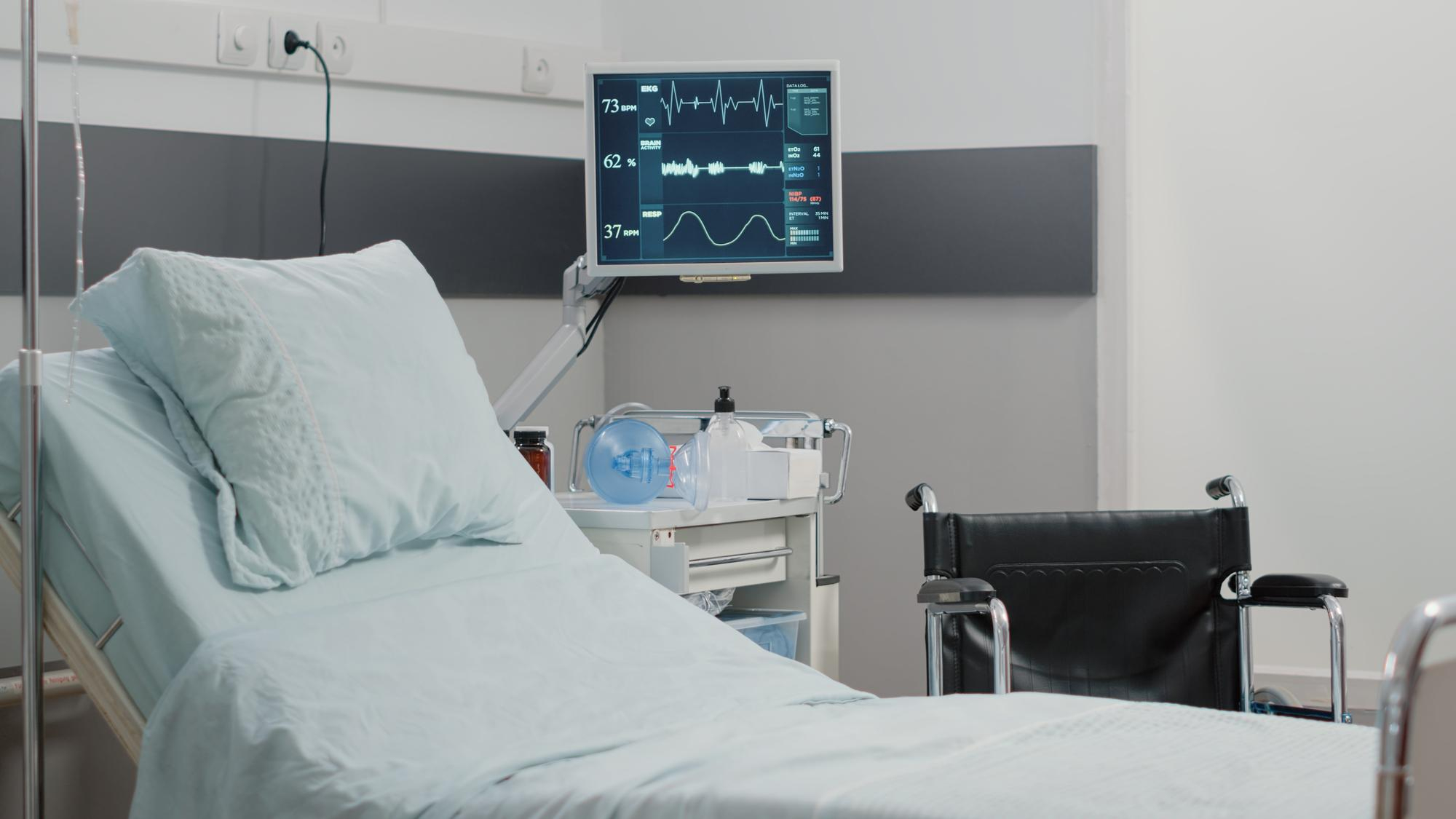
At the hospital, I slipped in and out of awareness. The burns covered thirty percent of my arms and scattered across my torso. My jaw required emergency surgery with titanium plates and screws. Multiple ribs were cracked. Doctors kept using words like “critical” and “lucky to be alive” and “extensive scarring.”
A social worker appeared, asking careful questions about my home life. I told her everything—names, dates, the history of abuse, the identity theft, the attack. She wrote it all down with a face that betrayed nothing, but her hand shook slightly when I described my parents watching from the doorway.
What I didn’t know was that my hospital room had a camera system installed the week before as part of a new security protocol for patients admitted with suspected abuse injuries. The social worker had flagged my case, and hospital policy required documentation in situations where family members might attempt intimidation.
The camera was disclosed in my admission paperwork, though I’d been too sedated to notice or understand. Hospital security had been monitoring since my arrival. My family had no idea.
Twenty-two hours after I arrived at St. Mercy General, my family showed up. They swept into my room like they owned it—Gwendolyn leading with Travis trailing behind, Harriet having traded her cancer-patient fragility for righteous indignation, Donald looking annoyed as if my near-death had interrupted something important.
Patricia, a nurse I knew from the night shift, positioned herself near my bed. Her expression stayed neutral, but her eyes tracked my family’s every movement.
“Well, look at you,” Gwendolyn said, her voice dripping with false concern. “Making such a scene.”
I couldn’t respond properly. My jaw was wired shut, my words emerging muffled and incomprehensible through clenched teeth. But the machines beeped steadily, monitoring everything. Recording everything.
Harriet approached my bed with theatrical reluctance. “The nurses called us. Said you were in some kind of ‘accident.'”
I managed to shake my head, a tiny motion that sent lightning bolts of agony through my skull.
“You should know your sister didn’t do it on purpose.” Harriet’s voice hardened, the mask slipping as it always did when she thought no one important was watching.
Donald moved beside her, forming a united front. “I think she probably did it to herself for sympathy. She’s always been this way. Remember when she said Gwen pushed her down the stairs? Classic attention-seeking behavior.”
Gwendolyn examined her manicure with studied boredom. “I was just teaching her a lesson. She deserved it.”
The words hung in the air like smoke. My heart monitor spiked. Patricia made a note on her tablet without changing expression.
“These burns are clearly self-inflicted,” Harriet continued, warming to her narrative. “My daughter is mentally unstable. She’s been trying to tear this family apart for years.”
They stood there smirking, united against me as they’d always been. And something inside me finally died—the last desperate hope that maybe they could change, that maybe they could become real family.
The door opened. Dr. Nathaniel Reed walked in with a grim-faced security officer.
“Mr. and Mrs. Crawford, Miss Crawford,” his voice was clipped, professional, controlled. “We need to show you something in the office. Security procedure. If you’ll follow me.”
Harriet’s eyes narrowed with suspicion. “What is this about? We’re here to support our daughter.”
“It will only take a moment.”
They filed out, leaving Travis with the twins. Patricia moved closer to my bed once they were gone.
“You’re safe now,” she whispered. “Just breathe.”
I didn’t understand until twenty minutes later when I heard the shouting echoing down the hallway—Donald’s angry bellowing, Harriet’s shrieking protests, and underneath it all, the calm measured tones of Detective Warren explaining their rights as police officers placed them under arrest.
Dr. Reed had played them the security footage from my hospital room. Footage that captured their entire confession—Gwendolyn’s casual admission, Donald’s accusation that I’d harmed myself, Harriet’s dismissal of my injuries. Every word, every smirk, every cruel syllable preserved in high-definition digital clarity.
But that wasn’t all. While they’d been preening at my bedside, Detective Warren’s team had executed a search warrant on my parents’ house. They found the cast iron pot still stained with cooking oil. They found my blood on Gwendolyn’s sneakers. They found a journal in Harriet’s nightstand that detailed years of abuse, written in her own hand like a trophy collection.
And they found the financial documents—the identity theft, the forged signatures, the deliberate destruction of my future.
My family was charged with aggravated assault, conspiracy, identity theft, fraud, and witness intimidation. The prosecutor added hate crime enhancements based on evidence that the attack had been premeditated, discussed in group texts I’d never been included in.
The text messages were damning. Gwendolyn had written: “I’m going to make her pay for thinking she’s better than us.” Harriet had responded: “Wait until she’s asleep. Make it count.” Donald had added: “Teach that ungrateful bitch a lesson she won’t forget.”
I hadn’t been paranoid as a child. I hadn’t imagined the hatred. They’d been planning this for years.
My recovery took seven months. The burns required multiple skin grafts. My jaw healed crooked despite surgery. The nightmares continued long after physical wounds closed. But I was alive, and more than that, I was free.
The trial happened on a gray November day, exactly one year after the attack. I testified for three hours without crying—I had no tears left for people who’d never deserved them.
The verdicts came swiftly. Gwendolyn: guilty on all counts, sentenced to fifteen years. Harriet: guilty as an accessory, eight years. Donald: guilty as an accessory, seven years.
I watched them led away in handcuffs and felt nothing. No satisfaction, no grief, no closure. Just an empty space where my family should have been, filled now with scar tissue and survival.
After the trial, I filed civil suits that seized their assets—my parents’ house, their retirement accounts, a small inheritance that should have been mine anyway. The total recovered exceeded four hundred thousand dollars, enough to pay medical bills, buy a small house in a town where nobody knew my name, enough to start over.
The hardest part came when I had to learn how to live without the weight of their expectations. My entire life had been shaped by their hatred. Without them, I had to figure out who I actually was.
I started therapy twice a week. Joined a support group for abuse survivors. Adopted a rescue dog named Pickle who followed me everywhere and growled at anyone who raised their voice. Slowly, carefully, I rebuilt myself.
The nursing community rallied in ways I never expected. Colleagues started a fundraiser that raised over fifty thousand dollars. The hospital offered my job back with a promotion. Patients sent cards. Strangers who’d read about my story wrote to say I wasn’t alone.
I went back to work six months after the attack. The first shift was terrifying, but my hands remembered their training, and by the end of the night I’d helped bring a baby into the world and remembered why I became a nurse: to heal others the way no one had healed me.
The scars on my arms faded from angry red to silvery white. I stopped hiding them. Each one represented a moment I survived, a battle I won, a future they couldn’t steal from me.
I met someone eventually—a firefighter named Daniel who’d grown up in foster care and understood broken families without needing explanations. Our first date lasted six hours because neither of us wanted it to end. He traced my scars with gentle fingers and called them maps of my courage.
We got married in a small ceremony on the beach with Pickle as ring bearer and my support group as family. No relatives attended. No ghosts haunting the proceedings. Just two survivors choosing to build something beautiful from wreckage.
The house I bought sits on a quiet street in a town that doesn’t know my history. There’s a garden in the backyard where I grow tomatoes and sunflowers and lavender that buzzes with bees all summer. Daniel comes home smelling like smoke sometimes, and I patch him up the way I’ve learned to patch everything.
I’m happy. Genuinely, consistently, boringly happy. The kind that seemed impossible when I was lying on that bedroom floor certain I would die.
Harriet passed away in prison last spring—a heart attack during breakfast, quick and painless. The chaplain called asking if I wanted her effects. I declined. Donald followed six months later from complications of diabetes. Same call, same answer.
Gwendolyn has seven more years on her sentence. She’ll be nearly fifty when she gets out, with no family, no skills, no resources. The twins changed their last name and refuse all contact. Travis remarried.
The life she destroyed isn’t waiting for her.
I don’t think about any of them much anymore. They held power over me for twenty-six years, and I refuse to give them a single day more. The nightmares still come occasionally, but Daniel holds me through them and Pickle whines until I smile again.
Sometimes I catch my reflection—the scars, the slightly crooked jaw, the eyes that have seen too much—and I feel something that might be pride. I survived them. More than survived. I thrived despite their best efforts to destroy me.
I’m writing this because someone out there might need to hear it. Someone lying in their own version of that hospital bed, surrounded by people who should protect them but don’t. Someone who has started to believe the lies, to wonder if maybe they do deserve the pain.
You don’t. You never did.
The people who hurt you will face consequences eventually, even if you can’t see how. The universe has a way of balancing scales, of exposing truth, of giving survivors the last word.
My sister laughed when my parents asked what happened to me. She called it a simple prank, teaching me a lesson, something I deserved. They all stood there smirking while I lay broken and burned and barely breathing.
Then the doctor walked in with security, and their faces turned white, and no one was laughing anymore.
Now I’m the one smiling. Because I made it. Because they didn’t break me. Because every single day I wake up in my own home with my own life surrounded by people who actually love me, I prove them wrong.
That’s not drama. That’s not sympathy-seeking. That’s justice.
And justice, I’ve learned, sometimes wears the face of survival. Sometimes it looks like a woman with scars on her arms, a dog at her feet, and a husband who holds her when the nightmares come. Sometimes it’s as simple as waking up happy in a house where nobody will ever hurt you again.
That’s the ending they never expected. That’s the ending I fought for and earned and will protect with everything I have.
And that’s the ending everyone who survives deserves—not revenge, but peace. Not vindication, but joy. Not the last word, but the last laugh.
I got mine. And you can get yours too.

Adrian Hawthorne is a celebrated author and dedicated archivist who finds inspiration in the hidden stories of the past. Educated at Oxford, he now works at the National Archives, where preserving history fuels his evocative writing. Balancing archival precision with creative storytelling, Adrian founded the Hawthorne Institute of Literary Arts to mentor emerging writers and honor the timeless art of narrative.