My Parents Kicked Me Out on Christmas Eve—Then I Used My Grandfather’s Black Card and Discovered I Owned Everything They Wanted
Christmas Eve Betrayal
I’m standing barefoot on the porch while the snow piles up around my toes, the Christmas lights behind me blinking like they’re mocking me. My mother’s voice is still ringing in my ears, sharp enough to cut through the cold winter air that steals my breath.
“You can’t do anything on your own, Lena. Not one damn thing.”
Behind me, perfectly decorated houses glow warm with holiday dinners, laughter, families gathered around trees laden with carefully wrapped presents. Normal families. Loving families. Families that don’t throw their daughters out into the snow on Christmas Eve like yesterday’s garbage.
A few neighbors peek through their curtains, pretending they didn’t just witness the Carringtons throw their daughter out like she’s worthless. The whispered conversations will start tomorrow, but tonight, I’m alone with the humiliation burning in my chest.
My phone has no service—they cut me off the family plan the moment the argument escalated. My bank account shows a humiliating balance of $182. The winter wind slices through my thin sweater like ice-cold fingers. For the first time in my life, I truly understand what it feels like to be completely, utterly unwanted.
I finally manage to move my numb feet down the steps and toward my beat-up car. The snow makes my sandals slick—who wears sandals on Christmas Eve? Someone who was thrown out so fast they couldn’t even grab proper shoes. I almost fall twice trying to reach the sidewalk.
The trash bag tears open in my arms as I reach my car. Inside aren’t my clothes or my documents or anything that actually belongs to me—just random junk. A towel covered in bleach stains. A broken Christmas ornament. A half-burnt candle. They couldn’t even give me the courtesy of my own belongings.
The Breaking Point
My car groans when I start it, the engine whining like it doesn’t want to cooperate with this nightmare either. I sit in the front seat with my hands shaking so hard the keys rattle against each other. My breath fogs the windshield as the pathetic heater blows cold air across my face.
I stare at the house I grew up in, now locked behind a door my parents made sure I could never open again. Twenty-five years of my life reduced to this moment—sitting in a freezing car, homeless, holding a bag of trash they pretended was generous.
I replay the scene from an hour earlier: Christmas Eve dinner burned in the oven because my mother was too busy criticizing my posture to pay attention to the timer. My father complaining about the cost of the holiday lights while expecting me to be grateful for their “sacrifice.” My brother rolling his eyes at everything I said, treating me like the family burden I’d always been told I was.
Then the final explosion when I refused to cosign a loan they wanted under my name. Suddenly I was ungrateful, selfish, a leech who took everything and gave nothing back. Their words piled up faster than the snow outside—disappointment, failure, worthless.
I don’t want to crawl back. But wanting strength and having options are two different things entirely.
The Diner and the Memory
My stomach growls, reminding me I haven’t eaten since yesterday—stress had killed my appetite during the family gathering that turned into an ambush. I search for hotels nearby on my dying phone, but the prices might as well be a million dollars when you have $182 to your name.
I try calling a few friends, but my mother spent years quietly isolating me from most of them. A part of me wonders if this moment is exactly what she wanted—for me to be so alone I’d have no choice but to obey her forever, to accept whatever crumbs of affection she was willing to throw.
I refuse to let that be my ending.
I drive to a twenty-four-hour diner because it’s the only place I can sit without being thrown out. The neon sign flickers as I park, casting red and blue shadows across the empty lot. Inside, a tired waitress gives me a sympathetic but cautious look as I slide into a booth and order the cheapest cup of coffee they serve.
I cradle the mug between my frozen hands like it’s the last warm thing on earth, trying to make it last as long as possible.
At the time, I told him I would never need it. My parents loved me, I insisted with the confidence only a six-year-old can possess.
The waitress passes by and glances at the card. Her eyes widen and she quickly looks away, like she’s seen something she shouldn’t have.
“You… you have one of those,” she murmurs before heading back toward the kitchen like she shouldn’t have said anything.
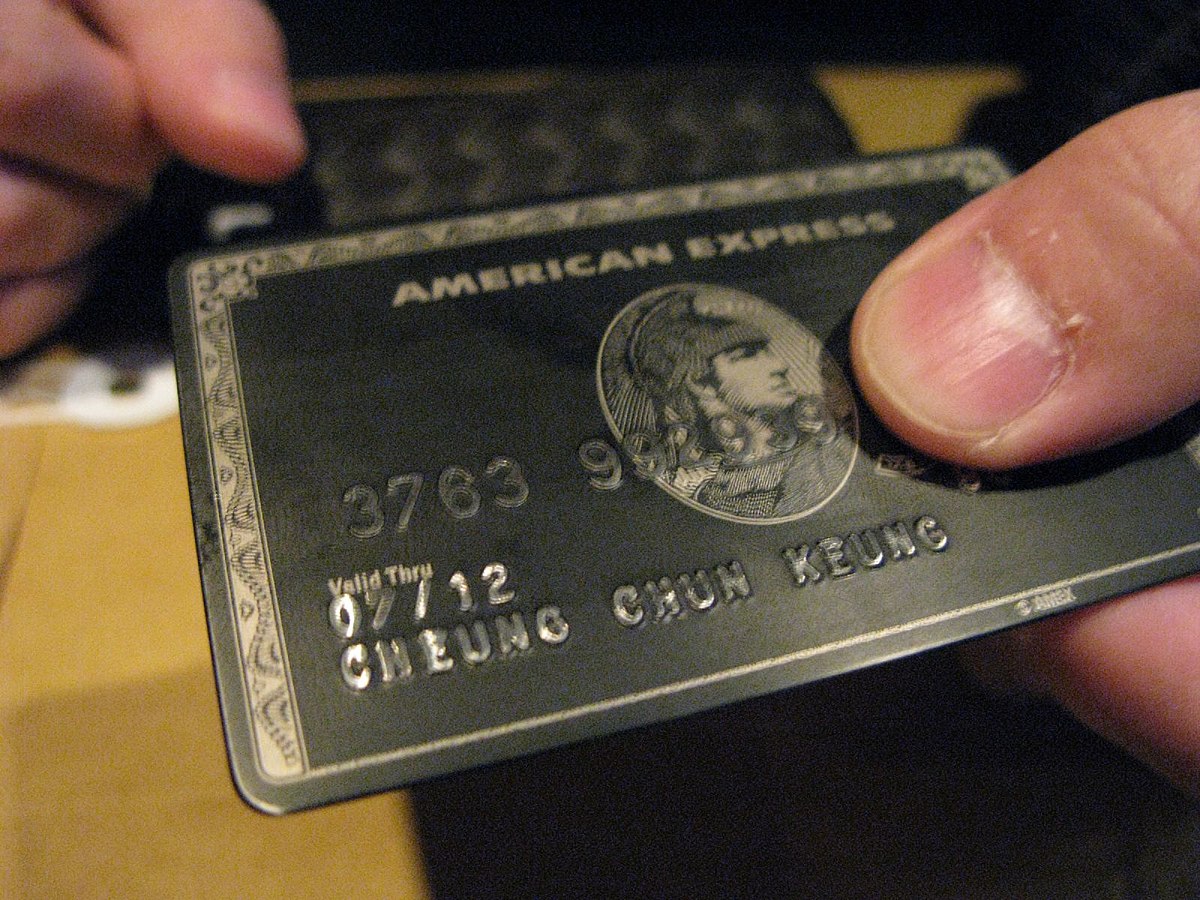
I run my thumb over the smooth metal surface. No name. Just numbers engraved in gold. It doesn’t even look like a normal bank card—it looks older, heavier, like a key to something I was never meant to open too early.
Cumberland National Trust
I pull out my phone—3% battery left—and search for the bank logo etched in the corner: Cumberland National Trust. Only one branch nearby, and it opens at nine. The building in the photos looks like something out of an old movie, with marble pillars and brass handles, far too elegant for someone like me.
But the card came from Grandfather Henry, and if there was ever a moment I needed whatever he was trying to give me, it’s now.
My phone dies in my hand. Perfect.
I sit there for two hours nursing the same coffee while the waitress refills it twice without charging me—probably out of pity, or maybe she recognizes something in my face. The desperation of someone trying desperately not to fall apart in public.
Eventually exhaustion wins. I stumble back to my car and curl up in the back seat, pulling my thin jacket over my knees like a blanket. The windows fog as my breath turns white, the heater having given up hours ago.
Maybe he knew this day was coming. Maybe he tried to warn me in the only way he could.
“Grandpa,” I whisper into the cold darkness. “I hope you knew what you were doing.”
The black card lies against my chest, tucked under the jacket like a heartbeat I’m borrowing to get through the night.
The Bank Revelation
The next morning, Cumberland National Trust rises before me like a marble monument to old money and older secrets. The building looks exactly like its photos—intimidating, elegant, designed to make people like me feel small and out of place.
I sit in my car for several minutes, engine off, trying to convince myself I’m not insane for being here. My grandfather died four years ago. My parents always said he had nothing—that he lived off Social Security, that he couldn’t help me even if he wanted to.
But he gave me this card. And he told me to use it when I had nowhere else to turn.
Inside, the air smells of polished wood and quiet authority. A receptionist in her fifties looks up with the kind of polite smile bank workers give to customers they assume don’t belong.
“Good morning. How can we help you today?”
My voice almost catches. “I need to check the balance on an old account. I have the card.”
I slide the black card across the counter. Her polite smile slips—not rudely, but with recognition. Unexpected, immediate recognition.
“I’ll call a manager,” she says quietly.
A manager. For a balance check.
“Miss Carrington,” he says carefully, “the card you brought in today is one of our legacy accounts. It hasn’t been used in many years.”
He turns the screen toward me, and for a moment everything inside me stops.
Rows of documents. Dozens of linked files. Account details that look nothing like a simple savings account. And at the top corner of the screen, a balance that doesn’t make sense at all.
“It’s active,” I whisper.
“Yes,” Elliot says quietly. “Very active. And very well protected.”
“Protected from whom?”
“From anyone but you.”
The Truth About Everything
The numbers on the screen blur as Elliot explains what my grandfather did. Henry Carrington—the man my parents dismissed as confused and broke—had been building an empire in secret. Not just money, but properties, investments, partnerships in companies I’d heard about on the news.
But it’s the red folder that breaks me completely.
Inside are letters my grandfather wrote to me—dozens of them—that my parents intercepted. Letters begging to see me, asking why I never visited, expressing his love and worry about my future. My parents told him I was too busy, that I didn’t want to see him, that I had moved on with my life.
All lies.
There are also documented attempts by my parents to gain control of his assets by claiming he was mentally incompetent. Medical reports proving he was fully capable. Legal warnings about their motivations. Email exchanges where they discussed how to access his money once he died.
I press the letter to my chest and sob—raw, broken sounds that echo in the quiet office. For years I thought he forgot me. I thought I wasn’t worth remembering.
I was wrong about everything.
The Family War
Within hours of leaving the bank, my phone starts buzzing with messages from unknown numbers. Somehow, my parents have figured out that their carefully laid plans to control me have backfired spectacularly.
You stole something that belongs to us.
We know what your grandfather left you.
You will regret not cooperating.
The threats escalate quickly. A private investigator begins following me—the same gray sedan appearing everywhere I go. My parents file emergency petitions claiming I’m mentally unstable and unfit to control assets. They try to paint me as someone who manipulated a vulnerable elder for financial gain.
But my grandfather was smarter than they ever realized.
When we finally face each other in court, the judge reviews the evidence with the kind of cold professionalism that cuts through lies like a scalpel. Security footage of my parents trying to coerce my grandfather. Medical evaluations proving his mental fitness. Email exchanges showing their real motivations.
And the recorded testimony my grandfather left behind, speaking directly to the camera about his reasons for protecting me from them.
The petition is denied. A restraining order is issued. Criminal investigations are recommended.
My parents leave the courtroom looking smaller than I’ve ever seen them—not because they’re sorry, but because they finally understand they’ve lost control of me forever.
Building Something New
The months that followed weren’t easy. Healing from a lifetime of manipulation doesn’t happen overnight. Learning to trust my own judgment after years of being told I was incompetent took time. Understanding that I deserved love without conditions was the hardest lesson of all.
But I had help.
Marcus, the doctor who caught me when I nearly fainted outside the café during my darkest moment, became more than a friend. He showed me what unconditional support looked like—not the transaction-based “love” my parents had offered, but genuine care that didn’t come with strings attached.
I used my inheritance to establish a foundation for young adults who’d been rejected by their families—kids aging out of foster care, LGBTQ+ youth kicked out by parents, anyone who needed to know they weren’t alone in starting over. The Henry Carrington Foundation became my grandfather’s lasting legacy, helping people who’d been thrown away discover their worth.
My parents tried to contact me several times through intermediaries, usually when they needed money or when relatives asked uncomfortable questions about why they never saw their daughter anymore. I never responded. The restraining order made sure I didn’t have to.
Their final letter—delivered through their attorney six months after the court case—was a masterpiece of manipulation disguised as an apology. They claimed they’d been “protecting” me from the responsibility of wealth, that they’d only wanted what was best for me, that family should forgive and forget.
I showed it to Marcus, who read it and shook his head.
“They still don’t understand,” he said quietly. “They still think this is about money.”
He was right. It was never about money. It was about control, respect, and the right to exist without constantly justifying my worth.
Christmas Eve, One Year Later
I stood in my own kitchen on Christmas Eve, exactly one year after being thrown out in the snow. Marcus was beside me, stirring something that smelled like cinnamon and warmth. Snow fell outside our windows, but this time it looked peaceful instead of threatening.
The tree we’d decorated together sat in the living room, surrounded by gifts we’d chosen with care for each other and for the friends who’d become our chosen family. No tension. No walking on eggshells. No conditional love.
Marcus looked up from his cooking and smiled at me—the kind of smile that said he was exactly where he wanted to be, with exactly who he wanted to be with.
“Any regrets?” he asked softly, though he already knew the answer.
I thought about my parents, somewhere across the city, probably still wondering how their perfectly planned manipulation had collapsed so completely. I thought about my grandfather, who’d loved me enough to protect me from people who should have cherished me instead.
“None,” I said, meaning it completely. “Not a single one.”
Outside, snow continued to fall on a world that no longer felt cold or threatening. Inside, warmth filled every corner of the home we’d built together—not just the house, but the life, the love, the future that belonged entirely to us.
Sometimes the greatest gift isn’t what people leave you when they die. It’s the strength they help you discover while they’re gone, and the courage to use it when you need it most.
My grandfather gave me more than money. He gave me freedom.
And I finally understood how to use it.
Sometimes the family that throws you away is just making room for the life you were always meant to live.
Lena’s foundation has now helped over 200 young adults transition to independent living after family rejection. Her relationship with Marcus continues to be built on mutual respect and genuine love rather than obligation or control. She never had contact with her parents again, though she learned through relatives that they eventually faced legal consequences for their attempts at financial fraud. The inheritance allowed her not just financial freedom, but the emotional space to heal and build relationships based on trust rather than manipulation. Her grandfather’s house, which she inherited along with everything else, was converted into transitional housing for foundation beneficiaries. Sometimes the best way to honor someone’s memory is to use their gift to help others find the safety and dignity they provided for you.

Lila Hart is a dedicated Digital Archivist and Research Specialist with a keen eye for preserving and curating meaningful content. At TheArchivists, she specializes in organizing and managing digital archives, ensuring that valuable stories and historical moments are accessible for generations to come.
Lila earned her degree in History and Archival Studies from the University of Edinburgh, where she cultivated her passion for documenting the past and preserving cultural heritage. Her expertise lies in combining traditional archival techniques with modern digital tools, allowing her to create comprehensive and engaging collections that resonate with audiences worldwide.
At TheArchivists, Lila is known for her meticulous attention to detail and her ability to uncover hidden gems within extensive archives. Her work is praised for its depth, authenticity, and contribution to the preservation of knowledge in the digital age.
Driven by a commitment to preserving stories that matter, Lila is passionate about exploring the intersection of history and technology. Her goal is to ensure that every piece of content she handles reflects the richness of human experiences and remains a source of inspiration for years to come.