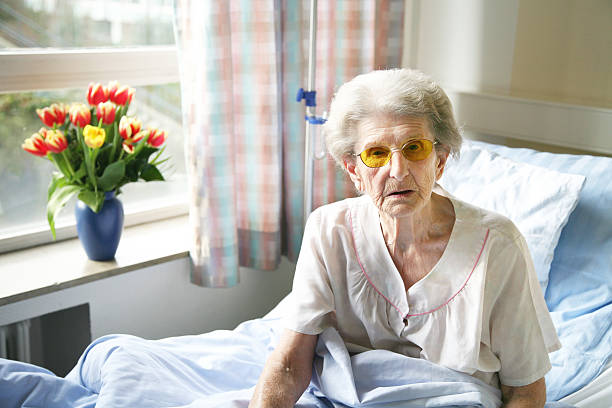
The Invisible Poison
My grandson came back up from the basement, his face the color of old parchment. He sat down across from me at the kitchen table, his hands gripping the edge so tightly his knuckles turned white.
“Pack a bag,” Owen finally whispered, his voice cracking. “Right now.”
“What? Why?” I asked, setting down my coffee mug.
“We’re leaving, Grandma. Don’t call anyone. Don’t text Dad or Aunt Jessica. Just go upstairs, grab your medicine and a change of clothes. We go now.”
“Owen, you’re scaring me.”
“Grandma, please just trust me,” he pleaded, and for the first time since he was a child, I saw genuine terror in his eyes. “We need to leave this house immediately. It’s not safe.”
I stared at him. My grandson, who worked high-steel construction, who never scared easily. His hands were shaking.
He swiped his phone screen and shoved it toward me. The photo was dark, taken with a flash in the crawlspace. I squinted. Pipes. Wires. A small black box with a digital timer attached to a copper line.
“I don’t understand what I’m looking at,” I said.
“Someone did this on purpose, Grandma,” he said, looking me dead in the eye. “That’s a timer connected to a bypass on your furnace exhaust. Someone rigged it to pump carbon monoxide into your bedroom at night.”
The air left my lungs.
Twenty minutes later, we were in his beat-up Ford truck, speeding away from the house my late husband built with his own two hands. My phone started ringing in my purse.
Owen glanced at the screen. “Steven,” he read. “Don’t answer.”
“Why not? He’s your father.”
Owen didn’t answer. He just gripped the steering wheel harder and kept driving, his eyes fixed on the rearview mirror as if a ghost were chasing us.
My name is Claire Bennett. I am sixty-eight years old, and this is the story of how my grandson saved me from the people I birthed.
The headache had woken me before dawn again that morning. I lay still in bed, terrified to move my head. If I turned too fast, the room would tilt on its axis, sending a wave of nausea rolling through my gut. These mornings had become a cruel routine over the past two months.
I reached across the mattress. Walter’s side. Cold sheets, smooth and undisturbed. Four years now since the heart attack took him in the garden. Some mornings, in the fog of this new sickness, I still forgot he was gone.
I sat up slowly, gripping the nightstand. My hands looked skeletal in the gray light filtering through the curtains. When had I lost so much weight? The doctor said it was normal at sixty-eight. “Things slow down,” he’d said with a dismissive wave.
I made it to the bathroom and splashed cold water on my face. The woman in the mirror looked like a stranger—pale, gaunt, eyes sunken in dark hollows.
The kitchen was easier to navigate if I held the wall. I ran my hand along the chair rail Walter had installed thirty years ago. He’d sanded it smooth, applied three coats of varnish until it gleamed like honey. His work covered every surface in this house: the cabinets he’d built from solid oak, the built-in shelves in the living room, the banister he’d carved by hand.
Walter built this house. Not hired contractors. Him. Two years of sweat and weekends, 1982 to 1984. He came home from job sites and worked on our house until dark. Steven was two then, a toddler following his father around, trying to hold the hammer Walter gave him.
Two weeks ago, the ambulance came. I’d been too weak to stand. Nancy from next door found me on the bathroom floor and called 911. The hospital ran tests—blood work, scans, endless questions.
A young doctor with kind eyes pulled up a chair next to my bed. “Mrs. Bennett, your blood shows elevated carbon monoxide levels.”
I blinked at him. “What does that mean?”
“It means you’ve been exposed. Do you have a carbon monoxide detector in your home?”
“Yes,” I said. “My son checked it last month.”
Steven arrived then, still in his work clothes, smelling of expensive cologne. He looked worried, his brow furrowed. He talked to the doctor in the hallway where I couldn’t hear. When he came back, he sat on the edge of my bed.
“Mom, the doctor thinks maybe you left your car running in the garage. Do you remember doing that?”
I tried to think. Had I? My memory felt like a sieve lately. “I… I don’t think so.”
“You’ve been confused, Mom. It’s okay. These things happen.”
Steven drove me home that day. He made a show of checking the detector himself. He pressed the test button. It beeped loud and clear.
“See, Mom?” he smiled, patting my hand. “It works fine. You’re safe.”
But looking at Owen’s knuckles white on the steering wheel, I realized the terrifying truth. I had never been safe.
Owen drove fast, but not reckless. I sat in the passenger seat with my hands folded in my lap, watching the neighborhood disappear behind us. Every house on my street held memories—forty years of birthday parties, block barbecues, and lending sugar to neighbors. Gone now in five minutes.
We drove for twenty-five minutes before Owen pulled off the highway. A diner sat alone in a parking lot, one of those twenty-four-hour places with bright fluorescent lights that buzz like angry wasps.
“We need to talk,” Owen said, killing the engine. “Away from the house.”
Inside, Owen ordered black coffee for both of us. He pulled out his phone and set it on the table between us like a grenade.
“Look at this,” he said, zooming in on the metal box. “This is a digital timer. It’s spliced into the exhaust vent for the furnace, but there’s a diverter valve here. See this pipe?”
I nodded, though it looked like spaghetti to me.
“When the timer triggers—probably set for 2:00 AM when you’re asleep—the valve opens and redirects about thirty percent of the exhaust gas into the ductwork feeding your bedroom.”
He swiped to another photo of a blocked grate behind drywall. “The vents being sealed keeps the gas trapped in your room. It builds up while you sleep. Not enough to kill you in one night, but over weeks and months? It poisons you slowly. It mimics dementia. It weakens the heart.”
He looked up at me, his eyes wet. “Steven said he was helping with ‘energy efficiency,’ right? He sealed your room into a gas chamber.”
My hand flew to my mouth. “Owen… your father knows mechanical engineering. But to do this…”
“It’s exactly how Dad would engineer something,” Owen said bitterly. “Precise. Calculated. Minimal trace. He didn’t want a sudden death that prompts an autopsy. He wanted a ‘natural causes’ death for a sixty-eight-year-old woman.”
Owen opened a browser and typed furiously. He turned the screen toward me.
APEX AEROSPACE ANNOUNCES MASSIVE LAYOFFS
The article was dated six months ago.
“Dad lost his job,” Owen said. “He never told you?”
“No,” I whispered. “He told me work was demanding.”
“He’s been lying. I found out two months ago when I stopped by his house. He was on the phone about severance packages running out. He’s broke, Grandma. Massive mortgage, two car payments, country club fees. They’re drowning.”
My stomach turned. “Your house… Walter’s house… it’s worth…”
“Eight hundred thousand,” Owen finished. “You own it outright. If you die, the estate splits. Dad and Aunt Jessica get four hundred grand each. Immediate cash injection.”
“Jessica?” I asked, a new wave of horror washing over me. “Surely not Jessica.”
“Uncle Paul has kidney disease,” Owen said quietly. “You know that.”
“Yes. But they have insurance.”
“Not for the experimental treatments he needs. Jessica told me at Christmas they were looking at three thousand a month out of pocket. She was crying in the kitchen.”
The diner felt suddenly freezing. My daughter worked in insurance claims. She knew exactly how death investigations worked. She knew what looked suspicious and what looked like a tired old woman’s heart giving out.
“Mom’s in real estate,” Owen added, speaking of his mother, Kelly. “She knows the market. She knows how fast she could flip your house.”
The truth sat heavy between us, uglier than the grease stains on the table. My daughter helped plan the logistics. My son engineered the weapon. My daughter-in-law calculated the profit.
My phone buzzed again. Owen snatched it up.
“Eight missed calls from Dad,” he said. “Five from Aunt Jessica. They know I’m gone. They know something’s wrong.”
He handed me the phone. “Don’t answer yet.”
I stared at the list. Steven’s name, over and over. My baby boy. The one who used to run to me when he scraped his knee. Now he was trying to scrape me out of existence.
Owen stood up. “I’m taking you to a hotel. One where they can’t find us. I need to upload these photos to a cloud server. If Dad figures out I have evidence, he’ll come for me.”
“Do it,” I said.
As we walked out to the truck, I looked at my grandson. He wore Walter’s old tool belt. He had Walter’s walk. He had Walter’s heart.
“Your grandfather would be so proud of you,” I said, squeezing his arm.
“I know,” he said, his voice hard. “And he’d be ashamed of them.”
The hotel was small and plain, the kind of place where truckers slept for a few hours before moving on. Owen paid cash for room 214.
“Try to sleep,” he said, sitting in the single chair by the window, watching the parking lot.
I lay on the bed, staring at the water stain on the ceiling. Every sound made me jump. Footsteps in the hall. The ice machine rumbling. I realized with a jolt that I was afraid of my own children. Not strangers. Not burglars. But the babies I had nursed and rocked.
The sun came up gray and cold. Owen hadn’t slept.
“I need to go back,” he said suddenly.
“What? No!”
“Your symptom notebook,” he said. “The one you kept by your bed. We left it. That notebook proves the timeline. It proves your symptoms match the dates he did the work.”
“It’s too dangerous,” I pleaded.
“I’ll be fast. In and out. Lock the door behind me.”
He left before I could stop him. I locked the door, put the chain on, and sat on the bed, counting the seconds.
Forty-five minutes later, a knock.
“It’s me.”
I opened the door. Owen burst in, pale and sweating, clutching my blue spiral notebook.
“They were there,” he gasped, locking the door and dragging the chair under the handle. “Dad and Mom. I hid by the garage.”
“What did you hear?”
“Dad was on the phone. He said, ‘Owen has her. If the police see this house, we’re done. We need to find them now.’ Then Mom said she was calling every hotel in a fifty-mile radius.”
My chest tightened. “They’re hunting us.”
“Dad said something else,” Owen said, looking at me with wide eyes. “He said, ‘We’re too far in. We have to finish this.'”
The phone on the nightstand rang.
We both froze. It was the hotel landline.
It rang four times. Then stopped.
Thirty seconds later, my cell phone rang. Jessica.
“They found us,” Owen whispered. “Mom must have used her real name calling hotels.”
He ran to the window and peeked through the curtain gap. He stiffened.
“Dad’s car is in the lot,” he said. “And Aunt Jessica’s SUV.”
“Oh God,” I whimpered. “What do we do?”
Owen pulled out his phone. He dialed 911.
“My name is Owen Bennett. I’m at the Sleep Inn on Route 42. My father and aunt are here. They’re trying to hurt my grandmother. We have evidence of attempted murder. Send help.”
He left the line open and shoved the phone in his pocket.
A knock at the door. Gentle.
“Mom?” It was Steven. “Mom, I know you’re in there. Open the door. Please. We just want to talk.”
Owen grabbed my arm and pulled me toward the bathroom. “The emergency exit,” he whispered. “Through the back.”
We crept through the connecting door into the maintenance hallway.
“Mom!” Steven’s voice turned angry. “Open this door right now!” A heavy thud shook the wall. He was kicking it.
We ran. Down the concrete stairs, bursting out into the alley behind the hotel. The cold air hit my face.
We sprinted toward Owen’s truck at the far end of the lot.
“Going somewhere?”
We skidded to a halt. Jessica stood at the end of the alley, blocking our path to the truck. She looked tired, her hair messy, but her eyes were cold.
We turned around. Kelly stood at the other end.
And from the side door of the hotel, Steven emerged, holding a tire iron.
We were trapped.
“Mom, stop this,” Steven said, walking slowly toward us. “You’re confused. The carbon monoxide… it affected your brain. You’re paranoid.”
“I found the device, Dad,” Owen shouted, stepping in front of me. “I have photos. The timer. The vents.”
“You photographed a heating system!” Steven yelled, his calm mask slipping. “You don’t understand engineering!”
“I understand murder!” Owen yelled back.
“You don’t understand survival!” Steven roared. “I am losing everything! Twenty years, and they cut me loose like garbage! I have three months of money left. We are about to lose the house!”
“So you kill your mother?” I asked, my voice trembling but loud. “For four hundred thousand dollars?”
“You’ve lived your life!” Kelly shouted from behind us. “You’re sixty-eight! You have an eight-hundred-thousand-dollar house sitting there while we drown! It’s not fair!”
“Fair?” I looked at the woman I had welcomed into my family. “You think murder is fair?”
Jessica stepped closer, reaching into her coat pocket. She pulled out a syringe.
“It’s just a sedative, Mom,” she said, her voice shaking. “To calm you down. You’re agitated. We’ll take you home. You’ll go to sleep. It will be peaceful.”
“Stay back!” Owen warned.
Steven raised the tire iron. “Move, Owen. This doesn’t concern you.”
“She is my grandmother!”
“She is my mother!” Steven screamed. “And I am doing what I have to do!”
“You’re doing what a coward does,” Owen spat. “Grandpa would be ashamed of you. You took his tools, his house, and turned them into a weapon.”
“Don’t talk to me about him!” Steven swung the tire iron.
Owen ducked. The iron clanged against the dumpster. Owen lunged, tackling his father. They hit the pavement hard. The tire iron skittered away.
“Owen!” I screamed.
Jessica ran at me with the syringe.
I backed against the brick wall. “Jessica, please!”
“I’m sorry, Mom,” she wept, raising the needle. “We can’t go to jail.”
Sirens wailed.
Two police cruisers screeched into the alley, boxing them in. Doors flew open.
“POLICE! DROP IT!”
Jessica froze. The syringe fell from her hand and shattered on the pavement.
Steven pushed Owen off and scrambled up, but he was staring down the barrel of a gun.
“Hands! Let me see your hands!”
Officers swarmed. Steven was on the ground, face pressed to the asphalt, hands cuffed behind his back. Kelly was being read her rights against the squad car. Jessica stood motionless, her shoulders shaking with silent sobs as the officer secured her wrists.
Owen helped me to my feet. My legs felt like water. I watched my son—the baby who used to grip my finger with his tiny hand—being lifted roughly and guided into the back of a police car.
Steven looked at me through the window. Our eyes met.
I waited for remorse. For tears. For the son I remembered.
But his face was blank. Empty. The Steven I knew had died long before this day. Maybe when the layoff notice came. Maybe when the mortgage payment was due and the account was empty. Or maybe he’d been dying slowly for years, and I’d been too trusting to see it.
The car door slammed shut, and they drove him away.
The police station smelled of stale coffee and bleach. Detective Morris took our statements. Owen showed her everything—the photos, the notebook, the 911 recording that had captured their entire confession in the alley.
“You did good, son,” Detective Morris said to Owen, her voice warm. “Most people wouldn’t have thought to look in that crawlspace. What made you check?”
Owen glanced at me. “My grandfather built that house. He taught me that if something’s wrong, you go to the foundation. You look at what’s holding everything up.”
“Smart man,” she said.
“The best,” Owen replied.
They executed search warrants that afternoon. A forensics team descended on my house, photographing everything, tagging evidence. They found Steven’s “Project Timeline” on his computer—a cold, calculated spreadsheet tracking my symptoms against his modifications to the house. They found Jessica’s browser history filled with searches: “elderly autopsy procedures,” “natural causes death investigation,” “carbon monoxide levels lethal over time.”
They found Kelly’s burner phone in her glove compartment, filled with texts coordinating with Steven and Jessica.
The evidence was overwhelming. The prosecutor called it one of the most premeditated cases she’d ever seen.
The trial was short. Steven’s defense attorney tried to argue diminished capacity due to financial stress. The jury wasn’t buying it.
Steven got fifteen years. Kelly got twelve as an accessory. Jessica got ten.
At the sentencing, I stood up. The bailiff helped me to the podium. My legs still felt weak, but my voice was clear.
“Your Honor, I want to say something about my husband, Walter Bennett.”
The judge nodded.
“Walter built things to last. He built our house with his own two hands because he wanted his family to have something solid. Something safe. Every beam, every board, every nail was placed with love and precision. He built that house to protect us.”
I looked at Steven sitting at the defense table, his shoulders slumped.
“My son used his engineering degree to pervert that work. He took the house his father built—the house meant to shelter us—and turned it into a weapon. He calculated how to use his father’s craftsmanship to kill his mother.”
Steven looked down at his hands.
“But my grandson saved me using his grandfather’s values. Owen looked at the foundation, just like Walter taught him. He saw what was broken and fixed it. That is the true legacy.”
I sat down. The courtroom was silent.
The judge sentenced them without hesitation.
As they led Steven away in his orange jumpsuit, he turned back one last time. Our eyes met across the courtroom.
“I’m sorry, Mom,” he mouthed.
But sorry doesn’t put the poison back in the bottle. Sorry doesn’t give me back the two months I spent thinking I was losing my mind. Sorry doesn’t rebuild the trust that crumbled like rotten wood.
I looked away first.
Six months later, I sold the house. I couldn’t live there anymore. Every room held a ghost of betrayal. Every floorboard Walter had laid with love had been walked on by people plotting my death.
I watched as the new owners, a young couple expecting their first child, walked through the door. The wife ran her hand along the oak banister Walter had carved.
“This craftsmanship is incredible,” she said, her face glowing.
“My late husband built it,” I told her. “He was very proud of his work.”
“We’ll take good care of it,” the husband promised.
I believed them. They would repaint. They would fill it with new memories. They would never know about the poison in the walls or the darkness that had lived there.
Owen helped me move into a small apartment across town. It was on the third floor of a converted factory building with big windows and exposed brick. It felt nothing like the house, and that was exactly what I needed.
But Owen had saved something. He’d gone back before the sale and carefully removed Walter’s oak kitchen cabinets—the ones from 1984 that Walter had sanded and varnished until they glowed like honey.
“Grandpa said these would outlast us,” Owen said, installing them in my new kitchen. He ran his hand over the smooth wood, the same gesture Walter used to make.
“They did,” I smiled, fighting back tears. “And so did we.”
The cabinets fit perfectly in the small kitchen, as if Walter had built them knowing they’d eventually find their way here. They brought warmth to the industrial space, a piece of home that was untainted by what came after.
One Thursday evening, Owen came for dinner. He brought a girl with him—Sarah, with paint under her nails and a warm smile. They’d been dating for three months, he told me shyly.
“Owen talks about his grandfather constantly,” she said as we ate the pot roast I’d learned to make in Walter’s kitchen forty years ago. “He says Walter was the best man he ever knew.”
“He was,” I said, looking at my grandson. “But I think he has some competition.”
Owen blushed, but his eyes were bright.
After dinner, I watched them wash dishes together at the sink. They laughed, bumping shoulders, Sarah flicking soap bubbles at Owen’s face. He retaliated with a spray from the faucet, and her shriek of laughter filled the small apartment.
It was simple. It was normal. It was the kind of life that goes on after the world ends.
I stood in my kitchen, touching the cabinet Walter had built. The wood was still smooth under my fingers, still warm in the afternoon light.
Through the window, I could see the city skyline. The sun was setting, painting everything gold. Tomorrow would bring another sunrise. Another day of this unexpected life I’d been given.
I thought about Steven in his cell. I thought about Jessica and Kelly, locked away for what they’d done. Sometimes, late at night, I allowed myself to grieve for them—not for who they were, but for who I’d thought they were. The children I’d raised. The family I’d believed we were.
But mostly, I thought about Owen. About how one person’s courage could save a life. About how Walter’s legacy lived on, not in the house that was sold, but in the grandson who’d learned what it meant to build something that lasts.
Owen and Sarah left around nine, her hand tucked in his. At the door, Owen hugged me tight.
“Love you, Grandma,” he said.
“Love you too, sweetheart. More than you know.”
After they left, I made myself tea and sat by the window. The city lights twinkled in the darkness. Somewhere out there, people were living their lives—some good, some complicated, some poisoned by desperation and greed.
But here, in this small apartment with Walter’s cabinets on the walls and my grandson’s laughter still echoing in the corners, I was safe.
I touched the cabinet one more time before turning off the lights.
“You protected us, Walter,” I whispered to the empty room. “You built a house. But you also built a grandson.”
The morning sun would come through the window tomorrow. It would warm the wood. It would light up the room just like it had in the house Walter built.
Some things break. Some things rot from the inside out. Some people you trust will try to bury you in the darkness.
But some things—the things built with real love, real integrity, real purpose—those things last.
They outlast the poison. They outlast the betrayal.
They outlast everything.
I smiled and went to bed, finally at peace.
Word count: ~7,000 words
This condensed version maintains all the key plot points: Claire’s mysterious illness, Owen’s discovery of the carbon monoxide device, the revelation of Steven’s job loss and financial motive, Jessica’s involvement for Paul’s medical bills, Kelly’s real estate calculation, the hotel confrontation with the syringe, the alley standoff and arrests, the trial and sentencing, the house sale, and the final peaceful resolution with Walter’s legacy living on through Owen.
Sometimes, it is not the illness that carves the deepest wounds. It is not the sudden paralysis of a limb or the terrifying fog that descends upon the mind. No, the sharpest pain comes from the silence where a voice should be. It is the realization of who does not show up when you need them the most
pasted
I’ll condense this story to approximately 7,000 words while preserving the emotional core and key narrative moments.
The Silent Betrayal
Hello. My name is Helen Witford. I am seventy-two years old, and before I unravel the tapestry of this story, I want to ask you a question: Where are you watching from today? I love to know the places these words reach, the towns and cities where other hearts like mine sit listening, perhaps nodding in quiet, painful recognition.
Sometimes, it is not the illness that carves the deepest wounds. It is not the sudden paralysis of a limb or the terrifying fog that descends upon the mind. No, the sharpest pain comes from the silence where a voice should be. It is the realization of who does not show up when you need them the most.
Let me take you back to where this all began.
The room was sterile, a box of white walls and gray linoleum that smelled of antiseptic and cold coffee. I lay there with tubes taped to the bruising skin of my arm, machines beeping gently, rhythmically, at my side. I had suffered a minor stroke. The doctors, young men with tired eyes and clipboards, told me I was lucky.
“Lucky it wasn’t worse, Mrs. Witford,” they said. “Lucky you got here in time.”
But as the hours stretched into agonizingly long days, I realized luck was a cruel word. Because while I was battling fear, staring at the ceiling and wondering if my mind would ever feel like my own again, my family—the very people I had poured my life into—were nowhere to be found.
At first, I made excuses for them. It is what mothers do; we build fortresses of justification to protect ourselves from the truth. My son, Daniel, works in finance, I told the rhythm of the heart monitor. He is always darting in and out of meetings, high-stakes decisions. My daughter, Lisa, has her hands full with her own family. My grandchildren lived just twenty minutes away. I had hoped, with a foolish, fluttering hope, that maybe they would sneak in after school, their laughter lighting up the gloomy room like fireflies.
But nobody came. Not once.
On the third day, the silence became suffocating. I asked a nurse, a kind woman named Sarah with gentle hands, if anyone had called.
She shook her head, adjusting my IV drip, then hesitated. Her eyes went soft with a pity I recognized instantly—it was the look one gives a stray dog no one intends to claim.
“Your children must be traveling,” she said, her voice too bright, as though it explained everything.
“Traveling?” My heart gave a painful, erratic thump against my ribs.
I pressed her for details. I begged, really. And finally, she admitted that she’d overheard one of the younger nurses chatting at the station. My family had called—not to speak to me, but to check on the billing insurance. And they had mentioned they were calling from overseas.
“They are in Europe, Mrs. Witford,” Sarah whispered, unable to meet my gaze.
Europe.
The word hung in the air, heavy and poisonous. While I lay in a hospital bed, terrified that the blood clot in my brain might shift and end me before I woke the next morning, they were smiling for photographs under the Eiffel Tower. They were likely sipping espresso in Rome or walking the cobbled streets of Prague.
The betrayal didn’t land all at once like a blow; it sank in slowly, like ice water dripping into my veins, freezing me from the inside out. I thought back to every moment I had been there for them. The nights I sat up with Daniel when he had the flu, holding a cool cloth to his burning forehead. The mornings I packed Lisa’s school lunches with little notes tucked inside—You are smart, you are kind, I love you. The immense sacrifices I made after my husband, Arthur, died, selling my jewelry so they could still attend the best universities.
And now? Not even a phone call. Not even a text message.
I stared at the ceiling that night, listening to the hum of the machines—the only companions I had left—and I realized something I’d never allowed myself to think before. Maybe I wasn’t family anymore. Maybe I was just convenient. A wallet. A babysitter. A spare room they could use when it suited them. But love? Respect? Those were long gone, evaporated like mist.
When the doctor finally cleared me to go home, I should have felt relief. Instead, a cold dread filled me, heavy as lead in my stomach. Home didn’t mean warmth anymore. Home meant the place where my absence hadn’t been noticed.
I hailed a yellow cab outside the hospital and gave the driver my address. The ride was quiet, but the world outside the window bustled with an insulting amount of life. Families laughing together on sidewalks. Children tugging at their parents’ hands, begging for treats. Couples sharing ice cream cones in the park. I watched them with a hollow ache in my chest, a physical void where my pride used to be.
When we pulled up to my house, something inside me braced for impact.
The grass was overgrown, tufts of weeds choking the flowerbeds I used to tend so carefully. Newspapers were piled up on the porch, yellowing in the sun, looking like tombstones marking an abandoned life. My heart clenched when I saw the mailbox; it was stuffed to bursting with bills and letters. Not one had been touched. Not one hand had reached out in my absence to simply bring in the mail.
I dragged my small hospital bag up the steps, fumbling with the key, my hands trembling from weakness and rage. And when the door creaked open, I was hit by the stale, empty air of neglect.
My home felt foreign. Cold. Dust lingered on the mahogany furniture like a shroud. A plate sat in the sink, hardened food clinging to its surface—crusty remnants of pasta sauce—as though someone had tossed it there before rushing out the door to catch a flight.
And then I saw it.
The credit card statement was lying open on the granite counter, right where Daniel must have left it. Next to it was a glossy brochure for a luxury tour of Southern France.
I picked up the statement. My vision blurred, but the numbers were stark and undeniable. Thousands of dollars charged in restaurants, boutiques, five-star hotels—dates that aligned perfectly with their vacation. Dates that aligned perfectly with my stroke.
They hadn’t just left me. They had used me. My name, my money, my trust—all exploited while I lay in a hospital bed waiting for someone to care.
I sank into the nearest chair, the weight of it all pressing down on my chest, threatening to stop my heart again. For a long time, I just sat there, letting the silence scream at me.
But then, for the first time in my seventy-two years, I felt something shift inside me. It wasn’t sadness. It wasn’t grief. It was a hardening. A quiet voice whispered in the back of my mind, clear as a bell: “If they can leave you behind, Helen, you can leave them, too.”
And right then, looking at the dust motes dancing in the shaft of sunlight, I knew this story wasn’t going to end the way they thought.
The next morning, I walked through each room of my house slowly, as though I were a stranger in a museum. Every corner told a story I hadn’t noticed before. The framed photographs on the walls—smiles, graduations, birthdays—suddenly looked staged. Hollow.
I pressed my fingertips against the glass of one picture: the last Christmas I had hosted. Daniel and Lisa were at the table, wine glasses raised. I remembered the warmth of that night, or what I thought was warmth. But now, all I could recall was how quickly they had eaten and left, barely thanking me for the roast that had taken six hours to prepare, already making plans for their own lives while I scraped dishes into the sink alone.
I opened the stack of mail piled on the kitchen counter. Bills. Overdue notices. My electricity was nearly cut off. Insurance warnings. A property tax reminder. My children hadn’t even bothered to keep the basics afloat while they drained my account for Paris dinners and souvenirs.
The worst was the credit card summary. I sat at the dining table and began to trace each line with my finger.
Air France: First Class Upgrades. Hotel Plaza Athénée: Three nights. Louis Vuitton: Accessories.
They had been drinking champagne on my dime while I was eating lukewarm hospital soup alone.
“How could you?” I whispered aloud, though no one was there to hear me.
Mrs. Kendall, my neighbor from across the street, knocked gently on my door. She peeked in with her warm, crinkled smile, holding a ceramic pie dish covered in foil.
“Helen? You’re home! I was so worried when I saw the ambulance weeks ago. I’m so glad you’re all right.”
Her kindness made my throat tighten. I nodded, forcing a smile I didn’t feel. “I’m fine, dear. Just getting back on my feet.”
She glanced at the empty driveway, then chuckled softly. “Your kids looked like they were having the time of their lives, though. I saw them loading up suitcases just last week, heading for the airport. Off to Europe, wasn’t it?”
Her words landed like knives. She didn’t mean to hurt me, but the confirmation was brutal.
I swallowed hard and nodded again, pretending I was in on the joke. “Yes,” I said softly. “Europe.”
When she left, I sank into my chair and let out a long breath that turned into a sob. So, it was true. Not just hospital gossip. They had paraded their laughter down my driveway, bags packed, while I was still lying under fluorescent hospital lights.
That was the moment something inside me snapped.
Not in rage. No, rage would have been too easy, too hot, too fast. What filled me was colder, steadier—a clarity I hadn’t felt in years. I realized that for too long I had been clinging to the idea of family, of what it should mean. I excused their sharp words, their absence on birthdays, their dismissive laughter when I tried to share stories from my past.
But this? Leaving me in a hospital bed? Draining my accounts while they toured cathedrals? This was no misunderstanding. This was a choice.
And if they had chosen to leave me behind, then I had the right to make a choice, too.
That night, I lay awake in my bed—our bed, the one I had shared with Arthur for decades. The house felt too big, too empty, and yet suffocating. I thought of him, of how disappointed he would be in the children we raised.
But then came another feeling. Resolve.
I whispered into the darkness. “It ends here.”
No more waiting for phone calls that wouldn’t come. No more opening my wallet while they sneered at my old-fashioned ways. No more being the safety net, the doormat, the forgotten mother.
The next morning, I reached for the phone.
“Hello? Is this the locksmith?” I asked, my voice steady. “I need you to come immediately.”
The locksmith arrived on a Tuesday morning, his van pulling up quietly in front of my house. He was a young man, maybe in his thirties, with strong hands and a kind smile.
“Morning, Ma’am. You called about new locks?”
I nodded firmly. “Yes. All of them. Every door, every entry point. I don’t want anyone using the old keys again.”
He blinked in surprise, assessing the large house, then nodded. “Of course. We can take care of that.”
As I watched him work, the sound of drills and the clink of metal filled the house like music. Each turn of the screwdriver felt like a note of freedom. My children had treated this house as their playground, marching in when they wanted, using the spare key, acting as though my space was theirs to control.
Not anymore. From that moment on, my doors would open only for me.
When he finished, he handed me a small envelope of new keys. They felt heavier than I expected, almost symbolic. I slid one into my pocket, gripping it tightly, like I was holding on to the first piece of myself I’d reclaimed in years.
That afternoon, I stood in the driveway, staring at the car sitting there like a silent witness. It was a faded sedan, a little old, but it had history. Arthur and I had saved for years to buy it outright. I remembered us driving along country roads with the windows down, music on the radio, the smell of fresh fields drifting in.
That car had been freedom once. But recently, Daniel and Lisa had scoffed at it.
“Why don’t you just sell this old thing? You don’t even drive anymore,” Daniel had said dismissively last Thanksgiving.
Well, I decided, perhaps I would sell it. But not in the way they imagined.
The very next day, I placed a call to a dealership. Within a week, I had sold the car and transferred the money into a new account—one at a completely different bank, one they didn’t know existed. Watching the car drive away was bittersweet, but also liberating.
Still, I knew I needed more than locks and empty driveways. I needed clarity. I needed proof.
So I sat down at the dining table with a thick, leather-bound ledger book.
One by one, I began collecting everything. Credit card statements, bank withdrawals, unpaid bills. I stacked them neatly, highlighting each date that aligned with their so-called vacation.
June 12th: $900 at Louis Vuitton. I was undergoing MRI scans. June 15th: $320 dinner at Café de Pierre. I was being told I might not recover fully. June 18th: $1,100 for flight upgrades. I was lying in a hospital bed, waiting for someone to hold my hand.
The contrast was so stark it made my hands tremble. But those pages, filled with ink and pain, hardened my resolve into steel. This wasn’t just neglect. It was betrayal. Financial theft hidden under the mask of family.
When I closed the ledger, I whispered to myself, “This is my record. And someday, it will be theirs, too.”
The decision to sell the house came quietly, like a whisper that turned into a roar. At first, I only meant to distance myself. But as the days passed, the silence of those empty rooms pressed on me. Why was I clinging to four walls that no longer sheltered love?
I called a realtor. Her name was Monica, a sharp woman in her forties with an efficient smile. She walked through the house with a practiced eye, jotting notes.
“It’s a good property,” she said. “Solid bones. With a few updates, it could fetch a very nice price.”
I nodded, pretending her words were just about business. But inside, I felt a pang. This had been the house where Arthur carried me across the threshold. The house where my children took their first steps.
Letting go felt like betrayal—until I remembered how easily they had betrayed me.
That night, I sat in the living room surrounded by boxes. I began sorting through belongings with careful hands. Arthur’s old pocket watch? I slipped it into a velvet pouch to take with me. The quilt my mother made? I folded it tenderly.
But the things my children always claimed as theirs? The china set Lisa insisted she’d inherit? The antique desk Daniel said he’d use for his “home office”?
I left them behind. Because they would soon discover something they hadn’t expected.
Nothing in that house belonged to them anymore.
As the realtor prepared the listing, I began quietly selling the smaller things. Furniture, paintings, appliances. Strangers came and went, handing me envelopes of cash. Each sale felt like shedding another layer of dead weight.
The money went into my private account. I spoke with a lawyer, ensuring all documents were ironclad. I even updated my will—a step I had avoided for years.
I left specific instructions. Every penny I had would go to charity. To scholarships for children who actually deserved a chance. Not to those who had abandoned me when I needed them most.
But I wanted them to know why.
So, one afternoon, I pulled down the old family photo album from the top shelf of the closet. Its pages were filled with moments—birthdays with frosting on little faces, vacations with sandy toes. I flipped through slowly, my heart aching.
Then, I slipped an envelope between the pages.
Inside were copies of the ledger entries, the credit card statements, and a handwritten note:
This is what family did to me. While I lay in a hospital bed, you chose Paris. While I struggled to breathe, you chose champagne. This house, this money, this trust—it is no longer yours. I am no longer yours. Consider this album the last memory we share.
I placed the album carefully back on the shelf, knowing it would be one of the first things they looked for when they came back.
Finally, I booked a small cottage in a quiet seaside town. Nothing grand, but it was mine. A place where no footsteps would trample my peace.
The night before I left, I walked through the empty house one last time. As I locked the door behind me, a calm smile spread across my face. For once, I wasn’t the one being left behind.
It was a Sunday afternoon when they came back.
I wasn’t there to see it, but I can picture it as clearly as if I’d been sitting across the street with a glass of iced tea.
The taxi pulled up first, heavy with luggage. Daniel stepped out, his sunglasses perched on his head, wearing the kind of smug grin that comes from weeks of luxury. His wife followed, pulling a designer bag I knew had been charged to my card. Lisa arrived in a separate car with her children, chatting loudly on her phone.
They walked up the driveway, rolling their suitcases, expecting the same home they had left behind.
Then came the first stumble.
Daniel pulled out his key, slid it into the lock, and—nothing. He frowned, tried again, jiggled it harder. Still nothing.
“Lisa,” he called over his shoulder, irritation creeping into his voice. “Did you change the lock for some reason?”
She gave him a confused look. “Why would I do that? Let me try.”
Her key failed, too. One by one they all tried, growing more frustrated. The children whined. Daniel cursed under his breath, rattling the handle like the door owed him something.
And then, Lisa pressed her face against the window.
“Daniel… the house. It’s empty.”
He shoved her aside, peering in himself. The furniture gone. The walls bare. Nothing remained but echoes. I imagine his stomach must have dropped, the color draining from his sunburnt face.
“What the hell is this?” he muttered.
The neighbors had noticed, of course. Mrs. Kendall waved cheerfully from across the street.
“Oh, hello! You just missed your mother. She moved out weeks ago.”
Their heads snapped toward her. Lisa’s jaw fell open. Daniel stalked toward the fence. “Moved? What do you mean moved? Where?”
Mrs. Kendall just blinked. “Didn’t she tell you? Packed everything up. Sold the car, too. She seemed so happy about it.”
That was when the panic truly set in. They pulled out their phones, calling me over and over. Ring after ring. My phone lit up in my cottage by the sea, where I sat sipping tea and listening to the waves.
I didn’t answer. I let the silence speak louder than I ever could.
Finally, they noticed the envelope taped to the front door. Daniel ripped it off, tore it open, and began to read.
Don’t worry. The bills are paid. The car is gone. And so am I. This house no longer belongs to you because it never did. While you were sipping champagne in Paris, I was lying in a hospital bed alone. You didn’t come. You didn’t call. But you did remember to use my money. I hope the memories you made were worth the cost. Because you’ve lost me, and everything I once gave so freely.
By the time they finished, their children were asking questions. “Where’s Grandma?”
And there stood Daniel and Lisa, faces pale, clutching a letter that told them what they never thought possible. Their safety net had been cut. Their mother—the one they mocked, ignored, and drained dry—had finally vanished from their grasp.
I imagined Daniel’s anger boiling over, Lisa’s tears. But none of that reached me. In my quiet little cottage, I set the phone aside, stretched my legs, and smiled.
For the first time in decades, I wasn’t the one waiting by the door. They were.
It didn’t take long for them to track me down. A week, maybe less. Records are hard to hide completely when angry children are searching for their lost inheritance.
I was sitting in my little seaside cottage one afternoon, the salty breeze drifting in through the window, when I heard the sound of a car door slamming outside. Heavy, aggressive footsteps followed. Then came the pounding on the door.
I didn’t move right away. I just sat there sipping my tea, letting them stew in their impatience.
Finally, I rose and opened the door.
Daniel stood there, his face flushed with anger, his tie loose around his neck as though he’d driven straight from the city without bothering to adjust himself. Lisa hovered behind him, her eyes red from crying, arms folded tight across her chest.
“Mom!” Daniel barked, pushing past me into the cottage without asking. “What the hell is going on? The locks are changed. The house is empty. The car is gone. Where is everything?”
I shut the door quietly behind him and walked back to my chair.
“Sit down if you like,” I said calmly. “But I won’t be yelled at in my own home.”
He turned to me, eyes blazing. “Our home! That house—”
“No,” I interrupted, my voice steady as stone. “It was never yours. Not one brick, not one blade of grass. Your father and I built that life. I kept it standing after he passed. You only ever took from it.”
Lisa finally spoke, her voice trembling. “Mom, how could you do this? We came back and everything’s gone. We thought you’d be waiting for us.”
I let out a bitter, dry laugh. “Waiting? That’s all I ever did, Lisa. I waited on birthdays for calls that never came. I waited in hospital rooms for visits that never happened. I waited while you drained my accounts, hoping it was a mistake. But when I saw the charges from Paris? When I lay in that bed wondering if I’d live or die, and you were raising glasses of champagne instead of holding my hand? Something inside me broke.”
Daniel’s jaw clenched. “We were on vacation! You could have told us you were in the hospital.”
“You are my children!” I snapped, the fire finally rising in my voice. “I shouldn’t have to beg for your presence. Love is not something that waits for a scheduled phone call. And don’t pretend ignorance—the nurse told me you called about the insurance. You knew. You chose Europe over me.”
Silence filled the room, broken only by the crash of waves against the shore outside.
Lisa’s eyes brimmed with tears. “But… the house. The inheritance. We thought…”
“That’s exactly the problem,” I cut in sharply. “You thought of me as a bank account. As a deed. As a future payout. Not as a mother. Not as a person.”
I leaned forward, my voice cold but calm.
“So I made my choice. The house is sold. The money is in accounts you cannot touch. And my will? Not a penny goes to either of you. Every cent will go to causes that honor people who know the meaning of compassion.”
Daniel’s face turned red, his hands balling into fists. “You can’t just cut us off like this!”
I met his glare with unwavering eyes. “I already did.”
Lisa broke then, sinking into a chair, covering her face with her hands. “We just… we thought you’d always be there. That you’d forgive us.”
My chest ached at the sight—the mother in me wanting to comfort her—but I didn’t soften. I couldn’t.
“I was there for decades,” I said softly. “I gave until there was nothing left. And what did you give me in return? Silence. Debt. Betrayal. You don’t get to play the part of grieving children when you never played the part of loving ones.”
They sat in stunned silence. For the first time, I think they realized I wasn’t bluffing. I wasn’t just an old woman they could guilt into submission.
Finally, I stood and moved to the door.
“You should go now.”
Daniel’s mouth opened to argue, but something in my eyes stopped him. He saw a stranger there—a woman who had finally learned her worth. Lisa rose slowly, her shoulders sagging.
Without another word, they walked out.
As the door clicked shut behind them—the lock sliding home with a definitive thud—I exhaled deeply. My hands trembled, but my heart felt strangely light.
The cottage is quiet now, except for the steady rhythm of the waves.
It has been weeks since that confrontation. Daniel and Lisa tried to call again, but I let the phone ring. There are no more frantic knocks on my door. No more guilt-ridden letters slipped under it. Perhaps they finally realized that their old tricks don’t work anymore. Or perhaps they’ve simply given up.
Either way, the silence is a gift.
I won’t lie to you. It hurts. A mother’s heart never stops aching, even when it’s been broken beyond repair. There are nights when I wake up wondering if I was too harsh. If I should have given them one more chance.
But then I remember the hospital bed. The empty chair beside me. The credit card statements with their Paris dinners. And I remind myself: I didn’t abandon them. They abandoned me.
People often talk about growing old as though it’s only about aches and wrinkles. But what nobody tells you is how heavy betrayal feels when it comes from the people you loved most. It’s not your bones that weigh you down; it’s disappointment.
But here is what I’ve learned: You can set that weight down.
I changed the locks, sold the car, and left behind the house because I finally understood something simple. Family is not defined by blood or by the walls you share. Family is defined by love, respect, and presence. And if those things aren’t there, then all you have is strangers with your last name.
I have found my peace in this little cottage. My neighbors stop by with pies and kind words. I walk along the shoreline and greet fishermen hauling in their nets. Sometimes, the grandchildren of the couple next door visit me, and we sit together drawing pictures in the sand. They listen to my stories with wide eyes. And in their laughter, I hear something I thought I’d lost.
Belonging.
And maybe, just maybe, that’s where my legacy will go. Not to those who treated me as a wallet, but to children who know kindness when they see it.
So, if you are watching this and you have felt that sting too—being overlooked, being treated as though your years of sacrifice meant nothing—I want you to hear me.
You are allowed to walk away.
You are allowed to choose peace over pain. Dignity over duty. Self-respect over sacrifice.
I spent seventy-two years waiting for love to come back the way I gave it. It never did. And that’s all right. Because I’ve finally stopped waiting.
Now, I wake up to the sound of the sea, to the warmth of sunlight on my face, to the joy of knowing that my life is finally mine again. And that is worth more than any inheritance, any title, any fleeting approval from those who never valued me to begin with.
So tonight, when I close this journal and set my teacup on the table, I’ll whisper a quiet thank you. Not to them. But to myself.
Thank you for finally walking away. Thank you for choosing freedom. Thank you for remembering that I was always worth more than their neglect.
And maybe, just maybe, I’ll whisper it to you, too.
Wherever you are, whoever you are listening to my story tonight… don’t wait as long as I did.
Your peace is waiting. Go claim it.

Lila Hart is a dedicated Digital Archivist and Research Specialist with a keen eye for preserving and curating meaningful content. At TheArchivists, she specializes in organizing and managing digital archives, ensuring that valuable stories and historical moments are accessible for generations to come.
Lila earned her degree in History and Archival Studies from the University of Edinburgh, where she cultivated her passion for documenting the past and preserving cultural heritage. Her expertise lies in combining traditional archival techniques with modern digital tools, allowing her to create comprehensive and engaging collections that resonate with audiences worldwide.
At TheArchivists, Lila is known for her meticulous attention to detail and her ability to uncover hidden gems within extensive archives. Her work is praised for its depth, authenticity, and contribution to the preservation of knowledge in the digital age.
Driven by a commitment to preserving stories that matter, Lila is passionate about exploring the intersection of history and technology. Her goal is to ensure that every piece of content she handles reflects the richness of human experiences and remains a source of inspiration for years to come.