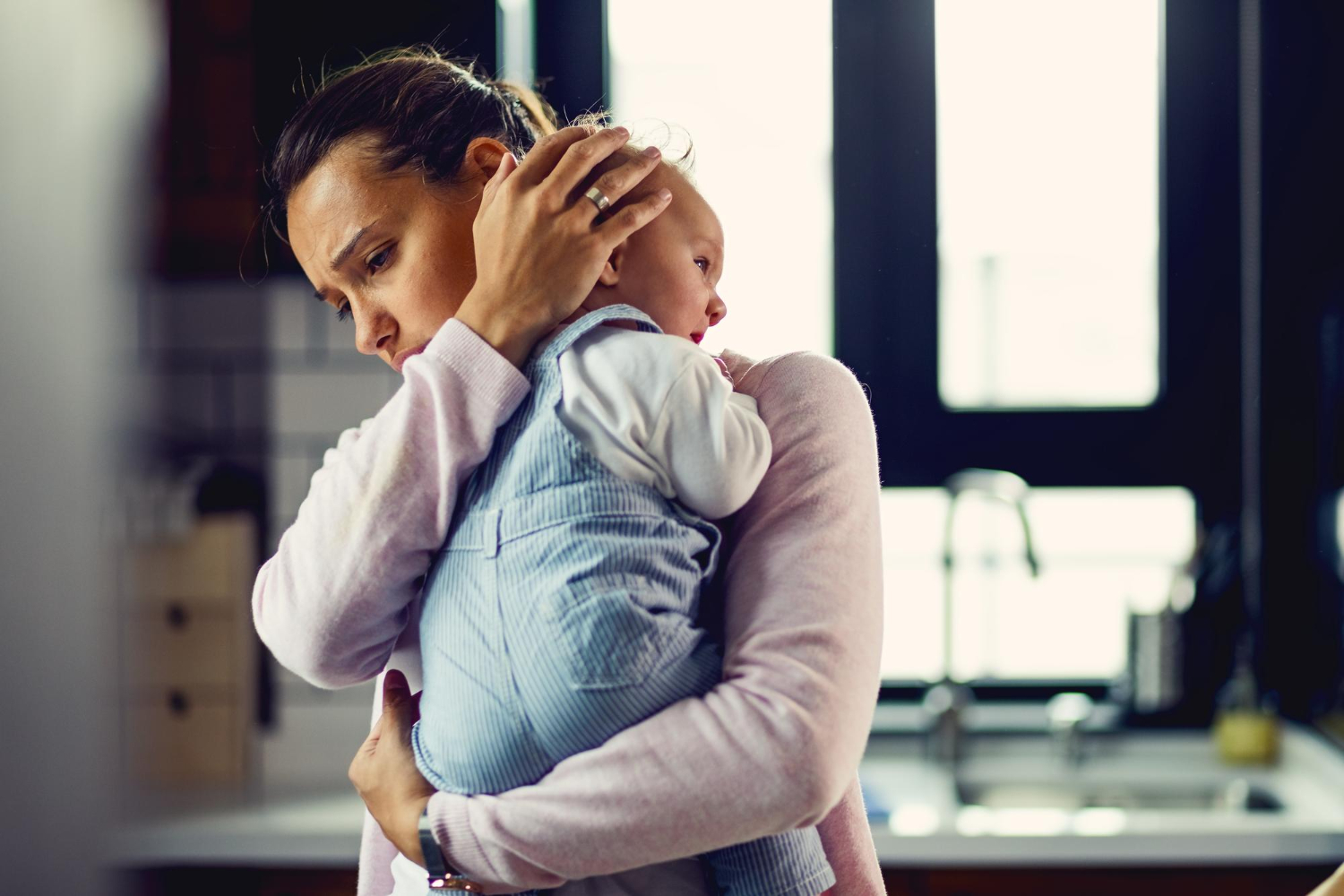
The Nurse Who Visited Me Every Night After My Son’s Traumatic Birth—What I Discovered About Her Two Years Later Left Me In Tears
The Night Everything Changed
Maria had prepared for childbirth the way she approached everything else in her life—with meticulous planning, careful research, and unwavering confidence in her ability to handle whatever challenges arose. She had read every pregnancy book, attended every birthing class, and created a detailed birth plan that accounted for multiple scenarios.
What she hadn’t planned for was her placenta rupturing at thirty-six weeks, sending her into emergency surgery while her unborn son’s life hung in the balance. What she hadn’t anticipated was waking up in the ICU with a breathing tube down her throat, machines beeping frantically around her, and doctors speaking in hushed, worried tones about blood loss and complications.
The surgery had been successful, but barely. Maria had lost more blood than her body could safely spare, requiring multiple transfusions and days of intensive monitoring. Her son Diego had been born weighing just four pounds, two ounces, his tiny lungs struggling to function independently. He was immediately whisked away to the NICU, where teams of specialists worked to stabilize his fragile systems.
Her husband Carlos was stuck in Germany, where his engineering contract had been extended unexpectedly just two weeks before her due date. International travel restrictions and project deadlines meant he couldn’t return for at least another week. Maria’s mother and sister lived in Phoenix, a twelve-hour drive away, and her mother’s fear of flying made immediate travel impossible.
The isolation was crushing. Maria had always been independent, priding herself on her ability to handle life’s challenges without needing excessive support from others. But lying in that hospital bed, connected to IVs and monitors, unable to hold her newborn son, she felt more vulnerable and alone than she had ever imagined possible.
The days blurred together in a haze of medical procedures, painful recovery, and sporadic updates about Diego’s condition. The NICU nurses were professional and kind, but they were also busy, moving efficiently between multiple critical cases. They delivered information about Diego’s progress with clinical precision: his breathing was improving, his feeding tube was working well, his vital signs were stable but not yet strong enough for him to leave the intensive care unit.
Maria felt like she was drowning in uncertainty, grasping for any sign of hope while fighting off waves of fear that threatened to pull her under completely.
The Angel in Scrubs
It was on the fourth night, when Maria was certain she couldn’t endure another hour of the suffocating loneliness, that everything changed. She had been lying awake, staring at the ceiling and listening to the distant sounds of the hospital—alarms, footsteps, muffled conversations—when she heard a soft knock on her door.
A woman entered quietly, moving with the practiced stealth of someone accustomed to navigating hospital rooms without disturbing patients. She was perhaps in her early forties, with kind eyes and graying hair pulled back in a simple ponytail. Her scrubs were standard hospital issue, but there was something about her presence that felt different from the other medical staff Maria had encountered.
“Hi there,” the nurse said softly, her voice carrying a warmth that immediately put Maria at ease. “I hope I’m not disturbing you. I wanted to check on how you’re doing.”
Maria struggled to sit up straighter, wincing at the pain from her incision. “I’m okay,” she said automatically, the response she had been giving to every medical professional who asked.
For the first time in days, Maria felt tears building in her eyes—not tears of pain or frustration, but tears of relief at being truly seen and understood. “I just feel so helpless,” she whispered. “I can’t help my baby. I can’t even hold him. I don’t know if he’s going to be okay, and everyone keeps saying to just wait and see.”
The nurse nodded, her expression filled with compassion. “I just came from the NICU,” she said. “Diego had a good day today. His oxygen levels are improving, and the doctors are pleased with his progress. He’s a fighter, just like his mother.”
The specific information about her son’s condition surprised Maria. This nurse wasn’t part of the NICU team—Maria had met all of them—yet she had clearly taken the time to check on Diego before coming to visit.
“You checked on him?” Maria asked, her voice breaking with gratitude.
“Of course,” the nurse replied. “I wanted to be able to give you real news, not just platitudes. He’s beautiful, Maria. He has your stubborn chin and the strongest little hands I’ve ever seen.”
They talked for perhaps twenty minutes, the nurse sharing small but meaningful details about Diego’s care while also listening as Maria expressed her fears about recovery, about being a good mother, about all the things that could go wrong. When the nurse finally stood to leave, Maria felt something she hadn’t experienced since the nightmare began: peace.
“Will I see you tomorrow?” Maria asked, not wanting to seem needy but desperate for the connection to continue.
“If you’d like that,” the nurse replied with a gentle smile. “Rest well. Diego needs you to get strong.”
Nightly Visits of Grace
The nurse returned the next night, and the night after that, establishing a routine that became the anchor of Maria’s hospital stay. Always around the same time—after the dinner trays had been collected and before the overnight shift began—there would be a soft knock, followed by her quiet entrance.
Sometimes they talked about Diego’s progress, the nurse sharing tiny victories that the busy NICU staff didn’t always have time to communicate: how he had opened his eyes during feeding time, how he had grasped a nurse’s finger, how his breathing patterns were becoming more regular and strong.
Other times, they discussed Maria’s recovery, both physical and emotional. The nurse had a gift for normalizing Maria’s fears while also providing practical advice about postpartum healing, breastfeeding challenges, and the psychological adjustment to motherhood under traumatic circumstances.
The nurse never shared personal information about herself. When Maria tried to ask questions about her background or family, she would gently redirect the conversation back to Maria’s needs. Even her name remained a mystery—her hospital ID badge was always turned backward, and she deflected direct questions with gracious humor.
“I’m just here to help you through this difficult time,” she would say. “That’s all you need to know about me.”
Maria began to look forward to these visits with an intensity that surprised her. During the long, painful days of physical therapy, uncomfortable medical procedures, and emotional ups and downs, the knowledge that evening would bring her mysterious guardian angel kept her spirits afloat.
On the seventh night, when Diego was finally stable enough to be moved from the NICU to the intermediate care unit, the nurse arrived with tears in her eyes.
“He’s going to be just fine,” she said, squeezing Maria’s hand. “The doctors say he can probably go home with you in just a few more days.”
Maria broke down completely, months of suppressed fear and anxiety finally finding release through grateful sobs. The nurse held her gently, stroking her hair and murmuring words of encouragement until the crying subsided.
“You did this,” the nurse said firmly. “Your love, your strength, your determination to heal so you could care for him—that’s what made this possible.”
Departure and Gratitude
On the tenth day, Maria was finally discharged from the hospital, with Diego healthy enough to leave with her. Carlos had managed to return from Germany just in time to drive them home, and Maria’s mother had arrived to help with the initial adjustment period.
Maria looked everywhere for her mysterious nurse on the day of discharge, wanting to thank her properly and perhaps finally learn her name. But she seemed to have vanished as quietly as she had first appeared. The nursing staff claimed no knowledge of who Maria was describing, though Maria suspected they were simply protecting their colleague’s privacy.
In the whirlwind of new parenthood, sleepless nights, and the joy of watching Diego grow stronger each day, the memory of her hospital angel gradually faded to the background. Not forgotten, but tucked away as one of those inexplicable kindnesses that appear in times of crisis.
Life settled into the rhythm of new motherhood. Carlos returned to work, Maria adjusted to caring for Diego, and their little family found its footing. Diego thrived, reaching all his developmental milestones and showing no lasting effects from his traumatic entry into the world.
The reporter was featuring a story about community volunteers who worked with families experiencing medical crises. The woman Maria knew only as “the nurse” was being recognized for her extraordinary dedication to supporting families with babies in intensive care.
“Sarah Michelle Chen,” the reporter said, and Maria finally had a name for the angel who had saved her sanity. “By day, she works twelve-hour shifts as a pediatric nurse. By night, she volunteers her time to provide emotional support to families going through some of the most difficult experiences imaginable.”
The camera showed Sarah visiting hospital rooms, sitting with worried parents, providing the same quiet comfort Maria remembered so vividly. But then the story took a turn that made Maria’s throat tighten with understanding.
The Revelation
The reporter’s voice became more subdued as the story shifted to Sarah’s personal background. “What makes Sarah’s volunteer work even more remarkable is her own history of loss. Five years ago, she and her husband lost their first child, a daughter named Emma, just three days after birth due to complications from a rare genetic condition.”
Maria sank onto the couch, Diego’s laundry forgotten in her lap. The television continued, but Sarah’s words were what captured her attention completely.
“The grief was overwhelming,” Sarah said in the interview, her voice steady but touched with remembered pain. “For months, I couldn’t bear to be around other people’s babies. I considered leaving nursing entirely because it was too painful to see families experiencing joy when we had lost everything.”
Maria felt tears streaming down her face as puzzle pieces clicked into place. The nurse’s intuitive understanding of her fears. The way she had known exactly what information to share and what platitudes to avoid. The gentleness that came not from professional training but from personal experience with profound loss.
The television segment showed Sarah working with other families—holding hands with crying mothers, updating fathers about their children’s progress, sitting quietly with parents who needed nothing more than human presence during their vigils.
“I can’t bring Emma back,” Sarah said near the end of the interview. “But I can use what we went through to help other families navigate their own crises. Every parent I can comfort, every family I can support—that makes Emma’s brief life feel meaningful in ways I never expected.”
When the story ended, Maria sat in stunned silence. The woman who had literally pulled her back from the edge of despair had been operating from her own place of unimaginable loss. Every night that Sarah had visited, she had been choosing to step toward other people’s pain rather than retreating into her own grief.
Maria thought about all the ways Sarah could have spent her evening hours—resting after demanding shifts, processing her own trauma, simply avoiding reminders of what she had lost. Instead, she had chosen to seek out families in crisis, offering them the comfort she had once desperately needed herself.
The Letter
That night, after Diego was asleep, Maria sat at her kitchen table and wrote a letter. She had tried for weeks to find a way to contact Sarah through the hospital, but privacy policies made direct communication impossible. Watching the news story, however, had provided the name of the volunteer organization Sarah worked with.
The letter was harder to write than Maria had anticipated. How do you thank someone for literally saving your mental health during the worst period of your life? How do you express gratitude for kindness that went so far beyond professional duty? How do you acknowledge someone’s generous use of their own pain to ease yours?
Maria found herself writing and rewriting, trying to capture the magnitude of what Sarah’s visits had meant without sounding overly dramatic. She described her memories of those dark nights, her feelings of abandonment and fear, and the way Sarah’s presence had provided not just comfort but actual hope.
She ended the letter by sharing updates about Diego’s development—how he was walking and beginning to talk, how his laugh filled their house with joy, how he was thriving in ways that had seemed impossible during those frightening early days.
“You will never know the full extent of the lives you’ve touched through your volunteer work,” Maria concluded. “But I wanted you to know that Diego and I are among them, and we carry your kindness with us every day.”
Maria mailed the letter not knowing if it would ever reach Sarah, but feeling a sense of closure in finally expressing her gratitude properly.
The Response
Three weeks later, Maria found a small envelope in her mailbox, her name written in handwriting that was immediately, startlingly familiar. Her heart raced as she recognized the same careful script she had glimpsed on Sarah’s notes in the hospital.
Inside was a handwritten response that brought fresh tears to Maria’s eyes:
Dear Maria,
Your letter arrived at exactly the moment I needed to read it. I had been struggling with a particularly difficult case—a family that lost their premature twin daughters—and questioning whether my volunteer work was actually helping anyone or simply forcing them to relive my own pain alongside me.
Reading about Diego’s progress, about your family’s happiness, about the positive outcome of what began as such a frightening experience—it reminded me why I do this work. Not every story has a happy ending like yours, but knowing that I played even a small part in helping you and Diego get to where you are now makes every difficult night worthwhile.
Thank you for taking the time to reach out. Thank you for letting me know that our time together mattered. And thank you for the pictures of Diego—he is absolutely beautiful, and seeing his bright smile reminds me exactly why we fight so hard for these little ones.
Please give him a hug from the nurse who worried about him during those early days. And know that whenever I sit with other scared mothers in dark hospital rooms, I think about you and remember that morning really does come, even after the longest nights.
With gratitude and affection,
Sarah
Maria read the letter three times before carefully folding it and placing it in the box where she kept Diego’s most precious mementos—his hospital bracelet, his first photograph, the card from his NICU nurses.
The letter revealed something beautiful about the circular nature of healing. Sarah had used her own experience with loss to comfort Maria during her crisis. Maria’s recovery and Diego’s health had, in turn, provided Sarah with validation that her mission was meaningful. They had healed each other in ways that neither had fully understood at the time.
Living the Lesson
In the months that followed their correspondence, Maria found herself thinking often about Sarah’s example. The way Sarah had transformed devastating personal loss into a source of comfort for others became a template for how Maria wanted to approach her own life’s inevitable difficulties.
When Maria returned to work and encountered colleagues struggling with pregnancy complications, she found herself offering support that went beyond casual sympathy. When friends faced medical scares with their children, Maria provided the kind of specific, practical help she remembered receiving from Sarah.
Most importantly, Maria began volunteering with a local organization that supported new mothers experiencing postpartum depression and anxiety. Her own experience with trauma, recovery, and the life-saving power of human connection had prepared her to recognize when other mothers were drowning in isolation and fear.
During her volunteer training, Maria learned about the concept of “post-traumatic growth”—the idea that some people don’t just recover from traumatic experiences but actually emerge stronger, more compassionate, and more purposeful than they were before. Sarah embodied this principle completely, and Maria was beginning to understand how her own difficult experience could serve a similar function.
Diego, now a healthy, energetic three-year-old, remained unaware of the dramatic circumstances surrounding his birth. But Maria made sure to tell him stories about the “angel nurse” who had helped them both during their time in the hospital. She wanted him to grow up understanding that kindness from strangers could make the difference between despair and hope, that people who had experienced loss often became the most generous givers.
The Lasting Impact
Five years after Diego’s birth, Maria received an invitation to a volunteer appreciation dinner hosted by the organization Sarah worked with. The event was designed to recognize community members who had made exceptional contributions to supporting families in medical crisis.
Maria attended with Carlos and Diego, who was now old enough to understand that they were going to meet someone very special—the nurse who had taken care of his mommy when he was a tiny baby in the hospital.
When Maria spotted Sarah across the crowded banquet hall, she felt the same sense of calm recognition that had sustained her through those dark hospital nights. Sarah looked exactly the same—the same gentle eyes, the same warm smile, the same quiet strength that made people feel immediately safe in her presence.
Their reunion was emotional but peaceful. Diego, predictably shy around strangers, warmed to Sarah quickly, perhaps sensing the same nurturing energy that had comforted his mother years earlier.
“You’ve grown up to be even more handsome than I imagined,” Sarah told Diego, her eyes bright with the joy of seeing a success story she had helped create.
Maria had continued her own volunteer work, expanding it to include mentoring other women who wanted to transform their traumatic experiences into service opportunities. She had also returned to school to pursue a degree in counseling, hoping to formalize her ability to help families navigate medical trauma.
“You taught me something fundamental,” Maria told Sarah. “That our worst experiences don’t have to define us negatively. They can become our greatest sources of strength and compassion if we choose to use them that way.”
The evening ended with Sarah being recognized for her years of volunteer service. As she stood at the podium accepting her award, she spoke briefly about the philosophy that guided her work.
“Healing rarely happens in isolation,” she said. “We heal in relationship with others, through connection and shared experience. Every family I’ve been privileged to support has taught me something new about resilience, about hope, about the incredible capacity human beings have to survive and even thrive after devastating circumstances.”
She paused, her eyes finding Maria in the audience. “Some of these families have become lifelong friends, people who remind me daily that love really is stronger than loss, that purpose can emerge from pain, and that angels often appear in the most unlikely forms.”
A Legacy of Light
As Maria drove home that night, Diego asleep in his car seat and Carlos quietly reflecting on the evening’s events, she thought about the unexpected ways that tragedy can become triumph. Sarah’s loss of baby Emma had been transformed into a mission that had touched hundreds of families. Maria’s traumatic experience with Diego’s birth had led her to a career in counseling and a volunteer mission of her own.
But perhaps most importantly, both women had learned that healing is not a solitary process. The comfort Sarah provided to Maria had been healing for Sarah as well. The gratitude Maria expressed to Sarah had sustained Sarah through difficult periods in her own journey. They had created a cycle of mutual support and healing that extended far beyond their original connection.
Maria understood now why Sarah had never given her name during those hospital visits. The focus had been entirely on Maria’s needs, not on creating a relationship or earning recognition. Sarah had offered her presence as a pure gift, expecting nothing in return, embodying the kind of selfless service that transforms both giver and receiver.
Diego grew up knowing the story of his dramatic entrance into the world and the mysterious nurse who had helped his mother survive those dark early days. As he got older, Maria shared more details about Sarah’s own loss and the way she had transformed grief into grace.
“Some people,” Maria would tell her son, “are able to take the worst things that happen to them and turn them into gifts for other people. That’s what makes them truly special—not that they never experience pain, but that they choose to use their pain to heal others.”
The lesson Diego absorbed from his mother’s story would shape his own approach to life’s inevitable difficulties. He learned early that suffering could be transformed into service, that personal trauma could become a source of empathy for others, and that the most powerful healing often happened when people chose to reach beyond their own pain to comfort others.
Maria kept Sarah’s letter in Diego’s memory box, alongside photos from his NICU days and other mementos from their family’s early challenges. Whenever she faced difficult times, she would reread Sarah’s words about strength emerging from brokenness, about healing happening through connection, about the possibility of finding meaning in even the most difficult experiences.
The nurse who had become the light Maria didn’t know she needed had left a legacy that extended far beyond their original encounter. Through her example, Maria learned that sometimes the most profound impact we can have on the world comes not from our successes, but from how we choose to use our failures, losses, and moments of deepest vulnerability to help others navigate their own dark nights.
Sometimes angels appear not with wings and miracles, but with quiet presence and the wisdom that comes from having survived darkness themselves—and choosing to use that survival to light the way for others.
Sarah Chen continues her volunteer work at Mercy General Hospital, having supported over 400 families during medical crises over the past decade. She has been recognized with numerous humanitarian awards but says the letters from families like Maria’s remain her most treasured recognition. Maria completed her master’s degree in family counseling and now works full-time helping families navigate medical trauma, directly crediting Sarah’s example for inspiring her career change. Diego is now eight years old, healthy and thriving, with no memory of his difficult start but a deep understanding of the importance of helping others in need. The volunteer program Sarah helped establish has grown to include over fifty community members and has been replicated at hospitals across the region. Maria and Sarah maintain regular contact, their relationship having evolved from nurse and patient to colleagues in healing and lifelong friends. Sarah often tells new volunteers that healing is always a two-way street, and that those who have survived the darkest nights are uniquely qualified to help others find the dawn.

Lila Hart is a dedicated Digital Archivist and Research Specialist with a keen eye for preserving and curating meaningful content. At TheArchivists, she specializes in organizing and managing digital archives, ensuring that valuable stories and historical moments are accessible for generations to come.
Lila earned her degree in History and Archival Studies from the University of Edinburgh, where she cultivated her passion for documenting the past and preserving cultural heritage. Her expertise lies in combining traditional archival techniques with modern digital tools, allowing her to create comprehensive and engaging collections that resonate with audiences worldwide.
At TheArchivists, Lila is known for her meticulous attention to detail and her ability to uncover hidden gems within extensive archives. Her work is praised for its depth, authenticity, and contribution to the preservation of knowledge in the digital age.
Driven by a commitment to preserving stories that matter, Lila is passionate about exploring the intersection of history and technology. Her goal is to ensure that every piece of content she handles reflects the richness of human experiences and remains a source of inspiration for years to come.