The Call That Came Three Years Too Late
My phone started buzzing at exactly 11:42 at night.
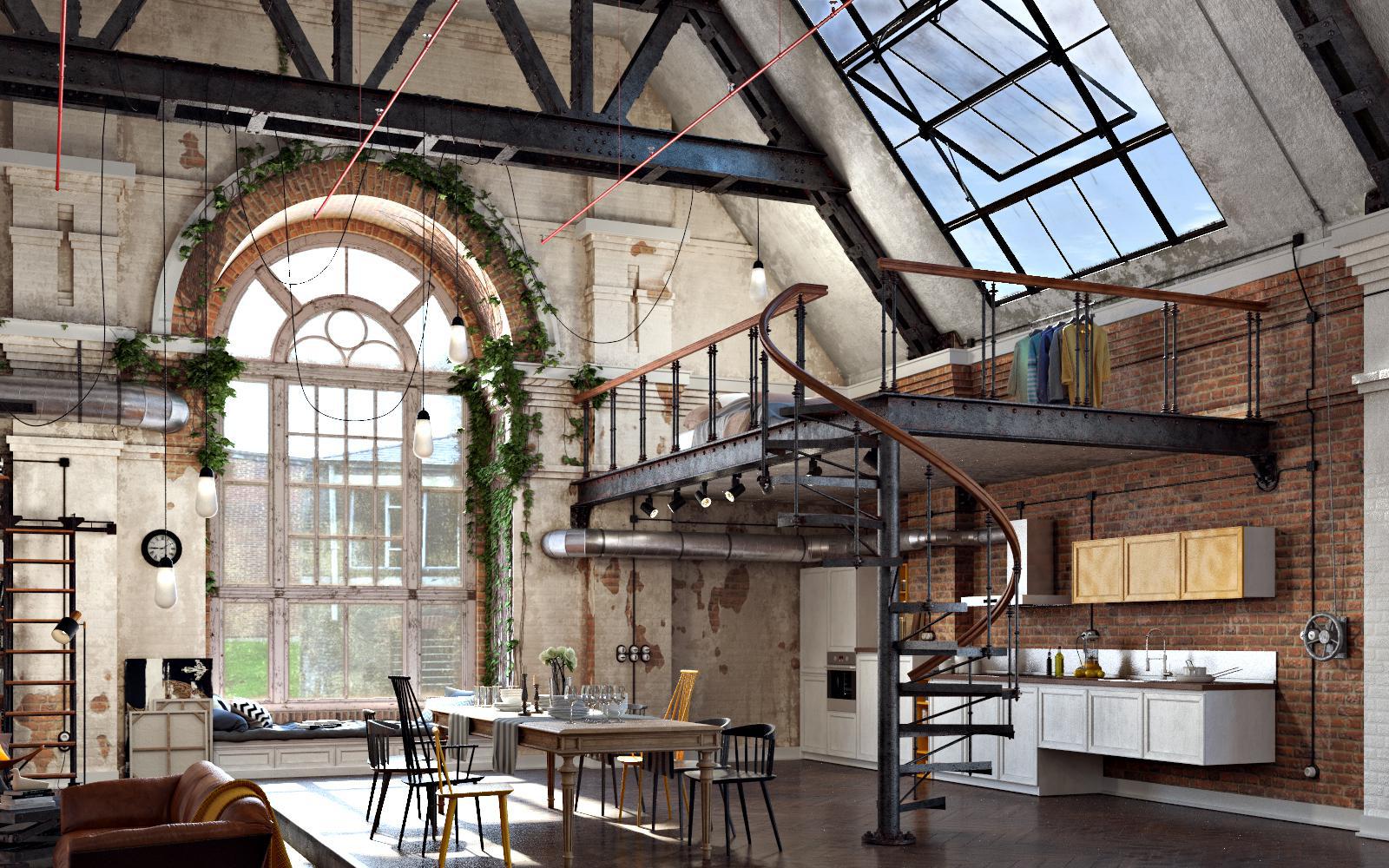
In the heavy silence of my warehouse loft, the vibration against the metal drafting table sounded like a drill—sharp, intrusive, almost violent. The kind of sound that doesn’t just interrupt you; it tries to claim you. I froze with my stylus hovering over my tablet, a clean line half-finished on a blueprint I’d been refining for three days.
The screen glowed in the darkness. Two words appeared that I hadn’t seen in over three years.
Dad mobile.
I stared at those words like they were written in a foreign language. My mind automatically calculated: three years, four months, and twelve days since the last time we’d spoken. That detail didn’t come from longing or hurt. It came from habit. When your entire job is tracking assets, timelines, and discrepancies in logistics systems, your brain memorizes dates the way other people memorize song lyrics.
But the strangest part wasn’t that my father was calling after all this time.
The strangest part was what my body didn’t do.
My chest didn’t tighten. My throat didn’t close. My hands didn’t shake. I didn’t feel that teenage panic of What did I do wrong? or that childish hope of Maybe this time he’ll say it. No flutter of anxiety. No surge of buried affection.
I just felt cold, sharp curiosity. Like a scientist observing a specimen through laboratory glass.
I slid my thumb across the screen and lifted the phone to my ear.
Silence. One breath. Two.
Then—
“Ara, listen to me.” My father’s voice crashed through the speaker, breathless and frantic, erasing three years of silence in a single second. “We need you at the estate tomorrow. Eight a.m. Sharp. Tyler is in trouble again and the bank is being ridiculous about the accounts. We need you to sign the release forms for your Aunt Lydia’s trust. Don’t be difficult. Just be here.”
That was it.
No Where have you been?
No Are you okay?
No I’m sorry we forgot you existed.
He didn’t ask if I was alive. He didn’t ask where I lived now, or how I’d survived these years, or if I was happy. He didn’t acknowledge the birthdays that passed unmarked, the holidays I spent alone, the graduation he didn’t attend because he “had a work conflict” that turned out to be Tyler’s pool party.
He just demanded my signature like I was a broken vending machine he needed to kick until it coughed up what he wanted.
I stared at the dark window across the loft where my reflection barely existed—just the ghost of my face lit by the glow of my tablet and phone. The warehouse around me smelled like cardboard, diesel fuel, and the cold night air that seeped through gaps in the industrial windows. It was drafty in winter, sweltering in summer, and at night, when the distribution center below went quiet, it was entirely mine.
My father kept talking like I hadn’t been gone at all. Like the last three years were just a long weekend.
“Do you hear me? Ara? Eight a.m. Don’t make this harder than it has to be. Your mother is already upset enough without you being dramatic about this.”
The last three years sat between us like a locked door he’d never bothered to check. He didn’t know I’d left with only a backpack. He didn’t know I’d slept in my car for two weeks. He didn’t know I’d worked three jobs simultaneously—warehouse logistics by day, freelance drafting at night, weekend shifts at a 24-hour diner—until I could afford the security deposit on this loft.
He didn’t know because he’d never asked.
And now he wanted something.
I didn’t say yes. I didn’t say no. I didn’t say anything at all.
I pressed the red button and ended the call.
The silence rushed back into the room—heavy, absolute, familiar. But it felt different now. It wasn’t the lonely silence of a teenager waiting for a birthday card that would never come or hoping someone would notice the empty chair at dinner.
It was the strategic silence of a chess player who just watched her opponent make a fatal mistake.
I didn’t cry. I didn’t pace. I didn’t stare at the ceiling wondering if my mother ever thought about me.
I sat down at my desk, pushed aside my architectural blueprints—a side project, a dream I was building in the margins of my real life—and opened my laptop.
The screen washed my face in cool blue light, turning my drafty loft into a little island of clarity in the industrial darkness. I wasn’t the eighteen-year-old girl who left home with a broken heart and fifty-seven dollars in her checking account anymore.
I was twenty-four.
I managed logistics for a massive distribution center, coordinating shipments across three states. My entire professional life was built on tracking assets, auditing inventory, and spotting discrepancies in ledgers. I could smell a lie the way some people smell smoke, and I could trace a pattern the way hunters track footprints in snow.
And my father’s panic—that breathless, demanding urgency—sounded exactly like a discrepancy.
I took a sip of black coffee from a chipped mug I’d bought for fifty cents at a thrift store three years ago. It tasted bitter and real, nothing like the sugary superficial conversations my family had always preferred. The ones where everyone smiled and no one said anything true.
My fingers moved fast across the keyboard.
I didn’t go to Google Maps to check the route to my parents’ estate.
I went to the county clerk’s public records portal.
Then I opened a second tab: the secure banking interface I used for my small freelance business.
And then, without hesitating, I opened my password manager and scrolled to a section I hadn’t touched in years. A digital graveyard of old credentials I’d kept out of caution rather than sentimentality.
There it was: the login for the family trust account.
My father had added me as a secondary signer when I turned eighteen—some legal formality Aunt Lydia had insisted on before she passed. “Just in case,” she’d said, squeezing my hand with her paper-thin fingers. “Someone responsible should have access.”
They’d given me the credentials and promptly forgotten I had them. After all, I was Ara—the quiet one, the forgettable one, the daughter who didn’t make waves or demand attention. The one who faded into the wallpaper while golden child Tyler shone like a supernova, burning through money and second chances with equal enthusiasm.
I typed in the username. Then the password—a combination of my mother’s maiden name and Tyler’s birthday, because of course it was.
Access granted.
The screen filled with rows of PDFs: bank statements, transaction logs, scanned legal documents written in the kind of dense, polite language that sounds civilized even when it’s preparing to demolish someone’s life.
I started reading.
And with every line, every number, every date, the picture became clearer.
The first thing I noticed was the balance.
Aunt Lydia’s trust—the one established when she died five years ago, the one that was supposed to be “managed conservatively” for the benefit of her three nieces and nephews—should have contained roughly $850,000.
The current balance was $127,000.
I scrolled back through the transaction history, my coffee going cold in my hand as the story wrote itself in debits and withdrawals.
$15,000 – Tyler R. – Vehicle down payment
$8,000 – Tyler R. – Legal fees – DUI defense
$22,000 – Tyler R. – Business startup costs – TRL Consulting LLC
I pulled up the state business registry in another tab. TRL Consulting LLC had been dissolved eight months after formation. Zero revenue reported.
I kept scrolling.
$30,000 – Tyler R. – Property investment – Lake House renovations
$12,000 – Tyler R. – Medical expenses – cosmetic
$18,000 – Tyler R. – Tyler R. – Emergency loan repayment
The list went on. And on. And on.
Every withdrawal had Tyler’s name attached to it like a signature on a confession. And every single one had been approved by my father as the trust administrator.
But here’s what made my hands go cold: according to the trust documents I found in the secure files folder, any withdrawal over $5,000 required signatures from two beneficiaries.
I was a beneficiary.
My sister Claire was a beneficiary.
Tyler was a beneficiary.
Not one of these withdrawals had my signature. I pulled up the scanned authorization forms attached to the largest transactions. And there it was, again and again—my name, signed in handwriting that was close to mine but not quite right. The capital ‘A’ was too rounded. The tail on the ‘R’ was too short.
My father had been forging my signature for years.
I sat back in my chair, the springs creaking in the quiet. The warehouse around me ticked and settled, the metal structure cooling in the night air. Somewhere in the distance, a truck rumbled past on the highway.
I should have been shocked. I should have been furious.
Instead, I just felt that same cold clarity. The feeling you get when a puzzle finally clicks into place and you realize you’ve been looking at the picture upside down the entire time.
They hadn’t noticed I was gone because they hadn’t needed me to be there.
They’d only needed my name.
I kept digging.
The more I read, the clearer the desperation became. The withdrawals had started small and grown progressively larger and more frequent. In the last six months alone, there had been eleven separate transactions, each one pushing the trust closer to empty.
And three weeks ago, the bank had frozen the account pending an audit.
That’s what my father had meant when he said “the bank is being ridiculous.” They’d finally noticed the pattern of suspicious withdrawals and demanded documentation. Proper authorization. Real signatures.
He needed me to come in person and sign forms backdating my approval. He needed me to participate in covering up years of fraud so Tyler could have access to what was left.
I pulled up my email and searched for any correspondence from the bank. Nothing. They had my parents’ address on file, not my current one. Any letters would have gone to the estate, where they’d been carefully kept from me.
But I had one advantage: I was still listed as a beneficiary with full account access.
I navigated to the bank’s secure message center and composed a new message to the trust administrator:
Dear Ms. Patterson,
I am writing to inform you that I did not authorize any of the withdrawals from the Lydia Morrison Trust over the past four years. I have never signed any authorization forms for distributions to Tyler Richardson. I believe my signature has been forged. Please immediately freeze all activity on this account and contact me directly at this email address and the phone number below. I am available to meet with you at your earliest convenience to provide a formal statement.
Sincerely, Ara Richardson
I hit send before I could second-guess myself.
Then I sat in the blue glow of my laptop, listening to my heartbeat, waiting to feel something. Guilt, maybe. Fear. The crushing weight of betraying my family.
But all I felt was tired.
Tired of being the ghost in my own life. Tired of being the name on the forms but not the daughter at the dinner table. Tired of being the one who was supposed to understand, to be flexible, to not make things harder than they had to be.
My phone buzzed again. I glanced at the screen.
Dad mobile.
I declined the call.
Thirty seconds later, it buzzed again. Then again.
On the fourth call, I answered.
“Ara, what the hell?” My father’s voice was sharp now, edged with an anger I recognized from childhood. The tone that meant I’d stepped out of line, disrupted the careful fiction our family lived inside. “The bank just sent me an alert that someone accessed the trust account. Did you—were you looking at the account? Why would you do that?”
“You called me,” I said simply. “You told me to sign forms. I wanted to see what I was signing.”
“That account is none of your business until we need your signature.”
“It’s literally my business. I’m a beneficiary. My name is on every withdrawal. Or at least, someone’s version of my name is.”
The silence on the other end was the sound of a man realizing he’d been caught.
“Ara.” His voice changed, softening into the tone he used when he needed something. “Let’s not be dramatic. Your brother needed help. That’s what family does. We help each other. You know Tyler’s been going through a rough time. He’s trying to find his footing. The trust was there for situations exactly like this.”
“The trust was there for all three of us,” I said. “Equally. That’s what Aunt Lydia wanted. It’s in the documents.”
“Your aunt would have wanted us to help Tyler. You know she had a soft spot for him.”
“What about Claire? How much did she get?”
Silence.
“What about me?” I pressed. “How much did I get, Dad? For college? For rent? For the three years I’ve been gone and you never once checked if I was alive?”
“You left,” he said, and there it was—the real accusation beneath everything else. “You chose to walk away from this family. You don’t get to come back now and play auditor.”
“I didn’t walk away. I faded out. And nobody noticed because nobody was looking.” I kept my voice level, calm, like I was reading shipping manifests. “But you noticed when you needed my signature. That’s the only reason you called. Not because you missed me. Because you needed something.”
“Ara, this is not the time for your abandonment issues—”
“I contacted the bank,” I said. “I told them I didn’t authorize the withdrawals. They’re freezing the account pending an investigation.”
The sound he made was somewhere between a gasp and a growl.
“You did what? Do you have any idea what you’ve done? Tyler has expenses. There are commitments. Your mother and I have been managing that money responsibly—”
“You forged my signature. That’s fraud. And you did it for years, over and over, because it was easier than actually asking me for help. Because asking would have required remembering I existed.”
“You’re making a mistake,” my father said, his voice going cold and hard. “A big one. Family doesn’t do this to each other.”
“You’re right,” I said. “They don’t.”
I ended the call.
This time, I turned my phone completely off.
I didn’t sleep that night.
Instead, I sat at my drafting table and worked on the blueprints I’d been designing for months—a small house, efficient and beautiful, with clean lines and spaces full of light. A house I was saving to build for myself someday. A place that would be wholly mine, where every corner reflected choices I’d made, not compromises I’d accepted.
As the hours passed and the sky outside began to lighten from black to deep blue, I thought about Aunt Lydia.
She’d been different from the rest of the family—quieter, sharper, kinder in the ways that mattered. She’d noticed when I won the regional architecture competition in high school. She’d asked to see my designs. She’d been the one who told me, a week before she died, “You don’t owe anyone your light, Ara. Not even family. Especially not family who only sees you when they need something.”
At the time, I’d thought she was talking about staying in school, pursuing my dreams.
Now I realized she’d been giving me permission to leave.
The trust she’d set up was supposed to be our foundation—seed money for college, for starting businesses, for the kinds of emergencies that required more than hope and credit cards. She’d specified equal distributions. She’d named me as a beneficiary specifically because she knew I’d be responsible with it.
And my father had treated it like Tyler’s personal bank account, spending away my sister’s and my inheritance while we were too young or too absent to notice.
I pulled up the trust documents again and read through Aunt Lydia’s letter of intent, the statement she’d written to guide the trustee’s decisions.
“This trust is meant to provide opportunity and security for my three beloved nieces and nephews as they build their adult lives. It is my hope that it will be distributed fairly and used wisely, supporting education, entrepreneurship, and the pursuit of meaningful work. I ask that my brother James administer this trust with care and integrity, remembering that each child deserves the chance to build something of their own.”
Each child deserves the chance to build something of their own.
Not just Tyler. Not just the golden child who could do no wrong.
All of us.
I closed my laptop as the sun finally broke over the horizon, spilling pale gold light through the industrial windows of my loft. The distribution center below was starting to wake up—I could hear the first trucks arriving, the metal bay doors rolling open, the voices of the early shift greeting each other.
My phone was still off. My father was probably calling every number he had for me, leaving increasingly desperate voicemails. My mother was likely in tears, asking how I could do this to Tyler, to the family, to them.
But I’d made my move.
And now I would wait to see what theirs would be.
The response came faster than I expected.
Two days later, I received a certified letter at my loft—which meant they’d had to do actual work to find my address. The return label was from Patterson & Associates, the law firm that managed the trust.
I signed for it, took it upstairs, and opened it at my kitchen counter with a cup of coffee going cold beside me.
Dear Ms. Richardson,
Thank you for bringing this matter to our attention. We take allegations of financial misconduct very seriously. After reviewing the account activity and comparing the authorization signatures on file with the signature card we have from your initial beneficiary designation, we have identified significant discrepancies.
We are suspending all distributions from the Lydia Morrison Trust pending a full forensic audit. We have also been in contact with your father, James Richardson, regarding his role as trustee. He has been asked to provide documentation supporting each withdrawal, including original signed authorization forms.
As a beneficiary and an interested party in this matter, you have the right to be represented by independent counsel. We will be in touch within two weeks with preliminary findings.
Please do not hesitate to contact me directly with any questions or concerns.
Sincerely, Margaret Patterson, J.D. Trust Administrator
I read the letter three times.
They believed me.
They were actually investigating.
I set the letter down and stared at my reflection in the dark window. The girl looking back at me seemed both familiar and strange—someone I was still learning to recognize.
My phone—turned back on now, but with my father’s number blocked—buzzed with a text from an unknown number.
This is Claire. Dad gave me your number. Can we talk? Please?
Claire. My older sister. The one who’d left for college when I was fourteen and only came home for major holidays. The one who’d perfected the art of being physically present but emotionally absent, nodding along with whatever Mom and Dad said, never making waves.
I hesitated, then replied: About what?
Three dots appeared immediately, pulsing as she typed.
About the trust. About Tyler. About everything. I didn’t know you’d left. Nobody told me. Dad just said you were “taking space” and we should respect that. I’m so sorry, Ara.
I stared at the message.
Can we meet somewhere? Coffee? I’m in the city for work.
Part of me wanted to say no, to keep the door closed, to protect myself from more disappointment.
But another part—the part that still remembered Claire teaching me to braid my hair when I was seven, the part that remembered her slipping me twenty dollars before she left for college and whispering “buy something just for you”—that part said yes.
Thursday, 3pm. Riverside Coffee on 4th. The one with the blue awning.
I’ll be there. Thank you.
Claire looked older than I remembered.
She sat at a corner table by the window, her hands wrapped around a ceramic mug, her professional blazer slightly rumpled like she’d been wearing it too long. When she saw me walk in, her face crumpled just a little—not crying, but close.
“Hi,” she said as I approached.
“Hi.”
We stared at each other for a moment. Three years suddenly felt like a decade.
I ordered a coffee—black, no sugar—and sat down across from her. The café was mostly empty, just a few people with laptops scattered around, the hiss of the espresso machine filling the comfortable silence.
“You look good,” Claire said finally. “Different. But good.”
“Thanks.”
“Dad’s losing his mind,” she said, attempting a laugh that came out shaky. “He says you’re trying to destroy the family. Mom’s been in bed for two days. Tyler’s threatening to sue you for… I don’t even know what. Emotional distress or something.”
“For reporting fraud?”
“That’s what I said.” Claire took a sip of her coffee, grimaced. “I didn’t know, Ara. About any of it. I knew Dad was helping Tyler with money, but I thought it was his and Mom’s money. I didn’t know it was coming from Aunt Lydia’s trust. I didn’t know he was using your name.”
“Did you know I was gone?”
She flinched. “Not really. Dad said you’d moved out, that you were being independent, that we should give you space to figure things out. And I believed him because… because it was easier than asking questions. I’m sorry. I should have called. I should have checked.”
“Why didn’t you?”
Claire set down her mug and looked at me directly. “Because I was relieved. Is that awful? I was relieved that someone else had escaped. I’ve been trying to escape for years, but I keep getting pulled back. Tyler needs help. Mom needs support. Dad needs someone to manage the estate paperwork. And I’m good at being needed, even when it’s killing me.”
I knew that feeling. I’d lived it for eighteen years.
“The trust,” I said, redirecting. “How much did you get from it?”
“$5,000. Two years ago. Dad said that was my distribution, that it had been divided equally and that was my share.”
“It wasn’t divided equally. Tyler’s gotten over $700,000. Maybe more.”
Claire’s face went pale. “$700,000? Jesus. Ara, I… I make $45,000 a year. I’m still paying off student loans. I’m in a studio apartment with a shower that barely works. And Tyler’s gotten three-quarters of a million dollars?”
“Give or take. He spent it on cars, lawyers, failed businesses, and a lake house renovation. None of which he paid back.”
Claire pressed her hands over her face. When she lowered them, her eyes were red but dry. “What do we do?”
“The bank’s doing an audit. They’ll find everything. But I think…” I paused, choosing my words carefully. “I think we need to decide what outcome we want. Do we want restitution? Do we want the money back? Do we want Dad removed as trustee?”
“Do we want a family afterward?” Claire added quietly.
That was the real question.
“I don’t think we can have both,” I said. “Either we pretend this didn’t happen and let them keep taking from us, or we stand up for ourselves and accept that they’ll never forgive us for it.”
Claire was quiet for a long time. Outside, the city moved around us—people walking dogs, delivery trucks double-parking, the ordinary chaos of life continuing whether you were ready or not.
“I want the money,” Claire said finally, her voice steady. “Not because I’m greedy. But because it was meant for me. For us. Aunt Lydia wanted us to have it. And I’m tired of being the good daughter who accepts scraps and says thank you.”
I felt something loosen in my chest—relief, recognition, solidarity.
“Okay,” I said. “Then we do this together.”
The audit took six weeks.
During that time, my father called from different numbers, each voicemail escalating from anger to pleading to threats. My mother sent emails with subject lines like “FAMILY EMERGENCY” and “PLEASE CALL.” Tyler’s messages were shorter and meaner: You’ve always been jealous. This is pathetic.
I didn’t respond to any of them.
Claire and I met with Margaret Patterson twice, providing our statements, reviewing the documents, answering questions. The forensic accountant they brought in found exactly what I’d found, plus more—unauthorized loans, inflated “administrative fees” my father had paid himself, and falsified receipts.
The final report was 47 pages long.
The conclusion was damning: James Richardson had systematically looted his sister’s trust, diverting funds intended for three beneficiaries to a single recipient while forging authorization documents and misleading the bank about the nature and purpose of the withdrawals.
The recommended actions included: removal of James Richardson as trustee, full restitution to beneficiaries Ara and Claire Richardson, and referral to state authorities for potential criminal charges.
We sat in Margaret Patterson’s office on a gray Thursday afternoon while she walked us through the findings. Her office smelled like old books and fresh coffee, and through the window behind her desk, I could see rain beginning to fall.
“I need to be clear with you both,” she said, folding her hands on top of the report. “This is a civil matter, but it could become criminal. Wire fraud, forgery, theft—these are serious charges. If you want to pursue the fullest extent of the law, I can refer you to the appropriate authorities. But you should think carefully about what that means for your family.”
“What happens if we don’t press charges?” Claire asked.
“Then this stays civil. We remove your father as trustee, appoint a neutral third party, and pursue restitution through the trust itself. Your father and Tyler would be required to repay what was taken, likely through a structured settlement or judgment. It would be public record, but it wouldn’t result in jail time.”
“And if we do press charges?” I asked.
“Then it’s out of your hands. The state decides whether to prosecute. Your father could face significant penalties. So could Tyler if he knowingly participated in the fraud.”
Claire looked at me. I looked at Claire.
“Can we have a minute?” I asked.
Margaret nodded and stepped out of the office, closing the door quietly behind her.
Claire and I sat in silence, the rain tapping against the window like it was trying to tell us something.
“What do you want?” Claire asked finally.
I thought about Aunt Lydia, about the letter of intent she’d written, about her hope that the trust would help us build something meaningful.
I thought about my father’s voice on the phone: Don’t be difficult. Just be here.
I thought about three years of silence, of birthdays unacknowledged, of a family that only remembered my name when they needed my signature.
“I want what we’re owed,” I said. “The money, yes. But more than that. I want them to understand that we’re not resources they can extract from anymore. We’re people. And we matter.”
“Me too,” Claire said softly. “But Ara… they’re never going to understand. Dad’s already rewritten this whole story in his head. In his version, we’re the villains. Tyler’s the victim. And he and Mom are just trying to hold the family together.”
“I know.”
“So what do we do?”
I looked at the report on the desk, at the numbers that told the truth even when people wouldn’t.
“We take what’s ours. We let the civil case proceed. And we walk away. We don’t press criminal charges, not because they deserve mercy, but because I don’t want to spend the next five years in courtrooms watching Dad play martyr. We take the money, we build our lives, and we let them live with what they did.”
Claire nodded slowly. “Okay. Yeah. That feels right.”
When Margaret Patterson came back, we told her our decision.
She didn’t look surprised.
The settlement took four more months to finalize.
In the end, Claire and I each received $283,000—our share of what should have been distributed equally from the start, plus a portion of Tyler’s share since he’d received substantially more than his third.
Tyler was required to repay $150,000 to the trust over ten years. My father was removed as trustee, banned from accessing the account, and ordered to repay $47,000 in improper administrative fees.
None of them attended the final hearing.
My mother sent one last email: I hope you’re happy. You’ve destroyed this family. Your father is devastated. Tyler can barely function. I don’t know how you can live with yourself.
I archived it without responding.
Claire and I walked out of the courthouse into brilliant autumn sunshine. She’d taken the day off work, and I’d left my warehouse early, and we stood on the steps together not quite sure what came next.
“Want to get lunch?” Claire asked.
“Yeah,” I said. “I really do.”
We found a small restaurant with outdoor seating, ordered too much food, and spent two hours talking about everything except the family we’d just legally severed ourselves from. Claire told me about the photography business she wanted to start. I told her about the house I was designing, the one I could maybe actually build now.
We talked about trips we wanted to take, books we’d read, the small ordinary joys of lives that belonged to us.
When the check came, Claire reached for it.
“I’ve got it,” I said.
“You sure?”
“Yeah. This one’s on me.”
As we walked back to our cars, Claire stopped and turned to face me.
“Thank you,” she said. “For not letting this go. For fighting. I don’t think I could have done it alone.”
“You weren’t alone,” I said. “That’s the whole point.”
She hugged me then—hard and real—and I hugged her back.
We’d lost a family. But we’d found something better: a choice to keep each other, not out of obligation or guilt, but because we wanted to.
Six months later, I stood in an empty field forty miles outside the city, holding rolled-up blueprints and watching a construction crew break ground on my house.
My house. Not a loft, not a rental, not a temporary space I was borrowing until something better came along. A house I’d designed with my own hands, paid for with money that was rightfully mine, built on land that belonged to no one but me.
The foundation went in first, just like I’d drawn it. Concrete poured into wooden frames, setting and hardening into something permanent. Something that couldn’t be taken away.
Claire came to visit on a Saturday morning, bringing coffee and pastries from the city. We sat in her car with the heater running, watching the framers raise the first walls.
“It’s really happening,” she said.
“Yeah. It really is.”
“Have you heard from them?” she asked, and I didn’t have to ask who she meant.
“No. You?”
“Dad called on my birthday. I didn’t answer. Mom sent a card. I sent it back unopened.”
“Do you miss them?”
Claire was quiet for a moment, watching steam rise from her coffee cup.
“I miss the idea of them. The parents I thought I had. But the real ones? The ones who would watch Tyler take everything while we got nothing? No. I don’t miss them. I’m angry at myself for how long it took me to see it.”
“Me too,” I admitted.
We sat in silence, watching my future take shape beam by beam.
“Do you think we’ll ever talk to them again?” Claire asked.
“I don’t know. Maybe. But if we do, it’ll be because we choose to, not because they demand it. And not until they understand what they did. Really understand it.”
“That might be never.”
“I know.”
But I’d made peace with that. Some doors, once closed, were meant to stay closed. Not out of cruelty, but out of self-preservation. Not out of revenge, but out of love—for ourselves, for the life we deserved to live without constantly proving we were worth the space we took up.
By spring, the house was finished.
I moved in on a bright Saturday morning, carrying boxes up the front steps I’d designed, walking across floors I’d chosen, opening windows that looked out at views I’d imagined on my drafting table two years ago.
Claire helped me unpack. We hung pictures, arranged furniture, laughed at my terrible attempts at decorating. When we finished, we stood in the living room—full of light, full of space, full of possibility—and she raised her water bottle in a mock toast.
“To Aunt Lydia,” she said.
“To Aunt Lydia,” I echoed. “Who gave us permission to want more.”
That night, alone in my new house, I sat at my drafting table—the same one from the warehouse loft, now positioned in front of a window that overlooked my own land—and opened my laptop.
I pulled up the folder where I’d saved all the trust documents, the audit reports, the evidence of everything that had happened. For a moment, I considered deleting it all. Letting it go. Moving forward without the weight of the past.
But then I thought about the eighteen-year-old girl who’d left with a backpack and a broken heart. The one who’d slept in her car, worked three jobs, survived on ramen and determination. The one who’d been invisible to her own family until they needed her signature.
She deserved to know how the story ended.
So I created a new document and titled it simply: The Ledger – Closed.
Then I wrote:
To my younger self:
You made it. Not because they helped you, but because you helped yourself. Not because they believed in you, but because you believed in you. Not because family is everything, but because sometimes, walking away from family is the only way to find yourself.
The house is built. The foundation is solid. And it’s yours.
No one can take it from you ever again.
Love, Future You
I saved the document, closed the laptop, and looked around at the life I’d built from nothing.
From silence and absence and three years of being forgotten.
From a late-night phone call that demanded my signature but not my presence.
From the realization that sometimes, the most radical thing you can do is simply refuse to disappear.
My phone sat on the corner of the desk, dark and quiet. No missed calls. No desperate voicemails.
I picked up my phone, half expecting another demand, another echo of the past reaching for me. But the screen stayed dark, silent, still. And for the first time, it didn’t feel like loneliness. It felt like freedom — the kind you don’t notice until the noise is gone. I stood in the center of my new home, sunlight warming the floor, the walls steady around me, and realized something simple and revolutionary: I was no longer waiting for their voices to define me. I had built a life without them. And now, finally, I was choosing myself on purpose.

Ethan Blake is a skilled Creative Content Specialist with a talent for crafting engaging and thought-provoking narratives. With a strong background in storytelling and digital content creation, Ethan brings a unique perspective to his role at TheArchivists, where he curates and produces captivating content for a global audience.
Ethan holds a degree in Communications from Zurich University, where he developed his expertise in storytelling, media strategy, and audience engagement. Known for his ability to blend creativity with analytical precision, he excels at creating content that not only entertains but also connects deeply with readers.
At TheArchivists, Ethan specializes in uncovering compelling stories that reflect a wide range of human experiences. His work is celebrated for its authenticity, creativity, and ability to spark meaningful conversations, earning him recognition among peers and readers alike.
Passionate about the art of storytelling, Ethan enjoys exploring themes of culture, history, and personal growth, aiming to inspire and inform with every piece he creates. Dedicated to making a lasting impact, Ethan continues to push boundaries in the ever-evolving world of digital content.