The Line in the Water
My husband and I bought our house eight years ago, back when it felt enormous, like we were playing grown-ups in some HGTV fantasy where everything was possibility and potential. The realtor had called it a “family home,” and we’d laughed because back then it was just the two of us rattling around in all that space, our voices echoing off hardwood floors in rooms we hadn’t figured out how to fill yet.
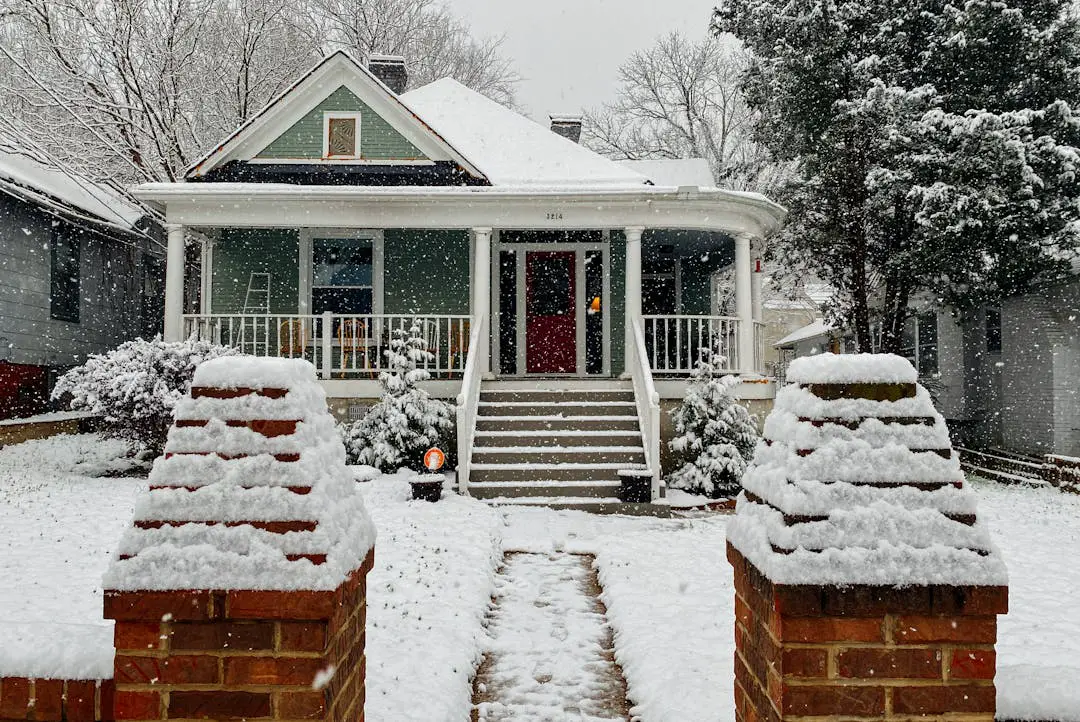
The house Jake and I bought is huge even now—wide white stairs that creak in winter, a wraparound porch that collects too many leaves no matter how often I sweep, and more bedrooms than we had any practical need for even after the kids came. People would joke that it looked like a bed-and-breakfast, and honestly, sometimes it felt like one too, especially after his parents moved in and claimed the entire downstairs like they’d purchased shares in the property.
When Jake and I had our first baby, his folks—Patrick and Linda—decided to stay with us “temporarily” to help with the transition. They moved into the whole downstairs suite, the one with its own bathroom and sitting area, saying they wanted to be close to the nursery to help with middle-of-the-night feedings and diaper changes. They arrived with matching luggage sets and far more belongings than suggested a short-term visit.
They were genuinely helpful in the beginning, I’ll give them that. Linda folded tiny onesies with the precision of someone who’d been born for it, creating perfect little stacks organized by size and color. Patrick made breakfast every morning without fail, and there was always coffee waiting by the time I trudged down in spit-up-stained pajamas, my hair in a messy bun, running on three hours of broken sleep.
We were exhausted and overwhelmed, drowning in the particular chaos that comes with a newborn, and their help meant we could actually survive those first impossible months. Linda would take the baby so I could shower. Patrick would walk circles around the living room at two a.m. when our daughter couldn’t sleep, humming old jazz songs until she finally settled.
But months passed, then years. The crib turned into a toddler bed, then disappeared entirely. Our second child was born—another girl, Benji, who Patrick joked should have been named Benjamin before we explained that Benji was short for Benjamina. Eventually the diapers and sleepless nights ended, replaced by school runs and packed lunches and soccer practice. My in-laws watched the kids so we could sleep for three hours straight, went to parent-teacher conferences, knew which sippy cups belonged to which child.
But somehow, they never moved out.
At first, I didn’t mind. We had the space—five bedrooms felt excessive for just four people anyway. The mortgage wasn’t too steep; we could afford the extra utilities and groceries. And I thought, genuinely, that kids growing up with their grandparents around sounded sweet and cozy, like something from a simpler time when families stuck together instead of scattering across states and time zones.
Linda even said once, while we were folding laundry together, “This is how it’s supposed to be. Three generations under one roof. Like the old days, before everyone got so obsessed with independence and privacy.” She said it like it was wisdom, like she was bestowing some great truth.
But slowly, so gradually I didn’t notice until it had already happened, it stopped feeling like our house.
Jake’s mom hung her collection of decorative plates in my dining room without asking, arranging them in a pattern she’d clearly planned, drilling holes in walls I’d been meaning to paint. His dad claimed the main TV for every football game as if it were a constitutional right, his armchair positioned in the ideal viewing spot while Jake and I watched from the couch at an angle. The remote lived on Patrick’s side table. The DVR was programmed with his shows.
And it started to feel like their names were on the deed more than mine.
Still, I held my tongue. Jake didn’t see the slow invasion the same way I did. To him, it was just his parents being helpful, being present, being family. And I wasn’t going to be that uptight daughter-in-law who started unnecessary drama over decorative plates and TV remotes. I convinced myself it was fine, that this was what compromise looked like, that multigenerational living required flexibility.
Family dinners became louder, more crowded around a table that had felt too big for four and now felt cramped with six. Holidays stretched into weekend-long affairs with complicated cooking schedules and negotiated menu plans. My kitchen cabinets reorganized themselves to accommodate Linda’s preferences. Patrick’s medications lined the bathroom counter. It felt like a real, messy, permanent family in ways both comforting and suffocating.
Then, one week in early November, everything blew up.
My mom, Carol, lives about forty minutes away in this tiny riverside home that always smelled like lavender and chamomile from the candles she bought in bulk at the farmer’s market. She kept a little garden full of stubborn violets and cucumbers that grew too fat, tomatoes that never quite ripened properly but tasted perfect anyway. We visited every couple of weeks, and she’d always send the kids home with cookies wrapped in wax paper and my husband with fresh jam in mason jars she’d been saving.
When the heavy rains started, I didn’t think too much of it. The weather reports were dire, but they always were this time of year—dramatic warnings about flooding and power outages that usually amounted to nothing more than soggy lawns and cancelled soccer games. The local news loved to catastrophize every storm system.
But then the river swelled beyond its banks, spilling into neighborhoods that hadn’t flooded in forty years, and my phone rang at six in the morning. My mom’s voice was shaking in a way I’d never heard before, not even when my father died.
“Sweetheart, I’m fine, but there’s water coming in. It’s coming fast.”
By the time I got to her place—driving through streets that were already ankle-deep, past abandoned cars and fallen tree branches—the water was knee-deep inside her house. Her handmade rugs were floating like rafts. The bookshelves had collapsed, sending decades of paperbacks into the brown murky water. The place smelled like wet wood and river mud and something else, something like loss made tangible.
She was standing in her front doorway, soaked and shivering in a coat she hadn’t worn in years, one I recognized from family photos from the eighties. Water sloshed around her rubber boots—the gardening ones she wore to tend her vegetables. She’d salvaged what she could into a garbage bag: photo albums, her mother’s jewelry box, a few changes of clothes that hadn’t gotten wet yet.
The house she’d lived in for thirty years was destroying itself around her while she stood there clutching a bag of memories.
I didn’t think. I didn’t call Jake to discuss it or check if the guest room was available. I just wrapped her in a blanket from my car, loaded her suitcase and garbage bag into the trunk, and brought her home.
“Just for a few days,” I told her, though neither of us knew if that was true. “Until we figure things out. Until the water recedes and we can assess the damage. You can stay in the guest room upstairs—the one with the nice view.”
That room had always been my favorite in the house. It had floral wallpaper I’d chosen myself, a lace curtain that filtered afternoon light into something soft and golden, and a window that looked out onto the backyard where birds gathered around the feeder Patrick had installed. It felt like a sanctuary, peaceful and separate from the chaos of the rest of the house.
I made my mom tea—chamomile, the way she liked it, with honey and a slice of lemon. I left a pair of warm socks on the bed, the fuzzy kind she always wore around her house. I told her to change into dry clothes and rest, that we’d figure everything else out later.
She cried a little, sitting on the edge of the bed, still wearing her damp coat. “I don’t want to be a burden,” she whispered.
“You’re not,” I said firmly. “You’re my mother. This is what family does.”
She slept for an hour with the sound machine I’d brought from Maddie’s room turned to rain sounds—ironic, given the circumstances. The curtains were half-drawn, letting in just enough November light to keep the room from feeling too dark.
Jake was already at work when I brought her home, finishing a big project that had him at the office by seven most mornings. The kids were home from school that week because of the flooding—half the district was closed, roads impassable, bus routes cancelled. I figured my mom would be okay. She was quiet, polite, the kind of person who made herself small so as not to impose. She’d probably sleep most of the day anyway, recovering from the shock and physical exhaustion of the evacuation.
So I didn’t think twice about going back to work Tuesday morning. Bills don’t wait for floods, and I’d already used my personal days earlier in the year when Benji had strep throat.
It was just after one p.m. when my phone buzzed. I was at my desk, sorting through invoices that were already two weeks overdue, when I saw her name flash on the screen. I picked up smiling, thinking maybe she needed me to pick something up on my way home, or wanted to thank me again for taking her in.
That smile disappeared fast.
She was sobbing—not crying, sobbing, the kind of gasping, hiccupping sobs that come from someone whose dignity has been stripped away.
“They… they yelled at me,” she gasped between breaths. “Your in-laws. Linda and Patrick. They said I was a beggar. They called me an opportunist. Said I was just here for a free ride, that I was taking advantage of your kindness.”
My entire body went cold. “What?”
“They took my bags—the suitcase, the garbage bag with my photos—and they put them on the front porch. Told me I had to go. That this wasn’t a homeless shelter. That I couldn’t just show up and expect to be taken care of. I don’t… I don’t even know where to go. My house is underwater. I don’t have anywhere else.”
I stood up so fast my desk chair tipped over backward, clattering against the cubicle wall. My coworker looked over, startled, but I didn’t care.
“I’m coming,” I said, my voice shaking with fury. “Stay right there. Don’t move. I’m coming right now.”
I walked out to my boss’s office—didn’t knock, just opened the door mid-meeting—and said four words: “I have to go.” Something in my face must have communicated the emergency because she just nodded and waved me out.
I barely remember the drive home. My hands were shaking on the wheel so badly I had trouble keeping the car steady. All I could see was red—rage so pure and focused it felt like it might burn through my chest. My mother, who’d just lost everything in a flood, who’d lived in that house for three decades, who’d raised me alone after my father died, sitting on a porch crying because my in-laws thought she wasn’t worthy of basic human decency.
By the time I pulled into the driveway, tires squealing slightly as I took the turn too fast, my mom was sitting on the porch steps. Not inside where it was warm. Not in the guest room resting. On the porch steps like she’d been evicted, her suitcase at her feet, that plastic grocery bag in her lap like it held the last of her dignity.
She looked up at me with watery, red-rimmed eyes, her coat still smelling of river mud and damp wool. “I’m sorry,” she said, her voice small and broken. “I didn’t mean to cause trouble. I should have asked first. I should have—”
“You didn’t cause anything,” I cut her off, grabbing her bag with enough force that the handle dug into my palm. “You’re coming inside. Right now.”
Our toddler Benji, who’d been playing with blocks in the upstairs playroom, peeked through the railing of the staircase as I led my mom back into the house. He waved tentatively at his grandmother, then ducked behind a stuffed tiger when he heard the tone of my voice—sharp and dangerous in a way he wasn’t used to.
I walked straight to the kitchen, my footsteps heavy on the hardwood, my mother trailing behind me like she wasn’t sure she was allowed to enter her daughter’s home.
Linda was standing at the counter pouring herself coffee like nothing had happened, like she hadn’t just committed an act of stunning cruelty. She was perfectly made up as always—hair styled, makeup flawless, wearing slacks and a blouse like she was heading to a country club luncheon. Not a hair out of place. Patrick sat at the kitchen table with the newspaper spread in front of him, the TV remote in his other hand, like it was any other Tuesday afternoon.
“What the hell is wrong with you?!” I said, my voice coming out louder and sharper than I’d intended.
Linda blinked at me with practiced innocence, then set the coffee pot down slowly, deliberately. “Excuse me?”
“What were you thinking? You threw my mother out of this house? You called her a beggar? You put her suitcase on the porch like she’s some kind of vagrant?”
“She’s been here for days,” Linda said, brushing invisible crumbs from the pristine counter with a dish towel. “Taking up space, using the good towels, acting like she lives here. I thought it was just one night. You said a few days. It’s been longer than that.”
My hands clenched into fists. “It’s been two days, Linda. Forty-eight hours. Her home was destroyed. She has nowhere else to go. And even if she did, she is my mother. This is my house.”
“She was in the best guest room,” Patrick chimed in without looking up from his newspaper, his tone suggesting this was a perfectly reasonable complaint.
I stared at him, genuinely unable to process what I was hearing. “Seriously? You kicked her out because of a room? Because she was using the nice guest room instead of… what, the basement?”
“She could stay,” he said with a shrug, finally looking up. “But she should take the basement. Be respectful of the space. Know her place.”
Something inside me snapped. “She’s sixty-four years old, Patrick! She just lost everything she owns. Her house is filled with river water and sewage and God knows what else. Everything she’s worked for her entire life is ruined. And you’re mad because she used a guest towel? Because she slept in a room with a nice view?”
My voice was rising, getting louder with each sentence. “Maybe I should throw you out instead! Maybe you should spend a night on the porch and see how it feels!”
Linda’s eyes narrowed to slits, her carefully maintained facade cracking to reveal the contempt underneath. “You’re just like your mother. Always playing the victim. Always looking for someone to take care of you. This isn’t even your house!”
That hit like a slap across the face, the words so unexpected and vicious they actually made me step backward.
“Excuse me?” I managed to say.
My mom, who’d been standing in the doorway clutching her handbag like it held the last shred of her dignity, looked like someone had physically struck her. The kids upstairs had gone quiet—even Benji had stopped playing. I could hear Maddie’s small footsteps as she crept to the top of the stairs to peek down at the adults yelling.
“This is Jake’s home,” Linda continued, her voice cold and precise. “He bought it with his money. His name is on the deed. You’ll leave this house before I do. You don’t get to tell me what to do in my son’s home.”
My voice cracked, tears of rage burning behind my eyes. “We bought it together! Our names are both on the mortgage. This is my house as much as his. And that gives you the right to treat my mother like trash? To throw her belongings on the porch? To call her names?”
The kitchen felt like it was spinning. My mother stood frozen, her arms crossed over her damp cardigan, looking smaller and more fragile than I’d ever seen her. Linda’s face was flushed with righteous anger. Patrick had set down his newspaper and was watching this unfold with the detached interest of someone watching a television drama.
Just then, like a scene change in a movie, Jake walked through the front door.
And everything stopped.
My husband froze in the entryway, his messenger bag still slung over his shoulder, his jacket half-unbuttoned. He looked from me to my mom standing by the stairs, then to his parents—Linda rigid at the counter, Patrick fidgeting in his chair. The expression on his face shifted from confusion to something harder as he processed the scene: my tear-streaked face, my mother’s devastated expression, the tension crackling through the air like electricity.
He stopped in the doorway, taking in the tableau we’d created. The whole house seemed to hold its breath, waiting to see whose side he’d take, whether blood would prove thicker than marriage vows.
I didn’t speak. I couldn’t. My throat was too tight, my rage too fresh and raw. I just looked at my mother, at her trembling lips and red-rimmed eyes, at the way she was holding herself like she expected to be hit again.
“Jake,” Linda said immediately, her voice shifting to something lighter, almost cheerful, like we’d just been having a friendly disagreement. “We were just talking. Your wife got a little emotional. You know how she can be.”
“She was crying,” I cut in, my voice shaking. “Because your parents threw her out. They put her suitcase on the porch like she was some kind of stray dog. All because she needed a place to stay for a few days after losing her home to a flood.”
Jake’s eyebrows drew together, that particular expression he got when he was processing something that didn’t make sense. “Mom? Dad? Is this true?”
Patrick stood up from the table, rubbing his jaw in a gesture that was supposed to look thoughtful but just seemed defensive. “Look, we didn’t mean anything by it. It’s just been tense around here. Too many people under one roof. The kids are loud, the schedule’s all thrown off, there’s stuff everywhere. And we weren’t consulted about this. She just showed up.”
“I shouldn’t have to ask permission if my mother can stay in my own house!” I snapped, my voice rising again.
Jake set his messenger bag down on the hall table slowly, deliberately, his movements controlled in a way that suggested he was working very hard to stay calm. His face was unreadable, but I saw his eyes flick between all of us, processing, calculating. Then he looked directly at my mom.
“Carol,” he said, his voice gentler than it had been a moment ago. “What happened? Tell me exactly what happened.”
She shook her head, tears spilling over again. “I didn’t mean to be a burden. I just… I didn’t have anywhere else to go. My house is destroyed. The water came so fast. I grabbed what I could and your wife brought me here and I thought… I thought it would be okay. But this morning Linda said I was taking advantage, that I was freeloading, that I needed to leave. They put my things outside and I… I didn’t know what to do.”
“You’re not a burden,” Jake said firmly, stepping closer to her. “You have never been a burden to us.”
Linda scoffed, actually scoffed, like this was all ridiculous theater. “Oh, please. She’s been acting like she owns the place. Using the good towels, taking the best room, expecting to be waited on. She needs to learn some respect for whose house this actually is.”
“Stop.” Jake’s voice was low but sharp enough to make everyone freeze, make Linda’s mouth snap shut mid-sentence.
And then he did something none of us expected—something I’d been hoping for but never quite believed would happen.
He didn’t shout or glare or argue. He just folded his arms, turned fully to face his parents, and said in a voice that made even my mother’s quiet sobs go silent: “No. That doesn’t happen in our house. Not ever.”
Linda blinked, genuinely surprised. “What do you mean?”
Jake’s voice was steady, controlled, but underneath it I could hear steel. “You don’t throw someone out. Not over a flood. Not over towels or rooms or anything else. Especially not my wife’s mother who just lost her home.”
“We didn’t throw her out,” Patrick mumbled, his earlier confidence evaporating. “We just… encouraged her to find somewhere more appropriate. Maybe with other family members. Maybe a hotel until her place is fixed.”
“You mean the street?” Jake shot back. “Because that’s what you’re describing. That’s not encouragement. That’s cruelty. Her house is under four feet of water. There is no ‘until it’s fixed.’ The damage is catastrophic. She might not be able to go back there for months, if ever.”
Linda’s mouth opened, probably to argue or justify or deflect, but he cut her off with a look I’d seen only a handful of times in our marriage. Once at our engagement party when a friend of his made a snide comment about my college being “less prestigious” than his. He’d told her, without raising his voice, to never speak to me that way again and to consider herself uninvited from the wedding.
“You raised me,” Jake said now, his voice quiet but unyielding. “You taught me about family and loyalty and doing the right thing. But this is our home—mine and my wife’s home. All of ours. And Carol is family. If you have concerns about guests or house rules or anything else, you speak to me or my wife like an adult. You have a conversation. You don’t insult people. You don’t shove their bags out the door. You don’t act like this is some throne you’re entitled to sit on while everyone else begs for scraps.”
The silence that followed was so thick I could hear the refrigerator humming, could hear one of the kids shifting position upstairs, could hear my own heartbeat pounding in my ears.
Linda’s face had gone through several colors—surprise, anger, embarrassment, fury—and settled on a kind of acidic red that suggested she was struggling to maintain control. Her mouth opened and closed like a fish drowning in air.
Patrick just stared at his son like he’d suddenly started speaking a foreign language.
“Apologize,” Jake said. “Now. To Carol, and to my wife. Or you pack your bags and go stay with someone who thinks that’s how people should be treated. Because I won’t have it in my house.”
My mother’s mouth fell open. My hands were shaking, but not from anger anymore—from shock, from relief, from something that felt dangerously close to hope.
Linda and Patrick looked at each other, some silent communication passing between them. For a moment I thought they might actually leave, might storm out in a huff and never come back. Part of me hoped they would. Part of me dreaded it.
Finally, Linda cleared her throat, her voice tight and forced. “I… apologize if our actions were misinterpreted. We were simply trying to maintain order in the household.”
“That’s not an apology,” Jake said flatly. “That’s an excuse.”
Another long moment passed. Then Linda, looking like each word was being physically pulled from her throat, said, “I’m sorry, Carol. For how we made you feel.”
It wasn’t much. It wasn’t even particularly sincere. But it was something.
Patrick mumbled something that might have been an apology or might have been indigestion—it was hard to tell.
Jake turned to my mom, his expression softening completely. “I’m so sorry this happened. You can stay as long as you need. And you’re absolutely not taking the basement. That guest room is yours for as long as you want it.”
Fresh tears welled up in her eyes, but these were different—relief instead of hurt. “Thank you,” she whispered.
He gave her a small nod, then turned to the staircase where both kids had appeared, peeking through the railings with wide, confused eyes. His whole demeanor changed, gentleness replacing the steel.
“Hey guys,” he said warmly. “Grandma Carol is staying with us for a while. Her house got flooded and she needs a place to be safe. Isn’t that nice? We get to spend more time with her.”
Benji, our fearless toddler, immediately brightened. “Can she read us stories? Grandma Carol does the best voices.”
“Absolutely she can,” Jake said, smiling for the first time since walking through the door.
Maddie, our more cautious older daughter, looked at her grandmother with concern. “Are you okay, Grandma? Why were you crying?”
“I’m okay now, sweetheart,” my mom managed, her voice still shaky but stronger. “Just a little overwhelmed. But I’m very happy to be here with you.”
I watched my mother sink into one of the kitchen chairs, still looking like she couldn’t quite believe what had just happened. Jake helped the kids wash their hands for dinner, maintaining a normalcy that felt both jarring and necessary.
Linda didn’t say another word. She just refilled her coffee with trembling hands and walked stiffly into the den, closing the door behind her with a controlled quietness that felt more ominous than slamming would have been.
Patrick lingered in the kitchen for a moment, opened his mouth like he wanted to say something, then seemed to think better of it. He grabbed his jacket and went out for a walk, letting the front door close with a soft click.
No one left that night, despite the threat implicit in Jake’s ultimatum. But something fundamental had shifted in the house, in the balance of power, in everyone’s understanding of whose home this actually was.
My mom slept in the guest room that night, the one with clean towels I’d put out fresh and a mug of chamomile tea on the bedside table. Jake sat with her for an hour before bed, listening to her retell the story of the flood in tiny, broken sentences—how fast the water came, what she’d managed to save, what she’d lost forever.
I unpacked her damp bag, hanging her coat by the heater to dry properly, folding her few salvaged clothes into the dresser drawers. When I came back to check on them, Jake was holding her hand while she cried about photographs that had been destroyed, about her mother’s china that was probably broken, about thirty years of memories dissolving in river water.
Later that night, after my mom had finally fallen into exhausted sleep and the kids were tucked in bed, Jake and I sat in the dark living room. I’d turned off all the lights except the small lamp by the bookshelf, the one that cast everything in warm, amber tones.
Neither of us spoke for a long time. We just sat there, processing the earthquake that had shaken our foundation.
“You didn’t have to say all that,” I finally said softly, though I was deeply grateful he had.
He didn’t look up from where he was staring at his hands. “Yeah, I did.”
I turned to face him. “They’ve lived here for five years. They’re your parents. This is going to change everything.”
“I know.”
“They might not forgive you for this.”
“I know that too.”
I searched his face in the dim light, trying to understand. “Then why? Why risk it? Why stand up to them like that?”
He finally turned to me, his eyes reflecting the lamplight. “Because you don’t get to treat people like they’re disposable. You don’t get to kick someone when they’re already down. Not in this house. Not while I’m in it. Not to your mother. Not to anyone.”
The conviction in his voice made my throat tight. “They might leave after this.”
“They might,” he acknowledged with a nod. “But if they’re okay with what they did—if they really think throwing out a flood victim is justified because of guest towels and bedroom assignments—then maybe they shouldn’t be here.”
That hit me harder than I expected. I’d been so focused on keeping peace, on maintaining harmony, on not being the difficult daughter-in-law that I’d lost sight of what actually mattered.
We sat in silence for a while longer, my head on his shoulder, his arm around my waist. The house creaked and settled around us, that old-house sound that usually felt comforting but tonight felt different, like the building itself was adjusting to new weight distributions.
“I thought you’d take their side,” I admitted quietly. “Or at least try to mediate. Make everyone compromise.”
He squeezed my shoulder. “Your mom just lost everything. My parents have been living here rent-free for five years. There’s no compromise position between ‘help someone in crisis’ and ‘throw them out because they used the wrong towels.'”
“Still. They’re your parents.”
“And you’re my wife. Your mom is my family too. I meant what I said in our wedding vows—your family becomes my family. That works both ways.”
I felt tears sliding down my cheeks, but they were the good kind this time. “Thank you,” I whispered.
“You married well,” he said with a small grin, trying to lighten the mood.
I laughed despite everything, then grew serious again. “What happens now?”
“Now we help your mom rebuild. We figure out the insurance situation, the contractors, all of it. We give her a safe place to grieve what she lost and plan what comes next. And if my parents can’t handle that…” He trailed off, but the implication was clear.
“You’d really choose us over them?”
He turned to look at me directly. “I’m not choosing. They’re the ones who created this situation. They’re the ones who need to decide if basic human decency is too high a price for living here.”
One night a few days later, after the kids were asleep and the dishwasher hummed its familiar rhythm in the background, I found Jake on the porch despite the November cold. He was staring out into the dark yard, breath misting in the air.
I grabbed two blankets from the hall closet and joined him, wrapping one around his shoulders and one around mine. We sat in the porch swing his father had installed years ago, rocking gently.
“You really surprised me the other day,” I said.
He raised an eyebrow. “How so?”
“I didn’t think you’d stand up to them like that. So directly. So forcefully.”
He shrugged, pulling the blanket tighter. “You’re my wife. Your mom is my family too. It wasn’t complicated.”
“Wasn’t it? They raised you. They’ve been living here, helping with the kids—”
“And all of that is true,” he interrupted. “But it doesn’t give them the right to be cruel. Helping us doesn’t earn them unlimited authority to hurt people.”
I leaned my head on his shoulder, breathing in the cold night air. “I just thought I’d have to fight that battle alone. Or worse, that I’d have to choose between defending my mom and keeping peace with your parents.”
“You shouldn’t have to choose,” he said quietly. “That’s my point. Family shouldn’t work that way.”
We rocked in silence for a moment, watching our breath cloud in the porch light.
“You know what I was thinking that day?” he asked suddenly.
“What?”
“If the people we live with think it’s okay to treat someone like that—someone who just lost everything—maybe we’ve been living with the wrong people. Or at least, maybe we’ve been letting them treat this like their house instead of ours.”
I didn’t answer right away, just absorbed the weight of what he was saying. He wasn’t just defending my mother. He was drawing a line, establishing what kind of household we would have, what values would define the space we’d created together.
“I believe we’re going to be okay,” I said finally. “All of us.”
“We will be,” he agreed. “One way or another.”
The next morning, I made pancakes from scratch—the kind with fresh blueberries that stain your fingers purple. My mom set the table, moving carefully around the kitchen like she still wasn’t quite sure of her welcome. Maddie drew a cheerful sun on the napkin holder with markers. Benji managed to spill syrup on himself, the table, and somehow the dog.
Linda stayed in her room until almost noon. When she finally emerged, she was coolly polite but distant, speaking only when spoken to. Patrick went out for a long walk and came back quieter than usual, subdued in a way I’d never seen.
We never did get a big, dramatic apology. No tearful reconciliation or heartfelt family meeting. Just small adjustments—Linda asking before rearranging things, Patrick checking if the TV was free before claiming it, both of them treating my mother with wary politeness instead of open hostility.
The atmosphere remained tense for weeks. Dinners were quieter, conversations more careful. Linda stopped offering unsolicited opinions about my parenting. Patrick started spending more time in their downstairs suite. They were still there, still present, but they’d learned where the boundaries were.
It wasn’t perfect. But it was something. It was survivable.
And slowly, very slowly, things began to settle into a new normal—one where my mother had a place at the table, where the kids had both sets of grandparents around but knew which ones actually ruled the household, where I didn’t feel like a guest in my own home.
Six weeks after the flood, my mom’s insurance check came through. The house was declared a total loss—the water damage was too extensive, the mold too pervasive. But the payout was enough for her to start over, maybe buy a small condo in a safer area.
She was sitting at our kitchen table when the check arrived, and I watched her turn the envelope over in her hands with an expression I couldn’t quite read.
“I could find a place now,” she said quietly. “Get out of your hair.”
“You’re not in our hair,” I said immediately.
She smiled sadly. “Your in-laws might disagree.”
“I don’t care what they think. Neither does Jake. You can stay as long as you want.”
She was quiet for a long moment, then said, “I think I need my own space again. Not because I don’t love being here, but because I need to rebuild my life, not just hide from it. Does that make sense?”
It did. And three months later, she moved into a small condo fifteen minutes away—close enough to visit regularly, far enough to have independence. The kids helped her decorate, and Jake installed extra locks on her doors.
But she came for dinner every Sunday, a standing invitation that Linda and Patrick learned to accommodate with gritted teeth and forced smiles.
And every time she walked through our front door, every time Jake hugged her hello and the kids rushed to show her their latest drawings, I remembered that day in the kitchen when everything changed.
When my husband drew a line and said: not in our house.
When he chose kindness over keeping peace.
When he proved that family isn’t just about biology or tradition or whose name is on the deed.
It’s about who you protect when it matters most.

Sophia Rivers is an experienced News Content Editor with a sharp eye for detail and a passion for delivering accurate and engaging news stories. At TheArchivists, she specializes in curating, editing, and presenting news content that informs and resonates with a global audience.
Sophia holds a degree in Journalism from the University of Toronto, where she developed her skills in news reporting, media ethics, and digital journalism. Her expertise lies in identifying key stories, crafting compelling narratives, and ensuring journalistic integrity in every piece she edits.
Known for her precision and dedication to the truth, Sophia thrives in the fast-paced world of news editing. At TheArchivists, she focuses on producing high-quality news content that keeps readers informed while maintaining a balanced and insightful perspective.
With a commitment to delivering impactful journalism, Sophia is passionate about bringing clarity to complex issues and amplifying voices that matter. Her work reflects her belief in the power of news to shape conversations and inspire change.