The Day I Stopped Being the Family Bank
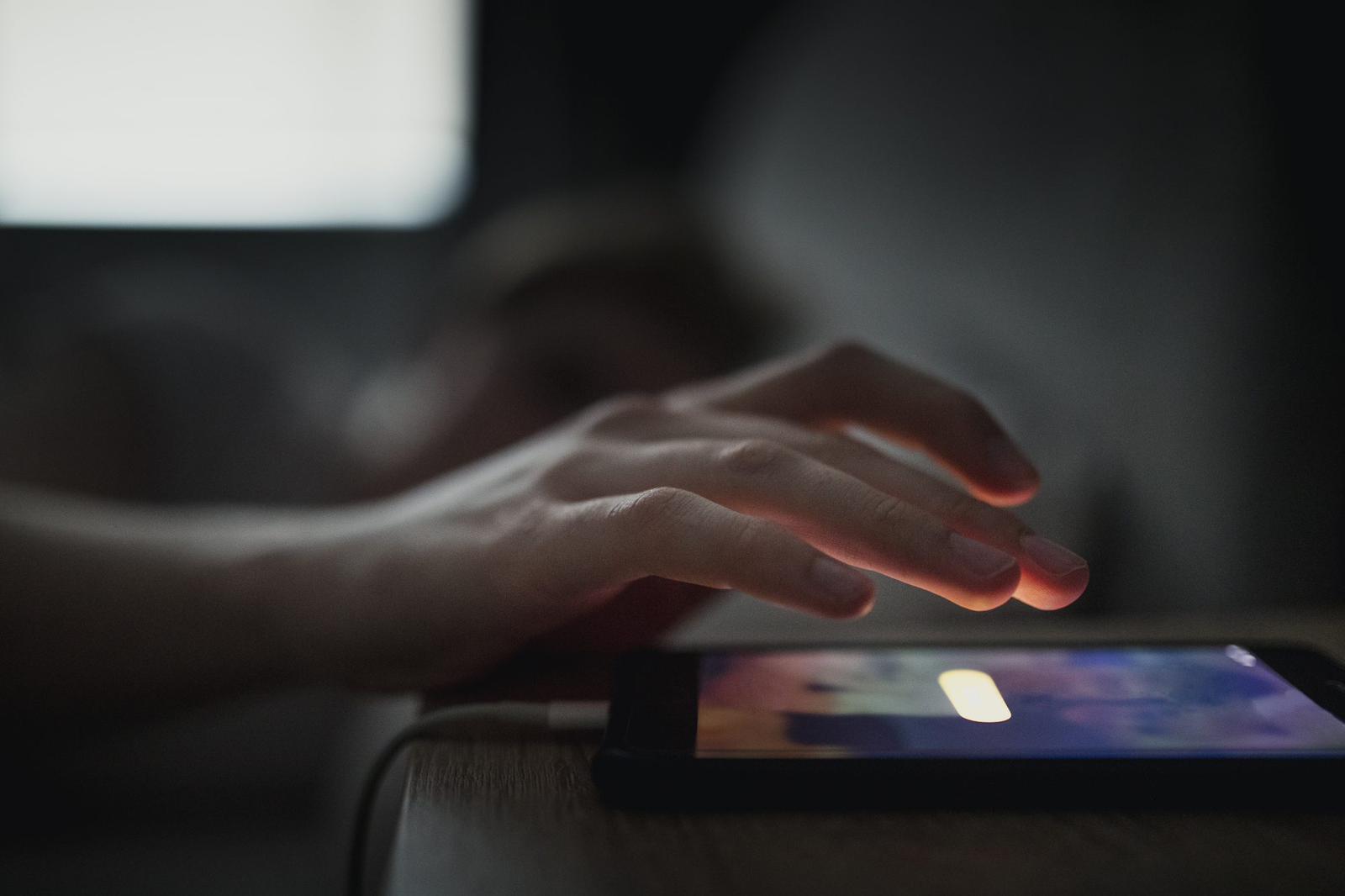
I was a thousand miles away when I discovered they were planning to destroy everything I’d built. My phone buzzed with a notification I’d grown accustomed to ignoring—motion detected—but this time, something made me look. What I saw on that small screen would lead me to make a decision that would cost me my family but save my life.
The conference room in Denver was like every other conference room I’d sat in during my career—glass walls, corporate art, the faint smell of lukewarm coffee and ambition. Outside the windows, the Rocky Mountains stood like ancient sentinels, indifferent to the small human dramas playing out in their shadow. I was presenting quarterly projections when my phone lit up on the table beside my notebook.
Motion detected. Living room.
I almost dismissed it. Probably a delivery. Maybe the neighbor’s dog again, that golden retriever who liked to investigate my porch when his owner wasn’t paying attention. But something—instinct, paranoia, divine intervention—made me swipe open the security app.
The feed loaded slowly, buffering in the conference room’s mediocre Wi-Fi. When the image finally crystallized, I felt my breath catch.
My parents were standing in my living room. Not near the door, not checking on something I’d asked them to watch. They were deep in the space, in the heart of my home, with a stranger holding a clipboard and a measuring tape.
I watched, frozen, as my mother—Sandra—gestured toward the glass wall that separated my living room from my hydroponic garden. The sanctuary I’d spent two years building, the place where I grew herbs and vegetables under carefully calibrated lights, where I’d finally found something that felt entirely mine. The contractor was nodding, making notes, running his tape measure along the frame.
And then I heard her voice, tinny through my phone’s speaker but unmistakable.
“Tanner needs this space for his content studio. Just knock the wall down. Morgan won’t make a scene. She’ll just accept it.”
The words hit me like a physical blow.
Not because they surprised me—deep down, I’d always known how my family saw me—but because hearing it said out loud, with such casual certainty, made it impossible to pretend anymore.
I sat there in that conference room, surrounded by colleagues who were politely pretending not to notice that I’d stopped mid-sentence, and felt something inside me crack. Not break, exactly. More like the sound of a lock clicking open on a door I’d been standing behind my entire life.
My manager touched my arm gently. “Morgan? You okay?”
I looked at her, then at the phone in my hand, then at the mountains outside.
“I need to catch a flight,” I said.
The next three hours were a blur of efficient, controlled rage. I excused myself from the conference, packed my hotel room in under ten minutes, and booked a one-way ticket to Seattle while sitting in the back of a Lyft to Denver International. The driver tried to make conversation—something about the weather, the traffic—but I couldn’t hear him over the roaring in my ears.
I wasn’t panicking. I wasn’t crying. I was calculating.
I bought Wi-Fi on the plane and opened my laptop the moment we reached cruising altitude. The passenger next to me—a businessman reading a thriller—kept glancing over as I worked, probably wondering what kind of emergency required this level of focus at 35,000 feet.
If he’d asked, I wouldn’t have known how to explain it. How do you tell a stranger that you’re not rushing to save something, but to finally, definitively end it?
I created a new folder on my desktop. THE LEDGER.
Then I started digging through five years of financial history.
Bank statements. Venmo transactions. PayPal receipts. Scanned checks. Text messages where I’d promised “just this once” for the hundredth time. Every transfer, every loan, every “emergency” that turned out to be another brick in the wall of my brother’s fantasy life.
$4,000 for podcast equipment that recorded three episodes before being abandoned.
$7,000 for a dropshipping business that never shipped a single product.
$10,000 for a car down payment. The car was repossessed six months later.
$3,500 for “rent” when Tanner claimed his roommate stole his security deposit. I found out later the roommate had moved out months before.
$20,000 for a “lifestyle brand” launch party at a club where Tanner bought bottles for people who didn’t know his name.
$8,000 for legal fees after his second DUI.
The list went on. And on. And on.
Each entry had a story attached to it. A crisis. A promise. A guilt trip. My mother calling to say Tanner was “really turning things around this time” and just needed a little help to get his feet under him. My father explaining that family helps family, and didn’t I remember how they’d helped me?
Except they hadn’t. Not really. They’d co-signed my student loans and held it over my head like a crown of thorns every time I hesitated to open my wallet for my brother.
I added formulas to the spreadsheet, watching the total climb with each transaction. When the final number appeared at the bottom of the column, I had to read it three times to believe it.
$115,000.
One hundred and fifteen thousand dollars.
That wasn’t love. That wasn’t family support. That was systematic financial abuse dressed up in the language of obligation.
I stared at that number until the flight attendant asked me to put my tray table up for landing. The businessman beside me had fallen asleep, his thriller abandoned on his lap. The pages were bookmarked at a scene where the detective finally figured out who the killer was.
I knew exactly how he felt.
I didn’t go straight home. I parked my rental car three blocks away and watched my house through the security app, waiting. Tanner had been posting about this day for weeks—a “major reveal” for his followers, a grand opening of his new “content house” at 2:00 p.m. on Saturday.
My house. He was planning to unveil my house as his content house.
The audacity should have shocked me. Instead, it clarified everything.
I’d spent years trying to understand why my family treated me this way. I’d read books about narcissism, listened to podcasts about toxic family dynamics, scrolled through Reddit threads full of people with similar stories. I’d wondered what I’d done wrong, what I could do differently, how I could finally earn the respect and recognition I’d been chasing since childhood.
Sitting in that rental car, watching strangers stream in and out of my front door with ring lights and camera equipment, I finally understood.
I hadn’t done anything wrong.
I’d just been useful.
And the moment I stopped being useful—the moment I demanded boundaries or asked for accountability—I would become the villain in their story. That was the deal I’d agreed to without knowing it. Stay quiet, stay generous, stay small, and they’d let me exist on the margins of the family photo.
But I was done being useful.
At 2:00 p.m., I put the car in gear and drove home.
The invasion was even worse in person than it had been on camera.
Tanner’s leased sports car was parked diagonally across my driveway, taking up space like a statement. My parents’ SUV had been driven onto the lawn, leaving deep tire tracks in the grass I’d spent months nursing back to health. The front door was propped open with a doorstop, and bass-heavy music thumped from inside, rattling the windows.
My grandmother’s vintage armchair—the one I’d paid $800 to have professionally restored—was sitting on the wet grass like trash. Someone had balanced an empty energy drink can on its velvet armrest.
I walked through the open door and into my own home like a stranger.
The living room was unrecognizable. My furniture was gone, replaced by beanbag chairs and tripods. Extension cords snaked across the floor. A massive ring light stood in the center of the room like a small sun, casting everything in harsh, artificial brightness.
And there, in the middle of it all, was Tanner.
He was holding his phone up, talking to the camera with that manic energy he always got when he was performing. His voice was pitched high, enthusiastic, desperate.
“Yo, what is up, guys? Welcome to the crib! We are live from the new HQ! This is where the magic happens! We got the crypto charts, we got the gaming setup, we got—”
He stopped mid-sentence when he saw me standing in the doorframe.
For a fraction of a second, his mask slipped. I saw the panic in his eyes, the recognition that something was wrong. Then the performance reasserted itself.
“Yo, look who it is! Special guest appearance! My sister Morgan just flew in to celebrate the launch. Say hi to the stream, Morgan!”
He tried to put his arm around me, to pull me into the frame, to make me part of his show.
I stepped back.
The camera was still rolling. I could see the phone screen, comments scrolling by in a blur of emojis and hype. Thousands of people were watching.
Good.
“I’m not here to celebrate,” I said, looking directly into the camera. “I’m here to evict you.”
The silence that followed was absolute.
Tanner’s smile froze, then fractured. “Classic Morgan. Always joking. Guys, she’s a riot.”
“I’m not joking.”
I pulled THE LEDGER from my bag—I’d printed it, all sixty pages, and put it in a clear plastic folder. Behind it was a cease and desist letter from the lawyer I’d consulted during my layover in Denver.
“This is a formal eviction notice,” I said, holding up the first document. “And this—” I lifted THE LEDGER “—is the receipt.”
“Morgan, stop.”
My father appeared from the kitchen, his face flushed red. Behind him, my mother was already crying, but not for me. Never for me. “You’re embarrassing him. Put that away.”
“No.”
I turned back to the camera, to the thousands of strangers who were watching this family drama unfold in real time.
“For anyone watching, my name is Morgan. I own this house. Tanner doesn’t live here. He lives in our parents’ basement. And the success he’s been bragging about? It was funded by $115,000 he took from me over the last five years.”
Tanner lunged for the phone, but his hands were shaking. He fumbled it. The phone clattered to the floor, landing face-up, still broadcasting.
The comments were exploding.
Is this real?
Did he really steal from his sister?
SCAMMER
This is wild
I opened THE LEDGER to the first page.
“August 12th, 2020. $4,000 for podcast equipment. How many episodes did you record, Tanner?”
He said nothing.
“September 15th. $7,000 for a business license and startup costs. The business never existed.”
I flipped pages, my voice steady, reading dates and amounts like a coroner listing causes of death.
“January 4th, 2021. $10,000 for a car down payment. The car was repossessed in July.”
“That’s enough!”
My mother grabbed my arm, her nails digging into my skin. “You are ruining his big moment. How can you be so selfish?”
I looked at her hand on my arm. Then at her face.
“Selfish? You were measuring my house for demolition while I was out of town, and I’m the selfish one?”
“We were going to tell you,” she said, her voice rising. “We just wanted it to be a surprise.”
“A surprise. Like the time you gave him my college fund? Or the time you co-signed his loans using my credit without asking?”
The room was watching us now—not just the camera, but Tanner’s friends, the strangers he’d invited to witness his triumph. They were all frozen, caught between leaving and staying, between looking away and watching the train wreck unfold.
“Get out,” I said quietly. “All of you. Get out of my house.”
That’s when Haley arrived.
I’d texted her from the plane, told her what I was planning. She’d been Tanner’s fiancée for almost a year, long enough to see through his performance, but not yet fully disentangled from the fantasy.
She walked through the open door carrying a manila envelope, her expression grim but determined.
“Babe, what are you doing here?” Tanner’s voice was desperate now, the performance completely abandoned. “Tell them to leave. Tell them they’re ruining everything.”
Haley didn’t look at him. She looked at me and gave a small nod. Then she walked to the center of the room and held up the envelope.
“I’m not here to help you, Tanner. I’m here to end this.”
“End what?” He laughed, but there was no humor in it. “Babe, come on. Not now.”
“Yes, now.”
She pulled out a document—thick, legal, official-looking.
“Do you recognize this?”
Tanner’s eyes went wide. “Where did you get that?”
“From your glove box. The one you said was for insurance papers.”
She held the document up to the camera on the floor, then turned it toward my parents.
“It’s a lease agreement for a $68,000 SUV. But look at the signature line.”
My father squinted at the paper. His face went pale. “That… that says Morgan.”
“Exactly,” Haley said. “He didn’t buy the car with crypto gains. He leased it. And he forged Morgan’s signature as the co-signer because his credit score was too low to qualify.”
The air left my lungs.
I snatched the paper from her hands. There it was—my name, my signature, except the handwriting was slightly off. The loops were too big. The slant was wrong. It was Tanner’s handwriting, practicing being mine.
“You forged my signature?” My voice came out as a whisper. “You committed identity theft.”
“It was just a co-sign!” Tanner was backing away now, hands up. “I was going to make the payments! I just needed help getting approved! The car is part of the brand, Morgan. You have to spend money to make money!”
“You committed a felony,” I said. “That’s not spending money. That’s fraud.”
Haley reached into the envelope again.
“There’s more.”
This time, she pulled out credit reports. Multiple pages, highlighted in yellow.
“Sandra. Steven.” She looked at my parents with something that might have been pity. “Did you know you have three credit cards opened in your names six months ago? Cards you didn’t apply for?”
My mother blinked, confused. “What? No. We only have one card.”
“Not anymore. Tanner opened them using your Social Security numbers. He’s maxed them out—$40,000 in debt. He hasn’t made a single payment. You’re in default. Your credit is destroyed.”
The silence that followed was the sound of a world ending.
My father’s phone buzzed. He pulled it out with shaking hands, opened his credit monitoring app, and scrolled through page after page of alerts he’d apparently been ignoring. His face went from red to gray.
“You stole from us,” he whispered, looking at Tanner like he’d never seen him before. “We mortgaged the house for your legal fees last time. We gave you everything. And you stole our identities.”
“I was going to pay it back!” Tanner’s voice cracked. “Once the crypto course launched! Once the YouTube monetization kicked in! You guys just don’t have any vision!”
“Vision?” I said. The word tasted like ash. “You bankrupted your own parents. You stole my identity. You were about to destroy my home. That’s not vision, Tanner. That’s parasitism.”
I turned to my parents. They were standing there, broken, the son they’d chosen over me for thirty years finally revealing himself as the monster I’d always warned them he was.
“Get out,” I said. “All of you. Now.”
My mother reached for me, tears streaming down her face. “Morgan, please. We didn’t know.”
“You didn’t want to know,” I said. “You were so busy building him up that you didn’t notice he was tearing you down. And you were so busy tearing me down that you didn’t notice I was the only one holding you up.”
I pointed to the door.
“Leave. Before I call the police and add trespassing to the list of charges.”
They left. My father stumbling, my mother sobbing, Tanner running for his leased car that would be repossessed within the month.
Haley lingered for a moment.
“I should have told you sooner,” she said quietly.
“You told me when it mattered. Thank you.”
She nodded and left, closing the door behind her.
The house was silent for the first time in hours. The ring light still glowed. The camera phone lay dead on the floor, battery finally drained. But the noise was gone.
The parasites were gone.
I walked to the glass wall of my garden. They hadn’t touched it yet. Hadn’t had time to destroy it. I pressed my palm against the cool surface and felt my heartbeat slow, settling into the rhythm of the water pumps.
My sanctuary was safe.
THE LEDGER was closed.
And for the first time in my life, I wasn’t the resource.
I was the person who owned the resources.
Twelve minutes later, I called 911.
I was calm, factual. Trespassers on my property. Evidence of fraud and identity theft. The dispatcher sent two officers. They arrived in separate cars, efficient and professional.
I met them on the porch with a USB drive containing everything—security footage, the forged lease, the credit reports, bank statements, text messages. The digital autopsy of my family’s betrayal.
“He’s inside,” I said, though Tanner had actually returned, probably thinking he could still salvage something. “He committed identity theft against me and our parents. He also trespassed and destroyed property.”
The officers took statements. Examined the documents. One of them looked at the forged signature, then at Tanner, and pulled out handcuffs.
“Sir, stand up. Put your hands behind your back.”
My mother screamed. It was an animal sound, raw and desperate.
“No! You can’t take him! He’s just a boy! He didn’t mean it!”
She tried to grab the officer’s arm. He gently but firmly moved her back.
“Ma’am, your son is under arrest for fraud and identity theft.”
“Morgan, stop them!” She whirled on me. “Tell them it was a mistake! Tell them you gave permission! He’s your brother!”
I looked at her—really looked at her. At the woman who’d held me as a baby but had somehow lost me along the way. At the mother who’d chosen again and again to sacrifice me on the altar of her golden child’s ego.
“I didn’t give him permission,” I said to the officer. “Press charges for everything.”
“You monster,” my father spat. “You’re destroying this family.”
“No,” I said. “He destroyed it when he signed my name. You helped when you taught him that nothing he did would ever have consequences.”
They took Tanner away in handcuffs. He was crying, begging, looking at me with those wide eyes that used to work when we were children.
I felt nothing. Not satisfaction. Not guilt. Just the clean, cold feeling of a debt finally being settled.
Three months later, the garden was thriving.
The basil had grown so thick it pressed against the glass. The mint was fragrant, the tomatoes heavy on their vines. Outside, Seattle rain drummed against the windows, making the warmth inside feel precious.
I wasn’t alone. Aunt Susan sat in my grandmother’s restored chair, sipping peppermint tea I’d grown and harvested myself. Across from her, Haley—no longer wearing an engagement ring—nursed her own cup.
“Heard from my sister yesterday,” Susan said, not looking at me. “The foreclosure went through. They’re in a two-bedroom apartment now.”
“Are they okay?” Haley asked carefully.
“They’re alive,” Susan said. “Still paying Tanner’s lawyer. Still telling anyone who’ll listen that Morgan stole their retirement.”
I took a sip of tea, waiting for the guilt that didn’t come anymore.
“Let them,” I said. “They need a villain. If blaming me helps them sleep at night, they can have it. It’s the last thing I’ll ever give them.”
I stood and walked to my tomato plants. There was a yellowing leaf near the base, draining energy from the healthy growth. I took my shears and cut it cleanly away.
For thirty-two years, I’d believed family was permanent. A contract written in blood, unbreakable and absolute. I’d thought that shared DNA meant I owed them my resources, my peace, my future.
But standing there with that dead leaf in my hand, I finally understood.
Family isn’t a right. It’s a title that must be earned, every single day, through respect and reciprocity.
Biology makes you relatives. Respect makes you family.
I’d been watering a dead plant for decades, hoping it would bloom. Cutting it away wasn’t cruelty.
It was survival.
“I changed my number this morning,” I told them, dropping the leaf into the compost. “They can’t reach me anymore.”
Haley smiled. “Peace suits you, Morgan.”
“It does,” I agreed.
I looked around my home. No ring lights. No cameras. No strangers treating my sanctuary like a public stage. Just the quiet hum of life growing, the smell of herbs, and people who actually saw me as a person rather than a resource.
If you’ve ever had to prune a dead leaf to save the tree, you already know—letting go isn’t the end of the story.
It’s the beginning of the life that was trying to grow all along.
Tanner took a plea deal. Two years, with restitution he’d probably never pay. The prosecutor called to tell me it was over.
“It’s a conviction,” she said. “He admitted guilt.”
On the day of sentencing, I didn’t go to court. I stayed in my garden instead, repotting overcrowded herbs, wiping condensation from the glass. Around noon, Aunt Susan texted: 2 years. He cried. Your parents glared. You were not mentioned.
I set my phone down next to the little American flag magnet on my fridge—the same one that had witnessed the crime in the security footage. It seemed only right that it should witness the resolution too.
Months turned into a year. The online frenzy faded. New scandals replaced mine. Occasionally someone would still share clips of that livestream, but I’d stopped reading comments. I’d closed what Dr. Chen called “the psychic front door.”
Instead, I built a life that felt like mine.
I taught weekend workshops on hydroponics at the community center. I started saying no at work—to extra projects, to staying late, to volunteering myself as the solution to everyone’s problems. At home, I hosted dinners with people who didn’t know my family at all. We ate pasta with basil from my garden and talked about everything except the man in prison.
Sometimes, late at night, I’d stand in front of the glass wall and watch the shadows of leaves against the city glow. The garden had become more than a sanctuary.
It was a map. A reminder.
You prune what’s dead. You feed what grows.
One day, a letter arrived in my mother’s handwriting.
I almost threw it away unopened. Instead, I slit the envelope with a butter knife and read:
Morgan,
I don’t know how to start this. Your father says I shouldn’t write, but I can’t sleep… We lost the house. We are struggling. Maybe if you could write to the judge, they would let Tanner out early. He’s not meant for this. We aren’t either. We are too old to start over. You have your job and your plants. We have nothing.
I don’t understand how you could do this to us. Sometimes I wonder if you enjoyed it. You always did like being the hero.
Anyway. I hope you’re happy.
Mom
I read it twice. Once as a daughter. Once as an auditor.
The numbers didn’t lie. She’d gotten one thing right—I had liked being the hero. I’d just finally stopped auditioning for the role in a story where they’d already cast me as the villain.
I filed the letter in the back of THE LEDGER binder, under a new tab: ARCHIVE.
Evidence of what had been. Not a guide for what would be.
That night, I wrote my own letter—not to my mother, but to my younger self:
Dear Younger Me,
You did your best with the tools you had. It’s not your fault they handed you a checkbook instead of a life vest.
You are not a bad daughter for wanting to be safe.
You are not a bad sister for wanting consequences.
You are not selfish for wanting a life that doesn’t revolve around putting out someone else’s fires.
You are allowed to say no. You are allowed to lock the door. You are allowed to keep what you grow.
Love, Me
A year and a half after Tanner’s sentencing, I woke up and realized I hadn’t thought about my brother in days. Not in hatred. Not in guilt. I just… hadn’t thought about him.
My photo app served up a memory: Two years ago today. On my way to another “big family moment.” Wish me luck.
I stared at the old caption, then looked around my current reality. The real life I’d built in the space they’d tried to measure for demolition.
I went downstairs and stepped into the garden. The glass wall was warm under my palm. The irrigation cycle hummed. THE LEDGER sat closed on its shelf.
For the first time I could remember, my life felt like it belonged to me. Not rented out, not mortgaged to keep someone else’s fantasy afloat.
Just mine.
I used to think that if I ever told this story, the most important part would be the confrontation. The handcuffs. The viral video.
But sitting there in the quiet of my garden, I realized the real climax had come later, in a thousand small refusals to go back. To return the calls. To read the emails. To carry the weight of their choices.
The real rebellion wasn’t one explosion.
It was choosing peace, every single day, even when guilt knocked on my door.
If you’ve ever stood in front of your own ledger and hated what the numbers showed you, I hope you know this:
You are allowed to start a new column.
You are allowed to write yourself under assets.
You are allowed to walk away from a table where the only thing anyone sees when they look at you is a balance to be drained.
I was once the girl who believed she owed everyone everything.
Now, when I walk past the glass wall, past the flag magnet, past the blue binder on the shelf, I whisper a different promise:
Never again.
And this time, I intend to keep it.
You prune what’s dead. You feed what grows. And sometimes, the most radical thing you can do is absolutely nothing—no more checks, no more explanations, no more apologies for building something they couldn’t take.
If you’ve ever had to cut away what was killing you to save what wanted to live, you already know:
Letting go isn’t the end of the story. It’s the beginning of the life that was trying to grow underneath all along.
You are not alone.
THE END

Adrian Hawthorne is a celebrated author and dedicated archivist who finds inspiration in the hidden stories of the past. Educated at Oxford, he now works at the National Archives, where preserving history fuels his evocative writing. Balancing archival precision with creative storytelling, Adrian founded the Hawthorne Institute of Literary Arts to mentor emerging writers and honor the timeless art of narrative.