The Five Words That Changed Everything
My wife asked for a divorce.
That’s how it started—simple, direct, like she was asking me to pass the salt. But nothing about what came next was simple. Nora didn’t even blink when she said it. She sat across from me in that bland office conference room, hands folded like she was waiting for room service, not tearing apart fourteen years of marriage. The walls were beige. The air conditioning hummed too loud. Everything felt surreal, like I’d walked into someone else’s nightmare.
Her attorney—perfect suit, perfect teeth, perfect manicure—nodded along like this was all routine, like my life was a list he could check off with a pen. I remember thinking how many times he’d done this before. How many men had sat in this exact chair, watching their worlds collapse while he smiled politely and shuffled papers.
Hugh Pembrook, my lawyer, grabbed my forearm under the table. His grip was tight enough to leave marks. “Donnie,” he hissed, voice low and urgent, “don’t do this. We can push back. We should push back.”
Nora’s smile twitched, almost bored. She examined her nails—French tips, perfectly done—like she had somewhere better to be. “Are we done pretending?” she asked, tilting her head in that way she used to do when we were dating, back when I thought it was charming. “I want it all. The house. The cars. The business. I built this life too.”
The word “too” hung in the air like poison. As if standing beside someone while they work is the same as bleeding for it. As if showing up to company dinners and smiling for photos meant she’d earned what my father and I had built from nothing.
I stared at her for a long second, long enough to remember her hand on my chest the night my mother-in-law passed, long enough to remember her laugh in our kitchen back when we still had one. Long enough to remember the woman I thought I’d married—the one who cried during sentimental commercials and left notes in my lunch bag and told me she loved me even when I was covered in grease and smelled like diesel fuel.
That woman was gone. Or maybe she’d never existed at all.
Then I looked at Hugh. “Give it all to her.”
He froze. His pen stopped mid-motion. “Excuse me?”
“You heard me,” I said, calm enough to scare even myself. “Everything.”
For one heartbeat, Nora’s confidence flickered like a lightbulb about to burn out. She wasn’t expecting surrender. She was expecting a fight—shouting, pleading, bargaining. She’d probably rehearsed her responses in the mirror, practiced looking strong while I begged. But the flicker passed, and her smile came back sharper.
“Good,” she murmured, like she’d just won a game she’d been practicing for years.
Hugh leaned back in his chair, ran his hand over his face, and looked at me like I’d just told him I was jumping off a bridge. “Donovan. Think about this. Your father—”
“I am thinking about him,” I interrupted. “That’s why I’m doing this.”
Nora’s attorney started pulling out documents, laying them across the table like cards in a winning hand. The house on Oakmont Drive—the one with the wrap-around porch my dad and I had rebuilt board by board. The 2019 Silverado. The 2021 Tahoe. The commercial property on Route 9 where Slate & Stone Landscaping had operated for twenty-three years. Bank accounts. Retirement funds. Everything.
“Sign here,” he said, sliding papers toward me with the casual indifference of someone who’d done this a thousand times. “And here. Initial here.”
My hand didn’t shake. Not even once.
Nora watched every signature like she was memorizing it, like she wanted to frame each one as proof of her victory. When I finished the last page, she actually sighed—a soft, satisfied sound that made my stomach turn.
“Thank you for being reasonable,” she said, and I almost laughed. Reasonable. As if there was anything reasonable about this.
The meeting ended. Hugh packed his briefcase in silence, his jaw so tight I could see the muscles working. Nora and her attorney left first, her heels clicking confidently down the hallway. Before she disappeared around the corner, she glanced back at me one more time.
She was smiling.
That night, my mother called from her porch outside Columbus, Ohio, voice breaking through the phone speaker. I could hear the crickets in the background, the creak of her rocking chair—the same chair Dad used to sit in after long days, beer in hand, watching the sun go down.
“Donovan, please,” she said, and I could tell she’d been crying. “Your father built that place with his own hands. Don’t hand it to her.”
I closed my eyes and leaned against my kitchen counter—the temporary one in the small apartment I’d rented three weeks ago when Nora changed the locks. “Mom,” I said softly, “I need you to trust me.”
A beat of silence. Then: “I don’t understand you.”
“I know,” I whispered. “Just… trust me anyway.”
“Your brother thinks you’ve lost your mind.”
“Boyd thinks everyone’s lost their mind if they don’t agree with him.”
She made a sound that might have been a laugh or a sob. “He’s worried about you. We all are.”
“Don’t be,” I said, and I meant it. “This is going to be okay.”
“How?” she demanded. “How is any of this okay? She’s taking everything your father worked for. Everything you worked for.”
I wanted to tell her. God, I wanted to tell her so badly. But if I did, if I said one word too many, it could all fall apart. So instead I said, “Because Dad taught me to be smart. And I’ve been smart, Mom. You’ll see.”
She was quiet for a long time. Finally, she said, “You sound just like him.”
“Good,” I said.
After we hung up, I sat in the dark for a while, phone still in my hand. The apartment was quiet. Too quiet. No Nora humming in the next room. No TV playing in the background. Just silence and the distant sound of traffic outside.
I pulled up the folder on my phone—the one I’d been building for eight months. Photos. Bank statements. Text messages. Emails. Receipts. Every piece of evidence catalogued, labeled, time-stamped. I scrolled through it one more time, making sure I hadn’t missed anything.
I hadn’t.
Boyd showed up the next morning, still in his station T-shirt, smelling like smoke and coffee. He didn’t knock—just used the spare key I’d given him and stormed in like a hurricane with a badge. He didn’t sit down at first—just paced my living room like a storm looking for somewhere to land.
“You’re really going to let her walk away with everything?” he demanded, gesturing wildly. “The house we fixed up. The trucks. Dad’s name on the building. You’re just going to hand it over?”
“Yes,” I said.
He stopped dead, chest heaving, looking at me like I’d grown a second head. “Why?”
I pulled out a thick folder from the cabinet—the physical copy I’d printed and bound myself—and slid it onto the table without a word. The plastic cover was clear. The first page showed a bank statement with Nora’s name at the top.
He opened it, flipped one page, then another, and another. His mouth tightened. His eyes went hard. The color drained from his face and then came rushing back, red and angry.
“Is this real?” he finally asked, voice barely above a whisper.
“Every line,” I said. “And she has no idea I found it.”
Boyd sat down heavily, the folder still open in front of him. He read page after page—bank transfers, credit card statements, hotel receipts, text messages I’d recovered from cloud backups. His hands started shaking.
“How long?” he asked.
“Two years. Maybe longer.”
“Jesus, Donnie.”
“I know.”
He flipped to a section near the back, and I watched his expression change from shock to fury to something darker. “This guy works for you.”
“Worked,” I corrected. “Fired him six months ago for unrelated reasons. Or so he thinks.”
“Does she know you know?”
“Not yet.”
Boyd closed the folder and pushed it back toward me, then rubbed his face with both hands. When he looked up, his eyes were wet. “Dad would be proud of you.”
“Dad would’ve kicked my ass for letting it get this far.”
“No,” Boyd said firmly. “He would’ve been proud. You’re doing this the right way. The smart way.”
“I’m doing it the only way that works,” I said. “If I’d fought her in the divorce, she could’ve dragged it out for years. Could’ve hidden assets, destroyed evidence, played the victim. This way, she thinks she’s won. She’s got her guard down.”
“And then?”
“And then she finds out exactly what she’s won.”
Boyd stared at me for a long moment, then started laughing—a harsh, bitter sound that filled the small apartment. “You sneaky son of a bitch.”
“I learned from the best,” I said.
We spent the next two hours going over everything, making sure every detail was in order. Boyd had connections from his years in the fire department—knew people in law enforcement, knew people in finance, knew people who knew people. He made calls while I reviewed documents, double-checking dates and figures.
“The DA’s office is going to love this,” Boyd said, hanging up from his fifth call. “Thompson said they’ve been looking for a case like this to set precedent.”
“I don’t care about precedent,” I said. “I just want justice.”
“You’ll get both,” he promised.
By the time he left, the sun was setting. He paused at the door, folder tucked under his arm—he’d insisted on keeping a copy, said he’d sleep better knowing it was in a second location. “You doing okay?” he asked. “Really?”
I thought about it. “Yeah,” I said. “I think I am.”
“You’re tougher than you look, little brother.”
“Had a good teacher.”
He smiled—sad and proud at the same time—and left.
The weeks leading up to the final hearing were the longest of my life. Nora moved back into the house the day after I signed the initial papers, posted pictures on social media of her “fresh start,” threw a party with people I’d thought were our friends. I saw the photos—her smiling in the living room I’d painted, drinking wine in the kitchen I’d renovated, standing on the porch Dad and I had rebuilt after the storm in 2019.
Every picture felt like a knife. But I didn’t look away. I saved every single one.
She called me twice during that time. The first time was to ask about the lawnmower—where I’d stored it, whether it was included in the settlement. I told her everything was hers now, exactly like she’d wanted. She thanked me, voice dripping with false sweetness, and hung up.
The second time was three days before the hearing. “Donovan?” she said when I answered, and for a second, she almost sounded like the old Nora. Almost. “I just wanted to say… I hope we can be civil about all this. I know it’s been hard, but I think we’re both going to be happier this way.”
I sat in my apartment, phone pressed to my ear, and said nothing.
“Are you there?” she asked.
“I’m here.”
“Okay, well… I guess I’ll see you at the hearing. Goodbye, Donovan.”
“Goodbye, Nora.”
I hung up and stared at the wall for a long time.
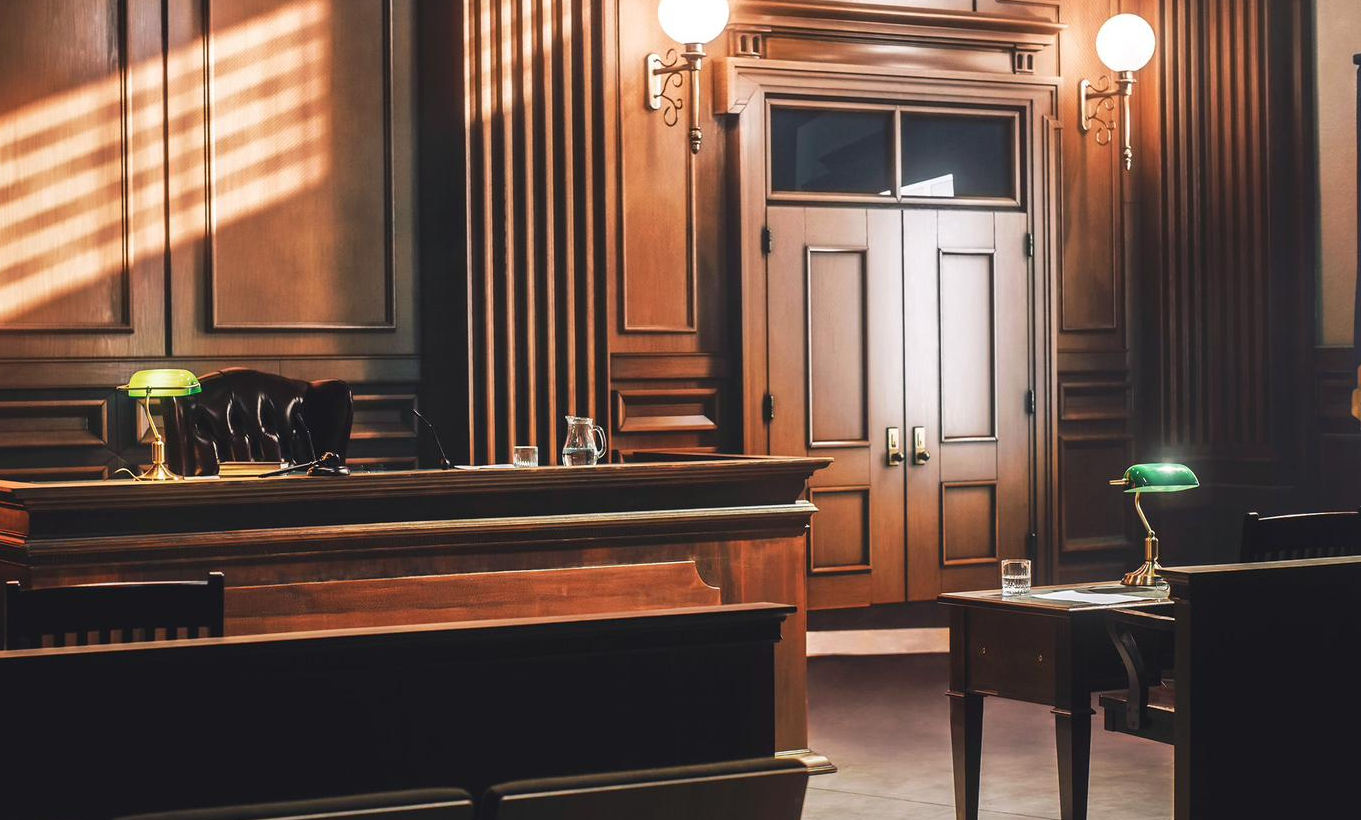
When the final hearing came, the courthouse felt colder than the October air outside. The judge’s bench, the dull lights, the small American flag in the corner—it all looked too ordinary for what was happening to my life. Too mundane for the end of fourteen years.
Nora walked in dressed like she belonged on a magazine cover—designer dress, heels that probably cost more than my rent, hair and makeup perfect. She leaned toward her attorney, whispered something that made him grin, and I wondered what joke they were sharing. What amusing little quip about her stupid ex-husband who’d rolled over without a fight.
When her eyes landed on me, she smiled like she was already living in my house again. Which, technically, she was.
Hugh leaned close, briefcase open on the table between us. “Last chance,” he whispered. “Let me object. Let me fight this.”
I didn’t look at him. “No. We stick to the plan.”
“You’re sure?”
“Completely.”
Nora mouthed one silent word across the aisle—finally—and I almost laughed at how sure she was. How completely certain that she’d outsmarted me, outmaneuvered me, won.
The judge—a tired-looking woman in her sixties with reading glasses on a chain—went through the motions with practiced efficiency. She asked if we’d both reviewed the settlement. We said yes. She asked if we understood the terms. We said yes. She asked if we were entering this agreement willingly, without coercion.
“Yes, Your Honor,” Nora said, voice clear and confident.
“Yes, Your Honor,” I said.
The judge looked at me over her glasses, something in her expression suggesting she’d seen this before—men giving up everything, whether out of guilt or exhaustion or defeat. “Mr. Slate, you understand that you are relinquishing all claims to the marital home, vehicles, and business assets?”
“I understand, Your Honor.”
“And you’ve been advised by counsel?”
“I have.”
“Very well.”
I stood when I was told to stand. I agreed when I was asked to agree. I put my name where they pointed, my signature dark and final on the white paper.
Nora’s smile kept growing, bright and triumphant, like she couldn’t feel the floor shifting under her feet.
The judge was preparing to finalize everything, her gavel in hand, when the courtroom doors opened.
The sound echoed in the quiet room—a solid, heavy thunk that made everyone turn. Two men walked in—dark suits, clipped expressions, badges catching the fluorescent light. They didn’t look at me. They didn’t look at Nora. They walked straight to her attorney and handed him a sealed envelope.
Everything seemed to slow down.
I watched his eyes scan the first page. I watched his face drain of color, watched his hand start to tremble. I watched him flip to the second page, then the third, his mouth opening and closing like a fish out of water.
Nora leaned in, impatient, still smiling. “What is it?” she whispered, like she was asking when the celebration starts.
Her attorney’s hand was shaking now. He looked at her, then at the documents, then back at her. He bent close to her ear, and his lips moved.
Five words.
I couldn’t hear them, but I didn’t need to. I’d rehearsed this moment in my mind a thousand times.
You’re under investigation for fraud.
Nora’s smile broke so fast it was like glass. Her face went white, then red, then white again. “What?” she said, loud enough for everyone to hear. “What are you talking about?”
Her attorney shushed her, desperately trying to maintain some kind of professional composure, but she wasn’t having it. She grabbed the papers from his hands and started reading, her eyes moving faster and faster across the page.
“This isn’t—this can’t be—” she stammered, looking up at the two men in suits. “Who are you?”
“FBI, ma’am,” the taller one said calmly. “Financial Crimes Division.”
The courtroom erupted. The judge banged her gavel. Nora’s attorney was trying to speak, but Nora was louder, her voice rising to a shriek. “This is a mistake! Donovan, what did you—what did you do?”
I sat perfectly still, hands folded on the table in front of me, and said nothing.
“Mr. Slate,” the judge said sharply, “do you know anything about this?”
Hugh stood slowly. “Your Honor, my client has been cooperating with federal investigators regarding financial irregularities in the marital estate. We were made aware several months ago that Mrs. Slate had been systematically embezzling funds from the business for approximately two years.”
Nora’s attorney dropped back into his chair like his strings had been cut.
“The settlement my client agreed to,” Hugh continued, voice steady and professional, “was designed to consolidate all assets under Mrs. Slate’s name for the purpose of the ongoing investigation. By accepting full ownership of the business and associated accounts, Mrs. Slate has also accepted full legal responsibility for all debts, liens, and—most importantly—all criminal liability associated with those assets.”
The judge leaned forward, her fatigue suddenly gone. “Explain.”
Hugh pulled out his own folder—thinner than mine, more official-looking. “Mrs. Slate established multiple shell accounts under the business name, funneling approximately $847,000 over a twenty-six-month period. She also made unauthorized withdrawals from the business line of credit, forged her husband’s signature on loan documents, and failed to report income on three separate tax returns. My client discovered this eight months ago and immediately contacted federal authorities.”
“That’s a lie!” Nora screamed, slamming her hands on the table. “He’s making this up! He’s—”
“We have bank statements,” one of the FBI agents said calmly. “We have emails. We have text messages. We have testimony from your accountant, who has agreed to cooperate in exchange for immunity.”
Nora’s face went from red to purple. She turned to me, eyes wild, and I finally looked at her. Really looked at her.
“You bastard,” she hissed. “You knew. This whole time, you knew.”
“I knew,” I said quietly.
“You set me up!”
“No,” I corrected. “You set yourself up. I just made sure you’d take the fall for it.”
The judge banged her gavel again. “Order! Everyone sit down and be quiet or I’ll clear this courtroom.”
It took twenty minutes for things to calm down enough for the judge to speak. Nora had been escorted out by the FBI agents after she tried to lunge across the table at me. Her attorney sat in stunned silence, staring at the papers in front of him like they were written in a foreign language.
“Mr. Slate,” the judge said finally, “am I to understand that you willingly signed over assets you knew were contaminated with criminal activity?”
“Yes, Your Honor,” I said. “On advice of counsel and federal investigators. The settlement agreement includes language that transfers all legal and financial responsibility to Mrs. Slate, including any debts, obligations, or criminal charges that may arise from the operation of the business during our marriage.”
Hugh added, “My client has been cleared of any wrongdoing. The investigators determined he had no knowledge of or participation in his wife’s activities until he discovered them last January.”
The judge was quiet for a long moment, looking between Hugh, the FBI agents, and me. Finally, she shook her head. “This is the most unusual divorce proceeding I’ve seen in thirty years on the bench.”
“Yes, Your Honor,” Hugh said. “But it is legal.”
“I’m aware.” She signed the final order with a flourish. “The divorce is granted. Mr. Slate is legally separate from all marital assets and all associated liabilities as of this moment. Mrs. Slate is hereby granted full ownership and full responsibility for said assets.” She paused. “God help her.”
I walked out of that courthouse into bright autumn sunlight, Hugh beside me carrying his briefcase. Boyd was waiting by his truck, leaning against the hood with his arms crossed and a smile on his face.
“How’d it go?” he called.
“Exactly as planned,” I said.
“She figure it out?”
“Eventually.”
Hugh stopped at his car, turned to face me. “Donovan, I’ve been practicing law for thirty-two years. This was the most satisfying case I’ve ever worked.”
“Send me the bill,” I said.
“Already did.” He grinned. “Worth every penny.”
The aftermath was, in some ways, worse than the divorce itself. Nora was arrested three days later when she tried to withdraw money from one of the shell accounts. The FBI had frozen everything, and she’d apparently panicked, thinking she could grab whatever cash was left and run.
She called me from jail. I didn’t answer.
Her parents called me, demanding to know what I’d done, how I could be so cruel, how I could betray their daughter like this. I listened to the voicemail once, then deleted it.
The business—what was left of it—was seized as evidence. The house went into foreclosure when it turned out Nora had taken out a second mortgage I knew nothing about and hadn’t made payments in nine months. The cars were repossessed when the investigators discovered she’d fraudulently refinanced them.
Everything she’d “won” in the divorce turned to ash in her hands.
I started over. Rented a small office on the south side of town, filed new business paperwork under a slightly different name—Slate & Son Landscaping, in honor of my father. Boyd invested some money to help me get equipment. My mother cosigned a small business loan.
Clients started coming back slowly. People who’d known my dad, who’d known me before Nora, who’d watched the whole disaster unfold and wanted to support what was left. Within six months, I had a crew of three and more work than I could handle.
Within a year, I was profitable again.
Nora’s trial lasted eight days. I didn’t attend, but Boyd went every single day and texted me updates. The jury deliberated for less than four hours. Guilty on all charges: fraud, embezzlement, tax evasion, forgery.
She was sentenced to seven years in federal prison.
Her attorney tried to argue that I’d entrapped her, that the divorce settlement was designed to frame her, that she’d been manipulated. The judge—different from the one at our divorce hearing—shut him down in less than five minutes. “Your client committed crimes,” she said coldly. “The fact that her ex-husband was smart enough to protect himself from her criminality does not constitute entrapment.”
Two years after the divorce was finalized, I was sitting in my new office—still small, but bigger than the first one—when my phone rang. Unknown number. I almost didn’t answer.
“Hello?”
“Donovan?” A woman’s voice, tentative and unfamiliar.
“Yes?”
“This is Sarah Chen. I’m a reporter with the Columbus Dispatch. I’m working on a story about financial fraud in divorce cases, and your situation came up in my research. Would you be willing to talk?”
I leaned back in my chair, looking out the window at the truck yard where my crew was loading equipment for tomorrow’s jobs. “What do you want to know?”
“How did you figure it out? How did you know what your wife was doing?”
I thought about it—about the late night when I’d been looking for our tax returns and found bank statements that didn’t make sense. About the sick feeling in my stomach when I’d started adding things up. About the moment I’d realized the woman I’d loved was stealing from me.
“I didn’t want to know,” I said finally. “But once I saw it, I couldn’t unsee it. And I couldn’t let her destroy what my father built.”
“So you turned her in?”
“I protected myself,” I corrected. “What happened after that was her own doing.”
The article ran three weeks later, front page of the business section. The headline read: “Local Man Outsmarts Wife’s Embezzlement Scheme in Historic Divorce Case.” They’d used an old photo of me and Dad at the business, back when I was nineteen and thought I knew everything.
The phone rang off the hook for days—other reporters, a true crime podcast, even a producer who wanted to option the story for television. I turned them all down except for one: a legal journal that wanted to interview Hugh about the strategy we’d used. That felt right, somehow. Dad would’ve liked that.
Boyd and I meet every Tuesday for dinner at the same diner where Dad used to take us as kids. It’s tradition now, sacred. Last Tuesday, he brought news.
“Nora’s up for parole next year,” he said, picking at his fries.
I nodded. I’d known it was coming.
“You worried?”
“No,” I said, and I meant it. “She can’t touch me anymore.”
“Good.” He smiled. “Because I’ve got news. Angela and I are expecting.”
I stood up and grabbed him in a bear hug right there in the booth, nearly knocking over his water. “Boyd, that’s incredible!”
“We want you to be the godfather,” he said when I finally let him go. “Angela’s already planning it out. She’s got charts.”
“Obviously I accept.”
“Obviously.”
We talked about baby names and nursery colors and all the normal, beautiful things that happen when life moves forward instead of backward. When the check came, I grabbed it before he could.
“My treat,” I said. “Uncle privileges.”
“You’re not the uncle yet.”
“Practicing.”
Five years after everything fell apart, I got married again. Her name is Rebecca—Becca—and she works as a veterinary technician at the clinic three doors down from my office. We met when I brought in a stray dog I’d found on a job site, and she’d smiled at me while coaxing the terrified animal out of its carrier, and something in my chest had loosened for the first time in years.
Our wedding was small. Mom cried through the whole ceremony. Boyd was my best man and made a speech about how Dad would’ve loved Becca, which was true and made me cry too. Becca’s family flew in from Michigan, and her dad pulled me aside before the reception and said, “You treat her right, you hear me?” like I might not know how lucky I was.
We bought a house—nothing fancy, but it’s ours. Really ours, built on trust and honesty and the kind of love that doesn’t need to keep score. Becca knows everything about Nora, about the divorce, about what happened. I told her on our third date because I couldn’t move forward with secrets between us.
She’d listened quietly, holding her coffee cup with both hands, and when I finished she’d said, “You did the right thing.”
“Some people think I was too harsh.”
“Some people didn’t have their trust shattered and their father’s legacy threatened,” she’d replied. “You protected yourself and what mattered to you. That’s not harsh. That’s survival.”
I’d known then that I wanted to marry her.
Last month, I was at the hardware store buying supplies when I saw her. Nora. She was thinner, grayer, wearing clothes that didn’t fit right. She was with a man I didn’t recognize—older, tired-looking—and they were arguing quietly near the paint section.
Our eyes met across the aisle.
For a second, neither of us moved. Then she looked away first, grabbed the man’s arm, and hurried toward the exit. She didn’t look back.
That night, Becca found me sitting on our back porch, staring at nothing. “You okay?” she asked, settling into the chair beside me.
“Saw Nora today,” I said.
“How’d that feel?”
I thought about it. “Like seeing a stranger,” I said finally. “Like looking at someone I used to know in a different life.”
“Good,” Becca said, taking my hand. “Because this is your life now. And it’s a good one.”
She was right. My business was thriving—I’d hired ten employees and was bidding on commercial contracts. Boyd’s daughter—little Emma, three years old and absolutely fearless—called me Uncle Donnie and demanded I push her on the swings every time I visited. Mom had finally stopped asking if I was okay and started asking when Becca and I were going to make her a grandmother.
Everything Nora had tried to take from me, I’d built back better.
And everything she’d thought she’d won had destroyed her.
I squeezed Becca’s hand. “Yeah,” I said. “It is a good one.”
Sometimes people ask me if I feel guilty. If I think what I did was too calculated, too cold. If I should have just let the divorce play out normally and let the chips fall where they may.
The answer is no.
Nora didn’t make a mistake. She made hundreds of deliberate choices over two years, every single one of them a betrayal. She stole from the business my father built with his own hands. She forged my signature. She lied to my face while planning to take everything I had.
I didn’t set her up. I didn’t frame her. I didn’t plant evidence or manufacture crimes.
I just made sure that when the truth came out, I wouldn’t be buried under the rubble of her greed.
Dad used to say, “Son, in this life you’ve got two choices: be smart or be sorry.” He taught me to think three steps ahead, to plan for contingencies, to protect what matters.
So that’s what I did.
I protected what mattered.
And I’d do it again.
THE END

Adrian Hawthorne is a celebrated author and dedicated archivist who finds inspiration in the hidden stories of the past. Educated at Oxford, he now works at the National Archives, where preserving history fuels his evocative writing. Balancing archival precision with creative storytelling, Adrian founded the Hawthorne Institute of Literary Arts to mentor emerging writers and honor the timeless art of narrative.