The Surprise Visit That Changed Everything
I stood on that neat little porch in the humid Florida afternoon, my worn travel bag at my feet, feeling the thick air press against my skin like a wet blanket. Sweat had already started to bead at my hairline during the taxi ride from the airport, but it wasn’t the heat that made my hands shake as I reached for the doorbell.
Something inside me had gone completely still—that particular kind of quiet that comes right before everything changes, when your body knows something your mind hasn’t caught up to yet.
I didn’t argue. I didn’t cry. I didn’t knock again after that door closed in my face.
Because the choice I made next would change everything.
For twenty-eight years, I thought I understood what being a mom meant in America. I thought I knew what sacrifice looked like, what love required, what you owed your children and what they owed you back. I thought the rules were clear, written somewhere in the unspoken contract between mothers and sons that said if you gave everything, you’d at least get to be part of their lives.
I was wrong about so many things.
I raised Marcus in a tiny two-bedroom apartment in Lubbock, Texas, after his father walked out three months after the baby was born. David had looked at our son sleeping in his secondhand crib and said he “wasn’t ready for this kind of responsibility,” like fatherhood was a college course you could drop if the workload got too heavy.
He left on a Tuesday morning while I was changing Marcus’s diaper, and I never saw him again. Never got a birthday card for our son, never received a child support check, never even got a phone call to ask if the baby he’d made was still breathing.
So I worked diner nights at the Starlight—the kind of place where truckers ordered eggs at 3 a.m. and tipped in crumpled singles—and I cleaned offices in the mornings before Marcus woke up, leaving him with Mrs. Rodriguez next door who charged me twenty dollars a week because she knew I didn’t have more.
My feet hurt constantly. My back developed a permanent ache that I still feel when it rains. I ate whatever Marcus didn’t finish and told myself I’d buy new clothes when things got easier, but things never got easier, so I wore the same four outfits in rotation for years.
But my boy grew up safe. Fed. Loved. He had clean clothes for school picture day and birthday parties at Chuck E. Cheese even when I had to skip meals to afford them. He played soccer every fall, and I never missed a game—not even the ones under those bright Friday night lights that make every small Texas town feel like a movie, where the whole community shows up and winning or losing feels like it matters more than anything else in the world.
I sat in metal bleachers that burned my legs through my jeans in August and froze me to the bone in November, and I cheered until my voice went hoarse every single time Marcus touched the ball.
When he got accepted to community college, I cried with pride. When he transferred to a four-year university, I took out loans I’m still paying off. When he got a tech job in Florida three years after graduation, making more money than I’d seen in my entire life, I was proud in that quiet, bone-deep way that doesn’t need words.
My baby had made it. Had broken the cycle. Had become someone who didn’t have to count pennies at the grocery store or wear shoes until the soles literally fell off.
When he married Jessica four years ago, I flew to Florida for the wedding—my first time on an airplane, my first time seeing the ocean, my first time feeling like maybe all those years of sacrifice had been worth it. I hugged Jessica and looked into her cool blue eyes and promised myself I’d be the kind of mother-in-law who never caused trouble, who never inserted herself where she wasn’t wanted, who understood boundaries and respected their marriage.
I kept that promise so carefully it hurt.
And when my grandkids arrived—Emma, now four years old with Marcus’s dark eyes and Jessica’s blonde hair, and Tyler, just one year old and still wobbly on his feet—my heart felt full enough to burst. Those video calls where Emma would hold up drawings she’d made for me, where Tyler would babble nonsense that sounded like music, became the highlights of weeks that otherwise felt long and lonely.
I visited twice a year like clockwork. Spring and fall, never summer when they were busy with vacation plans, never winter when Jessica’s family came from Connecticut. I always called weeks ahead to clear the dates, always brought little gifts that weren’t expensive enough to seem like I was trying too hard, always tried to be easy to host.
I did my own laundry. I offered to cook but never pushed when Jessica said no. I took the kids to the park to give them space. I complimented Jessica’s home, her cooking, her parenting. I bit my tongue when I disagreed with how they were raising the children because they weren’t my children—Marcus was my child, and Emma and Tyler were his, and I was just grateful to be included.
But Jessica smiled with her mouth and not her eyes, and I kept telling myself I was imagining things. That I was being paranoid. That I was looking for problems where none existed because I was lonely and maybe a little jealous that my son had built a life that didn’t revolve around me anymore.
Then seven months passed with no visit.
Seven months of me asking when would be good, when could I come, and hearing excuses that got increasingly transparent. The kids had colds. They were renovating the guest bathroom. Jessica’s parents were staying for three weeks. Marcus had a big work project and the house was too chaotic. Not this month, maybe next month, definitely soon.
Even video calls got shorter, ending abruptly with sudden reasons that never quite sounded real. Tyler was fussy. Emma needed a bath. They had dinner plans. The connection was bad even though I could see them perfectly fine.
And I told myself I was being sensitive. That they were busy. That raising two young children was exhausting and I should be more understanding.
But that knot in my stomach kept growing, that late-night anxiety that woke me at 3 a.m. and whispered that something was wrong, that I was losing them, that maybe I’d already lost them and was just too afraid to admit it.
So I bought a plane ticket and didn’t tell anyone.
Part of me wanted it to be a sweet surprise—Grandma showing up with hugs and presents and that joy you see in commercials where families always seem so happy to see each other. But the truth was darker and more desperate: I needed to see with my own eyes that my grandbabies were okay. That Marcus was okay. That whatever was happening wasn’t as bad as I feared.
What kind of grandmother goes seven months without seeing her grandchildren and doesn’t start losing sleep? What kind of mother accepts being shut out of her only child’s life without at least trying to understand why?
I took a taxi straight from the airport, my small suitcase tucked between my feet, and watched through the window as we drove through a quiet Florida neighborhood that looked like it belonged on a postcard. Trimmed lawns. Palm trees swaying in the breeze. American flags on mailboxes. Houses painted in pastels with two-car garages and boats in driveways.
Marcus’s house was pale yellow with white shutters and a neat garden out front that someone—probably Jessica—tended carefully. There was a child’s bike lying on its side near the garage and a basketball hoop mounted above the driveway.
It looked perfect. Normal. Happy.
I could hear children laughing inside before I even rang the bell, high-pitched giggles that made my chest ache with how much I’d missed those sounds. For the first time in weeks, I smiled—really smiled, not the tight-lipped version I’d been wearing like a mask.
I pressed the doorbell and heard it chime inside, followed by sudden silence.
The laughter stopped like someone had pressed pause on a recording.
Footsteps approached the door, heavy and adult. A pause. Then Marcus’s voice, muffled through the wood: “Did someone order food?”
When he opened the door, he didn’t look surprised—he looked angry. Not shocked-to-see-me angry, but angry like I’d done something unforgivable, like I’d violated some rule I didn’t know existed.
His face was harder than I remembered. He’d lost weight. There were shadows under his eyes that made him look older than twenty-eight.
“Mom.” Not a greeting. A statement of fact, delivered with the warmth of someone identifying a problem. “Why are you here?”
“I came to visit,” I said, trying to keep my tone light despite the way my heart had started to pound. “Surprise! I know it’s been a while, and I just thought—”
“Who invited you?”
The words hit like a slap. Not “Come in,” not “This isn’t a good time,” not even “I wish you’d called first.”
Just: “Who invited you?”
He didn’t step aside. Didn’t invite me in. Didn’t even glance at the little face I could see peeking around the hallway corner—Emma, I thought, though she disappeared so quickly I couldn’t be sure.
“Marcus, honey, I just wanted to see you and the kids. I haven’t seen them in seven months. I miss—”
“Leave.”
One word. Flat. Cold. Final.
“Marcus, please, I flew all the way from—”
“I said leave. This is my house, and you weren’t invited. Go home.”
The door closed. Not with a slam that would have at least indicated passion, anger, emotion. Just a quiet, firm click that said I wasn’t even worth a dramatic exit.
I stood there on that porch for a full minute, maybe longer, trying to process what had just happened. My reflection stared back at me from the front window—a fifty-one-year-old woman in bargain-store clothes, graying hair, carrying a suitcase that had traveled more than she ever had.
I looked small. Insignificant. Easy to dismiss.
I walked back down those steps—five of them, painted white to match the shutters—and called another taxi. My hands shook so badly I had to try three times before I successfully entered the address for a Holiday Inn I’d seen on the drive over.
I didn’t go back to the airport. Didn’t immediately book a flight home to Texas. Something in me had shifted, hardened, clarified in a way that made going home feel like surrender.
Instead, I checked into a small hotel room that smelled like cleaning solution and air freshener, with a view of the parking lot and a bathroom where the grout needed replacing. I set my suitcase on the luggage rack and sat on the edge of the bed with its generic floral bedspread, and I finally let myself think the thoughts I’d been avoiding for months.
My son didn’t want me in his life.
Not just today, not just because I’d surprised him, but fundamentally, permanently, he did not want me around.
The excuses hadn’t been about convenience. The shortened video calls hadn’t been about busy schedules. The seven-month gap hadn’t been an accident.
I was being erased. Slowly. Carefully. Without anyone having to say the words out loud.
I sat in that hotel room until the Florida sun set and the sky turned purple-orange outside my window, and I made myself face a truth I’d been running from: I needed to know why. I deserved to know why. And I wasn’t leaving Florida until I got answers.
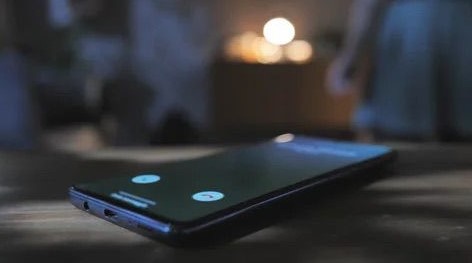
I turned on my phone, which I’d silenced during the taxi ride, and watched the screen light up with notifications.
Seventy-two missed calls.
Not one from Marcus.
All from Jessica.
No voicemails asking if I was safe, if I’d made it back to the airport okay, if I needed anything. Just increasingly frantic texts:
Where are you? Call me immediately This is important Mom Linda please answer We need to talk RIGHT NOW Why aren’t you answering??? Call me or I’m calling the police
Yesterday I was so unwanted my own son closed the door in my face. Today I was urgently needed, and that difference told me more than any apology ever could.
Something was very wrong.
I didn’t call back. Not yet. Instead, I opened my laptop and did something I should have done months ago: I logged into my bank account and started looking through statements.
Because there was one thing I hadn’t told Marcus, one thing only Jessica knew because I’d told her in confidence three years ago during a late-night conversation when she’d seemed warm and friendly and like someone I could trust.
I had money. Not a fortune, but enough to matter.
My mother—Marcus’s grandmother—had died eight years ago and left me everything. A small house in Lubbock that I’d sold, life insurance, savings bonds she’d been collecting since before I was born. After taxes and paying off my debts, I’d had $180,000 left. I’d put it in a savings account and barely touched it, living off my diner wages and Social Security, because that money felt like a safety net I might need someday.
I’d told Jessica about it during her first pregnancy when she’d mentioned how expensive childcare was, how hard it would be to go back to work. I’d offered to help if they ever needed it—not as a gift, but as a loan or maybe support for the grandkids’ education.
She’d hugged me and called me generous and said how lucky Marcus was to have such a supportive mother.
Now, looking at my statements, I saw withdrawals I didn’t recognize. Small at first—$500 here, $800 there—starting about eighteen months ago. Then larger. $2,000. $5,000. One for $15,000 three months ago.
My hands went cold.
I’d set up automatic bill payments years ago for my apartment rent, utilities, phone. But these other transactions… I clicked through to the details and found they were transfers to an account I didn’t recognize.
I called my bank. Sat on hold for twelve minutes listening to smooth jazz while my heart pounded so hard I could feel it in my throat.
Finally, a customer service representative named Angela with a kind voice asked how she could help.
“I’m seeing transactions on my account that I don’t recognize,” I said, trying to keep my voice steady. “Transfers to another account. I need to know who owns that account.”
“I can help with that, ma’am. Can you verify your identity for me?”
I went through the security questions—mother’s maiden name, first pet, street I grew up on—and heard typing on Angela’s end.
“Okay, Mrs. Brennan, I’m showing the account those transfers went to. It’s a joint account under the names Marcus Brennan and Jessica Brennan. Does that sound familiar?”
The room tilted.
“How much?” I whispered. “Total. How much has been transferred to that account?”
More typing. A pause that lasted too long.
“In the past eighteen months, it looks like… $47,300.”
Forty-seven thousand dollars.
Stolen from me by my son and daughter-in-law while they made excuses about why I couldn’t visit, why the video calls needed to end early, why they were always too busy.
“Ma’am? Are you still there?”
“Yes,” I said. “I’m here. Those transfers—were they authorized by me?”
“They show electronic authorization from your account. Did you set up automatic transfers at some point?”
“No.” My voice was shaking now. “I didn’t. I never authorized any of this.”
“Then you may want to file a fraud report. I can transfer you to our fraud department right now if you’d like.”
“Yes,” I said. “Please.”
The next three hours were a blur of phone calls, forms sent to my email, fraud reports filed with the bank and the local police department in Lubbock. The bank froze my account temporarily pending investigation and issued me a new account number that no one else would have access to.
The police asked if I knew who might have had access to my account information. I told them the truth: I’d given my son and daughter-in-law access as emergency contacts three years ago, in case something happened to me. I’d trusted them.
“Unfortunately, ma’am,” the officer on the phone said gently, “this is more common than you’d think. Family members with access to accounts taking advantage. The good news is you have a strong case since you didn’t authorize these transfers. The bad news is prosecution can be complicated when it’s family.”
“I want to prosecute,” I said, surprised by how steady my voice sounded. “I don’t care that he’s my son. He stole from me.”
By the time I hung up, it was past midnight. My phone had been buzzing continuously with calls from Jessica that I’d ignored while dealing with the bank and police.
Now I picked it up and finally called her back.
She answered on the first ring. “Linda! Oh thank God. Where are you? Why did you leave? Marcus said you just showed up without warning and—”
“Why did you take my money?” I asked quietly.
Silence.
“Linda, I don’t know what you’re talking about—”
“Forty-seven thousand dollars, Jessica. From my account. Transferred to yours and Marcus’s joint account over the past year and a half. Why?”
More silence. Then: “You said we could borrow money if we needed it. You offered—”
“I offered to help if you asked. You didn’t ask. You just took it. Without telling me. While making excuses about why I couldn’t visit my grandchildren.”
“We were going to pay you back—”
“When? After you’d drained the entire account? After you’d made sure I had nothing left?”
Her voice changed, got harder. “You have plenty of money, Linda. You live in that tiny apartment and work at a diner when you could retire. You don’t need it. We have kids to raise, a mortgage, expenses you don’t understand—”
“So you stole from me.”
“We borrowed—”
“Without asking. Without my knowledge. That’s called theft, Jessica. And I’ve filed fraud reports with my bank and the police.”
I heard her sharp intake of breath. “You called the police? On your own son?”
“On the people who stole from me. Who shut me out of their lives while stealing from me. Who made me feel crazy for wanting to see my grandchildren while using me as a private ATM.”
“Linda, please, you can’t do this. Marcus could lose his job. We could lose the house. The kids—”
“Should have thought about that before you started stealing.”
“His mother—”
“I was his mother when he needed someone to work three jobs so he could play soccer. I was his mother when I took out loans for his college. I was his mother for twenty-eight years while I gave him everything. But I’m not his ATM. And I’m done.”
I hung up.
My phone immediately started ringing again. I turned it off.
That night, I barely slept. I lay in that hotel bed watching shadows move across the ceiling, thinking about all the signs I’d missed. All the times I’d made excuses for them. All the ways I’d convinced myself I was being paranoid or oversensitive when my instincts had been screaming that something was wrong.
The next morning, I got a call from a detective in the local Florida police department. The Lubbock police had forwarded my case to them since the crime occurred in their jurisdiction.
“Mrs. Brennan? This is Detective Sarah Chen. I’ve reviewed your fraud report and the evidence from your bank. I need to ask you a few questions if you have time.”
“Of course.”
“Can you come down to the station? I’d like to take a formal statement, and there are some documents I need you to look at.”
Two hours later, I sat in Detective Chen’s office—a small, cluttered space that smelled like coffee and old paper—looking at printouts of my bank statements highlighted in yellow.
“This is pretty straightforward theft,” Detective Chen said. She was in her forties, Asian, with her hair pulled back in a neat bun and eyes that missed nothing. “They had access to your account as authorized users for emergencies, and they abused that access to make unauthorized transfers. The pattern shows clear intent—small amounts at first to see if you’d notice, then larger amounts when you didn’t.”
“What happens now?”
“I’ll contact them for questioning. Depending on their response, we may proceed with charges. Given the amount—over $47,000—this is a third-degree felony in Florida. They’re looking at potential prison time if convicted.”
My stomach turned. “Prison?”
“Mrs. Brennan, I know this is your son. But what they did is serious. They systematically stole from you over an extended period while deliberately keeping you away so you wouldn’t discover it. That shows premeditation and planning. A judge won’t look kindly on that.”
“I just want my money back,” I said quietly. “I just want them to admit what they did.”
“I understand. But the law is the law. I’ll reach out to them today.”
I left the police station feeling hollowed out, empty, like someone had scooped out my insides and left just the shell.
My phone, which I’d turned back on, showed more missed calls. But this time, some were from numbers I didn’t recognize.
I listened to the voicemails.
One was from a lawyer—Jessica’s lawyer—demanding I drop all charges and threatening to sue me for defamation.
Another was from Marcus finally, his voice tight with barely controlled rage: “I can’t believe you’d do this to your own family. Over money. After everything we’ve done for you. Don’t contact us again. You’re not welcome in our lives.”
Everything they’d done for me.
I almost laughed, except nothing about this was funny.
The third voicemail made me sink onto a bench outside the police station.
It was from a woman named Carol Richardson. “Mrs. Brennan, you don’t know me, but I’m Jessica’s mother. I just learned what’s happening, and I need to talk to you. Please call me back. Please.”
I called her back.
Carol Richardson answered immediately, and her first words were: “I’m so sorry. I’m so, so sorry.”
“For what?” I asked carefully.
“For my daughter. For what she’s done. I didn’t know—I swear I didn’t know until Marcus called this morning trying to get us to talk you out of pressing charges. And when he told me what they’d done…” Her voice broke. “Mrs. Brennan, I am mortified. Ashamed. If I’d known Jessica was capable of this—”
“Did you know they were keeping me away from the kids?”
A long pause. “I knew they were… limiting your visits. Jessica said you were becoming overbearing, that you were trying to undermine her parenting, that it was healthier to have some distance. I believed her because she’s my daughter, and I didn’t think she’d lie about something like that. But now…”
“She was lying.”
“She was lying,” Carol agreed, her voice heavy with grief. “And I helped her do it by believing her version of events without question. I’m sorry, Mrs. Brennan. You deserved better than this. From all of us.”
We talked for over an hour. Carol told me things I hadn’t known—that Jessica and Marcus were in serious financial trouble because Marcus had made bad investments, that they’d been fighting constantly about money, that Jessica had been taking anxiety medication and seeing a therapist.
None of it excused what they’d done, but it helped me understand how they’d justified it to themselves. In their minds, I had money I didn’t need, and they had children to support. Taking from me probably felt like borrowing from a family pot rather than stealing from a person.
But intentions don’t change actions. And the impact on me—the isolation, the confusion, the betrayal—remained the same regardless of how they’d rationalized it.
“What will you do?” Carol asked.
“I don’t know,” I admitted. “Part of me wants to drop everything and go home. Pretend this never happened. But I can’t. Because they’ll do it again. And because my grandchildren deserve to know their grandmother, and I deserve to be in their lives.”
“I agree,” Carol said firmly. “For what it’s worth, I’ll testify on your behalf if this goes to court. I’ll tell them exactly what Jessica told me and how she manipulated the situation. You didn’t deserve any of this.”
After we hung up, I sat on that bench for a long time, watching Florida traffic go by, feeling the humid air settle on my skin.
That night, Detective Chen called. “I interviewed your son and daughter-in-law this afternoon. They’ve admitted to the transfers but claim you gave verbal permission.”
“I didn’t.”
“I believe you. The pattern of behavior—keeping you away while taking the money—strongly suggests they knew they were doing something wrong. I’ve recommended the DA file charges. Given the amount and the circumstances, they’re likely to offer a plea deal first. Restitution, probation, possibly community service. Would you be willing to accept that?”
“If they pay back every penny with interest, admit what they did in writing, and agree to regular, unsupervised visitation with my grandchildren—yes. If they refuse, I want to go to trial.”
“That’s fair. I’ll communicate your terms.”
Three days later, Marcus and Jessica’s lawyer called. They wanted to meet to discuss a settlement.
We met in a conference room at the lawyer’s office—sleek and modern with a view of downtown Orlando. Marcus and Jessica sat on one side of the table with their lawyer. I sat on the other side with Carol Richardson beside me, there for moral support.
Marcus wouldn’t look at me. Jessica’s eyes were red and swollen from crying.
Their lawyer—a man in his sixties wearing an expensive suit—spoke first. “Mrs. Brennan, my clients are willing to offer full restitution of the $47,300, paid in monthly installments over five years—”
“No installments,” I interrupted. “Full payment within ninety days, or I proceed with criminal charges.”
“That’s not reasonable—”
“You want to talk about reasonable?” I leaned forward. “For eighteen months, while they were stealing from me, they kept me away from my grandchildren with lies and excuses. They made me feel like I was losing my mind for wanting to be part of my family. So no, I’m not interested in what’s convenient for them. Full payment in ninety days, a written admission of what they did, and a formal visitation agreement guaranteeing me time with Emma and Tyler. Those are my terms.”
Marcus finally looked up, his face hard. “You’re willing to destroy your own son’s life over this?”
“I’m willing to hold my son accountable for stealing from me. There’s a difference.”
“We needed that money—”
“Then you should have asked. Like adults. Like family. Instead, you stole and lied.”
Jessica started crying harder. “I’m sorry,” she sobbed. “I’m so sorry. We were desperate and stupid and I convinced Marcus it would be okay, that you’d understand if you knew—”
“I would have helped if you’d asked,” I said quietly. “I would have done anything for you. But you didn’t ask. You just took.”
Their lawyer tried again. “Mrs. Brennan, they can’t pay $47,000 in ninety days. They don’t have it.”
“Then they’ll figure it out. Sell something. Take out a loan. Ask their friends who they told I was an overbearing grandmother to lend them money. I don’t care how they get it, but they will get it, or I will see them prosecuted.”
The lawyer exchanged a look with Marcus and Jessica. “Can we have a moment to confer?”
I nodded and walked outside with Carol.
“You’re being tough,” she said.
“I’m being fair. If they’d shown any remorse before getting caught, if they’d apologized without making excuses, maybe I’d feel differently. But all I’m hearing is justifications and self-pity.”
Twenty minutes later, we were called back in.
“My clients agree to your terms,” the lawyer said stiffly. “Full restitution within ninety days. A written statement acknowledging their actions. And a visitation agreement guaranteeing you time with the children.”
“Good,” I said. “I want it in writing by tomorrow.”
“There’s one more thing,” Jessica said, her voice small. “The kids. They’ve been asking about you. Emma keeps saying she misses Grandma Linda. I… I told them you were sick and couldn’t visit. But now…”
“Now you’ll tell them the truth. Age-appropriately, but the truth. And you’ll facilitate regular video calls until the next in-person visit.”
She nodded, tears streaming down her face.
As I stood to leave, Marcus finally spoke. “I don’t know if I can forgive you for this.”
I stopped, turned, looked at my son—this man I’d raised, sacrificed for, loved with everything I had.
“That’s okay,” I said. “Because I don’t know if I can forgive you either. But maybe someday we can both try.”
Three months later, I received the final payment. The full $47,300 plus interest, deposited into my new account they had no access to.
True to their word, they’d facilitated weekly video calls with Emma and Tyler. At first, the calls were awkward, supervised, brief. But slowly, Emma started opening up again, telling me about preschool and her new friend Sophia. Tyler started recognizing my face on the screen and reaching for the phone.
Last week, I flew to Florida for my first in-person visit since this all started. The court-mandated agreement guaranteed me one weekend per month.
When I knocked on that door, Jessica opened it. Her eyes were still cool, her smile still didn’t reach her eyes, but she stepped aside and let me in.
“Emma’s in her room,” Jessica said quietly. “Tyler’s napping. You can go see her.”
I found Emma sitting on her bedroom floor surrounded by dolls. When she looked up and saw me, her face split into the biggest smile I’d seen in a year.
“Grandma!” She launched herself at me, and I caught her, holding tight while she chattered about everything I’d missed—her new bike, the loose tooth that had finally fallen out, the goldfish named Sparkle that had died and had a funeral in the backyard.
Later, when Tyler woke from his nap, he was shy at first, clinging to Jessica’s leg. But I sat on the floor with toys and let him come to me at his own pace. Eventually, he toddled over, grabbed a block I was holding, and laughed when I pretended to try to take it back.
Marcus didn’t come home until dinner time. When he did, he nodded at me curtly and disappeared into his office.
But I didn’t come for Marcus. I came for Emma and Tyler, who deserved to know their grandmother regardless of what their parents had done.
That night, putting Emma to bed in the guest room where I’d be sleeping, she looked up at me with those serious dark eyes and asked, “Grandma, why didn’t you come visit for so long? Were you really sick?”
I’d known this question was coming. Had rehearsed different answers in my head.
“I wasn’t sick, sweetie. Your mommy and daddy and I had some grown-up problems we needed to fix. But we’re fixing them now, and I’m going to visit more often. Okay?”
“Okay.” She yawned. “I missed you.”
“I missed you too, baby. So much.”
After she fell asleep, I sat in the living room with Jessica. Marcus was still in his office, door closed.
“Thank you for letting me come,” I said.
Jessica nodded. “I know you think I’m a terrible person—”
“I think you made terrible choices. There’s a difference.”
“I convinced myself you didn’t really need the money. That you were just hoarding it while we were struggling. I know that’s not an excuse, but… I need you to know I didn’t do it lightly. I felt guilty every time. But not guilty enough to stop.”
“Why didn’t you just ask me?”
She was quiet for a long time. “Because asking meant admitting we’d failed. That Marcus’s big tech job wasn’t enough, that we couldn’t afford the house and the cars and the life we’d told everyone we had. Taking from you silently meant we could keep pretending everything was fine.”
“Pride,” I said.
“Pride,” she agreed. “And fear. And stupidity.”
We sat in silence for a while, not comfortable exactly, but not hostile either. Something like the beginning of understanding, maybe. Or at least the acknowledgment that we’d both been hurt and had both caused hurt.
“Will you ever forgive us?” Jessica asked quietly.
“I don’t know,” I said honestly. “But I’m willing to try. For Emma and Tyler. They deserve better than a broken family.”
“They do,” she agreed.
That night, lying in the guest room, I thought about that moment on the porch months ago when Marcus had told me to leave. About the choice I’d made to fight back instead of quietly disappearing.
It had been the hardest thing I’d ever done. Harder than raising a child alone. Harder than working three jobs. Harder than living on ramen so my son could have piano lessons.
Because fighting meant risking losing them forever. Fighting meant public shame and criminal investigations and forcing my son to face consequences for hurting me.
But not fighting would have meant accepting that I didn’t matter. That my pain was less important than their comfort. That love meant letting people hurt you without ever demanding they stop.
I’d spent twenty-eight years being the kind of mother who sacrificed everything, who never made waves, who swallowed her needs so her child could thrive.
But I’d learned something in that hotel room, staring at those bank statements: You can’t build real relationships on silence and sacrifice. You can’t teach children to respect you by never demanding respect. And you can’t love someone enough to make them love you back the way you deserve.
Real love requires honesty. Accountability. The courage to say “you hurt me” and demand that they do better.
So I’d fought. And I’d won. Not everything—Marcus and I might never have the relationship I’d dreamed of. But I’d won my place in my grandchildren’s lives. I’d won the right to exist as a person, not just a resource. I’d won my dignity.
And sometimes, that’s enough.
My phone buzzed with a text from Carol: How’s the visit going?
Better than expected, I typed back. The kids are happy. That’s what matters.
You did good, Linda. I’m proud of you.
I smiled at that. Proud of me. When was the last time someone had said that?
The next morning, I made breakfast for Emma and Tyler—Mickey Mouse pancakes that Emma decorated with chocolate chips while Tyler smashed banana pieces into his high chair tray.
By the time the pancakes were gone and the dishes were stacked to dry, something inside the house felt different—not healed, not fixed, but steadier. Like a bone that had finally been set, even if it still ached.
When I hugged Emma goodbye that afternoon, she wrapped her arms around my neck and whispered, “You’ll come back, right?”
“Yes,” I said without hesitation. “I will.”
And I meant it—not as a plea, not as a hope, but as a promise grounded in something new: boundaries.
On the flight home to Texas, I looked out the window at the clouds and realized I wasn’t replaying the porch scene anymore. I wasn’t rehearsing arguments or rewriting conversations in my head. I felt tired, yes—but also lighter.
For the first time, my presence in my son’s life wasn’t something I had to earn by shrinking. It existed because I’d finally refused to disappear.
I don’t know what the future holds. Marcus and I are still careful with each other, like people learning a new language. Jessica and I are polite, guarded, honest when it matters. Some wounds take time.
But I know this: I am no longer begging for a seat at the table I helped build.
I am a mother. A grandmother. A woman who chose herself without abandoning love.
And that choice—quiet, terrifying, necessary—changed everything.

Adrian Hawthorne is a celebrated author and dedicated archivist who finds inspiration in the hidden stories of the past. Educated at Oxford, he now works at the National Archives, where preserving history fuels his evocative writing. Balancing archival precision with creative storytelling, Adrian founded the Hawthorne Institute of Literary Arts to mentor emerging writers and honor the timeless art of narrative.