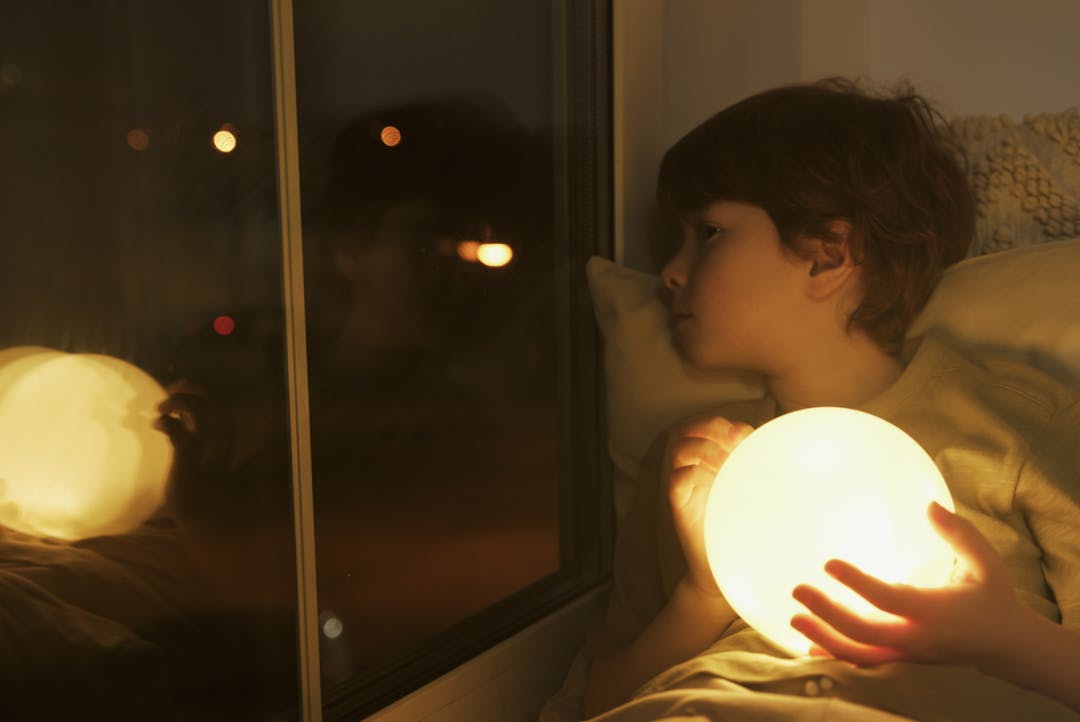
The Liquidated Asset
The snow didn’t fall on Blackwood Ridge; it assaulted it. The wind howled through the skeletal trees like a dying animal, stripping the warmth from the air until every breath felt like inhaling glass shards.
Inside the Sterling Estate, however, the climate was controlled, expensive, and perfect.
The annual Sterling Christmas Eve Gala was the pinnacle of the social calendar. Senators, tech moguls, and local celebrities mingled under twenty-foot ceilings adorned with crystal chandeliers that cost more than most people earned in a decade. A string quartet played Vivaldi in the corner, competing gently with the clinking of champagne flutes and the polite, hollow laughter of the elite.
I arrived late. My black SUV crunched up the long, winding driveway, the headlights cutting through the blizzard like searchlights. I wasn’t here to celebrate. I was here because attendance was mandatory. As the adopted “success story” of the Sterling family—the orphan turned cybersecurity prodigy—my presence was required to complete the tableau of their benevolence.
Twenty-eight years old, a six-figure salary, and a corner office downtown. I was their billboard. Their proof that the system worked, that charity paid dividends, that the Sterling family name meant something noble.
I reached the massive iron gates. They were locked. Strange. Usually, they were wide open for the valet service during events like this.
I punched in my code on the security panel. Access Denied.
I frowned and tried again, entering the numbers more carefully. Access Denied.
Then, through the swirling white chaos, I saw it.
About fifty yards down the road, near the edge of the dense forest that bordered the property, there was a lump in the snow. It was too small to be a deer. Too colorful to be a rock. Too human-shaped to ignore.
It was pink flannel.
My heart stopped. I slammed the car into park and sprinted through the knee-deep snow. The cold bit through my suit instantly, cutting through the Italian wool like it was tissue paper, but I didn’t feel it. My heart was hammering a frantic rhythm against my ribs.
“Mia!”
She was curled into a fetal ball, half-buried in a drift that had formed against a fallen log. Her skin was a terrifying shade of marble-white with bluish undertones. Her lips were the color of a bruise. She wasn’t moving.
I scooped her up. She was light—too light for an eight-year-old. She felt like a bird that had frozen on a branch, fragile and hollow. I ran back to the car, my dress shoes slipping on the ice, nearly sending us both crashing down. I ripped the back door open and laid her on the leather seat. I cranked the heat to maximum and redirected all the vents toward her.
“Mia, look at me. Open your eyes.”
Her eyelids fluttered weakly. They were heavy, crusted with ice crystals that had formed on her lashes. “Liam?” she whispered. Her voice was a broken reed, barely audible over the howling wind.
“I’m here. You’re safe. I’m taking you inside right now.”
Her eyes snapped open, suddenly wide with a terror so profound it made my blood run cold.
“No!” she shrieked, her small hands grabbing my wrist with a strength that shouldn’t have been possible. “Please! Don’t take me back! Father said I’m a bad investment. He said bad investments get liquidated.”
“What are you talking about?”
“He threw me out,” she sobbed, her teeth chattering so hard I feared they would shatter. “He said if I came back to the door, the doctors would come. The doctors with the needles. He said I wouldn’t wake up. He said it would be peaceful.”
I stared at her, my mind struggling to process the words. “Did he hit you, Mia?”
She didn’t answer. She just pulled her knees to her chest and turned her face away.
Gently, forcing my hands to stop shaking, I pulled back the collar of her soaked pajama top. I expected redness. I expected a bruise, maybe some scratches from the woods.
I didn’t expect a brand.
There, on her left shoulder blade, was a deep, purple-black welt. It wasn’t random. It had edges. Ridges. It was deliberate. It was the shape of a shield with a lion rampant—the Sterling Family Crest.
The heavy gold signet ring my father wore on his right hand. He hadn’t just hit her. He had struck her with the full force of his authority, pressing the metal into her flesh until it left a mark. Branding her like cattle.
“Oh my God,” I breathed. The rage that filled me was sudden and absolute. It was cold, like the snow outside, crystallizing into something sharp and deadly.
“I found the book,” Mia whispered, reaching into her pocket with a trembling hand. “I took a page. Is this why they hurt me? I didn’t mean to be bad. I just wanted to know why my name was in the special cabinet.”
She pulled out a crumpled, wet piece of paper. I unfolded it carefully, my hands shaking.
It wasn’t a page from a book. It was a printed document, official and legal.
CERTIFICATE OF DEATH State of Connecticut Name: Mia Rose Sterling Date of Birth: March 3, 2016 Date of Death: December 25th, 2024 Cause: Accidental Hypothermia Attending Physician: Dr. Robert Evans, MD
Today was December 24th.
They hadn’t just kicked her out into the storm. They had scheduled her death for tomorrow morning. They had prepared the paperwork in advance.
My phone rang. The screen lit up with a photo of the estate gates. “Home.”
I stared at it. Every instinct in my body screamed to drive to the police station. But I knew better. Chief Miller was at the party right now, drinking my father’s thirty-year-old scotch. The judge who had signed my adoption papers—and Mia’s—was likely eating the caviar canapés. The district attorney played golf with Arthur Sterling every Sunday.
If I went to the police, Mia would be “returned to her loving parents,” and I would be arrested for kidnapping and parental interference.
I needed time. I needed evidence. And to get that, I had to play the game one last time.
I answered the phone, keeping my voice steady.
“Liam?” My mother’s voice was smooth, cultured, and laced with barely concealed irritation. “Where are you? The Senator is asking for you. You know how he values punctuality.”
“I’m at the gate, Mother,” I said. My voice sounded calm, detached. It sounded like someone else’s voice. “The security code isn’t working.”
“Oh, dear. We locked it early tonight. There was an… incident.” Her tone shifted, becoming conspiratorial, almost gleeful. “Have you seen a stray dog on the road? Or perhaps… our little Mia?”
The way she said “our little Mia” made my skin crawl. Like she was discussing a lost purse.
“Mia?” I asked, injecting confusion into my voice. “Is she missing?”
“The child is sick, Liam,” my father’s voice boomed from the background, closer to the phone now. “She had a psychotic break this evening. Completely unprovoked. She attacked your mother, broke a Ming vase worth twenty thousand dollars, and ran out into the storm before we could stop her. She’s a pathological liar, son. Dangerous, even. If you see her, do not engage. Just bring her to the service entrance. We have medical professionals waiting to sedate her for her own safety.”
I looked at Mia in the rearview mirror. She was weeping silently, pressing the heater vent against her frozen face, her whole body trembling.
“I see her,” I lied, making my voice urgent. “She’s about a hundred yards from the gate. She looks… agitated. Manic.”
“Grab her,” my father commanded, his voice sharp. “Bring her to us immediately. Use force if necessary. Don’t let the guests see.”
“I can’t,” I said. “She’s fighting me. She’s screaming things. If I drag her in now, everyone at the party will hear. The Senator will see. The press might get wind of it.”
Silence on the line. I could practically hear the gears turning in Arthur Sterling’s head. The Sterlings feared nothing except public embarrassment and damaged reputation.
“What do you suggest?” my mother asked, her voice tight.
“I’ll take her to my apartment,” I said. “It’s ten minutes away. I’ll get her warm, calm her down, give her something to help her sleep. Once the guests leave and the party’s over, I’ll bring her back quietly through the service entrance. That way, the gala isn’t ruined, and there’s no scene.”
A long pause. I held my breath, counting the seconds. Five. Ten. Fifteen.
“Good boy,” my father said finally, approval warming his voice. “We knew we could count on your loyalty. You were always the grateful one, Liam. The smart one. Keep her quiet and sedated. Call us when you have her secured. Or we’ll have to handle both of you.”
The threat hung in the air for a moment before the line went dead.
“Grateful,” I muttered, tossing the phone onto the passenger seat. “I’m grateful you just confessed to conspiracy to commit murder.”
I put the car in reverse, but I didn’t drive to my apartment immediately. I drove slowly along the perimeter of the estate wall, keeping my headlights off. My phone, still connected to the car’s Bluetooth system, picked up the “Sterling_Guest” WiFi signal that blanketed the property.
I wasn’t just a son. I was the head of Cybersecurity for Sentinel Solutions, a Fortune 500 company that protected banks and government agencies from hackers. A career my adoptive parents had paid for, ironically, to ensure I could protect their digital assets and maintain their privacy.
I opened my laptop, balancing it on the steering wheel. I didn’t hack the firewall; I had built the firewall three years ago as a “gift” to my father. I had also created a backdoor, a digital skeleton key, just in case I ever needed access.
I executed a script. Keylogger_Install.exe.
Within seconds, a stream of data began flowing onto my screen. Every keystroke my father made on his office computer would now be mirrored to me in real-time.
I watched as text appeared, the words forming while I sat in the darkness.
From: Arthur Sterling To: J. Miller (Legal Counsel) Subject: The Asset
Liam has the package. He is containing it for the night per our conversation. Prepare the paperwork for a tragic accidental death tomorrow morning, December 25th. Hypothermia, as discussed. Make it airtight. And contact the adoption agency—have them prepare the next shipment. We need a boy this time, age 6-8. Higher state subsidy payout for behavioral disorder cases.
“Shipment,” I whispered, staring at the screen.
They weren’t parents. They were traffickers in human lives, farming children for government subsidies and insurance payouts.
I drove to my apartment in silence, my mind racing through possibilities and plans. Mia had fallen into an exhausted sleep in the back seat, her breathing finally evening out.
My apartment was a fortress of solitude—minimalist, cold, and secure. Twelve hundred square feet of white walls, chrome fixtures, and high-end security systems. It had always felt empty before. Tonight, it felt like a bunker.
I carried Mia inside, wrapped her in every blanket I owned, and made her hot cocoa with extra marshmallows. She drank it with shaking hands, her eyes darting around the room as if expecting the walls to sprout hands and grab her.
“You’re safe here,” I told her, kneeling to meet her eyes. “I promise you, Mia. Nobody is going to hurt you ever again.”
“They’ll come,” she whispered, her voice small and broken. “The doctors always come when children are bad investments.”
“How many doctors have you seen, Mia?”
“Three. They came for Sarah. She cried too much. Then David. He broke father’s golf club. Then they came for me once before, but mother said I wasn’t ready yet. She said I needed to mature first.”
My blood ran cold. “Who are Sarah and David?”
“My brother and sister. But they went away. Mother said they found better homes. But I heard father say they were liquidated. What does liquidated mean, Liam?”
I couldn’t answer. My throat had closed completely.
While she eventually drifted into a fitful sleep on my couch, twitching and whimpering through nightmares, I went to work.
I sat at my multi-monitor setup and opened the Sterling Private Cloud—the family’s personal server where Arthur kept everything from financial records to security footage. I bypassed the military-grade encryption using my father’s own password—Legacy1990—which the keylogger had helpfully provided.
What I found made bile rise in my throat.
There were folders. Dozens of them. Each labeled with a name and date range.
Project: Sarah Morrison (2010-2012) – Liquidated. ROI: $1.8M Project: David Chen (2014-2015) – Returned (Defective). Loss: $45K Project: Christopher Hayes (2016-2018) – Liquidated. ROI: $2.1M Project: Mia Sterling (2020-2024) – Matured. Pending liquidation.
And then, buried near the bottom of the directory, I saw it.
Project: Liam Sterling (1999-Present) – Active. Retain indefinitely.
My hand hovered over the mouse. My heart was pounding so hard I could hear it. I clicked.
Photos of me as a child filled the screen. Me at ten, winning the regional spelling bee, my gap-toothed smile bright with pride. Me at sixteen, accepting a full-ride scholarship to MIT, shaking hands with the university president. Me at twenty-one, graduating summa cum laude in computer science. Me at twenty-five, receiving a promotion.
But the notes underneath weren’t proud parental observations. They were clinical assessments, cold and calculating.
Subject: Liam Sterling (Legal name, acquired 1999) Age at acquisition: 11 years Initial investment: $12,000 (legal fees, initial placement) State subsidy total (1999-2010): $287,000 Current value: Incalculable. Subject shows exceptionally high intelligence. Natural manipulative capability suggests psychopathic markers—beneficial for family image. Retain for public relations and image maintenance indefinitely. Do not liquidate under any circumstances. Emotional attachment: Minimal to none. Investment return: Infinite. Useful for managing future assets and maintaining technical security systems.
I wasn’t a son. I was a PR prop, a billboard they used to advertise their benevolence to the world. “Look at the poor orphan we saved. Look how successful he became under our guidance.”
I was their shield against scrutiny. And Mia… Mia was their paycheck.
I dug deeper into the financial records, following the money trails with the practiced eye of someone who tracked digital fraud for a living.
The Sterlings specialized in adopting “high-needs” children—kids with behavioral issues, medical problems, developmental delays. The state paid them massive subsidies, sometimes up to $5,000 per month per child, to cover specialized care that was never actually provided.
They also took out life insurance policies on each child through a network of shell companies, claiming the children had fragile health and hereditary conditions. The policies were always carefully structured to vest right before the child aged out of the subsidy system.
When the subsidies ran out, or when the child became difficult to manage, or when the insurance policy matured… the child had an “accident.”
Mia’s insurance policy was worth $2.3 million. It had vested yesterday, December 23rd. She was set to die on Christmas morning—poetic timing that would garner sympathy and deflect suspicion.
I found the video files next. Nanny cam footage from throughout the house, stored and encrypted. My father kept everything, probably as insurance against potential whistleblowers.
I watched my mother—elegant, cultured Vanessa Sterling—hold a lit cigarette to Mia’s arm in the kitchen while the child sobbed.
“Stop crying,” Vanessa said calmly, her voice as smooth as if she were commenting on the weather. “You’re damaging the merchandise. If you bruise your face, we can’t take the Christmas photos for the adoption agency brochure. We need you looking grateful and healthy for the next placement.”
I watched my father strike Mia across the face with the back of his hand—the hand wearing the signet ring—because she had spilled juice on his newspaper.
I watched Dr. Evans, the kindly family physician who had treated my childhood ear infections, inject something into the arm of a boy I didn’t recognize while my parents watched from the doorway.
“How long until it takes effect?” Arthur asked.
“The sedative will make him drowsy within minutes,” Dr. Evans replied, disposing of the syringe. “He’ll wander outside in his confused state, as children sometimes do. The cold will do the rest. I’ll sign the death certificate in the morning. Tragic accident. You have my condolences.”
I was going to be sick. I stumbled to the bathroom and vomited until there was nothing left.
A heavy, rhythmic pounding on my front door shattered the silence.
Mia woke up with a bloodcurdling scream.
“Liam!” a voice shouted from the hallway. “Open up! It’s Dr. Evans. Your father sent me to check on the girl. We need to make sure she’s medically stable.”
I moved to the door and looked through the peephole.
Dr. Evans was standing in the hallway, but he wasn’t alone. He wasn’t holding a medical bag. He was holding a syringe filled with clear liquid. And standing behind him were two men I didn’t recognize—thick-necked, cold-eyed men in heavy coats. I could see the outline of crowbars beneath their jackets.
They weren’t here to check on her. They were here to finish the job.
“Go away,” I shouted, my voice steady despite the adrenaline flooding my system. “She’s sleeping peacefully. I’ll bring her back in the morning.”
“Open the door, Liam,” Dr. Evans said, his kindly facade dropping completely. His voice was flat, businesslike. “Your father’s orders. This needs to be done tonight. The timeline is critical. We can’t risk complications.”
“I said no.”
“Then we’ll break it down. Your father wants this asset liquidated before dawn. Don’t make this difficult.”
I grabbed my laptop. I grabbed my coat.
“Mia,” I whispered urgently, rushing to the couch and shaking her awake. “We have to go. Right now.”
“Where?” she cried, tears already streaming down her face.
“The fire escape. Come on.”
Behind us, the front door shuddered under a heavy impact. They were using something—a battering ram, maybe, or just brute force.
We ran to the back window. The fire escape was frozen shut, ice sealing the frame. I kicked it once, twice, three times. My expensive dress shoe cracked, but the window groaned and gave way. The metal grate swung open, revealing the wind and darkness and a sheer drop of four stories into a dark, garbage-strewn alley.
“I can’t,” Mia sobbed, looking down at the void.
“You have to,” I said. Behind us, the front door splintered with a deafening crack. I could hear men’s voices, heavy footsteps entering my apartment.
I climbed out first onto the icy metal platform, reaching back for her. “Jump to me, Mia. Trust me. I will catch you. I will never, ever drop you.”
She jumped.
I caught her, the impact nearly sending us both over the railing. My ribs cracked against the metal bar and pain exploded through my chest, but I held on. We scrambled down the icy metal stairs, the wind biting our faces, the metal slick and treacherous. Above us, I heard men shouting, saw the beam of a flashlight cutting through the snow.
We hit the alley floor and ran. We ran until my lungs burned and my vision blurred. We ran until we found an all-night internet café—a grimy place in the old industrial district with no cameras, filled with gamers and insomniacs who wouldn’t look twice at a man in a torn suit carrying a child in pink flannel pajamas.
I bought a private booth in the back. I sat Mia down and booted up my laptop.
My phone buzzed. A text message from Chief Miller.
From: Chief Miller Your father filed a kidnapping report twenty minutes ago. You are considered armed and dangerous. Courts granted shoot-to-kill authorization for officer safety. Don’t make this messy, son. Just bring the girl in. We’ll say you had a breakdown. Treatment instead of prison. But only if you comply in the next hour.
I stared at the screen. The police were hunting me. The “doctors” were hunting me. The entire Sterling network was mobilized.
I looked at Mia. She was holding my hand with both of hers, her eyes wide with trust she shouldn’t have had in anyone after what she’d been through.
“Are we going to die?” she asked.
“No,” I said. A cold calm settled over me like ice water, clarifying everything. “We aren’t going to die. We’re going to a party.”
I didn’t drive away from the estate. I drove back toward it.
It was the last thing they would expect. They thought I was running for the Canadian border, or cowering in a motel under a fake name. They didn’t think I would walk right back into the lion’s den.
I parked the SUV in the woods, half a mile from the house, hidden behind a snow-covered maintenance shed. I left Mia in the car, buried under blankets with the engine running and the doors locked. I put a burner phone in her hand.
“If I’m not back in thirty minutes,” I told her, looking into her frightened eyes, “you press this button. It calls the FBI field office in Hartford. You tell them everything. You tell them about the certificate. You tell them about Dr. Evans. You tell them about Sarah and David. Can you do that?”
“Don’t leave me,” she whispered, clutching my sleeve.
“I have to finish this, Mia. I have to turn off the monsters so they can never hurt another child. But I promise you, I’m coming back.”
I sprinted through the woods, using paths I’d memorized as a teenager. I knew every inch of this estate. I knew the blind spot in the security cameras near the garage entrance. I knew the maintenance code that hadn’t been changed in five years.
I slipped into the garage. It was warm, heated for the expensive cars. I could hear the muffled sounds of the party above—laughter, music, the crystal-clear tinkling of champagne glasses.
I found the main AV rack—the central server that controlled the lights, sound system, security feeds, and the massive projection screen in the ballroom.
I plugged in my laptop and my fingers flew across the keyboard.
Upstairs, in the glittering ballroom, my father Arthur Sterling tapped his crystal glass with a silver spoon. The room quieted immediately, two hundred faces turning toward him with practiced attention.
“Ladies and gentlemen,” he began, his voice rich and warm with false benevolence, “thank you for joining us on this most holy of nights. As we celebrate with abundance, let us never forget those less fortunate. The children who have no home, no family, no future. The children we try to save, one precious life at a time.”
He gestured to a photo montage playing on the screen behind him—carefully curated images of smiling children, including a years-old photo of me receiving my scholarship, and one of Mia looking angelic in a white dress.
“To the children!” the crowd toasted, raising their glasses.
In the garage, my fingers hovered over the enter key.
I hit it.
The ballroom went black. The music cut out with an electronic screech. Champagne glasses paused halfway to lips.
“What’s going on?” Arthur demanded, his voice sharp with irritation. “Lights! Someone get the damned lights back on!”
Then, the massive screen behind him flickered to life, bathing the room in harsh white light.
It wasn’t a Christmas greeting. It wasn’t a family photo.
It was a scanned document, blown up to fifteen feet wide.
CERTIFICATE OF DEATH – MIA ROSE STERLING – DECEMBER 25, 2024 – ACCIDENTAL HYPOTHERMIA
A confused murmur rippled through the crowd. “Is that… some kind of macabre joke?” a woman’s voice called out nervously.
Then the audio kicked in. My father’s voice, recorded from our phone call earlier that night, boomed through the professional speaker system at maximum volume, crystal clear and damning.
“The child is sick, Liam. She had a psychotic break. She’s a pathological liar, son. Dangerous. If you see her, do not engage. Just bring her to the service entrance. We have doctors waiting to sedate her.”
Arthur Sterling froze on the stage. His face went from ruddy with wine to pale as the snow outside.
The image changed. The video file I’d recovered from the nanny cam footage began to play.
It showed Vanessa Sterling, elegant in her pearls and cashmere, standing over Mia in the gleaming kitchen. Mia was crying, her small shoulders shaking. Vanessa held a lit cigarette delicately between two manicured fingers. She pressed it deliberately, slowly, into Mia’s forearm.
“Stop crying,” Vanessa’s voice said calmly from the speakers. “You’re damaging the merchandise, darling. If you bruise your face before the photos, we can’t use you for the brochure. Then what good are you?”
The ballroom erupted. Screams. Gasps. Several people dropped their glasses, crystal shattering on the marble floor. The Senator looked like he was going to vomit. A prominent news anchor was already on her phone.
Arthur turned to the tech booth, screaming, his face contorted into a mask of pure rage. “Cut it! Cut the feed! Kill it now! This is a hack!”
The next image appeared. It was the spreadsheet—the complete list of children with dates and causes of death, each line item noting the insurance payout received.
Sarah Morrison: Accidental drowning, 2012. $1,800,000. Christopher Hayes: Fall from stairs, 2018. $2,100,000. David Chen: Returned to state (medical issues detected). Loss: $45,000.
Then, the final video. Dr. Evans injecting a sedative into a young boy’s arm while Arthur and Vanessa watched.
“How long until it takes effect?” Arthur’s voice asked.
“Minutes. He’ll wander outside confused. The cold will do the rest.”
I walked out onto the balcony overlooking the ballroom. I was covered in snow from my sprint through the woods. My suit was torn, my face was bloody from a branch that had caught me. I looked like a ghost, an avenging spirit.
“You can’t cut the truth, Father!” I shouted. My voice echoed off the vaulted ceiling like thunder.
Every head in the ballroom turned up to look at me.
“Liam!” my mother shrieked, pointing a shaking, accusatory finger. “He’s insane! He hacked our system! This is fabricated! This is defamation!”
“Look at the screen!” I yelled back. “Look at the dates! Look at the death certificates! Look at what you did!”
Chief Miller, standing by the bar with his hand near his service weapon, realized the game was catastrophically up. He drew his gun, but he didn’t aim at Arthur. He aimed at me.
“He’s armed!” Miller shouted, trying desperately to create justification. “He has a weapon! He’s threatening the guests! Everybody down!”
He raised the gun. I didn’t move. I didn’t flinch. I just stood there, looking down at him.
“Go ahead, Miller,” I said, my voice calm and cold. “Shoot me in front of two hundred witnesses. But you might want to look at the door first.”
The main entrance doors of the ballroom burst open with enough force to crack the hinges.
It wasn’t the local police.
It was federal agents in tactical gear. A SWAT team in full body armor. And behind them, men and women in dark windbreakers with three bright yellow letters: FBI.
I hadn’t just called a tip line. I had sent the entire data dump—every file, every video, every financial record—to the FBI’s Crimes Against Children Division forty-five minutes ago, along with my exact location and a detailed summary.
“Federal Agents!” a voice bellowed, amplified and authoritative. “Drop your weapon immediately! Hands where we can see them!”
Miller froze. Red laser dots danced across his chest from multiple angles. He slowly, very slowly, lowered the gun to the floor.
Arthur Sterling tried to run. He actually tried to sprint toward the kitchen exit. Two federal agents tackled him before he made it five steps. He hit the polished marble floor hard, his nose cracking with a wet, satisfying crunch. Blood pooled beneath his face.
Vanessa stood perfectly still, her champagne flute still in her hand. She looked up at me on the balcony. Her eyes weren’t filled with remorse or shame. They were filled with pure, crystalline hatred.
“I gave you everything,” she hissed as agents moved to handcuff her. “We saved you from nothing. We made you somebody.”
“You gave me nothing,” I said, my voice carrying through the now-silent ballroom. “You rented my soul. You bought my silence. And the lease just expired.”
Dr. Evans tried to slip out through a side door. He was tackled by three agents and zip-tied within seconds.
The lead FBI agent, a woman with steel-gray hair and hard eyes, looked up at me. “Liam Sterling?”
“That’s me.”
“We’re going to need you to come down here and give a formal statement. And we need to know where the child is. Where’s Mia?”
“She’s safe,” I said. “She’s waiting for me.”
The arrest was chaos and absolute justice intertwined.
The FBI seized everything. The computers, the files, the hidden safe behind the Renoir in Arthur’s study. They found $340,000 in cash prepared for a quick escape. They found passports with fake names. They found files on twelve other children, some living, some dead.
I walked down the grand staircase as they dragged my father away in handcuffs. He was still trying to maintain his dignity, still playing the role.
“I am Arthur Sterling! I am a philanthropist! You can’t do this to me! I know the governor!”
“You’re a serial child murderer,” the lead agent said flatly. “And you’re going to die in prison.”
I walked past him. I didn’t look at him. I walked out the front door into the snow and the flashing lights of twenty police cars and FBI vehicles.
I walked toward the woods. An agent tried to stop me, stepping into my path.
“Sir, we need a statement. We need you to come to the field office.”
“In one minute,” I said. “I have to get my sister.”
The agent’s expression softened. She nodded and let me pass.
I went to the SUV. I opened the door.
Mia was sitting there, still clutching the burner phone. When she saw me, she launched herself into my arms with such force we both nearly fell into the snow.
“Is it over?” she asked, her voice muffled against my torn jacket.
“Yes,” I said, holding her tight enough to feel her heartbeat against mine. “The monsters are in cages. They can’t hurt anyone ever again.”
Later that night, at the FBI field office in Hartford, a kind female agent named Morrison sat with us. She brought blankets, hot chocolate, and pizza that Mia devoured like she hadn’t eaten in days—which, I realized, she probably hadn’t.
“We found something else in the safe, Liam,” Agent Morrison said gently. She slid a file folder across the table, her expression carefully neutral.
I opened it with trembling hands. It was adoption paperwork. Mine and Mia’s. Old documents, yellowed with age.
I scanned the text, my eyes catching on phrases that didn’t make sense. Then I saw it, buried in the dense legal language.
“Biological Sibling Match Confirmed: 99.7% probability. Note: Recommend separation of siblings prior to adoption to maximize subsidy eligibility and prevent future complications.”
I looked up at Agent Morrison, my mouth open but no words coming out.
“You’re brother and sister,” she said quietly. “Biologically. Your parents—your real parents, Michael and Sarah Chen—they died in a car crash. You were sixteen. Mia was six months old. The state took custody. The Sterlings manipulated the system. They separated you deliberately, placed you in different foster homes, waited years, then adopted you separately at different times. Two adoptions meant two separate subsidy streams. Two insurance policies. Two assets.”
I looked at Mia. She was eating pizza, oblivious to the conversation, watching cartoons playing silently on a TV in the corner of the room.
She wasn’t just a random child I had saved. She was my blood. My baby sister. They had stolen her from me, erased her from my memory, then sold her back to me as a stranger eight years later.
I reached out and touched her hair. It was the same color as mine—dark brown with those weird red highlights in the sun. Her eyes, when she looked up at me, were the same unusual hazel-green.
How had I never seen it?
The tears finally came. Not for the Sterlings. Not for the life I’d lost. But for the eight years Mia and I had been in the same house and never known we belonged to each other.
“Liam?” Mia said, worried by my tears. “Why are you sad? We won.”
“I’m not sad,” I managed to say. “I’m… I’m happy. You’re my sister, Mia. My real sister. We’re family.”
Her eyes went wide. “Really?”
“Really.”
She threw her arms around me, pizza forgotten. “Does that mean you won’t leave me?”
“Never,” I said into her hair. “Never, never, never.”
One year later, I stood in a different apartment. It was small, only 900 square feet, but it smelled like real pine from the tree we’d cut down ourselves, not the expensive synthetic perfume of designer candles.
It was Christmas Eve.
There were no guests. No senators. No champagne in crystal flutes. Just me, Mia, and a lopsided tree we had decorated together with homemade ornaments and strings of popcorn.
Mia was hanging a wooden star she’d painted at school—bright yellow with silver glitter that was still getting everywhere. She was nine now, taller, healthier. Her nightmares had decreased from every night to maybe once a week. The flinching when people moved too quickly had stopped. Therapy was working.
“A little to the left,” I called from the kitchen, where I was stirring hot chocolate and burning cookies because I still couldn’t bake to save my life.
“It’s perfect where it is,” she argued, grinning at me over her shoulder.
She wore a thick wool sweater I’d bought her, red with reindeer on it. No bruises visible. No brands hidden beneath fabric.
I walked over and handed her a mug of cocoa topped with an obscene amount of marshmallows.
“Do you ever think about them?” she asked quietly, staring into the mug. “The big house people?”
“Arthur and Vanessa,” I corrected gently. We didn’t use the words “father” and “mother” anymore. “Sometimes. Do you?”
“I heard they died,” she said. “Arthur got killed in prison. Vanessa hung herself in her cell.”
I had heard. Arthur Sterling had been beaten to death by other inmates three months into his sentence. Apparently, even hardened criminals drew the line at child killers. Vanessa had lasted longer, but eventually the weight of her crimes and the isolation had been too much.
“I don’t feel sad,” Mia said, looking up at me with worried eyes. “Is that bad? Should I feel sad?”
“No,” I said, sitting beside her on the floor. “It means you’re healing. It means you understand they weren’t really your parents. They were people who hurt you.”
“We didn’t disappear,” she said suddenly, looking at the star ornament she’d made. “They wanted us to disappear, but we didn’t.”
“No,” I said, feeling emotion catch in my throat. “We didn’t. We’re still here. And we’re going to stay here.”
“Together?”
“Together.”
My phone rang. I looked at the caller ID. It was the agency—the legitimate adoption reform organization I now worked with as a consultant, helping them identify and prevent fraud.
“I have to take this,” I said.
Mia nodded, already turning her attention to arranging presents under the tree—small, carefully wrapped gifts we’d bought for each other.
I walked to the window, looking out at the snow falling gently over the city. It wasn’t assaulting anything tonight. It was just snow, peaceful and clean, covering the world in white.
I answered the phone.
“This is Liam.”
“Liam, it’s Director Patterson. We have a situation. A boy, ten years old. We suspect he’s being trafficked through the foster system. He needs emergency placement, someone who understands the signs, someone who can protect him. I know it’s Christmas Eve, but—”
I looked at Mia. She was humming to herself, arranging a plastic nativity scene we’d bought at a thrift store. She was safe. She was happy. She was healing.
We had room. We had space. We had love to give.
“Send me the file,” I said.
“Are you sure? I know you and Mia are still—”
“Send me the file,” I repeated firmly. “We’ll make it work.”
I hung up and looked back at my sister.
The Sterling Legacy was dead, buried under federal indictments and prison concrete. Arthur and Vanessa Sterling would be remembered as monsters, their name synonymous with evil.
But our legacy—mine and Mia’s? It was just beginning.
“Mia,” I said, walking back to her. “How would you feel about having a brother?”
She looked up, her eyes going wide with surprise and then excitement. “Really? Like, living here with us?”
“Yeah. Living here with us. He needs help. He needs a family.”
She was quiet for a moment, thinking it over with the seriousness of someone who knew what it meant to be unwanted and afraid.
“Does he like hot chocolate?” she asked finally.
“I don’t know yet. But I bet he will.”
“Then okay,” she said, breaking into a smile that lit up her whole face. “We have enough hot chocolate for everybody.”
Outside, the snow continued to fall, clean and pure, covering the past. Inside, the fire in our little apartment was burning bright and warm. And for the first time in my life, I wasn’t grateful for scraps from a table that didn’t belong to me.
I was full. I was home. And I was finally, truly free.

Lila Hart is a dedicated Digital Archivist and Research Specialist with a keen eye for preserving and curating meaningful content. At TheArchivists, she specializes in organizing and managing digital archives, ensuring that valuable stories and historical moments are accessible for generations to come.
Lila earned her degree in History and Archival Studies from the University of Edinburgh, where she cultivated her passion for documenting the past and preserving cultural heritage. Her expertise lies in combining traditional archival techniques with modern digital tools, allowing her to create comprehensive and engaging collections that resonate with audiences worldwide.
At TheArchivists, Lila is known for her meticulous attention to detail and her ability to uncover hidden gems within extensive archives. Her work is praised for its depth, authenticity, and contribution to the preservation of knowledge in the digital age.
Driven by a commitment to preserving stories that matter, Lila is passionate about exploring the intersection of history and technology. Her goal is to ensure that every piece of content she handles reflects the richness of human experiences and remains a source of inspiration for years to come.