The Thanksgiving Revelation
Thanksgiving at my parents’ place always tries to look like a postcard. Candlelight flickers against good china that only sees daylight twice a year. Football murmurs from the den like white noise designed to fill uncomfortable silences. Everyone plays their part like it’s tradition instead of performance, smiling through the careful choreography of a family dinner that’s been rehearsed so many times the spontaneity died years ago.
My name is Jordan Graves. I’m 31, I live in Denver, and I work in cybersecurity for a mid-sized firm that handles financial institutions. Which means I spend forty hours a week—sometimes sixty—spotting the exact moment a “normal” story stops being normal. The moment the pattern breaks. The instant someone’s digital footprint starts telling a story their mouth isn’t saying.
I’ve built a career on noticing what doesn’t fit.
So when my sister Olivia called three days before Thanksgiving, I was already listening for the dissonance before she even finished her first sentence.
“Hey, so, I was thinking,” she began, her voice carrying that particular brightness people use when they’re about to deliver bad news wrapped in concern. “Maybe you should skip this year? I mean, it’s such a long flight from Denver, and Grandpa’s been really tired lately. You know how he gets when there’s too much commotion.”
I’d been folding laundry in my apartment, staring at the Denver skyline through windows that needed cleaning, half-listening until that moment. Then my hands went still on a T-shirt I’d already folded twice.
“Grandpa loves Thanksgiving,” I said carefully.
“He does, he does. It’s just—he shouldn’t get worked up, you know? The doctors said he needs to avoid stress. And honestly, Jordan, you should probably save the airfare anyway. Flights are expensive this time of year.”
That last line was the tell.
That was the moment the story stopped being about Grandpa’s health and started being about something else entirely, because Olivia has never, not once in our thirty-one and thirty-three years respectively, cared about my budget unless she was trying to steer where I showed up or what I knew.
After we hung up—after I’d made noncommittal sounds and promised to “think about it”—I sat on my couch for twenty minutes in the kind of stillness that comes before action. Then I opened my laptop and logged into the small savings account my grandfather had helped me set up when I turned eighteen.
It was never meant to be dramatic. Just a quiet backup that accumulated slowly over the years while life happened around it. Birthday money. Small bonuses. The occasional deposit from Grandpa with notes like “for your future” or “because you work hard.”
The balance looked fine at first glance. Normal. Expected, even.
But I’ve learned that the first glance is where people hide things, because most people stop looking after the first glance.
I clicked through to the transaction history.
And that’s when I saw it.
A deposit from August. A single line item that made my stomach drop three stories before my conscious mind even processed the number.
$547,000.
Five hundred and forty-seven thousand dollars, deposited on August 12th at 2:47 PM from an account I recognized as belonging to my grandfather’s trust.
My first thought, weirdly, was that it had to be a mistake. Banks make errors. Systems glitch. Maybe someone at the trust had accidentally added too many zeros, and this would all be cleared up with a phone call and an embarrassed apology.
But then I looked at the next line.
August 13th. 9:23 AM. Transfer out: $500,000. Destination: an account number I didn’t recognize, followed by a name that made my blood turn cold.
Olivia Graves.
The remaining $47,000 had been moved out in smaller chunks over the following weeks. $10,000 here. $15,000 there. Different dates, different times, but always landing in accounts I’d never heard of. Always leaving just enough behind that someone doing a casual check—someone like me, on a random Tuesday, just making sure everything looked okay—wouldn’t notice anything catastrophically wrong.
It was sophisticated. Careful. The kind of thing someone does when they know exactly how investigations work and exactly what investigators look for.
I sat there with my laptop burning hot against my thighs, staring at the screen until the numbers started to blur, and felt something I hadn’t felt since I was a kid who’d just realized Santa Claus was actually Dad in a cheap costume.
That particular flavor of betrayal that comes from discovering the story you’d been told your whole life was fiction.
I called the bank the next morning and kept my voice level while my hand kept tapping the same spot on my kitchen table, a nervous tic I thought I’d outgrown.
The representative—her name was Michelle, and she had one of those professionally sympathetic voices that customer service people develop like calluses—put me on hold three times while she “pulled up the records.” Each time the hold music kicked in, I felt my chest tighten another notch.
When she came back, her tone had shifted. Less sympathetic, more careful.
“Mr. Graves, I can see the transactions you’re referencing. According to our records, the access was authorized under a standing permission agreement filed with the account. The activity originated from Connecticut, which matches the registered address on the authorization paperwork.”
“What authorization?”
“The document we have on file indicates you granted your sister access to manage certain transactions on your behalf. It’s dated… let me see… June 15th of this year. It has your signature and was notarized.”
“Send it to me.”
“I’ll email it right away. Is there anything else—”
“That’s all.”
I hung up before she could finish the sentence and opened my email like I was defusing a bomb, which in a way, I was.
The PDF arrived four minutes later.
The document looked legitimate at first glance—of course it did. Watermarks in the right places. Official stamps. Legal language that sounded impressive and meant nothing. And there, at the bottom, was my signature.
Except it wasn’t.
I’ve signed my name approximately ten thousand times in my adult life. I know the way I loop the J. I know that my r always tilts slightly right because I broke my wrist in college and it never quite healed straight. I know that I always—always—add a tiny flourish at the end of the s that I picked up from my grandfather when I was twelve and thought it looked sophisticated.
This signature had none of that.
It looked like my name the way a good imitation looks real from across the room. Close enough to fool someone who was looking for a reason to approve a transaction. Not close enough to fool someone who actually knew.
I saved the PDF to three different locations, including a cloud drive I maintained under a pseudonym, because I work in security and I know that evidence has a funny way of disappearing when it becomes inconvenient.
Then I did what I do for a living, only quieter. Only more carefully. Only with the kind of cold focus that comes when the network you’re investigating isn’t some anonymous corporation—it’s your family.
I started collecting the trail the way you collect glass shards after something precious has shattered. Carefully. One by one. Because you already know it’s going to cut you eventually, but you need to see the whole picture before you can understand what you’re dealing with.
Dates. Screenshots. Account numbers. IP addresses. Time stamps.
I traced the $500,000 from my account to Olivia’s, then watched it scatter like water through a broken dam. Real estate transactions. Investment accounts. And one particularly large withdrawal that happened on September 3rd—$175,000—that coincided with a date I vaguely remembered seeing on social media.
I opened Instagram, something I rarely did anymore because I’d grown tired of watching people curate their lies in real time.
I found Olivia’s account immediately. She posted religiously, the kind of person who documents every meal and meaningful moment like she’s terrified she’ll forget her own life otherwise.
I scrolled back to September.
And there it was.
A bright, meticulously filtered photo of Olivia and her boyfriend Marcus standing on a beach somewhere tropical. Turquoise water. White sand. A sunset that looked almost too perfect to be real. Her hand was extended toward the camera, catching the light just right, and on her finger was a ring that probably cost more than my car.
The caption read: “He asked. I said yes. New beginnings in paradise. #engaged #blessed #love”
Two hundred and thirty-seven likes. Forty-six comments, all variations of “Congratulations!” and “So happy for you!”
I clicked through to her other recent posts. More vacation photos. Luxury resort. Couples’ massage. Champagne. Designer clothes I knew for a fact she couldn’t afford on her salary as a real estate agent in a market that had been soft for the last two years.
My phone buzzed in my hand.
A text from Olivia: “So you’re definitely not coming Thursday, right? Just checking so Mom doesn’t overdo the food.”
I watched the typing bubbles appear and disappear like a heartbeat. She was composing something else, deleting it, starting over. The digital equivalent of nervousness.
Finally: “We’re trying to keep it small this year. Low-key. You understand.”
I understood perfectly.
I understood that $175,000 had bought a ring and a vacation and probably a down payment on whatever “new beginning” she and Marcus were planning. I understood that the rest of the money had been carefully distributed in ways that would be difficult to trace without serious forensic work. I understood that the forged authorization form meant she’d been planning this for months, maybe longer.
And I understood that she desperately did not want me at Thanksgiving dinner.
I typed back: “Actually, I changed my mind. I’ll be there.”
Her response came back in seconds: “What? I thought you were busy with work?”
“Cleared my schedule. Wouldn’t miss it.”
Three minutes passed. The typing bubbles appeared and disappeared four times.
Finally: “Oh. Great. That’s… great. Mom will be happy.”
I could practically hear the panic through the screen.
I booked a flight for Wednesday afternoon and spent the rest of Tuesday organizing my evidence into a folder I titled “Family_Photos_2024” because if anyone looked, it would seem innocuous. Screenshots. Bank statements. The forged authorization. A timeline I’d built in a spreadsheet that tracked every dollar of Grandpa’s gift from the moment it left his account to where it ultimately landed.
I also did something else.
I called Grandpa directly, bypassing my parents and Olivia entirely. He picked up on the third ring, his voice that particular brand of elderly-cheerful that people get when they’re genuinely happy to hear from someone.
“Jordan! Good to hear from you, kid. You coming Thursday?”
“I am. Grandpa, can I ask you something?”
“Shoot.”
“That account you set up for me years ago. Have you made any deposits to it recently?”
There was a pause. Not a suspicious pause. A thoughtful one.
“Sure have. Sent you a nice gift back in August. For all the hard work you’ve been doing. Your mother mentioned you got a promotion, so I figured you’d earned it.”
My throat felt tight. “How much did you send?”
“Half a million,” he said, like it was the simplest truth in the world. “Figured you could use it for a house, or investments, or whatever young people do these days. Did you get it okay? I had my lawyer handle the transfer.”
I closed my eyes. “Yeah, Grandpa. I got it.”
“Good, good. Your sister Olivia helped coordinate everything with the bank. Made sure all the paperwork went through properly. She’s good at that sort of thing.”
Of course she was.
“See you Thursday,” I said.
By the time I flew in Wednesday evening and drove through cold rain past porch lights and small American flags hanging limp on neighbors’ railings, I wasn’t thinking about turkey. I wasn’t thinking about cranberry sauce or football or the ritual small talk that defines family gatherings.
I was thinking about timing. About faces. About what people do when they believe they’re safe.
Thursday morning arrived with grey skies and the smell of roasting turkey that started filling the house around ten AM. I’d slept badly in my old bedroom, surrounded by posters from high school and a shelf of trophies I’d won for things that no longer mattered.
I came downstairs to find my mother already in full holiday mode—apron on, hair perfect, that particular expression of controlled stress that women of her generation wear like armor during family gatherings. She saw me and her face did something complicated. Surprise, definitely. Pleasure, maybe. And underneath both, something that looked a lot like concern.
“Jordan! You made it! I thought—Olivia said you might not be able to come.”
“Cleared my schedule.”
“Well. Wonderful. Your father’s in the den. Olivia and Marcus should be here around two. Grandpa’s coming at three.”
Marcus. Right. The fiancé who’d proposed with a ring that cost what most people make in three years.
I spent the next few hours playing the part I’d been assigned: dutiful son, returned home for the holidays. I helped set the table. I laughed at my father’s terrible jokes about traffic and weather. I accepted a beer I didn’t really want and stood in the kitchen while my mother stressed over timing and temperatures.
Olivia arrived at 2:15 with Marcus in tow—tall, handsome in that generic way that men in cologne ads are handsome, wearing a sweater that probably cost more than it should. She saw me standing in the living room and her face went through five different expressions in two seconds.
Surprise. Confusion. Anxiety. Forced pleasure. And finally, that fake smile she’d perfected over the years.
“Jordan! I didn’t know you were definitely coming!”
“Last minute decision.”
She hugged me, and I felt how tense her shoulders were. “Great. That’s great. This is Marcus.”
We shook hands. His grip was firm, confident, utterly unaware that he was engaged to a thief with my money.
“Heard a lot about you,” he said.
“Same.”
Grandpa arrived at 3:00 sharp, because he’d been military and punctuality was encoded in his DNA. He moved slowly now, with a cane he hadn’t needed two years ago, but his eyes were still sharp and his hug was still strong.
“There’s my favorite grandkid,” he said loudly enough for Olivia to hear.
“I’m right here, Grandpa,” she called from the kitchen, her voice carrying that forced lightness.
“I know. I said what I said.”
We laughed, and for a moment it felt like old times. Before money. Before betrayal. Before I learned that family could look you in the eye and steal your future without blinking.
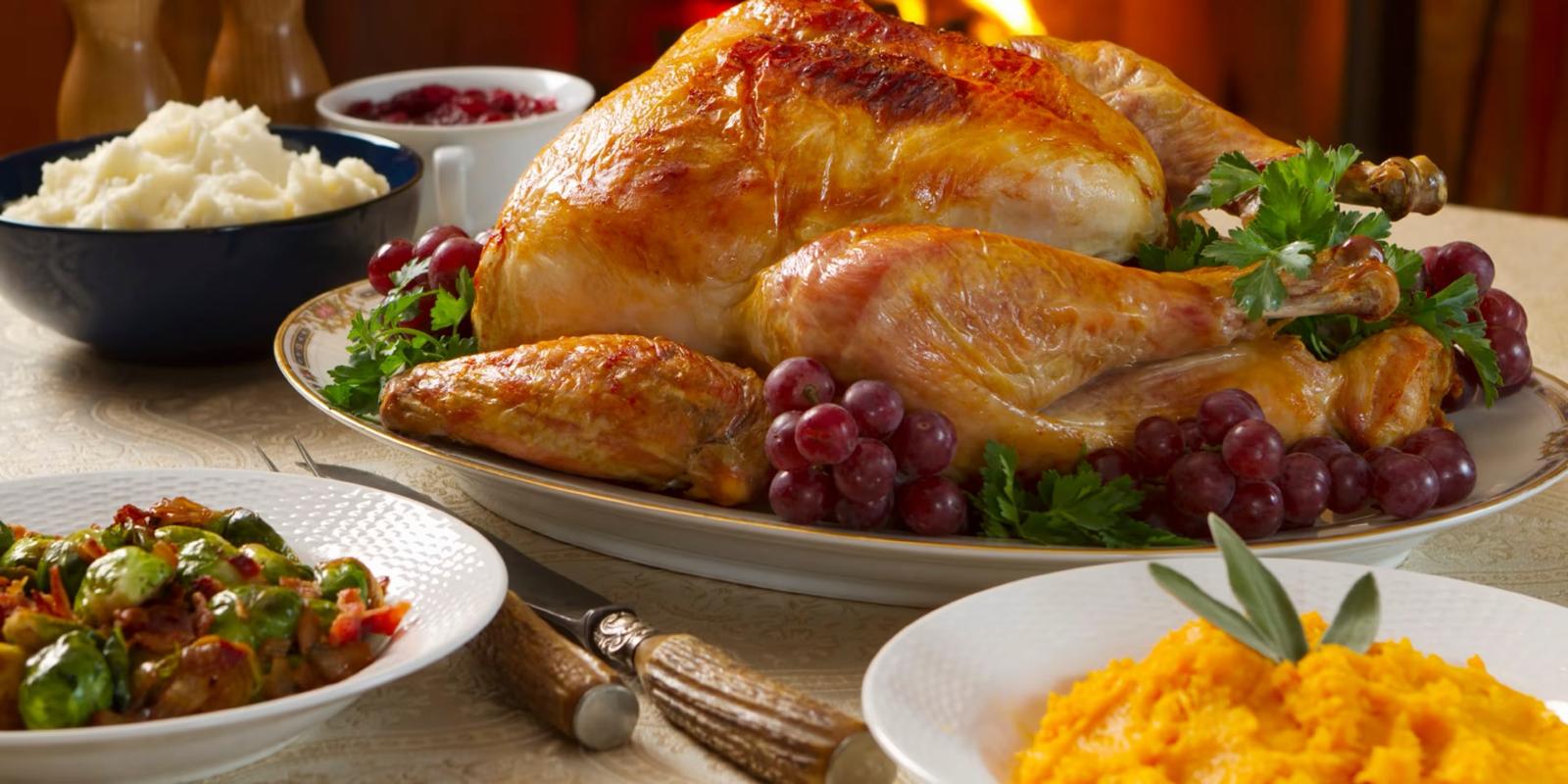
Dinner was served at 4:00, right on schedule. The table looked like something from a magazine—perfectly arranged place settings, candles that cast warm light across everyone’s faces, making us all look softer than we were. The turkey was golden. The sides were abundant. It should have been perfect.
My mother had seated me next to Grandpa, probably without realizing she’d just given me the perfect opening.
We passed dishes. We made small talk. My father told a long story about traffic that wasn’t interesting the first time and didn’t improve with retelling. Marcus talked about his work in finance with the enthusiasm of someone who genuinely loves discussing portfolio diversification.
Olivia kept glancing at me like I was a bomb she couldn’t quite figure out how to defuse.
Halfway through dinner, during a lull in conversation, I reached into my jacket pocket and pulled out a small card. Inside was a check for $200—the same check my mother had slipped into my hand before we sat down, pressing it into my palm with a smile that felt too rehearsed and a whisper that sounded like a warning: “Just be grateful, okay.”
I held the check up where everyone could see it.
“I wanted to say thank you,” I said clearly, looking at my grandfather. “For the $200. It was very generous.”
The table went quiet in that particular way that happens when everyone suddenly realizes they’re watching something unfold that they don’t understand yet but instinctively know is important.
My grandfather stopped carving the turkey. Set the knife down with surgical precision. Looked at me with an expression I couldn’t quite read.
“The gift I sent you,” he said slowly, “was half a million dollars.”
The knife didn’t just pause.
Everything stopped. The whole room froze in that heavy, holiday way where you can suddenly hear the clock chewing seconds, where you can hear someone’s breath catch, where you can feel the temperature drop five degrees in an instant.
My mother’s fork clinked against her plate.
My father stopped mid-reach for the gravy.
Marcus looked confused, glancing between Grandpa and me like he’d walked into the middle of a movie and couldn’t figure out the plot.
And Olivia—Olivia’s hand tightened around her wine glass hard enough that I thought for a second it might shatter.
“What?” she said, and her voice cracked just slightly on the word.
I turned to look at her directly. “Half a million dollars. That’s what Grandpa sent me in August. Isn’t that right, Grandpa?”
“That’s right,” he confirmed, his voice getting harder now, the military officer emerging from underneath the grandfather. “Sent it through my lawyer. Had Olivia help coordinate with the bank to make sure everything went smoothly.”
“There must be some mistake—” my mother started.
“No mistake,” I said calmly. “The deposit was made to my account on August 12th. All $547,000 of it, minus the lawyer’s fee.”
I pulled out my phone, opened the folder I’d prepared, and began passing it around the table. Screenshots. Bank statements. The forged authorization form with my “signature” that looked nothing like my actual signature if you knew what to look for.
“The interesting thing,” I continued, my voice steady despite the way my heart was hammering against my ribs, “is that almost all of it was transferred out within twenty-four hours. $500,000 went to an account belonging to Olivia. The rest was distributed to various other accounts over the following weeks.”
“This is ridiculous,” Olivia said, but her voice had gone high and thin. “Why would I—I would never—”
“September 3rd,” I said, pulling up her Instagram on my phone and turning it so the table could see. “You got engaged in Bali. Congratulations, by the way. That’s a beautiful ring. Looks like it cost about $175,000, which is interesting because that’s exactly the amount withdrawn from your account on September 3rd.”
Marcus was staring at Olivia now. “You said your father helped with the ring.”
“He did,” she said desperately. “Jordan, you’ve made some kind of mistake. The bank must have—”
“The bank has records of a forged authorization form,” I said. “With my signature, supposedly giving you permission to manage my account. Except it’s not my signature. And I’ve already filed a report with both the bank and the police.”
That last part was a bluff—I hadn’t actually filed a police report yet—but Olivia didn’t know that.
Her face went white. “The police?”
“Half a million dollars is a federal offense when it involves forged documents and interstate wire fraud.”
My mother made a sound like someone had punched her. “Jordan, you called the police on your sister?”
“I haven’t,” I said. “Yet. I wanted to give everyone a chance to explain first. At Thanksgiving dinner. As a family.”
The silence that followed was the kind that has weight and texture. It pressed down on the table like a physical thing, crushing the holiday cheer, the pretense, the carefully maintained fiction that we were a normal family having a normal dinner.
Grandpa looked at Olivia, and I saw something break in his face. “Is this true?”
She didn’t answer. She was crying now, mascara running down her cheeks, her hands shaking.
“Olivia,” he said again, and his voice could have cut glass.
“I was going to pay it back,” she whispered. “I just needed time. Marcus and I are starting a business, and we needed capital, and I thought if I could just borrow it for a few months—”
“Borrow,” I repeated. “With a forged signature. Without asking. Taking money that wasn’t yours.”
“It was a family gift! Family is supposed to help each other!”
“Then why forge my signature? Why lie? Why transfer it all out immediately and hide it across multiple accounts?”
She didn’t have an answer for that.
My father cleared his throat. “Maybe we can work this out privately. No need to involve the authorities. Jordan, she’s your sister.”
“She’s also a thief.”
“Jordan,” my mother said sharply. “That’s enough.”
“No,” I said, and I heard my voice go cold in a way I’d never used with my parents before. “It’s not enough. Not even close. You gave me a $200 check and told me to ‘just be grateful.’ You knew, didn’t you? Both of you knew something was wrong.”
My mother’s face answered before her mouth did.
“Oh my God,” I said. “You did know.”
“We didn’t know the details,” my father said quickly. “Olivia mentioned she’d helped coordinate Grandpa’s gift to you and that there might be some complications with the paperwork. She said it was being handled.”
“Complications,” I repeated. “That’s one word for fraud.”
Grandpa stood up, slowly, leaning heavily on his cane. His face had gone red. “I sent that money to Jordan because he works hard and he’s smart and he’s earned it. I did not send it to be stolen by his sister and used to fund some fantasy life she wants to pretend she can afford.”
“Grandpa, please—” Olivia started.
“I’m not finished.” His voice cracked like a whip. “I’m eighty-seven years old. I’ve worked my entire life. I served my country. I built a business from nothing. And I’ve tried very hard to be fair to all of my grandchildren. But this—” He gestured at the table, at the evidence still displayed on my phone, at Olivia’s tear-streaked face. “This is theft. This is betrayal. And I will not tolerate it in my family.”
He turned to me. “What do you want to do, Jordan?”
Everyone looked at me. Waiting.
I could feel the weight of the moment pressing down. The choice I made right now would define relationships for years, maybe forever. I could let it go, accept some kind of payment plan, pretend this was all a misunderstanding. Keep the family intact. Maintain the fiction.
Or I could do what I knew was right, even if it tore everything apart.
“I want my money back,” I said finally. “Every cent. And I want a written confession of what Olivia did, including the forged signature. And then I want a sincere apology—not to me, to Grandpa, for taking advantage of his generosity.”
“And if she does that?” my mother asked quietly.
“Then I won’t file charges. But she’s out of my life. No calls. No texts. No birthdays or holidays. She made her choice when she forged that signature.”
Olivia was full-on sobbing now, her hands covering her face. Marcus looked like he wanted to disappear through the floor.
“This is insane,” my father said. “You’re going to tear this family apart over money?”
“No,” I said. “She tore this family apart. I’m just refusing to pretend it didn’t happen.”
We sat there, the remains of Thanksgiving dinner growing cold on plates nobody was touching anymore, and I realized something.
The postcard was ruined. The performance was over. The comfortable fiction we’d all been living—that we were a close, loving family—had been stripped away to reveal the truth underneath.
And as painful as it was, as much as it hurt to see my mother crying and my father’s face closed off and my sister’s life crumbling, I felt something unexpected.
Relief.
Because I’d spent years playing my part in this performance, smiling for the cameras, pretending everything was fine. And I was done pretending.
Whatever came next—criminal charges or payment plans or fractured family holidays—at least it would be real.
Grandpa reached over and squeezed my shoulder. “You did the right thing,” he said quietly.
I looked around the table one last time—at my sister who’d stolen from me, at my parents who’d helped her hide it, at Marcus who was realizing he’d proposed with a stolen ring, at the grandfather who’d given a gift that turned into a betrayal.
“Yeah,” I said. “I know.”
The Thanksgiving that was supposed to be a postcard had turned into a crime scene. But at least everyone had finally stopped pretending.

Adrian Hawthorne is a celebrated author and dedicated archivist who finds inspiration in the hidden stories of the past. Educated at Oxford, he now works at the National Archives, where preserving history fuels his evocative writing. Balancing archival precision with creative storytelling, Adrian founded the Hawthorne Institute of Literary Arts to mentor emerging writers and honor the timeless art of narrative.