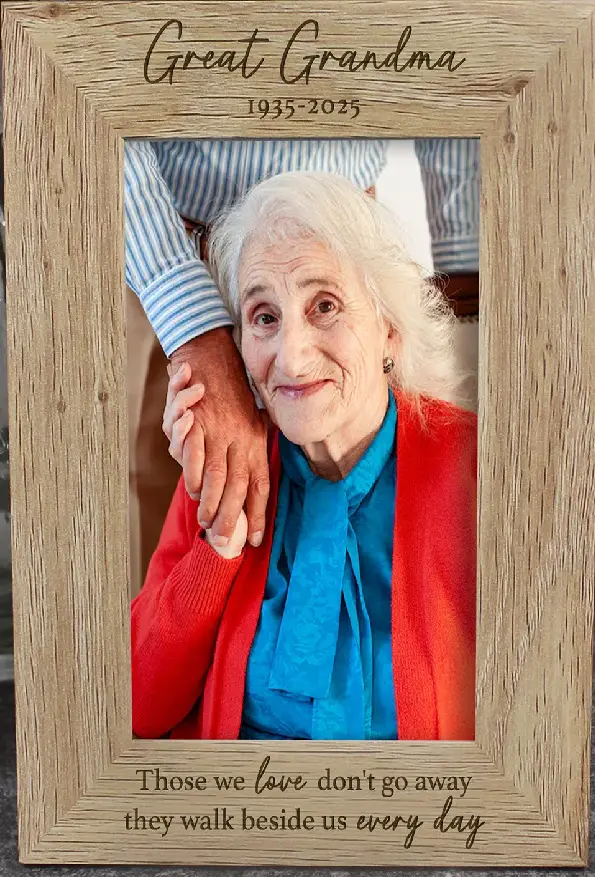
At Grandma’s Funeral, Her Lawyer Whispered: “She Didn’t Die Naturally—Follow Me if You Want the Truth”
I was standing by my grandmother’s grave when her lawyer pulled me aside. Everyone else was walking back to their cars, talking in hushed voices about what a peaceful death it had been. How Margaret had just gone to sleep and didn’t wake up.
But Henry Caldwell, this tall man in a dark coat, leaned close to my ear and whispered, “Your grandmother didn’t die naturally, Payton. If you want the truth, come to my office after everyone leaves. But don’t tell your parents or your brother. You could be in danger.”
My blood went cold. I stared at him, but he just walked away like nothing happened.
I should have gone home. I should have ignored him. But something in his voice made my stomach twist. And honestly, things had been weird with Grandma for months.
It started small. She’d been acting paranoid, locking drawers she never used to lock. She changed the lock on her bedroom door and wouldn’t explain why. She kept saying things like, “Payton, promise me you’ll be careful. Don’t let them rush you into anything.”
When I asked careful of what, she’d just shake her head and change the subject.
Then there was the way she’d been looking at Laura, my stepmother. Not the warm way she used to look at family. More like she was studying her, trying to figure something out.
And Grandma had been complaining about not feeling well. She’d wake up with her heart racing, her hands shaking. She stopped drinking her morning tea as often, saying it didn’t taste right. I thought maybe she was just getting old, you know?
But the thing that really bothered me was what I’d overheard at the funeral. While everyone was saying their goodbyes, I saw Dad and Laura standing apart from the group, talking in low voices by the fresh grave.
I only caught fragments, but Laura said something about “if she went at the right time” and Dad muttered back about getting papers signed “before anyone starts asking questions.”
It felt wrong. Like they were talking about business opportunities instead of grief.
So after everyone left the cemetery, I sat in my car for twenty minutes, staring at Henry’s business card. Part of me wanted to drive home and pretend he’d never said anything. But the bigger part of me needed to know what he meant.
I drove to his office building downtown. It was one of those old brick buildings with narrow hallways that smell like coffee and old paper. The whole place was dark except for one light in the lobby.
When I walked up to the door, it opened before I could knock. And there, standing in the shadows, was a man I’d never seen before. Older, maybe sixty, with tired eyes that looked like they’d seen too much.
“You’re Payton,” he said. Not a question.
I nodded, my heart pounding.
Henry appeared behind him. “This is Marcus Reed. Your grandmother hired him three months ago.”
We went to Henry’s office in the back. It was small, cramped, with law books stacked everywhere and a desk that had seen better decades. Marcus sat across from me and pulled out a manila folder that looked like it weighed a ton.
“Your grandmother came to me because she was worried,” he said, opening the folder. “She’d been feeling sick after drinking her morning tea. Dizzy, nauseous, heart racing. She thought maybe someone was putting something in it.”
I felt like the air had been sucked out of the room. “Someone like who?”
Marcus slid a lab report across the desk. The paper was official-looking, with a letterhead from some testing facility I’d never heard of.
“She started saving samples of her tea. Little bits from each batch, hidden in small containers. She asked me to have them tested privately. She didn’t want to accuse anyone without proof.”
The report showed mostly normal stuff—herbs, natural compounds you’d expect in herbal tea. But one line was highlighted in yellow: “Unidentified substance detected. Further analysis recommended.”
My hands shook as I read it. “This doesn’t prove anything definitive though.”
“No,” Marcus said. “But your grandmother thought it was enough. She left specific instructions. If anything happened to her suddenly, I was supposed to show this to you. She said you were the only one she trusted to handle it.”
Henry cleared his throat and walked to a safe in the corner. He spun the combination and pulled out a sealed envelope with my name written on it in Grandma’s careful handwriting.
Inside was a letter and a small flash drive.
The letter was short but it hit me like a punch: “Payton, if you’re reading this, I’m gone. Trust Marcus. He knows the truth. The drive has recordings and notes. Don’t let them take everything from you. Love, Grandma.”
We plugged the flash drive into Henry’s computer. There were audio files, maybe twenty of them, all dated from the last few months. We clicked on the first one.
Grandma’s voice filled the room, weak but clear: “March 15th. The tea tasted metallic today. My hands are shaking again. I’m going to start saving samples.”
We listened to a few more. Each one documented her symptoms, her growing suspicions, her careful documentation of everything that was happening to her body.
The last recording was from just a week before she died. Her voice was barely a whisper: “The tea was stronger today. I could barely finish it. My chest hurts. Payton, if you’re hearing this, remember I love you. Don’t let them win.”
I had to stop the recording. I was crying so hard I couldn’t see the computer screen.
Marcus waited for me to compose myself, then explained what he’d discovered through his investigation.
Dad had made some really bad investments over the past few years. Real estate deals that fell through, stock picks that tanked. He’d lost almost everything, including money that wasn’t really his to lose. Grandma had been bailing him out quietly, but this time the debt was massive. Over 300 thousand dollars.
Grandma’s house was worth almost two million, plus she had a substantial life insurance policy. If something happened to her, Dad was the primary beneficiary. And if something happened to me too, he’d inherit everything outright.
“The papers they want you to sign,” Marcus said, pulling out photocopies. “They’re not just power of attorney. Look at page seven.”
I scanned the dense legal language until I found what he was pointing to. There were clauses about “end-of-life directives” and “substitute decision-making in cases of mental incapacity.”
My blood ran cold. “They could declare me mentally unfit and make medical decisions for me?”
“That’s right,” Marcus said. “Once you sign those papers, they have legal authority to determine if you’re capable of making your own decisions. And if they decide you’re not…”
He didn’t need to finish the sentence.
I felt sick. When I got home that night, Dad and Laura were waiting in the kitchen with those exact papers spread out on the table like they were planning my funeral.
“There you are,” Laura said with her practiced smile. “We were wondering where you went.”
“Just needed some air after today,” I said.
“Of course, honey,” Dad said. “This has been hard on all of us. But we need to take care of some practical things. Just sign where the tabs are. It’s standard family protection stuff.”
I picked up the first page, but the legal language was dense and intimidating. Every clause about “substitute decision-making” and “incapacity determinations” made my skin crawl.
“This is a lot to process,” I said. “Can we do this tomorrow? I’m exhausted from today.”
Dad nodded, but Laura’s smile tightened just a little. “Of course, sweetheart. Take your time.”
As I headed upstairs, I could feel Laura’s eyes following me. When I got to my old bedroom, I locked the door for the first time since I was a teenager.
That night, I couldn’t sleep. I kept thinking about Grandma’s recordings, about her weak voice documenting what she believed was her own murder. Around midnight, I decided to check her house.
I still had a key from all the times I’d helped her with groceries and maintenance. The house felt strange and empty, but I needed to see if she’d left anything else.
In her bedroom, I found something that made my hands shake. Under a loose floorboard near her bed—the same hiding spot where she used to keep birthday money when I was little—was a small notebook.
Page after page of her careful handwriting, documenting everything that had been happening to her.
“February 8th: Tea tasted bitter again. Heart racing after breakfast. Laura insisted on making it today. Usually I make my own.”
“February 15th: Daniel asked about my will again. Third time this month. Laura was listening from the kitchen.”
“March 2nd: Found Laura going through my medicine cabinet. She said she was looking for aspirin, but I keep that in the kitchen.”
“March 18th: I don’t feel safe anymore. If I go suddenly, someone needs to check the tea and protect Payton.”
My grandmother had been documenting her own murder, and I’d been completely oblivious.
I took the notebook home and hid it under my mattress. The next morning, I came downstairs acting like everything was normal.
“I’ve been thinking about those papers,” I told Dad and Laura over breakfast. “I’ll sign them today. But first, can we do something special for Grandma? I want to cook her favorite meal tonight. Make it a proper memorial.”
Dad’s face lit up. “That’s a wonderful idea, honey.”
Laura nodded, but I caught something in her expression. Relief, maybe? Like she’d been holding her breath and could finally exhale.
“We should go to Pike Place Market,” I said. “Get the freshest ingredients. Grandma always said fresh herbs make all the difference.”
“That’s kind of far,” Laura said quickly. “We could just go to the regular grocery store.”
“No,” I insisted. “This is for Grandma. She deserves the best. Please, let’s do it right.”
Dad agreed immediately, and Laura couldn’t argue without looking heartless.
The trip to Pike Place took almost three hours. I dragged it out as long as possible, asking vendors about every herb and vegetable, reading labels carefully, comparing prices. Laura got more and more impatient, checking her watch constantly.
“We should head back soon,” she kept saying.
“Just a few more minutes,” I’d reply. “I want this dinner to be perfect.”
What they didn’t know was that while we were gone, Marcus and his team were installing tiny cameras in our kitchen and living room. It was risky—if Dad or Laura noticed anything out of place, everything would be ruined. But we needed solid evidence.
The next morning, I woke up early and came downstairs to find Laura already in the kitchen making coffee. Dad was outside getting the newspaper.
“You’re up early,” she said, looking up from the coffee maker.
“Couldn’t sleep,” I said, which was true. “Keep thinking about Grandma.”
Laura’s expression softened into what looked like genuine sympathy. “That’s completely normal, honey. Grief affects everyone differently.”
“Yeah,” I said, sitting at the kitchen table. “I miss her morning routine. The way she’d make that herbal tea every day like it was some kind of ritual.”
Laura’s hand paused on the coffee pot handle. Just for a second, but I noticed.
“You know what?” she said, turning to face me. “I could make you some of her tea. I have the same blend she used. Might help you feel closer to her.”
Every alarm in my body went off, but I forced myself to smile. “That would be really nice. Thank you.”
I watched her every move as she prepared the tea. She filled the kettle with water and set it on the stove. She got out the canister of loose tea leaves from the cabinet. She measured them into the ceramic teapot Grandma had always used.
When the kettle whistled, she poured the hot water over the leaves. Then she stepped to the side, near the spice rack, just out of my direct line of sight.
I heard a faint clink. Something small and metallic being opened.
I got up casually, pretending to get a glass of water from the sink. As I passed behind her, I saw what she was doing.
She had a small glass vial in her hand—the kind you might get from a pharmacy. She was tipping a tiny amount of white powder into the teapot. Her movements were quick and practiced, like she’d done this exact thing dozens of times before.
My heart slammed against my ribs so hard I thought she might hear it. I filled my water glass and went back to the table, my hands somehow steady despite the terror coursing through me.
“Here you go,” Laura said, carrying the teapot and two cups to the table. She poured one cup for me, then one for herself. “Just like Margaret used to make it.”
I wrapped my hands around the warm cup. The steam carried that familiar herbal scent—chamomile, lavender, something else I couldn’t identify. But now it felt poisonous.
I lifted the cup to my lips, but my hands were shaking. Not acting—actually shaking with adrenaline and fear.
“Sorry,” I said, laughing nervously. “I’m still clumsy in the morning.”
I set the cup down too quickly. It tipped over, hot tea splashing across the table and dripping onto the floor.
“Oh no!” I said, jumping up. “I’m such a mess. I’m so sorry, Laura. Can you make another cup? Please? I really need this today.”
Laura stared at the spilled tea for just a moment. Her jaw tightened, but then the concerned smile came back.
“Of course, honey,” she said. “Let me clean this up first.”
She grabbed paper towels and wiped up the spill while I helped, apologizing repeatedly. Then she went through the whole process again. Fresh water, fresh tea leaves, and when she thought I wasn’t looking, another tiny amount of powder from that vial.
This time I knew the hidden camera was capturing everything. The angle wasn’t perfect, but it was something.
She set the new cup in front of me. “Try this one.”
I picked it up and pretended to take a sip, letting the liquid touch my lips but not swallowing a drop. Then I set it down carefully.
“Hmm,” I said. “It tastes a little different than I remember Grandma’s tasting.”
Laura’s face changed for just a split second—a flash of something cold and calculating—before the caring mask slipped back into place.
“Maybe it’s a different batch of herbs,” she said. “These blends can vary.”
I nodded like that made perfect sense. “Yeah, probably.”
Dad came back inside with the newspaper, and we made small talk about the weather and Grandma’s memorial dinner plans. The whole time, that cup of poisoned tea sat in front of me, getting cold.
Laura kept glancing at it, and I could practically see her frustration building. She was waiting for me to drink it, and I wasn’t cooperating.
Around noon, I excused myself to go upstairs and “rest.” Instead, I called Marcus.
“Did you get it?” I whispered into the phone.
“We got it,” he said. “Clear video of her adding something to the teapot. We’re having the tea analyzed now, but we have enough for the police.”
“What do I do now?”
“Nothing yet. Act normal. We need to coordinate with law enforcement. Can you hold out until tonight?”
I thought about going back downstairs, sitting across from Laura, pretending everything was fine while knowing she’d just tried to poison me.
“Yeah,” I said. “I can do it.”
The rest of the day was surreal. Laura kept offering me drinks—water, juice, more tea. Each time I found a polite way to decline or “accidentally” spilled something. She was getting more frustrated, but she couldn’t push too hard without seeming suspicious.
Dad seemed completely oblivious. He talked about funeral arrangements and estate paperwork like we were planning a vacation. It was scary how normal he acted, how genuinely caring he seemed. Either he really didn’t know what Laura was doing, or he was an incredible actor.
That evening, we had Grandma’s memorial dinner. Roast chicken with herbs, mashed potatoes, green beans—all her favorites. Dad said a nice speech about her life and how much she meant to our family.
Laura dabbed at her eyes with a napkin, playing the grieving stepdaughter perfectly.
I sat there thinking about Grandma’s notebook, about her recordings, about the way she’d hugged me extra tight the last time I’d visited her.
After dinner, Dad brought out those papers again.
“I know this isn’t fun,” he said, “but we really should get this taken care of. For everyone’s protection.”
I looked at the documents spread across the kitchen table. All those clauses about medical decisions and mental capacity. All those ways they could take control of my life.
“Okay,” I said. “But I want to understand everything I’m signing. Can we go through it page by page?”
Laura’s smile was so tight it looked painful. “Of course, sweetheart. We want you to feel comfortable.”
We spent an hour going through every section, with me asking questions about every clause. I was stalling, waiting for Marcus’s signal, but they didn’t know that.
Finally, I signed on all the lines they showed me. My hands were shaking for real this time, but I managed to make the signatures legible.
“There,” I said. “All done.”
Laura looked genuinely relieved for the first time all day. “Thank you, Payton. You’ve made the right choice.”
The right choice. The words made my skin crawl.
Around nine PM, I got a text from Marcus: “Ready.”
I took a deep breath and stood up from the couch where we’d been watching TV.
“I need to tell you both something,” I said.
Dad muted the television. “What’s wrong, honey?”
“Grandma knew everything,” I said, my voice steady despite the adrenaline. “She left a notebook documenting what you were doing to her. She left recordings. She left evidence.”
The color drained from Laura’s face. Dad just looked confused.
“What are you talking about?” Dad asked.
I pulled out my phone and opened the app Marcus had set up. The live feed from the kitchen camera appeared on the screen.
“Watch this,” I said, turning the phone toward them.
The video showed Laura that morning, standing at the counter with the small vial, adding white powder to the teapot. The angle was perfect—you could see everything clearly.
Laura made a sound like all the air had been knocked out of her.
Dad stared at the screen, his mouth hanging open. “Laura? What is that? What are you doing in that video?”
“It’s not what it looks like,” Laura said quickly. “That’s… I was adding sugar. Payton likes sweet tea.”
“That’s a lie,” I said. “She was poisoning me, just like she poisoned Grandma. She’s been doing it for months.”
Dad was still staring at the phone screen, like he couldn’t process what he was seeing.
“She documented everything,” I continued. “The bitter taste, the heart racing, the way you both kept asking about her will. She knew you wanted the house and the insurance money.”
Laura’s eyes darted to Dad, panic replacing the fake sweetness. “Daniel, you have to help me. This is all wrong. She’s confused.”
“The papers you made me sign,” I said. “They weren’t just power of attorney. They included end-of-life directives. You could declare me mentally unfit and make medical decisions for me. Just like you planned to do with Grandma before she died on her own.”
Laura lunged toward me, trying to grab the phone. “Turn that off! You don’t understand what you’re saying!”
I stepped back, holding the phone out of her reach. “It’s too late. The footage is already saved. And the police are watching right now.”
At that exact moment, the front door and back door burst open simultaneously. Police officers in tactical gear rushed in, shouting commands.
“Hands where we can see them! Get on the ground!”
Laura screamed and dropped to the floor, covering her head with her hands. Dad raised his arms slowly, looking completely bewildered.
“I don’t understand,” he kept saying. “I don’t understand what’s happening.”
Two officers cuffed Laura first while she sobbed and protested. “It wasn’t me! He made me do it! Daniel planned everything!”
Another officer approached Dad with handcuffs. Dad didn’t resist, just looked at me with the most broken expression I’d ever seen.
“Payton,” he whispered. “I didn’t know. I swear to God, I didn’t know what she was doing.”
I wanted to believe him. Part of me still wanted to believe him. But I thought about all those conversations about Grandma’s will, all the pressure to sign papers I didn’t understand, all the times he’d stood by while Laura manipulated situations.
Maybe he didn’t know about the poison specifically, but he’d known something wasn’t right.
My younger brother Ethan came running downstairs in his pajamas, woken up by all the noise. He stopped at the bottom of the stairs, staring at the chaos.
“Payton? What’s happening? Why are there police here?”
One officer held him back gently. “Stay right there, son. Everything’s going to be okay.”
Ethan looked at me with confused, terrified eyes. “Payton, what’s going on?”
I walked over to him, my heart breaking. “They hurt Grandma, Ethan. Laura was putting poison in her tea. They tried to hurt me too.”
His face crumpled like I’d slapped him. “No. That’s not… Dad wouldn’t…”
He looked across the room at Dad, who was being led toward the door in handcuffs. Dad tried to meet his eyes, but couldn’t.
The next few hours were a blur of police interviews, evidence collection, and phone calls. Detectives photographed everything, bagged samples of the tea and the vial, took statements from all of us.
Marcus arrived around midnight to coordinate with the investigators. He gave me a small nod of approval—we’d done it.
The lab results came back three days later. The white powder was a compound that caused heart arrhythmias and organ failure over time. In small doses, it would just make someone feel sick. In larger doses, administered regularly, it would eventually cause death that looked natural—like heart failure or stroke.
The investigation moved quickly after that. They found Laura’s purchase records for the compound, buried in her credit card statements. They found Dad’s financial records showing the massive debts and failed investments.
They also found something that made me sick to my stomach: insurance paperwork that Dad had updated just two months before Grandma died, making me the sole beneficiary after him instead of splitting it with Ethan.
He’d been planning this for longer than I wanted to think about.
The trial was held six months later. The courtroom was packed with reporters and curious locals who’d been following the story. Dad and Laura sat at separate tables with their lawyers, not even looking at each other.
During the proceedings, they turned on each other completely. Laura claimed Dad had threatened her family if she didn’t help him. Dad insisted he’d never known about the poison and that Laura had acted alone.
The prosecution presented all our evidence: Grandma’s notebook, her recordings, the video of Laura adding powder to my tea, the lab results, the financial records.
In the end, Dad got life in prison without parole. The jury decided that even if he hadn’t known about the poison specifically, he’d been the mastermind behind a plan to inherit Grandma’s estate by any means necessary.
Laura got twenty-five years for her cooperation and testimony, but she still maintained that she’d been coerced.
I didn’t feel victorious when the verdicts were read. I just felt empty. Two people who were supposed to love me had been planning to kill me for money.
Ethan took it the hardest. He’d been kept out of all the family financial discussions, treated like a kid even though he was twenty-eight. When he learned the truth about what Dad and Laura had been planning, he completely fell apart.
“I should have seen it,” he kept saying. “I should have known something was wrong.”
“You couldn’t have known,” I told him. “They made sure you didn’t know. That was part of their plan.”
After the trial, I couldn’t stay in Seattle anymore. Too many memories, too much pain. The house where I’d grown up felt contaminated. Even seeing familiar places around town made me think about Dad and Laura.
I moved to Portland and found a small apartment near the river. It was quiet, anonymous, far enough away to feel like a fresh start.
But I kept Grandma’s house. I couldn’t bear to sell it, but I couldn’t live there either. After months of trying to figure out what to do with it, I remembered something Grandma used to say: “A house is meant to shelter people, not just hold memories.”
So I turned it into a safe haven for women escaping domestic abuse. I worked with local organizations to set up bedrooms, counseling space, a garden where people could sit and heal.
I used part of Grandma’s inheritance to fund it. The irony wasn’t lost on me—using the money Dad had killed her for to help people escape dangerous family situations.
The first woman who stayed there was named Sarah. She was about my age, with two young kids and a black eye she tried to cover with makeup.
“You’re safe here,” I told her when she arrived.
She looked around the kitchen—the same kitchen where Grandma had been poisoned, where Laura had tried to poison me—and nodded like she wasn’t sure she believed it yet.
That night, I made tea for the first time since everything happened. Not herbal tea—just regular black tea from a bag I’d bought myself. I sat in Grandma’s kitchen, drinking something warm and safe, and felt like maybe the house could be a place of healing instead of just a crime scene.
Ethan and I talk sometimes. Not often, but enough to stay connected. He’s in therapy now, trying to process everything that happened. He’s learning how to live with the knowledge that the father he loved was capable of murder.
“I miss him,” he admitted to me during one of our calls.
“Of course you do,” I said. “Missing him doesn’t make you wrong or weak. It just makes you human.”
“But how do I miss someone who tried to kill my sister?”
It was a question I couldn’t answer. I missed parts of Dad too—the man who’d taught me to ride a bike, who’d come to my school plays, who’d seemed genuinely proud when I graduated college. But those memories were tainted now by the knowledge of what he’d been planning.
“You can miss the father you thought you had,” I told Ethan. “While still accepting that he wasn’t who you thought he was.”
Some nights I still dream about that morning in the kitchen. I dream about drinking Laura’s poisoned tea, about my heart racing and my vision blurring. I wake up sweating, checking the locks on my apartment door.
But I’ve also learned something important: your instincts are there for a reason. When something feels wrong—really, deeply wrong—it usually is.
Grandma knew something was happening to her, even when she couldn’t prove it. She trusted her instincts enough to document everything, to save samples, to hire Marcus.
She turned her fear into action, her suspicion into evidence. She protected me even when she couldn’t protect herself.
The day we officially opened the safe house, I put up a small plaque by the front door: “This house is meant to shelter people, not just hold memories.”
I keep Grandma’s teapot on a shelf in my Portland apartment. Not because it brings back good memories—it doesn’t. But because it reminds me of something important.
Some things are worth saving, and some things are worth letting go.
Some people deserve your trust, and some people don’t.
And sometimes the most loving thing you can do is pay attention to the warning signs, ask difficult questions, and refuse to ignore what you see.
Even when—especially when—it’s family.
If you’ve ever had that gut feeling about someone close to you, if something in your stomach has twisted when the people you trust start acting strange, please listen to it. Don’t brush it off as paranoia or overthinking.
Sometimes that quiet voice in your head is the only thing standing between you and becoming someone else’s victim. Sometimes being “difficult” or “suspicious” is actually just being smart.
Grandma’s final gift to me wasn’t the house or the money. It was teaching me that love doesn’t require blind trust. Real love—healthy love—includes protecting yourself from people who would hurt you, even if they’re supposed to care about you.
Especially if they’re supposed to care about you.

Lila Hart is a dedicated Digital Archivist and Research Specialist with a keen eye for preserving and curating meaningful content. At TheArchivists, she specializes in organizing and managing digital archives, ensuring that valuable stories and historical moments are accessible for generations to come.
Lila earned her degree in History and Archival Studies from the University of Edinburgh, where she cultivated her passion for documenting the past and preserving cultural heritage. Her expertise lies in combining traditional archival techniques with modern digital tools, allowing her to create comprehensive and engaging collections that resonate with audiences worldwide.
At TheArchivists, Lila is known for her meticulous attention to detail and her ability to uncover hidden gems within extensive archives. Her work is praised for its depth, authenticity, and contribution to the preservation of knowledge in the digital age.
Driven by a commitment to preserving stories that matter, Lila is passionate about exploring the intersection of history and technology. Her goal is to ensure that every piece of content she handles reflects the richness of human experiences and remains a source of inspiration for years to come.