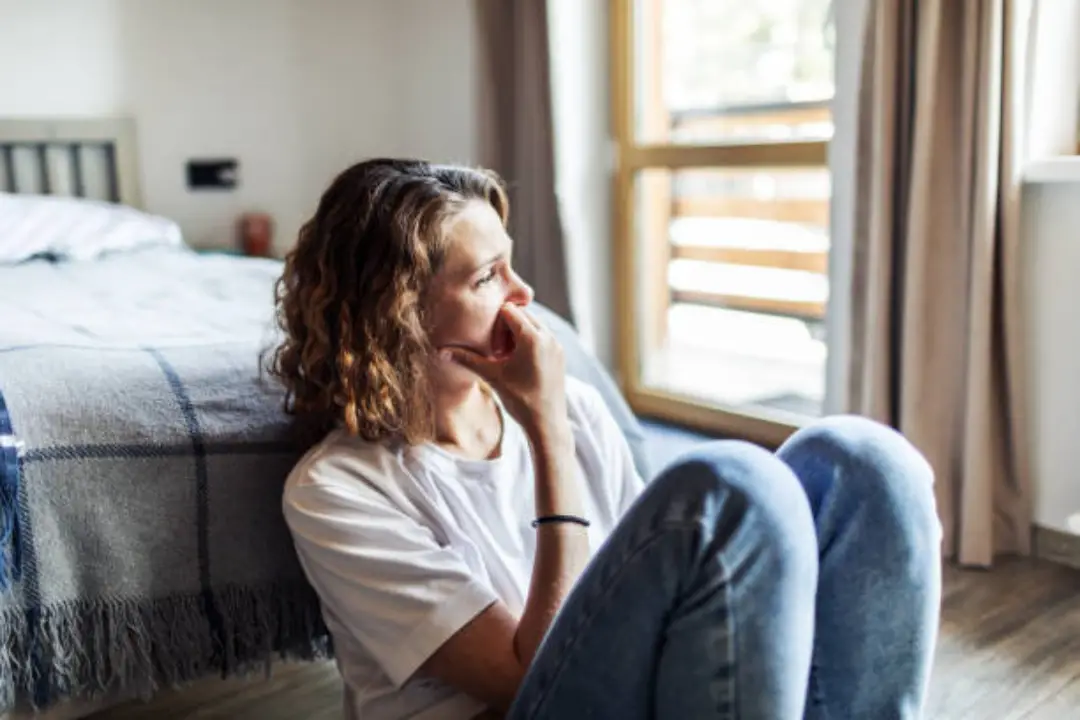
My name is Rachel Carter, and the night my brother begged me not to come to his wedding, I learned exactly how much my family valued appearances over truth—and how little I’d valued myself by letting them get away with it for so long.
I was sitting in the cramped back office of Highway Halo Detailing, my auto shop on the outskirts of Austin, when Noah called. It was nearly eight o’clock on a Thursday evening in late July, and I was still at work because a fleet of contractor trucks had come in that afternoon needing full details before a job site inspection. The office smelled like tire cleaner and the particular sharp sweetness of engine degreaser, scents that had stopped bothering me years ago but that apparently bothered my family enough to change the entire trajectory of our relationship.
My phone lit up with Noah’s name, and I almost let it go to voicemail. We’d been playing phone tag for weeks—him calling to discuss wedding details I wasn’t involved in planning, me responding with texts because I was usually elbow-deep in someone’s engine compartment or scrubbing dried mud from floor mats. But something about the lateness of the call made me pause, made me wipe my hands on the shop towel tucked into my belt and swipe to answer.
“Ra, please don’t come to my wedding.”
No hello. No warmth. No preamble to soften the blow. Just those seven words delivered in a voice so tight it sounded like he’d been holding his breath for hours waiting to force them out.
I stared at the invoices scattered across my desk, at the smear of polish on my thumb that I’d somehow managed to get on everything I touched that day. “What are you talking about? You’re my brother. It’s your wedding.”
The pause that followed was so long I thought the call had dropped. Then I heard background noise filtering through—the clink of silverware, muted music, the murmur of conversation. He’d stepped away from somewhere public to make this call, which somehow made it worse.
“I don’t want people to know you work in cleaning,” he finally said, the words tumbling out in a rush like he’d rehearsed them but they still tasted wrong in his mouth.
For a moment, I genuinely thought I’d misheard him. I don’t scrub toilets. I restore vehicles, transform rust buckets into showpieces, make engines purr like they’re fresh off the factory line. I take something people have given up on and prove it’s worth saving. But to Noah, apparently, all of that collapsed into one diminishing word: cleaning.
The insult burned hotter than any chemical I’d ever worked with.
Without thinking—operating on pure instinct—I hit the record button on my phone’s voice memo app. Something in my gut told me I’d need proof of this conversation later, that nobody would believe my family could actually say these things without documentation.
“So my job embarrasses you,” I said quietly, and it wasn’t a question.
“It’s not like that, Ra.” His voice took on that placating tone he’d perfected over the years, the one he used when he wanted something. “It’s Liam’s family. They’re in tech, finance, venture capital. They have expectations about who associates with them. If they find out my sister works at a garage detailing pickup trucks off the highway—”
“They’ll what?” I interrupted. “Realize you’re a human being with an actual background instead of the sanitized version you’ve been feeding them?”
Before he could formulate an answer, I heard another voice in the background. Older. Harder. Unmistakably my father.
“Give me the phone, Noah.”
There was a brief scuffle, then my father’s voice came through the line with that particular quality of finality I remembered from childhood—the voice that ended arguments not by reason but by sheer force of paternal authority.
“Rachel.” He didn’t use any warmth when he said my name, didn’t soften it with affection or familiarity. “We’re going to tell people you moved away. That you couldn’t make it back for the wedding. Don’t reach out to us for a while. Let this settle.”
My hand went cold around the phone. The fluorescent lights overhead suddenly seemed too bright, too harsh, illuminating every crack in the concrete floor, every stain on the walls, every piece of evidence that I’d chosen a life my family found fundamentally unacceptable.
“So I’m just… erased?” I asked, my voice barely above a whisper. “Like I never existed?”
Silence. Not the absence of sound but the presence of shame neither of them had the courage to articulate.
“Just make this easy on everyone,” my father said finally. “You’ve always been difficult, Rachel. Don’t make Noah’s wedding about you.”
I should have screamed. I should have cried. I should have unleashed years of accumulated grievances about how they’d treated my choices, my life, my refusal to follow the prescribed path they’d laid out. Instead, I did something worse—I went completely silent. Let the weight of what they’d just asked sit there on the line between us like a body neither of us wanted to acknowledge.
Then I ended the call.
I sat alone in that flickering fluorescent light, surrounded by the tools and equipment I’d worked for years to afford, in a business I’d built from nothing with my business partner Marco, and let the silence tell me everything I needed to know about where I actually stood in my family hierarchy.
The next few days passed in a haze of mechanical routine. I woke up at five-thirty each morning, drove to the shop, and threw myself into work with an intensity that worried Marco. He’d been my friend since we were both working night shifts at a big-box auto parts store, back when I was trying to put myself through community college and he was saving money to buy his mother a house. We’d partnered to open Highway Halo three years ago, and he knew me well enough to recognize when I was using work to avoid dealing with something.
“You’ve detailed that same fender three times,” he said on Saturday morning, leaning against the bay door with his arms crossed. His dark hair was pulled back in its usual ponytail, his coveralls already streaked with the day’s first layer of grime. “What’s going on?”
I kept buffing the chrome, watching my own distorted reflection appear and disappear in the metal. “My brother doesn’t want me at his wedding because I embarrass him.”
Marco was quiet for a moment, processing. “The same brother you helped with the down payment on his first apartment when he couldn’t get approved for a loan? That brother?”
“That’s the one.”
“And he’s embarrassed because…?”
“Because I work with my hands instead of pushing paper in an air-conditioned office.” I finally stopped buffing and turned to face him. “He doesn’t want his fiancé’s family to know his sister makes a living scrubbing brake dust off rims and detailing work trucks.”
Marco shook his head slowly. “That’s not about you, you know. That’s about his shame, not yours.”
I wanted to believe him. But the text messages that started arriving later that day told a different story.
A new group chat appeared on my phone—relatives I hadn’t heard from in months, maybe years, suddenly very invested in my decision to skip Noah’s wedding. The messages came in waves, each one a small cut disguised as concern.
Rachel, please don’t make this harder than it has to be. Your brother worked so hard for this moment. If you show up with your job, people will ask questions. Just stay away.
We know you’re probably hurt, but this isn’t about you. It’s about Noah starting his new life on the right foot.
Family means making sacrifices. This is your sacrifice.
I read each message while sitting in my small apartment above a Korean barbecue restaurant, the smell of grilling meat drifting up through my floor, and realized they’d all discussed this without me. Somewhere, in some group conversation I wasn’t part of, they’d decided collectively that I was the problem that needed managing.
My mother’s text came last, arriving late Sunday night after I’d already gone to bed: I know business is slow. If you don’t make trouble at the wedding, we’ll help with your rent for a few months. Consider it an early Christmas present.
I stared at that message for a long time. Business wasn’t slow. For the first time since we’d opened, Marco and I had a waiting list. We’d just landed a contract with a local tech company to detail their entire fleet monthly. I was making more money than I’d ever made in my life—not a fortune, but enough to feel secure, enough to start thinking about expanding the shop.
But my family had constructed an entire narrative about my struggling business and my hardscrabble existence, and they were using it as leverage to keep me compliant.
I typed back: I’ll handle my own rent. You handle your own shame.
Then I put my phone on Do Not Disturb, climbed back into bed, and stared at the ceiling until the neon sign from the restaurant below cycled through its colors enough times that I lost count.
The week leading up to the wedding was the strangest of my life. During the day, I was competent, focused, professional—the version of Rachel Carter who ran a successful small business and took pride in her work. But at night, scrolling through social media, I watched my family prepare for an event I’d been erased from. Photos of the rehearsal dinner. Videos of Noah and Liam laughing with their wedding party. My mother posting about “her boys” starting this new chapter together.
Not once did anyone mention me. I’d been edited out of the family narrative so completely it was like I’d never existed at all.
Then, three days before the wedding, my cousin Laura—one of the few relatives who’d stayed neutral in the family group chat drama—sent me a private message with a screenshot attached.
You need to see this, she wrote.
The screenshot showed another group chat, this one between my mother and several aunts I barely remembered. The messages were a masterclass in casual cruelty.
We’ll just say Rachel moved overseas for work. It’s cleaner than explaining.
She always chose that shop over school. Could have been something if she didn’t like getting dirty so much.
Liam’s family doesn’t need to know. Better they think well of us.
I read it three times, each pass making my hands shake harder. They weren’t just asking me to stay away. They were rewriting history, transforming my choices into cautionary tales, reducing years of hard work into a character flaw they needed to hide.
That night, my brother called again.
I let it ring twice before answering, and this time I didn’t bother with pleasantries. “What?”
“Ra, listen.” His voice was softer now, almost apologetic. “Maybe I was too harsh. Maybe you could come after all. Just—if you do, tell people you’re managing the front office or that you’re between careers right now. Just for the wedding. Just so we don’t have to explain.”
I hit record again.
“So I can attend as long as I lie about who I am?”
“I’m trying to protect you,” he insisted, and I could hear him actually believing this, actually convincing himself that his shame was somehow for my benefit. “Liam’s parents can be judgmental about blue-collar work. They don’t understand it.”
“Then maybe they deserve to meet someone who does it and does it well,” I said. “Maybe they deserve to know who you actually are, including the sister who bailed you out when you maxed three credit cards trying to keep up appearances you couldn’t afford.”
The silence that followed was different this time—not empty but full of things neither of us wanted to say.
“If you show up,” Noah finally said, his voice dropping to something between a plea and a warning, “please don’t make a scene.”
“You’re asking me to hide myself at your wedding after telling everyone I don’t exist,” I replied, my voice going calm in a way that frightened even me. “I won’t fight for a seat at your table, Noah. But if I go, it’ll be as myself—work-worn hands, calloused palms, and all. Not as your shameful secret.”
I ended the call before he could respond, sat in the dark of my living room, and made a decision I’d been circling around for days.
I was going to that wedding. Not to destroy it, not to make a scene, but to stop letting them erase me without my permission.
The day of the wedding arrived hot and bright, the kind of Texas August morning where the heat hit you like a physical force the moment you stepped outside. I arrived at the shop before dawn, unlocked the bay doors, and started the final push on the tech company fleet. If I was going to face my family later, I wanted every car to leave my shop looking like it had been detailed by someone who gave a damn about her work—because I did, regardless of whether my family acknowledged it.
The pressure washer roared to life, and I lost myself in the rhythm of the work: foam, rinse, dry, polish. My phone sat on the workbench across the bay, face down and forgotten.
Until it started buzzing.
At first, I ignored it. One call, then another, then another in rapid succession. When I finally shut off the water to refill the soap reservoir, I glanced over and saw the screen lit up with notifications.
Twenty-seven missed calls.
My heart lurched in my chest. That many calls meant an emergency—an accident, a death, something catastrophic. I dropped the spray nozzle and grabbed the phone with wet hands, leaving streaks across the screen.
The calls were from my mother, my brother, relatives whose numbers I didn’t even have saved. A text from Noah appeared as I stared at the call log: Pick up please. It’s urgent.
Urgent. After days of telling me to disappear, now it was urgent.
My hands shook as I pulled up my cousin Laura’s messages. She’d sent photos—the wedding venue, a beautiful hill country resort with stone arches and rolling views. The ceremony setup with white chairs and flower-lined aisles. A close-up of my parents talking intensely to a group of well-dressed strangers, my mother’s face pale and drawn.
Underneath, Laura had written: They told everyone you died in a car accident three years ago. I couldn’t stay quiet. I had to tell you.
The world tilted.
Even after everything—after the phone call, the group chat messages, the erasure from family photos—I hadn’t expected this. Not a lie that big. Not a lie that permanent.
They hadn’t just asked me to stay away. They’d killed me off entirely.
My phone rang again, this time from a number I didn’t recognize. I answered without thinking.
“Is this Rachel?” A woman’s voice, composed but strained.
“Yes.”
“This is Catherine, Liam’s mother. We need to talk.”
My brain couldn’t process fast enough. “How did you get my number?”
“Your cousin Laura,” she said, and I could hear her moving away from background noise, heels clicking on stone. “She told me your parents weren’t being truthful. I’ve stepped outside. Is it true? You’re alive, and they told everyone at the rehearsal dinner last night that you’d died years ago?”
I leaned against the workbench, my legs suddenly unreliable. “Apparently.”
“They showed us photos,” Catherine continued, her voice tight with controlled anger. “A slideshow tribute to Noah and his late sister. Your mother cried. Your father gave a speech about family loss. And you’re alive.”
“They decided their embarrassment was worth more than their daughter,” I said, the words coming out flat and exhausted.
Catherine let out a harsh breath. “I don’t care what you do for a living, Rachel. I care that the man my son is marrying thinks it’s acceptable to lie about his own sister to impress us. That’s the kind of character issue that matters.”
There it was—the crack in their perfect facade, the reason my phone was exploding with panicked calls.
“Your brother looks physically ill right now,” Catherine continued. “The ceremony is delayed. The officiant is stalling. People are asking questions because Laura confronted your mother in front of half the guests. You don’t owe any of them anything, but I thought you deserved to know what’s happening before you decide whether to come.”
My mind raced. “They want me there now?”
“Your brother called you multiple times this morning, didn’t he? The truth is coming out whether anyone wants it to or not. At this point, you being dead and then alive is going to be the story everyone remembers from this wedding. The question is whether you want to be part of writing that story or whether you want to let them keep controlling the narrative.”
I didn’t answer immediately. My eyes traveled across the shop—the lifts I’d helped install, the equipment I’d researched and purchased, the walls I’d painted myself when we couldn’t afford to hire anyone. This place was proof that I could build something meaningful, that my choices had value even if my family refused to see it.
“I’ll think about it,” I finally said.
“Whatever you decide,” Catherine said quietly, “know that I’m glad you’re alive. And I’m sorry they made you feel like that was something to apologize for.”
After she hung up, I stood in the middle of my shop, still holding my phone, still dripping water from the spray nozzle onto the concrete floor.
Marco emerged from the office where he’d apparently been listening to my half of the conversation. He grabbed his truck keys from the hook by the door and tossed them to me without a word.
“Go,” he said. “I’ll finish the cars.”
“What if showing up makes everything worse?”
“It’s already as bad as it gets,” Marco replied. “They killed you off, Ra. Walking in alive is just setting the record straight.”
I changed quickly in the shop bathroom, pulling on the one nice dress I kept in my locker—black, simple, still bearing faint smudges of polish I’d never quite managed to wash out. I didn’t fix my hair beyond pulling it back. I didn’t try to hide the calluses on my hands or scrub away the permanent grease stains under my fingernails.
If I was going to walk into that wedding, I was walking in as exactly who I was.
The drive to the hill country resort took forty minutes through winding roads flanked by limestone cliffs and fields of bluebonnets gone brown in the summer heat. With every mile, I rehearsed what I’d say, then discarded it. There was no script for this. No protocol for confronting people who’d found it easier to grieve your fictional death than to celebrate your actual life.
When I pulled into the gravel parking lot, I could see the chaos immediately. Guests clustered in small groups under the shade trees, checking their watches and whispering. The ceremony was clearly delayed, the neat rows of chairs sitting empty under the flower-draped arch.
I killed the engine and sat in Marco’s truck, hands gripping the steering wheel, giving myself one last chance to turn around.
Then I saw Noah through the open doors of the venue, standing rigid in his navy suit, looking like he might be sick. Liam stood beside him, arms crossed, face set in an expression I couldn’t read from this distance.
I got out of the truck and walked toward the building.
People noticed me immediately. Conversations stopped mid-sentence. Heads turned. Someone gasped—an actual, audible gasp like I was a ghost materializing in broad daylight.
Which, I suppose, I was.
I stepped through the entrance and into the courtyard where the ceremony was meant to take place. The space smelled like roses and desperation. My parents stood off to the side, my mother clutching my father’s arm like he was the only thing keeping her upright.
When Noah saw me, all the color drained from his face.
“Rachel,” he breathed, and the lapel mic he was wearing caught it, sent my name rippling through the speakers positioned around the courtyard.
Every eye turned to me—this woman in work boots and a dress with polish stains, standing at the back of a wedding she’d supposedly been too dead to attend.
I could have stayed in the back. Could have slipped into an empty chair and let them scramble to explain. Could have made this easy on them one more time.
But I’d spent my entire life making things easy for people who never returned the favor.
I walked down the aisle.
Not dramatically, not making a show of it. Just walked forward like I had every right to be there—because I did.
“You told them I was dead,” I said, stopping halfway to the arch. My voice carried in the sudden silence, clear and steady despite the fact that my heart was trying to hammer its way out of my chest.
Gasps rippled through the crowd. Someone’s phone clattered to the stone floor.
Liam turned sharply to Noah. “What is she talking about?”
Noah’s mouth opened and closed, but no sound came out.
My mother stood abruptly. “This isn’t the time, Rachel. Sit down. We can talk about this later.”
“You’ve had my entire life to talk about it,” I replied, keeping my eyes on Noah. “You chose to talk about me in past tense instead.”
Catherine, Liam’s mother, stood now too, her voice cutting through the murmurs. “They told us you were killed in a car accident three years ago. They showed us a memorial slideshow last night. Pictures of you as a child with the dates of your birth and death printed underneath.”
The courtroom—because that’s what it had become—erupted in shocked whispers.
“I was trying to protect you,” Noah said, his voice cracking. “It spiraled out of control—”
“Protect me from what?” I interrupted. “From the horror of having a sister who works with her hands? Who builds something instead of just managing other people’s money?”
He flinched like I’d slapped him.
“I have the recordings,” I said, pulling my phone from my pocket. “The night you told me not to come. The night Dad said you’d tell everyone I was gone. Would you like me to play them for your guests, or will you tell them yourself what you really think of your blue-collar sister?”
The silence that followed was absolute. Even the birds seemed to have stopped singing.
Liam took a step away from Noah, creating physical distance that spoke louder than words. “You lied about your sister being dead to impress my parents?”
“I panicked,” Noah said, his voice breaking. “They kept asking questions about my family—what everyone did, where you lived, why you weren’t at any of the pre-wedding events. I said you’d moved away at first, but they kept asking more questions, and then somehow the story just… grew. I couldn’t take it back once I’d started.”
“So you buried me,” I said quietly. “You buried me because my life didn’t fit into the version of your story you wanted to tell.”
For a long moment, nobody moved. Then Marco’s voice came from somewhere behind me—he’d apparently followed to make sure I was okay.
“Funny thing about lies,” he called out. “They always leave stains. Doesn’t matter how much you polish them.”
Nervous laughter broke the tension slightly.
The officiant cleared his throat. “Perhaps we should take a break—”
“No,” Liam said sharply, surprising everyone. He turned fully to face Noah. “I don’t want a break. I want to know if I’m about to marry someone who thinks people are disposable based on their job title. Because your sister didn’t call herself. My mother did. After your cousin told us the truth. Not you.”
Every word was a spotlight on the rot they’d tried to hide beneath expensive flowers and carefully crafted speeches.
I hadn’t come to destroy this wedding. I’d come to stop them from finishing the job of erasing me. What was burning down now was the lie they’d built on my supposed grave.
My father finally stepped forward, his voice heavy. “We grew up poor,” he said. “My father was a janitor. Your mother’s family cleaned houses. We were mocked for smelling like bleach. We worked our entire lives to give you kids something better than that.”
“Better doesn’t mean pretending I’m dead,” I said. “You didn’t want better for us. You wanted distance from who you used to be. And when I chose work that looked like what you ran from—work with my hands, work that gets me dirty—you decided I was a step backward.”
My mother’s voice was barely audible. “I was terrified they’d look at us the way people used to. I thought if we just seemed like we’d always belonged, the whispers would finally stop.”
“So you made me the secret you whispered about instead,” I replied. “You didn’t break the cycle. You just handed the shame to the next generation wearing nicer clothes.”
Catherine nodded slowly. “My father fixed fences,” she said. “My mother took in ironing. If my son ever lied about them the way you lied about your daughter, I’d walk him out of this ceremony myself.”
A murmur of agreement moved through the guests.
Noah’s carefully constructed world was crumbling in real time, and there was nowhere left to hide.
“What do I do?” he whispered, the question hanging in the air.
I took a breath. This was the moment I’d imagined in dozens of angry variations—me screaming, them crying, everyone taking sides. But standing there, I realized revenge wasn’t about making them hurt. It was about forcing them to see what they’d done and what it cost.
“You tell the truth,” I said. “All of it. Right here. Right now.”
The officiant stepped back, and Noah took the microphone with shaking hands.
“My name is Noah Carter,” he began, voice trembling, “and I have lied to you.”
He told them everything. About the phone call, about the fake death, about asking me to stay away because he was embarrassed by what I did for a living. Each confession seemed to cost him something, his face flushing darker with every admission, but he kept going.
“My sister isn’t dead,” he finished. “She runs an auto detailing shop. She works harder than anyone I know. She helped support our family when my parents struggled, and I repaid her by acting like she was something to hide.”
He turned to face me, tears streaming down his face. “I’m ashamed. Not of you. Of myself.”
The silence that followed was different—heavier, more honest.
Then someone started clapping. Slow at first, then others joined, until the courtyard filled with applause. Not for a performance, but for truth finally breaking through.
My mother collapsed into her chair, mascara running. My father stared at the ground.
And me? For the first time in my life, I felt like I was standing in my family’s story instead of being edited out of it.
Liam looked at his parents, then back at Noah. “Are you ready to build a life on truth?” he asked. “Even when it’s messy?”
Noah nodded. “If you’ll still have me.”
“We care more about character than job titles,” Catherine said. “If you’re willing to own this and treat your sister like family from now on, you still have our blessing.”
The ceremony continued, shorter and quieter than planned. When they finally kissed, it felt less like a fairy tale ending and more like a hard-won truce with reality.
At the reception, strangers approached me with their own stories of family shame and hidden truths. Each conversation a small confession that my unwanted spotlight had somehow made possible.
As evening fell over the hills, turning the sky purple and gold, I slipped out before the last dance. My phone buzzed with a text from my father: We’re sorry. We want to talk. When you’re ready.
I didn’t respond. Not yet.
I drove back to Austin, windows down, warm air whipping through my hair. The neon sign of Highway Halo Detailing flickered in the distance, waiting. That small, grease-stained building wasn’t a shameful footnote in my family story. It was proof that you could start with nothing and build something worth being proud of.
Your worth isn’t measured by the softness of your hands or the prestige of your job title. It’s measured by the courage it takes to show up as yourself, even when the people closest to you ask you to disappear.
And sometimes, the bravest thing you can do is refuse to stay buried.

Lila Hart is a dedicated Digital Archivist and Research Specialist with a keen eye for preserving and curating meaningful content. At TheArchivists, she specializes in organizing and managing digital archives, ensuring that valuable stories and historical moments are accessible for generations to come.
Lila earned her degree in History and Archival Studies from the University of Edinburgh, where she cultivated her passion for documenting the past and preserving cultural heritage. Her expertise lies in combining traditional archival techniques with modern digital tools, allowing her to create comprehensive and engaging collections that resonate with audiences worldwide.
At TheArchivists, Lila is known for her meticulous attention to detail and her ability to uncover hidden gems within extensive archives. Her work is praised for its depth, authenticity, and contribution to the preservation of knowledge in the digital age.
Driven by a commitment to preserving stories that matter, Lila is passionate about exploring the intersection of history and technology. Her goal is to ensure that every piece of content she handles reflects the richness of human experiences and remains a source of inspiration for years to come.