I was standing barefoot on my parents’ back step, my toes numb on the concrete, when I heard my own name used like a coupon code.
The screen door was half latched. The porch light buzzed overhead, casting weak yellow light across the wooden planks. Inside, silverware clinked against china and someone laughed too loudly—the kind of laugh that fills space instead of joy.
I had driven to my parents’ place in Raleigh early that December evening, thinking I’d surprise them with a few days before Christmas. I thought maybe this year could still feel like home, like the holidays I remembered from childhood before everything got complicated. Instead, I found myself frozen on their back step, listening to my sister Sloane read my banking app out loud like it was a restaurant menu she was ordering from.
A slow Christmas playlist drifted from a speaker somewhere in the living room, soft old songs trying to glue everyone’s smiles in place. The house smelled like lemon cleaner and roasted garlic, like somebody had scrubbed the truth off the counters and hoped nobody would notice what was really happening here. Through the window, I could see someone had set out an elaborate cheese board with the expensive kind of crackers—the ones that cost eight dollars for a tiny box—and nobody was touching it. We all knew the real hunger in that room wasn’t for food.
The chandelier above the dining table was bright enough to make every forced laugh sparkle, and that made the quiet cruelty easier to miss—if you weren’t the one it was aimed at. A stack of cloth napkins sat folded like little origami apologies that nobody planned to say out loud.
The Walmart bag in my hand crinkled as I shifted my weight, cheap plastic confessing I’d done my best on a budget that didn’t stretch as far as theirs. My hands still smelled faintly like motor oil and hand soap, the kind that never quite leaves you when you work honest jobs around loud machines. I’d parked my old sedan two streets over, the paint faded in places where the North Carolina sun had been too persistent. I’d learned years ago that arriving humble kept the questions smaller, the judgments quieter.
“Just do it now,” my mother Diane said from inside. Her voice was bright and practical, the same tone she used when organizing church potlucks. “We’ll put it back after the holidays. She won’t even notice.”
“Sixty,” Sloane whispered, as if saying the number softer would somehow make it smaller, less like theft. “Sixty thousand dollars.”
My father Frank made a pleased sound, somewhere between a chuckle and a grunt of approval. “Leave enough so she doesn’t notice right away. She’s always so busy with that ‘work’ of hers and those night classes she takes. Thinks she’s so serious.”
I had my hand on the doorknob. I didn’t open it. I didn’t scream. I didn’t announce myself. I just stood there, breathing slow and deliberate, and I felt something inside me go very still—the kind of still that comes right before a storm, when the air pressure drops and animals know to take shelter.
The first thing they steal is your confidence. The money is just what comes after, just the tangible proof of what they’ve been taking from you all along.
I pulled my phone from my coat pocket with hands that had stopped shaking and hit record. The red dot appeared on the screen like a tiny, calm heartbeat, documenting everything.
“The Whitmores fly in on Christmas Eve,” Diane continued, her voice carrying that particular anxiety reserved for impressing people she considered important. “We absolutely have to look put together. You know how they are.”
“Evan can’t show up in that old SUV,” Sloane added, talking about her husband like he was a Ken doll she was dressing for a party. “He needs something impressive. His father notices everything, and you know how much this connection means for his career.”
“And Megan can’t be sitting there single and awkward at the table,” Frank cut in, his voice hardening. “People talk. It looks unstable. It makes us look like we can’t manage our own family.”
My stomach tightened, not because of the money itself—I had money, more than they knew, more than they could imagine—but because of the ease with which they discussed hurting me. They weren’t debating whether to betray me. They were debating logistics, like planning a grocery run.
Inside, through the window, I could see the dining table looked like something from a magazine photo shoot—candles in brass holders, a fake greenery runner down the center, matching plates that probably cost forty dollars each. It was all too neat, too staged for a family that fought like this behind closed doors, that carved each other up with smiles still fixed in place.
“We’ll tell her we’re doing a small dinner this year,” Diane said, her voice taking on that false warmth she used when lying felt necessary. “Just immediate family, very intimate. She can come by later in the evening and pick up some leftovers. She won’t mind.”
Sloane giggled, a sound I’d heard a thousand times growing up, usually right before I was made the punchline. “Leftovers and maybe one of those cheap candles she loves. She’s always going on about that ‘simple living’ stuff. She’ll probably think it’s meaningful.”
I stared at the door like it might open on its own and save me from what I was hearing, from the moment my family became strangers who happened to know my bank passwords.
Then I heard the soft tap of fingers on glass—my phone screen, my banking app, my account, my life being divided up like a pie nobody asked if I wanted to share. And Sloane said, just one word, satisfied and final: “Done.”
I could have walked away right then. I could have gone back to my car and driven until the shaking stopped, until North Carolina disappeared in my rearview mirror and I could pretend this had never happened.
Instead, I counted to ten like I used to when I was a kid trying not to cry in front of adults who didn’t deserve my tears, who mistook my softness for weakness and my kindness for stupidity.
Then I opened the door hard enough for the latch to pop with a sharp crack that made everyone inside jump.
“Hey,” I called out, forcing my voice into a friendly, slightly confused tone. “Did I leave my phone in here? I thought I had it in my coat but now I can’t find it.”
The kitchen froze like someone had pressed pause on a movie. Sloane moved too fast, her hands fumbling as she slipped my phone under a dish towel like that simple gesture could erase a sixty-thousand-dollar transfer from existence.
Diane turned with a smile that didn’t match her eyes, that didn’t reach past her teeth. “Honey! You scared us half to death. We didn’t hear you pull up.”
Frank didn’t smile at all. He just watched me like a man watching a weather report on TV—curious about what was coming, but not particularly concerned about it, not worried it would touch him.
I walked across the kitchen floor, my shoes squeaking slightly on the tile, and picked up my phone. I felt the warmth of it in my palm, still hot from being used, and I pretended I didn’t know why it was warm, didn’t know what fingers had just been scrolling through my private accounts.
I told myself one thing over and over, like a mantra: let them believe it worked.
Because if they thought they got away with it, they would show me every other place they planned to take from me. They would reveal the full map of their entitlement, their assumptions, their contempt.
To my family in Raleigh, North Carolina, I was the daughter who ‘never settled down.’ I was the one with a sensible car, a plain coat from Target, and a job they could belittle without effort or guilt. I was the one who showed up to family dinners with grocery store wine and homemade cookies instead of expensive bottles and catered desserts.
I let them believe it, mostly because I wanted something simple that I never got: to be treated like a person instead of a problem to be managed or a resource to be mined.
The truth was quieter than their assumptions, and that was entirely the point. I worked in brand strategy for small companies that eventually became not-so-small, helping them find their voice and their market. I bought real estate the way some people buy holiday decorations—slowly, carefully, always with an eye on what lasts beyond the season. I had investments that compounded while I slept, properties that appreciated while I worked, accounts that grew while my family assumed I was barely scraping by.
I didn’t post about it on social media. I didn’t announce my wins at family gatherings. I didn’t use my success as a weapon or a shield.
I hid it because I knew what hunger looks like when it’s wearing a smile and calling you “honey.” I knew what happened when people who already didn’t respect you suddenly realized you had something they wanted.
I had spent years trying to be ‘easy to love,’ shrinking myself down to a size that wouldn’t threaten anyone’s ego or challenge anyone’s narrative about who I was supposed to be. I learned the hard way: people who benefit from your shrinking will always call it maturity. They’ll praise you for being “low-maintenance” while they maintain themselves on your dime.
The night I quietly paid off my parents’ lingering mortgage balance, I did it through a trust so they’d never feel ‘indebted’ to me. I thought I was protecting their pride, letting them believe some distant relative had left them a windfall. Now I understood I had been protecting their appetite, making sure they never connected their improved circumstances to my bank account.
The week before Christmas stretched out like a rubber band pulled to its limit, about to snap.
Every day brought a smaller cut, a softer request, a new way to test what they could get away with. Diane asked me to ‘help’ with the grocery list for Christmas dinner, then casually left her phone on the counter beside mine like we were doing an innocent swap. Frank made increasingly pointed jokes about ‘inheritance planning,’ then slid a packet toward me one evening labeled POWER OF ATTORNEY, smiling like he was doing me a favor by letting me give him legal control over my life. Sloane asked to borrow my laptop for a ‘quick resume update,’ then watched my screen the way a gambler watches a dealer’s hands, looking for tells, looking for opportunities.
I smiled through it all. I nodded at the right moments. I offered to wash dishes and pick up ice and run to the store for forgotten ingredients. I played harmless so well I almost convinced myself.
Inside, though, I was counting. Documenting. Saving everything to a secure folder that backed up to three different cloud services.
And every night, after they went to bed, I stepped outside into the cold December air and called Caleb, my attorney, keeping my voice low so the night could swallow my words before they reached the house.
“You don’t have to do this alone,” Caleb told me the first night I called, his voice steady and professional, the kind of calm you pay three hundred dollars an hour for. “And you don’t have to do this at all, if you don’t want to. But if you do want accountability, we document everything. We let their choices speak for themselves.”
I didn’t tell him about my feelings. I didn’t cry or vent or ask him to validate my hurt. I just told him facts: dates, dollar amounts, transfer records, screenshots of text messages, recordings of conversations. I built a case the way I’d built my career—methodically, quietly, with attention to detail that most people overlook.
The next morning, I called Avery, my private banking contact, and asked for alerts on everything connected to the accounts my family could potentially access. Every login attempt. Every transfer request. Every change to security settings.
“Are you expecting fraud?” Avery asked, her voice professional but concerned.
“I’m expecting family,” I told her, which was somehow both better and worse than fraud.
Two nights before Christmas, my mother brought up a ‘tradition’ I’d never heard of in thirty-two years of life.
“When I was a girl,” Diane said, pressing her palm to her chest in that way she did when she wanted to seem sincere and vulnerable, “my grandmother used to pray over our wallets before Christmas. It’s silly, I know, but it always made me feel so hopeful about the year ahead.”
She glanced at my purse the way a dog glances at a steak—obvious, hungry, barely restrained.
“You carry that black metal card, right? The one you showed me last year? Let me hold it overnight. I’ll put it in my Bible with a little prayer. It would mean so much to me, honey. To feel connected to you during the holidays.”
There it was. Not a request for help. Not an admission of need. Just a request for access, wrapped in nostalgia and maternal sentiment.
I let the silence sit long enough for her to get nervous, to start second-guessing whether her performance was convincing enough.
Then I smiled, sweet and small, like I’d forgotten how to be suspicious, like I’d never learned that love shouldn’t come with terms and conditions.
I handed her a black card that looked identical to my primary card—same weight, same feel, same prestigious logo stamped in the corner. I told her to keep it safe, to pray over it as much as she wanted.
What I didn’t tell her was that the card was connected to an account I’d opened that morning specifically for this purpose. An account with a balance of exactly one dollar and seventeen cents. An account programmed to decline every transaction and send me an alert each time someone tried to use it.
That night, alone in the guest room that still had my high school swimming trophies on the shelf, I lay awake listening to the house settle. The old furnace kicked on with a groan. Someone’s footsteps creaked across the floor above me. The refrigerator hummed its constant song.
And I wondered how many years I’d mistaken anxiety for belonging, how many holidays I’d spent with my shoulders tight and my stomach churning, telling myself this was what family felt like, that everyone felt this way at Christmas.
When I was a kid, I learned early that my role in this family was to smooth things over, to be the buffer between my sister’s dramatics and my parents’ embarrassment, to apologize for taking up space and then apologize for the apology. If Sloane slammed a door, I was the one who said sorry. If my father felt diminished by something at work, I was the one who became smaller so he could feel taller again.
I carried that habit into adulthood the way some people carry spare change—always ready, always available, always paying for a peace that never quite arrived.
The call came the next afternoon while I was folding napkins at the kitchen counter, pretending I wasn’t waiting for exactly this.
Diane didn’t bother with small talk or pleasantries. “We’re changing the plan for tomorrow,” she announced, her voice carrying that tone that meant the decision was already made and my feelings about it were irrelevant.
“Changing how?” I asked, though I already knew, had known since I heard them discussing it through the screen door.
“The Whitmores want a quieter dinner, something more intimate. And honestly, it would be better if you didn’t come to the main event. You understand, don’t you? It’s not personal. It’s just about keeping things… appropriate. You can stop by later if you want. Maybe around eight or nine. We’ll save you a plate.”
That word—understand—was the family’s favorite weapon. It made cruelty sound like maturity, made exclusion feel like a favor they were doing you.
I asked if I could at least come by for dessert. She said she’d ‘see how things go,’ which was her way of saying no without having to say the word.
Frank got on the phone for exactly seven seconds. “Don’t make this about you, Megan,” he said, like I was the one causing problems by existing, by having feelings about being uninvited to Christmas. Then he handed the phone back to my mother like he’d finished an unpleasant chore.
When I hung up, I stared at the Christmas magnets on their refrigerator—cheerful snowmen holding hands, smiling at nothing—and felt something inside me finally, completely break free from whatever had been holding it down all these years.
Then I stood very still and listened to my own breathing until it sounded less like panic and more like a plan taking shape.
At noon on Christmas Eve, I posted a simple photo to my private social media account: a dim living room, a blanket, a mug of tea on a side table. No caption that sounded angry or bitter. Just a line that said, “Sometimes the quietest Christmases are the most honest ones.”
It wasn’t a lie. I was quiet. I was being honest. Just not in the way they thought.
Around three that afternoon, I called Avery again and asked to lock everything tied to the stolen sixty thousand dollars and the decoy black card my mother was presumably praying over in her Bible.
“Lock it completely,” I told her. “Every transaction declined. Every access denied. And I want time-stamped documentation of every attempt.”
“Are you sure?” Avery asked, not because she doubted me, but because she’d worked in private banking long enough to know that what I was doing would have consequences that couldn’t be undone.
“I’m sure,” I said, and I was.
I didn’t wait for Christmas morning. I didn’t wait for them to realize the money was frozen. Timing matters when people are counting on you to stay quiet and compliant and small.
In my tablet’s security app, my parents’ front porch camera filled the screen—wide angle, crystal clear, professional-grade audio. I’d installed it myself two years ago, telling them it was for their safety. They’d never bothered to change the default password.
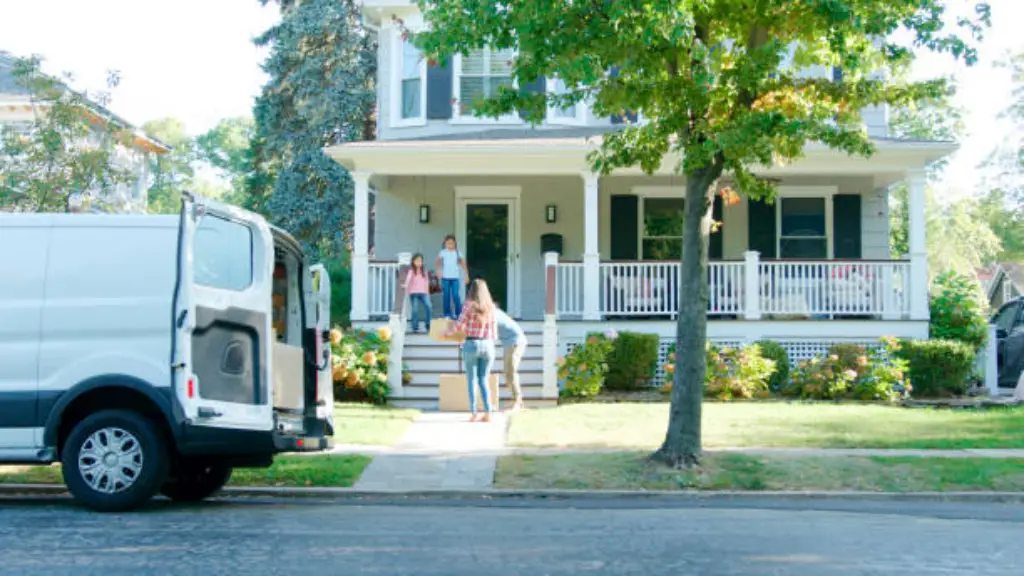
I watched the catering van back into the driveway at four-thirty, exactly on schedule. I watched the driver unload warming trays and boxes of what I knew were expensive hors d’oeuvres and a custom cake that probably cost four hundred dollars.
The lead caterer, a tired-looking woman in her fifties, asked my father for the balance payment. Sloane stepped forward like she was starring in a commercial, offering my mother’s black card with a flourish, with confidence.
The card reader beeped once. Then again, more insistent. Declined. She tried again, her smile starting to falter. Declined. My father took the card from her and tried it himself, like his authority could override banking systems. Declined.
My mother’s smile cracked first, like porcelain with too much pressure on it. My father’s face followed, going stiff and pale as he realized what was happening, what it meant.
And in the background, visible through the window, the Whitmores’ Mercedes pulled up to the curb. Mr. and Mrs. Whitmore stepped out in cashmere and wool, looking around at the house with the kind of expression wealthy people wear when they’re about to witness someone else’s humiliation.
The caterer packed up her warming trays. My sister stood on the porch trying the card again and again, like repetition could change reality. My father made phone calls that went nowhere. My mother disappeared inside, probably to cry or pray or both.
There was no catered dinner. No Christmas music. No carefully staged elegance. Just the sound of Sloane whispering “try it again” to a piece of plastic that had stopped pretending to work.
While their Christmas collapsed into public embarrassment on a porch in Raleigh, I was two time zones away, standing barefoot on heated stone floors in my place in Park City, Utah.
Inside, the fireplace popped softly with real wood that smelled like cedar and winter. The windows framed the ski slopes like paintings you could step into if you needed to disappear from your old life and start over. The silence in the mountains wasn’t lonely. It was respectful. The air up here tasted clean and cold and expensive, like the world had been rinsed of its complications and started over.
I didn’t throw a lavish party or try to prove anything to anyone. I threw something better: a quiet evening filled with people who had never asked me to shrink, who had never looked at me like I was a problem to be solved or a resource to be extracted.
Aunt Jo came first, my father’s sister who’d been quietly disgusted by her brother’s behavior for years. Her cheeks were pink from the cold, her eyes wide when she saw the windows and the view and the home I’d built without ever mentioning it at family gatherings.
A few friends arrived—people who knew my real work, my real hours, my real story. People who’d never once suggested I smile more or try less or be smaller to make someone else comfortable.
And Caleb showed up in a wool coat that looked too nice for his usual practical style, carrying a leather folder like a reminder that consequences exist even for family members, maybe especially for family members.
We ate good food that I’d cooked myself. We laughed without checking who was listening or who might be offended. We sat by the fire and talked about real things—work challenges, personal growth, the strange relief of finally setting boundaries you should have set years ago.
And for the first time in my adult life, Christmas felt like a choice I was making rather than a test I was failing.
Around eight o’clock, Aunt Jo looked up from her wine and said, her voice gentle but firm, “Honey, your mama’s been selling a story about you for years. About how you can’t get it together, how they’re always helping you out. It’s time people saw the real one.”
She didn’t ask permission before she lifted her phone and started recording. The camera swept past the fireplace, the modest but beautiful Christmas tree, the mountain view that probably cost more per month than my parents’ mortgage.
Then it landed on me. I didn’t pose. I didn’t brag. I didn’t list my assets or accomplishments. I just smiled like a woman who had finally stopped apologizing for breathing, for taking up space, for existing outside of other people’s expectations.
Aunt Jo posted it to her social media with a simple caption: “Christmas with my brilliant niece in her Utah home. Some people spend years underestimating the quiet ones.”
Within minutes, her phone started buzzing with comments. Names I recognized—people from my parents’ church, my sister’s social circle, neighbors who’d heard the carefully edited version of my life for years.
The questions came fast: Wait, Megan owns that place? Megan did brand strategy for what company? Megan has been successful this whole time?
And back on my tablet screen, I watched my mother’s phone start buzzing in her purse as the porch drama turned into a social media wildfire she couldn’t control with her usual combination of charm and selective truth-telling.
My father stepped into the yard to make a call, his hands shaking in the cold. My sister paced like a trapped animal suddenly aware the cage door had been open all along.
Somewhere in that chaos, I knew they would do what they always did when they lost control: they would come for me.
Christmas morning arrived clean and bright, the way mornings do in the mountains when the sky is clear and the snow reflects every bit of available light. I made coffee in the French press and let the quiet settle into my bones like medicine.
Then Aunt Jo looked up from her tablet, her expression sharp. “They’re on the move,” she said. “Your mother tagged your location from my video. They rented an SUV. They’re driving here.”
An hour later, an unknown number called my phone. A tow operator, polite and tired and all business. He said a family in a rental SUV had slid into a snowbank about twenty miles outside Park City. He said they couldn’t pay for the tow. He said they’d given him my number and told him I would handle it.
I asked if anyone was hurt. He said no—just cold and loud and increasingly difficult.
I told him the truth in a voice that didn’t shake: “I haven’t authorized any charges. I don’t know those people.”
When I hung up, my hands were steady. That surprised me more than anything else that had happened in the past week.
By early afternoon, the security cameras at the end of my driveway showed their rental SUV crawling up the hill, filthy with road slush, all their arrogance scraped off like cheap paint.
Frank got out first, shoulders hunched against the cold, still trying to look like a man in charge of the situation. Diane followed, her hair wild from the wind, her expensive heels ruined by snow, her face tight with the kind of panic that comes when the world stops working the way you’ve always assumed it would.
Sloane and Evan came last, clinging to each other like their marriage could double as a life raft in a storm they’d helped create.
And behind them—because this had always been about appearances, about impressing the right people—came the Whitmores, stiff and silent, watching everything with eyes that did not forgive easily or forget quickly.
Frank pounded on my front door and shouted my name like it was a summons I was legally obligated to answer.
I didn’t open it. Reggie opened it—my property manager, tall and calm and professionally bored by family drama. He asked politely if they had an appointment.
The word appointment seemed to short-circuit my father’s brain. He’d never needed one in his own house. He still thought every door should open for him automatically.
A moment later, Deputy Collins stepped into view behind Reggie, not aggressive but present. A uniform does what a thousand arguments can’t—it reminds people that consequences exist outside of family dynamics.
My parents fell quiet. My sister stopped her frantic pacing.
Then, finally, I walked into the foyer where they could see me through the open door—not in pajamas, not crying, not diminished. Just standing there in my own home like I belonged to my own life.
I invited them to sit. Not because I owed them comfort, but because I was done being interrupted, done being shouted over, done being made to feel small in spaces I paid for.
Caleb stood beside the fireplace with his folder, professionally neutral. Deputy Collins stayed near the entry, hands relaxed, face unreadable. Aunt Jo sat in an armchair with her arms crossed, a witness to everything that was about to unfold.
My mother’s eyes jumped from the windows to the art on the walls to the designer furniture to the warmth and space and back to me, as if trying to solve a puzzle where the answer was simply that they’d never really known me at all.
Frank tried to speak first. “Megan,” he started, his voice full of that practiced authority he used when he expected immediate compliance.
I held up my hand. He stopped. That was new for both of us.
Caleb pressed a button on a small speaker. The room filled with audio from my recording—my mother’s voice, clear as church bells, talking about taking my money. My sister’s laugh. My father’s casual instruction to “leave enough so she won’t notice.”
When the recording reached the part about excluding me from Christmas dinner so the Whitmores wouldn’t have to see me, Mrs. Whitmore’s expression shifted into something like disgust.
Caleb laid out printed bank alerts next—deposits, rental payments, designer purchases, all made with money that wasn’t theirs. Not dramatically. Just clean and factual, the way lawyers present evidence that speaks for itself.
My brother-in-law stared at his own shoes like they might offer him an escape route.
Then Mr. Whitmore stood, slow and deliberate and furious in the way that wealthy men get furious when they realize they’ve been lied to. He looked at his son and said, voice cold enough to freeze water, “You told me you were earning respect. You were stealing it. We’re leaving.”
That sentence landed in the room like a heavy plate dropped on tile—final and sharp and impossible to take back.
My sister tried to cry her way into the center of attention, the way she’d always done when consequences approached. It didn’t work this time. Nobody moved to comfort her or save her from the truth.
In that stillness, I realized something: the thing they’d feared all along wasn’t my money. It was my clarity. It was the moment I stopped confusing their comfort with my obligation.
Deputy Collins spoke next, his voice plain and steady, explaining what happens when money crosses lines without permission, when family ties don’t erase the legal definitions of theft.
My parents kept repeating “family matter” like it was a magic spell that could make laws disappear.
But family doesn’t erase paperwork. Family doesn’t erase recordings. Family doesn’t mean someone forfeits the right to set boundaries or demand basic respect.
I didn’t ask for a dramatic arrest or public shaming. I asked for something simpler and harder: accountability.
Caleb offered them two clear options. They could sign agreements that included full restitution, no-contact orders, and the permanent end of their access to anything connected to my name or accounts. Or we could proceed through formal legal channels that would decide everything without my feelings or their embarrassment factoring into the outcome.
My father stared at the papers like they were written in a language he’d never bothered to learn.
My mother asked me, her voice small and confused, if I was really going to do this to them.
I told her yes. I told her I was done funding my own disrespect, done paying for the privilege of being treated like a problem instead of a person.
They signed. Not because they suddenly understood love or respect or boundaries, but because reality had finally moved into the room and changed all the locks.
Spring came eventually, the way it always does. Snow melted off the railings of my deck. The mountains softened into green. Life didn’t turn into a fairy tale. It turned into something better and more sustainable: quiet.
My parents moved into a smaller place back in Raleigh. Their church friends stopped calling as often once the gossip had a name and a timeline and too many details to ignore. Some people asked what really happened. Others just drifted away, the way people do when the performance ends and the truth gets boring.
Sloane stopped posting online for several months. When she came back, her videos were smaller, flatter, less confident. People who live on image hate being seen clearly, hate the moment when the filter comes off and everyone has to look at what’s actually there.
Evan got a job that didn’t sparkle but paid honestly. He learned to show up on time. He learned that real respect is boring in the best way—quiet, consistent, earned through small choices repeated daily.
Aunt Jo visited me once a month, bringing local candy and stories from back home. She never once asked me to reconcile with my parents. She just sat with me and let me be exactly who I was, which turned out to be the greatest gift anyone had given me in years.
One afternoon in late April, a letter arrived from my mother. Not a request. Not an excuse. Not a plea for money or access or forgiveness on her timeline. Just two paragraphs, handwritten, that started with: “I didn’t know how to love you without controlling you. I’m trying to learn the difference now.”
I read it twice, folded it carefully, and put it in a drawer. Healing doesn’t mean handing people the keys to your life again. It means acknowledging that growth is possible while maintaining the boundaries that keep you safe.
The following Christmas, I volunteered at a community dinner in Park City and came home to a house full of people who felt safe to be around. We ate simple food. We exchanged small, thoughtful gifts. I hung a single ornament on my tree—a plain wooden one that said PEACE in block letters.
And for the first time in my life, standing in my own home that I’d built with my own work, surrounded by people who’d never once asked me to be smaller or quieter or less successful to make them comfortable, I believed it.
Peace wasn’t something you inherited or something family gave you as a gift. It was something you built yourself, one boundary at a time, one honest conversation at a time, one moment of choosing yourself over their comfort.
The mountains outside my window stood quiet and permanent, and I finally understood what home was supposed to feel like.

Lila Hart is a dedicated Digital Archivist and Research Specialist with a keen eye for preserving and curating meaningful content. At TheArchivists, she specializes in organizing and managing digital archives, ensuring that valuable stories and historical moments are accessible for generations to come.
Lila earned her degree in History and Archival Studies from the University of Edinburgh, where she cultivated her passion for documenting the past and preserving cultural heritage. Her expertise lies in combining traditional archival techniques with modern digital tools, allowing her to create comprehensive and engaging collections that resonate with audiences worldwide.
At TheArchivists, Lila is known for her meticulous attention to detail and her ability to uncover hidden gems within extensive archives. Her work is praised for its depth, authenticity, and contribution to the preservation of knowledge in the digital age.
Driven by a commitment to preserving stories that matter, Lila is passionate about exploring the intersection of history and technology. Her goal is to ensure that every piece of content she handles reflects the richness of human experiences and remains a source of inspiration for years to come.