The Price of Devotion
They say love is tested not in moments of joy, but in seasons of suffering. I never imagined that my greatest test would last eight years—or that passing it would cost me everything I thought I knew about my marriage, my sacrifice, and the man I’d pledged my life to. This is the story of how devotion became deception, and how the truth, when it finally emerged, shattered not just my heart but the very foundation of the life I’d built.
I’m 44 years old now, though some days I feel decades older. The mirror reflects a woman I barely recognize—not because of age, but because of everything these eyes have witnessed, everything these hands have carried. I was married to David for sixteen years. Sixteen years that can be divided into two distinct chapters: before the accident, and after.
Before feels like a lifetime ago. We were young when we met—I was twenty-four, fresh out of college with a promising career in marketing ahead of me. David was twenty-six, charismatic and ambitious, working his way up in finance. Our courtship was a whirlwind of weekend getaways, late-night conversations that stretched until dawn, and the kind of effortless chemistry that made us believe we were meant for each other.
We married within a year. Looking back, perhaps we rushed, but at the time it felt like the most natural thing in the world. We bought a modest house in the suburbs, the kind with a white picket fence and a backyard perfect for the children we planned to have. And we did have them—two beautiful kids who became the center of our universe.
After our daughter Emma was born, followed two years later by our son Jacob, David and I had a conversation that many couples have. His career was accelerating, demanding longer hours and frequent travel. My marketing job, while fulfilling, had rigid hours that made managing childcare nearly impossible. We discussed our options, ran the numbers, weighed the pros and cons.
In the end, I made the choice to step back from my career. It wasn’t forced upon me—I want to be clear about that. I chose to raise our children, to be present for every scraped knee and school play, every bedtime story and homework struggle. David’s income could support us, and we agreed that having a parent at home was what we wanted for our family.
Did I sometimes miss the boardroom? The creative campaigns? The professional validation? Of course. But when I tucked Emma and Jacob into bed each night, when I saw their faces light up as they ran off the school bus into my arms, I felt certain I’d made the right choice. David would come home, kiss me on the forehead, and tell me I was doing the most important job in the world.
I believed him.
Our life wasn’t perfect—no marriage is—but it was good. We had our disagreements, our stresses about money and parenting decisions, but underneath it all was a foundation of partnership and shared goals. We were building something together. At least, that’s what I thought.
Then, eight years ago, everything collapsed.
It was a Tuesday in October. The leaves were turning, and I was planning Emma’s birthday party for the following weekend. David had left for work that morning the same way he always did—a quick kiss, a “love you,” and out the door. I went about my day, dropping the kids at school, running errands, thinking about whether we should do a princess theme or something with horses for the party.
The call came at 2:47 p.m. I remember the exact time because I looked at the clock, wondering if I’d mixed up the pickup schedule for Jacob’s soccer practice. But it wasn’t the school. It was a hospital.
There had been an accident. A horrific collision on the highway. An eighteen-wheeler had jackknifed across multiple lanes during a sudden rainstorm. David’s sedan had been crushed between the truck and a concrete barrier.
I don’t remember the drive to the hospital. I don’t remember who picked up my children from school. Those hours exist in my memory as a blur of terror and disbelief. This couldn’t be happening. Not to us. Not to David.
When I finally saw him, my strong, vital husband was barely recognizable beneath the tubes and machines. His face was swollen, bruised in shades of purple and yellow I didn’t know human skin could turn. But he was alive. Against all odds, he had survived.
The doctors gave us the news in a sterile conference room that smelled of antiseptic and despair. David had sustained catastrophic injuries. Multiple spinal fractures. Severe trauma to his lower back. Emergency surgery had stabilized him, but the damage was extensive.
“Will he walk again?” I asked, my voice barely a whisper.
The neurosurgeon, a gray-haired woman with kind but weary eyes, chose her words carefully. “It’s too early to say definitively. The spinal cord is bruised but not severed, which is positive. However, the swelling and nerve damage are significant. We’ll know more in the coming weeks, but you should prepare yourself for the possibility that his mobility may be permanently affected.”
Permanently affected. Medical terminology for a life forever changed.
When David finally regained consciousness three days later, I was there. I’d barely left his bedside, surviving on hospital coffee and vending machine crackers. The moment his eyes fluttered open, I grabbed his hand.
“I’m here,” I told him through my tears. “I’m here, and I’m not leaving you.”
He couldn’t speak yet—the breathing tube prevented that—but his fingers squeezed mine weakly. In that moment, I made a silent vow. Whatever came next, whatever challenges we faced, we would face them together. In sickness and in health. For better or for worse.
I meant every word.
The weeks that followed were a nightmare of surgeries, procedures, and crushing uncertainty. David underwent multiple operations to stabilize his spine and address internal injuries. Each time they wheeled him into the operating room, I stood in that hallway praying to any god who might be listening to bring him back to me.
Finally, after six weeks, came the moment of truth. The swelling had decreased enough for comprehensive testing. The neurologist performed a battery of assessments, checking reflexes, sensation, motor function.
The verdict was devastating. David had significant paralysis from the waist down. He could feel some sensation in his legs, which the doctors said was encouraging, but he couldn’t move them. Not yet. Possibly not ever.
“However,” the neurologist added, “the human body is remarkable. With intensive physical therapy, some patients do regain function. It’s a long road, and there are no guarantees, but there is hope.”
Hope. Such a fragile, dangerous thing to cling to.
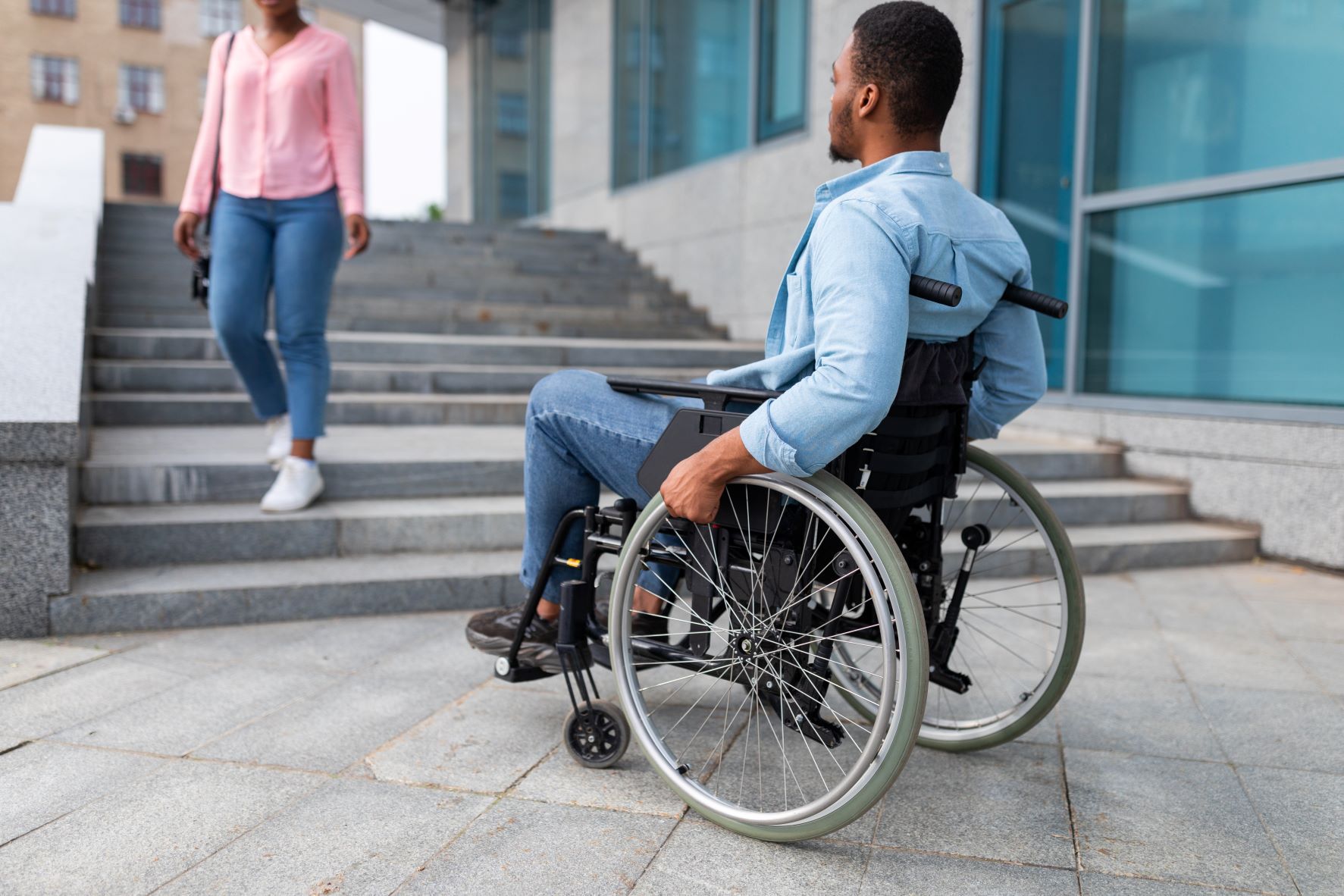
David’s recovery became my full-time job—though “job” doesn’t begin to capture what it demanded of me. After two months in the hospital and another month in an intensive rehabilitation facility, David came home. Our home had to be modified: ramps installed, doorways widened, a hospital bed set up in what had been our dining room because he couldn’t manage stairs.
My days developed a rhythm born of necessity. My alarm went off at 4 a.m., while the house was still dark and quiet. Those predawn hours were when I prepared for the day ahead—laying out medications, preparing meals that could be quickly heated, getting myself showered and dressed before anyone else woke.
By 5:30, I was helping David with his morning routine. Bathing someone who cannot move themselves is an intimate, exhausting task. I had to be careful of his surgical sites, mindful of his pain, efficient with our time. Then came the process of dressing him, transferring him to his wheelchair, administering his medications, helping him eat breakfast.
By 7 a.m., I needed to shift gears entirely. Emma and Jacob needed to be awakened, fed, dressed, and ready for school. They were twelve and ten when the accident happened—old enough to understand that Daddy was hurt, young enough to need their mother to hold things together.
I plastered on smiles I didn’t feel. I asked about homework and friend drama. I signed permission slips and packed lunches. I tried desperately to give them some semblance of normalcy even as our world had been turned upside down.
After dropping them at school, I rushed to my job. I’d taken a position as a hotel cleaner—the only work I could find with flexible enough hours to accommodate David’s therapy appointments and the children’s schedules. It wasn’t glamorous. My back ached from changing endless sheets and scrubbing bathrooms. My hands grew red and chapped from chemicals.
But it was income we desperately needed. David’s disability payments didn’t cover all our expenses, especially with the modifications to the house and ongoing medical costs. I worked as many hours as I could, often skipping lunch breaks to make up time.
Three afternoons a week, I left work early to take David to physical therapy. I watched him struggle through painful exercises, encouraging him when frustration made him want to quit. I learned the terminology—range of motion, muscle atrophy, nerve regeneration. I learned to be his advocate, questioning doctors, researching treatments, refusing to accept defeat.
In the evenings, there was dinner to prepare, homework to supervise, laundry that never seemed to end. More care for David—medications, exercises we’d been taught to do at home, another transfer back to bed. By the time I collapsed into bed each night—alone now, as David slept in the hospital bed downstairs—I was so exhausted I couldn’t even cry.
Some days, I caught glimpses of myself in mirrors and didn’t recognize the woman staring back. When had those lines appeared around my eyes? When had my hair started showing gray? I’d gained weight from stress eating and lost it again from having no time to eat at all. I wore no makeup anymore—what was the point? My clothes were whatever was clean and comfortable enough for the physical demands of my days.
People at the hotel, at the grocery store, at the kids’ school—they all knew our story. Small-town life meant everyone knew everyone’s business. I heard the whispers, saw the looks of pity.
“That poor woman.”
“Can you imagine? Still so young and having to deal with all that.”
“Most women would have walked away. She must really love him.”
And I did. God help me, despite everything, I loved him. I loved the man he’d been, and I held onto hope for the man he might become again. Love was what got me through those impossible days.
David wasn’t always easy to care for. The accident had changed more than just his body. He struggled with depression, anger, shame. There were days when he lashed out at me, frustrated by his dependence. There were nights when he cried, mourning the life he’d lost.
“I’m not a man anymore,” he said once, his voice breaking. “I can’t work. I can’t walk. I can’t even go to the bathroom by myself. What kind of husband am I?”
“You’re my husband,” I told him firmly, taking his face in my hands. “You’re Emma and Jacob’s father. You’re a person who survived something that should have killed you. You’re fighting every single day. That takes more strength than anything.”
In those moments, when I could break through his despair and see a glimmer of hope in his eyes, I felt like everything I was sacrificing mattered. We were in this together, fighting for our future.
The years crawled by. Four years. Five. Six. Progress was maddeningly slow, measured in millimeters rather than miles. David could feel more sensation in his legs. Sometimes his toes would twitch. But walking remained impossible.
Until it wasn’t.
Seven years after the accident, something shifted. David’s new physical therapist, a determined woman named Rita, implemented an aggressive new protocol. More frequent sessions, different exercises, some experimental electrical stimulation therapy. And incredibly, impossibly, David began to show real improvement.
First, he could bear some weight on his legs during transfer exercises. Then, with the help of parallel bars and two therapists, he could stand for a few seconds. Then longer. Then, eight years after the accident, the miracle we’d been praying for finally happened.
David took a step. Then another. Then another.
I was there the day he walked the full length of the therapy room using only a walker for support. Tears streamed down my face as I watched him, this man I’d cared for through eight years of struggle, defying every dire prediction. He was walking. Actually walking.
“You did it,” I sobbed, hugging him carefully as he lowered himself back into his wheelchair, exhausted but triumphant. “Baby, you did it.”
He was smiling—really, genuinely smiling in a way I hadn’t seen in years. “We did it,” he corrected. “I couldn’t have gotten here without you.”
In that moment, I believed we’d turned a corner. All the sacrifice, all the exhaustion, all the years of putting my life on hold—it had all been worth it. We were finally getting our life back.
I imagined us renewing our vows. Taking a vacation—our first in eight years. Maybe I could go back to school, restart my career now that David was regaining independence. We could be partners again, not just patient and caregiver.
I was wrong about everything.
David continued to improve. Within weeks, he could walk unassisted for short distances. Within two months, he barely needed the walker. Physical therapy continued, but he was doing more and more on his own. For the first time in eight years, he could shower himself, dress himself, get himself a glass of water without calling for help.
I should have been overjoyed. And I was—but I also felt strangely adrift. For eight years, caring for David had been my entire identity. Now, suddenly, he didn’t need me the same way. I tried to adjust, to figure out who I was supposed to be in this new phase of our life.
But David was changing in ways I couldn’t quite pinpoint. He was distant. Distracted. He started spending hours on his phone, which he’d angle away from me when I walked into the room. When I’d ask what he was looking at, he’d say “nothing” or “just news” and quickly lock the screen.
He began going out—which was wonderful, I told myself. He was reclaiming his independence, reconnecting with the world. But he was vague about where he’d been. “Just driving around.” “Meeting up with some guys from physical therapy.” “Getting some air.”
When I tried to talk to him, really talk, about our future and our marriage, he was evasive.
“We’ll figure it out,” he’d say. “I just need some time to adjust.”
So I gave him time. I gave him space. I told myself this was normal—that after eight years of such intense dependence, he needed to rediscover himself.
I didn’t realize he was rediscovering himself with someone else.
It was a Tuesday evening, almost exactly eight years and one month after the accident, when David came home and my world ended for the second time.
He walked in—walked, on his own two feet—and looked at me with eyes that held no warmth. No love. Nothing but cold resolution.
“We need to talk,” he said.
My stomach dropped. Nothing good ever follows those words.
We sat at the kitchen table, the same table where we’d shared thousands of meals, where I’d helped our children with homework, where we’d made plans and dreamed dreams.
“I’ve done a lot of thinking,” David began, his voice steady and rehearsed. “These past eight years have been… they’ve changed me. Changed everything. I need to live for myself now. I need to figure out who I am, what I want.”
“Okay,” I said carefully, hope flickering. “We can work on that together. We can—”
“No,” he cut me off. “That’s just it. I can’t do this anymore. You’ve changed. You’re not the woman I married. When I look at you, I just see… I see all the pain and struggle. I see everything I’ve lost. I need a fresh start.”
The words hit me like physical blows. I stared at him, unable to process what I was hearing.
“I’ve contacted a lawyer,” he continued, pulling papers from his bag. “I’m filing for divorce.”
He placed the documents on the table between us as casually as if he were passing me the salt.
The room spun. “You’re joking,” I whispered. “This is some kind of… You can’t be serious.”
“I’m completely serious. I’ve already signed. You just need to look these over and sign too.”
“David, I gave up everything for you!” My voice cracked, eight years of exhaustion and sacrifice rising up. “I spent eight years caring for you, sacrificing for you, fighting for you—”
“And I appreciate that,” he said, his tone infuriatingly calm. “I really do. But I didn’t ask you to do that. And I can’t stay in a marriage just out of gratitude.”
“This isn’t about gratitude! This is about love! About vows! We’re supposed to be a team!”
He stood up. “I’m sorry you feel that way. But my decision is made. I’ve already packed some things. I’m staying with a friend while we work out the details.”
Just like that. Eight years reduced to “details” to be “worked out.”
“What about Emma and Jacob?” I demanded, my voice rising. “What about your children?”
“I’ll always be their father. We’ll work out custody arrangements.”
He picked up his bag—already packed, I realized numbly. He’d planned this. Planned to walk in, destroy our life, and walk out.
And that’s exactly what he did. Without another word, without a hug or even a backward glance, David walked out our front door.
He walked out. On his own two legs. Legs that worked because I had refused to give up on him.
I sat at that table for hours, staring at the divorce papers. My mind couldn’t make sense of it. Eight years. Eight years of my life, my youth, my energy, my identity. Eight years of 4 a.m. wake-ups and exhausted midnights. Eight years of sacrificing my career, my health, my own needs.
And the moment he could walk again, he walked away.
I was shattered. Completely hollow. I moved through the next days like a ghost, trying to hold it together for Emma and Jacob, who were devastated by their father’s sudden departure. Trying to figure out how to explain that Mommy and Daddy were getting divorced right when Daddy finally got better.
Friends offered sympathy and fury on my behalf. “How could he do this to you?” they demanded. “After everything you did for him?”
But underneath their outrage, I could see what they were thinking: maybe David was right. Maybe I had changed. When I looked in the mirror, I saw a worn-out woman in her forties who looked fifty. Who dressed in practical, unflattering clothes. Whose hands were rough from cleaning supplies and whose back ached constantly. Who had no career, no identity outside of being a caregiver.
Maybe I really wasn’t the woman he’d married. Maybe I’d let myself go. Maybe this was somehow my fault.
I started to believe it. Started to think that I should have tried harder to maintain my appearance, to be more than just a nurse and maid. That I’d been so focused on helping him walk again that I’d forgotten how to be a wife.
Depression settled over me like a heavy blanket. I went through the motions—work, kids, survival—but inside I was drowning.
And then, three weeks after David left, I learned the truth.
I was in the grocery store, mindlessly pushing a cart through the aisles, when I ran into Rita—David’s physical therapist. We’d always been friendly; she’d been part of our lives for over a year.
“Oh, honey,” she said when she saw me, her face crumpling with sympathy. “I heard about the divorce. I’m so sorry.”
“Thank you,” I managed. “It’s been… difficult.”
“I just can’t believe the timing,” she continued, shaking her head. “Walking out right when he gets back on his feet. And with her of all people.”
My blood went cold. “Her?”
Rita’s face went pale. “Oh God. You don’t know. I thought— I’m so sorry, I thought you knew.”
“Knew what?” My voice came out sharp, desperate.
She looked around, then spoke quietly. “David’s been seeing someone. One of the volunteers at the therapy center. She started coming around about six months ago. Young, early thirties. They were always talking, and then I started noticing them in his car after sessions. I thought it was inappropriate, but I figured it wasn’t my business unless it interfered with therapy.”
The grocery store seemed to tilt. Six months ago. Before he could even walk properly. While I was still caring for him, still believing we were in this together, he’d been having an affair.
“Are you sure?” I whispered, even though I already knew it was true. It explained everything—the secretiveness, the distance, the sudden need to “live for himself.”
Rita squeezed my arm. “I’m sorry. I really thought you knew. I would have said something earlier if I’d realized…”
I barely remember finishing my shopping or driving home. My mind was reeling, replaying the last six months. How many times had he lied to me? How many “therapy sessions” had actually been meetings with her? How many nights had he lain in bed, planning his escape while I slept fitfully across the room, exhausted from caring for him?
When I got home, I did what I should have done weeks ago. I checked our phone records online. And there it was—hundreds of texts and calls to a number I didn’t recognize. Starting exactly six months ago, right after he’d first managed to walk with the walker.
My hands shaking, I searched the phone number on social media. Found her immediately: Melissa, age 31, pretty and fit, her profile full of inspirational quotes and gym selfies. Her relationship status: “It’s complicated.”
Complicated. That was one word for it.
I scrolled through her photos and found it—the careless mistake that Rita had mentioned. A post from two weeks ago: a photo of her and David at a restaurant, his arm around her. She’d tagged him. The caption read: “Finally getting to celebrate this amazing man’s recovery! So proud of you!”
The comments were full of heart emojis and congratulations from people who clearly had no idea David was married. That he’d had a wife at home who’d sacrificed everything for his recovery.
I looked at the date again. Two weeks ago. That was one week before he’d served me divorce papers. He’d already been publicly celebrating with her while still living in our home.
Something inside me snapped. Not into hysterical rage, but into cold, crystalline clarity.
For eight years, I’d believed a lie. Not just about our marriage, but about myself.
I’d believed that my worth was tied to my sacrifice. That being a good wife meant erasing myself completely. That love meant giving until there was nothing left.
But David hadn’t left because I’d changed or let myself go. He’d left because he was a coward and a cheater who’d used my devotion as long as it served him, then discarded me the moment he no longer needed me.
This wasn’t my failure. It was his.
I called my sister that night and told her everything. She drove two hours to be with me, held me while I finally, truly grieved—not just for my marriage, but for the years I’d lost.
“What are you going to do?” she asked.
“I’m going to fight,” I said. “I’m going to get the best divorce lawyer I can find. I’m going to document everything—the affair, the finances, all of it. I’m going to make sure he doesn’t get to walk away without consequences.”
And that’s exactly what I did.
I hired a lawyer who specialized in cases involving adultery and caretaker spouses. We documented David’s affair, the timing, the financial records showing how I’d supported the family while he recovered. We built a case not just for divorce, but for justice.
When David realized I wasn’t just going to quietly sign the papers, he was furious. He called, demanding to know why I was “dragging this out.”
“Because you don’t get to rewrite history,” I told him calmly. “You don’t get to pretend you’re the victim here. You had an affair while I was caring for you. You lied to me, used me, and then threw me away. And now you’re going to face the consequences.”
The divorce was ugly. David tried to claim I was being vindictive, that I should be happy he’d recovered, that he deserved a chance at happiness.
But the evidence was damning. The phone records. The social media posts. Testimony from mutual friends who’d suspected but said nothing. Even Rita, bless her, provided a statement about what she’d witnessed.
In the end, the settlement was strongly in my favor. The house, a significant portion of his disability back-pay, ongoing alimony that reflected the career I’d sacrificed. It wouldn’t give me back those eight years, but it would provide security for me and our children.
David married Melissa within six months of our divorce being finalized. I saw the announcement on social media—her in a white dress, him standing beside her, both of them beaming. The caption: “Starting our journey together.”
I could have been bitter. Part of me wanted to be. But mostly, I felt something unexpected: relief.
Because I realized that the man who could do what David did—who could accept eight years of sacrifice and repay it with betrayal—wasn’t someone I wanted to be married to anyway. His walking away had freed me from a life with someone who saw my love as transaction rather than devotion.
Slowly, painfully, I began to rebuild. I went back to school, using some of the settlement money to get certified in healthcare management. It felt right—taking all that experience as a caregiver and channeling it into something that was mine.
I started therapy, working through the complex emotions of grief, anger, and betrayal. I learned to set boundaries. To value myself. To understand that sacrifice in a relationship should be mutual, not one-sided.
I even started dating again, though cautiously. I’m not ready for anything serious, and maybe I never will be. But I’m learning that I’m allowed to have needs and desires of my own. That being in a relationship doesn’t mean disappearing.
My children struggled with their father’s choices, but we’re working through it together. They spend time with David and Melissa, and I never badmouth their father to them, though they’re old enough now to form their own opinions. Emma told me recently, “I’m proud of you, Mom. For everything you did for Dad, and for standing up for yourself.”
That meant more than any settlement ever could.
I still have hard days. Days when I wonder what my life would have been like if I’d made different choices. If I’d insisted David go to a full-time care facility. If I’d protected my career. If I’d seen the warning signs of his affair.
But I’m learning to be gentler with myself. The woman I was eight years ago made the choices she thought were right with the information she had. She loved deeply and fought hard. That she was betrayed doesn’t diminish her strength—it reveals his weakness.
Today, I’m building a life that’s mine. Not defined by someone else’s needs or expectations. I’m still learning who I am outside of being a wife and mother, and that’s okay. I have time.
Sometimes I run into people who knew us as a couple. I can see the questions in their eyes, the curiosity about the scandal. But I hold my head high. I have nothing to be ashamed of.
I loved. I sacrificed. I endured. And when I was betrayed, I survived.
That’s my story. Not one of victimhood, but of resilience. Not about what was done to me, but about what I did next.
If there’s a lesson in all of this, it’s that sacrifice without reciprocity becomes martyrdom. That love should never require the complete erasure of self. That you can be devoted to someone without losing yourself in the process.
And perhaps most importantly: that walking away isn’t the greatest betrayal. Sometimes, the greater betrayal is staying and pretending—something David did for months while planning his exit, and something I refused to do once I learned the truth.
I gave eight years of my life to a man who didn’t deserve them. But I won’t give him one more day.
My future is my own now. And I’m finally ready to walk into it—on my own two feet.
THE END

Adrian Hawthorne is a celebrated author and dedicated archivist who finds inspiration in the hidden stories of the past. Educated at Oxford, he now works at the National Archives, where preserving history fuels his evocative writing. Balancing archival precision with creative storytelling, Adrian founded the Hawthorne Institute of Literary Arts to mentor emerging writers and honor the timeless art of narrative.