The Day I Came Home to Nothing
I knew something was wrong the second I stepped out of the rideshare and saw the movers.
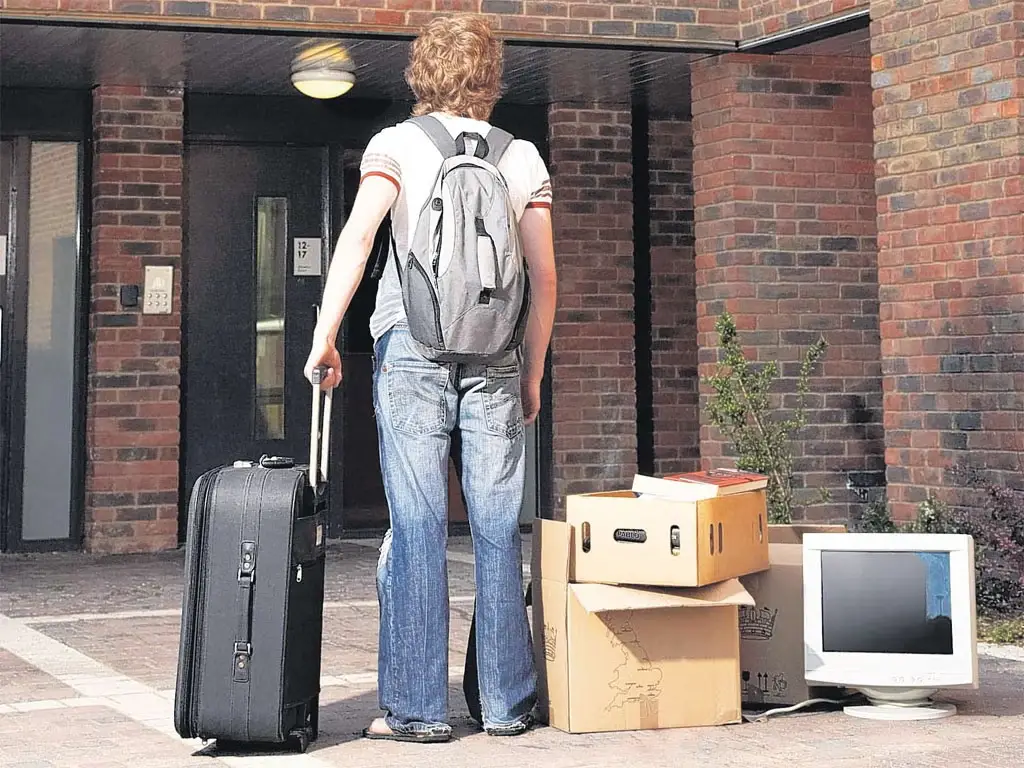
Three of them stood on the sidewalk in navy shirts, leaning casually against stacks of cardboard boxes—my boxes. I recognized the corner dents, the black tape, the thick marker ink. My name was written across the top in my own handwriting: Lena Parker.
For a split second, my brain rejected the image. Maybe a neighbor was moving. Maybe this was the wrong building.
But the address was right. Meridian Heights. My penthouse.
One of the movers glanced at his clipboard, then at me.
“Are you Lena Parker?”
When I nodded, he said the words that made the street go quiet around me.
“We were told to clear the unit. New owners take the keys today.”
The world tilted. New owners. My penthouse.
Before I could speak, my phone buzzed. A message from my sister flashed across the screen.
Welcome home. Guess you’re homeless now.
I stood there on the sidewalk while people walked past, while my life sat in boxes behind strangers, and for the first time in years I didn’t know where I belonged.
“There has to be a mistake,” I said finally.
The mover shifted uncomfortably. “I’m sorry. We just do what we’re told.”
I swallowed hard and dialed my mother’s number. She answered on the second ring.
“Did you land?” she asked, already irritated.
“Mom,” I said quietly, “why are my things on the sidewalk?”
There was a pause. Then a sigh.
“Don’t be dramatic, Lena. We did what we had to do.”
My chest tightened. “Did what?”
“We sold the apartment. Your sister needed help.”
“You sold my home,” I said.
“Oh, please,” she snapped. “You’re one person. You travel all the time. You don’t need a penthouse.”
My father’s voice cut in on speaker. “This was for the good of the family.”
The good of the family. I had heard that phrase my entire life.
“You didn’t even ask me,” I said.
“That’s because we knew you’d overreact,” my mother replied.
Before I could respond, another voice joined—bright and unmistakably amused.
“So it’s true,” my sister Mara said. “You really came back to nothing.”
“Mara,” I said, my jaw clenched.
“Relax. You’ll figure it out. You always do. And honestly, you should be thanking us. Josh and I were drowning.”
Josh—her fiancé. The man who never seemed to have a steady job but always had a reason.
“You used my apartment to pay his debts?” I asked.
“It wasn’t just his,” she shot back. “And don’t act like you’re some victim. You have money. You have options. I’m trying to build a family.”
“What did you use to sell it?” I asked. “I never signed anything.”
Another pause.
“That document you signed years ago,” my father said carefully. “Perfectly legal.”
My stomach dropped. “What document?”
“Don’t start,” my mother said. “You trusted us back then. Nothing’s changed.”
Everything had changed.
“I need to talk to you in person,” I said.
“There’s nothing to discuss,” my mother replied. “The sale’s done.”
Mara laughed. “You should probably hurry if you want to grab anything else. The buyers are excited.”
I ended the call without another word.
The movers loaded everything into storage while I stood aside and watched my life disappear box by box. I didn’t cry. I didn’t scream. I felt something colder settle in my chest—something that pushed the panic away and left only clarity.
They hadn’t panicked. They hadn’t acted out of desperation. This had been planned.
The Discovery
I checked into the first motel I could find, a narrow room that smelled faintly of disinfectant. The bed was stiff. The light was harsh.
I sat on the edge of the mattress and let the silence wrap around me.
My phone buzzed. A message from my mother: Get some rest. We’ll talk tomorrow.
I set the phone face down and opened my laptop instead.
If they thought I would panic, they were wrong. If they thought I would beg, they didn’t know me.
Somewhere beneath the shock, a question was forming: What exactly had they sold?
I logged into my digital vault and opened the folder labeled Meridian Trust Final.
The emergency authority form was there—medical decisions only. Signed after a surgery, when I was vulnerable and grateful for help.
I scrolled through it slowly. Not transferable. No property authority.
I opened the trust document next. The penthouse wasn’t listed as a simple asset. It was held under specific restrictions: sale required my direct presence, my signature, no exceptions.
My breath caught.
They couldn’t sell it. Not legally. Not the way they had.
They assumed I wouldn’t check.
I thought of my father’s voice, confident and dismissive. I thought of Mara’s laughter—homeless.
A crack formed inside me, not of pain but of understanding. They thought they had won.
I closed the laptop and stared at the ceiling.
Tomorrow I would verify the sale. Tomorrow I would start asking questions they never expected me to ask.
For now I lay back on the unfamiliar bed and let one thought anchor me: They sold the apartment. They just didn’t know what it really was.
The next morning, I opened my email and searched for anything related to the apartment sale: notices, realtor messages, automated alerts.
There was nothing. The sale had happened in a vacuum, without me ever existing as the owner.
I pulled up the county’s public real estate records and typed in the property address.
Status: sold.
The listing date was less than two weeks ago. The closing date was yesterday. Forty-eight hours from listing to sale, in a building where units usually sat for months.
Worse, the sale price was far below market value.
No buyer with sense would rush a deal like that unless someone on the other side was desperate to unload it.
The timing. My trip. The silence. The rush.
This wasn’t a misunderstanding. This was a maneuver.
I called the building management office.
“Meridian Heights. This is Claire.”
“Hi, this is Lena Parker, Unit 32A. I have a question about my apartment.”
There was a pause.
“Oh. Yes. We were told you were unavailable.”
“Unavailable how?”
“Your parents handled the sale. They said it was best not to disturb you.”
Best not to disturb you.
“Did anyone try to contact me directly?”
Another pause. “We were advised not to.”
I thanked her and ended the call.
They hadn’t just sold my home. They had erased me from the process, presented me as someone who couldn’t be trusted with her own life.
I sat there for a long moment, then I did the one thing I’d been avoiding. I called the buyer.
The number was listed on the public record. I hesitated, then pressed dial.
It rang four times before a man answered.
“Hello?”
“Hi. My name is Lena Parker. I believe you purchased my apartment.”
Silence stretched. Then a slow exhale.
“We were wondering when you’d call.”
My stomach tightened. “You were?”
“Yes. I’m Daniel. My wife and I… we thought something felt off.”
“I didn’t authorize the sale,” I said. “I didn’t even know it was happening.”
He didn’t sound surprised.
“Your parents told us you were aware. They said you’d given consent but were emotionally overwhelmed and didn’t want to be involved.”
Emotionally overwhelmed.
“Did they say anything else?”
“They said you were fragile. That you didn’t handle stress well. That involving you would make things harder.”
My stomach dropped. This wasn’t just theft. This was character assassination.
“Do you still have the emails?”
“Yes. We kept everything. And the notary appointment was rushed. Your parents insisted on handling all the paperwork.”
“Would you be willing to share those messages?”
“Of course. We never wanted to be part of something like this.”
The emails arrived ten minutes later.
I read them slowly, each one confirming what my gut already knew: my mother writing to the realtor asking for speed, my father reassuring the buyers that I was incapable of handling legal matters.
One message made my hands shake: She doesn’t need to be involved. She won’t understand the urgency.
They didn’t just take my home. They took my voice and handed strangers a version of me that suited their needs.
My phone buzzed. A text from Mara: Why are you talking to the buyers.
I didn’t respond.
Another message followed from my father: This is getting out of hand. We’ll explain everything when you calm down.
Calm down. The family favorite.
I set the phone aside and pulled up my bank app without thinking.
A list of transactions filled the screen. At first glance everything looked normal. Then my eyes caught something else: small withdrawals, regular, always under the amount that triggered alerts, labeled with notes like family help or temporary support.
I scrolled back—one month, three months, six. The same pattern repeated.
A cold realization crept over me.
They didn’t sell my penthouse because they needed money that week. They sold it because they had been bleeding money for a long time.
I closed the app and leaned back. Somewhere outside, a car horn blared—life continuing as if nothing had changed.
I reached for my phone and typed one message. Not to my family.
To someone I hadn’t spoken to in years.
Are you available? I think I need legal advice.
The Attorney
Samantha Blake answered my call on the second ring.
“Lena.”
“Yes,” I said, my voice steady. “I need your help. My family sold my penthouse while I was out of state.”
There was a pause, then a sharp inhale.
“Do not talk to them anymore,” she said immediately. “Not one word.”
Relief washed through me.
“Send me everything you have,” she continued. “And Lena—this isn’t just a family dispute. This is fraud.”
I spent the next few hours uploading files, labeling folders, creating timelines. By the time I finished, my inbox chimed with Samantha’s reply.
Got everything. This is serious. We’ll talk in the morning.
The next day, Samantha outlined the case with brutal clarity. “The power-of-attorney they used does not grant them authority to sell real property. If your signature was applied without your knowledge, that’s forgery. The misrepresentation to buyers adds another layer.”
“And the financial withdrawals?” I asked.
“That’s long-term financial exploitation. Intentional. Structured. Provable.”
“What happens now?”
“Now we stop them from doing any more damage.”
She outlined the steps: an emergency filing, a request to freeze the proceeds, formal notices. She didn’t sugarcoat anything.
This would get ugly. It would get public. And my family would not take it quietly.
“They will accuse you of betrayal,” she warned. “They will say you’re tearing the family apart.”
“I can handle that,” I said.
“Good. The most important thing you can do right now is stay silent. Let me speak for you.”
The messages from my family kept coming. My mother’s tone shifted from irritation to concern: Please call me. I’m worried about you.
Then my father tried a different angle: This doesn’t have to go further. We can fix this privately.
Finally Mara: You’re making everything worse. You’re going to ruin us.
I read each one without responding.
By afternoon, Samantha sent another message: We’re filing the first motion tomorrow morning.
I closed my eyes. Filing meant commitment. It meant the law stepping in where I had never been allowed to.
My phone buzzed again. This time it was Josh.
Let’s talk like adults. We can work something out.
I didn’t reply.
The final message of the day came from my father: If you push this, you’ll lose your inheritance.
I stared at the words until they stopped feeling sharp.
There it was. The last card they had always held over me without saying it out loud.
I set the phone down gently.
Inheritance wasn’t leverage if it came at the cost of my autonomy. Money wasn’t security if it required my erasure.
That night, as I lay in the unfamiliar bed, I didn’t feel afraid of what was coming.
I felt anchored.
The Pattern
I opened my banking app the next morning, not looking for proof but for reassurance.
Instead, my stomach tightened.
At first nothing looked wrong. The balance was where I expected it. But I scrolled back—one month, two, three.
Small withdrawals spaced just far enough apart to look harmless: two hundred here, two-fifty there, always under the threshold, always labeled family help, temporary support, emergency.
I exported the last eighteen months into a spreadsheet and highlighted every transfer. When I was done, the screen glowed with yellow marks.
They hadn’t taken everything at once because they didn’t need to. They’d taken it slowly, quietly, counting on my trust.
I sorted the data by recipient.
That’s when I saw his name.
Josh Henderson.
Not on every transfer, but enough. Sometimes directly. Sometimes through a second account before landing somewhere else: credit cards, online lenders, payment processors I didn’t recognize.
One payment processor opened to reveal: Gambling platform.
I closed the tab slowly.
They hadn’t been rescuing Mara from a bad month. They’d been propping up a lifestyle that was collapsing under its own weight.
The earliest withdrawal appeared just over a year ago, around the same time I’d taken on a new project—longer hours, more travel, less attention to my accounts.
Perfect timing.
This wasn’t help. This was extraction.
I opened the app settings and found it: authorized access. My mother’s name.
I remembered exactly when I’d added her—after my surgery years ago. “Just in case.”
We never removed it.
I removed her access without ceremony. Just a quiet click.
My phone buzzed. Mara: Why are you checking accounts? That’s invasive.
I laughed—a short, humorless sound.
I opened a new document and began listing dates, withdrawals, locations, patterns.
By the time I finished, my hands were cold but my mind was sharp.
This wasn’t an emotional betrayal. It was a financial one—documentable, traceable, illegal.
I called Samantha.
“I found more,” I said. “Over a year of systematic withdrawals. Josh’s name is all over it.”
“How far back?”
“Over a year. Small amounts. Consistent.”
“That’s intentional,” she said. “It establishes a pattern.”
“What do I do now?”
“Nothing. You don’t confront them. You let me handle this.”
After we hung up, I sat in silence.
My family hadn’t just crossed a line. They’d erased it.
They’d built an entire system around the assumption that I would never look too closely.
They were wrong.
The Hearing
The courthouse smelled like disinfectant and old paper. I sat on the hard wooden bench outside the courtroom with Samantha beside me.
“They’ll be here,” she said quietly. “They always show up late. It’s a power move.”
Sharp heels echoed down the hallway. My mother’s voice carried before she came into view.
“There she is. Sitting there like she’s done nothing wrong.”
I lifted my gaze slowly. They stood a few feet away—my parents in neutral colors, polite expressions strained thin. Mara hovered behind them. Josh stood beside her, stiff and pale.
My mother stepped forward. “Lena, you need to end this. Now.”
Samantha stood immediately. “Any communication goes through me.”
My mother scoffed. “This is a family matter.”
“No,” Samantha replied evenly. “This is a legal one.”
My father’s face darkened. “You’ve turned your back on us. After everything we’ve done for you.”
“You sold my home,” I said calmly. “And you stole my money.”
Mara laughed—humorless and brittle. “You make it sound so dramatic.”
The courtroom doors opened. The bailiff called our case number.
Inside, the judge—a woman in her early sixties with sharp eyes—took her seat and scanned the documents.
“This hearing concerns an emergency injunction regarding the sale of a residential property and alleged financial misconduct.”
Samantha stood. “Your Honor, my client’s parents and sister sold her penthouse without her consent while she was out of state. They used a restricted power-of-attorney intended solely for medical emergencies. The signature applied to the sale documents was not done by my client. Additionally, funds from the sale and from my client’s personal accounts were diverted to cover third-party debts.”
The judge raised an eyebrow. “Is that so?”
Their attorney stood quickly. “Your Honor, this is a misunderstanding—”
“Belief is not law,” the judge cut in. “Do you contest the claim that the signature was falsified?”
The attorney hesitated. “We are still reviewing—”
Samantha stepped forward. “We’ve provided bank statements, transaction histories, and preliminary expert analysis indicating the signature was traced, not signed.”
The judge flipped through the pages, her expression tightening.
My mother gasped softly. “This is unbelievable. She’s destroying us.”
I didn’t react.
The judge looked up. “I’m inclined to grant the injunction pending further investigation. All proceeds from the sale and any related accounts will be frozen effective immediately.”
Josh stiffened. My father stood abruptly. “You can’t—”
“Sit down, sir.”
He did.
The gavel struck once. “The injunction is granted.”
As people filed out, my mother turned to me, her face flushed.
“How could you do this? We’re your parents.”
I met her eyes. “You stopped acting like parents when you decided my life was yours to trade.”
Mara stepped closer. “You think this makes you powerful?”
“No,” I said. “I think the truth finally caught up.”
Outside the courtroom, my mother cried openly. “We’ll lose everything.”
My father’s anger turned sharp. “You’ve ruined this family!”
“You ruined it yourselves,” I said. “I just stopped covering for you.”
Mara’s eyes filled with tears. “Josh could go to jail. Do you understand that?”
I held her gaze. “He should have thought about that before using my money.”
Josh finally looked up. “Lena, I never meant to hurt you.”
“Intent doesn’t erase impact.”
As we walked away, my father called after me. “Don’t expect anything from us after this!”
I turned once. “I never did.”
The Settlement
The first settlement offer arrived three days later.
I read it carefully. My parents were willing to acknowledge procedural errors without admitting fault. They offered partial repayment—spread out over time.
In exchange, they wanted the case dropped and all future claims waived.
Josh’s name appeared exactly once—as a non-primary beneficiary indirectly affected.
They were still protecting him.
At the end: In consideration of familial reconciliation, the defendants propose reinstating the plaintiff’s status as beneficiary under the family estate.
Inheritance again.
Samantha called. “They’re testing you. This is their first attempt to regain control.”
“They didn’t even apologize,” I said.
“No. And they won’t. Not unless it benefits them.”
“We reject it.”
“You’re sure?”
“Yes. They’re still lying and they’re still choosing him.”
“Good. That tells me they’re scared—but not scared enough yet.”
Over the next week, revised offers arrived—each slightly more generous, slightly more desperate.
Still no admission of wrongdoing. Still silence on Josh’s role.
Then Mara showed up at the motel.
“Lena, please. Just talk to me.”
I stopped a few feet away. “You shouldn’t be here.”
“Josh’s accounts are frozen. We can’t pay anything. The wedding’s on hold.”
“You didn’t,” I said quietly. “You dragged me in with him.”
Her eyes filled with tears. “We thought you’d be okay. You always are.”
“Being okay is not the same as being untouched.”
She wiped at her face. “If you drop the case—”
“No.”
She stared at me, stunned. “You won’t even consider it?”
“I have considered it. For years. This is the result.”
“He could lose everything.”
“So did I,” I said. “And you laughed.”
She flinched. “I didn’t think you’d fight.”
“I know.”
That night Josh called. “I never forced your parents to do anything. They offered. They insisted. They said you owed them.”
“And you accepted.”
“Yes. Because that’s how your family works.”
Not denial. Not guilt. Entitlement.
“You want to settle. But if this goes to trial, things will come out that you might not like.”
“Is that a threat?”
“It’s a warning. Families don’t survive this kind of exposure.”
“My family didn’t survive it. They caused it.”
“You really think you’ll walk away clean?”
“I already have.”
I hung up and forwarded the call to Samantha.
Her reply: Threats noted. That helps us more than you know.
The Trial
The morning of the trial arrived without drama. I woke before my alarm, dressed, and packed the last of my things.
Samantha picked me up just after seven. Inside the courthouse, the air buzzed with low voices.
When the judge entered, the room rose and fell.
Samantha’s opening statement was calm, precise, devastating. She laid out the timeline: the trust documents, the limited power of attorney, the forged signature, the rushed sale, the systematic transfers.
She didn’t raise her voice once.
The forensic document examiner testified first. “This signature was not written. It was copied.”
Mara’s hand trembled in Josh’s grip.
Next came the bank analyst, walking through the transfers month by month.
My mother lowered her head. Josh stared straight ahead.
The buyers testified. “She told us her daughter was emotionally unstable, that it would be better if we didn’t involve her.”
When I testified, I told my story simply. No embellishment. Just facts.
I described stepping out of the rideshare to see my belongings on the sidewalk, the message calling me homeless, the disbelief.
I didn’t cry. I didn’t need to.
Josh testified next. Under oath, the charm evaporated.
Yes, he knew the money wasn’t his. Yes, he knew I hadn’t approved the sale. Yes, he accepted the help anyway.
My parents were called. My mother cried loudly. She spoke about fear, about protecting Mara.
“I didn’t think she needed that apartment,” she said defensively.
The courtroom went still.
My father tried logic. “She’s our daughter. We did what parents do.”
The judge’s expression hardened. “Parents do not forge signatures. Parents do not sell what isn’t theirs. Parents do not strip their child of shelter and dignity and call it love.”
Mara testified last, her resentment showing through every answer.
Samantha’s closing was simple. “This case is not about family conflict. It is about abuse of trust—about control disguised as care. My client did not destroy her family. She survived it.”
The jury deliberated for hours.
When they returned, the foreperson stood.
“In favor of the plaintiff—on fraud, on forgery, on financial exploitation, on emotional harm.”
The judge ordered restitution: full repayment, damages, legal fees. The sale voided. Ownership restored.
Josh’s shoulders slumped. My mother sobbed. My father stared at the table. Mara looked stunned.
Outside, my parents tried one last time.
“This didn’t have to happen,” my mother cried.
I met her gaze without anger. “It did, because you wouldn’t stop.”
As I walked down the courthouse steps, the weight I’d been carrying lifted—not because I’d won, but because I had finally told the truth and let it stand on its own.
Home
The movers came back on a quiet Tuesday morning—this time returning something that had only been misplaced.
I stood on the sidewalk, keys warm in my palm, watching them unload my boxes.
When I stepped back into the penthouse, sunlight spilled across the hardwood floors.
The walls were the same. The windows still framed the river.
But I wasn’t.
I walked slowly room to room, touching familiar surfaces. Every corner held a memory, but none of them hurt.
They felt earned.
Samantha stopped by later with final documents. “It’s done. The funds are returned. The damages are paid.”
I nodded. “Thank you.”
She studied me. “You’re handling this well.”
“I think I stopped grieving before the verdict.”
That evening, I unpacked slowly—each book returned to its shelf, each piece of clothing folded and put away.
When I reached the last box, I found old photographs—family holidays, birthdays, smiles that felt almost foreign.
I flipped through them with quiet curiosity.
I could see the pattern now: the way I was always standing slightly apart, the way attention curved toward whoever needed it most.
I set the photos aside and closed the box.
Some memories didn’t need to be destroyed. They just didn’t get to define me anymore.
The next message from my mother came three days later: I hope you’re happy.
I stared at it before setting the phone face down.
I didn’t reply—not out of spite, but because happiness wasn’t something I owed an explanation for.
Mara never reached out again. Neither did Josh.
Through acquaintances, I heard bits: the wedding canceled, the debts looming, my parents selling their house.
For a while, I felt a flicker of guilt.
Then I remembered the movers. The message calling me homeless. The laughter.
The guilt passed.
Weeks turned into months. Life settled into a rhythm that felt unfamiliar at first—peaceful, predictable, mine.
I started saying no without rehearsing it. I stopped overexplaining. I learned that rest didn’t need to be earned.
One evening on the balcony, I realized something.
I wasn’t angry anymore.
What remained was something quieter: self-respect.
The kind that doesn’t shout or demand validation. The kind that simply exists—steady and unmovable.
I thought about the version of myself who believed love meant sacrifice, who thought being strong meant absorbing everything, who confused endurance with worth.
I wished I could tell her: You’re allowed to choose yourself.
That night, I slept with the balcony door open, the sounds of the city drifting in.
In the morning, I woke up in my own bed, in my own home, with nothing to prove and no one to rescue.
And that was more than enough.
They thought they could scare me with loss.
They never understood that I had already survived it.
And now, with the truth exposed and the lies collapsed, the only thing left was what I had finally reclaimed: myself.
Sometimes the strongest revenge isn’t what you take back.
It’s what you finally refuse to give away again.
THE END

Lila Hart is a dedicated Digital Archivist and Research Specialist with a keen eye for preserving and curating meaningful content. At TheArchivists, she specializes in organizing and managing digital archives, ensuring that valuable stories and historical moments are accessible for generations to come.
Lila earned her degree in History and Archival Studies from the University of Edinburgh, where she cultivated her passion for documenting the past and preserving cultural heritage. Her expertise lies in combining traditional archival techniques with modern digital tools, allowing her to create comprehensive and engaging collections that resonate with audiences worldwide.
At TheArchivists, Lila is known for her meticulous attention to detail and her ability to uncover hidden gems within extensive archives. Her work is praised for its depth, authenticity, and contribution to the preservation of knowledge in the digital age.
Driven by a commitment to preserving stories that matter, Lila is passionate about exploring the intersection of history and technology. Her goal is to ensure that every piece of content she handles reflects the richness of human experiences and remains a source of inspiration for years to come.