The Reservation
The dinner went perfectly. In fact, it was terrifyingly perfect.
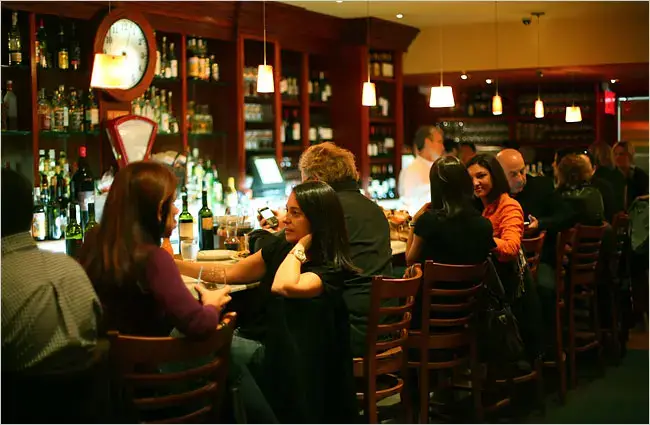
The air inside L’Anima, my brother James’s restaurant, hummed with the soft, expensive clink of crystal and the low, contented murmur of the city’s elite. The lighting was amber and forgiving, designed to make diamonds sparkle and tired faces look rested. The scent of white truffle and roasted garlic hung in the air like a promise, mixing with the earthier notes of fresh rosemary and the sharp tang of aged parmesan.
My dad laughed more that night than I’d seen in years—a deep, belly-shaking sound that erased the lines of worry etched into his face by his recent health scares. Six months ago, we were sitting in a sterile hospital waiting room, unsure if he would make it to this birthday. The cardiac surgeon had been blunt: “The blockage is significant. Surgery is risky at his age.” We had held our breath through five hours of bypass surgery, through complications, through a recovery that seemed to crawl forward one painful day at a time.
Tonight, he was vibrant, holding a glass of Barolo, alive in the way that matters most. His cheeks were flushed with happiness and wine. He was wearing his best suit, the charcoal one Mom had bought him for their fortieth anniversary. He looked strong, healthy, like the man who used to carry me on his shoulders when I was small.
My mom cried during the toast, her tears catching the candlelight as she squeezed my hand across the crisp white linen. Her rings—the engagement ring Dad had saved for three months to buy, the wedding band worn thin by forty years—pressed into my fingers.
“To seventy years,” she whispered, her voice trembling with a gratitude that only a wife of forty years understands. “And to our children who made this possible. To James, for this beautiful place. And to Clara, for bringing us all together.”
My brother, James, who co-owned the restaurant with two silent partners from the finance world, had outdone himself. L’Anima had been his dream since culinary school, a place where he could merge his Italian heritage with modern technique. It had taken him fifteen years to get here—from working as a line cook at chain restaurants to sous chef at a Michelin-starred place downtown, to finally opening his own restaurant three years ago.
He made sure we had the best staff on hand tonight—servers who moved like ghosts, refilling glasses before you knew they were empty, anticipating needs before they were voiced. Every dish came out flawlessly—personalized, seasoned with care, plated like modern art. The amuse-bouche was a delicate squash blossom stuffed with ricotta and drizzled with honey. The first course was a carpaccio so thin you could see the plate through it, dressed with lemon and capers. Then came handmade agnolotti stuffed with short rib, swimming in brown butter sage sauce.
But my mind wasn’t fully on the food. It wasn’t on the delicate balance of flavors or the technical perfection.
It was on Ryan.
It was on the table across the room, near the floor-to-ceiling windows that overlooked the city skyline. The table I had reserved three months ago, calling on a Tuesday morning the moment reservations opened for November. The “Captain’s Table,” as the staff called it. It was the most coveted spot in the restaurant—a round table that seated six, positioned perfectly to capture the view of the Westgate Bridge lit up at night.
I had specifically requested that table for my father’s seventieth birthday because it had the best view of the Westgate Bridge—the very bridge my father had helped design as a junior engineer forty years ago. It was his pride, his legacy. There were pictures in our family albums of Dad at the construction site, wearing a hard hat, holding blueprints, his face young and full of ambition. He used to drive us past it when James and I were kids, pointing out the support structures, explaining load distribution and tension forces we didn’t understand but nodded along to anyway.
The table was supposed to be the symbolic highlight of the night, the moment when Dad could look out at his bridge while surrounded by the people who loved him most.
But Ryan was sitting there. With his parents.
He had tried to hijack a night meant for someone else. Worse—he had done it believing I wouldn’t fight back. He relied on the weapon he always used against me: my desire to keep the peace. He knew I wouldn’t scream in a crowded restaurant. He knew I wouldn’t drag him out by his collar in front of his mother. He banked on my dignity being his shield.
I watched him from our secondary table—a nice table near the bar, with a view of the dining room but not the windows. It was still elegant, still comfortable, but it wasn’t the table. It wasn’t what I had planned for three months. It wasn’t what I had told my father about two weeks ago, watching his face light up at the description.
Ryan was laughing, pointing at the view, gesturing broadly with his wine glass. He was playing the role of the big shot, the successful son-in-law with connections. His parents—Richard and Patricia—looked impressed, nodding as Ryan no doubt explained how he had secured this exclusive reservation. I could imagine his words: “I called in a favor.” “I know the owner.” “It pays to have connections.”
He was drinking the wine I had pre-selected for my father, a 2015 Barolo that the sommelier had recommended specifically because it was the same vintage as the year Dad’s bridge had won an engineering award. The entitlement wasn’t new, but this was the clearest line he had ever crossed.
How had we gotten here? I found myself thinking back to the beginning, trying to pinpoint when things had started to rot.
We’d met five years ago at a charity gala. I was there representing my architecture firm, which had donated design services for a community center. Ryan had been there with his financial planning company, wearing a tuxedo that fit perfectly and a smile that could light up a room. He’d approached me at the bar, complimented my dress, made me laugh with a story about accidentally spilling wine on a client’s white carpet.
“I’m Ryan,” he’d said, extending a hand. “And you are way too beautiful to be standing here alone.”
It was a line, but it worked. He was charming, attentive, successful. He sent flowers to my office the next day. He took me to nice restaurants. He listened—or at least, I thought he was listening—when I talked about my work, my family, my dreams of one day starting my own firm.
We were engaged after a year. The proposal was elaborate—a weekend trip to Napa, a private dinner at a vineyard, a ring that sparkled almost as much as his confidence. My parents had been cautiously supportive. Mom liked him, or tried to. Dad had been quieter, more reserved. “Are you sure?” he’d asked me one evening, just the two of us on his back porch. “Marriage is long, Clara. Make sure you’re marrying someone who sees you as an equal.”
I’d laughed it off. “Dad, it’s 2018. Of course he sees me as an equal.”
But the cracks had started showing even before the wedding. The prenup battle had been the first major red flag. My father, who had built his own modest wealth through careful saving and smart investments, had insisted I protect my assets. The house I’d bought at twenty-six with my grandmother’s inheritance. The small investment portfolio I’d built. My retirement accounts.
Ryan had been furious. “You’re basically saying you don’t trust me,” he’d argued. “You’re planning for failure before we even start. This isn’t a partnership, Clara. This is you keeping one foot out the door.”
I’d almost given in, almost torn up the document to prove my love. But my father had sat me down one evening, his voice gentle but firm. “Hope for the best, prepare for the worst. It’s not about trust. It’s about protection. If he loves you, he’ll understand that.”
Ryan had signed it eventually, but the resentment had festered. He brought it up during arguments, used it as evidence that I’d never fully committed to the marriage.
Then there were the smaller erosions. The way he’d started criticizing my career. “Architecture is such a niche field,” he’d say. “Most architects make nothing. You’re lucky your firm is successful.” When I got promoted to senior designer, he’d congratulated me, but then added, “Try not to let it go to your head. It’s still just a mid-level position.”
He’d stopped coming to my family events, claiming work conflicts or fatigue. When he did come, he’d spend the time on his phone or making subtle digs. “Your dad tells the same stories,” he’d mutter. “Does James ever talk about anything other than food?”
I’d made excuses. He was stressed. He was working hard. His own family was distant, so maybe he didn’t understand how close-knit families operated.
But tonight was different. Tonight, he’d crossed a line that couldn’t be uncrossed.
James waited until the dessert course—a deconstructed tiramisu that was our grandmother’s recipe, the one she’d made for every birthday and holiday—to lean in over my shoulder. He was wearing his executive chef whites, usually a sign of authority, but his eyes were dark with suppressed rage.
“Do you want me to ask them to leave?” he asked quietly, his voice a low rumble that only I could hear. “Security is on standby. I don’t care if he’s your husband, Clara. He’s disrespectful. He stole from Dad. From you. Say the word and they’re gone.”
I looked through the glass partition toward the main dining area. Ryan and his parents were eating, but the dynamic had shifted. They weren’t laughing anymore. Ryan was looking around nervously, his confidence cracking. He had noticed that the staff was treating them differently. The servers were polite, but cold. There were no complimentary appetizers, no amuse-bouche, no intermezzo sorbet. No visit from the chef. No “on the house” limoncello or grappa to finish the meal.
His parents looked confused, whispering to each other. I could imagine Patricia asking, “Isn’t your brother-in-law supposed to be treating us?” I could see the embarrassment creeping into Ryan’s posture.
“No,” I said, my voice steady, surprising even myself. “Let them eat. Let them pay.”
James grinned, a sharp, predatory expression I rarely saw on my gentle brother. It was the look he wore when a food critic gave the restaurant a bad review and he was about to prove them wrong. “Don’t worry, sis. I locked the original reservation under your name—the ‘Friends & Family’ rate with the owner’s comp. That check was meant to be zero. Dad’s dinner tonight? Completely free. My gift to him.”
He leaned in closer. “But the reservation he hijacked? I switched it in the POS system about an hour ago. It’s being billed as a walk-in, prime time, holiday pricing. No discounts. No family rates. And I told Lorenzo—our sommelier—to recommend the ‘reserve’ bottle when Ryan asked for wine recommendations. That Barolo he’s drinking? It’s not on the public menu. It’s $800 a bottle. He’s drinking a mortgage payment right now.”
I didn’t reply, just smiled into my tiramisu. The sweetness of the mascarpone, the bitter edge of the espresso, suddenly tasted like victory.
The rest of the dinner passed in a blur of warmth and laughter at our table. My dad’s best friend from his engineering days had come, bringing stories from the old days. My aunt and uncle drove in from the suburbs. A few of James’s staff—the ones who’d known our family for years—stopped by the table between courses to wish Dad well.
At the other table, Ryan’s family ate in growing discomfort. I watched the servers deliver the check in a black leather folder. I watched Ryan open it. I saw his face go pale, then red. He pulled out his phone, probably checking his bank account. His mother leaned over to look, and her mouth formed a small O of shock.
I felt a moment of satisfaction, then something else—sadness. Not for Ryan, but for the years I’d wasted trying to make a broken thing work.
After dinner, I drove my parents home in my car while James stayed behind to close up the restaurant. The car ride was filled with their happiness, which only made the knot in my stomach both tighten and loosen at the same time. My dad insisted on thanking me three times, his hand patting my shoulder with a heavy, affectionate rhythm.
“That place… what James has built… and what you organized, Clara,” Dad said, his eyes misty. He was sitting in the passenger seat, Mom in the back. “It was the best night of my life. Better than my wedding—don’t tell your mother I said that.”
“I heard that, Thomas,” Mom laughed from the back seat.
“Better than when you kids were born—though that’s close. But tonight? Seeing my bridge lit up through those windows, surrounded by everyone I love? Perfect. Absolutely perfect.”
He didn’t mention Ryan. He didn’t mention the table switch. But I knew he knew. Dad was observant. He’d been an engineer—his entire career was built on noticing details others missed.
When we pulled into their driveway, Dad unbuckled slowly, his movements still cautious from the surgery. He turned to look at me, his face serious in the dim light from the streetlamp.
“Come here,” he said.
I leaned over, and he pulled me into a hug longer than usual. I could smell his cologne—the same Old Spice he’d worn my entire life—mixed with the scent of red wine and dinner.
“You’re a good daughter, Clara,” he whispered into my hair. “You have a spine of steel, just like your grandmother. Don’t let anyone make you feel small. Not even him. Especially not him.”
That sentence echoed in my mind during the twenty-minute drive back to the house I shared with Ryan. Don’t let anyone make you feel small.
For years, I had shrunk myself to fit into Ryan’s narrative. I downplayed my promotions so he wouldn’t feel threatened. When I won a design award last year, I’d barely mentioned it at home because the one time I tried to celebrate, Ryan had said, “It’s regional. Wake me when you win something national.” I stopped talking about my family’s closeness because he called it “codependency” and “enmeshment.” I let him chip away at me, convincing myself that compromise was the same thing as love.
But it wasn’t. Compromise was meeting in the middle. This was capitulation.
When I got home, the house was silent. The living room was pitch black, save for the streetlights filtering through the blinds, casting long, prison-bar shadows across the hardwood floor I had refinished myself three years ago.
Ryan was already there. Sitting in the dark on the leather armchair we’d bought together—or rather, that I’d bought and he’d complained was too expensive until I’d agreed to split the cost, even though his half was never paid. He was still in his suit, tie loosened, top button undone. It was a staged tableau, theatrical and manipulative. He wanted to look like the brooding victim. He wanted me to turn on the light, rush over, and apologize for the awkwardness of the evening.
I didn’t.
“You embarrassed me,” he said, his voice cutting through the silence as I walked in, dropping my purse on the entry table.
“No,” I said, slipping off my heels and placing them deliberately by the door. My feet ached, but I felt strangely energized. “You embarrassed yourself.”
He stood up, the leather of the chair creaking aggressively. “You made me look like a fool in front of my parents. The waiter—Lorenzo, or whatever his pretentious name is—he treated us like tourists. Like we were nobody. James didn’t even stop by the table. My dad asked why your brother was ignoring us. My mother thinks your family hates us.”
“You stole a reservation I made for my father,” I said, turning to face him in the darkness. My voice wasn’t loud, but it filled the room, steady and clear. “For his seventieth birthday. You knew how much that specific table meant to him. I told you about the bridge view weeks ago. I showed you pictures. I explained why it mattered.”
“It was just dinner!” Ryan shouted, throwing his hands up in exasperation. “My parents were in town! What was I supposed to do? Take them to a chain restaurant? To some mediocre place? I’m your husband. What’s yours is mine. Including your brother’s connections. I saw the empty slot in the reservation system on your iPad last week, and I took it. It’s called initiative, Clara. It’s called taking advantage of opportunities.”
“It’s called theft,” I countered, my voice still calm, which seemed to infuriate him more. “And it’s called disrespect. And it wasn’t the first time.”
He scoffed, stepping closer, invading my personal space in that way he did when he wanted to intimidate without touching. The smell of the expensive wine he’d drunk—my wine, the wine meant for my father—was on his breath. “Oh, here we go. You’re going to bring up the past? Make a list of my sins? You think you’re the big shot because your brother owns a restaurant? You think you hold the power here because your family has a little local fame?”
I looked at him. Really looked.
In the dim light filtering through the windows, the charm I had fallen for five years ago had completely evaporated. I didn’t see the charismatic man who swept me off my feet. I saw a vampire—someone who fed off my accomplishments, my connections, my joy, and gave nothing back but contempt.
This was a man who belittled everything tied to my side of the family. My career in architecture? “Just drawing pretty pictures.” My parents? “Simple people with simple dreams.” My friends? “Boring suburban nobodies.” James’s restaurant? “Overpriced Italian food for people with more money than taste.”
I’d made excuses for years. He’s just stressed. He’s ambitious. He just wants the best for us. He comes from a competitive family. He doesn’t mean it the way it sounds.
But tonight, the pattern was undeniable, crystallized into perfect clarity. He believed everything belonged to him—my achievements, my family’s success, even the love my family had for each other was something he felt entitled to consume and discard.
“You need to stay somewhere else for a while,” I said.
The silence that followed was heavy, like the drop in pressure before a storm. His mouth dropped open. For the first time all night, the arrogance slipped, replaced by genuine shock.
“Are you serious?”
I nodded. “Very. I want you to pack a bag, Ryan. Tonight.”
“You’re kicking me out of my house?” He laughed, a cruel, barking sound that held no humor. “Good luck with that. I live here. This is my home too.”
“The house,” I corrected him, stepping closer, refusing to back down, “is in my name. The deed shows Clara Morrison, my maiden name. Bought three years before we met with the down payment from my grandmother’s inheritance. The mortgage comes out of my account. You’ve never contributed to the mortgage, the property taxes, or the homeowners insurance. You know this. The prenup knows this. This house is mine.”
Ryan’s face twisted, the mask finally cracking completely. The mention of the prenup always triggered him, always exposed the raw nerve of his insecurity. He had refused to sign it for weeks before the wedding, claiming it meant I didn’t trust him, that I was “planning for divorce before we even started.”
“You’re really going to do this over a table?” he sneered. “Over a fucking dinner reservation?”
“I’m doing this over four years of you making me feel small,” I said, my voice rising slightly for the first time. “I’m doing this because you stole something meaningful from my father and thought you had the right. I’m doing this because every day with you feels like I’m apologizing for existing. Go.”
Ryan’s expression cycled through several emotions—shock, anger, calculation, and finally, wounded pride. “Fine,” he spat. “But this isn’t over. You can’t just kick me out. We’re married. I have rights.”
“You have the rights outlined in our prenuptial agreement,” I said. “Which your lawyer explained to you in detail before you signed it. Pack a bag. Go to your parents’ hotel. Go to a friend’s house. I don’t care. But you’re not staying here tonight.”
He stormed upstairs. I heard drawers slamming, closet doors banging. He came down fifteen minutes later with a duffel bag, his face red with rage and humiliation.
“This is a mistake,” he said at the door. “You’re going to regret this. You think you can make it without me? You’re nothing without me, Clara. Nothing.”
“I was something before I met you,” I said quietly. “I’ll be something after you’re gone.”
Ryan left that night with his duffel bag and his bruised ego, slamming the door hard enough to rattle the framed pictures on the wall—pictures I’d hung myself, of my family, my friends, my life before him.
I locked the deadbolt. Then the chain. Then I stood there for a moment, listening to the silence.
It didn’t feel empty. It felt peaceful.
I walked through the house, turning on lights, reclaiming the space. In the kitchen, I made myself a cup of tea. In the living room, I sat on the couch and turned on the TV—a show Ryan hated, a British mystery series I’d stopped watching because he complained about the accents.
I slept alone for the first time in four years. The bed felt vast, cool, and incredibly peaceful. I spread out like a starfish, taking up space, not worrying about waking him or encroaching on “his side.”
I woke up at 7:00 a.m. feeling more rested than I had in months.
The Unraveling
Three weeks later, I filed for separation.
It wasn’t a dramatic, plate-throwing decision. It was quiet, methodical, almost clinical. I met with a divorce attorney named Patricia Chen, a woman in her fifties with kind eyes and a steel backbone. I brought the prenup, my financial documents, and a list of Ryan’s behavior patterns that I’d started documenting.
“This should be straightforward,” Patricia said, reviewing the papers. “The prenup is airtight. No children. Clean division of assets. You’ll keep the house, your retirement accounts, your investment portfolio. He’ll keep his accounts and his car. How long were you married?”
“Four years,” I said. “Together for five.”
“And he never contributed to the house expenses?”
“Not the mortgage or property taxes. He paid for groceries sometimes. Utilities. But the house was always understood to be mine.”
Patricia nodded, making notes. “Any joint credit cards?”
“One. I can provide the statements. I’d say I paid off about 70% of the charges.”
“Good. We’ll include that in the settlement. Is he likely to fight this?”
I thought about Ryan’s pride, his need to win, his hatred of appearing weak. “Yes,” I said. “He’ll fight it. Not because he wants to stay married. Because he wants to win.”
I was right.
Ryan tried everything. First came the love bombing. Huge bouquets of flowers arrived at my office—my workplace, where my colleagues could see them, a deliberate public gesture. Roses, lilies, orchids. The cards were increasingly desperate. “I love you. I’m sorry. We can fix this.” “Remember Paris? Remember how happy we were?”
We’d never been to Paris. He was confusing me with someone else, or simply making up memories that sounded romantic.
Then came the texts, oscillating between begging and nostalgia. Fifty messages a day. I stopped reading them, let them pile up unread.
When that didn’t work, he moved to gaslighting. “You’re having a breakdown,” he said in one voicemail that I saved for my attorney. “This isn’t you. You’re being hormonal. Irrational. You need to see a therapist. This is what happens when women hit thirty—they panic and make terrible decisions.”
I was thirty-two. And I’d never felt more clear-headed in my life.
Finally came the bargaining phase. “We just need time,” he said in a voicemail I saved for my lawyer. “I messed up. I admit it. I was stressed about work. The market has been tough. I took it out on you and your family. Don’t throw us away over a reservation. Over a table. I’ll apologize to your dad. I’ll go to couples counseling. I’ll do anything. Please, Clara. I’ll change.”
But I was already gone—in the way that matters. Emotionally, mentally, spiritually. My attorney drafted the paperwork. It moved quickly because the prenup made it simple. We didn’t have kids. We didn’t have shared property beyond a few pieces of furniture I didn’t care about. The house was mine. Our finances were separate.
It wasn’t messy. It was just sad, in the way endings always are, even when they’re necessary.
News traveled fast in our social circle. Quietly, but thoroughly, the way gossip does among people who see each other at the same restaurants, the same charity events, the same country club.
People noticed Ryan showing up places alone. They noticed I’d removed him from my social media. They noticed that when they asked about him, I’d smile politely and change the subject.
His mother, Patricia—the woman who had eaten at my father’s table without a shred of guilt, who had enjoyed the stolen reservation—sent me a text three weeks into the separation: “This is family overreaction. You are breaking apart everything over one dinner? Over a table? You are being selfish, Clara. A wife supports her husband’s image. You are humiliating him publicly. This is not how a good wife behaves.”
I read it three times, marveling at the audacity. Not once did she acknowledge what her son had done. Not once did she consider that maybe, just maybe, Ryan had humiliated himself.
I didn’t respond. I blocked the number.
Richard, Ryan’s father, called once. I let it go to voicemail. His message was gentler than his wife’s, but the message was the same: “Clara, I hope you’ll reconsider. Ryan is a good man. He’s stressed. He made a mistake. Don’t let pride ruin your marriage.”
I deleted the message.
My brother’s restaurant got more attention after the incident—word spread fast in the foodie and social circles. No official story was ever posted, no one gossiped openly, but people asked questions. Regulars noticed I’d come to the restaurant alone. They noticed Ryan never showed up anymore. They noticed James’s expression when Ryan’s name came up—a carefully neutral mask that didn’t quite hide the contempt underneath.
When someone figured out who Ryan was—especially after recognizing him from photos that were still on his own social media, photos of him at L’Anima from better times—he stopped showing his face there. He couldn’t handle being the villain in a place where everyone loved the hero. He was banned, unofficially, from half the high-end spots in the city simply because the hospitality industry talks. Chefs know chefs. Managers know managers. Word gets around.
The divorce was finalized four months after I filed. It was a Tuesday afternoon. I sat in Patricia Chen’s office as she walked me through the final papers.
“He’s agreed to everything,” she said, sounding almost surprised. “No contest. The prenup held. You keep the house, your accounts, your car. He keeps his accounts and his car. No alimony on either side. He signed this morning.”
“Why did he give up?” I asked.
Patricia smiled grimly. “Because his attorney probably told him he had no case. And because fighting would have been expensive. Ryan’s a financial planner—he understands cost-benefit analysis. Fighting would have cost him tens of thousands in legal fees for nothing.”
I signed the papers. My hand was steady. I felt nothing—not sadness, not relief, just a quiet sense of completion.
Moving Forward
I went back to L’Anima six weeks after the divorce was finalized. Alone this time.
The host, a young woman named Sarah who had witnessed the reservation theft, smiled broadly when she saw me. “Welcome back, Ms. Clara. You look… great.”
And I did. I’d lost weight, not from stress but from finally having an appetite again. I’d started running in the mornings. I’d gotten a haircut—shorter than Ryan liked, but I loved it. I was wearing a dress I’d bought for myself, not worrying about whether he’d approve.
“I feel great, Sarah. Thank you.”
James greeted me with a hug that smelled of starch and expensive cologne. He looked at me, searching for signs of sadness, but found only relief. His protective big-brother mode softened into genuine happiness.
“VIP room? I have the Chef’s Table open tonight. It’s yours.”
“No,” I smiled. “Just the bar. I want to be around people.”
I sat at the end of the bar, the polished obsidian surface cool under my fingertips. I ordered a glass of wine—the same Barolo I’d picked for Dad’s birthday. It tasted like memory and vindication.
I watched families gather at tables around me. I saw a young couple celebrating an anniversary, holding hands nervously, reading the menu together. I saw a group of friends laughing over appetizers, sharing food, stealing bites from each other’s plates. I watched them treating each other with care, with deference, with joy.
It felt good to be surrounded by real happiness, not the performance of it.
The bartender, Marco, brought me a complimentary appetizer. “From James,” he said. “The burrata with heirloom tomatoes. He thought you’d like it.”
I did like it. It was perfect—creamy and fresh and bright.
I’d been thinking about everything—how easily Ryan had made something meaningful all about himself. How often that had happened in smaller ways I’d excused or ignored. The time he “forgot” to pick me up from the airport because he was watching a football game. The way he talked over me at parties, finishing my sentences, correcting my stories. The way he made me feel like my success was an inconvenience to his narrative.
He hadn’t cheated, as far as I knew. He hadn’t hit me. But he had eroded me, piece by piece. Little by little. Like water wearing down stone. And I had allowed it because I’d been taught that compromise was love, that accommodating was kindness, that speaking up was selfish.
Not anymore.
I finished my wine. I ordered another glass because I could, because it was my money and my choice and I didn’t have to justify it to anyone. I tipped Marco generously—more than necessary, just because I wanted to, just because it felt good to reward kindness.
I stayed until closing, talking to James between his trips to the kitchen, catching up with Sarah during her breaks, feeling held by the warmth of people who actually cared about me.
When I finally left, walking out into the cool autumn air, the city was alive around me. The Westgate Bridge sparkled in the distance, its lights reflecting on the dark water. Dad’s bridge. A monument to his work, his vision, his legacy.
And I was free.
It wasn’t just about a reservation. It never had been.
It was about respect. Dignity. Boundaries. It was about refusing to be diminished by someone who should have elevated me. It was about choosing myself when the choice became unbearable not to.
He crossed the line.
And I never stepped back behind it again.
Six months after the divorce, I ran into Ryan at a coffee shop downtown. It was unavoidable—a random Tuesday morning, both of us reaching for the door at the same time.
“Clara,” he said, his voice uncertain.
“Ryan,” I replied neutrally.
He looked different. Smaller somehow, though he hadn’t actually changed physically. The confidence was gone, replaced by something more cautious.
“You look good,” he said.
“Thank you.”
An awkward pause. “I, uh… I wanted to say I’m sorry. For everything. For the dinner. For all of it.”
I looked at him, this man I’d once loved, once built a life with. I felt nothing—not anger, not satisfaction, not even pity. Just nothing.
“I appreciate that,” I said. “I hope you’re doing well.”
And I meant it. Not because I cared about his happiness specifically, but because I’d let go of caring at all. He was a chapter that had closed. A lesson learned.
I walked past him into the coffee shop, ordered my usual, and went about my day.
That evening, I sat on my back porch—the porch I’d built myself last spring—and watched the sunset. The sky was painted in brilliant oranges and purples, the kind of sky that makes you grateful to be alive.
My phone buzzed. A text from my dad: Dinner Sunday? Your mom is making lasagna. James is coming. Bring yourself and your appetite.
I smiled, typing back immediately: I’ll be there.
And I would be. Because these were my people. My family. The ones who’d always seen me, always valued me, always made space for me at their table.
The real table. The one that mattered.

Lila Hart is a dedicated Digital Archivist and Research Specialist with a keen eye for preserving and curating meaningful content. At TheArchivists, she specializes in organizing and managing digital archives, ensuring that valuable stories and historical moments are accessible for generations to come.
Lila earned her degree in History and Archival Studies from the University of Edinburgh, where she cultivated her passion for documenting the past and preserving cultural heritage. Her expertise lies in combining traditional archival techniques with modern digital tools, allowing her to create comprehensive and engaging collections that resonate with audiences worldwide.
At TheArchivists, Lila is known for her meticulous attention to detail and her ability to uncover hidden gems within extensive archives. Her work is praised for its depth, authenticity, and contribution to the preservation of knowledge in the digital age.
Driven by a commitment to preserving stories that matter, Lila is passionate about exploring the intersection of history and technology. Her goal is to ensure that every piece of content she handles reflects the richness of human experiences and remains a source of inspiration for years to come.