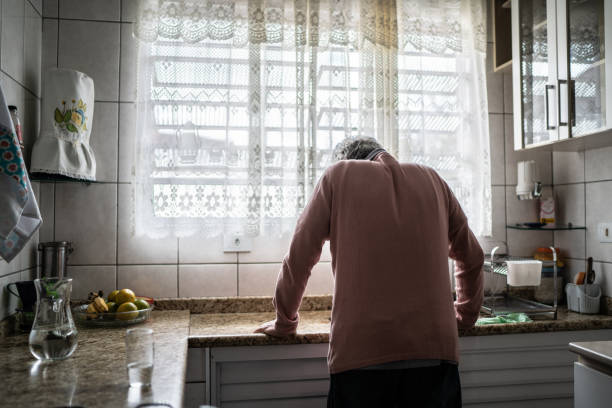
The Weight of Love
Part 1: The Silence in the Cab
The silence in the car was louder than the engine of my 2005 Ford F-150.
My name is Frank. I’m 52 years old, but the mirror shows a man who looks 70. My hands are permanently stained black with engine oil, the kind of grime that doesn’t wash off no matter how much Lava soap you use. The lines in my palms are etched deep with carbon residue, creating a roadmap of thirty years spent crawling under cars in drafty garages across Detroit. My back is bent—not dramatically, but enough that I notice it when I stand up straight, which I rarely do anymore. Three decades of leaning under hoods, contorting into impossible positions to reach a stubborn bolt, hefting transmissions and engine blocks—it all adds up. The chiropractor I can’t afford told me I have three herniated discs. I told him I had three more years until Bella graduates, and then I’d worry about it.
It was 3:30 PM on a Tuesday. The sky was that particular shade of gray that Detroit does so well—not quite overcast enough to rain, but bleak enough to drain the color out of everything. I had just picked up my daughter, Bella, from St. Mary’s Academy, her high school. It’s a good school—the kind with clean hallways that smell like lemon polish instead of mildew, new textbooks that aren’t held together with duct tape, and a parking lot full of kids who drive BMWs their parents bought them for their sixteenth birthdays. I fought tooth and nail to keep her in that district after her mother passed away five years ago. I promised my wife on her deathbed, holding her skeletal hand in the hospice room while machines beeped their countdown: “Bella will have a better life than us. She’ll have what we never had. I swear it, Marie.”
Marie died believing me. I couldn’t let her down.
Bella sat in the passenger seat, her knees pressed against the dashboard because the seat adjuster had been broken for two years and I hadn’t found the time or the thirty-dollar part to fix it. She was scrolling furiously on her phone—the iPhone 14 Pro Max in Sierra Blue that she’d begged for last Christmas. I’d worked every holiday overtime shift available, including Christmas Eve and Christmas Day, to afford it. She hadn’t looked up from that screen since she got in the truck, except to complain that the heater wasn’t working fast enough.
The heater wasn’t broken. I’d fixed it last week using parts I scavenged from a junked Chevy in the yard. But it took time to warm up, and patience wasn’t something Bella had in abundance these days.
“How was the math test, honey?” I asked, my voice raspy from inhaling exhaust fumes all day. We’d had a broken ventilation fan in the shop for three months. Miller kept saying he’d fix it, but it never seemed to happen. I’d started coughing up gray phlegm in the mornings. I didn’t tell Bella.
She didn’t look up from her phone. “Fine.”
“Just fine? You studied hard for it. You were up until midnight last night with those flashcards.”
I’d heard her through the thin walls, muttering formulas to herself. I’d wanted to help, but I never made it past ninth grade algebra myself before I had to drop out and work. Math beyond basic arithmetic was a foreign language to me.
“Dad, can you just drive?” she snapped, finally looking at me. Her eyes—Marie’s eyes, that same sharp green—scanned my blue Dickies jumpsuit with the name patch that said FRANK in red stitching. They landed on the fresh oil smear on my shoulder, a black stain spreading like an accusation. She wrinkled her nose in a gesture that had become painfully familiar. “And did you have to come straight from the shop? You smell like… gas and sweat. It’s gross.”
I gripped the steering wheel tight, feeling the cracked vinyl under my stained palms. “I didn’t have time to go home, Bella. If I leave the shop early, I lose an hour of pay. That hour pays for your phone bill.”
It actually paid for more than that. That hour paid for the data plan she burned through watching TikTok videos and messaging her friends. But I didn’t say that part.
“Whatever,” she muttered, turning her body away from me toward the window, creating as much distance as the small cab would allow. “Sarah’s dad picks her up in a Tesla. A Model X. He wears a suit. You look like you just crawled out of a sewer.”
The words hit me like a physical blow—a sucker punch to the solar plexus that left me breathless. A sewer.
I wanted to tell her. God, how I wanted to tell her. I wanted to tell her that Sarah’s dad worked in an air-conditioned office pushing paper while I kept the city’s emergency vehicles running. I wanted to tell her that “Sarah’s dad” probably didn’t have to choose between buying insulin for his pre-diabetic condition and buying groceries last week. I’d chosen groceries. I wanted to tell her that I was the best mechanic in the county, that my hands—these filthy, embarrassing hands—fixed the ambulances that saved lives, that they repaired the fire trucks that pulled people from burning buildings. I wanted to tell her that this “sewer” smell was the smell of survival, of a man doing everything in his power to keep his daughter’s world from collapsing.
But I didn’t. Because she’s sixteen. And because she misses her mom. And because I’m all she has, even if she thinks I’m not enough.
We pulled into the driveway of our small rental house on East Miller Street. The paint was peeling in long, sad strips from the siding, exposing the rotted wood underneath. The gutter on the north side hung at a drunken angle—I’d been meaning to fix it for six months. The chain-link fence in the backyard was rusted and leaning. It looked exactly like what it was: the home of a man who was too busy keeping the world running to keep his own house from falling apart.
Before the truck even stopped rolling, Bella was out the door, her designer backpack—a Coach bag I’d saved for months to buy—slung over her shoulder. She slammed the door hard enough that the mirror shook.
I sat in the cab for a moment, letting my head rest against the steering wheel. My chest hurt. It had been hurting a lot lately, a squeezing sensation that felt like someone was tightening a vise around my heart. Probably just heartburn from skipping breakfast. And lunch. I’d eaten four saltine crackers at 10 AM and called it a meal.
I followed her inside, my bad knee flaring up with every step on the cracked concrete walkway. That knee had been getting worse since I’d slipped under a Dodge Ram three months ago and tweaked it. I should’ve filed a worker’s comp claim, but that would’ve meant paperwork, doctors, and time off work I couldn’t afford. So I popped ibuprofen and kept moving.
I walked into the kitchen, placing my heavy red Craftsman toolbox on the scratched laminate table. That toolbox weighed forty-three pounds—I knew because I’d weighed it once when I was considering selling some tools I never used. But I’d kept them all. A mechanic’s tools are sacred.
Bella was already at the fridge, yanking the door open with enough force to rattle the bottles in the door. She stared inside with the expression of someone examining a crime scene.
“There’s nothing to eat!” she yelled, slamming the fridge door so hard that the magnets holding her kindergarten artwork—now faded and curled—jumped. “God, Dad! Why can’t we ever have normal food? It’s just bologna and old milk!”
I looked at the fridge. She was right. There was a half-package of Oscar Mayer bologna, the cheap kind that’s more filler than meat. A gallon of milk that was two days past its sell-by date but still smelled okay. Some mustard. Three eggs. Half a stick of butter.
“I’m going to the store on Friday, Bella. Payday is Friday,” I said softly, leaning against the counter for support. The room was spinning a little—probably just the exhaustion catching up to me. I’d worked a twelve-hour shift yesterday and a ten-hour shift today.
“Friday? Today is Tuesday!” She spun around, her face red with teenage rage, her hands balled into fists at her sides. “You are useless! Do you know that? You can’t even keep the fridge full! I hate this house. I hate that stupid truck. And I hate that you’re just a grease-monkey who can’t provide for his family!”
Each word was a dagger. Useless. Hate. Grease-monkey. Can’t provide.
“Bella, stop,” I whispered, clutching my chest. The squeezing pain was back, worse this time. My left arm felt tingly.
“No! I won’t stop!” She stepped closer, and suddenly she was right in my face, so close I could see the tears of frustration pooling in her eyes. “All my friends have normal lives! They have food in their fridges! They have parents who don’t embarrass them! Mom would be ashamed of you!”
That was the breaking point.
The room went silent. Even the hum of the refrigerator seemed to stop, leaving a vacuum of sound so complete I could hear my own heartbeat thundering in my ears.
I looked at my daughter—so beautiful, with Marie’s sharp cheekbones and my stubborn chin, so angry, so much like her mother in the best and worst ways. And then, the floor seemed to rush up to meet me.
My legs gave out without warning, buckling like they were made of rope instead of bone and muscle. I reached for the counter, but my oily hand slipped on the laminate surface, finding no purchase.
The last thing I heard before the darkness took me wasn’t her apology. It was the sound of my toolbox crashing to the floor, spilling wrenches everywhere—the 9/16, the 3/4, the socket set I’d bought at a pawn shop fifteen years ago—clattering across the cheap linoleum like the scattered pieces of my life.
Part 2: The Silence of the Machine
The sound of the toolbox hitting the floor wasn’t a clang; it was a crash, a violent, cacophonous explosion of metal against cheap linoleum that seemed to shake the very foundations of the small, rotting house. Wrenches skittered across the tiles like frightened animals fleeing a predator. A heavy ball-peen hammer thudded dully against the baseboard, leaving a dent. Socket wrenches rolled under the table, disappearing into shadows.
But after the crash, the silence was worse.
It was a vacuum, sucking the air right out of the room like someone had opened an airlock to space. The refrigerator hum—the one that always drove Bella crazy when she was trying to do homework, the one she’d complained about just last week—seemed to have cut out, leaving a ringing emptiness in her ears that made her feel like she was underwater.
“Dad?”
The word left Bella’s lips not as a scream, but as a whisper, a question she didn’t want answered because the answer terrified her more than anything she’d ever imagined. She stood frozen by the sink, her hand still gripping the handle of the refrigerator door, the cold air from the open appliance spilling out around her ankles. Her heart hammered against her ribs, a frantic bird trapped in a cage too small.
Frank lay on the floor.
He looked wrong. Not just wrong like someone who’d tripped and fallen, but wrong like something fundamental had broken inside him. He looked like a heap of dirty laundry, a pile of blue Dickies fabric stained with grease and oil and the residue of thirty years of hard labor, discarded and forgotten like something that had outlived its usefulness. One of his legs was twisted at an awkward angle, his heavy Wolverine work boot pointing inward when it should have pointed straight. His face was pressed against the cold tiles, right next to a spilled socket set, his cheek creating a small puddle of condensation on the linoleum.
“Dad, get up,” Bella said, her voice trembling like she was standing on the edge of a cliff. “Stop joking around. It’s not funny.”
He didn’t move. He didn’t breathe—or if he did breathe, it was so shallow that she couldn’t see his chest rise and fall.
The anger that had been coursing through Bella’s veins seconds ago—the hot, righteous teenage fury about the lack of food, the smell of gas and oil, the embarrassment of his truck that looked like it belonged in a demolition derby—evaporated instantly. It was replaced by a cold, liquid terror that started in her stomach and flooded her limbs, making her fingers and toes go numb.
She took a step forward, her legs feeling like they belonged to someone else. Then another. Her white Nike sneakers—the ones he’d worked two extra shifts to buy her for track season—squeaked on the floor. She knelt beside him, ignoring the grease that immediately soaked into the knees of her expensive True Religion jeans—the jeans he had worked two extra shifts to buy her because all her friends had them.
“Dad?” She reached out and touched his shoulder with a trembling hand.
It was hard. Rigid. The muscle under the dirty jumpsuit was like rock, tensed and locked in a way that wasn’t natural. But his skin… his skin was burning up. She touched his cheek with her fingertips. It was clammy, slick with a cold sweat that smelled of iron and exhaust fumes and something else, something deeper and more frightening—the smell of a body shutting down.
“Daddy!” The scream finally tore out of her throat, raw and primal.
She grabbed him by the shoulders and tried to roll him over. He was heavy. So incredibly heavy. For the first time in her life, she realized the sheer density of the man—not fat, but solid, built from decades of lifting engine blocks and wrestling with rusted bolts. He wasn’t just her embarrassing father who smelled like a garage; he was a machine made of bone and gristle and muscle, worn down by gravity and time and relentless, grinding labor.
When she finally got him onto his back, his eyes were closed. His lips were blue—not purple, but a dusky blue-gray that made him look like he was already dead. A thin line of saliva mixed with blood trickled from the corner of his mouth where he had bitten his tongue falling, creating a crimson rivulet that tracked down his unshaven jaw.
“No, no, no, no, no.” Bella scrambled backward, her hands slick with the oil from his clothes, smearing black streaks across the white tile. She patted her pockets frantically, her heart racing so fast she thought it might explode. Her phone. Where was her phone? The iPhone 14 Pro Max. The one she demanded. The one that cost $1,200 that he’d somehow scraped together for Christmas.
It was on the counter, next to the fruit bowl that held three browning bananas—the only fruit in the house.
She lunged for it, her fingers slipping on the screen as she tried to unlock it with shaking hands. She had to try three times before Face ID recognized her tear-stained face.
She dialed 9-1-1, her thumb barely hitting the right numbers.
“911, what is your emergency?” The operator’s voice was calm, robotic, maddeningly professional.
“My dad,” Bella choked out, tears finally spilling over, hot and blinding, blurring her vision. “My dad fell. He collapsed. He’s not waking up. He’s… he’s turning blue. Please! We live at 402 East Miller Street. The white house with the peeling paint. Please hurry!”
“Is he breathing, ma’am?”
“I… I don’t know!” Bella looked at his chest, at the dirty name patch that said FRANK in red thread that was starting to fray. The fabric was barely moving, just the tiniest rise and fall. “I think so? But it sounds like… like rattling. Like there’s water in him. Like he’s drowning.”
“Okay, ma’am, I need you to stay calm. The paramedics are being dispatched to your location now. Can you check if he has a pulse?”
Bella dropped to her knees beside him again. She pressed her fingers against his neck like she’d seen in movies, feeling for the carotid artery. She had no idea if she was doing it right. She felt… something. A flutter. Weak and irregular, like a bird with a broken wing trying to fly.
“There’s something,” she gasped. “It’s really weak. It feels wrong.”
“Stay on the line with me. Help is approximately four minutes away.”
The minutes that followed were a blur of agony stretched into eternity. Bella sat on the floor, holding Frank’s rough, calloused hand in both of hers like she could anchor him to the world through sheer force of will. She looked at his fingernails. They were black, permanently stained with carbon and grease ground so deep into the nail beds that no amount of scrubbing would ever remove it. She used to hate looking at them at the dinner table. She used to tell him to scrub them before he touched the bread, before he handed her a glass of water, before he did anything where she might have to see them up close. Now, she ran her thumb over the ridges of his knuckles, feeling the scars of a thousand slips, a thousand burns, a thousand moments where he hurt himself to fix something for a stranger who probably never said thank you.
“I’m sorry,” she whispered, rocking back and forth like a child trying to comfort herself. “I didn’t mean it. I didn’t mean any of it. Mom wouldn’t be ashamed. Mom would be proud. I’m sorry, Daddy. Just wake up and I’ll eat the bologna. I’ll eat anything. I promise. I’ll never complain again.”
When the sirens finally cut through the neighborhood—that distinctive wail that makes everyone’s stomach drop—flashing red lights dancing across the peeling paint of the kitchen walls like a nightclub from hell, Bella felt small. Smaller than she’d ever felt in her life. She watched as three EMTs burst through the unlocked front door, their heavy boots thundering on the wooden floor, their voices loud and commanding in a way that was both comforting and terrifying.
They pushed her aside without ceremony. This was business.
“Male, mid-50s, possible cardiac event,” one of them shouted, dropping to his knees beside Frank and ripping open a medical kit. “Get the defib ready! Someone get a line started!”
They worked with frightening efficiency, each movement precise and practiced. One EMT—a woman with her dark hair pulled back in a tight bun—cut open his jumpsuit with trauma shears, the fabric parting like butter to expose his chest.
Bella gasped. She turned her head, but she couldn’t stop seeing, couldn’t un-see what was revealed.
Underneath the jumpsuit, her father wasn’t the strong, bulky man she thought he was. His ribs were visible, each one defined under pale, almost translucent skin. His stomach was concave, sucked in like he’d been holding his breath for months. His skin was pale, almost gray, mapped with purple veins and old bruises—yellow and green ones from who knows what impacts. He looked… starved. Skeletal. Like those pictures of famine victims she’d seen in history class.
“He’s in V-fib!” the lead paramedic shouted. “Charging to 200. Clear!”
Everyone’s hands flew up from Frank’s body.
Thump.
His body arched off the floor, every muscle contracting at once, his back bowing like he’d been electrocuted—which, technically, he had been.
Nothing. The monitor continued its erratic dance.
“Again! Charging to 300. Clear!”
Thump.
His body convulsed again, more violently this time.
“We got a rhythm!” The paramedic’s voice carried a note of triumph. “Sinus rhythm. Let’s move! Go, go, go! We need to get him to Detroit Receiving now!”
They loaded him onto a stretcher with practiced efficiency, strapping him down, connecting him to a portable monitor that beeped ominously. Bella grabbed her keys from the hook by the door and ran after them, but one of the paramedics—a young guy who looked barely older than her—stopped her at the back of the ambulance.
“You family?”
“I’m his daughter,” Bella sobbed, trying to push past him to see her father.
“Ride up front with the driver. Don’t look in the back.”
The command in his voice was absolute. She obeyed.
The ride to Detroit Receiving Hospital was a nightmare of sirens and potholes and terror. Bella sat in the passenger seat of the ambulance, staring out the window at the city blurring by through her tears. The gray streets, the boarded-up windows, the liquor stores with bars on the windows, the flashing lights of other emergency vehicles. This was the city her father fought every day. This was the beast he tried to keep at bay with his broken body and stained hands so she could live in a bubble of private school and pretend normalcy, so she could pretend they were just like Sarah’s family and Emily’s family.
When they arrived at the hospital—a massive concrete building that looked more like a prison than a place of healing—the chaos of the ER swallowed them whole. Frank was wheeled away behind double doors marked TRAUMA ROOM 1 – AUTHORIZED PERSONNEL ONLY, and Bella was left standing in the fluorescent-lit hallway, holding her dad’s heavy, greasy toolbox that she had stupidly grabbed before leaving the house, as if he might need a 9/16 wrench to fix his own broken heart.
A nurse with kind brown eyes but a tired, lined face guided her to the waiting room. “You need to fill these out, honey,” she said, handing Bella a clipboard with a thick stack of forms attached. “Insurance information? Medical history? Known allergies? Emergency contacts?”
Bella sat in a hard plastic chair that was bolted to the floor. The waiting room smelled of antiseptic and old coffee and desperation. A homeless man was sleeping in the corner, snoring loudly, his shopping cart full of plastic bags parked next to him. A woman was crying into a cell phone across the room, speaking rapid Spanish that Bella couldn’t understand but recognized as grief. A child with a broken arm sat stoically next to his mother, not even crying.
Bella looked at the form in her shaking hands.
Current Medications:
She blinked. Did he take medication? She remembered seeing orange prescription bottles in the bathroom medicine cabinet, lined up on the scratched glass shelf, but she never looked at the labels. She assumed they were vitamins or old pills from when Mom was sick. She left it blank, her pen hovering over the line.
Dietary Restrictions:
She thought about the bologna. The empty fridge. The crackers. “None,” she wrote, her hand shaking so badly the letters looked like they’d been written during an earthquake.
Insurance Provider:
She froze. Did they even have insurance? She had no idea. She’d never thought about it, never needed to think about it because she’d never been seriously sick.
She realized, with a sinking horror that made her stomach clench, that she knew nothing about the man who had raised her. She knew he liked classic rock—she could hear CCR and Lynyrd Skynyrd playing in the garage when he worked on weekends. She knew he snored loud enough to wake her up through two closed doors. She knew he embarrassed her at school pickup. But she didn’t know what kept him alive. She didn’t know what he ate, what hurt him, what he feared, what he needed.
She needed his wallet.
The nurse had given her a plastic bag with his personal effects before he went into surgery—they’d said something about emergency surgery, about his heart, but the words had washed over her in a meaningless stream. The bag was sitting on the chair next to her, clear plastic with PATIENT BELONGINGS written on it in black marker. Bella reached for it with trembling hands. It felt wrong, like an invasion of privacy, like she was robbing him. She opened the bag.
Inside was his watch—a cheap Timex Expedition with a cracked crystal face and a fabric band stained with oil. His wedding ring, a simple gold band that was worn thin from thirty years of wear, the inside polished smooth from constant contact with his skin. And his wallet.
It was a Velcro wallet. Literally a Velcro wallet, black nylon, the kind you could buy at Walmart for $7.99. She hated it. She had told him a hundred times to get a leather one like Sarah’s dad carried, a nice leather bifold that looked professional. The Velcro ripped loudly as she opened it, the sound seeming obscenely loud in the quiet waiting room.
She dug through the slots. No credit cards. Not a single one. Just a debit card from Detroit Metro Credit Union with his name embossed on the front. A few business cards for auto parts stores—O’Reilly’s, AutoZone, NAPA. A laminated CPR certification card. And finally, tucked behind everything else, a crumpled Blue Cross Blue Shield insurance card. The edges were frayed and worn like it had been taken in and out of the wallet a thousand times.
She pulled it out, and something fell from behind it, fluttering to the floor.
A photograph.
It was small, wallet-sized, and creased down the middle from being folded and unfolded. The corners were soft, the surface scratched. It was a picture of Bella, maybe five years old, sitting on her mom’s lap in their old backyard. They were both laughing at something off-camera—probably Frank making a silly face. They were both wearing summer clothes, and Mom’s hair was long and dark and healthy, before the cancer took it. Frank was in the picture too, standing behind them, his hand on Mom’s shoulder. He looked so young. His face wasn’t gray. His eyes weren’t tired. He was smiling, a genuine, wide smile that reached his eyes and crinkled the corners, the kind of smile she hadn’t seen in years.
Bella flipped the photo over with trembling fingers. On the back, in her dad’s messy, block-letter handwriting—the handwriting of a man who wrote work orders and parts lists, not love letters—it said: My Reasons. 2012.
She felt a lump form in her throat so big she couldn’t swallow. She couldn’t breathe. She put the photo in her pocket, pressing it against her chest like a talisman.
She continued searching the wallet for anything useful, any information that might help fill out the forms. Maybe she could find cash to get a vending machine soda or coffee; her mouth was dry as dust, her throat raw from crying.
Empty.
The bill fold was completely empty. Not a single dollar. No fives, no ones, nothing.
There was a receipt tucked in the bill fold, folded into a small square. She unfolded it with shaking hands, smoothing it out on her thigh. It was from a pawn shop on 8 Mile Road—Big Al’s Pawn & Loan, the kind of place with bars on the windows and a neon sign that flickered.
Date: Monday, March 18th
Item: 14k Gold Necklace (Engraved ‘Marie’)
Amount: $120.00
Bella stopped breathing. Her vision tunneled. Marie was her mother’s name. That was Mom’s necklace. The one Mom wore every single day, the delicate gold chain with the heart locket that had Mom and Dad’s wedding photo inside it, so small you needed to squint to see their faces. The one Dad kept in a velvet box on his dresser after Mom died, the one he took out every Sunday and dusted with a soft cloth before putting it back. He told Bella he was keeping it safe for her wedding day, that it would be something old and something borrowed.
He sold it? Yesterday?
Why?
She looked at the date again. Monday. Yesterday. Monday.
What happened on Monday?
Then it hit her like a freight train, the memory crashing into her consciousness with devastating clarity.
Monday was when she threw a fit about the prom deposit. The prom ticket was $100, and the deposit was due Tuesday or you couldn’t go. She had screamed at him over breakfast—well, she’d screamed while he drank black coffee because there was no milk for cereal. She’d told him, “You ruin everything! Everyone else has their deposits paid! Sarah’s been paid for since January! If you make me miss prom because you can’t afford a hundred dollars, I’ll never forgive you!”
He had come home Monday night smelling like motor oil and handed her five twenty-dollar bills, crisp ones like he’d just gotten them from an ATM. He said he picked up some overtime. He said Miller gave him a rush job.
He didn’t do overtime. He sold Mom’s necklace. He sold the last piece of his wife he had left so his daughter could go to a dance.
Bella clutched the receipt, crumpling it in her fist. A wave of nausea rolled over her, hot and acidic. She stood up abruptly, the clipboard clattering to the floor. She couldn’t sit there. She felt like the walls were closing in, like the fluorescent lights were too bright, like she couldn’t breathe. She needed air. She needed to think.
She walked out of the waiting room in a daze, past the security guard who called after her, past the receptionist, and into the cold night air of the hospital parking lot. It was raining now, a freezing Detroit drizzle that turned the asphalt slick and reflected the streetlights in puddles that looked like pools of oil.
She saw his truck. The police officer who had driven her behind the ambulance had parked it for her, leaving the keys under the floor mat. It sat under a flickering streetlamp, looking like a beast that had finally died after years of faithful service. The bed was rusted through in spots. The bumper was held on with duct tape and hope. The passenger side mirror was cracked. One taillight was out.
She walked over to it, drawn by some instinct she didn’t understand. Maybe because it smelled like him. Maybe because it was the last place she’d seen him conscious.
She opened the driver’s side door and climbed in, pulling the door shut behind her and blocking out the world. The smell was overpowering—old grease, stale coffee from a thermos he kept in the cup holder, and a hint of peppermint. He always chewed peppermint gum to hide the smell of cigarettes, even though he quit smoking years ago when Mom got diagnosed, because the doctor said secondhand smoke was bad for cancer patients.
She sat in his seat. It was molded to his shape, the springs compressed from his weight, the fabric worn thin where his back rested. The steering wheel was sticky from years of grease-stained hands. Everything was worn, used, loved in a way she’d never appreciated.
She opened the glove box, looking for… answers. Anything to distract her from the image of him on the kitchen floor, from the image of his skeletal chest under those medical lights.
Papers spilled out onto the passenger seat. Unpaid parking tickets from when he had to park in two-hour zones to pick her up from school events. Oil change receipts going back years, meticulously saved. A small, leather-bound Bible that must have been Mom’s. And a thick white envelope, the kind that important documents come in.
It wasn’t sealed. The flap was tucked in, already opened. Bella pulled it out with shaking hands.
Inside was a letter on thick, professional letterhead with a logo she didn’t recognize. It was from a company called AeroTech Engineering in Columbus, Ohio.
Dear Mr. Miller,
We are pleased to offer you the position of Senior Fleet Manager at our Columbus facility. Based on your thirty years of experience and your master mechanic certification, we are excited to bring you on board to manage our fleet of service vehicles and heavy equipment.
Starting Salary: $85,000 per year + Full Medical Benefits + Dental/Vision + 401k with 5% Company Match + Relocation Package ($15,000)
Start Date: September 1st, 2023.
Please respond within 30 days to accept this position.
September 2023. That was almost two and a half years ago.
Bella stared at the number. $85,000. She’d never even conceived of that much money. That was new house money. That was new car money. That was food-in-the-fridge, heat-that-works, clothes-that-aren’t-from-Goodwill money.
There was a carbon copy of a handwritten reply stapled to the back. She recognized his block letters immediately.
To Mr. Henderson,
Thank you for the incredible offer. It is with a heavy heart that I must decline. My daughter, Bella, has two years left at St. Mary’s Academy here in Detroit. She has recently lost her mother, and her friends and school are the only stability she has left in her life. Moving her to Ohio now would break her spirit. I cannot do that to her. I have to stay here. She needs consistency right now more than I need money.
Respectfully,
Frank Miller
Bella read the letter twice. Three times. Four times, until the words blurred together through her tears.
He stayed. He stayed in the rotting house, working for minimum wage plus scraps at a garage that poisoned his lungs with exhaust fumes, driving a truck that was literally falling apart, eating crackers for lunch… for her. Because she didn’t want to move. Because she wanted to stay with Sarah and Emily and her stupid, shallow friends who probably wouldn’t even remember her name in five years.
She remembered that summer. It was the summer after Mom died, when everything was raw and terrible. He had asked her, casually, over a dinner of spaghetti and jar sauce, “What would you think about moving to Ohio? Maybe getting a fresh start? New city, new memories?”
She had thrown a plate. She remembered it vividly now, the ceramic shattering against the wall, red sauce splattering everywhere. She had screamed, “I’m not leaving my friends! Mom is buried here! If you move us, I’ll run away! I’ll run away and you’ll never find me!”
So he turned down $85,000 and health insurance and a retirement fund. He chose poverty so she wouldn’t be sad. He chose slow death in a toxic garage over a life where he could breathe clean air, because his daughter needed her friends.
Bella dropped the letter like it burned her. Her hands were shaking so violently she couldn’t control them. She looked around the cab of the truck with new eyes, really seeing it for the first time.
She looked at the center console. There was a plastic Tupperware container, the kind you’d pack a sandwich in. She popped the lid, expecting to find a moldy forgotten lunch.
It was empty. But not just empty—it was clean, like it had been washed and put back. Like it hadn’t held food in weeks.
Next to it was a box of saltine crackers. Store brand. The cheapest kind. Half the sleeve was gone.
“He stopped eating lunch,” she whispered to the darkness, the realization hitting her like a punch. “He told me he was getting fat. He told me he was trying intermittent fasting because it was healthy.”
She reached under the seat, her hand brushing against something hard. She pulled it out.
It was a spiral-bound notebook, the kind you could buy at Dollar General for a dollar. Grease fingerprints marked the cover. The edges were stained and worn.
She opened it. It was a journal. She didn’t even know he wrote. It had never occurred to her that he might have an inner life, thoughts he didn’t share.
The entries were sporadic, written in his blocky handwriting.
October 4th, 2024:
Cough is getting worse. Blood in the handkerchief this morning. Bright red, not good. Can’t tell Bella. She’s stressing about Homecoming, worried about her dress. Need to pick up extra shift Saturday to pay for alterations. Miller says the ventilation fan should be fixed next week. Sure it will.
November 12th, 2024:
The heater broke down completely. Repair guy wants $400. Don’t have it. Pawned the torque wrench and the impact driver. Going to have to do manual repairs for a while. My shoulder is killing me. Rotator cuff is getting worse. Bella said the house is freezing. Gave her my space heater from the garage. Slept in two sweatshirts and Mom’s old bathrobe. Wasn’t that cold.
December 25th, 2024:
Christmas. Got her the iPad she wanted. Had to skip the electric bill and the water bill. Hopefully they don’t shut anything off until January. I can catch up with the Christmas bonus (if Miller gives one). Seeing her smile when she opened it was worth it. She didn’t hug me, though. Said the wrapping paper looked cheap, that I should have paid to have it wrapped at the store. I’ll try harder next year, Marie. I promise I will.
January 14th, 2025:
I’m so tired, Marie. I’m so incredibly tired. My chest feels like there’s an anvil sitting on it. The fumes at the shop are getting to me. The ventilation is still broken and the boss won’t fix it because it costs too much. I felt dizzy driving Bella home from school today. Almost ran a red light. She was mad about the truck, said it embarrasses her. I wish I could buy her a new car. She deserves a Tesla like Sarah’s dad drives. She’s a good kid. She’s just hurting. She misses you so much. I miss you so much. I have to hold on. Just until she graduates. Just two more years. Then I can rest.
“Then I can rest.”
Bella slammed the notebook shut, unable to read anymore. She couldn’t breathe. The air in the truck felt like it had been sucked out, leaving only vacuum.
She had been killing him.
Every demand, every eye roll, every complaint about the food, every time she called him a loser or said she was embarrassed by him, every time she compared him to Sarah’s dad or Emily’s dad… she was driving another nail into his coffin. He wasn’t a loser. He was a martyr, slowly and methodically destroying himself—his health, his dignity, his future—to keep her afloat in a life she didn’t even appreciate, in a world of private schools and designer jeans and smartphones.
She screamed. A guttural, raw sound of pure anguish that echoed inside the cab of the truck and seemed to shake the very metal. She hit the steering wheel with her fists, pounding it again and again until her hands hurt, until the horn honked and echoed through the empty parking lot, until her throat was raw.
“I’m sorry! I’m sorry! I’m so sorry!” she sobbed, her voice breaking. “I didn’t know! I didn’t know!”
She grabbed the notebook, the letter, and the pawn shop receipt in shaking hands. She scrambled out of the truck, leaving the door wide open to the rain, and ran. She ran back toward the hospital entrance, her feet splashing through puddles, her breath coming in gasps. She ran past the security guard, past the receptionist who called after her.
She needed to tell him. She needed him to wake up so she could tell him she would move to Ohio. She would move to Antarctica. She would eat crackers for every meal for the rest of her life. She would drop out of St. Mary’s Academy and go to public school. She would work at McDonald’s. She would do anything, be anything, just please, please don’t die.
She burst into the waiting room just as a doctor in blue scrubs came through the double doors. He looked exhausted, his shoulders slumped. He pulled his surgical mask down, revealing a face lined with fatigue.
“Family of Frank Miller?”
Bella skidded to a halt in the middle of the waiting room, nearly falling. She was dripping wet, shaking, clutching the dirty notebook to her chest like a shield. “I’m his daughter,” she gasped, water dripping from her hair onto the linoleum. “Is he… is he okay? Is he alive?”
The doctor looked at her. He looked at her wet clothes, the terror in her red-rimmed eyes, the desperate way she was hugging that notebook. His expression didn’t change. It was the face of a man who had delivered bad news a thousand times and had learned to keep his emotions locked away.
“Come with me, sweetie,” he said softly, gesturing to a small consultation room off to the side.
“No,” Bella backed away, shaking her head violently. “Don’t say it. Don’t you dare say it. Don’t take me to the room. People only go to that room for bad news.”
“He’s alive,” the doctor said quickly, and Bella let out a breath that sounded like a sob, her knees nearly buckling with relief.
“But,” the doctor continued, his voice grave and clinical, “it’s serious. Very serious. Your father has severe Congestive Heart Failure. His heart is functioning at about 15% capacity. A normal heart is 50-70%. His is barely pumping. And his lungs… we found significant scarring consistent with long-term chemical exposure. It looks like acute heavy metal poisoning and chemical pneumonitis from prolonged exposure to exhaust fumes.”
The doctor stepped closer, lowering his voice as if the truth might be easier to hear quietly. “We also found that he is severely malnourished. His electrolyte levels are dangerously low. His blood sugar was critically low. It looks like he hasn’t had a substantial meal in weeks, maybe months. His body simply… gave out. It couldn’t continue. He had a massive cardiac arrest. We revived him, but he is in a medically induced coma to let his body try to heal. The next 48-72 hours are critical.”
Bella stared at the doctor. Every word was a confirmation of what she had found in the truck. Every word was an accusation.
Malnourished. He’d been starving himself so she could eat.
Chemical scarring. He’d been poisoning himself so she could have tuition money.
Heart failure. He’d worked himself literally to death so she could have an iPhone.
“Can I see him?” she asked, her voice sounding like it was coming from far away, like she was hearing herself through water.
“He’s in the ICU. You can see him for a few minutes. But be prepared. He’s on a ventilator, which means there’s a breathing tube. He’s connected to multiple monitors. It can be… shocking.”
The doctor led her down a maze of hallways, each one colder and more sterile than the last. The beeping sounds got louder, more urgent. They stopped at room 304.
“He can’t hear you right now,” the doctor said gently, his hand on the door. “But some people believe it helps to talk anyway.”
Bella walked in, and the world tilted.
The room was dim, lit only by the green and blue glow of the monitors that surrounded the bed like sentinels. In the center of the bed, amidst a tangle of tubes and wires that made him look more machine than human, lay Frank.
He looked smaller than he did on the kitchen floor. Diminished. A large plastic tube was taped to his mouth, breathing for him with mechanical precision. His chest rose and fell with a whoosh-hiss sound that didn’t sound human at all. His skin was gray, ashen, blending in with the white sheets until he almost disappeared.
Bella walked to the side of the bed on legs that felt like they might give out at any moment. She placed the notebook on the tray table. She reached out and took his hand, avoiding the IV line taped to the back. It was cold, so cold, like touching marble.
She looked at the oil stains still embedded in his cuticles and under his nails. Even the hospital’s industrial soap hadn’t been able to scrub them off. They were permanent, etched into his very being like a tattoo that told the story of his life.
“Daddy,” she whispered, and her voice broke on the word.
The machine beeped steadily. Beep… beep… beep.
“I went to the truck,” she said, tears dripping off her chin and landing on the white bedsheet, creating dark spots that spread. “I saw the letter. The one from Ohio. I saw the crackers. I saw your journal. I saw… everything. I know what you did.”
She squeezed his hand desperately, willing him to squeeze back. There was nothing. Just cold, limp fingers.
“I didn’t know,” she sobbed, burying her face in the mattress next to his hip, her shoulders shaking. “I thought you were just… I thought you didn’t care about me. I thought you were lazy and weak and pathetic. I called you a loser. I said Mom would be ashamed.”
She lifted her head, looking at his closed eyes, at the tube in his mouth, at the machines breathing for him because he’d worked so hard he’d forgotten how to breathe on his own.
“You’re not a loser. You’re the strongest man in the world. You’re a hero. And I’m the loser. I’m the worst daughter in the world. I’m selfish and cruel and I didn’t see you. I didn’t see what you were doing for me.”
She reached into her pocket with a shaking hand and pulled out the pawn shop receipt, smoothing it out on the bed next to his arm.
“I’m going to get Mom’s necklace back,” she vowed, her voice gaining a sudden, fierce steeliness that surprised her. “And I’m going to get your tools back if you had to pawn any. And I’m going to work. I’m going to fix this. I’m going to fix everything I broke.”
The heart monitor suddenly sped up. Beep-beep-beep-beep-beep.
Bella jumped back, hope surging in her chest. “Dad? Can you hear me?”
A nurse rushed in, alerted by the change in rhythm. “It’s okay, it’s okay,” she said, checking the screen, adjusting something on the IV. “He’s just agitated. His heart rate is spiking. It happens.”
“Is he waking up?” Bella asked desperately, searching the nurse’s face for hope.
The nurse looked at Frank, then at Bella. Her eyes were sad, infinitely sad. “No, honey. Sometimes the body fights, even when the mind is sleeping. The unconscious mind can still process. He’s fighting a very hard battle right now. But he’s a fighter. I can tell.”
Bella looked back at her father. He was fighting. Even now, unconscious, hooked up to machines that were doing the work his body couldn’t do anymore, he was fighting. Just like he fought the cold when he gave her his heater. Just like he fought the hunger when he gave her his food. Just like he fought exhaustion every single day so she could have a better life.
She pulled up the plastic chair and sat down, settling in. She wasn’t going anywhere. She opened his journal to the last entry, reading the words again.
Just two more years. Then I can rest.
“You can rest now, Dad,” she whispered, taking his cold hand in both of hers and holding it against her cheek. “I’ll take the shift now. I promise. I’ll carry it from here. Just don’t leave me. Please, please don’t leave me alone.”
Outside the window, the Detroit rain turned to snow, fat flakes falling from the dark sky, covering the grime of the city in a temporary blanket of white. But inside room 304, the only sounds were the mechanical breath of a man who had given everything—his health, his happiness, his future, his very life—and the quiet weeping of a daughter who realized it too late.
Suddenly, the rhythmic whoosh-hiss of the ventilator hitched, stuttering. The alarm on the monitor turned from yellow to red, the soft beeping transforming into a piercing, continuous tone that made Bella’s blood run cold.
Beeeeeeeeeeeeeeeeeeeeeep.
“Code Blue! Room 304!” the nurse screamed, hitting a button on the wall that lit up like a beacon. “I need a crash cart in here! Now! Now!”
“Dad!” Bella screamed, as the room suddenly flooded with doctors and nurses, a swarm of blue scrubs and urgent hands, pushing her away from the bed, pushing her out of the circle of light, away from the only person who ever truly loved her unconditionally, away from the man who sacrificed everything so she could have nothing to sacrifice at all.

Lila Hart is a dedicated Digital Archivist and Research Specialist with a keen eye for preserving and curating meaningful content. At TheArchivists, she specializes in organizing and managing digital archives, ensuring that valuable stories and historical moments are accessible for generations to come.
Lila earned her degree in History and Archival Studies from the University of Edinburgh, where she cultivated her passion for documenting the past and preserving cultural heritage. Her expertise lies in combining traditional archival techniques with modern digital tools, allowing her to create comprehensive and engaging collections that resonate with audiences worldwide.
At TheArchivists, Lila is known for her meticulous attention to detail and her ability to uncover hidden gems within extensive archives. Her work is praised for its depth, authenticity, and contribution to the preservation of knowledge in the digital age.
Driven by a commitment to preserving stories that matter, Lila is passionate about exploring the intersection of history and technology. Her goal is to ensure that every piece of content she handles reflects the richness of human experiences and remains a source of inspiration for years to come.