When Love Fades But Never Dies: A Daughter’s Journey Through the Long Goodbye
My mother didn’t disappear all at once, like a magic trick where someone vanishes behind a curtain. Instead, she faded slowly, gracefully, the way twilight steals across the sky—so gradually you don’t notice the darkness gathering until you’re suddenly sitting in shadows.
The changes began with small things that seemed almost charming in their innocence. She’d put her reading glasses in the refrigerator and spend twenty minutes looking for them. She’d tell me the same story about her childhood dog twice in one afternoon, her eyes lighting up each time as if sharing a precious memory for the first time. We’d find her car keys in the fruit bowl, her purse in the bathroom cabinet, her coffee cup in the garden shed.
“Oh, Elena,” she’d laugh, shaking her head at herself. “I’d lose my head if it wasn’t screwed on tight.”
We all laughed with her then. My brothers David and Michael would joke about “senior moments” when they called for their weekly check-ins. My sister Sarah would roll her eyes affectionately and say, “Mom’s always been scattered.” Even I convinced myself it was normal aging, the kind of absent-mindedness that comes with being seventy-three and having lived through enough decades to fill your mind with a lifetime of accumulated details.
But then came the afternoon that changed everything.
I’d stopped by after work to drop off groceries, something I’d been doing twice a week since Dad passed five years earlier. Mom was in her garden, kneeling among the tomatoes she’d planted every spring for as long as I could remember. She looked up when I called her name, and for a moment, her face was completely blank.
Not confused. Not distracted. Blank, like looking at a computer screen that’s loading.
Then recognition flickered in her eyes—not full recognition, but something partial, uncertain.
“Elena?” she said, her voice carrying a note of polite inquiry. “Do you… do you live next door? I’m sorry, but I can’t quite remember.”
The grocery bag slipped from my hands, sending apples rolling across her driveway. This wasn’t a senior moment. This was my mother, the woman who’d given birth to me, raised me, celebrated every milestone of my thirty-eight years, looking at me like a friendly stranger she couldn’t quite place.
The doctor’s appointment came two weeks later, after more incidents that we could no longer pretend were normal. Dr. Martinez, who’d been Mom’s physician for fifteen years, spoke in the careful, measured tones that medical professionals use when delivering news that will reshape a family’s entire future.
“Early-stage Alzheimer’s disease,” he said, the words falling into the sterile examination room like stones into still water. “The progression varies from patient to patient, but we need to start planning for increasing care needs.”
He used words like “progressive” and “degenerative” and “unpredictable.” He talked about medications that might slow the decline, support groups for families, and the importance of establishing legal and financial arrangements while Mom still had lucid periods.
My siblings absorbed this information with the efficient practicality that had always defined our family’s approach to crisis. David, the eldest and most successful of us, immediately started researching memory care facilities. Michael began looking into long-term care insurance. Sarah printed out checklists for “organizing a parent’s affairs” and spreadsheets for comparing care options.
They held family meetings in Mom’s living room, talking around her as if she weren’t there, discussing monthly costs and waiting lists and the square footage of different facilities. They spoke in hushed tones about “quality of life” and “professional care” and “what’s best for everyone involved.”
I sat quietly through these meetings, watching my mother’s face as she listened to her children plan her future like she was a problem to be solved rather than a person to be loved. She smiled politely, nodding when they asked if she understood, but I could see the fear hiding behind her eyes.
The decision, when it came, felt inevitable to everyone except me.
“Sunset Manor has an opening next month,” David announced during our fourth family meeting in three weeks. “It’s expensive, but they specialize in Alzheimer’s care. Mom would have her own room, 24-hour medical supervision, and structured activities designed for cognitive stimulation.”
“The reviews are excellent,” Sarah added, pulling out a folder thick with printed materials. “And it’s only twenty minutes from my house, so visits would be manageable.”
They looked at me expectantly, waiting for my agreement to make their decision unanimous. Instead, I heard myself saying words I hadn’t planned.
“I want her to stay home.”
The silence that followed was heavy with surprise and disapproval.
“Elena, be realistic,” Michael said gently. “You can’t provide the level of care she’s going to need. And what about your job? Your life?”
“What about her life?” I countered. “She’s lived in that house for forty years. It’s where she feels safe, where she knows every corner, every photograph, every memory embedded in the walls.”
David leaned forward, his expression patient but firm. “Elena, I understand the emotional appeal of keeping Mom at home. But this disease is going to get worse. She’ll need professional care, medical supervision, security measures—”
“She’ll need love,” I interrupted. “She’ll need familiar faces and gentle voices and someone who remembers who she was before this disease started stealing her away piece by piece.”
The argument continued for another hour, but my mind was already made up. That night, I sat with Mom in her garden as the sunset painted the sky in shades of rose and gold. She was calmer in the evenings, more like herself.
“Elena,” she said, her voice carrying a clarity it had lacked all day. “Are they going to send me away?”
The question broke my heart because it meant she understood more than we’d given her credit for. She knew what those hushed conversations and facility brochures meant.
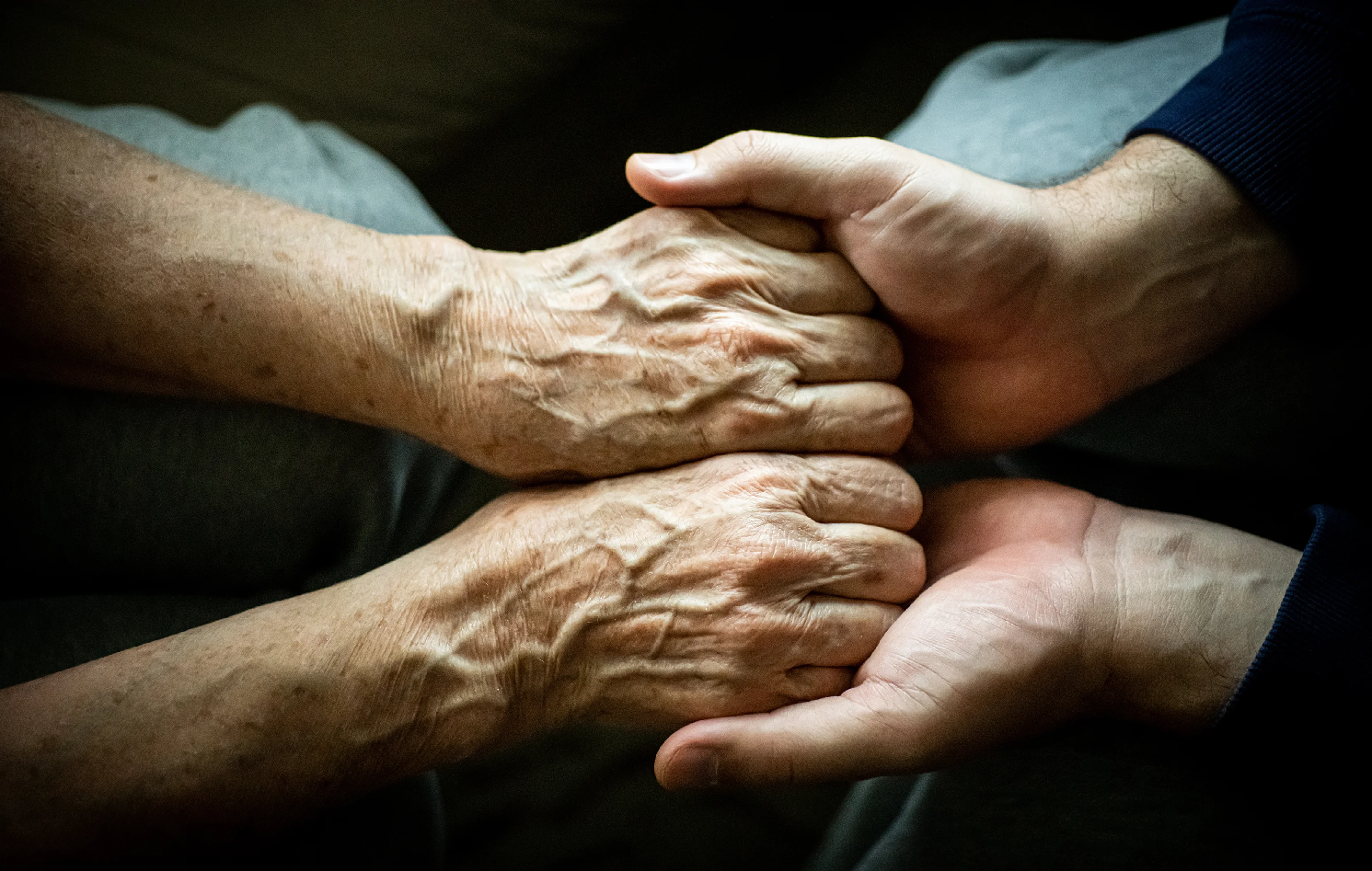
“Not if I can help it, Mom,” I told her, taking her weathered hand in mine. “You’re staying right here, with me.”
Her relief was so profound it made me cry.
The next morning, I called my boss and quit my job as a marketing coordinator for a mid-sized firm downtown. I’d been there for eight years, had a good relationship with my colleagues, and a promotion that had been all but guaranteed for the following year. I walked away from all of it without a backward glance.
My siblings thought I’d lost my mind.
“You can’t throw your career away,” Sarah argued during one of our increasingly tense phone conversations. “What happens when Mom’s gone and you have nothing? No job, no savings, no future?”
“What happens,” I replied, “is that I’ll know I did the right thing.”
Moving in with Mom meant dismantling the life I’d carefully constructed over the past decade. I gave up my apartment, sold furniture that wouldn’t fit in her house, and packed my entire existence into boxes that filled her spare bedroom. I set up a home office in what used to be Dad’s study, planning to freelance and work remotely to generate some income while providing Mom’s care.
The early months were an education in patience I’d never known I needed.
Mom’s confusion came and went like weather—some days clear and bright, others cloudy and stormy. I learned to read the signs: the way her hands would flutter when she felt anxious, the specific tone of voice that meant she was about to ask me the same question for the fifth time that hour, the look in her eyes when she woke up and didn’t recognize her own bedroom.
I developed routines that became our lifeline. Breakfast at exactly eight o’clock, with her medications hidden in applesauce because she’d forgotten how to swallow pills. Morning walks around the neighborhood, following the same route every day so she wouldn’t become disoriented. Afternoon quiet time when I’d read to her from books she’d loved—Jane Austen, Agatha Christie, poets whose words still resonated even when her own words were failing her.
Some days were gifts. She’d wake up sharp and present, asking about my freelance work, offering to help with cooking, sharing memories with such vivid detail it was hard to believe anything was wrong. We’d spend these precious afternoons looking through photo albums, with Mom identifying relatives and telling stories I’d never heard before.
“That’s your great-grandmother Elena,” she’d say, pointing to a sepia-toned photograph of a stern-looking woman in Victorian dress. “You’re named after her, you know. She came to this country with nothing but a carpetbag and a stubborn streak that could move mountains. That’s where you get it from.”
Other days were battles against invisible enemies. Mom would become convinced that strangers were living in her house, that someone had stolen her jewelry, that she needed to go home even though she was already there. She’d wander the halls at night, calling for her mother who’d been dead for thirty years, or insisting she had to get to work at the school where she’d taught second grade before retiring fifteen years earlier.
The hardest part wasn’t the repetitive questions or the midnight wandering or even the gradual loss of the woman I’d known my entire life. The hardest part was the isolation.
My social life evaporated. Friends stopped calling when I repeatedly declined invitations, canceled plans, and couldn’t commit to anything because I never knew what kind of day Mom would be having. Dating became impossible. The man I’d been seeing casually for six months left after I missed three dinners in a row because Mom was having episodes of severe agitation.
My siblings’ visits became increasingly infrequent. David stopped by once a month, usually on his way to or from somewhere else, staying just long enough to ask how things were going and express concern about my “situation.” Michael called weekly but avoided visiting because seeing Mom’s decline made him uncomfortable. Sarah came by every few weeks with groceries and helpful suggestions about “respite care options” and “support groups for caregivers.”
None of them offered to take a shift. None of them suggested sharing the responsibility. They’d made their peace with the idea that I had chosen this path, and therefore it was my burden to bear alone.
The financial strain became crushing after the first year. Freelance work was sporadic and poorly paid. Mom’s medications weren’t fully covered by insurance. We needed safety equipment—grab bars, a shower chair, locks on the outside doors to prevent wandering. I hired a part-time aide for the days when I absolutely had to work, but even that modest expense stretched our budget to the breaking point.
I sold my car and used Mom’s old sedan. I canceled cable television, subscription services, anything that wasn’t essential. I learned to shop for groceries with coupons, to cook meals that could be stretched for days, to find free activities and entertainment.
Some nights, after Mom was finally asleep, I’d sit in the kitchen with a cup of tea and wonder if my siblings had been right. Was I destroying my future for a woman who no longer recognized my sacrifice? Was love without recognition sustainable, or was I slowly burning through reserves I couldn’t replenish?
But then morning would come, and I’d find Mom sitting by the window in her nightgown, humming a melody from her childhood. She’d smile when she saw me, and even if she didn’t know my name, her whole body would relax with relief that she wasn’t alone.
“There you are,” she’d say, reaching for my hand. “I was waiting for you.”
Those moments made everything else bearable.
As the disease progressed, Mom began to forget more complex things—how to use the telephone, how to dress herself, how to find the bathroom in her own house. I became expert at invisible assistance, helping her button shirts without making her feel helpless, guiding her to the bathroom without making it obvious she’d been lost.
I learned the language of Alzheimer’s—that arguing with delusions only caused distress, that redirecting was more effective than correcting, that sometimes the kindest response to “I want to go home” was “Tell me about home” rather than “You are home.”
We developed new ways of connecting. When words failed her, we communicated through touch—hand-holding, gentle back rubs, the kind of physical comfort that transcends language. When she couldn’t remember my name, she still knew my voice, still calmed when I sang the lullabies she’d sung to me as a child.
Music became our bridge. Even in her most confused states, Mom could still sing every word of “Danny Boy” and “Amazing Grace.” She’d hum along to Frank Sinatra records while I cooked dinner, her face peaceful and content in a way that had become increasingly rare.
The middle stage of the disease brought new challenges. Mom began having trouble eating, forgetting how to chew and swallow. I learned to puree foods, to feed her slowly and patiently, to stay calm when meals that used to take twenty minutes stretched to over an hour.
She started having more frequent episodes of what the doctor called “sundowning”—periods of increased confusion and agitation that typically occurred in the late afternoon. During these times, she’d become convinced that I was an intruder, that someone was trying to poison her, that she needed to escape from a house she’d lived in for four decades.
I developed strategies for these episodes—keeping the environment calm and familiar, playing her favorite music, showing her photo albums until the anxiety passed. I never took her fear personally, even when she looked at me with genuine terror, even when she called for help because a “stranger” was in her house.
My siblings’ concerns about my wellbeing intensified during this period. They’d arrive for their brief visits to find me exhausted, thinner, with the kind of weariness that sleep couldn’t cure.
“This isn’t sustainable,” David warned during one particularly difficult conversation. “You’re destroying yourself, Elena. Mom wouldn’t want this for you.”
“How do you know what Mom would want?” I asked. “When’s the last time you spent more than an hour with her?”
The conversation ended badly, with David storming out and Sarah crying because “our family is falling apart.” But I couldn’t make them understand that this wasn’t about martyrdom or self-destruction. It was about love—the kind that doesn’t calculate cost or demand recognition, the kind that simply shows up, day after day, because showing up is what love does.
The final stage began almost three years after the diagnosis. Mom stopped speaking in full sentences, then stopped speaking at all. She forgot how to walk, how to sit up, how to hold her head upright. The vibrant, intelligent woman who’d raised four children and taught hundreds of students how to read was disappearing into a body that no longer remembered how to function.
This was when the true test of endurance began. Caring for someone in late-stage Alzheimer’s is like caring for a newborn, except instead of watching someone grow and develop, you’re witnessing the reverse—a gradual diminishment that breaks your heart in new ways every day.
I learned to lift and transfer her, to change adult diapers with dignity and gentleness, to feed her liquids through a straw when solid food became impossible. I hired nurses for the overnight shifts because she needed monitoring every few hours, but I remained her primary caregiver during the days.
The house became a medical facility. Hospital bed in the living room. Wheelchair ramps. Oxygen tanks. Medications organized in weekly pill dispensers. The warm, lived-in home where I’d grown up was transformed into a place where someone was dying slowly, by degrees.
My siblings suggested hospice care, and I agreed. Not because I was giving up, but because hospice understood what I’d learned through three years of caregiving—that sometimes love looks like letting go, like prioritizing comfort over cure, like accepting that death is not failure but a natural end to suffering.
The hospice nurses were angels who understood both the medical and emotional complexities of our situation. They showed me how to recognize signs of pain in someone who could no longer communicate, how to provide comfort care, how to be present for someone who might not consciously know you’re there.
“She knows you’re here,” Janet, our primary nurse, assured me during one of my darker moments. “Even when everything else is gone, they can still feel love. They can still sense safety. Your presence matters more than you realize.”
Those words sustained me through the final months. Even when Mom no longer opened her eyes, I’d hold her hand and tell her about my day, about the garden blooming outside her window, about memories we’d shared. I’d play her favorite music and read aloud from books she’d loved. I’d brush her hair and moisturize her hands and make sure she was never alone for long.
My brothers and sister visited more frequently during this final period, perhaps sensing that the end was near. They’d sit quietly by her bedside, sometimes talking to her, sometimes just being present. I think they finally understood what I’d been trying to tell them all along—that being there mattered, even when being there was heartbreaking.
Mom died on a Tuesday morning in early spring, just as the daffodils were beginning to bloom in her garden. I’d been awake since 4 AM, sensing that something had changed in her breathing, in the quality of stillness around her. I held her hand as the sun rose, telling her it was okay to let go, that she’d been a wonderful mother, that she was loved.
She slipped away so quietly I almost missed it. One moment she was breathing in that shallow, labored way that had become normal, and the next moment she simply wasn’t. The transition was so gentle it felt like watching someone fall asleep.
The grief that followed was unlike anything I’d ever experienced. It wasn’t just the loss of my mother—it was the end of a purpose that had structured my life for nearly four years. I’d become so accustomed to caring for her that I didn’t know how to structure my days around my own needs and desires.
The house felt impossibly empty. Not just because she was gone, but because the medical equipment was removed, the routine was broken, the constant vigilance was no longer needed. I wandered through rooms that felt too quiet, too clean, too empty of the gentle chaos that comes with caring for someone who needs you completely.
My siblings returned for the funeral arrangements, and we navigated the complex emotions of grief, relief, and exhaustion that follow a long goodbye. The service was beautiful—filled with former students who remembered her kindness, neighbors who’d watched her tend her garden for decades, friends who’d maintained their loyalty even through the long years of her illness.
The will reading took place a week after the funeral. Mom had updated her legal documents early in her illness, during one of her lucid periods, with the help of an attorney who specialized in elder law. Everything was divided equally among the four children—the house, her savings, her modest investments, her personal possessions.
My siblings expressed concern about my financial future and suggested that I might deserve a larger share given my years of caregiving. I declined. The money had never been the point, and accepting extra compensation would have felt like diminishing the gift I’d given freely.
But the house—that was different. Walking through those rooms where I’d spent four years learning what love really meant, I couldn’t imagine strangers living there. I used my portion of the inheritance to buy out my siblings’ shares, planning to keep Mom’s home as my own.
Three days after everyone had returned to their normal lives, my phone rang. The caller identified himself as Thomas Brennan, an attorney who’d worked with my mother before her diagnosis.
“Ms. Rodriguez,” he said, his voice warm and respectful. “I know this is a difficult time, but I have something that belonged to your mother that she wanted you to have.”
He explained that early in her illness, during a period when she was still managing her own affairs, Mom had come to his office with a specific request. She’d asked him to set up a small savings account in my name and to keep it confidential until after her death.
“It’s not a large amount,” he said, “but she was very specific that it was to be given to you, along with this letter.”
The account contained fifteen thousand dollars—money she’d saved quietly over the years before her illness, adding to it whenever she could. It wasn’t a fortune, but it was enough to help me restart my life, to buy time to rebuild my career, to serve as a foundation for whatever came next.
The letter was written in her clear, steady handwriting, obviously composed during one of her good days before words became too difficult to manage:
“My dearest Elena,
If you are reading this, then I am gone and you are trying to figure out what comes next. I want you to know that I understood what you gave up for me, even when my mind was too cloudy to express my gratitude properly.
You didn’t have to sacrifice your career, your social life, your future to care for me. You chose to do it because that’s who you are—someone who loves without counting the cost, someone who shows up when showing up is hard.
I know your brothers and sister couldn’t understand your choice. They are good people, but they love practically, efficiently. You love extravagantly, the way your father did, the way I tried to teach all of you but only you truly learned.
I want you to know that even when I couldn’t remember your name, I always knew you were safe. Your voice, your touch, your presence—these were the constants that made the confusion bearable. You were my anchor to love when everything else was drifting away.
This small gift is not payment for what you did—nothing could repay that kind of devotion. It’s just meant to help you rebuild, to give you a foundation for whatever dreams you’ve had to defer. Use it wisely, but also use it joyfully. You’ve earned the right to live for yourself again.
I am so proud of the woman you became. Not because you cared for me, but because you cared for me with such grace, such patience, such unwavering kindness. You are the best of everything I tried to be as a mother.
Thank you for staying. Thank you for choosing love over convenience. Thank you for showing me, in my final years, what unconditional love really looks like.
Live well, my darling girl. You have given me the greatest gift—the certainty that I was treasured, that my life mattered, that I was never really alone.
All my love, Mom”
I sat in her kitchen—my kitchen now—and cried for an hour. Not tears of sadness, but tears of completion. She had seen me. She had understood. Even through the fog of disease, she had recognized the sacrifice and chosen to honor it.
Six months later, I was back in the workforce, using the skills I’d developed as a caregiver to start a consulting business for families navigating eldercare challenges. The years I’d thought were destroying my career had actually given me expertise that was desperately needed—practical knowledge about resources, regulations, and most importantly, the emotional resilience required to love someone through their most vulnerable years.
I kept Mom’s garden, learning to tend the tomatoes and roses she’d cared for so lovingly. I hosted family dinners in the dining room where we’d eaten countless meals together. I turned her bedroom into an office but kept her furniture, her photographs, the small personal touches that made the space feel like she was still somehow present.
My siblings and I rebuilt our relationships slowly, carefully. They began to understand that my choice hadn’t been about martyrdom or superiority—it had been about recognizing a calling and having the courage to answer it. We learned to talk about Mom’s final years not as a tragedy but as a difficult grace, a time when love was tested and proved genuine.
The years of caregiving had changed me profoundly. I was more patient, more present, less concerned with accumulating possessions and more focused on accumulating moments of connection. I’d learned that love is not diminished by forgetting—that even when someone can’t remember your name, they can still feel cherished, still experience safety and comfort and peace.
Most importantly, I’d learned that meaning doesn’t require recognition. Some of the most important work we do in life happens in the small, daily acts of care that no one else witnesses. Making sure someone feels safe. Offering gentle words when the world feels confusing. Holding space for someone’s dignity when they can no longer hold it for themselves.
Those four years of caring for my mother weren’t stolen from my life—they were some of the most meaningful years I’d ever lived. They taught me what I was capable of, what really mattered, and how love grows stronger rather than weaker when it’s tested by difficult circumstances.
Now, when I think about Mom’s final years, I don’t remember the hardship or the exhaustion or the frustration. I remember the quiet afternoons when she’d hum contentedly while I brushed her hair. I remember the way her face would light up when I walked into a room, even if she couldn’t remember my name. I remember the profound peace in her expression during her final days, the certainty that she was loved and safe and not alone.
That was her final gift to me—not the money she’d saved, but the knowledge that love, once given freely, creates a ripple effect that extends far beyond memory, far beyond recognition, far beyond the boundaries of a single lifetime.
She may have forgotten my name, but she never forgot the feeling of being treasured. And in the end, that was everything.

Lila Hart is a dedicated Digital Archivist and Research Specialist with a keen eye for preserving and curating meaningful content. At TheArchivists, she specializes in organizing and managing digital archives, ensuring that valuable stories and historical moments are accessible for generations to come.
Lila earned her degree in History and Archival Studies from the University of Edinburgh, where she cultivated her passion for documenting the past and preserving cultural heritage. Her expertise lies in combining traditional archival techniques with modern digital tools, allowing her to create comprehensive and engaging collections that resonate with audiences worldwide.
At TheArchivists, Lila is known for her meticulous attention to detail and her ability to uncover hidden gems within extensive archives. Her work is praised for its depth, authenticity, and contribution to the preservation of knowledge in the digital age.
Driven by a commitment to preserving stories that matter, Lila is passionate about exploring the intersection of history and technology. Her goal is to ensure that every piece of content she handles reflects the richness of human experiences and remains a source of inspiration for years to come.