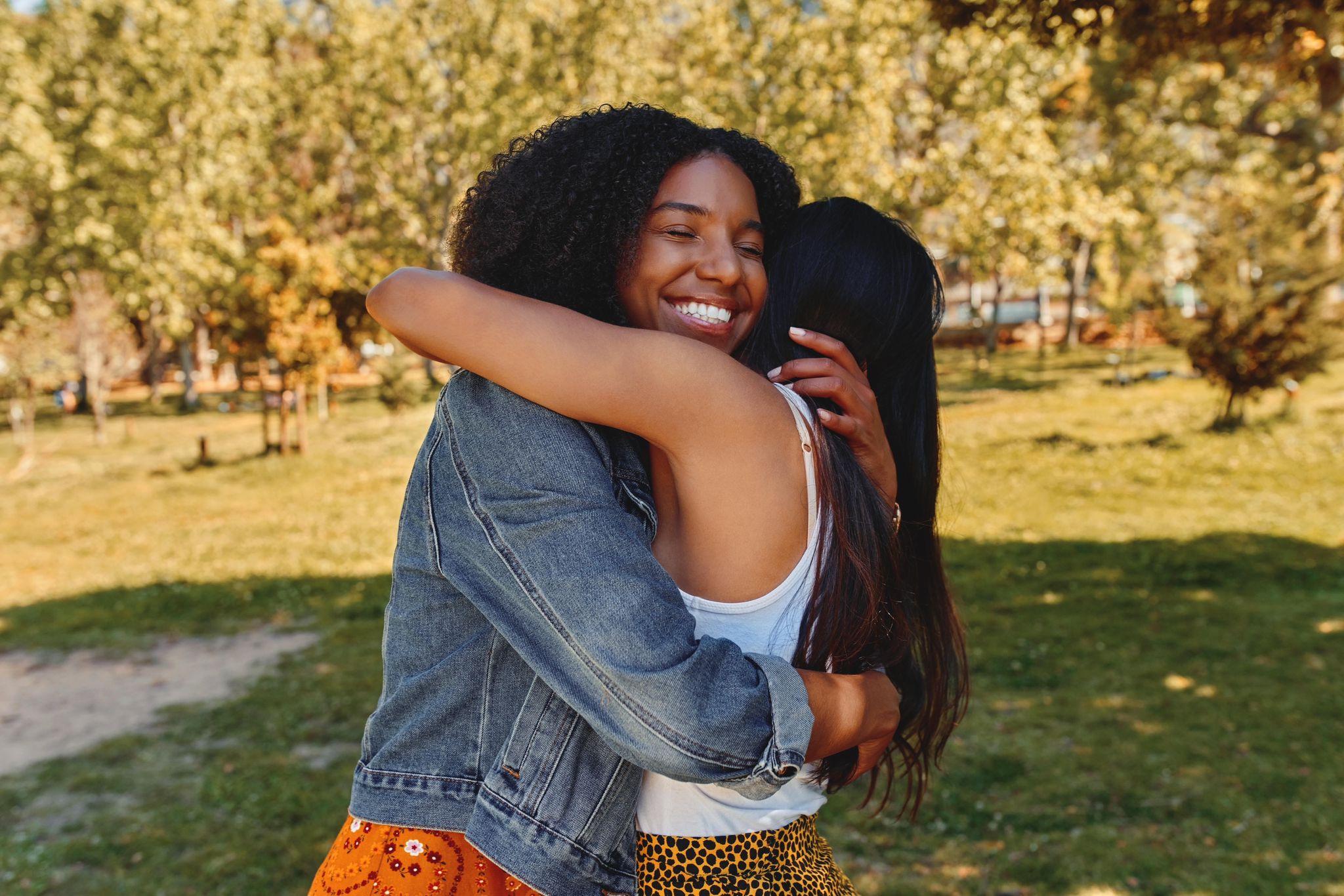
The Weekend That Changed Everything
The gravel crunched under my tires as I pulled into the driveway, my kids singing in the backseat, their voices bright with anticipation. September sunlight filtered through the maple trees, painting everything gold. For one fragile, hopeful moment, I let myself believe this weekend might be different. That maybe, finally, things could be simple.
I should have known better.
The house looked exactly as I remembered—white shutters, stone porch, garden boxes still blooming with the last defiant flowers of summer. A wooden sign hung by the front door: “Welcome, Family & Friends.” I’d given them that sign five years ago, back when I still believed the words meant something universal.
My parents appeared on the porch before I’d even cut the engine, all smiles and open arms. Behind me, Emma unbuckled her seatbelt, already calling out about the chocolate chip cookies she’d been promised. Lucas pressed his hands against the window, leaving perfect palm prints on the glass.
Everything seemed perfect. Warm. Safe.
It took exactly ten minutes for me to understand why we’d really been invited.
The Arrival
The divorce had been finalized three months ago. Three months of learning to sleep alone in a bed that suddenly felt too big, of explaining to the kids why Daddy lived in an apartment now, of rebuilding a life I’d thought was permanent. Emma asked careful questions. Lucas pretended everything was fine when I knew it wasn’t.
My parents had insisted on this family weekend. “It’s been too long,” Mom had said over the phone, her voice warm with what sounded like genuine concern. “We miss the kids. We miss you. Come stay with us. Let us spoil the grandchildren. You need a break, sweetheart.”
She’d sounded so genuine that I pushed aside the little knot of doubt that always formed in my chest when it came to family gatherings. That old feeling that I was performing in a play where everyone else had memorized their lines and I was still improvising.
Emma was out of the car like a shot, running into her grandmother’s arms with unguarded joy. Lucas stumbled on the gravel, and Grandpa caught him up in a bear hug that made him giggle. I grabbed the bags and followed them inside, breathing in the familiar scent of baking sugar and coffee and cedar polish.
For the first time in weeks—maybe months—I felt my shoulders drop. The tension eased from muscles I didn’t realize I’d been holding tight. Maybe this weekend really would be good. Maybe being here, in this house where nothing ever changed, was exactly what I needed.
We spent the first hour in comfortable domesticity. Emma helped in the kitchen, standing on a stool to stir cookie dough while Mom guided her hands. Lucas played with Grandpa’s old model cars—the same ones I’d played with as a child. Dad sat on the floor with him, making engine noises and creating elaborate traffic jams across the carpet.
I sank into the couch with a cup of tea Mom had made without asking, exactly the way I liked it—one sugar, a splash of milk. The sunlight filtered through lace curtains, scattering patterns across the hardwood floor. I caught myself thinking how peaceful it all felt. How easy.
How maybe I’d been wrong to keep my distance all these years.
Then the front door burst open without warning.
The Performance
Rachel’s arrival was always a performance. She swept in trailing expensive perfume that arrived ten seconds before she did. Designer sunglasses perched on her head despite the fading light. Keys jingling between perfectly manicured fingers, phone in one hand, designer purse swinging from her shoulder. White jeans that probably cost more than my monthly grocery budget, silk blouse that looked like it required professional cleaning.
My younger sister. Twenty-nine years old and moving through life like she owned every room she entered.
“Get ready,” she announced to the room, barely glancing in my direction. “We’re leaving soon.”
I blinked, still holding my teacup. “Leaving?”
Mom’s face brightened in a way it hadn’t all afternoon—not when Emma hugged her, not when I’d thanked her for the tea. A different kind of light. Sharper. More focused. “Oh, wonderful—you made it! I was worried about the traffic.”
Rachel leaned against the kitchen counter, examining her nails with studied casualness. “Of course I made it. I booked us the spa package weeks ago. The reservation’s for six.” She said it like she was doing everyone a tremendous favor, her tone suggesting we should all be grateful she’d managed to arrange her schedule.
“Spa package?” I asked slowly, trying to keep my tone even, trying not to sound like the confused child I suddenly felt like.
“There’s a new resort near Lake Placid,” Rachel said, waving a hand dismissively. “Hot stone massages, champagne brunches, lakeside yoga at dawn. You’d love it.” Her voice and her eyes told a different story—one where I wouldn’t be going anywhere near it.
I felt something cold begin to settle in my chest, but I pushed it down. This was familiar territory. Rachel’s plans that didn’t include me. My parents’ priorities that placed me somewhere below her convenience. “That sounds nice. When did you plan this?”
Mom dried her hands on her apron, not quite meeting my eyes. Her movements were careful, deliberate, like someone defusing a bomb. “Sweetheart, we were hoping to borrow your SUV. Rachel’s car is in the shop—something with the transmission. It’ll be fixed Tuesday.”
For a heartbeat, the room went still. The warmth from earlier began to cool, like a door had opened somewhere letting in winter air.
“Borrow my car?” I repeated carefully, each word measured. “For the weekend?”
“Just for the spa trip,” Dad said from his position on the floor with Lucas. His tone was casual, unconcerned, like this was a perfectly reasonable request. “We’ll take good care of it. Fill it up before we bring it back.”
I looked at the three of them—my parents, my sister—and something in their faces made my next words come out before I could stop them. Before I could remember all the reasons why suggesting myself was always a mistake. “We can all go together. There’s plenty of room. The kids would love it.”
The moment the words left my mouth, I knew I’d miscalculated. Emma’s face lit up instantly, like I’d just promised her Disneyland.
“Really, Mom? Can we go? Please? I’ve never been to a spa! Please please please?”
Lucas bounced beside her, not entirely sure what a spa was but catching his sister’s excitement like a contagious fever. “I wanna swim! Do they have a pool? Grandpa, is there a pool?”
Their joy made me smile despite everything. But my parents’ expressions tightened in a way I recognized from childhood—that look when I’d asked for something I wasn’t supposed to want. When I’d forgotten my place in the family hierarchy.
Dad cleared his throat, standing up from the floor with effort. His knees cracked audibly in the quiet room. “It’s more of a… well, it’s more of a family trip. Adults. You know how it is.”
The words hit me like a physical blow. I stared at him, my brain struggling to process what he’d just said. “We are family.”
The silence that followed felt like falling. Like the moment before a car accident when you see it coming but can’t stop it.
Rachel laughed—sharp, bright, cutting through the air like glass breaking. “If she comes, I’ll just go alone. I mean it.” She looked directly at our parents, not at me. Like I wasn’t even in the room. “I didn’t book this weekend to babysit her emotional breakdown tour.”
The words landed like a slap. My emotional breakdown tour. As if my divorce—the end of my marriage, the restructuring of my entire life, the pain my children were processing—was some kind of theatrical performance designed to inconvenience her.
Mom and Dad exchanged a glance—one of those wordless conversations that married people have perfected over decades. A entire dialogue in a look: what do we do, who do we choose, how do we handle this without causing a scene.
Then Mom turned to Rachel, her voice soft and pleading in a way it never was with me. “No, she’s not going. Don’t worry. Just take us. We’ll have a wonderful time, the three of us.”
They were pleading with her, not me. Choosing her, not me. Making it abundantly clear whose feelings mattered, whose presence was valued, whose needs took priority.
The same way they’d chosen her for everything that mattered my entire life.
The Quiet Decision
Something in me went very still and very quiet. I’d been through enough in my thirty-eight years—a failed marriage, a miscarriage that nearly killed me, a car accident that left me with chronic back pain and medical debt—to recognize when a door was closing. When you’re being shown exactly who you are to someone.
When the truth is being spoken in the spaces between their words.
“Sure,” I said quietly, setting down my teacup with hands that didn’t shake even though I wanted them to. “You can take the SUV.”
My voice was calm. Steady. I was proud of that steadiness, that control. I’d learned it over years of practice, years of swallowing reactions that would be labeled as “too sensitive” or “making a scene.”
Relief flooded their faces—all three of them. Like I’d just solved a problem they’d been worried about. Like my acquiescence was expected, natural, the correct response to their request.
“Oh, wonderful,” Mom said, her smile returning full force. “You’re such a sweetheart. We’ll take good care of it, I promise.”
The rest of the evening blurred like a watercolor painting left in the rain. Emma’s excitement slowly faded into confusion as she realized she wasn’t going anywhere. Her small face crumpled, and I watched her try to hide her disappointment the way I’d taught her to hide difficult emotions—by pretending everything was fine.
Lucas’s questions came one after another, each one a small knife to my heart. “Why can’t we go, Mom? Did I do something bad? Is it because I spilled juice yesterday? I’ll be good, I promise. I’ll be so good.”
I could only smile and say, “Next time, sweetheart. This is a grown-up trip.”
Knowing there would be no next time. Knowing that grown-up was just a code word for without you.
We ate dinner at the kitchen table—lasagna Mom had made, garlic bread, salad that I mechanically moved around my plate. Rachel dominated the conversation, talking about her job and her upcoming promotion and her new apartment in the city with floor-to-ceiling windows and a view of the skyline. Mom and Dad hung on every word like she was reciting poetry, asking questions, making appreciative sounds, celebrating achievements I’d stopped sharing years ago because the response was always lukewarm at best.
I cut Lucas’s food into small pieces. Helped Emma reach the salad bowl. Said almost nothing. Became invisible in the way I’d perfected over decades of family dinners.
When I handed Mom the keys after dinner, she hesitated, her fingers closing around them slowly. Her eyes searched my face, looking for something—permission, absolution, confirmation that I wasn’t upset. “You’re not upset, are you?”
“Of course not,” I lied, and I was proud of how steady my voice sounded. How genuine the smile felt on my face. “Enjoy your trip. You deserve it.”
She hugged me then, a brief squeeze that felt performative. Rachel didn’t bother. Dad clapped me on the shoulder and told me to enjoy the peace and quiet, like my children were burdens rather than blessings.
But as I walked out to the car to get their weekend bags from the trunk, my hand brushed against something on the rearview mirror—the small dash cam I’d installed six months ago after someone had backed into me in a parking lot and driven away. It had front, rear, and interior recording. High definition. Always on when the engine was running. Always listening. Always saving footage to the cloud.
I’d forgotten it was there.
I stood by the driver’s side door for a long moment, looking at that little black device with its tiny red recording light. Then, very carefully, very deliberately, I adjusted it. Made sure the angle was perfect. Made sure it had a full, unobstructed view of the entire cabin—front seats, back seats, every face, every word that would be spoken.
Something in me—some instinct I didn’t fully understand yet—told me this mattered. That I needed to see what happened when they thought no one was watching.
Then I handed them the keys and wished them a safe trip with a smile that didn’t reach my eyes.
Mom hugged me again. Rachel scrolled on her phone, already checked out. Dad clapped me on the shoulder one more time and told me to enjoy having the house to myself.
They piled into my SUV—Rachel driving because she always drove, Mom in the passenger seat where she belonged as the queen mother, Dad in the back with their luggage and the bags of resort clothes they’d packed for their special weekend.
The engine started. The headlights cut through the growing dark. They pulled away down the gravel driveway, leaving tire tracks in the dust and two confused children wondering why they weren’t good enough to be included.
When their taillights disappeared around the bend in the road, I stood there for a long time in the September twilight, the cold settling into my chest like something taking up permanent residence.
Emma appeared beside me, slipping her small hand into mine. “Mommy? Why are you crying?”
I hadn’t realized I was. I wiped my face quickly, forcing another smile. “I’m not sad, baby. Just tired.”
“You look sad.”
I squeezed her hand, her small fingers warm in mine. “Come on. Let’s go inside and make pizza. The kind with extra cheese that Daddy says is too messy.”
She smiled at that, and we went back into the house that suddenly felt less like home and more like a place I was haunting.
The Truth in the Dark
The house felt hollow without them, like a stage set after the actors have gone home. The kids and I made pizza from scratch—Emma rolled out the dough with the wooden pin Mom kept in the third drawer, Lucas sprinkled cheese with both hands until the entire counter looked like it had been hit by a mozzarella snowstorm. We watched an animated movie about talking animals going on an adventure. I let them stay up past bedtime because what did it matter. Because I was too distracted to enforce rules that suddenly seemed arbitrary.
After they were asleep—Emma in the guest room she always claimed as “hers” at Grandma’s house, Lucas curled up in the portable crib I’d brought—I poured myself a glass of wine from the bottle Dad kept under the sink. It was cheap wine, the kind that tastes slightly of regret, but I didn’t care.
I sat on the couch in the dark living room and opened the dash-cam app on my phone.
The footage loaded in seconds. There they were—Rachel at the wheel adjusting the mirror, Mom settling into the passenger seat with that satisfied sigh she made when things were going her way, Dad in the back organizing bags and getting comfortable for the drive.
The interior camera had perfect audio. Crystal clear. I could hear everything.
For the first half hour, everything seemed normal. Small talk about the route Rachel was taking. Laughter about something Dad said. Comments about how nice the weather was, how they’d lucked out with the forecast, how the resort was supposed to be amazing. Mom turning on the radio, settling on some oldies station, all three of them humming along to a song from their youth.
The familiar rhythm of family voices, comfortable and easy.
I almost turned it off. Almost decided I was being paranoid, that I was looking for problems where none existed, that I was letting my hurt feelings color everything.
Then Rachel sighed—long, dramatic, theatrical.
“God, I thought she’d never hand over the keys. The way she was begging to come was pathetic.”
I froze, the wine glass halfway to my lips.
Mom laughed softly. Not a surprised laugh. Not a correcting laugh. Not a “Rachel, that’s not nice” laugh. An agreeing laugh. A laugh that said yes, wasn’t that ridiculous. “You handled it perfectly, honey.”
My hands started shaking. I pressed pause, staring at the screen, at their faces grainy in the low light. This had to be a misunderstanding. They couldn’t be—they wouldn’t—
I pressed play again.
“She’s always been like that,” Dad added from the backseat, his voice casual, conversational, like they were discussing the weather or the traffic. “Clingy, emotional, needy. Even as a kid. Remember when she was six and cried because we took you to see The Nutcracker without her?”
Six years old. I’d been six years old, and they’d left me with a babysitter while they took Rachel—just Rachel—to see The Nutcracker for her ninth birthday. I’d stood in the driveway in my pajamas, crying, asking why I couldn’t come. Why they didn’t want me.
“That was hilarious,” Rachel said, and I could hear the smile in her voice. The genuine amusement. “She was sobbing in the driveway when we left. What did she say? ‘Why don’t you love me?’ Oh my God.”
They all laughed. Three voices laughing at a six-year-old child’s pain. At a little girl who couldn’t understand why her family was leaving her behind.
At me.
I pressed pause again, my breath coming too fast, my vision blurring with tears I refused to let fall. Not yet. I needed to hear this. I needed to know.
I hit play.
They talked about me the way people talk about someone they barely tolerate. Someone inconvenient. Someone whose feelings are more of an annoyance than a consideration. Every sentence stripped away a layer of the illusion I’d tried so hard to maintain my entire adult life—the illusion that despite everything, they loved me. That blood meant something. That family was supposed to be safe.
“Remember how she cried when we took Rachel to Paris for her sixteenth birthday?” Mom said, her voice fond with the memory. Not guilty. Not regretful. Fond. “She actually expected to go too! Can you imagine? We’d have had to get a bigger hotel room, change all our plans. She was so entitled.”
“She was fourteen,” Dad replied. “What fourteen-year-old even wants to go to Paris anyway? She just wanted to ruin Rachel’s trip. Always trying to steal the spotlight.”
I remembered that summer. Rachel’s sixteenth birthday trip to Paris—just the three of them for two weeks. I’d stayed with my grandmother, crying myself to sleep every night, wondering what I’d done wrong. Wondering why I wasn’t good enough to be included.
“Well, thank God we put our foot down,” Mom said. “That trip was perfect. Just the three of us.”
Just the three of us. Like I’d never existed. Like I was some distant relative they occasionally tolerated rather than their daughter.
“And college,” Rachel chimed in, and I could hear the satisfaction in her voice. The pleasure of old victories being recounted. “Remember the fit she threw when you said she had to go to state school?”
“We weren’t wasting money on mediocrity,” Dad said flatly, like it was the most obvious thing in the world. “You got into Georgetown. She got into… what was it? Central State? There’s a difference between investing and throwing money away.”
Central State. I’d gone to Central State on a partial scholarship, working two jobs to cover what the scholarship didn’t, graduating with honors and thirty thousand dollars in debt. Rachel had gone to Georgetown fully funded by our parents, graduating with a degree, connections, and zero debt.
I’d thought it was about money. About what they could afford. But it wasn’t. It was about what they thought I was worth.
I kept watching. Kept listening. They dissected everything about my life with surgical precision, with the casual cruelty of people who’d never considered that their words might have consequences.
My apartment: “Have you seen that place? It’s depressing. Beige walls, cheap furniture from IKEA. I offered to lend her money for decorating and she got offended. So ungrateful.”
My job: “Teaching at an elementary school. Making what, forty thousand a year? Rachel makes that in six weeks. But at least she’s employed, I suppose. Could be worse.”
My clothes: “She showed up in jeans today. Jeans! To our house. Rachel always looks put together, professional. Why can’t she make an effort? She’s let herself go since the divorce.”
My divorce: “Well, we all saw that coming. Who could stay married to someone that emotionally fragile? Poor Tom. He must be relieved to be out of that marriage. At least he got away before she completely dragged him down.”
Each word landed like a blow. Each criticism peeled back another layer of the carefully constructed fiction I’d built around our relationship. The fiction that said they loved me even if they didn’t always show it. That they were proud of me even if they never said it. That I mattered even if their actions suggested otherwise.
And then—worst of all—they talked about my children.
“Emma’s teacher called last week,” Mom said, and my stomach dropped to my feet. I hadn’t known this. Nobody had told me. “Said Emma was having some behavioral issues. Acting out in class, not following instructions. I told the teacher she’s probably just dramatic—like her mother. Runs in the blood.”
My hands were shaking so badly I almost dropped the phone. Emma had been acting out? Why hadn’t the teacher called me? Why had they called my mother instead?
“The boy’s quiet,” Dad observed, like he was discussing a mildly interesting animal at the zoo. “Maybe there’s hope for him. Maybe he’ll take after his father instead of her.”
“She’s making those kids suffer,” Rachel added, her voice dripping with judgment. “Living in that cramped apartment, dragging them to their grandparents’ house every other weekend because she’s too proud to ask for real help. They’d be better off with their father. At least Tom has his life together.”
I wanted to shut it off. I needed to shut it off. My children. They’d talked about my children like they were problems to be solved, burdens to be endured, evidence of my failures rather than people to be loved.
But I didn’t shut it off. I listened for two full hours as the people who raised me, who were supposed to love me unconditionally, dismantled my entire life piece by piece, laugh by laugh, casual cruelty by casual cruelty.
When the video finally ended—when they’d arrived at the resort and the conversation shifted to checking in and spa schedules and which treatments they’d booked—the house was silent except for the soft hum of the refrigerator in the kitchen and the distant sound of a train passing through town.
I sat in the dark for a long time, the phone screen black in my hands, my chest tight with something that felt too big for my body.
They thought their cruelty existed in private, invisible, consequence-free. They thought their words disappeared into the hum of the highway, dissolved into the air, left no mark.
But they hadn’t.
They’d been recorded. Documented. Saved to the cloud in high definition with perfect audio.
And sitting there in the dark, something shifted inside me. The hurt was still there—it would always be there, probably, a scar that would never fully heal. But underneath it, something harder crystallized.
Clarity. Purpose. The understanding that some doors need to close for new ones to open.
They’d shown me who they were. I’d spent thirty-eight years making excuses, finding explanations, blaming myself for not being lovable enough.
Now I had proof. Undeniable. Irrefutable.
And I knew exactly what to do with it.
The Reckoning
The next morning, sunlight crept across the kitchen floor in golden bars. I’d barely slept—maybe three hours, lying in the guest bed staring at the ceiling, playing their words over and over in my mind, planning.
Emma wandered in around seven, her hair tangled from sleep, trailing her stuffed rabbit by one ear. “Grandma didn’t call yet?”
“Not yet, baby.”
“When are they coming back?”
“Sunday afternoon.”
She climbed into my lap even though she was getting too big for it, all sharp elbows and long legs. “I wanted to go to the spa.”
“I know, sweetheart. I know.”
“Why didn’t they want us?”
The question cut me open. I kissed the top of her head, breathing in the strawberry scent of her shampoo. “Sometimes grown-ups make selfish choices, baby. It’s not about you. It’s never about you.”
I smiled for her, made pancakes shaped like Mickey Mouse ears, and pretended nothing was wrong. Lucas ate four pancakes and asked if we could go to the park. We spent the day outside—playground, ice cream, a walk around the lake where we fed stale bread to aggressive ducks. Normal things. Good things. Things that felt like building a wall between my children and what I’d learned last night.
But my mind was turning the entire time. Planning. Calculating. Understanding what needed to happen next.
That night, after the kids were asleep again, I watched the footage one more time. Not because I wanted to—every word hurt like touching a bruise, like pressing on a healing wound—but because I needed to be sure. Needed to confirm I hadn’t misunderstood or overreacted.
I hadn’t.
I wrote down timestamps. Where each lie began. Where each cruelty landed. Where they laughed at my six-year-old self crying in the driveway. Where they called my daughter dramatic. Where they said my children would be better off without me.
Their words no longer hurt the same way. Instead, they clarified. They organized years of unease and self-doubt into something concrete. Into proof.
I opened my laptop and began downloading the footage. Backing it up. Saving it to three different places—cloud storage, external hard drive, email to myself. Making it permanent. Making it undeniable.
On Sunday afternoon, the SUV returned right on schedule. They came in laughing, glowing with that particular radiance people get after a weekend of being pampered. Mom’s face looked fresher somehow, younger. Rachel was already scrolling through photos on her phone, probably planning her social media posts about the amazing family weekend. Dad carried their bags like a dutiful bellhop.
Mom set down a small bag of souvenirs on the kitchen table—resort-branded candles, some fancy soaps wrapped in tissue paper. “You should take the kids there sometime,” she said brightly, her smile wide and oblivious. “Well—when you can afford it.”
The comment landed exactly as she’d intended it to—a small reminder of my place, of my financial situation, of my limitations compared to their abundance.
“Did you have fun?” I asked, keeping my voice light and interested and perfectly pleasant.
Rachel shrugged, not looking up from her phone. “It was fine. Nothing too exciting.”
“No interesting conversations?” I asked, watching their faces carefully.
They exchanged quick glances—so fast most people would have missed it. A look that said be careful, she’s fishing, watch what you say.
“Not really,” Mom said, her smile not quite reaching her eyes anymore. A slight tension in her shoulders. “Just girl talk. Boring stuff. You know how it is.”
“Good,” I replied, matching her smile with one of my own. “I’m glad you had a relaxing time.”
They left soon after—Rachel had to get back to the city, they had work tomorrow, thanks for the car, we filled it up like we promised, you’re such a sweetheart for letting us borrow it. Hugs all around. Promises to do this again soon. My father’s hand on my shoulder, my mother’s perfunctory kiss on my cheek, Rachel’s wave from the doorway without actually looking at me.
I stood on the porch and waved back as they drove away in Rachel’s newly-repaired car, their laughter floating back through the open windows.
Then I locked the door, sat down at the kitchen table, and began composing emails.
The Unraveling
I didn’t send the full footage—two hours of viciousness was more than anyone needed. Instead, I clipped out the worst ten minutes. The sneering laughter about my six-year-old self. The insults about my apartment, my job, my clothes, my life. The casual contempt in their voices. The jokes at my expense. The comments about my children being dramatic and hopefully taking after their father instead of me.
Ten minutes that captured everything. That showed exactly who they were when they thought no one was listening.
I wrote a simple message to accompany it:
“This was recorded yesterday in my car, which has a dash cam for insurance purposes. I thought you should know what was said about me and my children when they thought no one could hear. I won’t be attending family events anymore. Please don’t contact me.”
I sent it to my aunts and uncles—Dad’s two brothers, Mom’s sister and brother. To family friends who’d known me since childhood, who’d been at my wedding, who sent my kids birthday cards every year. To Rachel’s boyfriend, Marcus, who’d been dating her for two years and had told me last Thanksgiving that he was planning to propose at Christmas.
Twelve emails total. Twelve people who would see what I’d seen. Who would hear what I’d heard. Who would know the truth.
Then I closed my laptop, put the kids to bed, and waited.
The responses began within hours.
Aunt Jennifer first: “Oh my God. Oh honey. I’m so sorry. I had no idea. I should have seen it. I should have said something years ago.”
Uncle Mark: “This is disgusting. I’m calling your father right now. This is absolutely unacceptable.”
Aunt Patricia: “Those things they said about Emma and Lucas… I’m livid. Absolutely livid. You’re doing the right thing protecting your babies from these people.”
One by one, they responded with shock, anger, apologies for not seeing it sooner, for not protecting me better, for enabling a dynamic they’d been blind to or willfully ignored.
The family group chat that had been quiet for weeks—I’d been removed from it months ago, Rachel’s doing probably—suddenly exploded with activity. Uncle Mark sent me screenshots.
Aunt Jennifer: “We need to talk about this as a family. What they said is unacceptable.”
Uncle Tom: “I always knew they favored Rachel, but this? This is abuse. This is systematic emotional abuse.”
Aunt Patricia: “Those poor kids. Imagine what she’s been dealing with her whole life. What we’ve all been blind to.”
By nightfall, the story had spread through every corner of our extended family. Rachel’s name was being whispered with disgust. My parents’ behavior was being dissected and condemned. Marcus called me directly, his voice shaking.
“Is it real?” he asked, sounding like he already knew the answer but needed confirmation anyway. “Please tell me it’s edited or taken out of context or something.”
“It’s real,” I said calmly. “Every word. No edits. No context needed. That’s who they are when they think no one’s listening.”
He was silent for a long time. I could hear him breathing heavily, hear him trying to process what he’d heard in those ten minutes. “She told me you were jealous of her. That you’d always been difficult, unstable, that your parents had to walk on eggshells around you. That you made everything about yourself.”
“And now?” I asked.
“Now I know she’s a liar. Now I know…” His voice broke. “Thank you for telling me. I can’t—I have to go.”
He hung up. Two days later, social media told the rest of the story: Marcus had ended their relationship. Rachel’s perfect romance, the engagement she’d been expecting, gone in a single conversation.
The next day, my phone exploded.
Rachel’s messages came first—furious, rambling, full of typos from angry fingers hitting keys too fast: “You BITCH how dare you you’ve RUINED EVERYTHING this was PRIVATE you had NO RIGHT to record us without permission this is ILLEGAL I’m calling my lawyer you’re going to PAY for this—”
Then Mom’s tearful voicemails: “Sweetheart, please, we need to talk, you’re taking everything out of context, we love you, we’ve always loved you, you know how people talk sometimes, it didn’t mean anything, please call me back—”
Then Dad’s thunderous ones, his voice tight with barely controlled rage: “This is unacceptable behavior. You’re tearing this family apart over nothing. You always overreact to everything. Call me back immediately so we can discuss this like adults.”
I didn’t answer any of them. I blocked Rachel’s number after the twentieth message. I let Mom’s calls go to voicemail. I deleted Dad’s messages unread.
By Monday morning, they were at my apartment door.
The Confrontation
I heard them coming from down the hallway—loud voices, my mother’s distinctive knock-knock-knock pattern, my father’s deeper voice saying “She’s home, her car’s here, she has to answer.”
I opened the door before they could knock again. I didn’t invite them in. I stood in the doorway like a barrier between them and the life I was protecting.
Mom’s mascara was smudged, running in dark tracks down her cheeks that she’d clearly made no effort to clean. Dad’s jaw was clenched so tight I could see the muscle jumping beneath his skin. Rachel stood behind them, her arms crossed defensively over her chest, her face a mask of fury and something else—shame, maybe, or fear of consequences she’d never had to face before.
“You humiliated us,” Mom said, her voice high and trembling with what sounded like genuine distress. “Do you have any idea what you’ve done? Aunt Jennifer won’t speak to us. Your uncle uninvited us from Thanksgiving. Everyone thinks we’re monsters because of you.”
“I showed people the truth,” I replied calmly, keeping my voice level and my face neutral. “Nothing more, nothing less.”
“That was private!” Rachel spat, her voice sharp and cutting. “You recorded us without our knowledge! That’s illegal! You violated our privacy!”
“In my car,” I said evenly, meeting her eyes without flinching, “which has a clearly visible dash cam that I installed six months ago. For insurance purposes, which I’ve mentioned multiple times at family dinners. You were in my vehicle. The recording is completely legal. You knew about the camera—you just didn’t care because you never thought there would be consequences.”
“You tricked us!” Mom cried, her hand pressed dramatically to her chest.
“I didn’t trick anyone. I lent you my car. You chose to say those things. You chose every single word. You chose to laugh at a six-year-old child crying. You chose to mock my children. You made those choices, not me.”
Dad’s voice rose, loud enough that I heard a door open down the hall—my neighbor, Mrs. Chen, checking on the commotion. “You’ve destroyed this family over nothing! Over meaningless talk! People say things they don’t mean all the time!”
“No,” I said, and I was surprised by how steady my voice was. How calm I felt standing there facing them. “You destroyed this family a long time ago. I just revealed what it’s been built on. What it’s always been built on. I’m simply done pretending not to see it.”
“We raised you!” Mom said, as if that erased everything, as if basic parental obligations created unlimited debt. “We fed you, clothed you, paid for your education—”
“You did the bare minimum required by law,” I interrupted, my voice sharp now. “That doesn’t give you the right to mock me for the rest of my life. That doesn’t give you permission to laugh at my pain or insult my children.”
Before they could reply, another car pulled up in the parking lot. Then another. Aunt Jennifer’s SUV. Uncle Mark’s truck. One by one, they arrived—my father’s brothers, my mother’s sister, family friends who’d seen the footage, relatives I hadn’t spoken to in years.
Faces set with fury and disappointment.
Not at me. At them.
The hallway became an impromptu intervention, voices overlapping, decades of enabled behavior finally being confronted.
Aunt Jennifer, who’d never raised her voice at anyone in her sixty-three years, said what no one had ever dared say. “You’ve treated her like she was less than human her entire life. You favored Rachel in every possible way and expected her to just accept it. And you thought you’d get away with it forever.”
Dad tried to argue, his face reddening. “You don’t understand the full context—”
“I understand perfectly,” she cut him off, her voice like ice. “I heard what you said about a six-year-old child crying in your driveway. Your child. And you laughed. You all laughed.”
Uncle Mark stepped forward, his large frame filling the hallway. “I’ve watched you treat these girls differently their whole lives. I told myself it wasn’t my business. I was wrong. What you said about those grandchildren is unforgivable.”
Aunt Patricia joined in by phone, her voice sharp through the speaker: “What you said about Emma and Lucas… they’re innocent babies and you talked about them like they were inconveniences. Like they were burdens. Your own grandchildren.”
My mother opened her mouth to defend herself, to spin the narrative, to make herself the victim. But before she could speak, my grandmother called.
Grandma Rose. Ninety-two years old and still formidable, the family matriarch whose word had been law at Sunday dinners and holiday gatherings for as long as I could remember. Her voice came through my phone speaker, clear and cutting despite her age.
“Robert,” she said to my father, using his full name the way she only did when he was in serious trouble. “You will apologize to your daughter. You will get therapy. You will fix what you’ve broken. Or you will not be welcome at my Sunday dinners. Do you understand me?”
That silenced him faster than anything I could’ve said. Sunday dinners at Grandma’s were sacred, the center of our family universe. Missing them was social death.
“Mom,” he tried, his voice strangled. “You don’t understand what she—”
“I understand that I raised you better than this. Apparently, I failed. Don’t make me fail twice by refusing to acknowledge what you’ve done.”
Rachel arrived last, having apparently parked farther away. She stormed through the gathered relatives, her face twisted with rage and humiliation. “You ruined my life!” she screamed at me, her voice cracking. “Marcus left me! My firm is asking questions! Everyone thinks I’m a monster because of you!”
“You did that yourself,” I said quietly, meeting her eyes. “I just pressed play.”
She lunged toward me—actually lunged, like she was going to physically attack me—and Uncle Mark stepped between us with the ease of someone used to breaking up fights. “Enough, Rachel.”
“She’s jealous!” Rachel shouted, her voice breaking, tears streaming down her face now. “She’s always been jealous! She can’t stand that I’m successful and she’s—she’s—”
“She’s brave,” Aunt Jennifer said firmly. “Braver than you’ll ever be. She had the courage to stop accepting abuse. What have you ever done that required real courage?”
The fight went out of Rachel’s face then, replaced by something I’d never seen before. Real fear. The fear of someone watching their perfect image crumble, watching the world they’d built on other people’s pain collapse.
When it was over—when the shouting had died down and the accusations had been made and the lines had been drawn—my parents left pale and shaken. Rachel left screaming, making threats about lawyers and revenge and how I’d pay for this.
My relatives stayed. They hugged me. They told me I’d done the right thing. They promised things would change. They apologized for not seeing it sooner, for not protecting me better.
Uncle Mark stayed the longest. “I should’ve seen it sooner,” he said, his voice heavy with regret. “The way they talked about you versus Rachel. The difference in how they treated you. I should’ve said something years ago.”
“It’s not your fault,” I said.
“Maybe not. But I’m sorry anyway. And I’m here now. Whatever you need.”
After they left, I went back inside my apartment and locked the door. Emma and Lucas were at a friend’s house—I’d arranged it before I knew what would happen today, some instinct for protection kicking in.
I sat on the couch in the quiet and realized I was shaking.
Not from fear or anger.
From relief.

Sophia Rivers is an experienced News Content Editor with a sharp eye for detail and a passion for delivering accurate and engaging news stories. At TheArchivists, she specializes in curating, editing, and presenting news content that informs and resonates with a global audience.
Sophia holds a degree in Journalism from the University of Toronto, where she developed her skills in news reporting, media ethics, and digital journalism. Her expertise lies in identifying key stories, crafting compelling narratives, and ensuring journalistic integrity in every piece she edits.
Known for her precision and dedication to the truth, Sophia thrives in the fast-paced world of news editing. At TheArchivists, she focuses on producing high-quality news content that keeps readers informed while maintaining a balanced and insightful perspective.
With a commitment to delivering impactful journalism, Sophia is passionate about bringing clarity to complex issues and amplifying voices that matter. Her work reflects her belief in the power of news to shape conversations and inspire change.