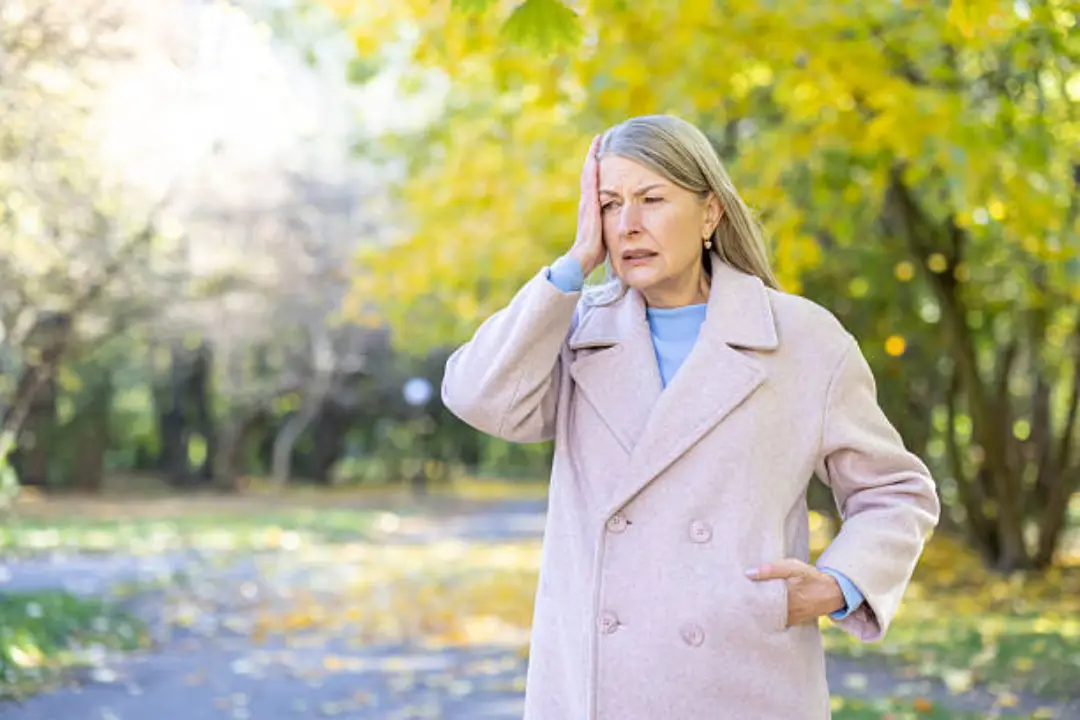
My name is Victoria, and at fifty-seven years old, I learned that sometimes the people we love most are capable of the deepest betrayal. This is the story of how my son’s wedding destroyed our family, but also saved my life.
The ranch garden outside Santa Fe was filled with white flowers that evening, the kind that look soft until the wind turns them sharp. The band had been playing since sundown, and the tables were draped in linen cloths I’d embroidered myself during nights of insomnia, my fingers moving while my mind tried not to fall apart. Everything looked perfect. My son Ethan was marrying Olivia—the girl with light eyes and a cold smile who’d appeared two years ago and changed everything.
I wore the royal-blue dress my mother had worn at my own wedding, the same satin that carried the weight of generations. I’d styled my hair into an elegant bun and wanted to look dignified, as was appropriate for the groom’s mother. I wanted to walk into that reception hall like I belonged there.
When I arrived, Olivia saw me. She didn’t say a word. She only leaned toward Ethan and whispered something in his ear. He walked toward me fast, jaw clenched. I knew that face—the same look he’d had when he was a boy and had done something wrong but didn’t want to admit it.
“Mom,” he began, lowering his voice, “Olivia says your dress is stealing the spotlight. She says the blue is too flashy.”
I felt a punch in my chest, but I took a deep breath. “It’s fine, son. I’ll change if you want.” I’d brought another dress in the truck, prepared for weather, for spills, for emergencies. I hadn’t come prepared for humiliation.
“No, Mom.” His voice turned harsh. “It’s better if you leave.”
“What?”
“Olivia is very nervous. She says your presence makes her tense. That you’ve always judged her.”
The hall was full. The music was playing. Guests laughed and talked, oblivious to what was happening ten feet from the head table.
“Ethan, I’m your mother,” I said, keeping my voice steady. “I organized this wedding. I paid for half of all this.”
“And you think that gives you the right to ruin my wife’s day?” he yelled.
The hall went silent. All eyes swung toward us, a hundred conversations dying at once. Then he said it, loud and clear in front of everyone: “Get out, Mom. My fiancée doesn’t want you here.”
I felt something break inside me. I didn’t cry. I didn’t yell. I just nodded, picked up my purse, and walked toward the exit. No one stopped me. No one followed me.
I got into my car and drove back to the ranch, headlights cutting through the dark road like a blade. The keys hung on my neck as always—those keys my father left me before he died, along with the land, the house, the legacy of four generations. They were the same keys Ethan had wanted ever since he got engaged to Olivia.
I took off the blue dress, folded it carefully, and put it back in the closet like a relic. I didn’t sleep that night. But the next day, when the phone rang and I saw his name on the screen, I knew everything was about to change.
“Mom, can you come to the ranch? We need to talk.”
I hung up without answering.
After his father died fifteen years ago, it was just the two of us and the ranch. We learned to survive together, the way people do in places where the land doesn’t care about your feelings. Ethan was twelve when I became a widow—a quiet boy with big hands and sad eyes, trying to be strong for me.
“Mom, I can fix the fence,” he’d say, carrying tools heavier than he was.
“No, my love. You are still a child.”
“Not anymore, Mom. I’m the man of the house now.”
And he tried. God knows he tried. We grew up on this land together. He learned to herd cattle, repair tractors, and negotiate with suppliers when I didn’t have the strength. When he finished college in the city, he came back.
“Mom, my place is here with you on the ranch.”
It made me so happy I thought my chest would split. We worked side by side—I kept the accounts, he took care of the livestock. In the evenings, we sat on the porch to watch the sunset with coffee from the little diner off the highway.
“You know, Mom,” he would say, “one day my kids are going to grow up here just like I did. They’re going to run through these same yards. They’re going to learn to ride the same horses.”
But it didn’t happen that way. He met Olivia in a downtown New York bar during a business meeting. She was successful, modern, polished—the kind of woman who wore heels that clicked like an announcement and perfume that lingered like a warning.
The first time he brought her to the ranch, I saw the look of disappointment on her face. “You live here?” she asked, taking in the old walls, the dark wood furniture, the black-and-white photographs of my grandparents.
“We live here,” Ethan corrected her. “It’s beautiful, isn’t it?”
Olivia smiled, but her eyes said something else. From that day on, everything changed. Ethan started coming home late. He stopped sitting with me on the porch. He talked about selling cattle, about “modernizing,” about turning the ranch into an event venue.
“Mom, Olivia has good ideas. We could earn a lot of money.”
“This isn’t a business, Ethan. It’s our home.”
The phone rang again the next morning. It was Ethan again. This time, I answered.
“Mom, please. I need the ranch keys.”
His voice sounded different, colder, as if he were reading a script someone else had written.
“What do you need them for, Ethan?”
Silence on the other end. I heard voices in the background. A woman’s voice. Olivia.
“Olivia and I want to make some changes. Modernize a little. Maybe remodel the main living room. Change the old furniture.”
Those old pieces were made by your great-grandfather with his own hands.
“Mom, please don’t start. Yesterday was enough drama.”
“Drama?” I felt my voice crack. “You threw me out of your wedding, and I was the dramatic one?”
“You decided to wear that dress knowing—”
“Ethan, that was your grandmother’s dress. The same one she wore when she married your grandfather on that same ranch you now want to remodel.”
Another silence, longer and heavier. “Mom, things change. Traditions change. Olivia is right. We can’t live in the past.”
Olivia is right. Those three words began to define my son after he met her.
“When are you coming home?” I asked, trying to change the subject.
“That’s the point, Mom. Olivia and I aren’t going to live there anymore. We’re going to stay in the city apartment. It’s more practical for her job.”
I felt as if someone had sucked the air out of my lungs. “But you said you were going to raise your children here. That this was your home.”
“And it is. But I also need to build my own life with my wife.”
My wife. He didn’t say her name with affection anymore. He said it like someone signing a contract.
“So why do you need the keys?”
“Because legally it’s my house too, Mom. My father left it to me in the will. Fifty percent for you, fifty percent for me.”
There it was. The truth. His father had indeed left him half the property, but the keys—the control, the administration—he left that to me. With a specific clause: Victoria will decide the future of the ranch as long as she has life and mental capacity. Ethan will only receive his share when she so determines.
My husband knew me. He knew I would never sell. He knew I would protect this land, even from our own son if necessary.
“The keys stay with me, Ethan.”
“Mom, don’t be childish. We just want to make a few changes. Maybe rent the ranch for events, weddings. We could generate extra income. Olivia has already talked to an architect.”
“No. This house is not for sale. It is not available. It is not a project.”
“But it’s mine too.”
That scream, that tone—it was the voice of a stranger.
“Your father left you this land for you to protect it, not to exploit it.”
“My father is dead, Mom. He’s been dead for fifteen years. And you keep living as if he were going to come back tomorrow.”
I fell silent. His words cut through me like knives.
“And that’s fine. You’re right. Your father is dead. And I have lived all these years taking care of what he loved, what he built, what he dreamed. But maybe you’re right. Maybe it’s time for everyone to live their own lives.”
“What do you mean?”
“I mean the keys stay with me, the ranch remains my responsibility, and you can build the life you want somewhere else.”
“Are you kicking us out?”
“No. I’m giving you what you asked for. Your space, your independence, your own life.”
I heard Olivia talking in the background—pressing, annoyed. “Mom, Olivia says you’re being selfish. That you’re clinging to material things. That—”
“Ethan,” I interrupted, “yesterday, when you yelled at me in front of all those guests, there was a woman sitting near me. I didn’t know her, but before I left, she took my hand and said something: ‘Ma’am, when a son chooses between his mother and his wife, he has already made his choice, and you must respect that choice. But you must also respect yourself.'”
“Mom, it’s not a competition between you and Olivia.”
“No, my love. It’s not. Because in a competition, both sides want to win. And I don’t want to compete anymore. I just want peace. And the keys.”
I touched the necklace where they hung—cold, heavy, full of history. “The keys stay where they have always been: with me. Until the right moment to hand them over comes.”
“And when will that moment be?”
“When you have a heart that deserves them.”
I hung up before he could answer.
Three days passed without Ethan calling. On the fourth day, I decided pride wasn’t worth more than my son. I called him and invited them both to dinner. “Let me make this right. Let me get to know her better.”
The words burned my mouth because I didn’t mean them, but I needed to say them.
They arrived the next evening. I’d spent the entire day preparing—meatloaf, apple cobbler, the embroidered tablecloth, wax candles. I put on a simple beige dress, nothing that could steal anyone’s spotlight.
During dinner, I apologized. “I was unfair to both of you. This is your life, your marriage, and I must learn to respect that.”
The words came out mechanical, rehearsed. Olivia smiled for the first time—a genuine smile. “Thank you, Victoria. That means a lot.”
After dinner, while I served dessert, Olivia excused herself to use the restroom. She was taking a long time. I went to check on her.
The bathroom door was open. Empty.
I kept walking. My husband’s study door was ajar. I pushed it open.
Olivia stood inside with her back to me, phone held high, taking pictures of the desk, the drawers, the documents on the table.
“Olivia.”
She spun around, startled. Her face went pale for a second, then she regained her composure. “Oh, Victoria, you scared me. Sorry. I just saw this room and it seemed so interesting.”
“This room is usually locked,” I said.
“The door was open. I thought I could come in. Sorry.”
We returned to the dining room as if nothing had happened. But after they left, I went straight to the study. The documents my husband had organized were moved slightly—almost imperceptibly—but I knew every inch of that space.
Something was missing. The yellow envelope. The envelope where my husband kept an important letter—a letter he made me promise I would only open if someone ever tried to take the ranch from me.
I searched everywhere. It wasn’t there. A chill ran down my spine. I wasn’t being paranoid. I was being watched, studied, measured to see how much longer I was going to be an obstacle to someone else’s plans.
The next morning, Mr. Miller, our family lawyer, arrived at my door. “Victoria, I received a very strange call yesterday from your daughter-in-law. Olivia.”
My stomach clenched. “Olivia called you?”
“Yes. She told me you had asked her to contact me, that you wanted to review your husband’s will, that there were doubts about property distribution. She asked very specific questions—whether Ethan’s fifty percent was transferable, if he could sell without your consent, if there was any clause giving you absolute power over the ranch.”
“What did you tell her?”
“That information is confidential. I can only discuss it with you or your son in your presence. She got quite annoyed.”
I told him everything—the wedding, the yelling, the dinner, the photos in the study, the missing envelope. Mr. Miller listened, frowning.
“That envelope contained your husband’s letter. Do you know what it said?”
“I never opened it.”
“Your husband asked me to draft a document years ago, shortly before he died. He never told me what it contained. He only asked me to certify his signature and keep it sealed. He told me it was protection—insurance against the day someone tried to take what is yours.”
He warned me before leaving. “Victoria, be careful. I’ve seen cases like this. When money and property are involved, people change—even family.”
That afternoon, Ethan texted: Mom, Olivia wants to invite you to lunch tomorrow, just the two of you. What do you say?
Something in my gut told me not to go. Something stronger told me I needed to know what was going on. Of course. What time?
The next day, I met Olivia at a ranch restaurant. She looked relaxed, confident. “Thank you for coming. I know things started badly between us, and I want to fix that.”
Then she leaned forward. “Ethan is stressed. He feels trapped between you and me. Victoria, we both know that property is huge, beautiful, full of potential. But it’s also a burden. Wouldn’t it be easier to sell or rent or do something productive with it?”
“Something productive like what?”
“Like a boutique hotel. Or an event venue. I have contacts in the industry. We could do something incredible. You would receive profits without having to worry about maintenance.”
“And who would manage it?”
Olivia’s smile widened. “I have experience in administration. We could form a partnership. You put up the property. We put up the work. Shared profits—and the keys.”
“The keys,” she repeated. “We would need complete access to do renovations, to show the place to potential clients.”
“And where would I live?”
“Wherever you want. You could buy an apartment in the city—something comfortable. At your age, Victoria, you should be enjoying life, not killing yourself in a nineteenth-century house.”
At your age. Those words that mean: you’re already old, you’re in the way, move aside.
“No,” I said, standing. “The ranch is not for sale. It is not available for partnerships. It is my home, and it will continue to be my home until the day I decide otherwise.”
“But Ethan is an owner too.”
“Ethan owns fifty percent of the property, but I have complete control over its use and administration. That’s what my husband stipulated in the will.”
“That’s unfair.”
“No. It’s protection.”
Olivia set down her glass harder than necessary. “Victoria, you’re being selfish. That property could change your son’s life, and you cling to it as if it’s more important than us.”
“It’s not more important,” I said. “It’s different. The ranch is a legacy. You are temporary.”
Her face went pale. “Temporary?”
“Marriages can end, Olivia. Businesses can fail. Promises can be broken. But the land remains.”
I left money on the table and walked out. That night, Mr. Miller returned with a Manila envelope. “I went to the archive in my office. I found this.”
He pulled out a yellowed sheet with my husband’s handwriting. “It’s a copy of the letter. The only one I made without him knowing.”
I read it with trembling hands. My husband had written about meeting a dying man in the hospital whose son and daughter-in-law had convinced him to sign over power of attorney, then sold his house and put him in a nursing home. The letter ended: Protect the keys. Protect the land. Protect yourself.
“What should I do?” I asked Mr. Miller.
“First, keep this letter in a safe place—in a bank. Second, go to your doctor. Request a complete examination. Have him certify in writing that you are in full possession of your faculties. Third, prepare for the worst—for Ethan to completely take his wife’s side.”
The next morning, Ethan called. “Olivia told me what happened yesterday. That you were rude to her. That you insulted her.”
“I didn’t insult anyone. I made it clear the ranch is not for sale.”
“You’re not the only one who decides, Mom. I’m an owner too.”
“Not of the legacy.”
“Olivia says you’re being selfish. That you’re clinging to the past. That you need help—professional help. Maybe you should talk to someone, to help you let go.”
There it was. Professional help. Doctor. Mental incompetence.
“Ethan, do you really think I’m crazy?”
“No, Mom. But I think you’re lonely. That you’ve gotten trapped in that house with ghosts and memories.”
“Then prove it. Come live with us for a while. Leave the ranch. And the keys—leave the keys with the other stuff. For safety.”
“No, Ethan. I’m not leaving my house. I’m not leaving the keys. And I’m not going to keep arguing this with you.”
“Then I don’t know what else to do, Mom. I really don’t know how to help you anymore.”
“I don’t need your help, son. I need your respect.”
“I can’t respect a decision that is hurting you.”
“The only decision that is hurting me is yours—to choose a woman you barely know over the mother who raised you.”
He hung up.
I went to the bank and opened a safety deposit box for all important documents. I went to the doctor for complete examinations. A week later, he certified in writing that I was perfectly healthy, physically and mentally.
Three weeks later, without hearing from Ethan, I heard engines. Two trucks and a car. Ethan got out first. Olivia stepped out next. Two men in suits climbed down from the second truck. Lawyers.
“Mom, we need to talk inside.”
They sat in my living room. Attorney Williams opened his briefcase. “Mrs. Taylor, good afternoon. We are here because my client wishes to exercise his rights as co-owner of this ranch. We have reviewed your late husband’s will, and although it is true that you have administrative control, there is a clause that allows the co-owner to request division of assets if he considers that the current administration is deteriorating the value of the estate.”
“This ranch is in perfect condition,” I said.
“Physically, perhaps, but economically it is losing value. It generates no income. My client has the right to request that this value be protected.”
I looked at Ethan. He was staring out the window.
“Ethan, did you ask for this?”
He didn’t answer. Olivia answered for him. “Victoria, Ethan only wants what’s best for everyone, including you. What if you get sick? If you fall? You are fifty-seven years old.”
Then she smiled and placed her hands on her belly. “I’m three months pregnant. Ethan is going to be a father. You are going to be a grandmother. That’s why we need to think about the future.”
The world stopped. “What?”
Ethan finally turned around, eyes red. “It’s true, Mom. That’s why we need stability. About providing for our child.”
“Congratulations, son. Truly.”
“Then understand. This isn’t just about you and me anymore. It’s about my child—your grandson.”
Attorney Williams cleared his throat. “Mrs. Taylor, my client is willing to reach an agreement. We don’t want to go to court. But if you do not cooperate, we will have to request forced division from a judge. And in that process, many things can come to light. Your age. Your condition of living alone. Your refusal to accept help. A judge could interpret that as senile stubbornness.”
I stood. “Enough. Out of my house.”
“Mom—”
“I said out. This is my house. And as long as it is, I decide who comes in and who goes out.”
Olivia stood too, hand on her belly. “Victoria, think about your grandson. Do you really want him to grow up knowing his grandmother preferred an old house over his future?”
“I want him to grow up knowing his grandmother had dignity.”
Ethan stepped toward me, face red, fists clenched. “Give me the keys, Mom.”
“No.”
“Give me the damn keys!”
The scream echoed through the house. I took off the necklace with the keys and held them in my hand. Ethan extended his, expecting them.
But instead of handing them over, I pressed them to my chest. “These keys are not your future, Ethan. They are your past. And until you understand the difference, you won’t have them.”
His face contorted. “Then this is over. I don’t have a mother. A mother who loves her son more than a property doesn’t do this. So you choose. Either you’re on my side, or you don’t have a son.”
“Don’t make me choose that.”
“I already chose for both of us.” He turned to the lawyers. “Prepare the papers. We’re going to court. I want the division of assets. I want to sell my part, and I want her out of that house.”
They all left. I stood at the door with the keys in my hand, watching them disappear.
When the silence returned, I closed the door and allowed myself to cry. I cried for my son, for the boy who used to promise everything would be all right. I cried for the man who was supposed to protect this legacy, not destroy it. I cried for the grandson about to be born who would grow up without knowing me.
But when I finished crying, I dried my tears and hung the keys around my neck again. Because mothers lose battles. We lose children. We lose years of our lives. But we do not lose our dignity.
Two months later, I received court papers. Mr. Miller reviewed them with me. “This is going to be long. Maybe years. And expensive. Can we win?”
“Legally, yes. The will is clear.” He hesitated. “But emotionally, we already lost.”
The next morning, I called him. “I want to make a new will.”
I went to his office and dictated my last wishes: “The Taylor Ranch shall remain under my administration as long as I live. Upon my death, the complete property shall pass to a family trust that cannot be sold, divided, or modified for fifty years. My son shall receive fifty percent of profits if it is rented for cultural or educational events—never for private commercial purposes. The other fifty percent shall be administered by a foundation that will protect historic American ranches. If my son attempts to contest this will or sell his share, he will lose all rights. This is my will, and it is irrevocable.”
Mr. Miller looked at me. “Victoria, do you know what this means?”
“It means no one will win this war. Neither him nor me. But the land will.”
Two weeks later, Ethan found out. He called me at midnight—drunk, crying. “How could you do this to me, Mom? How could you take away my inheritance?”
“I didn’t take it from you, Ethan. I protected it from yourself.”
“You’re a damn selfish woman.”
“No, my love. I’m a mother who loved you too much to let you destroy what your father built.”
He hung up. He didn’t call back.
Months passed. The lawsuit moved slowly. I continued living on the ranch—tending roses, feeding chickens, watching sunsets. Alone, but at peace.
Two years passed. Then Mr. Miller arrived with news. “Ethan and Olivia separated. The divorce was finalized last week. Olivia kept full custody. She went to live in Dallas. Ethan has supervised visits every two weeks.”
Pain and sadness surged through me. “What happened?”
“When she didn’t get what she wanted from you, she started looking elsewhere. She met a hotel magnate. Ethan discovered her with him.”
“How is he?”
“Bad, Victoria. Very bad. He lost his wife, his son, his job. He’s living in a cheap motel, drinking too much.”
“And why hasn’t he looked for me?”
“Pride. Shame. Maybe both.”
Three weeks later, I saw Olivia in town, laughing on a restaurant patio with a man in a suit—gray hair, expensive watch. She saw me. Our eyes met. She waved as if we were friends.
I didn’t wave back. I kept walking. Because I understood: Olivia never loved Ethan. She only loved what they could give her.
A month later, in December, the doorbell rang at six a.m. I opened the door. It was Ethan. Thin. Messy beard. Red eyes. Wrinkled clothes.
“Mom,” he whispered, voice breaking. “I’m sorry.”
He didn’t need to say anything else. I hugged him. And he cried like he did when he was a boy.
We didn’t say much that morning. We sat in the kitchen. We drank coffee. We watched the sunrise.
“The keys are still yours, Mom,” he finally said. “They always were yours.”
“I know, my love.”
“I was a fool. She convinced me you were the problem. And I believed her.”
“I know.”
“I’ve lost everything, Mom. My son, my marriage, my job, my dignity.”
“Not everything. You still have me. And you still have time to build something new—something true.”
He stayed on the ranch that day. And the next. And the next. We worked together like before. We fixed fences. Fed animals. Watched sunsets. Slowly, my son began to return.
The lawsuit ended three years ago. Ethan’s lawyers withdrew it when he returned. Mr. Miller helped me modify the will one last time. When I die, the ranch will belong to Ethan completely—but only if he proves for ten consecutive years that he can take care of it without selling it.
“Do you think I can do it, Mom?” Ethan asked when we signed the documents.
“I don’t know, my love. But I want to give you the chance to try.”
Five years have passed since that morning Ethan knocked on my door asking forgiveness. Today I am sixty-two. My grandson Robert is four and a half. Every month when Ethan picks him up for visits, he brings him to the ranch. And when that boy runs through these yards, I understand why it was worth resisting.
Ethan lives in town now, works in a mechanic’s shop, earns little, lives in a small apartment. But he is sober. He is in therapy. And he is learning to be the man his father wanted him to be.
Olivia remarried last year to that hotel magnate. They live in a mansion, travel the world, post perfect photos. But when I saw her two years ago dropping off Robert for summer vacation, I saw something in her eyes I’d never seen before: emptiness.
A month ago, while working in the garden together, Ethan told me something I’ll never forget. “Mom, now I understand why Dad left you the keys. It wasn’t to control me. It was to protect me from myself.”
I touched the keys that still hung on my neck. “Your father was always wiser than me.”
“No, Mom. You were wise together. And I was the fool who took too long to understand it.”
Today, as I sit on the porch, I watch Robert play. I watch Ethan repair the fence. I see the trees my grandfather planted, the walls my great-grandfather built.
And I understand: life is not about winning or losing. It’s about protecting what we love, even when it costs us everything. It’s about knowing when to resist and when to let go.
I was once called selfish, stubborn, a bitter old woman clinging to the past. Maybe they were right about some things. But they were wrong about the most important thing. I wasn’t clinging to the past. I was protecting the future.
The keys that hang on my neck are no longer just metal. They are history. They are resistance. They are proof that a woman alone—with no weapon but her dignity—can defend an entire world.
Olivia got her mansion and picture-perfect life. But I have something she will never have: peace. The peace of knowing I did the right thing, that I did not sell out, that I did not betray those who came before or those who will come after.
My name is Victoria. I am sixty-two years old. And this was the story of how I lost my son to save us both. The keys are still with me. And they will stay here until the right moment comes—when my son is ready to receive them. And that day, I will rest in peace, knowing the land will be in the right hands.

Lila Hart is a dedicated Digital Archivist and Research Specialist with a keen eye for preserving and curating meaningful content. At TheArchivists, she specializes in organizing and managing digital archives, ensuring that valuable stories and historical moments are accessible for generations to come.
Lila earned her degree in History and Archival Studies from the University of Edinburgh, where she cultivated her passion for documenting the past and preserving cultural heritage. Her expertise lies in combining traditional archival techniques with modern digital tools, allowing her to create comprehensive and engaging collections that resonate with audiences worldwide.
At TheArchivists, Lila is known for her meticulous attention to detail and her ability to uncover hidden gems within extensive archives. Her work is praised for its depth, authenticity, and contribution to the preservation of knowledge in the digital age.
Driven by a commitment to preserving stories that matter, Lila is passionate about exploring the intersection of history and technology. Her goal is to ensure that every piece of content she handles reflects the richness of human experiences and remains a source of inspiration for years to come.