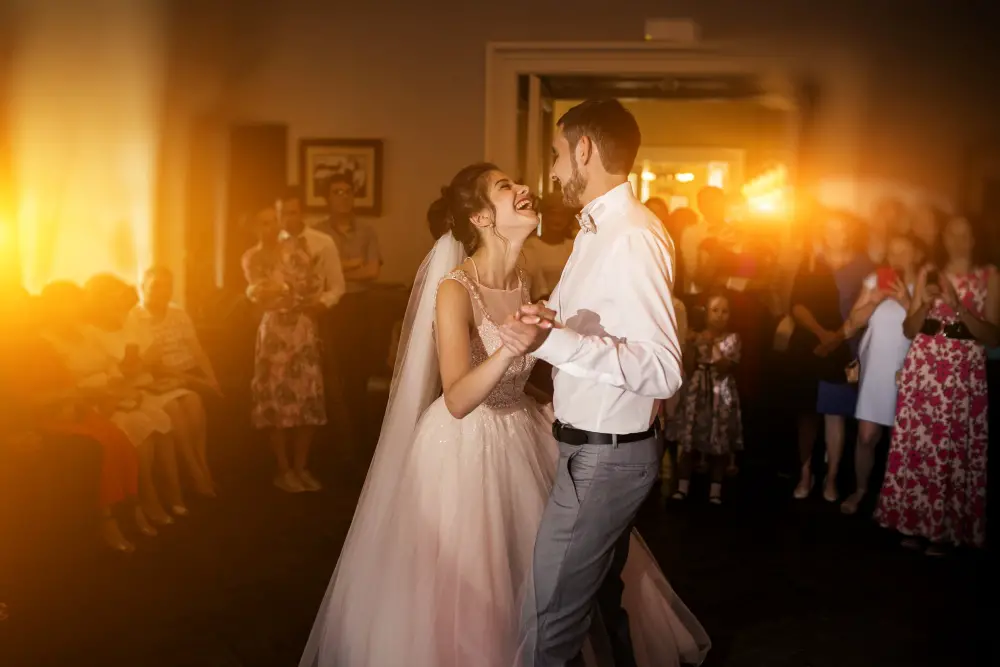
The Instant Noodle Banker
Part 1: The Price of Family
The kitchen clock ticked loudly in the silence, each second a metronome marking the rhythm of a life I was wasting. It was 8:00 PM on a Friday evening. Most thirty-year-olds earning my salary were out at wine bars, planning weekend getaways, or at the very least sitting in their own apartments eating real food.
I was sitting at my parents’ scratched laminate kitchen table, nursing a cup of shrimp-flavored instant ramen that cost fifty cents at the discount grocery store.
My work shoes sat under the table—expensive leather oxfords I’d bought three years ago, back when I still had access to my own money. The sole of the left one was held together with superglue because when I’d asked about getting them repaired, my mother had declared that cobblers were a “frivolous expense for someone who takes the bus.”
The garage door rumbled open suddenly, the sound reverberating through the floorboards. The aggressive roar of a high-performance engine cut through the evening quiet of our suburban neighborhood.
A moment later, the kitchen door swung open with theatrical flair. My younger sister, Bella, walked in like she was stepping onto a red carpet. She was twenty-four years old, unemployed for the entirety of her adult life, and glowing with the kind of carefree happiness that only other people’s money can buy. She spun a Porsche key fob on her perfectly manicured finger—nails that cost more than my weekly food allowance.
“Look what Daddy got me!” she squealed, holding the keys up like a trophy. “It’s for ‘job hunting’ motivation! He says I need to arrive at interviews in style!”
My father followed her into the kitchen, beaming with pride like he’d just funded a Nobel Prize winner. He clapped his hands together, looking at Bella with the kind of adoration he’d never once directed at me. “It absolutely suits you, princess. Success demands the right image. You can’t possibly show up to interviews in some clunker. First impressions are everything in the professional world.”
I looked up from my instant noodles, pushing my glasses up the bridge of my nose. The cheap frames had broken last month, and I’d fixed them with tape because asking for new ones had resulted in a lecture about vanity.
“Dad,” I said quietly, my voice hoarse from exhaustion after another eighty-hour work week. “That car costs eighty thousand dollars. I asked you last week for fifty dollars to go to the dentist because my molar is cracked and causing me constant pain. You told me we were ‘financially tight’ and that I should gargle with salt water.”
My mother, who was at the stove stirring a pot of saffron risotto—made with expensive ingredients that I had paid for but was never allowed to eat—slammed her wooden spoon down on the counter with a sharp crack.
“Stop counting pennies like some sort of miser, Elena,” she snapped, her voice dripping with contempt. “You’re so greedy. Always ‘me, me, me.’ Bella needs reliable transportation for her job search. You take the bus everywhere. It builds character and is better for the environment anyway.”
“I take the bus because you confiscated my car keys six months ago,” I reminded her, keeping my voice level. “And I make two hundred thousand dollars a year as a Senior Software Architect at a Fortune 500 company. Why am I eating fifty-cent instant noodles for dinner while Bella gets risotto and a Porsche?”
“Because we manage the money,” my father said, his voice dropping to a dark, warning register that I’d learned to fear over the years. “You’re far too emotional and impulsive to handle that kind of wealth responsibly. You’d waste it on frivolous things—clothes, entertainment, probably give it away to your worthless friends. We are investing it wisely for your future.”
“My future?” I laughed, a bitter, dry sound that surprised even me. “I’m thirty years old. I have no savings account in my own name. I have no assets. I have no retirement fund that I can access. I have a cracked tooth that’s getting infected and a monthly bus pass. What exactly about this situation is securing my future?”
“You have a roof over your head!” my mother yelled, her face flushing red. “We let you live here rent-free! We cook for you—well, we cook, anyway! You should be on your knees with gratitude that we don’t charge you market-rate rent for your room!”
I looked at them both—really looked at them. They honestly believed it. They genuinely thought that taking 100% of my six-figure paycheck, giving me a twenty-dollar weekly “allowance,” and treating me like an indentured servant was responsible parenting.
“I’m going to my room,” I said, standing up and leaving the rest of my ramen on the table.
“Leave your paycheck on the counter,” my father called out casually. “The direct deposit didn’t go through this morning for some reason. I need you to sign the physical check.”
I didn’t answer. I just walked down the narrow hallway to my small bedroom at the back of the house—the room that had been mine since childhood, that I’d never been allowed to redecorate past age twelve. I locked the door behind me with the flimsy lock I’d installed myself.
I pulled my hidden laptop from its hiding place under the loose floorboard in the closet. It was a cheap Chromebook I’d bought with cash from doing secret freelance coding projects at the public library on weekends, work my parents didn’t know about because the money went straight to a account they couldn’t access.
I logged into the bank portal using the password I’d figured out months ago by watching my father type it in, thinking I wasn’t paying attention. They thought I was the “dumb” sister because I was quiet, because I didn’t make scenes, because I followed their rules.
I navigated to the main savings account—the one where my entire salary had been directly deposited for the last eight years. The account that should have had over half a million dollars in it by now.
I stared at the screen, my stomach dropping.
Balance: $0.00
I refreshed the page, certain it was an error.
Balance: $0.00
I clicked on the transaction history with trembling fingers.
Withdrawal – $80,000 (Porsche Dealership – Cash Purchase) Withdrawal – $50,000 (Grand Hotel – Wedding Venue Deposit) Withdrawal – $35,000 (Kitchen Renovation – Marble Countertops) Withdrawal – $12,000 (Gucci – Premium Shopping) Withdrawal – $8,000 (Jewelry – Tiffany & Co.) Withdrawal – $5,000 (Cash Withdrawal)
The list went on and on, hundreds of transactions, years of my life converted into things I would never see or use.
It wasn’t just “financially tight.” The account was completely empty. They had drained everything. My retirement. My emergency fund. My future. My life.
Part 2: The Breaking Point
I stared at the screen for what felt like hours but was probably only minutes. The numbers blurred as my eyes struggled to focus.
I didn’t feel the sadness I’d expected. I didn’t feel the familiar wave of guilt that usually accompanied any thoughts about money or my own needs. Instead, I felt something cold and hard settling into my chest—a clarity so sharp it felt like broken glass. It was the feeling I got at work when code finally compiled successfully after hours of debugging. The logic was undeniable. The conclusion was inevitable.
I hit Print on the transaction history.
I walked out of my room and back into the living room, where my parents and Bella were watching television, laughing at a reality show about wealthy housewives fighting over champagne and yacht parties.
“Where is the money?” I asked.
They didn’t hear me over the television’s volume.
“I said, where is the money?” I shouted.
My father muted the TV with visible annoyance. He looked at me like I was an insect that had landed on his dinner plate. “What are you screaming about now? We’re trying to watch our show.”
I threw the printout onto the coffee table. The pages fluttered down, landing across the expensive fashion magazines Bella had been reading.
“The retirement fund. The savings account. The investment account. Everything. It’s gone. Over half a million dollars. Where did it go?”
My mother picked up the paper with her perfectly manicured nails—another fifty-dollar expense from my paycheck. She glanced at it with complete disinterest. No shame. No guilt. Just boredom.
“Bella’s wedding is in three months,” she said, as if explaining basic mathematics to a small child. “We needed to put down deposits for the venue, the catering, the flowers. And obviously the car—she can’t drive to interviews in that old Honda. And we’re finally redoing the kitchen like we’ve wanted to for years. Do you have any idea how much real marble costs? The contractor quoted us forty thousand just for materials.”
“That was my money,” I said, my voice shaking despite my efforts to control it. “I worked eighty-hour weeks for nearly a decade for that. I missed holidays. I missed my friends’ weddings. I gave up having a life so I could build financial security. That money represents ten years of my life.”
“It’s family money,” my father said dismissively, waving his hand like he was shooing away a fly. “Everything goes into the communal pot. We all benefit. That’s how families work.”
“But I’m the only one putting anything into the pot!” I screamed, my composure finally cracking. “Bella has never worked a single day in her entire life! You retired five years ago and haven’t contributed anything since! It’s all me! Every single dollar is mine!”
“Don’t you dare raise your voice at me in my own house!” my father stood up, his face reddening.
“Give me my bank card back,” I said, stepping forward with more courage than I’d ever shown in this house. “Right now. And I want access to the account. I’m changing all the passwords tonight.”
I reached for the small decorative box on the side table where my mother kept my debit card, my credit cards, even my Social Security card—every piece of financial identity I possessed, locked away from me like I was a child.
CRACK.
My mother moved faster than I’d thought possible for a woman her age. Her hand connected with my face in a slap that snapped my head violently to the side. It wasn’t a warning tap or a theatrical gesture—it was full force, driven by rage. I tasted copper in my mouth as my lip split against my teeth.
The room went completely silent except for the muted television flickering in the background. Even Bella gasped, covering her mouth with both hands.
“How dare you!” my mother screamed, her face contorted with fury that looked almost inhuman. “Your money belongs to this family! We gave you life! We raised you! We fed you and clothed you and put a roof over your ungrateful head! You owe us everything! You are nothing but a walking ATM, and it’s time you accepted your role!”
My father stood up from his armchair, sneering with contempt. “She’s absolutely right. You’ve gotten arrogant, Elena. Thinking you’re better than us just because you can type on a computer and sit in an air-conditioned office. You’ve forgotten where you came from.”
I touched my burning cheek with trembling fingers. I looked at them—really looked at the people who’d raised me.
I saw my mother, breathless with indignation, convinced of her own righteousness. I saw my father, smug and cruel, enjoying my pain. I saw Bella in the background, looking away uncomfortably but still clutching her new Porsche keys tight.
They weren’t my parents. Not in any meaningful sense of the word. They were parasites. And parasites don’t stop feeding until the host is dead.
“You’re right,” I said softly, lowering my hand from my face. The anger vanished from my voice, replaced by something far more dangerous—a terrifying calm. “I’ve been completely disrespectful. I need to learn my place in this family.”
My parents exchanged a look of triumph. They actually thought they had broken me again, that I’d fallen back in line like always.
“Go to your room,” my father commanded. “You’ll get your cards back when you’ve apologized properly and shown genuine remorse.”
“Okay,” I said simply.
I turned and walked away. But I didn’t go to my room.
I walked straight out the front door, down the driveway past the shiny new Porsche that represented eighty thousand dollars of my stolen life, and I kept walking. Three miles to the police station in the cool evening air, my cheek still burning, my lip still bleeding.
Part 3: The Perfect Daughter
The next morning, I returned to the house as if nothing had happened. My mother was in the kitchen making pancakes—for herself and Bella, not for me.
“I’m sorry about last night,” I said quietly, keeping my eyes on the floor like a beaten dog. “I was stressed from work. The project deadlines have been brutal. I shouldn’t have taken it out on you.”
“Well,” my mother said magnanimously, flipping a pancake with practiced ease. “We forgive you. You’re young and you don’t understand how the world works yet. Just don’t let it happen again. We’re a family. We share everything. That’s what love is.”
“I know,” I said meekly. “And I want Bella to have the perfect wedding. She deserves it. I’ll sign whatever paperwork you need for the venue, the catering, everything. I can take out additional loans if we’re running low on liquid cash.”
My mother actually smiled at me—a rare occurrence. It was a shark-like grin. “See? I knew you’d come around eventually. You’re a good girl when you remember your place. We just want what’s best for everyone.”
For the next three months, I became the perfect daughter. Compliant. Helpful. Eager to please.
I signed every document they put in front of me without reading it. I nodded enthusiastically when Bella showed me pictures of ten-thousand-dollar floral arrangements. I personally went to the bank and opened new credit cards in my name, then handed them over to my parents with a smile.
I watched them spend with increasingly reckless abandon.
Champagne towers imported from France for the reception. Custom designer gowns from New York for Bella and my mother. A five-course meal for three hundred guests. A live orchestra. A fireworks display over the lake. A chocolate fountain the size of a person.
They spent money like water, drunk on the power of my signature and my apparent surrender.
But they didn’t know that every signature was being documented. Every receipt was being photographed. Every conversation was being recorded on the hidden device Detective Sarah Miller had given me.
Every night after they went to sleep, I slipped out through my bedroom window. I drove my hidden car—the one I’d bought with freelance money and kept parked three blocks away—to a 24-hour diner in the next town over.
Detective Miller was always there, waiting in the same corner booth with coffee and patience.
She was a forensic accountant who worked with the Financial Crimes Division. A quiet woman in her fifties with gray-streaked hair, sad eyes that had seen too much human cruelty, and one of the sharpest financial minds in the state.
“This is incredible,” Detective Miller said one night, reviewing the newest stack of documents I’d smuggled out. “They aren’t even trying to hide it anymore. They’re using your identity to secure loans for assets titled solely in their names. That’s textbook identity theft, wire fraud, and financial elder abuse—well, adult child abuse in this case.”
“Is it enough?” I asked, sipping burnt coffee that tasted like freedom.
“We have enough to arrest them tomorrow if you want,” Miller said, looking at me seriously. “We have more than enough evidence right now.”
I looked at the wedding invitation sitting on the table between us. Heavy cardstock embossed with gold leaf and elaborate calligraphy. The Wedding of the Century, it proclaimed. Bella Marie Miller & David James Foster cordially invite you…
“Not yet,” I said.
“Why wait?” Miller asked, though I could see in her eyes that she already understood. “Every day they have access to your identity, they’re racking up more debt in your name.”
“I want them to feel it,” I said, and my voice was cold enough that Miller actually sat back slightly. “I want them to stand in front of everyone they’ve tried to impress—their church friends, their neighbors, the country club people they brown-nose—and realize that everything they have is a lie. I want the handcuffs to click when the spotlight is at its absolute brightest.”
Miller studied my face for a long moment. Then she nodded slowly. “Okay. The wedding is in two weeks. We’ll be ready. I’ll coordinate with the local police and the DA’s office. But Elena—are you sure about this? It’s going to be very public. Very dramatic.”
“I’m sure,” I said. “They made my life a performance. Seems only fair I do the same to theirs.”
I went back home before dawn. I helped Bella practice her vows, feeding her lines about eternal love and partnership. I let my mother scream at me for buying napkins in ivory instead of cream white—apparently there was a difference.
The night before the wedding, Bella hugged me. She was drunk on expensive champagne—the kind that cost more per bottle than my weekly food budget.
“You’re the best sister,” she slurred, leaning heavily against me. “I know we don’t always get along, but I’m so glad you finally accepted your role. You’re just… you’re better in the background, Elena. It’s safer there for someone like you. Let the beautiful people shine, you know?”
I hugged her back, breathing in her expensive perfume mixed with the smell of moral rot.
“Oh, you’ll get the spotlight tomorrow, Bella,” I whispered into her perfectly styled hair. “All of it. Every single beam.”
Part 4: The Gift
The wedding reception was held in the Grand Hotel’s largest ballroom. It was obscene in its opulence—the kind of wealth display that would have fed a small village for a year.
Crystal chandeliers hung from thirty-foot ceilings. White roses covered every visible surface in cascading arrangements. A live orchestra played classical waltzes. Ice sculptures of swans slowly melted on tables covered in silk.
My parents sat at the head table like royalty, beaming with pride and satisfaction. My father wore a custom tuxedo he’d charged to one of my credit cards. My mother’s gown was covered in hand-sewn sequins and had cost more than a used car.
I sat at a table in the very back, near the kitchen doors where the wait staff rushed back and forth. I wore an old gray suit I’d owned since college because they’d told me explicitly not to be in the wedding party—I “didn’t have the right look” and would “ruin the photos.”
The speeches began after dinner.
My father stood up, raising a crystal glass filled with Dom Pérignon that I’d technically purchased.
“To my beautiful daughter Bella,” he boomed, his voice carrying across the ballroom. “And to the generosity and sacrifice of this family. We have spared absolutely no expense to give her the wedding she deserves, the life she deserves. Because that is what parents do—we sacrifice everything for our children.”
The three hundred guests applauded. My mother wiped an artistic tear from her eye. Nobody mentioned me. Nobody acknowledged that every penny of this spectacle had come from my labor.
“Does anyone else wish to make a toast?” the DJ asked over the sound system.
I stood up.
My mother’s eyes went wide with alarm. She made a sharp sit down gesture with her hand, her face a mask of panic.
I walked to the front of the room, weaving between tables of strangers who were eating food I’d paid for. I was holding a thick manila envelope.
“I have one final gift for the happy couple,” I announced clearly into the microphone. My voice was steady. I wasn’t shaking at all.
Bella clapped excitedly, bouncing in her massive white dress. “Oh my god! Is it the keys to the beach house? Or the tickets to Bali for the honeymoon?”
My mother reached for the envelope greedily. “Give it here, Elena. I’ll make sure it’s kept safe with the other gifts.”
I pulled it back, out of her reach.
“This isn’t money,” I said.
The room went quiet. Three hundred people stopped eating, stopped drinking, stopped talking.
I opened the envelope slowly, deliberately. I pulled out a thick stack of official-looking papers.
“This,” I said, holding up the first document, “is a subpoena requiring my parents to appear in court for financial fraud.”
A ripple of confused murmurs went through the crowd.
“And this,” I pulled out another stack, “is a foreclosure notice on the family home. And this is a bankruptcy filing for my father’s fake consulting business that was actually just a shell company for laundering my income.”
My father stood up so abruptly his chair fell backward. His face had turned a dangerous shade of purple. “Elena! That’s enough! Sit down immediately! You’re drunk and you’re embarrassing yourself!”
“I haven’t had a single drink, Dad,” I said calmly. “I’m stone cold sober. More sober than I’ve been in years.”
I turned to address the audience—all these wealthy people, these country club members and church congregants who my parents had spent years trying to impress.
“Do you see all this luxury?” I asked, gesturing broadly at the room. “The flowers that cost more than a semester of college tuition? The dress that required three months of custom fitting? The Porsche parked outside that my sister drives despite never having held a job? The kitchen renovation, the jewelry, the designer clothes, the exotic vacations you’ve seen in their social media posts?”
Silence. Absolute silence.
“It was all paid for with money stolen from me,” I said. “Every single penny.”
“She’s lying!” my mother shrieked, standing up and pointing at me with a shaking finger. “She’s jealous! She’s mentally ill! She’s always been unstable! Don’t listen to her!”
I opened the envelope wider and dumped its contents onto the white-clothed gift table. Documents scattered across the surface, some landing in the elaborate flower arrangements.
“Inside are bank statements proving the theft of over six hundred thousand dollars from my personal accounts over eight years,” I said, my voice steady and clear. “Affidavits documenting identity theft and forged signatures on loan applications by my mother. Proof of fraudulent business filings by my father using my Social Security number. Credit card statements showing charges for personal luxury items falsely claimed as business expenses.”
I looked directly at Bella, who had gone pale as her wedding dress. She was frozen in place, one hand still raised mid-wave to a guest.
“And Bella,” I said softly. “You knew. I have your signature on the loan documents for the Porsche. You co-signed using my identity and forged my consent.”
The room was so quiet you could hear the ice sculptures melting.
I picked up the microphone one more time.
“You all told me that my money belonged to the family,” I said, looking at my parents. “That we share everything because that’s what love is. Well, I agree. So the consequences belong to the family too.”
My father lunged across the head table, knocking over the elaborate centerpiece and sending champagne glasses flying. “You ungrateful little bitch! I’ll kill you! After everything we’ve done for you!”
He was scrambling toward me, murder in his eyes, hands reaching for my throat.
But he never made it.
The double doors at the back of the ballroom exploded open.
Part 5: The Handcuffs
Bright blue and red lights flooded the ballroom from the hallway, strobing across the white roses and horrified faces.
“Police! Everyone remain seated!” a commanding voice boomed.
A dozen uniformed officers marched into the reception in formation, boots heavy on the marble floor. Detective Sarah Miller led them, her badge prominently displayed.
My father froze mid-lunge, one leg still on top of the head table. He looked at the police, then back at me. The realization hit him like a physical blow—his face went from rage to comprehension to pure terror in the span of three seconds.
“You…” he gasped, struggling to breathe. “You called the police? On your own family?”
“Robert Miller, you are under arrest for Grand Larceny, Wire Fraud, Identity Theft, and Conspiracy to Commit Financial Crimes,” Detective Miller announced in a clear, official voice that carried across the silent ballroom.
Two officers moved in swiftly, grabbing my father’s arms and twisting them behind his back. The metallic click of handcuffs echoed in the silence.
“Catherine Miller,” Detective Miller continued, turning to my mother, who had collapsed back into her chair. “You are under arrest for Identity Theft, Fraud, and Conspiracy.”
My mother started screaming—a high, thin wail that sounded barely human. “No! No! This is a mistake! My daughter is confused! She’s mentally ill! Elena, tell them! Tell them we’re your parents! Tell them about your history of delusions!”
She looked at me with wild eyes, mascara already running down her cheeks. “Elena! We raised you! We fed you and clothed you and loved you! How can you do this?”
I looked at her calmly, feeling nothing but a strange sense of peace. I remembered the slap. I remembered the instant ramen while she ate risotto. I remembered ten years of being told I was worthless while they spent my entire life savings.
“You’re not my parents,” I said quietly, but the microphone carried my words to every corner of the ballroom. “You’re thieves who happened to give birth to me. And you’re fired.”
The officers moved in and handcuffed her. She fought them, shrieking and thrashing, her expensive sequined gown twisting around her legs.
Then Detective Miller turned to the bride’s table.
“Isabella Marie Miller,” she said.
Bella stood up slowly, her massive white wedding dress seeming to swallow her whole. Her face was the color of paper. “Me? No, wait—I didn’t do anything! I’m just the bride! This is my wedding day!”
“You are a co-conspirator to identity theft and fraud, Ma’am,” Detective Miller said, pulling out another set of handcuffs. “We have your signature on multiple fraudulent loan documents, including the eighty-thousand-dollar loan for the Porsche that was secured using your sister’s forged consent and financial information.”
“Get your hands off me!” Bella screamed as an officer approached. “This is Vera Wang! This dress cost twelve thousand dollars! You’re ruining everything!”
They handcuffed her anyway, the cold steel clicking closed over the delicate white lace of her sleeves.
The three hundred guests were standing now, phones out, recording everything. The orchestra had stopped playing. Waiters stood frozen with trays of expensive food.
The groom, David, stood alone at the altar in his rented tuxedo. He looked like someone had hit him in the head with a brick—completely disoriented, swaying slightly.
He looked at the scattered legal documents covering the gift table. He looked at his bride being led away in handcuffs. Then he looked at me.
“Is this… is this all true?” he asked, his voice barely above a whisper. “Did they really steal everything from you?”
“Every penny,” I confirmed. “And David? You might want to check your credit score. I found loan applications with your social security number on them. I think they were planning to use your identity to pay for the honeymoon.”
David’s face went from pale to green. He stumbled backward, one hand grabbing the altar for support.
“Dave! Help me!” Bella screamed as she was escorted toward the exit. “Tell them this is wrong! Tell them we’re getting married! You love me!”
David looked at his bride—really looked at her for perhaps the first time. Then he slowly, deliberately turned his back.
I watched as all three of them were led out of the ballroom in handcuffs. The flashing police lights reflected off the crystal chandeliers, off my mother’s sequined gown, off the tears streaming down Bella’s face.
As the squad cars pulled away into the night, sirens wailing, the ballroom remained in shocked silence.
I took the microphone one final time.
“The food is paid for,” I told the stunned guests. “So is the open bar. You might as well enjoy it. I know I paid enough for it.”
Then I walked out through the side door, leaving my family’s empire of lies burning behind me.
Epilogue: The First Real Meal
One Year Later
The sun was setting over the Amalfi Coast, painting the sky in shades of purple and gold that reflected off the impossibly blue Mediterranean Sea.
I sat on the balcony of a small villa—not a mansion, not flashy, but quiet and beautiful and completely, utterly mine.
I sipped a cappuccino that cost six euros. I didn’t calculate how many hours of work it represented. I didn’t feel guilty about the expense. I just tasted the perfect foam and watched the waves.
My tablet chimed with a news alert.
Miller Family Sentencing Finalized
I opened the article out of idle curiosity, not because it hurt anymore.
My parents had pleaded guilty to avoid a lengthy trial. They each received five years in federal prison for fraud, identity theft, and conspiracy. Bella got three years for her role as an accessory.
The wedding venue had sued them for the unpaid balance—turned out my credit cards had all been maxed out and declined after the reception. They’d been bankrupted. The house was foreclosed and sold at auction. The Porsche was repossessed.
They’d sent letters from prison. The warden had forwarded them to my lawyer per my instructions.
“We forgive you, Elena. We know you were just angry and confused. We’re your parents and we love you unconditionally. Please send money for the commissary. Dad needs his heart medication and Mom needs her diabetes supplies. Bella is pregnant and needs vitamins. We’re family. You can’t abandon family.”
I’d printed them out, read them once, then burned them in the villa’s fireplace while drinking wine that cost more than my childhood weekly allowance.
I realized that for thirty years, I had been paying a debt I never owed. I had been imprisoned for the crime of existing.
But the debt was cleared now. The prison door was open.
I checked my bank app—the account that only I could access, that only had my name on it.
Balance: $215,000.00
It wasn’t millions. It wasn’t the fortune they’d stolen. But it was growing steadily, and every single cent belonged to me.
I put my feet up on the balcony railing and took a deep breath of the salty air.
“My money belongs to me,” I said aloud to the empty sky.
They were the most expensive words I’d ever bought. They cost me my family. They cost me my childhood. They cost me years of therapy to undo the damage.
But looking out at the endless sea, I knew they were worth every penny.
I closed the tablet and opened a travel brochure for Japan. I’d always wanted to see the cherry blossoms.
I booked a first-class ticket without hesitating.
Then I ordered dinner—real food, expensive food, food that I would eat slowly and savor.
For the first time in my life, I wasn’t counting the cost.
I was counting my blessings instead.
THE END
This story explores financial abuse, family exploitation, and the courage required to escape from those who claim to love you while systematically destroying you. If you or someone you know is experiencing financial abuse, please reach out to local resources. You deserve to own your own life.

Lila Hart is a dedicated Digital Archivist and Research Specialist with a keen eye for preserving and curating meaningful content. At TheArchivists, she specializes in organizing and managing digital archives, ensuring that valuable stories and historical moments are accessible for generations to come.
Lila earned her degree in History and Archival Studies from the University of Edinburgh, where she cultivated her passion for documenting the past and preserving cultural heritage. Her expertise lies in combining traditional archival techniques with modern digital tools, allowing her to create comprehensive and engaging collections that resonate with audiences worldwide.
At TheArchivists, Lila is known for her meticulous attention to detail and her ability to uncover hidden gems within extensive archives. Her work is praised for its depth, authenticity, and contribution to the preservation of knowledge in the digital age.
Driven by a commitment to preserving stories that matter, Lila is passionate about exploring the intersection of history and technology. Her goal is to ensure that every piece of content she handles reflects the richness of human experiences and remains a source of inspiration for years to come.