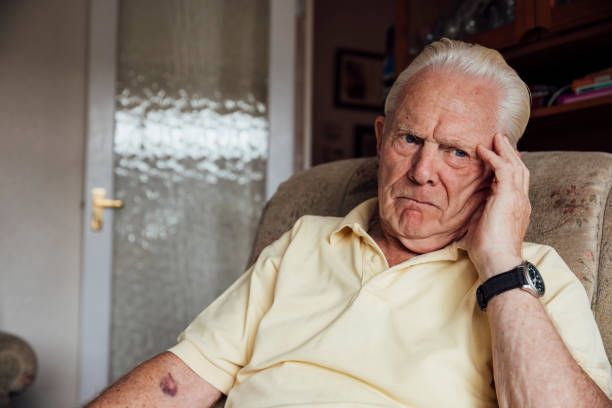
They Took My Birthday Gift and Gave It to My Sister. Then Grandpa Asked One Simple Question.
Some family dinners end with dessert and goodbyes. Others end with truths that have been buried for so long they come up gasping for air, desperate and raw and impossible to ignore.
Mine ended with my grandfather standing up from the table, his chair scraping against hardwood that had held a hundred Sunday dinners before this one, and saying five words that changed everything: “Get your keys. We’re leaving.”
Not “let me think about this.” Not “we’ll discuss this later.” Just immediate, decisive action from a man who’d spent seventy-three years learning exactly when words stopped being useful.
But I’m getting ahead of myself. Let me take you back to the moment it all came apart—the moment my mother smiled sweetly and told my grandparents she’d given away my birthday present like it was hers to give, like I was a child who couldn’t be trusted with nice things, like my sister’s needs would always, automatically, supersede my own.
And the moment my grandfather’s face changed from confused to something much more dangerous: clarity.
My name is Rebecca Chen. I’m twenty-six years old now, but this story starts two years ago on my twenty-fourth birthday, in the driveway of my grandparents’ farmhouse just outside Millbrook, a quiet town in upstate New York where people still wave to strangers and the local diner knows your order before you sit down.
My grandparents—my mother’s parents—had called me that morning with unusual excitement in their voices.
“Becca, honey, can you come by today? We have something for you,” Grandma had said, and I could hear Grandpa in the background adding, “Tell her to come around two. And tell her to bring her driver’s license.”
I’d driven over in my ancient Honda Civic—2008 model, 174,000 miles, a dent in the rear bumper from a parking lot incident I tried not to think about, and a mysterious rattling sound that my mechanic kept saying he’d “look into” without ever actually fixing. It had been my college car, my first job car, my barely-making-it-as-a-recent-graduate car. It ran. Mostly. That was about all you could say for it.
When I pulled up that afternoon, there was a vehicle in the driveway I didn’t recognize: a brand-new Honda CR-V, gleaming silver in the October sunshine, still with the dealer plates and a giant red bow on the hood like something out of a commercial.
Grandpa and Grandma were standing on the porch, grinning like kids on Christmas morning.
“Happy birthday, sweetheart,” Grandma said, her eyes shining. “We know how hard you’ve been working, how much you’ve been struggling with that old car. We wanted to give you something reliable. Something safe.”
I stood there in the driveway, looking at the SUV, at my grandparents, at the bow that was probably bigger than my monthly student loan payment, and started crying.
Not delicate tears. Ugly, gasping sobs, because I’d been so tired—tired of worrying every time I drove anywhere that today would be the day the Civic finally gave up entirely, tired of calculating whether I could afford a repair versus just risk it breaking down, tired of my mother’s pointed comments about “planning better” and “being more responsible” when she drove a leased Mercedes and my father drove a BMW.
“You don’t have to—this is too much—I can’t—” I stammered.
“You can and you will,” Grandpa said firmly. “We already put it in your name. Title, registration, insurance is set up. It’s yours, Becca. Completely yours. We want you to have something dependable, something you don’t have to worry about.”
He’d handed me the keys—actual keys, not the symbolic kind, with a Honda keychain and a little note that said “For our granddaughter who deserves the world”—and I’d driven it home that day feeling like maybe things were finally looking up.
I’d had that SUV for exactly four months before my mother took it away.
It happened gradually, the way these things always do in my family. Nothing dramatic or direct. Just small requests that build into expectations that harden into entitlements.
It started with my younger sister Ashley borrowing it for a weekend trip. She was twenty-one, still in college, and her car—a perfectly functional Toyota Camry my parents had bought her two years earlier—was apparently “too small” for the mountain of luggage she needed for a sorority formal.
“Just for the weekend,” my mother had said over the phone. “You’re not using it anyway, right? You work from home most days.”
I did work from home most days—I was a graphic designer for a small firm, and they’d gone remote-friendly during the pandemic and never switched back. But that didn’t mean I didn’t need my car. It meant I valued having it available when I did need it.
But saying no to my mother had never been something I was particularly good at.
So Ashley borrowed the CR-V for the weekend. Then she borrowed it the next weekend for another trip. Then for a week because her Camry needed maintenance—though when I asked what kind of maintenance, the story got vague and shifted.
Then my mother called with a new proposal, delivered in that tone that made it clear it wasn’t actually a proposal.
“Ashley’s car is having issues. Serious issues. It’s going to cost thousands to fix, and with her tuition and everything else, we just don’t have that kind of money right now. She needs reliable transportation to get to campus, to her internship. You understand.”
“So… what are you suggesting?” I’d asked, though I already knew.
“Just let her use the SUV for a while. A few months, maybe until summer. You don’t really need it day-to-day, and she does. It makes sense, doesn’t it? It’s what family does—we help each other.”
I should have said no. I should have pointed out that I’d helped plenty, that Ashley’s “serious car issues” were probably normal maintenance she didn’t want to pay for, that my grandparents had given the SUV to me, not to be redistributed based on my mother’s assessment of who needed it more.
But I’d been raised to be accommodating, to put family first, to not make waves or cause conflict or be “difficult.” And my mother had a way of making you feel selfish for wanting to keep what was yours.
“Just a few months?” I’d confirmed.
“Just until summer. I promise.”
That was February. By April, Ashley had redecorated the interior—new seat covers, air freshener, a collection of bumper stickers I’d never approved. By May, my mother was referring to it as “Ashley’s car” in casual conversation. By June, when I’d asked about getting it back, my mother had looked at me like I was being unreasonable.
“She still needs it, Rebecca. Her internship is across town. Don’t be selfish.”
“But Grandpa and Grandma gave it to me—”
“And you’re letting your sister borrow it, which is very generous. They’d be proud of you for being so giving.”
Except I hadn’t been asked about being giving. I’d been told I was going to be, and then my generosity had been volunteered on my behalf.
By September—a full year after I’d received the SUV—Ashley had been in an accident. Not major, but significant enough to require repairs. My mother called to tell me about it with the kind of irritation usually reserved for minor inconveniences, like a delayed flight or cold coffee.
“Ashley was rear-ended at a stoplight. Not her fault at all. But the insurance is going to take forever, and the repair shop is backed up. She’ll probably need a rental for a few weeks.”
“Is she okay?” I’d asked.
“Oh, she’s fine. Just shaken up. But Rebecca, we need to talk about the insurance deductible. Since the car is technically in your name—”
“Wait, what?”
“The insurance. It’s still under your policy, right? So the deductible comes out of your account. It’s only a thousand dollars. You have that, don’t you?”
I did have a thousand dollars. In my emergency savings. The savings I’d been carefully building because I didn’t have parents who could bail me out of financial problems, because I’d learned that being independent meant being prepared, because I’d watched my mother give Ashley everything while expecting me to just figure it out.
“Mom, I’m not paying a deductible for an accident I wasn’t involved in, in a car I haven’t driven in six months.”
“Don’t be dramatic. It’s been four months, and you said she could borrow it.”
“For a few months. It’s been a year.”
“Well, she still needs it. And you’re not using it, so I don’t see what the problem is. Unless you want me to tell your grandparents that you’re being difficult about a gift they gave you? That you’re making your sister’s life harder out of spite?”
The threat was clear: cooperate or be painted as the villain in whatever story my mother told my grandparents.
I paid the deductible. I told myself it was easier than fighting. I told myself that eventually this would resolve itself, that my mother would see reason, that Ashley would get her own car fixed or buy a new one and I’d get the CR-V back.
I was wrong.
By the time my twenty-sixth birthday rolled around—two years after receiving the SUV—Ashley was still driving it daily. She’d put another 30,000 miles on it. She’d gotten two more minor dings that I’d been expected to pay deductibles for. She’d had the oil changed and billed the expense to me because “it’s your car, so you should cover maintenance.”
I hadn’t driven it in eighteen months.
I’d gone back to driving the ancient Honda Civic, which had finally died completely six months earlier, forcing me to rely on ride-shares and the occasional borrowed car from friends. My savings—which should have been growing—were being drained by Uber expenses and insurance payments for a vehicle I never saw.
When my grandparents called to invite me to Sunday dinner, I’d almost declined. I was tired. I was frustrated. I didn’t want to sit through a family meal and pretend everything was fine, pretend my mother hadn’t essentially stolen my birthday present and given it to my sister, pretend I wasn’t quietly drowning in resentment.
But my grandmother had sounded so hopeful on the phone—”We haven’t seen you in months, honey. Please come. We miss you.”—that I’d agreed.
I’d called a car service. Not Uber—something slightly nicer, slightly more expensive than I should have been spending. But I wanted to arrive with some dignity, not showing up in my friend’s beat-up sedan asking for gas money.
The house looked exactly as it always did: warm lights in the windows, my grandmother’s fall wreath on the door, the sprawling farmhouse that had been in the family for three generations, sitting on five acres of land that bordered a small wooded area where I used to play as a child.
I walked up the porch steps with my small purse and a tired smile, telling myself this would be fine. Just a normal meal. Polite conversation. A few hours, then I could leave.
I hadn’t even made it fully through the front door when Grandpa’s voice cut through the chattering of assembled relatives—my parents, Ashley, my uncle and aunt, a few cousins.
He was standing by the fireplace, a glass of wine in hand, and he looked at me with his eyebrows raised in that particular expression that meant he was genuinely puzzled.
“Why’d you arrive in a car service?” he asked directly. “Where’s the SUV we gave you?”
The room didn’t go completely silent, but conversations faltered. People looked up from their drinks and appetizers. My mother, standing near the dining room table, tensed.
I opened my mouth to answer—to say something diplomatic, something that wouldn’t cause a scene—but my mother cut in first, her voice bright and casual.
“Oh, we let Ashley use it,” she said with a little smile, like this was perfectly normal, perfectly reasonable. “She needs it more right now for school and her internship. Rebecca works from home anyway, so it made more sense.”
Just like that. Like a birthday gift from my grandparents to me was community property to be redistributed based on her assessment of need.
The room went completely still.
Not dramatic—not people gasping or dropping things. Just… a profound, uncomfortable quiet. The kind where everyone suddenly becomes very aware of the glass in their hand, the sound of their own breathing, the way their voice might carry in the silence.
My uncle set down his beer very carefully. My aunt’s hand froze halfway to reaching for a cracker. Ashley, sitting on the couch, suddenly looked very small and very young.
And Grandpa.
Grandpa didn’t look at me. He kept his eyes on my mother, steady and unreadable, with an expression that wasn’t anger—not yet—but something potentially worse. Disappointment, settling over his features like frost forming on a window.
He set down his wine glass. “Say that again?”
My mother’s smile wavered. “I said we let Ashley—”
“You let Ashley use the birthday present we gave Rebecca?”
“Well, yes. Rebecca doesn’t need it as much, and Ashley—”
“Did Rebecca agree to this?”
My mother laughed—a light, dismissive sound. “Of course. She’s been very generous about sharing. That’s just who she is.”
All eyes turned to me. Waiting. Expecting me to play my usual role: the agreeable daughter who doesn’t make waves, who confirms whatever story makes everyone else comfortable, who sacrifices quietly so no one has to feel bad about taking from her.
For eighteen months, I’d been telling myself that keeping the peace was more important than standing up for myself. That family harmony mattered more than a car. That eventually this would resolve itself if I just stayed patient and accommodating.
But standing there in my grandparents’ living room, looking at my grandfather’s face—the disappointment, the dawning understanding—I realized something:
I was done protecting people who’d never protected me.
“No,” I said quietly. “I didn’t agree to it.”
The room seemed to contract. My mother’s face went rigid.
“Rebecca, don’t—”
“Mom asked if Ashley could borrow it for a few months,” I continued, my voice steadier now. “That was in February, almost two years after you gave it to me. She said it would just be until summer, until Ashley’s car was fixed. I said yes because I thought I was being a good sister, a good daughter. Because that’s what family does, right? We help each other.”
I looked at my sister, who’d gone pale and was staring at her lap.
“Except Ashley never got her car fixed. And a few months turned into six months, then a year, then eighteen months. I haven’t driven that SUV in a year and a half. But I’ve paid three insurance deductibles for accidents I wasn’t in. I’ve covered maintenance costs. I’ve paid registration fees. All for a car I haven’t been allowed to drive because Ashley ‘needs it more.'”
“You said you didn’t mind—” my mother started.
“I said I’d let her borrow it. Borrowing has an end date. This is just… taking. You took my birthday present and gave it to Ashley, and when I asked about getting it back, you told me I was being selfish.”
Grandpa’s expression had progressed past disappointment into something that looked like barely contained fury.
“Is this true, Linda?” he asked my mother, his voice dangerously quiet.
“Dad, you’re not understanding—”
“Then help me understand. We gave Rebecca that vehicle—titled in her name, registered to her, given to her as a birthday present—and you decided Ashley needed it more?”
“Ashley was struggling—”
“Ashley has a car. We’ve seen it. A Camry, barely three years old when this started.”
“It needed repairs—”
“So you repair it. You don’t take your other daughter’s car and redistribute it based on your own priorities.”
My mother’s face flushed. “This is between me and my daughters. We’re handling it as a family—”
“You’re handling it by taking something that belonged to Rebecca and giving it to someone else without her permission. That’s not family. That’s theft.”
The word hung in the air like smoke.
My father, who’d been silent until now, finally spoke up—though not in my defense. “Dad, that’s a bit extreme. Linda was just trying to help both girls—”
“Help both girls by hurting one?” Grandpa turned to my father. “Tom, did you know about this?”
My father shifted uncomfortably. “I knew Ashley was using the car, yes.”
“And did you know Rebecca was still paying for insurance, registration, and repairs?”
Silence.
“Did you know your daughter has been taking Ubers and borrowing friends’ cars for a year and a half because she doesn’t have the vehicle her grandparents gave her?”
More silence.
Grandpa turned back to me. His voice softened. “Becca, honey, why didn’t you tell us?”
This was the question I’d been dreading. Because the answer made me look weak, made me look complicit in my own mistreatment.
“Because Mom said you’d be proud of me for sharing,” I said quietly. “Because every time I tried to get the car back, she told me I was being selfish. Because I didn’t want to cause family drama or make you feel bad about a gift that turned into… this. I thought if I just waited it out, if I was patient enough, eventually she’d give it back.”
“And did she?”
“No. She started calling it ‘Ashley’s car.’ When I asked about it, she said Ashley still needed it. And when I pushed back, she threatened to tell you that I was being difficult about a gift you gave me, that I was making Ashley’s life harder out of spite.”
Grandma, who’d been silent through all of this, made a small sound—something between a gasp and a sob.
Grandpa’s jaw tightened. He looked at my mother with an expression I’d never seen him wear before: not the loving father, not the patient grandfather, but someone assessing a stranger who’d disappointed him beyond measure.
“Linda, where are the keys to that vehicle right now?”
“Dad, we can discuss this—”
“Where are the keys?”
My mother glanced at Ashley, who pulled a set of keys from her purse with trembling hands and held them out like an offering that might forestall judgment.
Grandpa took them. Turned to me.
“Becca, where’s the title?”
“In my apartment. In my filing cabinet.”
“Still in your name?”
“Yes.”
“Good. Tomorrow morning, you and I are going to the DMV. We’re going to make sure everything is properly documented, properly protected. Then we’re going to a lawyer’s office, and we’re going to make sure this—” he held up the keys “—stays yours. Legally, irrevocably yours. In a way that your mother can’t touch.”
“Dad, you’re being ridiculous—” my mother started.
Grandpa cut her off with a look.
“Then we’re going to go get the vehicle from wherever Ashley has it parked, and we’re driving it straight to a mechanic to assess any damage. Any repairs needed, any maintenance that should have been done, anything that’s been neglected—we’ll handle it. And then you’ll have your car back, and this—” he gestured at my mother and sister “—this doesn’t happen again.”
He turned back to my mother.
“Linda, I love you. You’re my daughter. But what you’ve done here is wrong. Profoundly wrong. We gave Rebecca that SUV because she needed it, because she was struggling, because we wanted to help our granddaughter who works hard and never asks for anything. And you took it. You took something that wasn’t yours to take, gave it to someone else, and then made Rebecca feel guilty for wanting back what belonged to her.”
“I was trying to help both of them—”
“You were trying to solve Ashley’s problem by creating Rebecca’s. That’s not helping. That’s just moving the burden from the child you favor to the child you expect to handle it silently.”
My mother went white. “I don’t favor—”
“Yes, you do,” I said quietly. Every head turned toward me again. “You always have. Ashley gets new cars and tuition paid and apartments and help with rent and jobs through your connections. I got a birthday card and advice about ‘planning better.’ When I graduated college, you took me to lunch. When Ashley graduated high school, you threw her a party with two hundred people and a live band.”
“You never wanted those things—”
“You never asked what I wanted. You just assumed I didn’t need anything because I didn’t complain. Because I figured things out on my own. Because I learned early that asking you for help meant hearing about everything you’d already done for me, about how I should be more grateful, more independent, more like the daughter you wanted instead of the daughter you got.”
Tears were streaming down my face now, but my voice stayed steady.
“So when you took the one really significant gift I’d ever received and gave it to Ashley, I shouldn’t have been surprised. That’s what you’ve always done. You take what’s mine—my time, my money, my birthday presents—and you give it to her because she needs it more, she deserves it more, she’s worth investing in.”
“Rebecca—” My mother’s voice cracked.
“I’m done,” I said simply. “I’m done making myself smaller so Ashley can have more space. I’m done paying for things that benefit her. I’m done pretending this is normal, that this is what family looks like. Maybe for you it does. But not for me. Not anymore.”
Grandpa stood up, his chair scraping against the hardwood floor that had held a hundred Sunday dinners before this one.
“Get your coat, Becca. We’re leaving.”
“Dad, please—” my mother tried again.
“I’m taking my granddaughter home. We’ll be back for her car tomorrow, and I expect it to be clean, undamaged, and ready to return to its rightful owner. Are we clear?”
My mother nodded mutely.
I grabbed my coat. Grandma pressed a container of leftovers into my hands with a fierce hug. “I’m so sorry, sweetheart. We had no idea. We would have stopped this months ago if we’d known.”
“I know, Grandma. I’m sorry I didn’t tell you.”
“Don’t you apologize. Not for this. Not ever for this.”
Grandpa drove me home in his truck—the same old Ford he’d been driving since before I was born. We didn’t talk much. He just reached over once and squeezed my hand.
“You’re not responsible for managing your mother’s feelings,” he said quietly. “You’re not responsible for keeping the peace at your own expense. And you’re damn sure not responsible for financing your sister’s life while your mother tells you to be grateful you’re allowed to contribute.”
The next morning, true to his word, Grandpa picked me up at eight. We went to the DMV first, filed additional paperwork documenting me as the sole owner of the vehicle. Then to a lawyer’s office, where a notary witnessed documents stating that the SUV was my sole property, that no one else had claim to it, that any future attempts to take or redistribute it would constitute theft.
“Seems excessive,” I’d said, looking at the paperwork.
“Your mother threatened to tell us you were being difficult about our gift,” Grandpa said grimly. “She was willing to lie to manipulate you. This isn’t excessive. This is necessary.”
We picked up the SUV from my parents’ house. My mother came outside, her face puffy from crying, and tried to hug me.
“Rebecca, please. Can we talk about this? I never meant—”
“I need some space, Mom,” I said, not unkindly but firmly. “I need time to figure out what our relationship looks like going forward.”
“I’m your mother—”
“I know. And I love you. But loving you doesn’t mean letting you hurt me. Not anymore.”
The mechanic’s assessment found $3,000 in deferred maintenance and repairs—worn brake pads, needed tire rotation, overdue oil change, a small dent in the rear bumper that hadn’t been properly repaired. Grandpa paid for all of it without blinking.
“This is from us to you,” he said when I tried to protest. “Making right what should have been right all along.”
Three weeks later, I was driving my CR-V—properly maintained, properly mine—when Ashley called.
“Becca? It’s me.”
“Hi.”
Awkward silence.
“I’m sorry,” she said finally. “I’m really, really sorry. I knew it was wrong. I knew Mom was being unfair. But it was easier to just… let it happen. To take what I was offered and not think too hard about where it came from or who it was hurting.”
“I know,” I said.
“I bought my own car last week. Used, but it runs. Mom’s furious—she says I should have negotiated to keep yours, that you ‘owed’ me for all the times you got things I didn’t. But Grandpa called her and told her if she kept pushing, he was cutting her out of his will entirely.”
“He didn’t.”
“He absolutely did. He said any parent who steals from one child to give to another doesn’t deserve inheritance. That if she can’t treat us both fairly, she doesn’t get to benefit from his fairness.”
I didn’t know what to say to that.
“I really am sorry,” Ashley continued. “I should have given it back after a few months like Mom promised you. I should have stood up for you at dinner. I should have been a better sister.”
“Yeah,” I said quietly. “You should have.”
“Can we… can we fix this?”
“Eventually, maybe. But not right now. Right now I need space from both of you.”
“I understand.”
We hung up. I kept driving—past strip malls and traffic lights and the life I’d been quietly drowning in for two years. Driving in a car that was mine, that would stay mine, that no one could take from me because I’d finally learned to stand up for myself.
It’s been eight months since that Sunday dinner. I talk to my grandparents weekly. I visit them monthly. We have quiet dinners where no one takes what isn’t theirs and no one has to apologize for asking to keep what belongs to them.
I talk to Ashley occasionally. Short texts, brief calls. She’s working on being more aware, more considerate. Whether that becomes a real relationship or just polite sibling distance remains to be seen.
My mother and I are in therapy. Together, at her request. It’s slow, painful work—excavating decades of patterns where she prioritized one daughter over the other without even realizing she was doing it, where I learned to minimize my needs to avoid being called selfish.
Some sessions she cries. Some sessions I cry. Some sessions we just sit in uncomfortable silence while the therapist gently points out dynamics we’ve both pretended not to see.
“I never meant to hurt you,” she said in our fourth session.
“I know,” I replied. “But you did. Intent doesn’t erase impact.”
“Can you forgive me?”
“I don’t know yet. Maybe. But first you have to actually change. Not just apologize—actually change how you see me, how you treat me, how you value me compared to Ashley.”
She’s trying. I can see that she’s trying. Whether it’s enough remains to be seen.
But here’s what I know for certain: I’m not the girl who arrived at that Sunday dinner in a car service, afraid to tell the truth, willing to protect everyone’s comfort at the expense of my own dignity.
I’m the woman who stood in her grandparents’ living room and said “no” when it mattered. Who let the truth crack open a family facade that needed breaking. Who learned that keeping the peace isn’t worth it when you’re the only one paying for silence.
I’m the woman driving a silver Honda CR-V that belongs to me—legally, rightfully, undeniably mine.
And nobody’s taking it again.
THE END

Lila Hart is a dedicated Digital Archivist and Research Specialist with a keen eye for preserving and curating meaningful content. At TheArchivists, she specializes in organizing and managing digital archives, ensuring that valuable stories and historical moments are accessible for generations to come.
Lila earned her degree in History and Archival Studies from the University of Edinburgh, where she cultivated her passion for documenting the past and preserving cultural heritage. Her expertise lies in combining traditional archival techniques with modern digital tools, allowing her to create comprehensive and engaging collections that resonate with audiences worldwide.
At TheArchivists, Lila is known for her meticulous attention to detail and her ability to uncover hidden gems within extensive archives. Her work is praised for its depth, authenticity, and contribution to the preservation of knowledge in the digital age.
Driven by a commitment to preserving stories that matter, Lila is passionate about exploring the intersection of history and technology. Her goal is to ensure that every piece of content she handles reflects the richness of human experiences and remains a source of inspiration for years to come.