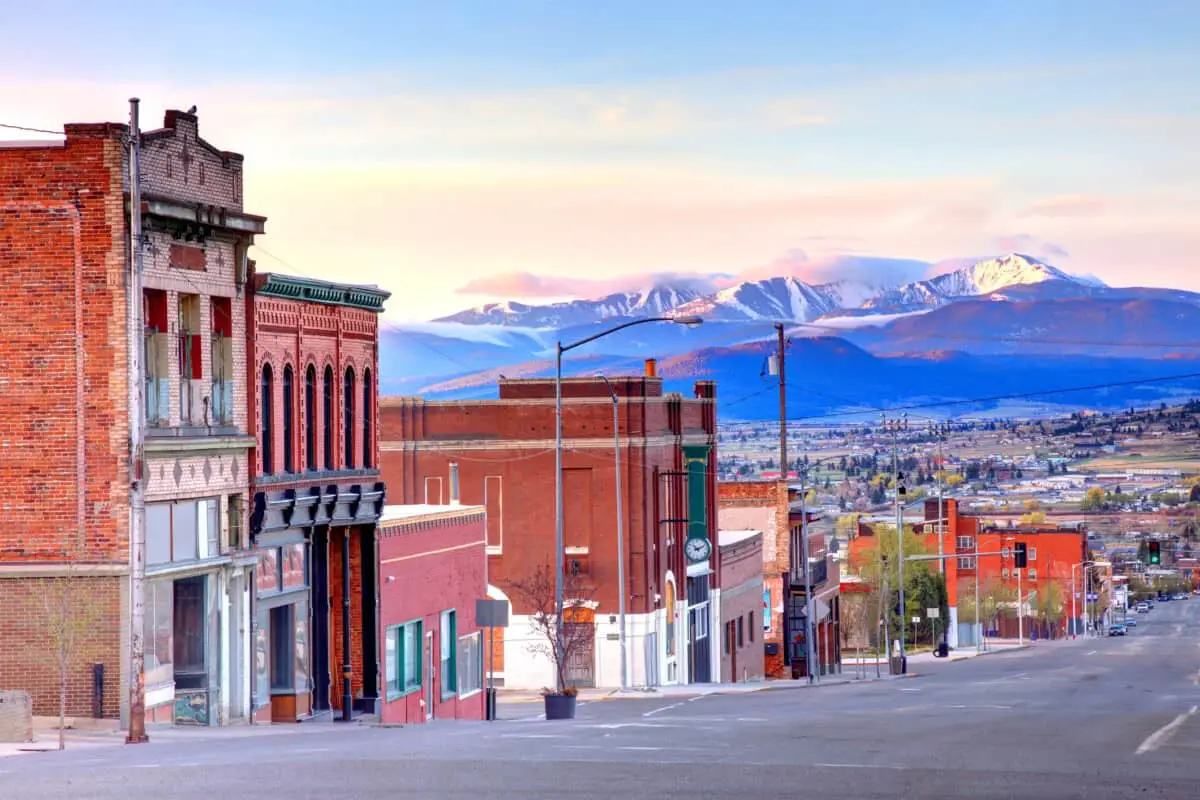
The House That Held Secrets
I wish I could tell you it was just the smell—old wood, cold dust, that damp bite that hits the back of your throat and makes you want to turn around immediately.
But the first thing that stopped me wasn’t the air.
It was the silence. The kind that feels deliberate, like a room has been waiting for someone to notice what’s been carefully removed.
A week earlier, I’d been sitting in a tidy lawyer’s office in Lincoln while a calm voice read through my parents’ final wishes as if it were a routine checklist. My father had died of a heart attack three months ago. My mother followed six weeks later—the doctor called it stroke, but I knew better. She’d simply stopped wanting to be here without him.
Spencer sat beside me with that polished, confident stillness he’s always possessed, like he’d already pictured himself turning the key in the front door and calling it “his” without anyone questioning it.
He got the family home in the capital—the bright one with the clean porch steps and the driveway that still holds our childhood in its cracks. Four bedrooms, updated kitchen, the backyard where we used to play catch on Sunday afternoons.
I got “a property in Montana.” The phrase was delivered so casually it sounded like an afterthought, and I didn’t even know the place existed until that moment.
On the drive home, Ellen didn’t cry or raise her voice. She waited until we turned into our cul-de-sac and the porch lights blinked on one by one, until the neighborhood mailbox—covered in little homeowner association stickers—slid past the windshield like a reminder of the normal life I wasn’t allowed to enjoy anymore.
Then she said it, steady and sharp: “Don’t come home yet. Come back only when you’ve finally learned to stand up for yourself—when you’re not being so weak anymore.”
I didn’t argue because I could already hear how it would sound—me explaining fairness like it’s mathematics, her hearing it like weakness with better vocabulary.
I grabbed a duffel bag, my keys, and left with the porch light still glowing behind me, like I might return in ten minutes and pretend this was all temporary.
The Long Drive West
The interstate carried me west through long gray miles broken by gas stations and cheap coffee that tasted like burnt regret. I slept in a roadside motel outside Cheyenne, woke before dawn, and kept driving, because sitting still felt like admitting she was right.
Somewhere between Nebraska and Montana, I realized I wasn’t chasing a house. I was chasing an answer I’d avoided my whole life.
Why did my parents always treat Spencer like the golden child? Why did my father’s face close up whenever I asked about his own father? Why did this mysterious Montana property even exist?
By late afternoon, the mountains rose like a dark wall against the sky, and the town near the address looked half asleep—one diner, a small general store, a few pickup trucks angled in the gravel lot like they’d been abandoned mid-thought.
The road narrowed as I followed the GPS coordinates. The pines thickened on both sides, and the air turned colder and cleaner, almost judgmental in its purity.
Then the house appeared.
It sat back from the dirt road, crooked and exhausted, shingles curling at the edges, vines gripping the porch rails like skeletal fingers. One front window was cracked in a spiderweb pattern, the steps sagged under my boots, and everything about it screamed neglect.
Yet I couldn’t shake the feeling that I’d been sent here on purpose.
The key from the lawyer’s office turned with a stubborn scrape. The door opened on damp air and old wood, and my flashlight painted the interior in slow sweeps—bare walls, a fireplace full of gray ash, floorboards warped like frozen waves.
No furniture. No photographs. Not even the usual clutter you’d expect in an abandoned home.
It was empty in a way that felt intentional, like someone had removed the obvious traces of life and left only the parts that mattered.
The Door That Didn’t Belong
I walked through the main room, my footsteps echoing against bare walls. The kitchen had rusted fixtures and a sink stained yellow. The bathroom door hung crooked on broken hinges. Everything spoke of time and abandonment.
Except for one thing.
At the end of a narrow hallway, I found a door that didn’t match the rest—thicker, darker, edged with carvings that looked deliberate rather than decorative. Celtic knots, maybe, or something older. The wood was solid oak, completely different from the cheap pine used throughout the rest of the house.
The handle wasn’t rusted like everything else. It looked… maintained. Used.
I tried every key on the ring the lawyer had given me. None of them fit.
That should’ve been my sign to stop, to call Spencer, to drive back to Lincoln and demand explanations.
But when I crouched to try the locks again, I noticed the baseboard beside the door frame—one section sitting a fraction too high, the dust disturbed like it had been brushed aside recently.
My fingers found the edge. The wood gave with a soft snap, and cold air spilled out from behind the wall like a held breath finally released.
I angled my flashlight into the narrow space, and my beam caught the edge of something that didn’t belong in a collapsing house—leather, clean, carefully wrapped in what looked like waxed cloth.
I slid it out inch by inch, my heart pounding.
It was a thick journal, the cover dark with age but well-preserved, the writing on it still perfectly readable in faded gold lettering.
Joseph Anderson
And beneath the name, a date: 1957-1989.
My throat tightened, because my father had spent my whole life dodging stories about his own father, like saying them out loud would poison the dinner table. I knew Joseph had died when my father was young, but the details were always vague, always deflected.
Then my phone buzzed in my pocket.
Spencer.
Not a call—just a text message that made my stomach drop:
Did you open it yet?
I stared at the screen, then back at the journal in my hands, and the house suddenly didn’t feel abandoned at all.
It felt like a trap my parents had set… or maybe a test they needed me to pass.
The Journal
I sat on the dusty floor with my back against the wall and opened the journal.
The first page was dated January 15, 1957, written in careful script:
My name is Joseph William Anderson. I am writing this because the truth has a way of getting buried under good intentions, and I need someone to know what really happened before the lies become the only story left.
I turned the page, hands trembling.
What followed was the methodical account of a man’s life—my grandfather’s life—written with the kind of detail that suggested he knew someone would eventually read it.
Joseph Anderson had been a geologist working for a mining company in Montana in the 1950s. He’d discovered something during a survey—a massive deposit of rare earth minerals on what was then considered worthless government land. The kind of discovery that could make a fortune.
But instead of reporting it immediately to his employers, he’d done something different. He’d quietly filed claims under his own name, using legal loopholes and carefully arranged partnerships. He’d built a network of holdings that would be worth millions once the technology sector eventually needed those specific minerals.
It was brilliant. It was also technically legal, if ethically questionable.
The journal detailed every step—the claim numbers, the partnerships, the careful documentation of everything he’d done. And it explained why he’d done it:
I grew up with nothing. I watched my father break his back in coal mines for pennies. I swore my children would never know that kind of poverty. This discovery is my family’s future. I’m building something that will last generations.
Then came the entry from March 1962:
My son Robert is ten years old. He’s smart, careful, risk-averse in ways I never was. I see him choosing the safe path even in small things. I worry he won’t have the spine to protect what I’m building. But I have time to teach him. I have time to make sure he understands what’s at stake.
I felt cold reading my father’s name. Robert. My father, described as weak at age ten.
The entries continued through the 1960s and 70s, documenting Joseph’s growing wealth and his increasing frustration with my father’s cautious nature. There were arguments about college choices, career paths, investments. My grandfather wanted my father to be bold, aggressive, willing to take risks.
My father just wanted to be an accountant and live a quiet life.
The tone shifted in 1982:
Robert married a woman named Caroline today. She’s lovely, gentle, completely unsuited for the life I built. They want normalcy, safety, predictability. They don’t understand that wealth requires vigilance. I’ve decided not to tell him about the Montana holdings. Not yet. Not until I’m sure he can handle the responsibility without squandering it.
My mother’s name. Caroline. I was born in 1984.
I flipped forward, scanning dates, looking for my own name or Spencer’s.
The final entry was dated December 1989:
I’m dying. Cancer, moving fast. Robert still doesn’t know about Montana. I’ve set up a trust, iron-clad, to be administered by lawyers who will follow my exact instructions. The house and all associated holdings will pass to my grandsons when they come of age—but not equally.
I’ve watched Robert raise his boys. The older one, Spencer, has my nature—confident, ambitious, willing to fight for what he wants. The younger one, Michael, is just like his father—too gentle, too willing to accept whatever scraps others give him.
So I’m leaving the Montana property to Michael. Not as punishment, but as a test. If he’s weak like his father, he’ll sell it without investigating. He’ll take whatever money is offered and walk away.
But if he has even a trace of my blood in him, he’ll dig deeper. He’ll find this journal. He’ll discover what I built. And he’ll learn to fight for it.
The house in the capital goes to Spencer because he doesn’t need to be tested. He already knows how to win.
My lawyers have instructions to wait until both boys are over thirty-five, settled in their lives, married. Only then will they execute this plan. Only then will we see what kind of man Michael really is.
The journal ended there.
I sat in the silence, understanding finally clicking into place like puzzle pieces I’d been trying to force together my entire life.
This wasn’t about fairness. It was about my grandfather trying to engineer courage from beyond the grave.
My phone buzzed again.
Spencer: We need to talk. Don’t sign anything without calling me first.
I stood up slowly, my legs stiff from sitting on the cold floor. I walked back through the house with new eyes, looking for what I’d missed.
The locked door at the end of the hallway—that was the real test.
I examined it more carefully this time. The carvings weren’t decorative. They were instructions, written in a code so simple I almost missed it.
Numbers hidden in the Celtic knots. A combination.
I tried it on the modern safe built into the wall behind where the journal had been hidden.
The safe opened.
Inside were documents—deeds, claim certificates, partnership agreements, all carefully organized and notarized. And a letter addressed to me in my grandfather’s handwriting:
Michael,
If you’re reading this, you’ve proven you’re not as weak as I feared. The property you’re standing in sits on mineral rights worth approximately forty-seven million dollars at current market value. The claims are ironclad. The partnerships are structured to pay out quarterly.
Your father never knew because I didn’t trust him to protect it. But I’m trusting you now.
Your brother Spencer knows. I told him five years ago when he came looking for investment opportunities. I made him promise not to tell you, to let you find this yourself. If you found it, you earned it. If you didn’t, he’d eventually inherit it after a waiting period.
He’s been texting you because he’s afraid you actually figured it out. He’s been trying to buy this property from you before you discovered its value. Those “generous offers” you’re about to receive? They’re worth a fraction of the truth.
The choice is yours now. Sell it and stay comfortable. Or fight for what’s rightfully yours and learn what it means to stop accepting scraps.
Your grandfather, Joseph
The Phone Call
I sat on the porch steps as the sun set over the Montana mountains, painting the sky in shades of orange and purple that seemed too beautiful for the moment.
I called Spencer.
He answered on the first ring. “Mike. Hey. Listen, I’ve been thinking about that Montana property. I know it’s a dump, but I feel bad about how the inheritance worked out. I want to make you an offer. Buy it from you for two hundred thousand. Cash. You could use that for a down payment on a better house, maybe fix things with Ellen—”
“You’ve known for five years,” I interrupted quietly.
Silence on the other end.
“Grandfather told you about the mineral rights. About what the property is actually worth. And you’ve been waiting to see if I’d figure it out or just sell it to you for a fraction of its value.”
More silence. Then: “Mike, I don’t know what you found, but—”
“Forty-seven million dollars, Spencer. That’s what Grandfather estimated. Probably more now with technology demand increasing.”
I heard him exhale slowly. When he spoke again, the friendly tone was gone. “So what? You’re just going to keep it all? After everything Mom and Dad gave you growing up? After I had to work twice as hard to—”
“You got the family home,” I said. “You got their approval, their pride, their attention. You got to be the golden child for thirty-eight years. I got a test I didn’t know I was taking.”
“That’s not fair—”
“No, it’s not. None of this is fair. But that’s the point, isn’t it? Grandfather didn’t believe in fair. He believed in strong. And he thought I was too weak to deserve anything except a chance to prove otherwise.”
I looked out at the mountains, at the run-down house that held a fortune in the ground beneath it.
“I’m keeping it,” I said. “All of it. The house, the claims, everything. And if you try to contest it, I have a journal and a safe full of documents that prove Grandfather’s intentions were crystal clear.”
“Mike—”
I hung up.
Six Months Later
It took four months to sort through the legal details, verify the claims, and start negotiating with technology companies who desperately wanted access to the rare earth deposits.
The first offer was for sixty-three million dollars for a twenty-year extraction lease with quarterly payments and royalty structures that would generate income for the rest of my life.
I hired lawyers—good ones—and negotiated better terms. Seventy-eight million over twenty-five years, with clauses that protected the land and required environmental restoration.
Ellen came to Montana in month three.
She stood on that sagging porch, looking at the house I’d decided to renovate rather than demolish, and she cried.
“You actually did it,” she said. “You actually stood up for yourself.”
“I didn’t do it for you,” I replied honestly. “I did it because I was tired of being the person everyone assumed I was.”
We’re still married, but things are different now. I’m different now. I make decisions without apologizing for them. I state my opinions without softening them first. I take up space without asking permission.
The house in Montana is beautiful now—rebuilt from the foundation, solar panels on the roof, huge windows that frame the mountains. We spend half the year here, half in a new place we bought in Lincoln.
Spencer and I don’t talk much. He sent a card when the renovation finished, some generic congratulations that felt hollow. I sent one back when his daughter graduated college. We’re cordial. We’re distant. We’re honest about what we are to each other: brothers by blood, strangers by choice.
But here’s what I learned standing in that dusty, abandoned house with my grandfather’s journal in my hands:
Sometimes the people who love you hurt you because they think pain will make you stronger. Sometimes they set up tests you never agreed to take. Sometimes they withhold truth because they don’t trust you to handle it.
And sometimes proving them wrong is the only way to prove yourself right.
My grandfather wanted to engineer courage in me by giving me nothing and seeing if I’d fight for something. It was manipulative, cruel, and exactly the kind of thing a man who grew up with nothing and clawed his way to wealth would think was necessary.
But here’s what he didn’t understand: I didn’t find courage in that house. I found permission.
Permission to stop accepting the scraps. Permission to question the narrative everyone had built around me. Permission to be angry about being tested without my knowledge.
The wealth helped. I’d be lying if I said it didn’t. But the real inheritance wasn’t the mineral rights or the millions of dollars.
It was understanding that I had spent thirty-eight years letting other people write my story because I was afraid of the conflict that came with writing my own.
The Locked Door
I kept one thing exactly as I found it: the locked door at the end of the hallway.
I had it restored, the carvings cleaned and preserved, but I never put anything behind it. I leave it locked, a reminder of the moment everything changed.
Sometimes when I can’t sleep, I walk down that hallway and stand in front of it, remembering the man I was when I first arrived—heartbroken, angry, convinced I’d been cheated.
I wasn’t cheated. I was challenged.
And the fact that the challenge came from a dead man who never knew me, who made assumptions about my character based on his own fear and his observations of my father, makes it complicated in ways I’m still processing.
But I won. I figured it out. I opened the safe, both literally and metaphorically.
Ellen asked me once if I was angry at my parents for keeping the secret.
I thought about it for a long time before answering.
“They did what they thought was right,” I finally said. “They followed their father’s wishes because they’d been raised to respect authority, to trust that the people who came before them knew better. Dad probably didn’t even know the full truth. And Mom… Mom just loved him and followed his lead.”
“That doesn’t make it okay,” Ellen said.
“No,” I agreed. “But it makes it human.”
The truth is messy. My grandfather was brilliant and manipulative. My father was kind and weak. My brother is ambitious and ruthless. My mother was loyal to a fault.
And I’m learning to be all of those things and none of them—taking the useful parts, discarding what doesn’t serve me, building something new from the inherited pieces.
What I’d Tell My Younger Self
If I could go back to that moment in the lawyer’s office, to the man sitting in the third chair being told he’d inherited a worthless property while his brother got everything, I’d tell him this:
The inheritance isn’t about what you receive. It’s about what you do with what you find.
Dig deeper. Ask questions. Don’t accept the story everyone else has agreed upon.
And when you find that journal, when you read those words about being weak and gentle and too much like your father, don’t let them define you.
Instead, let them fuel you.
Not into becoming hard or cruel or ruthless like the man who wrote them. But into becoming someone who knows their own value and doesn’t need anyone else’s permission to claim it.
The house in Montana sits on a foundation of stone and secrets. But what I’ve built on top of it—the life, the marriage, the version of myself I’m still discovering—that’s all mine.
No one gave it to me. No one can take it away.
And if you’re reading this because you feel invisible in your own life, because people treat you like you don’t matter, because you’ve been accepting scraps and calling it love:
Start digging.
There’s something hidden in your story too. Some locked door you haven’t found yet. Some test you didn’t know you were taking.
Find it. Open it. Claim it.
And then build something so solid that no one can ever make you feel small again.
The mountains outside my window are turning gold in the sunset. The house is quiet except for Ellen humming in the kitchen and the distant sound of construction equipment working on the access roads for the mining operation.
I’m sitting at my grandfather’s restored desk—the one piece of furniture I found in storage and brought back—writing this all down because someone needs to know what really happened.
Not the version Spencer will tell. Not the version the lawyers documented. Not even the version my grandfather intended.
The true story: a weak man traveled to Montana expecting nothing and found everything. Not because he was strong, but because he was finally ready to stop being small.
And that made all the difference.

Sophia Rivers is an experienced News Content Editor with a sharp eye for detail and a passion for delivering accurate and engaging news stories. At TheArchivists, she specializes in curating, editing, and presenting news content that informs and resonates with a global audience.
Sophia holds a degree in Journalism from the University of Toronto, where she developed her skills in news reporting, media ethics, and digital journalism. Her expertise lies in identifying key stories, crafting compelling narratives, and ensuring journalistic integrity in every piece she edits.
Known for her precision and dedication to the truth, Sophia thrives in the fast-paced world of news editing. At TheArchivists, she focuses on producing high-quality news content that keeps readers informed while maintaining a balanced and insightful perspective.
With a commitment to delivering impactful journalism, Sophia is passionate about bringing clarity to complex issues and amplifying voices that matter. Her work reflects her belief in the power of news to shape conversations and inspire change.