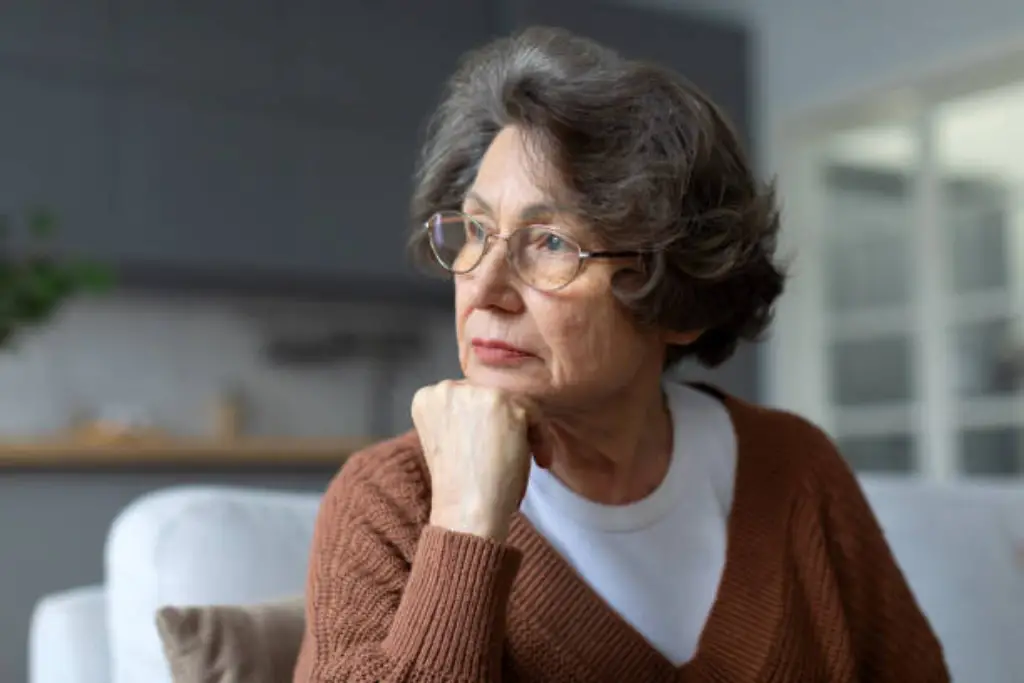
The steering wheel spun uselessly in my hands as my car careened toward the massive oak tree at forty-five miles per hour, brakes completely dead, and in that terrifying moment of crystalline clarity I knew with absolute certainty that my own daughter had just tried to kill me. The impact threw me forward with violent force, the airbag exploding in my face like a punishment from the universe itself, and when the world finally stopped its sickening rotation I sat there in the wreckage, blood trickling from my forehead, thinking not about my injuries or my survival but about the conversation I’d had with Rachel just twelve hours earlier—the conversation where she’d asked me for twenty-five million dollars and I’d said no.
My name is Margaret Sullivan, though everyone who knows me calls me Maggie, and at sixty-seven years old I thought I’d experienced every variety of heartbreak and betrayal that life could deliver. I’d buried my parents, weathered financial struggles, survived health scares, and navigated four decades of marriage with all its complications and compromises. I’d been wrong. Nothing in my sixty-seven years had prepared me for the moment when I would realize my only child wanted me dead.
It started three weeks ago when my husband Robert passed away after forty-three years of marriage. Lung cancer—the kind that moves fast and shows no mercy, the kind that takes a good man before he’s had a chance to say all the things he meant to say or do all the things he’d been postponing for retirement. Robert had been an investment banker, quiet and methodical about money in the way some men are passionate about sports or politics. He read financial reports like bedtime stories, studied market trends with the focus of a scholar, and made investment decisions with the careful precision of a surgeon. I knew he’d been successful in his career, knew we lived comfortably in our modest split-level home in a good neighborhood, but I’d never paid much attention to the specific numbers involved. Money had been Robert’s domain, his hobby, his area of expertise. I’d trusted him to handle it while I managed our household and raised our daughter.
The day after Robert’s funeral—while I was still moving through the house like a ghost, still wearing the black dress I’d chosen for the service, still feeling like someone had hollowed out my chest and left nothing but empty space—Rachel showed up at my door with her husband Brad and their sixteen-year-old son Tyler. I should have known from the expression on her face, from the way she walked into my kitchen without waiting for an invitation, from the manila envelope she carried like a weapon, that this visit wasn’t about comfort or family solidarity.
“Mom, we need to talk about Dad’s will,” she said, not bothering with pleasantries or asking how I was managing my grief.
“Rachel, honey, can’t this wait?” I asked, exhaustion making my voice thin and fragile. “Your father’s barely been gone seventy-two hours.”
“The lawyer called,” Brad interrupted, his voice sharp with barely contained excitement. “There’s more money than we thought. A lot more.”
I stared at them—these two people I’d welcomed into my family, whose wedding I’d helped plan, whose financial crises I’d quietly assisted with over the years—and felt something cold and unpleasant settle in the pit of my stomach.
“What are you talking about?”
Rachel pulled documents from the envelope with the practiced efficiency of someone who’d been preparing for this conversation. “Dad was worth thirty million dollars, Mom. Thirty million. And according to this will, it’s all going to you.”
The number hit me like a physical blow, stealing the air from my lungs. Thirty million dollars. Robert and I had lived comfortably, certainly—nice vacations, a paid-off mortgage, reliable cars—but I’d had absolutely no idea we were that wealthy. He’d always been modest about money, driving the same Honda Civic for ten years, clipping coupons from the Sunday newspaper, insisting we didn’t need a bigger house or fancier lifestyle. The idea that he’d been sitting on thirty million dollars while we lived like upper-middle-class retirees seemed impossible.
“That’s impossible,” I whispered.
“It’s not impossible. It’s just unfair,” Rachel snapped, her voice taking on an edge I’d never heard before. “You’re sixty-seven years old, Mom. What are you going to do with thirty million dollars? Buy a yacht? Take cruises around the world? Meanwhile, Brad and I are drowning in debt. Tyler needs college money. We’re about to lose our house.”
I looked at my grandson, who was staring intently at his phone, deliberately avoiding eye contact. This conversation had clearly been planned, rehearsed, and Tyler wanted no part of the ugly spectacle his parents were creating.
“Rachel, I just learned about this money five minutes ago. Can we please discuss this rationally after I’ve had time to process?”
“There’s nothing to discuss,” Brad said, leaning forward with that aggressive posture he adopted whenever he wanted something. “You don’t need thirty million dollars. Nobody your age needs that kind of money. The responsible thing would be to distribute it now, while we can all benefit from it.”
The responsible thing. I rolled those words around in my mind, tasting the manipulation embedded in them. “And what exactly are you suggesting?”
Rachel reached across the table and grabbed my hand, her fingers cold and slightly damp. “Transfer the inheritance to us. We’ll take care of everything, Mom. You’ll never have to worry about money or investments or any of that complicated stuff. We’ll make sure you’re comfortable for the rest of your life.”
The rest of my life—as if I were already dying, already irrelevant, already a burden to be managed rather than a person with her own wishes and dreams and autonomy. I pulled my hand away.
“I need time to think about this,” I said firmly.
Rachel’s carefully constructed expression of concern slipped for just a moment, and I saw something ugly flash across her face—something desperate and mean. “Time to think? Mom, this is family. We’re not asking you to think. We’re asking you to do the right thing.”
But what Rachel didn’t know, couldn’t have known in that moment, was that thirty-six hours later I’d be sitting in a wrecked car with blood running down my face, wondering if doing the right thing was going to get me killed.
The morning after Rachel’s visit, I sat in my lawyer’s office trying to reconcile the reality of Robert’s fortune with everything I thought I knew about our financial situation. Harold Brennan had been our attorney for twenty years—a soft-spoken man with kind eyes and the patient demeanor of someone who’d spent decades helping ordinary people navigate life’s legal complexities. He slid a copy of the will across his immaculate desk, and I read my husband’s signature at the bottom, remembering how carefully he’d always signed important documents.
“Your husband was very specific about his intentions, Maggie,” Harold said gently. “Everything goes to you, with clear instructions that you should use the money however you see fit. He didn’t want anyone else making decisions about your financial future.”
“Harold, I had no idea we had this much money.”
“Robert was an exceptional investor,” Harold explained. “He also inherited a significant amount from his father’s real estate business—money he invested wisely over the decades. But the bulk of it came from a software company he bought stock in back in the eighties. Nobody expected it to become what it became.”
“What company?”
“Microsoft.”
My husband had been quietly holding Microsoft stock for forty years, watching it multiply, never mentioning the growing fortune because he’d wanted me to live without the burden of knowing we were that wealthy. It was so perfectly Robert—practical, protective, planning for my future even when his own future was running out.
“Did Rachel know about this?” I asked.
Harold’s expression darkened slightly. “She’s called my office six times in the past week, demanding details about the estate. I’ve told her repeatedly that I can only discuss this with you, but she’s been quite persistent.”
Persistent. That was Harold’s polite way of saying Rachel had been harassing his staff, demanding information she had no legal right to access.
“She wants me to transfer the money to her and Brad,” I said.
“That’s your decision to make, Maggie,” Harold replied carefully, “but I feel obligated to mention that your husband specifically included a protective clause in his will.” He flipped to the second page. “If you choose to give away more than half the inheritance within the first year, the remainder automatically goes to the American Cancer Society. Robert was very clear about this. He wanted to make sure you kept enough to live comfortably, regardless of family pressure.”
Family pressure. Robert had known. Somehow, in his quiet observant way, he’d anticipated exactly what would happen after he died. He’d watched Rachel’s marriage deteriorate over the years, watched Brad’s business failures accumulate, watched the way they looked at our house and cars and lifestyle with increasing resentment. He’d protected me even after death.
I drove home slowly, my mind racing through memories of the past few years. Rachel had always been strong-willed—even as a child, she’d known what she wanted and pursued it with single-minded determination. But somewhere along the way, that determination had curdled into something darker, something that looked at her own mother and saw not a person but an obstacle between her and financial security.
My phone rang as I walked through the front door. Rachel, of course.
“Mom, Brad and I have been talking all night,” she said without preamble. “We’ve come up with a plan that works for everyone.”
“Rachel, I haven’t even had time to process—”
“We’ll take twenty-five million,” she continued as if I hadn’t spoken. “That leaves you five million, which is more than enough for your needs. You can stay in the house, keep your car, live exactly like you have been. We’ll handle all the investment decisions so you don’t have to worry about managing that much money.”
Five million. She was offering to let me keep one-sixth of my own inheritance like it was an act of generosity.
“And if I say no?” I asked.
The silence stretched uncomfortably long.
“Why would you say no, Mom? We’re family. Family takes care of family.” Rachel’s voice turned sharp. “Dad worked his entire life to build this nest egg. He left it to you because he trusted you to make good decisions with it.”
“That’s right. And I’m going to honor that trust by making my own decisions, not letting you make them for me.”
“Dad also didn’t expect to die at sixty-nine,” Rachel shot back. “If he’d lived another twenty years, there wouldn’t have been anything left anyway. You’d have spent it on medical bills and nursing homes and all the expensive things that come with getting old.”
Getting old—as if aging were a moral failing, something selfish I was doing to inconvenience her.
“I’m not giving you twenty-five million dollars,” I said clearly.
“Ten million then,” she bargained immediately. “Mom, be reasonable. Brad’s business is failing. We’re behind on our mortgage. Tyler needs college money. We’re drowning here while you’re sitting on more money than you could spend in three lifetimes.”
“No.”
The silence this time felt different—colder, harder, dangerous.
“You’re making a mistake, Mom. A big mistake,” Rachel said, her voice low and tight. “Family is all you have left now that Dad’s gone. You might want to think about what happens to old women who isolate themselves from the people who love them.”
She hung up before I could respond, but her words echoed through my mind for hours afterward. Old women who isolate themselves—it sounded almost like a threat, though I told myself I was being paranoid. This was my daughter, not some stranger. Rachel was angry and desperate, but she wouldn’t actually hurt me. Would she?
Three days later, after Rachel and Brad had shown up at my house for what they called a family meeting—really just another attempt to wear down my resistance—I made my position crystal clear. I told them no, firmly and finally, and asked them to leave my house. They’d stormed out in a fury of slammed doors and screeching tires, and I’d stood at my window watching them disappear, feeling both relieved and heartbroken.
The next morning, I woke to find my newspaper missing from the driveway—a small thing, but strange. The day after that, my mailbox was knocked over, looking like someone had attacked it with a baseball bat. On Thursday, I came home from grocery shopping to find my garbage cans scattered across the lawn, trash everywhere. Small incidents, petty vandalism, but the timing felt deliberate. Someone was sending me a message, making me feel unsafe in my own home.
And then on Friday morning, when I went to start my car for an appointment with my financial adviser, the brake pedal felt spongy under my foot. I should have stopped right then, should have recognized the warning sign, but I was distracted and told myself it was nothing serious.
The first real sign of trouble came when I reached the stop sign at the end of my street and the brake pedal went halfway to the floor before the car reluctantly slowed. By the time I reached the main road, the pedal was going all the way down with no resistance at all. My heart started racing as I pumped the brakes frantically, feeling nothing but empty air. I was doing forty-five miles per hour down a busy street with absolutely no way to stop.
The oak tree came into view as I crested the hill. In that split second, I had a choice: try to make the curve ahead and risk hitting other cars, or aim for the tree and hope the impact wouldn’t kill me. I chose the tree.
The impact was tremendous—metal crumpling, glass shattering, the airbag exploding in my face with brutal force. My seat belt cut into my chest as the car folded around the ancient trunk. For a moment, everything went white and silent.
When my vision cleared, I was slumped forward against the deflated airbag, blood trickling from a cut on my forehead. People were running toward the car, shouting, calling 911. A young man pried open my driver’s door and knelt beside me.
“Ma’am, don’t move. The ambulance is coming. You’re going to be okay.”
But as I sat there waiting for help, one thought kept cycling through my mind: this wasn’t an accident. Someone had cut my brake lines. Someone had sent me out that morning expecting me to die in a crash that would look like nothing more than a tragic accident. And I had a pretty good idea who that someone was.
At the hospital, while doctors stitched up my forehead and X-rayed my ribs, Rachel showed up playing the role of concerned daughter with Oscar-worthy dedication. “Oh Mom, thank God you’re okay,” she said, rushing to embrace me. “When the hospital called, I was terrified.”
The hospital called her. Interesting. I was listed as single on all my medical forms after Robert’s death, which meant Rachel was no longer my emergency contact. Yet somehow she’d been notified within hours.
“How did you know I was here?” I asked carefully.
“Tyler saw it on social media,” Rachel said quickly. “Someone posted a video of your car wrapped around that tree.”
The police officer at the scene had mentioned brake failure—probably just wear and tear on an older car, he’d said. But I’d had my car serviced two months ago. The mechanic had specifically checked the brakes and pronounced them excellent. Brake lines don’t just spontaneously fail on well-maintained vehicles.
“I suppose you’ll want to stay with us while you recover,” Rachel said. “You shouldn’t be alone right now, not with a concussion.”
The offer sounded generous, caring, exactly what a loving daughter should suggest. But all I could think about was how convenient it would be for them to have me under their roof—vulnerable, isolated, easy to finish off.
“Thank you, but I’ll be fine at home,” I said firmly.
Rachel’s mask slipped slightly, just enough for me to see the frustration underneath. She’d orchestrated this whole scenario—the brake failure, the near-fatal accident—all to position herself as my rescuer. My refusal to cooperate was ruining her script.
After they drove me home, I sat in my living room with the lights off, thinking. Someone had tried to kill me today, and that someone was almost certainly my own daughter. The realization should have destroyed me, but instead I felt something unexpected: clarity. If Rachel was willing to commit murder for thirty million dollars, she wasn’t going to stop just because the first attempt had failed. She’d try again, probably soon, unless I stopped her first.
Monday morning, I called a security company and had cameras installed throughout my house—tiny wireless cameras that could record everything and upload the footage to a cloud server. The technician, a young woman named Sarah, was professional and discreet.
“Are you concerned about break-ins?” she asked.
“I’m concerned about people who might want to hurt me,” I said honestly.
She paused, studying my bruised face and bandaged forehead. “These cameras will record everything. Motion-activated, high-definition, night vision capability. If someone tries something, we’ll catch it.”
“Good,” I said. “That’s exactly what I’m hoping for.”
The cameras had been recording for exactly four days when they captured something that made my blood run cold. I was reviewing the footage on my laptop when I spotted movement in my kitchen at 2:17 a.m. Rachel had a key to my house—I’d given it to her years ago for emergencies. But this wasn’t an emergency. This was reconnaissance.
She moved through my kitchen like a ghost, opening cabinets, checking my prescription bottles, examining the contents of my refrigerator. She wasn’t stealing anything, just gathering information. After ten minutes, she moved to my home office and photographed documents on my desk with her phone. But the most chilling part came when she walked into my bedroom, where I lay sleeping just fifteen feet away. The infrared camera captured her clearly as she watched me for nearly a minute, her expression cold and calculating. She was studying me like a problem to be solved.
The next night’s footage was even worse. This time Brad was with her. They came prepared with latex gloves and small tools, and they spent an hour systematically searching my house, photographing my personal documents, even taking pictures of my medication bottles.
But the conversation I overheard through the camera’s audio feed was what convinced me I was dealing with people who had already crossed a line from which there was no return.
“The brake thing didn’t work,” Brad whispered. “She’s tougher than we thought.”
“Or luckier,” Rachel replied. “But luck runs out, especially for old women living alone.”
“What’s plan B?”
Rachel held up one of my prescription bottles—blood pressure medication. “Heart attack. Completely believable at her age, especially after a traumatic accident. A little extra potassium in her system and it’ll look like natural causes.”
“How much extra potassium?” Brad asked.
“Enough to stop her heart, but not enough to show up in a basic autopsy. I’ve been researching it online. The key is to make it look like she just got confused about her dosages.”
My hands shook as I watched my daughter plan my murder with the casual efficiency of someone discussing a grocery list. This wasn’t a moment of desperation. This was premeditated, calculated, cold-blooded planning.
The next morning, I called Detective Maria Santos at the county sheriff’s office. I’d met her two years earlier during a neighborhood watch meeting, and she’d impressed me with her intelligence and thoroughness.
“Mrs. Sullivan, I remember you,” she said when I identified myself. “How can I help you today?”
“I need to report a conspiracy to commit murder. My daughter and her husband are planning to kill me for my inheritance. And I have video evidence.”
An hour later, I sat in Detective Santos’s office, watching her face change as she reviewed the camera footage. Her expression grew darker with each passing minute, and by the time she’d seen Rachel and Brad’s midnight planning session, she was radiating controlled anger.
“This is unbelievable,” she said. “Your own daughter.”
“I know it’s hard to believe.”
“Oh, I believe it,” Detective Santos interrupted. “I’ve been doing this job for fifteen years, Mrs. Sullivan. I’ve seen children kill their parents for a lot less than thirty million. What I can’t believe is how casually they’re discussing it.”
She leaned back in her chair. “The question is, what do you want to do about it? We have enough evidence here to arrest them both on conspiracy charges, but if we move too quickly, they might claim it was all just talk. We let them try. We set up surveillance, we wire you with recording equipment, and we let them make their move. When they actually attempt to poison you, we’ll have them dead to rights on attempted murder charges.”
The thought of deliberately putting myself in danger made my stomach turn, but Detective Santos was right. Conspiracy to commit murder was one thing. Attempted murder carried a much longer prison sentence.
“How do we keep me safe?” I asked.
“We’ll have officers positioned around your house, medical personnel standing by, and you’ll be wearing a wire that we monitor constantly. The moment they make their move, we’ll intervene.”
“Okay,” I said finally. “Let’s do it.”
Rachel called the next evening, her voice honey-sweet with false concern. “Mom, I’ve been thinking about what happened with your car accident. You’re still recovering, and I feel terrible about not being more supportive. Why don’t I come over tomorrow and make you dinner? Like when I was little. We can spend some quality time together.”
Just the two of us. Perfect for murder.
“That sounds wonderful, Rachel,” I said, playing my part perfectly while the recording device taped to my chest captured every word.
The next day crawled by with agonizing slowness. I could see unmarked police cars positioned strategically around my neighborhood, and I knew Detective Santos was monitoring my wire from a van parked three blocks away. Rachel arrived precisely at six o’clock, carrying grocery bags and wearing the brightest smile I’d seen on her face in weeks.
“You look tired, Mom,” she said, kissing my cheek. “Have you been sleeping okay since the accident?”
“Not really,” I admitted.
“Well, you’re safe now. That’s what matters.” She bustled into the kitchen, unpacking ingredients with practiced efficiency. “Why don’t you relax in the living room while I cook? I want to pamper you tonight.”
I settled into my favorite armchair, watching through the kitchen doorway as Rachel prepared what she intended to be my last meal. Everything looked normal, domestic, loving—until she thought I wasn’t looking.
I caught the moment in my peripheral vision. Rachel opened her purse and pulled out a small prescription bottle. She glanced toward the living room, confirming I was distracted by the television. Then she quickly shook several pills into her palm, crushed them with the flat side of a knife, and stirred the powder into the casserole.
“Dinner’s almost ready,” she called out cheerfully, as if she hadn’t just seasoned my food with enough medication to stop my heart.
My hands were shaking, but I forced myself to stay calm. The wire was recording everything. The police were listening. I just had to survive the next hour.
Rachel brought me a plate piled high with chicken, noodles, and vegetables. She settled into the chair across from me with her own plate, which I noticed contained significantly less food than mine.
“This looks wonderful, sweetheart,” I said, taking a small forkful.
“I made it with extra love,” she replied, watching me intently.
I pretended to eat, moving food around on my plate, taking tiny bites and chewing carefully before spitting them into my napkin when she wasn’t looking. After twenty minutes, Rachel started looking concerned.
“You’re not eating much, Mom. Is something wrong with the casserole?”
“It’s delicious, honey. I guess I’m just not as hungry as I thought.”
“But you need to keep your strength up.” She took my plate back to the kitchen and returned with an even larger helping, steaming hot.
This time she didn’t leave me alone. She sat directly across from me, watching every bite, encouraging me to eat more. The attention was suffocating and absolutely terrifying. I managed to eat about a quarter of the poisoned food—enough to make me sick, but hopefully not enough to kill me.
My heart began racing, my vision blurred slightly, and my hands developed a tremor I couldn’t control.
“Mom, are you okay?” Rachel asked, but there was excitement in her voice rather than concern.
“I feel strange,” I said, which wasn’t acting anymore. “Dizzy. Like my heart is beating too fast.”
“Maybe you should lie down,” she suggested, standing quickly. But instead of helping me, she stepped back and watched as I struggled to stand on increasingly unsteady legs. She was studying me like a scientist observing a lab rat, taking mental notes on the progression of symptoms.
That’s when I realized she wasn’t planning to call 911. She was going to sit there and watch me die.
“Butterfly,” I whispered, just loud enough for the wire to pick up.
My front door exploded inward as police officers stormed into the house, weapons drawn. Detective Santos burst through the kitchen door, followed by paramedics who immediately surrounded me with emergency equipment.
Rachel’s face went through an entire spectrum of emotions—confusion, panic, realization, and finally pure rage.
“What is this?” she screamed as officers moved to restrain her. “Mom, what did you do?”
“Ma’am, you’re under arrest for attempted murder,” Detective Santos said, producing handcuffs. “You have the right to remain silent.”
“This is insane. I was taking care of my mother.”
But Detective Santos held up her phone, which had been recording Rachel’s voice through my wire. “Ma’am, we have you on tape discussing murder methods with your husband. We have video footage of you breaking into your mother’s house multiple times. And we just watched you poison her food with crushed potassium supplements.”
The fight went out of Rachel all at once. She slumped against the wall, her face pale and slack with shock.
“How long have you been watching me?” she asked quietly.
“Long enough,” I said, my voice weak but steady. “Long enough to see exactly what kind of person you really are.”
As the paramedics loaded me onto a stretcher, I caught Rachel’s eye one last time.
“Your father would be ashamed of you,” I said. “He loved you so much, and this is how you honor his memory? By trying to murder the woman he spent his life protecting?”
Rachel started crying then—not tears of remorse, but tears of rage and frustration. “You don’t understand what it’s like watching you sit on all that money while we struggle. It wasn’t fair.”
“Murder is never fair,” Detective Santos said firmly. “And thirty million is never worth your mother’s life.”
At the hospital, doctors worked for three hours to stabilize my heart rhythm and flush the excess potassium from my system. I’d come closer to dying than I’d expected—close enough that the attending physician was amazed I’d survived without permanent damage.
Detective Santos visited me the next morning with an update. “She’s confessed to everything. The brake tampering, the break-ins, the poisoning. Her husband Brad is trying to claim he was coerced, but we have him on video discussing murder methods. They’re both looking at twenty-five to life.”
Twenty-five to life. My daughter would spend the rest of her existence in prison, and she’d put herself there through her own greed and cruelty.
“How do you feel about that?” Detective Santos asked gently.
I thought about it for a long moment. “Sad. But not sorry. She made her choice, and now she has to live with the consequences.”
The trial was a media sensation. Rachel’s defense attorney tried to paint her as a desperate mother driven to extremes by financial pressure, but the prosecution had hours of video footage showing Rachel coldly planning my death. The jury deliberated for exactly two hours before returning with guilty verdicts on all charges. Rachel was sentenced to twenty-seven years in prison. Brad received a similar sentence.
Throughout the trial, Rachel never looked at me directly. She sat at the defendant’s table with perfect posture, dressed in conservative clothes her lawyer had chosen, but I could see the anger radiating from her. She was furious at being caught, not remorseful about what she’d done.
My grandson Tyler was in the courtroom for the sentencing. He’d been living with Brad’s parents since his parents’ arrest, and he looked lost and heartbroken. When the judge sentenced Rachel to twenty-seven years, Tyler started crying silently.
After the sentencing, I approached him in the hallway. “Tyler, honey, I know this is incredibly hard for you.”
He looked up at me with red-rimmed eyes. “Grandma, I’m sorry. I’m so sorry about what Mom tried to do to you.”
“You have nothing to apologize for. None of this was your fault.” I pulled him into a hug. “Your mother made her choices. You didn’t make them for her.”
“What happens now?” he asked.
“Now you focus on finishing high school and figuring out what you want to do with your life. And you know that college is taken care of. Your grandfather Robert set up an education fund for you years ago. It’s separate from everything that happened with your parents.”
Tyler’s face showed the first spark of hope I’d seen since the trial began. “Really?”
“Really. Your grandfather loved you, honey. He wanted to make sure you had opportunities no matter what.”
Six months after the trial ended, I did something that surprised everyone. I established a foundation in Robert’s name, dedicating twenty-five million dollars to supporting seniors who were being financially abused by their own family members. The remaining five million was more than enough for me to live comfortably for the rest of my life.
The Robert Sullivan Foundation for Elder Protection provided legal assistance, counseling services, and safe housing for older adults whose children or grandchildren were stealing from them, manipulating them, or worse. It turned out to be a far more common problem than I’d ever imagined.
The foundation’s first client was a seventy-three-year-old woman named Dorothy, whose son had been forging her signature on checks and slowly draining her life savings. “I never thought my own son would steal from me,” she told me during our first meeting. “How could he do this?”
It was the same question I’d asked myself about Rachel a hundred times. The answer was always the same: some people value money more than love, and blood relation doesn’t protect you from that kind of cruelty.
But helping other victims helped heal something in me that I didn’t even know was broken. Every senior citizen we helped, every family member we prosecuted, every dollar we recovered—it all felt like justice, not just for them but for Robert, for me, and for every parent who’d ever been betrayed by their own child.
Tyler graduated high school with honors and started college that fall, majoring in criminal justice. “I want to work in law enforcement someday,” he told me at his graduation party. “To help people like you, Grandma. I want to make sure what happened to you never happens to anyone else.”
Looking at him—this smart, compassionate young man who’d emerged from such a terrible family situation with his integrity intact—I felt profound gratitude. Not gratitude for what Rachel had done, but gratitude for what her actions had revealed: that I was stronger than I’d ever imagined, that I could survive betrayal and fight back against injustice, and that sometimes the most valuable inheritance isn’t money at all.
Now, at sixty-nine years old, I wake up every morning with purpose. I have work that matters, relationships that nourish me, and the satisfaction of knowing that Robert’s money is being used to honor his memory in the best possible way. Rachel sits in prison, counting down the years until parole. Tyler has grown into a man his parents barely know, shaped more by their absence than their presence.
Sometimes I wonder if things could have been different. If I’d said yes to Rachel’s initial demand, would we still be a family? I’ll never know for sure, but I suspect the money was never really the point. The money was just the excuse Rachel used to justify behavior that came from somewhere much darker—a place where love was conditional, family was transactional, and other people existed primarily to serve her needs.
My late husband left me thirty million dollars and a daughter who tried to kill me for it. In the end, I kept the money and lost the daughter. But what I gained was far more valuable: the knowledge that I was stronger than I’d ever imagined, braver than I’d ever needed to be, and capable of protecting not just myself but others who needed protection.
Justice isn’t always swift, but when it comes, it’s worth the wait. And every day, I use the lessons I learned to make sure other people don’t have to learn them the same way I did—by almost dying at the hands of someone they loved.

Ethan Blake is a skilled Creative Content Specialist with a talent for crafting engaging and thought-provoking narratives. With a strong background in storytelling and digital content creation, Ethan brings a unique perspective to his role at TheArchivists, where he curates and produces captivating content for a global audience.
Ethan holds a degree in Communications from Zurich University, where he developed his expertise in storytelling, media strategy, and audience engagement. Known for his ability to blend creativity with analytical precision, he excels at creating content that not only entertains but also connects deeply with readers.
At TheArchivists, Ethan specializes in uncovering compelling stories that reflect a wide range of human experiences. His work is celebrated for its authenticity, creativity, and ability to spark meaningful conversations, earning him recognition among peers and readers alike.
Passionate about the art of storytelling, Ethan enjoys exploring themes of culture, history, and personal growth, aiming to inspire and inform with every piece he creates. Dedicated to making a lasting impact, Ethan continues to push boundaries in the ever-evolving world of digital content.