The Garage That Changed Everything: How My Husband’s Secret Gift Saved My Family
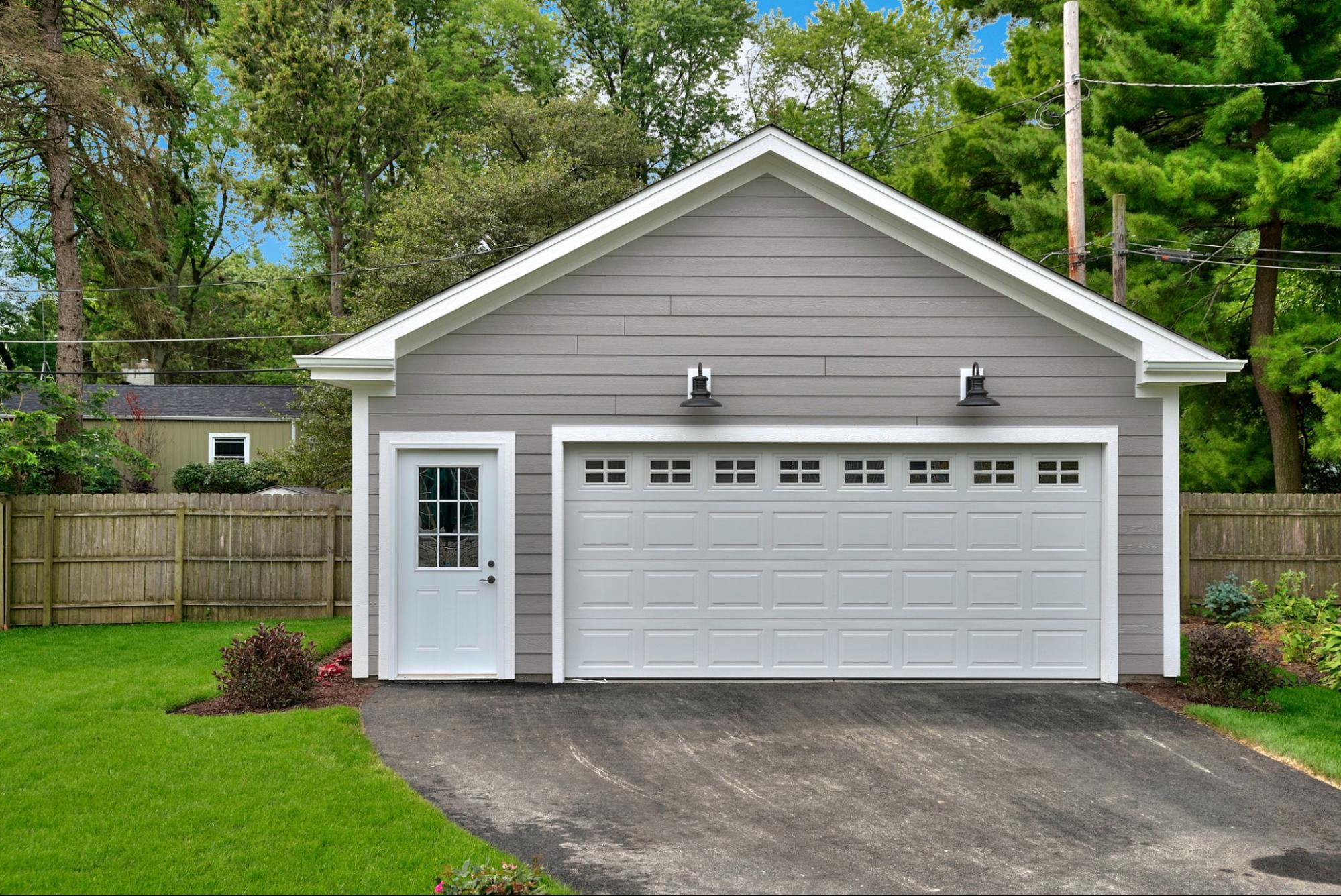
I never expected to spend my sixty-eighth birthday sleeping in what I thought was an abandoned garage, surrounded by the scent of motor oil and decades of dust. Yet there I was, fumbling with an unfamiliar key in the dark, tears blurring my vision as my son’s words echoed in my mind like a curse I couldn’t shake.
You’re just a useless old woman, Mom. What would you even do with a real inheritance? Dad knew that.
My hand trembled as I finally managed to slide the key into the rusted lock. The ancient door groaned in protest as I pushed it open, the beam of my phone’s flashlight cutting through decades of darkness. And that’s when I saw it.
I froze in place, my breath catching as the light revealed what lay inside. This couldn’t be possible. This couldn’t be what Robert had meant when he left me “just a garage” in his will.
But let me back up. You need to understand how I ended up here, homeless on my birthday, clutching a suitcase containing what remained of my forty-two-year marriage and wondering if my own son was right—if I really was just a useless old woman who deserved nothing more than charity and pity.
The Will Reading
The day had started with me standing beside my son Jonathan in our attorney’s office. Jonathan in his perfectly tailored suit, me in the black dress I’d worn to Robert’s funeral three weeks earlier. Mr. Hoffman, our family attorney for decades, had seemed unusually uncomfortable as he prepared to read Robert’s will, adjusting his glasses nervously and clearing his throat multiple times.
“Before I begin,” he’d said, his voice carrying an odd weight, “I want to assure you that everything is legally binding and precisely as Mr. Campbell instructed.”
Looking back, I should have recognized that statement as the warning it was. The reading itself passed in a blur, but certain phrases stood out with devastating clarity.
“To my son, Jonathan Campbell, I leave our penthouse residence in Los Angeles, valued at approximately four point two million dollars, along with my primary investment portfolio, currently valued at approximately two point eight million dollars.”
Jonathan had straightened in his chair, his expression shifting from solemn grief to barely suppressed satisfaction. I’d felt happy for him, grateful that Robert had provided so generously for our son’s future.
Then came my portion, delivered almost as an afterthought: “And to my beloved wife, Susan Campbell, I leave the property located at 1420 Industrial Parkway—the garage and its contents.”
A garage. After forty-two years of marriage, after being Robert’s partner through struggles and successes, after raising Jonathan together and building what I thought was a life of mutual respect and love, my husband had left me a garage in some industrial wasteland.
Jonathan’s hand had landed on my shoulder, squeezing slightly too hard as he leaned down to whisper, “Don’t worry, Mom. I’ll make sure you’re taken care of.”
The condescension in his voice had stung, but I’d been too stunned to respond. Where was I supposed to live? What was I supposed to do? Had Robert’s illness affected his judgment more than we’d realized?
The Eviction
The answers came brutally clear that evening when Jonathan drove me back to what I still thought of as my home—the penthouse overlooking downtown that Robert and I had shared for the last fifteen years of our marriage.
I’d barely stepped through the door when Jonathan set my hastily packed suitcase down in the entryway with the finality of a period ending a sentence.
“I think it would be best if you found somewhere else to stay tonight, Mom.”
I’d stared at him, not comprehending. “What do you mean?”
“The penthouse is mine now. It’s in the will.” His voice had that rehearsed quality he’d perfected in business dealings. “I’m having some colleagues over tomorrow to discuss turning Dad’s study into a home office, and I need to start making the space work for my needs.”
“But where am I supposed to go?” The question came out small, bewildered, like a child asking why the rules had suddenly changed.
Jonathan had shrugged, the gesture casual in its cruelty. “You could stay with Aunt Helen for a while. Or there’s always that garage Dad left you.” His laugh had held a sharp edge I’d never heard before. “Though why he left you that dump is beyond me. What are you going to do with it? Open a mechanic shop at your age?”
I’d felt something fundamental shift inside me then, some foundation crumbling. “Jonathan, this is my home. Your father and I lived here for fifteen years. Surely you don’t expect me to leave tonight, with no notice, nowhere to—”
“It’s not your home anymore.” He’d cut me off, his voice hardening into something I didn’t recognize. “It’s mine. Dad made that perfectly clear in the will.”
I’d reached for the back of a chair to steady myself, the familiar leather suddenly feeling foreign under my fingers. “I need time to find somewhere to go. A few days at least. Surely you can understand—”
“Time?” Jonathan had interrupted, his tone growing more irritated. “Mom, I’m trying to be considerate here, but you need to understand the reality. This isn’t a negotiation.”
That’s when he’d said it. The words that would echo in my mind for hours afterward as I drove aimlessly around the city, eventually finding myself on an unfamiliar street in the industrial district.
“You’re just a useless old woman, Mom. What would you even do with a real inheritance? Dad knew that. He knew you’d need to be taken care of, not trusted with actual responsibility.”
The cruelty had been so unexpected, so completely at odds with the son I thought I’d raised, that I couldn’t even respond. The Jonathan I’d known had been ambitious, yes, sometimes thoughtless, but never deliberately cruel. This stranger wearing his face had spoken to me like I was a burden he’d inherited along with the furniture.
I’d simply taken my suitcase, my purse, and the key Mr. Hoffman had given me after the reading, and walked out of what had been my home for fifteen years.
The Discovery
So here I was, standing in the open doorway of a forgotten garage in an industrial district I’d never seen before, my flashlight beam revealing something so unexpected that I couldn’t process what I was seeing.
The interior wasn’t filled with junk or abandoned tools as I’d expected. The space before me contained three vehicles, each covered with custom-fitted cloth covers arranged with meticulous precision. The concrete floor was clean, almost polished. The air smelled of leather and careful maintenance, not abandonment and decay.
But it was the gleaming object partially visible at the front of the garage that had stopped my heart. The unmistakable silver grille of what appeared to be a vintage Aston Martin, its polished surface catching the light of my flashlight like a beacon in the darkness.
“What is this?” I whispered into the stillness, my voice sounding strange and small in the unexpected space. “And why on earth had Robert kept it secret from me all these years?”
I stepped forward, drawn by confusion and a growing sense that I was about to discover something that would change everything I thought I knew about my husband and my marriage.
My fingers trembled as I pulled the fitted cover from the Aston Martin, the soft material sliding away like a revelation to reveal a 1964 DB5 in pristine silver birch. It was identical to the one Sean Connery had driven in those James Bond films Robert had loved so much, the ones we’d watched together on rainy Sunday afternoons, him pointing out the car’s elegant lines and sophisticated engineering.
The car gleamed under my flashlight beam as if it had just rolled off the factory floor, not as if it had been sitting in this obscure garage for God knows how long. Every chrome detail was perfect, every curve of the bodywork immaculate.
“Robert,” I whispered into the stillness, my voice breaking slightly. “What on earth were you doing?”
My husband had never mentioned collecting cars. In forty-two years of marriage, there had never been a hint of this passion, this secret life, this hidden investment. He’d driven practical sedans, had shown no particular interest in automotive culture beyond basic transportation needs.
I moved to the next vehicle, my heart beating faster as I gently pulled away its cover. A 1956 Mercedes-Benz 300SL Gullwing emerged, its distinctive doors and elegant lines unmistakable even to my untrained eye. The deep blue paintwork was immaculate, the chrome details catching my flashlight’s beam like scattered stars across a perfect night sky.
Even I knew this wasn’t just a nice old car. This was automotive royalty, a museum piece, worth more money than I could begin to calculate.
The third cover concealed a Ferrari—a 1967 275 GTB/4, according to the small brass plaque mounted on a stand beside it. Its deep red color reminded me of the wine Robert would order on our anniversaries, rich and intense and speaking of celebrations I’d never fully appreciated.
Each car was accompanied by a leather portfolio containing what appeared to be documentation—provenance papers, maintenance records, purchase agreements. I was no expert, but even I could sense these weren’t just nice old cars. These were treasures, investments, pieces of automotive history worth more than I could even guess.
“There’s got to be an explanation,” I murmured, my voice strangely loud in the perfect silence of the garage.
That’s when I noticed the envelope taped to the wall beside a light switch. It had my name written on it in Robert’s unmistakable handwriting, the careful script I’d watched him use to sign birthday cards and anniversary notes for four decades.
With fingers that wouldn’t quite stop shaking, I pulled it down and found the light switch, flooding the garage with unexpected brightness from modern LED fixtures recessed into the ceiling.
The sudden illumination revealed that this was no ordinary garage. The space had been professionally finished with climate control systems humming quietly in the background, custom flooring that looked more appropriate for a showroom, and sophisticated security features I was only beginning to notice.
This wasn’t some abandoned building Robert had stumbled upon. It was a carefully designed automotive sanctuary, a secret temple to machines he’d loved without ever telling me.
Robert’s Letter
I sank onto a leather bench positioned against one wall, the envelope heavy in my hands like it contained more than paper—like it held the weight of secrets and revelations I wasn’t sure I was ready to receive.
After a moment’s hesitation, I broke the seal and pulled out several pages of Robert’s distinctive stationery.
“My dearest Susan, if you’re reading this, then I’m gone, and you’ve discovered what I’ve come to think of as my final gift to you.
First, I need to say I’m sorry for the shock and confusion you must be feeling right now. The secrecy wasn’t meant to hurt you, but to protect what I was building for your future.
Six years ago, when I received my diagnosis, the doctors gave me five years at best. I beat their timeline by a year, but I knew our time together was limited, and I needed to ensure you would be taken care of after I was gone.”
I paused, blinking back tears that came without warning. Robert’s diagnosis of progressive heart failure had been devastating, but he’d always downplayed its severity, insisting he had plenty of time, that the treatments were working, that we shouldn’t worry about timelines the doctors couldn’t really predict.
I’d had no idea he’d been planning for the end from the very beginning, orchestrating this elaborate surprise while I’d been focused on making each day as normal and comfortable as possible.
“I know you’re wondering about the will, about why I would leave our home to Jonathan instead of to you. Believe me, this decision caused me more sleepless nights than my health ever did.
But over the past decade, I’ve watched our son change. The ambitious boy we raised has become something different, something harder and more calculating than I ever wanted him to be.
The truth is, I feared what would happen to you if I left everything to both of you jointly, or even if I split things equally between you. Jonathan would have found ways to control the assets, to ‘manage your portion for your benefit,’ as he would say. I’ve seen how he speaks to you when he thinks I’m not listening, how he dismisses your opinions and treats your needs as secondary to his convenience.”
A tear splashed onto the paper, blurring the ink slightly. I hadn’t realized Robert had noticed those interactions, the small dismissals and casual condescensions I’d grown so accustomed to that I’d stopped recognizing them as problems. I’d made excuses for Jonathan’s behavior, telling myself he was just busy, just stressed with his career, just operating in a different generational style.
“So I created this split inheritance with very deliberate intentions. Jonathan has received what he will see as the valuable portion—the penthouse, the visible investments, the status symbols that matter to him.
But what you’re looking at now, my love, is the real wealth. These three cars alone are worth approximately twelve million dollars. The documentation will confirm their provenance, and you’ll find contact information for Marcus Weatherbee, my trusted dealer and adviser for these acquisitions. He can help you with whatever you decide to do with them.”
Twelve million dollars.
I looked up at the three silent machines, their gleaming surfaces reflecting the overhead lights like metal miracles. That couldn’t possibly be right. But then again, nothing about this night was following any script I could have imagined.
“But the cars are just the beginning. In the safe behind the photograph of us in Venice—combination is our anniversary date—you’ll find documentation for several investment properties I’ve acquired over the past six years, all placed in a living trust that transferred to your name upon my death.
You’ll also find banking information for accounts that should provide you with comfortable income for the rest of your life.”
My hands shook so badly I had to set the letter down for a moment. There was a safe. I looked around and spotted the framed photograph on the wall—Robert and me on the Rialto Bridge, laughing as a street musician serenaded us during our thirty-fifth anniversary trip to Venice.
The safe opened with a soft click when I entered our anniversary date. Inside, I found thick portfolios and several USB drives, neatly labeled with dates and descriptions. The top document was titled “Estate of Robert Campbell: Complete Asset Inventory for Susan Campbell.”
I flipped it open and immediately had to sit down again as columns of numbers and property descriptions swam before my eyes. Apartment buildings in Seattle, commercial property in Chicago, a small vineyard in Northern California, stock portfolios, bonds, private equity investments that I didn’t even understand but could see were substantial.
The total value at the bottom of the page made my ears ring with shock.
With numbed fingers, I returned to Robert’s letter.
“I know this is overwhelming, and I’m sorry for keeping all of this from you. At first, it was just a project to channel my anxiety about the future, a way to feel like I was doing something productive with the time I had left. But as the portfolio grew, I realized that revealing it prematurely might put it at risk if Jonathan discovered the extent of these holdings.
You’re probably wondering why I didn’t simply protect you through more conventional means—updated wills, trusts that included both of you, traditional estate planning. The truth is, I wanted to give Jonathan a chance to show his true character. Perhaps, faced with his inheritance and responsibility for you, he would rise to become the man we raised him to be.
If he’s proven himself worthy, if he’s ensured your comfort and security, if he’s shown the compassion and maturity I hoped to see, then perhaps you might choose to share some of this wealth with him.
But if he has revealed a different nature—if he has shown himself to be selfish, dismissive, or cruel—then this legacy is your protection against that reality. Your independence. Your freedom.”
I had to stop reading again as a sob escaped me. Robert had known. He had anticipated exactly what would happen tonight, had foreseen how Jonathan would react to gaining control of what appeared to be the family wealth. Had predicted his dismissal of me, his assumption that I was now his responsibility to manage rather than his mother to respect.
“I’ve always believed that character reveals itself most clearly at moments of inheritance—both what we receive and what we believe we deserve.
Jonathan is receiving a test as much as an inheritance.
And you, my love, are receiving the means to live the remainder of your life exactly as you choose, beholden to no one.
All my love, now and always, Robert.”
The First Night
I clutched the letter to my chest, tears flowing freely now. After forty-two years of marriage, I thought I had known everything about my husband. Instead, it seemed I was only now discovering the true depth of his love, his foresight, his understanding of human nature—including our own son’s.
As I sat surrounded by millions of dollars worth of automotive art, the irony wasn’t lost on me. Just hours ago, my son had thrown me out of what I thought was my home, calling me a useless old woman while believing he had received the valuable inheritance and I had received nothing but charity.
How wrong he had been about everything.
I spent that first night on a leather sofa I discovered in a small adjoining office within the garage complex. It wasn’t until morning that I fully appreciated the extent of Robert’s preparations.
The office contained a compact bathroom with shower, a mini refrigerator stocked with water and basic provisions, and even a small closet with several changes of clothes in my size, tags still attached. My practical husband had anticipated I might need temporary shelter here, had prepared for even this eventuality.
Daylight streaming through high windows revealed more details I’d missed in my emotional state the night before. The garage wasn’t some neglected industrial space, but a meticulously renovated facility with state-of-the-art security systems, climate control designed to preserve the vehicles, and custom lighting that transformed the space into something resembling an art gallery.
What looked dilapidated from the outside was intentional camouflage, concealing treasures that would tempt thieves and protecting investments that represented not just money, but Robert’s final act of love for me.
Meeting Marcus
After a simple breakfast of granola bars and bottled water from Robert’s emergency supplies, I called the number for Marcus Weatherbee that Robert had included in his letter. Despite the early hour, he answered on the second ring, his British accent unmistakable and somehow immediately reassuring.
“Mrs. Campbell,” he said warmly. “I’ve been expecting your call. First, please accept my deepest condolences for your loss. Robert was not just a client, but a friend.”
“Thank you, Mr. Weatherbee,” I replied, my voice still rough from the previous night’s tears. “I’m a bit overwhelmed, to put it mildly. I only discovered the garage and its contents last night.”
“Yes, Robert mentioned you wouldn’t know about any of this until after his passing. That must have been quite a shock.” His tone was gentle, understanding. “I’m happy to answer any questions you might have and assist however I can. Would you like me to come to the garage? I can be there within the hour.”
Two hours later, a distinguished man in his sixties arrived in a modest sedan, parking carefully beside my old Toyota. Marcus Weatherbee looked exactly as his voice had suggested—silver-haired, impeccably dressed in a tweed jacket with leather patches at the elbows, carrying a slim leather portfolio that spoke of old-school professionalism.
“Mrs. Campbell,” he said, extending his hand with a warm smile. “A pleasure to meet you, though I wish it were under happier circumstances.”
As we settled in the office area with coffee from a thermos he’d thoughtfully brought, Marcus helped me begin to understand the scope of what Robert had created.
“Your husband began acquiring these vehicles approximately six years ago,” he explained, opening his portfolio to reveal detailed records. “He was extraordinarily methodical in his approach. Each purchase was carefully researched for authenticity, provenance, and investment potential.”
“But why cars?” I asked, still struggling to connect this secret passion with the husband I thought I’d known completely. “Robert never showed any particular interest in automobiles beyond our regular family cars.”
Marcus smiled gently, his eyes crinkling with what looked like fond memory. “He explained his reasoning to me once, quite eloquently actually. He said cars were tangible, beautiful assets that brought joy simply by existing. Unlike stocks or bonds, they could be appreciated on multiple levels—as art, as engineering marvels, as historical artifacts, and as financial investments. He wanted to leave you something you could see and touch, not just numbers on financial statements.”
My throat tightened at this insight into Robert’s thinking. It was so like him—practical yet deeply thoughtful, finding ways to make even investments meaningful and personal.
“The collection is currently valued at approximately twelve million dollars, as Robert indicated in his letter,” Marcus continued. “But its value has been increasing steadily. These particular models are considered blue-chip investments in the collector car world—the automotive equivalent of buying Picassos or rare diamonds.”
“And what am I supposed to do with them?” I asked, gesturing toward the three gleaming vehicles that still seemed like mirages, too beautiful and valuable to be real.
“Whatever you wish, Mrs. Campbell. You could sell them individually or as a collection. You could maintain them as investments, watching their value appreciate over time. You could even drive them occasionally, though that would affect their pristine condition and market value somewhat.”
He paused, studying me carefully. “There’s no rush to decide anything immediately. Robert arranged and paid for secure storage and maintenance for the next five years. These cars aren’t going anywhere until you’re ready to make decisions about them.”
Discovering More
After Marcus left with promises to return whenever I needed guidance, I spent the day going through the portfolio from the safe, gradually comprehending the extent of Robert’s secret financial maneuvering. Beyond the cars, he had assembled an impressive collection of income-producing properties and investments, all carefully structured to transfer to me seamlessly upon his death.
One document particularly caught my attention—the deed to a modest but lovely cottage in Carmel, a coastal town we had visited several times over the years and always loved. According to the paperwork, Robert had purchased it four years ago, fully furnished and ready for occupancy.
I had a home. A real home, not just this garage sanctuary, however valuable its contents.
As evening approached, my phone rang with Jonathan’s number flashing on the screen. I hesitated, then answered, curious what he might say after our last brutal interaction.
“Mom, where are you?” His voice held irritation rather than concern. “Aunt Helen said you haven’t contacted her about staying there.”
“I’m fine, Jonathan,” I replied, keeping my tone neutral. “I found somewhere to stay.”
“Well, I need you to come pick up the rest of your things from the penthouse. I’m having interior designers start work tomorrow, and they need everything cleared out of their way.”
No apology for throwing me out. No acknowledgment of his cruelty. No inquiry about my wellbeing or where I’d spent the night after he’d made me homeless. Just more demands delivered with casual entitlement.
“I see,” I said, a strange calm settling over me as I looked around the garage at proof of Robert’s careful planning and deep love. “And when would be convenient for you?”
“Tomorrow morning before nine. I have meetings all day after that.”
I thought about the documents spread before me, about the cars gleaming silently in their climate-controlled sanctuary, about the cottage in Carmel waiting for me to claim it. I thought about the son who could so casually discard his mother when she became inconvenient, and I made a decision that would have seemed impossible just twenty-four hours earlier.
“I’ll be there,” I said simply.
The Cottage in Carmel
But first, I needed to see the home Robert had prepared for me. The next morning, I drove the coastal highway to Carmel, following GPS directions through the charming downtown with its fairy-tale cottages and upscale boutiques, then down tree-lined streets that grew increasingly residential and peaceful.
When the navigation announced I’d arrived at my destination, I pulled up before a modest stone cottage partially hidden behind mature cypress trees. The property wasn’t large or ostentatious, but it radiated charm and privacy that immediately felt like sanctuary.
With the key from Robert’s document packet, I unlocked the Dutch door and stepped inside to find something that took my breath away.
Every detail seemed chosen specifically with me in mind. The living room featured built-in bookshelves surrounding a stone fireplace, with comfortable seating in the colors and styles I’d always preferred. Natural light poured through multipaned windows, illuminating hardwood floors covered with handwoven rugs in subtle patterns I recognized as similar to ones I’d admired in magazines but never thought we could afford.
I moved through the space in wonder. The kitchen was updated but traditional, with a small breakfast nook overlooking a garden that seemed to have been designed by someone who knew I loved roses and lavender. The single bedroom was cozy rather than large, but it opened onto a private patio with a glimpse of the ocean between neighboring properties.
But it was the small study off the living room that finally broke through my composure completely. There, above a simple writing desk that was exactly the style I’d always wanted, hung a painting I recognized instantly—a watercolor of the Venice canal where Robert had proposed all those decades ago, created by a street artist whose work we’d lost in a move years before. Somehow, Robert had found or commissioned a perfect replica, as if he’d reached into my memory and brought my favorite moment to life.
The tears came then, not the desperate sobs of the previous night, but a gentler release of gratitude and amazement. Robert had created this space for me with such care, such attention to the things that would bring me comfort and joy. Even in death, he was caring for me in ways I was only beginning to understand.
Confronting Jonathan
The next morning, I arrived at the penthouse precisely at eight forty-five, having taken unusual care with my appearance. I wore one of the new outfits from the garage closet—a simple but elegant pantsuit in navy that fit surprisingly well—and had styled my hair carefully. Small rebellions perhaps, but they helped fortify me for what I knew would be a difficult encounter.
Jonathan opened the door with his phone pressed to his ear, barely glancing up as I entered what had been my home for fifteen years. The space already felt different—emptier, colder somehow. Several of my decorative pieces were missing, and the family photos that had lined the hallway had been removed, leaving ghostly rectangular marks on the walls where they’d hung for years.
“Finally,” he said, ending his call and tucking the phone into his pocket. “I’ve boxed up most of your personal stuff. The designers will be here at nine-thirty, so we need to be efficient about this.”
No greeting, no inquiry about where I’d spent the night after he’d thrown me out of my home, no acknowledgment that this might be emotionally difficult for me. Just immediate focus on his own convenience and timeline.
“Good morning to you too, Jonathan,” I replied, my voice steadier than I’d expected. “I see you’ve already started making changes.”
He shrugged, leading me toward the master bedroom where several cardboard boxes sat stacked on what had been my side of the bed. “No point waiting around. The place needs a complete update to maximize its potential value.”
“You’re planning to sell it?” I asked, surprised by this revelation.
“Eventually. It’s oversized for one person, and the market’s hot right now. I figure I’ll renovate, enjoy it for a year or so, then flip it for a substantial profit.”
The casual dismissal of the home Robert and I had created together stung, but I merely nodded, moving to examine the boxes he’d prepared.
“I kept Dad’s Rolex and his cufflink collection,” Jonathan added with the air of someone being generous. “The rest is just clothes and old man stuff. You can take whatever you want from these boxes. Everything else is going to charity.”
Old man stuff. I repeated the phrase silently as I began looking through boxes containing Robert’s beloved books, his collection of vintage fountain pens, the sweater I’d given him last Christmas that still faintly carried his scent. Each item was a piece of the man I’d loved for over four decades, now categorized as disposable clutter by our son.
As I methodically sorted through the boxes, selecting items that held meaning for me while Jonathan paced impatiently and checked his watch every few minutes, I found myself moving through stages of grief—not just for Robert, but for the son I thought I’d raised.
Had he always been this cold, this dismissive of anything that didn’t directly benefit him? Had I simply refused to see it, making excuses for increasingly callous behavior over the years? Or had success and materialism gradually eroded the compassionate boy I remembered?
Robert had seen it clearly, though. Clearly enough to create an elaborate plan to protect me from our own child’s indifference.
When I finished selecting what mattered most to me—far less than filled even one of the boxes—I found Jonathan in what had been Robert’s study, now half emptied of its contents.
“I’m finished,” I announced from the doorway.
Jonathan glanced up from his laptop. “Great. Do you need help getting things to your car? I can call the doorman to assist.”
“That would be appreciated, thank you.”
As the doorman helped load my selected possessions into my car, I took one last look at the building that had been my home for fifteen years. I felt a mixture of sadness for what was ending and, surprisingly, relief for what was beginning.
The penthouse had been our home, filled with memories both beautiful and painful. But it had never truly been mine in the way Robert had intended the garage and cottage to be—spaces created specifically for my comfort, my security, my independence.
Building My New Life
Over the following weeks, I established a routine that felt both novel and natural. I moved into the Carmel cottage, spending mornings walking the beach or tending the garden Robert had designed, afternoons meeting with financial advisors and learning about the properties and investments he’d accumulated.
I began to appreciate the full extent of Robert’s planning. The cottage was just the most personal aspect of a comprehensive strategy to ensure my independence. The income properties generated substantial monthly revenue, while the investment portfolios were conservatively managed for long-term stability rather than aggressive growth.
“Your husband was unusually thorough,” remarked Howard Chen, the financial advisor who had worked secretly with Robert for years. “Most clients focus primarily on asset accumulation. Robert was equally concerned with creating management systems that wouldn’t burden you with daily decisions unless you wanted that involvement.”
Howard’s office in nearby Monterey had become a monthly destination as I learned to understand my new circumstances.
“He knew I didn’t have his head for financial intricacies,” I acknowledged.
Howard smiled. “He mentioned that. But he also said you had excellent judgment about people and an intuitive understanding of value that he respected enormously. He trusted your instincts completely, even when—especially when—they disagreed with conventional wisdom.”
This glimpse of how Robert had spoken about me to others was unexpectedly moving. Even as he’d kept his financial planning secret, he’d maintained complete faith in my capabilities and judgment.
Jonathan’s Investigation
“There is one matter we should discuss,” Howard continued, his tone shifting slightly. “We’ve received several inquiries from Jonathan Campbell, claiming to be conducting a comprehensive review of his late father’s financial affairs.”
My hands tensed around my teacup. “What exactly did he want to know?”
“He was fishing for information about additional accounts or investments beyond what was disclosed in the will reading. I followed standard protocol and explained that client confidentiality prevents me from discussing any accounts without proper authorization from the account holder.”
“Thank you,” I said, relief evident in my voice. “Jonathan received his inheritance exactly as Robert specified in the will. My husband’s intentions regarding the remaining assets were quite clear.”
Howard nodded. “We’ll continue maintaining that position, but you should be aware that he’s been quite persistent, contacting several firms associated with your husband’s various investments.”
This wasn’t entirely surprising. Jonathan had always been tenacious when pursuing something he wanted—a quality that had served him well in business but had manifested as entitlement in personal relationships.
As I drove back to Carmel, I contemplated this growing evidence of Jonathan’s investigation. His initial suspicions, expressed during that painful evening when he’d thrown me out, were clearly solidifying into active pursuit of what he saw as hidden assets.
How long before he discovered the garage and its contents? Before he learned about the cottage, the properties, the full extent of Robert’s secret planning? And when that happened, what would I do?
The Confrontation
I didn’t have to wait long for answers. Three weeks later, I was enjoying morning coffee in my garden when I heard the distinctive sound of Jonathan’s BMW pulling into the cottage driveway.
My heart sank as I recognized his personalized license plate. Through the garden gate, I could see him standing beside his car, arms crossed, his expression a mixture of triumph and accusation that I recognized from his childhood when he’d caught someone in what he perceived as unfair behavior.
“Found you,” he called as I approached. “Interesting place you’ve got here, Mom. When exactly were you planning to mention it?”
I kept my voice calm despite my racing pulse. “Hello, Jonathan. This is quite a surprise.”
“I bet it is,” he replied, glancing pointedly at the cottage’s charming facade and well-maintained gardens. “Care to explain how you’re suddenly living in prime Carmel real estate?”
Rather than create a scene for the neighbors, I gestured toward the front door. “I think you’d better come inside.”
Jonathan followed me into the cottage, his critical gaze taking in every detail of the comfortable interior. I could almost see him calculating property values, measuring the cottage’s worth against his expectations of my circumstances.
“Charming,” he said, though his tone somehow rendered the compliment insulting. “So this is where you’ve been hiding out while dodging my calls. A secret vacation home that just happened to escape mention during the will reading.”
“I haven’t been hiding, Jonathan. I’ve been processing enormous changes in my life and figuring out how to move forward.” I moved toward the kitchen, needing something to do with my hands. “How did you find this place?”
He smiled without warmth. “I’m not completely incompetent, Mom. When you disappeared without a trace, I hired a private investigator to locate you. Basic welfare check on an elderly parent who vanished after showing signs of confusion following her husband’s death.”
The calculated manipulation of his approach—casting me as potentially senile to justify invasive investigation—struck like a physical blow.
“The property records made for interesting reading,” Jonathan continued, his eyes narrowing. “Apparently, Dad purchased this place four years ago through some kind of trust arrangement that kept it out of his regular financial accounts. Makes me wonder what else he might have hidden away.”
I filled the kettle for tea, the familiar ritual helping to steady my nerves. “Your father made his decisions about estate planning for reasons he explained in his will. The cottage was meant to be a surprise for me.”
Jonathan followed me into the kitchen, leaning against the doorframe with casual arrogance. “A surprise. Right. Like that mysterious garage in the industrial district that nobody could explain.”
My hands stilled on the kettle. He knew about the garage. The question was how much he knew about what it contained.
“The garage was part of the estate as specified in the will,” I said carefully.
“Yes, the famous garage that everyone assumed was worthless.” Jonathan’s voice hardened with each word. “I visited it yesterday, Mom. The door was locked, but the windows, while dirty, still allowed glimpses inside when the light hit them just right.”
I kept my expression neutral, though my heart hammered painfully against my ribs.
“And I saw enough to know there are cars in there. Vintage cars, from what little I could make out through the grime.” His jaw tightened visibly. “Cars that are probably worth significantly more than the penthouse Dad left me—the penthouse that comes with maintenance fees and renovation costs I can barely manage on the liquid assets he actually provided.”
So there it was. Jonathan had discovered part of the truth but not its full extent. He’d glimpsed the cars but likely had no idea of their actual value or the additional properties and investments Robert had accumulated.
“Your father made his choices about the will, Jonathan. The penthouse and investment portfolio he left you represent substantial gifts by any reasonable measure.”
“Gifts?” He scoffed, pushing away from the doorframe. “The penthouse needs hundreds of thousands in renovations that I only discovered after I’d started the work. The investment portfolio barely covers my current financial commitments. Meanwhile, you’re living in a Carmel cottage worth at least two million and apparently own a collection of classic cars worth God knows how much.”
I poured boiling water into the teapot, the familiar ritual steadying my hands if not my racing thoughts. “What exactly do you want from me, Jonathan?”
“The truth would be a start,” he replied sharply. “Did you know about these secret assets all along? Were you and Dad planning this manipulation of the inheritance together?”
“No,” I said firmly, meeting his gaze directly. “I knew nothing about the cottage or the garage contents until after your father died. I was as surprised as you claim to be now.”
This admission seemed to catch him off guard, as if he’d been prepared for denial but not for honesty.
“Then why keep it secret from me these past weeks? Why disappear instead of explaining what you’d discovered?”
“Because I needed time to understand it myself,” I answered honestly. “And because your behavior after the will reading didn’t exactly invite confidence or collaboration.”
He flinched slightly, then recovered his composure. “I was upset about Dad essentially disinheriting me in favor of you. That’s a natural reaction.”
“Disinheriting you?” I couldn’t keep the disbelief out of my voice. “He left you a penthouse worth over four million dollars and investment accounts worth nearly three million more.”
“A fraction of what he apparently had hidden away,” Jonathan shot back, his voice rising. “Those cars alone are probably worth—”
“What, Jonathan? How would you know their value unless you’ve been investigating far more thoroughly than you’re admitting?”
He had the grace to look momentarily embarrassed. “I have contacts in the collector car world. I made some discreet inquiries based on what little I could see through the windows.”
“Of course you did.” I poured tea into two cups, the mundane action helping me maintain equilibrium. “Would you like some tea? If we’re going to have this conversation, we might as well be civilized about it.”
This ordinary offer seemed to deflate some of his righteous anger. He nodded, taking a seat at the breakfast nook while I prepared our cups.
As we sat facing each other across the small table, I saw something beneath Jonathan’s indignation that I hadn’t noticed before—vulnerability, perhaps even fear. For all his bluster about being cheated out of his rightful inheritance, there was something more fundamental driving his pursuit.
“Jonathan,” I began, my tone gentler than it had been since he’d arrived. “Why does this matter so much to you? You have a successful career, a beautiful home, financial security most people never achieve. What difference does it make if your father left additional assets to me?”
He stared into his teacup for a long moment, avoiding my gaze. When he finally looked up, I glimpsed the uncertain child he had once been, seeking approval and validation.
“It’s not really about the money,” he said quietly. “Not entirely.”
“Then what is it about?”
His voice was almost a whisper when he answered. “It’s about what it means. Dad trusted you with these assets, these secrets, this whole elaborate plan. He didn’t trust me.”
And there it was—the core wound beneath the entitlement and anger. Not greed, but rejection. In his mind, Robert’s careful estate planning represented not protection for me, but lack of faith in him.
“Oh, Jonathan,” I sighed, understanding flooding through me. “It wasn’t about trust or the lack of it. Your father was trying to create security for both of us in different ways.”
“By hiding millions in assets from me,” he said bitterly. “By leaving you secretly wealthy while making it appear he’d given you nothing but a worthless garage.”
I took a careful sip of tea, considering how much to reveal. The moment had come sooner than I’d expected, forcing a decision I wasn’t fully prepared to make.
“There’s a letter,” I said finally. “From your father. It explains his reasoning more clearly than I could.”
Jonathan’s posture stiffened. “A letter? You’ve had a letter explaining all of this and didn’t think to share it with me?”
“It was addressed to me personally, Jonathan. And given how you treated me after the will reading, I wasn’t eager to share something so private.”
I met his gaze steadily. “You called me a useless old woman and threw me out of my home with nowhere to go.”
His eyes flickered away, a hint of discomfort crossing his features. “I was upset. People say things they don’t mean when they’re emotional.”
“Do they?” I asked quietly. “Or do moments of crisis simply reveal what’s normally kept hidden?”
Rather than answering, Jonathan gestured impatiently toward where I’d mentioned the letter. “Can I see it?”
Robert’s Test Revealed
I rose and went to the study, retrieving Robert’s letter from the small safe I’d installed behind the Venice painting. Returning to the kitchen, I hesitated before handing him the pages.
“Before you read this, I want you to understand something important. Your father loved you, Jonathan. Nothing in his actions was meant to hurt you—only to protect what he valued most.”
“Let me be the judge of that,” he replied, taking the letter with barely concealed eagerness.
I watched his face as he read, his expression shifting from anticipation to disbelief to something much darker. His hands tightened on the paper, knuckles whitening as he reached the paragraphs where Robert had expressed his concerns about Jonathan’s changing character.
When he finished, he set the letter down with deliberate care, as if afraid his control might shatter if he moved too quickly.
“So,” he said, his voice dangerously quiet. “Dad thought I was what—too materialistic, too selfish to be trusted with the family wealth?”
“He was concerned about how your values had shifted over the years,” I corrected gently. “And about how you might handle having authority over my financial wellbeing.”
“And his solution was to deceive me completely, to create this elaborate scheme where I thought I got the valuable inheritance while secretly leaving everything of real worth to you?” His voice rose with each question. “Do you have any idea how humiliating this is?”
I remained seated, refusing to match his emotional escalation. “Your father made the best decisions he could based on what he observed over years of watching how you treated people, including me.”
He stood so abruptly his chair scraped against the floor. “Don’t lecture me in that patronizing tone. Not after this revelation. Dad manipulated both of us, tested me like some kind of laboratory rat to see if I’d pass his twisted moral examination.”
“That’s not what the letter says,” I pointed out calmly. “It expresses concern about certain tendencies in your behavior, not a condemnation of your entire character.”
Jonathan began pacing the small kitchen, tension radiating from every movement. “Are you seriously defending this? He left you a fortune while setting me up to reveal my ‘true nature,’ and apparently I failed his test spectacularly by expecting to actually inherit what the will specified.”
There was no point in arguing about his characterization. In a sense, he wasn’t wrong. Robert had indeed created a situation designed to reveal character through actions, and Jonathan’s behavior after the will reading had confirmed rather than contradicted his father’s concerns.
“The question now,” I said carefully, “is where we go from here.”
He laughed without humor. “Where we go? That’s simple. As Robert Campbell’s son and legal heir, I have every right to contest this arrangement. Hidden assets, secret trusts—it all sounds like a deliberate attempt to circumvent normal inheritance laws.”
I had anticipated this reaction. “The legal structures your father created are impeccable, Jonathan. He had excellent attorneys, and the assets were his to distribute as he saw fit through proper legal channels. Any contest would be expensive, lengthy, and almost certainly unsuccessful.”
“You sound awfully confident for someone who claimed to know nothing about financial matters.”
“I’ve had several weeks to consult with excellent advisors,” I replied evenly. “The same professionals who helped your father create these arrangements.”
Jonathan braced his hands against the kitchen counter, his back to me. For a long moment, neither of us spoke. When he finally turned around, his expression had shifted from anger to calculation—a look I recognized from business negotiations I’d witnessed over the years.
“What if we reached some kind of compromise?” he suggested, his tone deliberately reasonable. “A more equitable distribution that honors Dad’s wishes while acknowledging my position as his son and heir. Surely half of these hidden assets would be—”
“No,” I interrupted, surprising us both with my firmness. “I’m not negotiating your father’s final wishes. The assets he left me aren’t just about money, Jonathan. They represent his care, his foresight, his desire to ensure I would never be dependent on anyone’s charity or goodwill—including yours.”
“So that’s it?” His voice hardened again. “You keep everything, justified by Dad’s paranoid suspicions about my character?”
I stood then, meeting him at eye level. “What I choose to do with these assets going forward will depend on many factors, but your sense of entitlement to them isn’t helping your case.”
“My case?” he scoffed. “So I’m on trial now too?”
“In a way, yes,” I acknowledged, deciding complete honesty was necessary. “Your father’s letter gave me discretion about sharing these assets with you if you demonstrated certain qualities. Your behavior since his death, particularly toward me, will heavily influence those decisions.”
The blunt assessment landed like a physical blow. Jonathan stared at me as if seeing a complete stranger. Perhaps he was—the compliant, accommodating mother he’d taken for granted had been replaced by someone with clear boundaries and non-negotiable expectations.
“You can’t be serious,” he finally managed. “You’re actually going to hold Dad’s fortune hostage based on whether I pass some subjective character assessment?”
“I’m going to honor the spirit of your father’s wishes,” I corrected firmly. “Which included protecting these assets from being squandered or misused by someone who hadn’t demonstrated the maturity to handle them responsibly.”
He grabbed his car keys from the table, his face flushed with anger and frustration. “This isn’t over. Not by a long shot.”
“Jonathan,” I called as he headed for the door. “Before you rush off to consult attorneys about legal challenges, consider something. What if your father was right? What if this inheritance—the visible, prestigious part you received—was exactly what you needed to recognize certain truths about yourself and your priorities?”
He paused at the threshold without turning around. “Save the philosophical lessons, Mom. I’ve heard enough Campbell family wisdom for one lifetime.”
After the door slammed behind him, I sank back into my chair, emotional exhaustion washing over me in waves. The confrontation had gone almost exactly as I’d feared—Jonathan focusing entirely on what he perceived as rightfully his, showing no genuine concern for my welfare or acknowledgment of his previous behavior.
Yet beneath his indignation, I’d glimpsed something else: the real pain of a son who felt his father had judged him and found him wanting. That hurt was legitimate, even if his response to it was problematic.
Months of Silence
Three months passed with minimal contact between us. Jonathan sent occasional formal emails requesting specific documents or family photographs, but made no personal inquiries about my wellbeing or attempts at reconciliation. His initial threats about legal action had apparently fizzled once attorneys confirmed the strength of Robert’s estate planning.
I used this time to fully settle into my new life in Carmel, establishing routines and relationships that brought genuine contentment. I joined a book club, volunteered at the local library, and began taking art classes I’d always wanted to try. The cottage became truly mine, filled with plants I’d chosen and books I’d selected, decorated according to my own taste rather than compromise with someone else’s preferences.
Marcus Weatherbee maintained the cars with monthly visits, and I’d even driven the Aston Martin several times along the coastal highway—tentative journeys that left me exhilarated and oddly closer to Robert, as if sharing something he had loved in secret.
Then, on a foggy morning in late autumn, I answered my door to find a woman I didn’t recognize—tall, professionally dressed, with the brisk efficiency of someone accustomed to managing crises.
“Mrs. Campbell? I’m Diane Reeves, Jonathan’s executive assistant. May I speak with you privately?”
Something in her manner—tense beneath the professional veneer—sent a chill through me. “Of course. Is everything all right?”
She glanced around as if assessing the privacy of our location. “Perhaps we could speak inside?”
Jonathan’s Crisis
In the cottage living room, Diane perched on the edge of the sofa, declining my offer of tea with barely concealed urgency.
“Mrs. Campbell, I’m here because Jonathan has experienced some significant financial setbacks. He asked me to speak with you directly since he wasn’t certain you’d take his call.”
“What kind of setbacks?” I asked, though a sinking feeling suggested I already knew the answer.
“Financial ones, primarily.” She opened a slim portfolio. “The penthouse renovation costs exceeded all estimates by nearly double. There were structural issues that couldn’t have been anticipated, requiring substantial additional investment.”
I nodded, unsurprised. Robert had mentioned the building’s aging infrastructure years ago, though his suggestions about preventative maintenance had been dismissed as unnecessary expense.
“Simultaneously,” Diane continued, “Jonathan’s primary investment has failed. He had committed substantial capital to a development project that encountered regulatory obstacles. The situation is complex, but essentially he’s facing significant losses with limited liquid assets to cover them.”
“I see.” I kept my expression neutral, though part of me had been anticipating something like this. Jonathan had always favored aggressive investment strategies, preferring dramatic gains over steady growth—exactly the pattern Robert had worried about.
“How does this concern me?” I asked directly.
Diane shifted uncomfortably. “To be blunt, Mrs. Campbell, Jonathan needs financial assistance. He’s facing potential foreclosure on the penthouse and possible bankruptcy if he can’t meet his debt obligations.”
There it was—the request I’d been expecting since our confrontation months earlier. Not an apology, not an attempt at reconciliation, but a financial appeal delivered through an intermediary to avoid the humiliation of asking directly.
“Has Jonathan considered selling the penthouse?” I asked. “Even partially renovated, it should be worth enough to cover his debts.”
“He’s explored that option,” Diane acknowledged. “Unfortunately, in its current condition—mid-renovation with contractor issues—the property would have to be sold at a significant loss. Additionally, there are complications with some of the construction work that make a quick sale problematic.”
Translation: Jonathan had likely alienated the construction team through demanding behavior or payment disputes, creating additional obstacles to resolving his crisis.
“I appreciate you coming to explain the situation,” I said after a moment. “Please tell Jonathan that I’ve heard his request and will consider it carefully.”
Diane looked startled by this non-committal response. “Mrs. Campbell, I should emphasize that the situation is quite urgent. Foreclosure proceedings could begin within weeks.”
“I understand the timeline,” I replied, my tone firm but not unkind. “And I’ll need time to consider my response carefully. That’s all I can offer today.”
Seeing the Damage
The next morning, rather than calling Jonathan immediately, I drove to the city to assess the penthouse situation for myself. The building’s doorman, who remembered me from years of living there, allowed me upstairs without calling ahead.
What I found was sobering. The once-elegant home had been gutted to the studs in most areas, with exposed wiring and plumbing creating a hazardous maze. Construction equipment sat abandoned, covered with a fine layer of dust that suggested weeks had passed since any work had been done.
Expensive marble and custom fixtures were stacked haphazardly in corners, some already damaged from improper storage. Water damage extended from the master bathroom into adjoining rooms, evidence of plumbing problems that had gone unaddressed.
As I carefully picked my way through what had been our home for fifteen years, I felt a complex mixture of emotions—sadness for the destruction of spaces that held so many memories, frustration at the obvious waste and mismanagement, and an unexpected surge of gratitude for Robert’s foresight in protecting me from depending on Jonathan’s financial judgment.
I was examining the extent of the water damage when I heard the front door open.
“Mom?” Jonathan’s voice carried through the gutted space, sounding uncertain. “The doorman said you were here.”
He appeared in the doorway of what had been the master bedroom, and I was struck by how different he looked from our last encounter. His normally immaculate appearance had slipped—clothes still expensive but rumpled, face showing the strain of sleepless nights. He’d lost weight, the sharpened angles of his face making him look remarkably like Robert during his most difficult moments.
“I wanted to see the situation for myself,” I explained, gesturing at the demolition surrounding us.
Jonathan ran a hand through his hair—a gesture of frustration I remembered from his childhood. “I suppose Diane filled you in on my spectacular failure?”
“She explained your financial difficulties,” I confirmed. “This is quite different from what you described when you started the renovations.”
He gave a short, humorless laugh. “Yes, well, things rarely go according to plan in construction. Or in life, apparently.”
“What happened with the development project, Jonathan? Diane mentioned regulatory problems?”
Something in my tone must have penetrated his defensive posture. He sank down onto an overturned bucket, suddenly looking exhausted rather than angry.
“I overextended myself,” he admitted quietly. “The development opportunity seemed guaranteed—luxury condos in an up-and-coming area, pre-construction sales already strong. I committed not just available capital but borrowed against other assets, including the anticipated increased value of this place after renovations.”
“And then?”
“Environmental review found contamination issues that weren’t disclosed in the initial site assessment. Remediation costs made the project financially impossible. Investors pulled out, and the domino effect was comprehensive.”
He gestured vaguely at the destruction around us. “I was so focused on the potential profits that I ignored basic risk management. Dad would have seen the problems immediately.”
This admission of Robert’s superior judgment was perhaps the first time I’d heard Jonathan acknowledge his father’s wisdom rather than dismissing it as excessive caution.
“Why didn’t you reach out sooner?” I asked gently. “Before things reached this crisis point?”
His expression hardened slightly. “After our last conversation, after discovering Dad’s… manipulation and your role in it, pride got in the way. Stubbornness, maybe. Those famous Campbell family traits.”
“Both can be powerful motivators,” I acknowledged, remembering similar moments when Robert had dug in his heels against practical considerations because his pride was at stake.
“So,” Jonathan said after a moment, attempting casual inquiry but unable to hide the desperation in his voice, “have you made a decision about helping me?”
I met his gaze directly. “I’m willing to help, Jonathan, but not unconditionally, and not by simply writing a check to cover your debts without addressing the underlying issues.”
Relief and wariness battled in his expression. “What conditions?”
“We’ll need to discuss that properly,” I replied, picking my way back toward what remained of the front door. “Not here, surrounded by evidence of hasty decisions. Come to Carmel this weekend. We’ll talk about a path forward that addresses both your immediate crisis and the patterns that created it.”
The Real Negotiation
Jonathan arrived at the cottage exactly on time Saturday morning, his appearance markedly more polished than it had been in the ruined penthouse—a deliberate effort, I suspected, to project control he no longer actually possessed.
I had spent the morning preparing not just mentally, but physically, setting the stage for our conversation with intentional care. We sat on the back patio overlooking the garden Robert had designed, with the Pacific visible through gaps in the neighboring trees.
“Before we discuss your financial situation,” I began, “I want you to understand something important. Your father saw this coming—not just the building problems, but the pattern of choices that led to your current crisis.”
I handed him a folder containing financial projections and maintenance assessments for the penthouse that Robert had commissioned three years earlier. “These reports closely match what you’ve encountered in your renovations.”
Jonathan frowned as he scanned the documents. “Dad never mentioned any of this.”
“He tried to,” I corrected gently. “Several times. You dismissed his concerns as excessive caution, unnecessary expense. He showed you these reports during your last Christmas visit before his diagnosis.”
Recognition flickered across his face. “The boring building assessment he kept bringing up at dinner.”
“The same one. Robert wasn’t being overcautious—he was trying to prepare you for exactly the situation you’re facing now.”
I took a sip of my iced tea, letting this sink in. “This is why I can’t simply bail you out financially without conditions. The pattern that created this crisis needs to be addressed, or we’ll be having this same conversation again in a few years.”
“What are you proposing?” he asked, his businessman’s instincts engaging despite his vulnerable position.
“Complete financial transparency, first of all. I need to see everything—all accounts, debts, contracts, commitments. No hidden liabilities or convenient omissions.”
He nodded stiffly. “And?”
“Professional financial management going forward. Any funds I provide will be structured through trusts with appropriate oversight. You’ve demonstrated that your judgment in financial matters is compromised by impulsivity and overconfidence.”
His expression darkened. “So I’ll be treated like a child with an allowance?”
“Like someone who has made serious financial miscalculations and needs guardrails while rebuilding,” I corrected. “It’s not punitive, Jonathan. It’s protective—of both the assets and your own future.”
We talked for three hours, working through the practical details of what I was offering. I would establish a trust that would satisfy his most pressing creditors and prevent foreclosure. We would bring in professionals to either complete the penthouse renovations properly or prepare it for sale, depending on what made financial sense after proper assessment.
In return, he would agree to financial oversight for a defined period, work with a counselor on the underlying patterns that had created his crisis, and—most importantly—make genuine amends for how he had treated me after Robert’s death.
“Amends?” he asked. “What does that mean exactly?”
“It means acknowledging the harm you caused,” I replied firmly. “Understanding that relationships have consequences just as financial decisions do. You threw me out of my home, called me useless, treated me like a burden rather than your mother. That behavior doesn’t disappear just because you now need my help.”
Something in my words seemed to penetrate the armor he’d maintained throughout our recent interactions. He looked away, blinking rapidly.
“I didn’t mean what I said that night,” he said quietly. “About you being useless. I was angry and scared about my own future.”
“Perhaps,” I acknowledged. “But those words didn’t emerge from nowhere. They reflected an attitude toward me that you’d harbored for some time.”
He didn’t deny it, which represented its own form of progress.
“I need time to think about all of this,” he finally said. “It’s a lot to process.”
“Take the time you need,” I replied. “But remember that your creditors’ timelines won’t adjust to accommodate your contemplation schedule. Some decisions have narrow windows of opportunity.”
The Acceptance and Transformation
After three days of silence, Jonathan called with a response that surprised me with its simplicity: “I’ll do it. All of it. Whatever it takes.”
The months that followed brought changes neither of us could have anticipated. The financial restructuring alone required weeks of intensive work, uncovering the full extent of Jonathan’s entanglements—some significantly worse than he had initially disclosed.
The penthouse required difficult decisions. After professional assessment, we concluded that completing essential renovations to make it marketable was more cost-effective than selling it in its current condition. The sale, when it finally happened, covered most of his pressing debts and provided the trust with flexibility for his fresh start.
More challenging than the practical matters was the emotional work Jonathan had committed to undertaking. Weekly sessions with a therapist specializing in family dynamics and financial psychology had been approached with skepticism initially, but gradually became a source of genuine insight.
Our relationship entered entirely new territory—neither of us navigated it perfectly, but with increasing honesty on both sides.
Six Months Later
I was tending the roses that framed my garden gate when Jonathan’s car pulled into the cottage driveway. His appearance was noticeably different from both his former polished executive persona and the desperate man who had faced financial ruin. His clothing was still quality but less ostentatious, his demeanor more relaxed. He’d even grown a beard that softened his features and made him look remarkably like Robert in his younger years.
“The garden looks incredible,” he said, greeting me with a kiss on the cheek that carried genuine warmth rather than obligation. “You’ve really made this place your own.”
“Just working with what your father started,” I replied, setting aside my gardening tools. “Coffee on the patio?”
As we settled into what had become our routine for these monthly visits, I noted the ease that had gradually replaced our earlier tension.
“I have news,” he said, stirring his coffee with unusual care. “I’ve been offered a position with a nonprofit housing development organization. It’s obviously a significant pay cut from my previous work, but the trust structure means my basic needs are covered, and…” He hesitated, searching for words. “It feels like meaningful work. Using what I know about development for something beyond profit maximization.”
I raised my eyebrows, unable to hide my surprise. Jonathan’s entire career had been focused on luxury commercial real estate, with frequent dismissals of affordable housing as financially unattractive.
“What prompted this change?” I asked carefully.
Jonathan gazed out toward the ocean before answering. “Remember that failed development project? The one that ruined me financially? The site was eventually sold at bankruptcy auction to a nonprofit developer. They’re building mixed-income housing there now—well-designed, environmentally conscious, efficiently managed.”
“I’ve been consulting with them informally for several months,” he continued, and I could hear genuine enthusiasm in his voice. “I’m good at the technical aspects of development, and there’s something satisfying about doing it without the pressure to maximize every dollar of profit margin.”
I studied my son’s face, noting the animation as he described the project—something I hadn’t seen in years when he discussed his work.
“Your father would probably find it ironic,” Jonathan acknowledged with a rueful smile, “me ending up in affordable housing development after years of chasing luxury markets.”
“I think he’d be pleased,” I corrected gently. “He always admired competence directed toward worthwhile goals rather than just personal enrichment.”
The Real Inheritance
As Jonathan prepared to leave that day, he paused at the garden gate where I’d first seen him months earlier, angry and demanding answers about hidden assets.
“I’ve been thinking about Dad’s letter,” he said. “About his test and whether I passed or failed.”
“And?”
“I think I understand now that it wasn’t really a test with a pass-fail outcome. It was an opportunity—a chance to recognize patterns in myself that were making me less than I wanted to be.”
He looked back at the cottage, then at me. “The inheritance I thought I wanted—the visible wealth, the status symbols—that was just money. What you received, what Dad really left both of us, was the chance to become better versions of ourselves.”
I felt tears prick my eyes. “He would be proud of the man you’re becoming, Jonathan.”
“I hope so. And Mom?” He hesitated, then continued. “Thank you. For not giving up on me, even when I gave you every reason to. For seeing something worth saving when I couldn’t see it myself.”
After he drove away, I returned to my roses, thinking about Robert’s extraordinary gift. The garage hadn’t just contained valuable cars—it had contained the catalyst for transformation we both needed. The test hadn’t been designed to fail Jonathan, but to offer him the opportunity to succeed in ways he’d never considered.
That evening, I drove the Aston Martin along the coastal highway, the powerful engine purring beneath me as I navigated curves Robert had never seen me take. My hands, steady now on the wheel, guided the car with growing confidence.
“You were right about everything,” I said aloud to Robert’s memory, my words carried away by the rush of wind and possibility. “About the inheritance, about Jonathan, about what we both needed to learn.”
The garage key that had once opened only a door had ultimately unlocked something far more valuable: the understanding that love sometimes requires us to create difficult opportunities for growth, even when—especially when—it means risking temporary pain for long-term healing.
Whatever the future held, I would face it with the security Robert had provided, the wisdom this challenging journey had taught me, and the growing certainty that my son and I had both inherited something infinitely more precious than money: the chance to become the people we were truly meant to be.

Lila Hart is a dedicated Digital Archivist and Research Specialist with a keen eye for preserving and curating meaningful content. At TheArchivists, she specializes in organizing and managing digital archives, ensuring that valuable stories and historical moments are accessible for generations to come.
Lila earned her degree in History and Archival Studies from the University of Edinburgh, where she cultivated her passion for documenting the past and preserving cultural heritage. Her expertise lies in combining traditional archival techniques with modern digital tools, allowing her to create comprehensive and engaging collections that resonate with audiences worldwide.
At TheArchivists, Lila is known for her meticulous attention to detail and her ability to uncover hidden gems within extensive archives. Her work is praised for its depth, authenticity, and contribution to the preservation of knowledge in the digital age.
Driven by a commitment to preserving stories that matter, Lila is passionate about exploring the intersection of history and technology. Her goal is to ensure that every piece of content she handles reflects the richness of human experiences and remains a source of inspiration for years to come.