The Deed
When I arrived at my beach house that Friday afternoon, Khloe was already on the deck giving orders to three workers as if she owned the place. She didn’t greet me. She didn’t even turn her head when the car stopped in front of the gate. She just raised her hand, pointed toward the kitchen, and shouted something about tile needing to arrive before Monday.
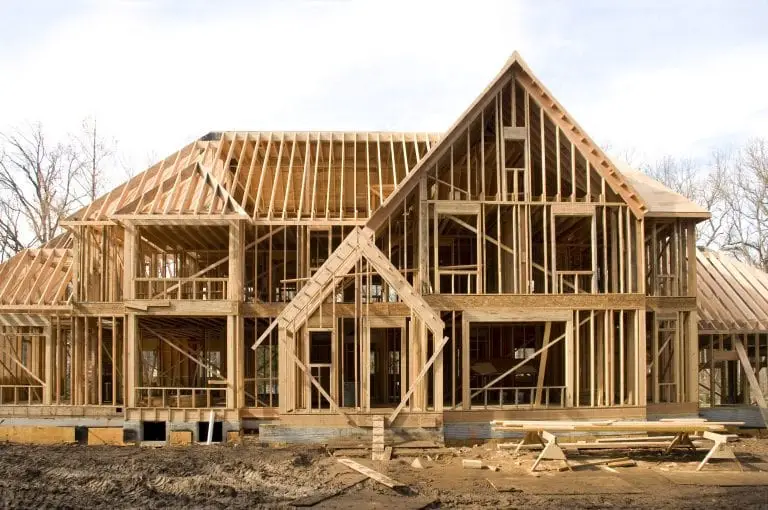
A chill ran down my spine that had nothing to do with the sea breeze. I got out slowly, watching. The front door was wide open. Bags of cement were stacked next to my pots of geraniums—the ones I planted five years ago with my own hands—while the shrill bite of a drill pierced the air from somewhere inside the house.
My house. The house I bought after forty years of working double shifts as a nurse at the county’s General Hospital, clocking in before sunrise and stumbling out under harsh fluorescent lights long after dinner. The house I paid for with my sweat after my husband died and left me with nothing but debts and broken promises.
Khloe finally noticed me. She smiled—that smile that always made me nervous, too wide, too perfect.
“Olga, I’m so glad you’re here. Matthew is inside supervising the kitchen. You’ll see. It’s going to be beautiful.”
I didn’t answer. I walked toward the entrance, feeling my seventy-one-year-old legs protest with every step. I had driven four hours from the city, straight down the coastal highway with the radio low and the salt air leaking in through the vents, specifically to rest—to listen to the waves, to be alone with my thoughts and my memories. I’d dreamed about this week for months. The morning walks along the shoreline. The books I would read in the hammock. The silence I desperately needed after an exhausting year.
What I found inside took my breath away.
The kitchen no longer existed—or rather, it half existed. The cabinets I installed three years ago had been torn from the walls, leaving ragged wounds in the plaster where the screws had been ripped out. I’d spent two weeks choosing those cabinets—drove to four different showrooms, compared wood grains, agonized over handles. They were the first expensive thing I’d ever bought purely because I wanted them, not because they were practical or on sale or what someone else thought I should have. And now they were in a pile of debris by the back door, split and splintered, stacked like firewood.
The tile floor I’d chosen so carefully was buried under dust. The walls showed huge holes where the paintings from my Thursday afternoon art classes once hung. The refrigerator sat in the middle of the living room, unplugged, its door ajar. The smell of dampness and fresh cement hit me like a slap.
“What is this?” My voice came out calmer than I expected, almost a whisper.
Matthew appeared from the hallway. My son—forty-five years old and still wearing the look of a child who expects Mom to fix everything. Except now there was something different in his eyes. Something hard.
“Mom, it’s a surprise,” he said, wiping his hands on his pants and leaving gray dust marks. “We’re remodeling. Khloe and I decided it’s time to update everything. This kitchen was just too old.”
“You decided,” I repeated. The word hung in the air.
“Yes, and not just the kitchen.” He walked toward the stairs and I followed, feeling my heart beat faster.
We went up. Each step felt heavier than the last. When he opened the door to the master bedroom—my room—I had to grip the doorframe to keep from falling.
The bed was gone. The armoire that belonged to my grandmother, that carved wooden heirloom that survived three generations, had been moved—who knew where. The walls were half painted a mint-green color I would have never chosen. Tools were everywhere. Wires hung from the ceiling.
“Where is my bed? Where are my things?”
“We put them in the small room at the end of the hall temporarily.” Matthew wasn’t even looking at me. He was checking his phone, typing a message. “We just need this master bedroom for something important.”
“For what?”
That’s when he said it—the words that would change everything.
“Khloe and I are going to move in here permanently. With Gloria—her mom—and her dad. They need a better place, and this house is big enough. We’re making the rooms bigger, modernizing everything.”
I stood motionless. The words bounced around my head but wouldn’t form a coherent thought.
“This is my house, Matthew.”
“I know, Mom, but it’s also family property. It’s time you shared it. You have your apartment in the city. You don’t need two properties. We do.”
His twisted logic almost convinced me for one strange second—almost—until I saw his face up close, that mix of determination and something that looked dangerously like indifference. He wasn’t asking for my permission. He was informing me of a decision already made.
“You didn’t consult me because you knew I’d say no,” he added. “You always say no when it comes to helping the family. You’ve always been like that, Mom. Selfish with your things.”
The word cut through me like a knife.
Selfish.
Me—the woman who worked until her hands trembled with exhaustion. Who paid for his entire college while he changed his major three times. Who lent him thirty thousand dollars for his car two years ago and never saw a dollar back. Who paid for his wedding when he said he didn’t have enough.
Selfish.
I went downstairs slowly. Each step was a conscious effort not to tremble, not to fall apart in front of them. Khloe was still outside on the phone, laughing. I heard her say something about finally having the space we always wanted, and the old woman will just have to get used to it.
I walked into what was left of the living room and sat in the only armchair they hadn’t moved—the olive-green armchair where my husband used to fall asleep on Sunday afternoons, football murmuring on the TV and a half-eaten bowl of popcorn on his lap. The one piece of furniture in this house that carried his weight, his shape, the ghost of all those ordinary afternoons I didn’t know to treasure until they were gone.
I closed my eyes. One, two, three slow breaths.
When I opened them, my gaze fell on my purse—on the vital documents folder I always carried, where I kept all the important papers: deeds, wills, contracts, legal powers of attorney. Everything organized and updated. Because after forty years in health care, I learned that life can change in a second, and it’s better to be prepared.
I took out my phone and called Gregory—my lawyer for fifteen years, the man who helped me when I bought this house, when I updated my will, when I made sure every property was solely in my name after discovering the debts my husband hid.
“Olga. What a pleasure. How are you?”
“I need you to come to the beach house tomorrow morning—very early. Bring the property deeds and the will. All of it.”
A pause. Gregory knew me. He knew that if I called on a Friday afternoon asking for something urgent, the situation demanded it.
“Did something happen?”
“Yes,” I replied, looking out at the deck where Khloe was still laughing. “But it’s not going to happen anymore.”
Matthew came down an hour later and told me he’d prepared the small room for me. My clothes were in boxes because they needed the master closet for Khloe’s and Gloria’s things. He handed me a new key.
“It’s for the room at the end of the hall. We put a lock on it so you can have privacy.”
A lock. On a nine-by-nine room in my own house. A single bed pushed against the wall, my things stacked in cardboard boxes, a small window overlooking the gravel parking area instead of the sea.
Privacy. As if they were doing me a favor by giving me a corner of the house I’d spent a lifetime earning.
I lay down fully dressed and stared at the ceiling. I heard the waves in the distance, that sound that used to calm me. That night it only reminded me of everything they were trying to take.
I woke at five. My body had been trained by hospital shifts for decades. Outside, still dark. I dressed in silence, went downstairs avoiding the third step—the one that always creaked—a habit from my years as a night nurse, when I learned to move without waking patients.
On the dining room table—my antique wooden table—there were papers. Lots of papers. Quotes. Estimates from contractors, designers, furniture stores. I scanned the numbers and felt the air leave my lungs.
$120,000. That was the total cost of the remodel they’d planned. One hundred and twenty thousand dollars they intended to spend on my house without asking me.
Under the quotes was a red folder.
Inside: a legal document, half-filled. A power of attorney. My name at the top as grantor, Matthew’s as appointee. Permissions to sell, remodel, mortgage, and manage properties. The date was blank. The signature line was blank.
I stared at that paper for a long time. Then I understood the full plan.
They didn’t just want to move into my house. They wanted me to sign away total control of everything I owned. And they expected me to do it without reading, trusting my son blindly, the way I always had.
They never had $120,000. They planned to start the work, pressure me to pay—or to sign that power of attorney so they could mortgage my house and fund the renovations with my own equity. It was a trap from the beginning.
I photographed every page. Then I put everything back exactly as I’d found it.
Gregory arrived at 5:40. I told him everything.
“Let me see if I understand,” he said when I finished. “Your son began remodeling work on your property without written consent. They plan to move in without authorization. And you found a power of attorney they expect you to sign.”
“That’s right.”
“It means trespassing, property damage without the owner’s authorization, and possibly attempted fraud.”
He opened his briefcase.
“Everything is solely in your name. Neither Matthew nor anyone else has any legal right to this house. I can draft an immediate eviction order. They have to be out in forty-eight hours.”
“Do it.”
He hesitated. “Think about it. He’s your son.”
“I thought about it all night,” I said, “during every minute I spent locked in that tiny room while they planned to steal what took me forty years to build.”
My voice didn’t tremble.
“Do it. Now.”
For the next hour, as the sun rose and the house remained silent, Gregory drafted everything—eviction order, complaint for property damages, request for injunction to stop the work.
“I want it served at six tomorrow morning,” I said. “Saturday.”
Gregory looked at me carefully. “You want them woken up with the news.”
“Exactly like they ruined my vacation by arriving unannounced and destroying my house. I want them to feel that same invasion.”
“When this happens, there’s no going back.”
“There’s no family relationship left to save,” I said. “That ended when my son called me selfish for not wanting to give away what cost me a lifetime to earn.”
At 8:30 I went downstairs. In the makeshift kitchen, Khloe was pouring coffee into one of my favorite mugs—the white ceramic one with yellow flowers from my last trip to Asheville.
Matthew walked in and said what I’d been waiting for.
“Mom, I need you to sign some papers. It’s just to speed up the work so the contractors don’t have to consult you on every detail. A formality.”
I walked to the table, picked up the red folder, and pulled out the blank power of attorney.
“Are you talking about this?”
His expression shifted—surprise, discomfort—then he forced a smile. “Yes. Exactly. Nothing to worry about.”
“This isn’t an authorization for work, Matthew. This is a full power of attorney that would give you control over all my properties—to sell, mortgage, manage everything.”
“Mom, it’s not like that. The lawyer said—”
“There is no lawyer, is there?” My voice stayed calm. Dangerously calm. “You downloaded a template from the internet and thought I would sign without reading because I trust you.”
“I’m not signing anything,” I said. “And the work stops today.”
Khloe stepped in, her sweetness gone. “Olga, don’t be dramatic. We just want to improve the house. When Gloria and my dad move in, they’ll need comforts.”
“No one is moving in here.”
“You are incredibly selfish,” she snapped. “You have two properties and you refuse to share one. Gloria is older than you. She has health problems.”
“Then you buy a house for Gloria.”
“Not all of us were lucky enough to get properties when they were cheap.”
“It wasn’t luck,” I said. “It was work. Forty years of work.”
That afternoon, Matthew came to my room. He looked tired, dark circles under his eyes.
“I know you’re upset. We should have consulted you. But you have to understand—Khloe and I have been in that small apartment for years. We can’t have kids there. Gloria’s doctors say sea air would help her respiratory problems. Everyone would win.”
“Everyone wins when I’m locked in a nine-by-nine room?”
“It wouldn’t be forever. Just until you got used to it. Then we could take turns.”
“It’s my house, Matthew. There don’t have to be turns.”
He swallowed, then said it—like it was the most reasonable thing in the world.
“But it’ll be mine someday, right? When you’re gone, this house is going to be my inheritance. Why not start enjoying it now?”
When I’m gone. As if he was waiting for me to die so he could claim what was mine. As if my life was just an obstacle between him and his plans. As if seventy-one years of breathing, working, building, surviving was just a holding pattern—an inconvenience between him and the deed with his name on it.
“Get out of my room,” I said quietly.
“Mom, just be reasonable.”
“Get out. Now.”
Something flickered in his eyes—frustration, contempt. He left without closing the door.
I closed it behind him and locked it.
Tomorrow at six. Everything would change. And for the first time in a long time, I was going to be the one in control.
I woke at 5:30. Dressed with care—black pants, gray blouse, the sweater my sister gave me. Brushed my hair. Looked at myself in the mirror.
The woman looking back was seventy-one, wrinkles at the corners of her eyes and age spots on her hands. But she had something else, too. Determination. Strength. Dignity.
I went downstairs, made coffee, sat in the olive-green armchair, and waited.
At six sharp, two SUVs parked in front of the house. Four people got out—two uniformed process servers and two witnesses.
I opened the door before they knocked.
“You are Mrs. Olga, the owner of this residence?”
“Yes.”
“We have legal documents to be served to a Mr. Matthew and a Ms. Khloe. Are they on the property?”
“Sleeping upstairs. I need you to wake them. The notification must be done in person.”
I went up. Knocked once, twice, three times.
“What is it?” Matthew’s voice, groggy.
“There are people downstairs who need to talk to you. Get down here. Now.”
They came out in pajamas, confused and annoyed. We went downstairs together. The morning light was just beginning to fill the living room—that golden coastal light I’d fallen in love with the first time I walked through this house, the light that made me write a check for the full asking price before the realtor finished her tour.
The moment Matthew saw the officers, he stopped cold.
The senior officer stepped forward. “I have an eviction order issued by the civil court. You and anyone under your responsibility have forty-eight hours to vacate this property.”
Matthew took the envelope with trembling hands. His face shifted from confusion to disbelief to rage.
“This is insane.” He turned to me. “Mom, what did you do?”
“I’m protecting what’s mine.”
“I’m your son and this is my house.”
“A house you decided to destroy without my permission.”
Khloe started crying—dramatic, exaggerated sobs. “How can you do this to us? We were going to bring Gloria here. We promised her a better life.”
“That’s not my problem,” I said, and the words came out colder than I expected.
The officer continued. “I also have a cease-and-desist for the construction. All work must stop immediately. Mrs. Olga has filed a complaint for damages. An inspector will assess the damages Monday.”
“You’re going to sue us?” Matthew stared at me like he didn’t know me. “Your own family?”
“There is no family anymore,” I said. “That was clear when I found the power of attorney. When you called me selfish. When you told me this house would be yours when I’m gone—as if my life is just something standing between you and an inheritance.”
The officers documented everything. Matthew and Khloe signed acknowledgments. Legal, irreversible.
When the officers left, Matthew stood in the living room holding the papers, staring at me with an expression I’d never seen before. Hate.
“You’re going to regret this. Everyone’s going to know what kind of mother throws her own son out.”
“You’re not on the street,” I said. “You have your apartment. The only thing you don’t have is my house.”
They left that night. I watched the taillights disappear down the road, and then, for the first time in two days, the house was completely silent.
My house. My space. Mine again.
I walked through the rooms—the master bedroom torn apart, half-painted walls, exposed brick. The kitchen without cabinets, wires dangling. I calculated the damages mentally—not just money, but time, effort, forty years of work undone in a weekend by people who thought inheritance meant ownership while the owner was still alive.
On Monday, the inspector came. Three hours of obsessive documentation—every hole photographed, every exposed wire measured, every code violation catalogued.
“The damage is considerable,” he told me afterward. “It’s not just reinstalling what they removed. There’s structural repair—moisture seepage where they tore out the waterproofing, electrical connections done without shutting off breakers, gas pipes violating building codes.”
“Give me a number.”
“Thirty-two thousand. Conservative. Could reach thirty-five with county-required inspections.”
Gregory filed the lawsuit that week. Matthew was served ten days later.
The texts came immediately. I got the lawsuit. $35,000. Mom, do you know what that means? I’m going to lose everything.
I blocked his number.
Meanwhile, Khloe launched her campaign. A Facebook post with a photo of Gloria in a hospital bed with an oxygen mask—later revealed to be an old photo from a different emergency—claiming her mother was hospitalized from the stress, thanks to the cruelty of certain people who only think of themselves. Two hundred comments from people who didn’t know me, hating me based on one side of a story.
I deactivated my account without responding. Something a colleague told me years ago at the hospital: The people who need public drama are the ones with no valid private arguments.
My friend Lydia—thirty years of friendship, hospital colleague, the kind of woman who shows up without being asked—drove down and sat with me on the deck.
“I heard what happened,” she said. “Khloe’s version is everywhere. But I know you. If you got to this point, you had your reasons.”
I told her everything. She listened without interrupting.
“You did the right thing,” she said. “I spent thirty years watching you sacrifice for that boy. Education, debts, wedding. Where does it end?”
“But he’s my son.”
“And you’re his mother. Not his personal bank. Not his property. You have a right to boundaries.”
She stayed all afternoon. We made coffee, ate cookies from the tin she brought. When she left, she hugged me tight. “You’re not alone in this.”
The weeks before trial passed in a mix of routine and anxiety. The repairs progressed—a contractor named Vince and his crew restoring everything under my direction. Every decision went through me. The kitchen ended up better than before: solid honeyed wood cabinets, cream-colored granite countertops. The master bedroom recovered its warmth with walls painted soft peach that caught the morning light. My grandmother’s armoire, back in its place.
This time, I was in control.
Gregory came weekly to practice testimony—the hard questions Matthew’s lawyer would ask.
“Is it true you promised the house would be his inheritance?”
“I said everything would be his when I died. Not that he could take it while I was still alive.”
“Don’t you think suing your only son for thirty-five thousand is cruel?”
“I think thirty-five thousand is what it costs to repair the damage he caused. I didn’t choose that number. His actions did.”
“Good,” Gregory would say. “Keep that tone. Calm but firm.”
The morning of trial, I dressed carefully—black pants, ivory blouse, gray blazer. Hair in a low bun. No jewelry except my wedding ring. I looked at myself in the mirror the way I used to look at myself before a difficult shift at the hospital—checking not for beauty but for readiness, for the composure that would carry me through whatever was coming.
The courthouse was an old concrete building with hallways that smelled of dampness and paper. The courtroom was on the second floor.
Matthew was already there. First time I’d seen him in two months. He looked thinner, grayer, dark circles deep enough to hold shadows. He sat with his lawyer—a nervous young man in an ill-fitting suit shuffling papers like a student who hadn’t studied for the exam.
Our eyes met for a second. In his, I saw something that surprised me. Not hate. Sadness. A deep sadness, like he finally understood this was real, that he’d lost something he could never get back.
I looked away first.
Khloe wasn’t there. Her absence said everything—she’d left him to face the consequences alone.
Gregory presented the case with surgical precision. Photos of damage on the screen. The inspector’s report. The estimates showing $120,000 in unauthorized work. The blank power of attorney as evidence of attempted fraud.
Matthew’s lawyer tried to frame it as good intentions and family misunderstanding. The judge cut through it in seconds.
“Did your client have written authorization from the owner?”
“No, Your Honor.”
“Did he consult the owner before starting work?”
“No, Your Honor.”
Then it was my turn. I took the stand, swore to tell the truth, and spoke with the clinical clarity I’d used at the hospital when reporting on a patient’s condition.
I told the story—how I bought the house, what it cost me, what it meant, how I arrived to find it destroyed, how I found the power of attorney.
Matthew’s lawyer cross-examined. “Don’t you think you’re being too hard on your only son?”
“I think thirty-five thousand is what repairs cost. I didn’t choose that number.”
“But he’s your son.”
“And this is my house. A house I bought with forty years of work.”
“Did you ever consider forgiving him?”
“I considered many things,” I said. “Then I remembered that spending years teaching him that actions don’t have consequences is exactly what got us here.”
I saw Matthew lower his head. His shoulders shook. He was crying silently.
A part of me—the maternal part that never fully dies—wanted to go to him, to hug him, to say it would be okay. But I didn’t. Because loving him also meant letting him face what he’d done.
The judge ruled in fifteen minutes.
“The damages are extensively documented. There was no written authorization. The attempt to obtain a power of attorney under questionable circumstances is particularly troubling.” She looked directly at Matthew. “The fact that it is your mother’s property does not absolve you. I find in favor of the plaintiff. Thirty-five thousand dollars. Six months to pay.”
The gavel struck.
I had won.
But looking at my son—head in his hands while his lawyer whispered—nothing felt like victory. Only weight. A relationship dying in a cold courtroom.
I left in silence. Gregory walked beside me, talking about collection steps. I barely heard him.
“You won,” he said in the parking lot. “This is what we wanted.”
“I know,” I whispered. “But it didn’t feel like winning. It felt like closing a book I never wanted to finish.”
At home, the repairs were complete. The kitchen gleamed. The master bedroom was restored. Everything was better than before.
Perfect. Empty.
I sat in the olive-green armchair and finally let the tears come. Not for them—for the family I thought I had, the family that never really existed. For the version of Matthew I carried in my heart for forty-five years—the boy who used to fall asleep in my lap while I read him stories, who made me Mother’s Day cards with glitter that got everywhere and stayed in the carpet for months. That boy was gone, or maybe he’d never existed the way I remembered him. Maybe I’d been loving a story I told myself, the way you love a house for what you imagined it would be rather than what it is.
My friend Lydia called that evening.
“How did it go?”
“I won. Thirty-five thousand.”
“That’s justice.”
“Then why doesn’t it feel like it?”
“Because you’re a mother,” she said. “Even when someone hurts you, love doesn’t switch off. That makes you human, not weak.”
Two weeks after trial, a certified envelope arrived. Inside: a check for fifteen thousand dollars and a handwritten letter.
“Mom, this is all I could get for now. I sold my car, took out loans, asked everyone. I’ll pay the rest in monthly installments—not because the law forces me, but because I need to prove I still have some dignity. Khloe and I are getting a divorce. She never accepted responsibility. I finally see the truth. I lived expecting your property would be mine, and it made me feel entitled to it ahead of time. I never valued your effort because I saw your achievements as my future inheritance. You were right. I am deeply sorry.”
Over the following months, checks arrived—$1,000, sometimes $1,500. Never with a letter, just the money and a brief note. I deposited each one and kept the notes in a box.
I updated my will as Gregory suggested. Everything to the Retired Nurses Foundation—the house, the apartment, savings—earmarked to help women who dedicated their lives to caring for others and deserved dignity in their old age. Ironclad clauses preventing any family member from contesting it. Matthew was notified, as the law required.
He never argued. He simply accepted.
Six months after trial, the debt was paid. The last check came with a longer note.
“Today I finished paying what I owed. The money doesn’t repair the emotional damage. I’ve been in therapy. I’m learning about entitlement—about how waiting for an inheritance turned me into someone who saw his own mother as an obstacle. I spent my whole life expecting you to give me things. I never once asked what I was giving you. I never valued your company, your wisdom, your love. I only saw the material. And when I finally lost the car, the marriage, the expectations, I found something I never looked for: I can build my own life. I don’t need to wait for someone to die to start living. I don’t know if you’ll ever forgive me. But I respect you more now than ever, because you had the courage to set boundaries when I had none to respect.”
I put the letter in the box with the others.
Would I forgive him someday? I didn’t know. Maybe with time. Maybe never completely. But I could think of him without my chest tightening in rage. That was something.
In the months that followed, I kept my routine. Morning walks. Afternoon reading. Lydia and other friends from the hospital visited regularly, and the beach house filled with laughter, coffee, stories—women of my generation with similar histories of complicated families and violated boundaries, sharing the painful choice between being loved and being respected.
I started teaching first aid classes to young people in town, passing on decades of experience. For the first time in my life, I wasn’t defined by my relationships. I wasn’t Matthew’s mother or anyone’s wife or the nurse from the hospital.
I was just Olga—seventy-two years old—who fought for her dignity and won.
One afternoon, almost two years later, a text from a new number.
“Mom, it’s me. I know you asked for space and I’ve respected it. I just wanted you to know I’m doing well. Stable job, small apartment, simple life. Debt-free for six months. For the first time, I’m actually proud of myself. You don’t need to respond.”
My fingers hovered over the keyboard for a long time.
Finally, I typed: “I’m glad for you. Take care.”
It wasn’t reconciliation. It wasn’t full forgiveness. But it was a bridge—small, fragile, real.
I put the phone away and went out to the deck. The sun was setting, painting the sky in colors that never repeated themselves exactly.
It wasn’t the family I imagined as a young woman. It wasn’t a fairy-tale ending where everyone forgives and lives happily. It was something realer—more complicated, more honest. A life where I chose my peace over the approval of others. Where I defended my boundaries even when it meant standing alone. Where I learned that love doesn’t mean sacrificing yourself until you disappear.
The waves filled the silence. But it was no longer empty silence.
It was full—of possibility, reclaimed dignity, lessons learned.
For the first time in years, the sound of the sea wasn’t competing with voices demanding what was never theirs.
There was only the water, the breeze, and me.
Finally free. Finally at peace.
THE END.

Lila Hart is a dedicated Digital Archivist and Research Specialist with a keen eye for preserving and curating meaningful content. At TheArchivists, she specializes in organizing and managing digital archives, ensuring that valuable stories and historical moments are accessible for generations to come.
Lila earned her degree in History and Archival Studies from the University of Edinburgh, where she cultivated her passion for documenting the past and preserving cultural heritage. Her expertise lies in combining traditional archival techniques with modern digital tools, allowing her to create comprehensive and engaging collections that resonate with audiences worldwide.
At TheArchivists, Lila is known for her meticulous attention to detail and her ability to uncover hidden gems within extensive archives. Her work is praised for its depth, authenticity, and contribution to the preservation of knowledge in the digital age.
Driven by a commitment to preserving stories that matter, Lila is passionate about exploring the intersection of history and technology. Her goal is to ensure that every piece of content she handles reflects the richness of human experiences and remains a source of inspiration for years to come.