“This Family Is Ashamed to Have You Using Our Name”: How My Grandmother’s Response Changed Everything
My name is Chloe, and my sister didn’t even wait for the cake.
One second, my grandmother Martha’s backyard was filled with the warm noise of forks on plates and polite laughter. The next, Mia was scraping her chair back and standing up, her wine glass catching the light from the string bulbs overhead like a signal flare.
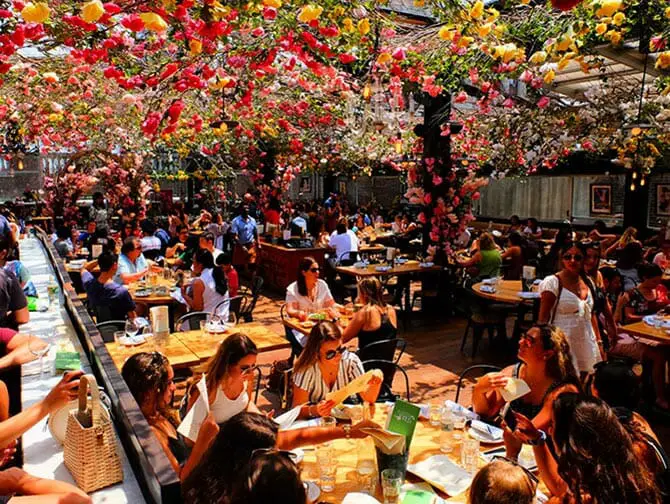
It was Martha’s seventieth birthday. Nearly thirty of us sat at the long table stretching across the patio, under paper lanterns and white fairy lights that swayed in the evening breeze. The air smelled like grilled rosemary chicken and lemon zest. Someone at the far end was still finishing their salad.
I remember these details in ridiculous, high-definition clarity because everything that came after blurred around one sentence that would detonate our entire family legacy.
Mia lifted her glass, flicked her hair off her shoulder with practiced ease, and smiled the way she always smiled when she knew all eyes were on her.
“I just want to say something before the cake,” she announced.
Her voice sliced through the chatter. Conversations died mid-sentence. Glasses hovered halfway to mouths. Martha’s lemon cake sat untouched in the center of the table, twenty candles flickering in the soft evening air.
Then Mia turned toward me.
“This whole family,” she said clearly, “is honestly ashamed to have you using our name.”
It was like somebody turned down the sound on the whole world.
Every fork stopped. Every conversation froze. I could feel thirty sets of eyes move from her to me like a wave.
My mom, Sarah, didn’t gasp. She didn’t look outraged. She nodded.
Not a hesitant, uncertain nod either. It was small and satisfied, like Mia had finally said something she’d been wanting to hear out loud for a very long time.
My dad, Robert, didn’t flinch. His mouth pulled into that familiar tight expression—half pride, half relief that someone had done his dirty work for him. He looked proud of her.
Proud. Of that.
I didn’t stand up. I didn’t cry. I just sat there, like always—the quiet person in the shadow they’d trained me to be. I wrapped my fingers around my wine glass because I needed to hold something that wouldn’t move away from me.
That moment wasn’t the beginning of anything. It was the end of a very long pattern.
The Invisible Daughter
I learned early how to fold disappointment into tiny, quiet shapes and hide them where nobody could see.
In most families, the oldest kid is the one people lean on. That was true in our house too—but not in the way people think. I wasn’t the one they bragged about or bet their hopes on. I was the scaffolding behind the glossy poster.
Mia, two years younger than my thirty-one, was the star.
She’s always seemed to make the entire world tilt a little toward her. Even as a baby, Mom told stories about how “expressive” she was. People would coo about how bright her eyes were, how she was “going to be somebody.”
I don’t have stories like that. If anyone said anything, it was that I was “quiet,” “serious,” or “so helpful.” Compliments that sound kind but mostly mean you’re invisible.
When I was twelve, I won a regional math contest. I came home buzzing, my backpack heavy with the small trophy they’d given us. Numbers made sense to me—they had rules, they were fair.
“Dad,” I said, my voice stumbling with excitement, “I won. First place. My teacher said I might qualify for state. Look!”
I held the certificate out to him. He glanced at it for exactly half a second.
“Mm,” he said, like he was scanning a menu. “That’s nice, Chloe. Don’t brag about it at dinner, okay? You know how your sister gets.”
Meanwhile, Mia marched over with glitter glue on her sneakers.
“Daddy, look,” she chirped, “I’m making them pretty for Grandma’s party.”
His face lit up. “Look at that creativity! You’re going to be in charge of our branding one day, Mia.”
I stood there holding my certificate like it was something embarrassing.
That was the rhythm of our house. Mia was charming, loud, always ready with a joke or dramatic story. She knew how to time a punchline, how to tilt her head when she wanted something. Teachers loved her. Neighbors adored her.
Me? I got things done.
I did homework without being asked. I remembered to take trash out. I kept lists, finished chores, washed dishes when parents forgot it wasn’t my night. But appreciation in our house was quiet and private, while praise was bright and public.
Everyone saw Mia. People tripped over themselves to tell her how special she was, how she was “going to take the family business into the future one day.” They never said that about me.
The Woman Who Saw Me
To most people, Martha was a legend. Her name—our last name—was on three office buildings, hundreds of contracts, sleek letters at the bottom of commercials. She’d built the company from a small logistics firm she started in a rented warehouse with two employees and a secondhand truck. Over thirty years, she turned it into a regional powerhouse.
To me, she was the woman who always seemed to have an empty spot beside her on the porch steps.
After dinner, when everyone else wandered off to yell over each other in the living room, she’d sneak outside with tea. The first time she patted the space next to her and said, “Come keep an old woman company, Chloe,” I was ten.
“You like numbers, don’t you?” she said that night.
I blinked. “How do you know?”
She smiled. “You count cars when we drive. You add prices on grocery receipts while your mother searches for her card. When your father made that mistake at the barbecue, you corrected him under your breath.”
My cheeks burned. “You heard that?”
“Of course I did. I hear everything.”
She nudged me with her shoulder. “They talk a lot, these people. But talking and doing are not the same thing. Don’t confuse the two.”
Over the years, those porch conversations became the only place where I felt fully visible. She never shushed me when I talked about what I wanted to do. She asked questions that went beyond “How are your grades?” She didn’t compare me to Mia.
With Mia, there was fond exasperation—the way you might look at a clever puppy that keeps chewing your shoes. With me, there was something else. Assessment. Respect.
And I wasn’t the only one who saw it.
The Silent Witness
My cousin Taylor was two years younger than Mia, with dry, quiet humor you’d miss if you weren’t paying attention. She was a rare creature: someone who noticed.
We were in middle school the first time she found me hiding in the laundry room during a loud Thanksgiving.
“You noticed that, right?” she whispered.
“Noticed what?”
“The way your dad told everyone Mia organized the fundraiser, even though I heard Grandma thanking you for doing the spreadsheets and calling vendors.”
I shrugged. “It’s fine.”
She raised an eyebrow. “Is it?”
Taylor became my silent witness. The one person besides Martha who could see the pattern: the favoritism, the way Mia’s smallest effort was treated like a gold medal while my actual achievements disappeared.
“Honestly,” Taylor muttered once in high school, after Mia used my research paper as “inspiration” for a presentation and Mom posted a gushing status about Mia’s work ethic, “if she set the table once a year and smiled, they’d call her a saint.”
We laughed, but there was a sting underneath.
The Great Escape
By high school graduation, the roles were set in stone. Mia was the future of the company, the “natural leader,” the girl who could light up a room. I was the dependable one who would “do well for herself somewhere”—Dad’s way of saying: somewhere that isn’t here.
So I left.
I got out of our small Tennessee town with scholarships, student loans, and sheer stubbornness. In college, I discovered something startling: when nobody knows your family, you’re just yourself.
I chose finance almost instinctively. Numbers had always been my refuge—they didn’t talk over you, didn’t roll their eyes if you weren’t entertaining enough, didn’t care if your voice shook.
While I was figuring out how to stretch twenty dollars for a week’s groceries, Mia was posting pictures from networking brunches at the family company. In every photo, she stood center among men in suits, smiling like she already owned the building.
“When I’m running the company one day,” she’d say on family calls, tipping her head so her earrings flashed, “it’s going to be so different.”
Mom would sigh with theatrical pride. Dad would nod. “That’s my girl.”
I would be a muted square on screen, waiting for the call to end.
Building My Own Life
After college, I moved to Atlanta. Far enough that dropping by required effort, close enough for real emergencies.
I found work at a mid-sized investment firm where nobody cared that my last name matched logos on delivery trucks. I became someone else entirely—the analyst who could spot inconsistencies in spreadsheets in seconds, the one partners sought for quiet, thorough work.
On my desk, I kept one framed photo: Martha and me on her porch, laughing at something the photographer hadn’t caught.
I called her every Sunday afternoon. She never asked why I didn’t move back to work for the family company. She simply asked how my week had gone, made sharp comments about the market, occasionally slipped in questions that told me she still saw more of me than most.
“Are they treating you with respect?” she asked once.
“Yes. Mostly.”
“Mostly is not enough. Do your work well, but don’t let anyone confuse you for furniture.”
Her words settled over me like armor.
The Setup
Holidays remained the same. Every Thanksgiving, Christmas, birthday call—Mia was the center. Even from distance, I was still orbiting her.
“Did you see Mia’s interview in the local paper?” Mom would ask immediately. “The reporter said she has such vision.”
When they asked about me, it was always after. “And you? Still… working with numbers?”
Then Martha’s birthday invitations went out five weeks early. Mine came on cream card with gold embossing. At the bottom, Martha’s handwriting: It would mean a lot if you came.
Two days later, Mia posted on Instagram: her in the company lobby, hand on hip, standing under our last name in enormous letters. White blazer, tight smile.
The caption: “Stepping into the future. #ManagingDirectorEra”
The comments were a chorus: “Our future CEO!” “So proud!” “She’s taking Martha’s legacy to the next level!”
Then Mom texted me: Please behave at the party.
Nothing else. No heart emoji. No “love you.” Just that—like I was known for making scenes.
For weeks, the family group chat sprang to artificial life. Aunts posted old photos with Martha. Cousins shared childhood memories. Mom coordinated catering like a royal wedding.
Mia posted daily: outfit options, “throwback” photos playing in the lobby as a kid, a boomerang spinning in Martha’s office chair. One story: “Can’t wait for Grandma’s big announcement,” with a winking emoji.
My stomach tightened. What announcement?
Taylor called late one night. “You’ve seen the posts?”
“Hard to miss.”
“Mia’s telling everyone she already knows what Grandma’s announcing. She’s been telling people she’s already picking out office decor, says Grandma ‘hinted’ she’s handing the reins over.”
“Did Grandma tell you anything?”
Pause. “I’ve been helping her clean out old files. Chloe… she’s been meeting with her lawyer. A lot.”
Something big was happening. Mia acted like it was coronation. She started wearing blazers to casual dinners, coordinated a “family legacy” photoshoot at the office with half our relatives dressed in black and white while she stood front and center.
Dad stood behind her in every shot, hand on her shoulder, chest puffed. Mom hovered beside her, touching her hair, adjusting her necklace.
Relatives I hadn’t heard from in years sent strange messages:
“Hey Chloe, just checking in! You doing okay with all the… changes?”
“No matter what happens, we love you!”
Dad called one evening: “Don’t be surprised if things feel… different. It’s time to recognize who’s really been preparing for the future.”
Mom texted twice: Remember to look nice for the party. And please, just be supportive.
By party day, the tight, stretched feeling in my chest had become constant—like a rubber band wrapped around fingers, pulled to the snapping point.
The Birthday That Changed Everything
Martha’s house sat on a gentle hill—white columns, red brick, “classic” and “gracious.” That evening, I had to pause halfway up the steps to breathe.
Through the open door, I saw party flashes: waiters with champagne flutes, my aunt laughing too loudly, gleam of silver serving dishes.
And in the doorway, posing like she owned the place: Mia.
She’d positioned herself just inside where light hit her face most flatteringly. Every time someone arrived, she leaned in, air-kissed cheeks, laughed as if they’d told the world’s best joke, let camera flashes catch the moment.
She wore fitted green matching the floral arrangements. Hair styled in soft waves. Delicate gold necklace shaped like our company logo.
“There she is,” she said when she noticed me, voice ringing bright. “The prodigal spreadsheet.”
Some relatives laughed. Others offered awkward half-sincere smiles reserved for funerals and uncomfortable interactions.
“Hi, Chloe,” Mom said, appearing behind Mia. Her eyes flicked from my navy dress—simple, bought on sale—to my shoes, to my bare neck. Faint disappointment tightened her mouth. “You look… fine.”
“You made it,” Dad nodded like I was a colleague he barely remembered.
“Grandma invited me,” I said.
Mia looped her arm through his. “We were just talking about the company’s future direction. Big vision stuff. You probably… don’t want to be bogged down with all that.”
“I deal with big numbers every day,” I said before I could stop myself. “I’ll manage.”
Her smile flickered, then smoothed. “Of course you will.” She turned away to greet next guests.
I slipped past into the house, chest buzzing with electric irritation.
The party spilled everywhere—dining room groaning under food platters, living room cleared for clusters of chairs, a bar, slideshow of Martha’s life playing silently. Eventually everyone flowed outside to the backyard.
Martha’s yard had always been her pride: wide, carefully landscaped, string lights zigzagging between trees. Tonight it looked like a magazine spread. White lanterns hung overhead against deep blue evening sky.
Everyone clustered near the table’s head where Martha sat in a slightly elevated chair, soft blanket over her knees. She wore simple cream blouse, pearl earrings, an expression of content amusement.
Mia stationed herself at Martha’s right side. Sarah fluttered nearby, adjusting Martha’s necklace, smoothing the blanket.
I did what I’d always done. I found a seat at the very end of the table. Not hiding—just knowing exactly where I fit in their mental seating chart: on the fringe.
Dinner began with usual questions when moments forced them to notice me:
“Still in Atlanta?” “Still doing… finance?” “Busy, I bet.”
They nodded, satisfied, turning back to louder, more exciting stories where Mia gestured broadly, talking about “where she saw the company in five years.”
When dessert time came, waiters brought the giant lemon cake Martha loved. Someone dimmed overhead lights so candle flames glowed brighter. People gathered around the table head, crowding in for the song.
Mia shifted so she stood directly beside Martha’s chair, close enough that anyone taking photos would have to include her.
We sang “Happy Birthday” in slightly off-key chorus. Martha smiled, eyes crinkling, candlelight reflecting in her pupils. When the song ended, she closed her eyes, breathed deeply, and blew out candles in two strong puffs.
Beat of silence, then scattered applause, laughter, rustle of people returning to seats.
That’s when Mia stood up.
The Moment of Truth
“I just want to say something really quickly, before Grandma makes her big announcement,” she said, holding up her wine glass.
Her smile was wide, but sharp—the gleam I recognized from childhood fights and teenage tantrums. The one that meant someone else was about to be sacrificed to preserve her image.
Murmur of anticipation moved down the table. People settled back, turning to look with indulgent attention. This, they thought, was the coronation speech.
My stomach coiled.
Mia pivoted, turning to face me. The air shifted all at once, like the entire backyard took one collective breath and held it.
Her gaze locked onto mine, smile turning into something polished and cruel.
“Chloe,” she said, my name slicing through the night.
Every fork dropped. Every whispered conversation died.
“This family,” she continued, voice ringing clear as a bell, “is honestly ashamed to have you using our name.”
It landed like a slap.
String lights hummed. Candles flickered. Somewhere, ice clinked against glass. My ears buzzed with heartbeat roar.
At the far end, one cousin choked on a gasp. Someone dropped their fork with loud clatter. But the most devastating reactions were quiet ones.
My mother nodded. She didn’t look angry at the wording, or startled, or disappointed in Mia’s lack of tact. She looked approving—like finally, someone had said what needed saying.
My father’s mouth tightened into that proud little smirk. He tilted his chin forward almost imperceptibly, a gesture meaning: Finally, the truth is out.
Thirty pairs of eyes turned to me.
I felt the old familiar weight settle into my chest—not the hot, sharp shame of having done something wrong, but the dull, crushing shame of being told over and over that you are wrong.
I picked up my glass, fingers wrapping around the stem so tightly my knuckles went white. I raised it a fraction—not in toast, but because I needed something solid to anchor me.
I didn’t stand. I didn’t yell. I didn’t cry.
I sat there under warm glow of lights, smell of lemon and sugar floating around me, and let the words sink into me like stones dropped into a deep, already crowded well.
But underneath the familiar weight, something else stirred. Not rage, not sadness—a steady, quiet feeling. The kind you get when a pattern finally becomes so obvious, you can’t pretend it’s just bad luck anymore.
As silence stretched, my gaze drifted from my sister’s triumphant face.
That’s when I saw my grandmother.
Martha’s Response
Martha’s smile was gone.
Her hand rested on the table beside her glass. Her shoulders, relaxed a moment before, were squared. Her eyes weren’t on me.
She was staring at Mia.
Not with pride, or amusement, or indulgent affection. The look on her face was one I hadn’t seen in a long time—a cold, sharp warning.
Everyone else was still looking at me, waiting for me to crack, to laugh it off, to prove them right by making a scene.
But Martha had turned her attention to the person who’d thrown the stone, not the person it had hit.
The tightness in my chest loosened a fraction.
The first sound in the frozen yard was wood scraping against stone.
Martha pushed her chair back.
Not sudden, angry movement—slow, deliberate. She adjusted the blanket on her lap, smoothed her blouse front, then stood up.
Even with age slowing her, she possessed the kind of presence that made people straighten automatically when she rose.
My sister’s confident smile faltered. She shifted weight from heel to heel, as if patio stones had suddenly become uneven.
“Grandma,” she started, still holding her glass. “I’m not finished—”
Martha raised one hand.
Mia’s mouth snapped shut.
The silence deepened. You could have sliced it and served it alongside the cake.
When Martha spoke, her voice wasn’t loud, but it carried.
“Sit down, Mia.”
Mia blinked, confused. “I—what? I was just saying what everyone—”
“Sit. Down,” Martha repeated more firmly.
No one had ever spoken to Mia like that in public. Probably not in private either, not in many years.
My mother opened her mouth, scandalized. “Martha, she was just—”
“Sarah,” Martha said, turning slightly, “stop protecting what you have consistently refused to fix.”
My mother flinched like she’d been slapped.
My father’s face drained color. He pressed his lips together, jaw tensing.
Mia sank slowly into her chair, confidence slipping off like an ill-fitting coat.
Martha let the silence breathe. Her gaze swept down the table length, pausing for a heartbeat on each relative, each face that had watched and nodded and laughed over years while the same little play repeated in different costumes.
When her eyes reached me, they softened briefly.
Then her expression hardened again, and she straightened her shoulders, one hand resting on her chair back as if anchoring herself.
“I have heard enough,” she said.
Her voice threaded through the yard, steady and cold.
“I have heard enough tonight, and more than enough over the last few years.”
She turned back to Mia.
“I will not allow cruelty to be called confidence.”
The word cruelty hung there like smoke.
The Reckoning
My mother tried again, voice brittle. “She didn’t mean it like that. You know Mia just—”
Martha cut her off with a look.
“For years,” she said, “you have let that child confuse entitlement with strength. You have stood by while she stepped on people she considers less important, and you have clapped for her as if that were leadership.”
Sarah swallowed. “That’s not fair. We’ve only ever wanted the best for—”
“For her,” Martha finished. “Yes. You made that very clear.”
She shifted attention back to the table.
“You all have,” she added, gaze sweeping over aunts and uncles and cousins who suddenly found intense interest in their plates.
My heart was pounding now, not with fear—with something closer to awe.
Martha looked back at me.
“And you,” she said, voice softening for a fraction of a second. “You have learned to make yourself small so that others could feel big.”
My throat tightened.
“If this family is ashamed of you using our name,” she continued, straightening, “then this family has forgotten what that name stands for.”
A shiver ran through me.
Then she said the sentence that would tilt everything I thought I knew about where I stood in this family.
“As of yesterday,” Martha announced, “the controlling interest in the company belongs to Chloe.”
The Shock
The world tilted.
My wineglass shook in my hand. For a second, the edges of my vision went fuzzy. I heard someone gasp loudly. Another relative dropped their fork, metal clanging against plate like a startled bell.
Mia’s reaction was loudest, even when she barely made a sound.
All color drained from her face. She looked like someone had knocked the breath out of her. The hand holding her glass trembled.
“What?” she whispered, the word barely there.
Martha didn’t blink. “You heard me.”
“That’s not—” Mia shook her head hard, as if trying to dislodge the words. “That’s not possible. You—you told me—”
“What I told you,” Martha said coolly, “was that I was considering the company’s future. What you heard was what you wanted to hear.”
My father stood abruptly, chair scraping. “Mother, be reasonable. Mia has been preparing for this for years. She’s been the face of the company. Everyone knows—”
“Performing,” Martha snapped, turning to him. “She has been performing, Robert. And performing and preparing are not the same thing.”
He opened his mouth, but she didn’t give him the chance.
“She shows up for photographs,” Martha continued. “She attends meetings and spends the entire time posting about them. She delegates tasks she has never learned to do herself and takes credit for work done by others. That is not leadership. That is vanity.”
My mother rose too, cheeks flushed. “This can’t be legal. You can’t just change everything at the last minute. The company—”
“It is legal,” Martha said. “It is signed. It is final.”
The words dropped like stones.
She turned back to the table, addressing everyone now.
“The transfer of controlling interest has already been completed,” she said. “It cannot be undone.”
The realization rippled through the group—widening eyes, darting glances, mental rewriting of futures they’d imagined, who they would need to flatter, where loyalties should land.
The Full Revelation
Martha wasn’t finished.
“In addition to the company,” she went on, “the Nashville house, the mountain cabin, and the seaside villa are being given to Chloe as well.”
My mother’s hand flew to her chest. “Martha, those are family properties. You can’t just—”
“I can,” Martha interrupted. “And I have.”
My father’s knuckles were white where his hands gripped his chair back.
Mia made a strangled sound, somewhere between sob and shout.
“You’re giving her everything,” she cried, gesturing toward me with her glass-holding hand. “Everything that was supposed to be mine. I’ve been working for the company for years! I’ve been—”
“Showing up for photographs is not work,” Martha said sharply. “Taylor has done more actual work in one internship than you have managed in your entire so-called career.”
Taylor’s eyes widened. She covered her mouth, shoulders shaking with a mix of shock and desperate, inappropriate laughter she was clearly fighting down.
Mia stared at Martha, then at me, wild-eyed.
“This is insane,” she said. “You’re rewarding her for what? For leaving? For abandoning the family? She walked away from the company. I stayed.”
“You stayed,” Martha said, “because you thought it would all be handed to you. You assumed that sharing my blood and hogging my attention meant you were entitled to everything I built.”
Mia’s chin trembled. “I’ve been the face of this family.”
“You have been the loudest voice in the room,” Martha corrected. “But the loudest is not always the most worthy.”
She turned her gaze on my parents again.
“And you,” she said, “have encouraged this. You raised one daughter to believe she must shrink herself to make others comfortable, and the other to believe she was untouchable. That ends tonight.”
My mother’s eyes filled with tears. “You’re tearing this family apart.”
Martha’s expression softened for a heartbeat, then hardened again.
“No,” she said quietly. “Cruelty and favoritism have been doing that for years. Tonight is the first time we are simply telling the truth about where the cracks are.”
The Validation
The table was utterly still. Even insects at the yard’s edges seemed to have gone silent.
Finally, Martha turned back to me fully.
Her gaze held mine, steady and unflinching.
“Chloe,” she said, and my name felt different in her mouth than it ever had in anyone else’s. “Of all my descendants, you are the only one who has consistently valued what this family name was built on: hard work, honesty, and substance over spectacle.”
My throat tightened so much I could barely breathe.
“You never demanded attention,” she continued. “But you earned power quietly and consistently. That is what a legacy should rest on.”
She walked the few steps down the table toward me, hand still resting on the chair for balance. When she reached my place, she set her hand gently on my chair back.
“You deserve the seat everyone else tried to keep from you,” she said.
The words went through me like electric current.
Mia’s composure shattered.
“Chloe,” she said, voice cracking. My name sounded like plea and accusation all at once. “You can’t let her do this. You know I’ve always been the one involved with the company. You know how much I’ve sacrificed. Tell her, Chloe. Tell her she’s wrong.”
For the first time that evening, I really looked at her.
Not as the golden child, not as the gravitational center of our family’s universe, not as the person I had spent years shrinking against.
I saw an adult who had been told her whole life that the world owed her its applause. Someone who had never learned to stand on anything more solid than other people’s admiration.
The glass in my hand felt heavier. My palm was slick with condensation. I set it down carefully.
“I’m not the one who created this moment,” I said quietly.
Her face crumpled. My grandmother’s hand tightened on my chair back.
Martha nodded once, decisively.
“The decisions have been made,” she said. “That will be all for tonight.”
The Aftermath
The six months that followed didn’t just “calm down”—they rearranged my life.
On Monday after the party, I walked into the company’s main office not as a visitor, not as the forgotten older sister, but as the new majority owner.
The security guard did a double take. “Morning, Ms… Chloe.”
The lobby was the same—polished floors, sleek couches, big company logo. But the way people looked at me was completely different.
The first board meeting was awkward in ways I hadn’t anticipated. Older members looked at me with skepticism and grudging respect—she’s the one Martha chose, so there must be something there. Younger ones looked hopeful. A few looked resentful—I recognized them from photos of Mia’s “inner circle.”
“Thank you all for being here,” I said, my voice steady with effort. “Before any of you ask—yes, I know I have a lot to learn. No, I don’t intend to pretend otherwise. But I also know how to learn fast. And I know what happens when a company forgets the values it was built on.”
There was a shift in the room—subtle straightening of backs, lowering of crossed arms.
By week’s end, Mia’s name and access had been removed from every system. Her desk was cleared out—a process I wasn’t present for by design. I didn’t want to make her humiliation more public than it already was.
But I also didn’t stop it.
The Ripple Effects
Word traveled fast in our industry.
Companies Mia applied to, assuming her last name would open doors, had already heard about the party. About the board’s vote of confidence in me. About quiet, devastating emails Martha had sent to key people explaining her reasons in businesslike bullet points.
Positions Mia thought she was a shoo-in for evaporated. Interviews were canceled. Phone calls went unreturned.
At first, she blamed me.
“You’re blackballing me,” she said during one of too-many calls she made those early weeks. “You’re telling people not to hire me.”
“I haven’t spoken to anyone about your job search,” I said honestly. “They’re making their own decisions.”
“That’s impossible. I have experience. I have connections. I’ve been—”
“Posting photos,” I said before I could stop myself.
She went quiet.
My parents, meanwhile, were forced to confront a reality they’d never prepared for. Being removed from the advisory board didn’t just bruise their pride—it affected their finances. Stipends stopped. Easy access to company resources dried up. Friends they’d entertained for years suddenly had “other commitments.”
The first calls after the party were angry.
“How could you accept this?” Sarah demanded. “You know how much this hurts your sister.”
“You’re letting your grandmother use you,” Robert said. “This isn’t how a real family behaves.”
The next wave was more desperate.
“Your father and I are having a rough patch,” Mom said once. “Maybe you could help with the mortgage for a few months…”
“We put so much into this family,” Dad said. “It shouldn’t be this hard for us now.”
I didn’t rescue them.
“I’m not going to let you starve,” I said once, blunt. “But I’m also not going to bankroll the lifestyle you had when you were on the board. You’ll need to adjust.”
They hated that word: adjust.
Martha’s Final Lessons
Through all this, Martha watched calmly from her new perch: my guest bedroom in Atlanta.
She’d insisted on moving in a month after the party.
“I’m too old to be driving back and forth. And I have more to teach you than we can fit into weekend visits.”
Our mornings fell into comfortable rhythm. She woke before me, made coffee strong enough to wake ancestors, and by the time I emerged bleary-eyed, she’d be on the balcony with financial reports beside her.
“You’re staring at that forecast like it insulted your mother,” she’d comment without looking up.
We went through everything together. She pointed out patterns I’d missed, shared stories about why certain decisions had been made decades ago, explained unwritten industry rules in the same dry tone she’d used teaching me card games as a kid.
Some evenings, we didn’t talk business at all. We played cards. We watched old movies. We sat on the balcony in comfortable silence, both breathing easier than we had in years.
Attempts at Reconciliation
I’d like to say everything resolved neatly—that my parents apologized and Mia found humility and we all hashed out our issues over tea.
That would make a good movie. Real life is messier.
There were attempts at reconciliation.
My mother came to visit once, months after the party, her posture stiff in my apartment doorway. She looked around like she was stepping into a stranger’s life, taking in framed photos that didn’t feature Mia, shelf of business books not curated by a publicist.
“This is… nice,” she said.
We sat at my small kitchen table.
“I never meant for you to feel less than,” she said, twisting her napkin. “You know that, right?”
I looked at her for a long moment.
“I know you didn’t mean to,” I said. “But it happened anyway.”
She blinked, tears forming. “You were always so… capable. We thought you didn’t need the same… attention.”
“You were right,” I said quietly. “I didn’t need attention. I needed respect.”
The words hung between us. She didn’t have a good response. Some days, I think there isn’t one.
With my father, it was more complicated. Pride is stubborn.
He called less as time went on. When he did, conversations were short and practical:
“How’s revenue this quarter?”
“Have you considered expanding into—”
At some point, I realized he was talking to me the way he would have talked to Martha. He still didn’t know how to talk to me as his daughter, but he was trying to talk to me as a business partner.
It wasn’t enough. But it was something.
Mia’s Reckoning
Months after the party, Mia showed up at my office unannounced.
She looked different—not dramatically, but the subtle signs were there. Dark circles not fully covered by makeup. Slight slump of shoulders. Eyes without that same blazing certainty.
“Can we talk?” she asked, standing in my office doorway.
I could have said no. Could have had security escort her out and called it a boundary.
Instead, I nodded to the chair across from my desk.
She sat carefully, like furniture might reject her.
“They won’t hire me,” she said without preamble. “Any of them. It’s like there’s this… black mark next to my name.”
I didn’t say, You made that mark. I didn’t need to.
“I don’t know what to do,” she added, voice cracking. “I don’t know who I am if I’m not…” She gestured vaguely. “This.”
“The favorite?” I supplied.
She flinched.
“I worked,” she said quietly. “I came to every event. I talked to clients. I tried to be what they wanted.”
“You were what they wanted,” I said. “That’s part of the problem.”
We sat in silence.
“I’m not going to apologize for accepting what Grandma gave me,” I said finally. “I’m not going to give it back. I can’t pretend that everything before that night didn’t happen.”
Her eyes filled with tears. “Are you ever going to forgive me?”
I thought about twelve-year-old me standing in the living room with a math trophy while everyone cooed over her glittery shoes. The teenager who watched her take credit, again and again. The woman at the birthday table, hearing her own sister say her existence was a source of shame.
“I don’t know,” I said honestly. “Forgiveness isn’t a switch I can flip.”
She swallowed hard.
“But,” I added, “I don’t want you to fail. I don’t want you to be miserable. I just… can’t keep carrying the weight of making you comfortable.”
She nodded, tears sliding down her cheeks.
We talked longer—not as sisters who’d grown up sharing secrets, we’d never really been that—but as two adults trying awkwardly to see each other without all the old stories in the way.
When she left, I felt no dramatic closure. Just tired peace.
Not everything was healed. But not everything was broken beyond repair either.
The New Reality
Now, when I wake up in my apartment that hums with Martha’s quiet presence, that smells like coffee and paper and something like freedom, I feel a strange, almost guilty sense of relief.
I breathe without feeling like I have to apologize for taking up space.
Work is harder than I imagined some days, more frustrating than I’d like. There are decisions that keep me up at night, people who doubt me, who think I’m just another nepotism case in different packaging.
The difference is, I know the truth.
I know the hours I put in. I know the sacrifices I made long before my name was printed on any ownership document. I know the times I stayed up late not because anyone expected me to, but because excellence mattered to me, even when no one was watching.
For the first time, the power I hold matches the responsibility I’ve always taken on.
The Real Lesson
Some people say family is forever.
I’ve learned that what’s forever isn’t blood—it’s the impact of how you treat each other. It’s the stories you tell about each other when the person isn’t in the room. It’s the way you show up when no one is recording.
I spent years making myself smaller to keep other people comfortable. Years believing that if I stayed quiet, if I didn’t rock the boat, if I let them pretend their favoritism was just a joke, everything would be fine.
But shrinking didn’t protect me. It just made it easier for them to step over me.
Standing up for my worth didn’t break this family apart. It revealed where it was already cracked.
Now, when I sign documents with our last name, I don’t feel like an imposter. I feel like someone who is finally carrying the weight of that name the way it was meant to be carried.
On weekend mornings, Martha and I still sit on the balcony with coffee and cards. She beats me more often than not. She gloats every time.
“You’re getting predictable,” she says.
“Maybe you’re just getting better,” I reply.
She snorts. “I’ve always been good. You’re just seeing it now.”
Sometimes, in quiet spaces between conversations, I think about all the people out there who feel like background characters in their own families. The ones who do the work, who show up, who get overlooked in favor of the louder, shinier ones.
If that’s you, I want to tell you this:
You are not alone.
Your worth is not measured by how loudly people talk about you at dinner tables. It’s not defined by the number of photos you’re in or how often relatives brag about you on social media. It doesn’t vanish because someone in your family is threatened by it.
Sometimes, the most powerful thing you can do is simply stop apologizing for existing.
Stop shrinking.
Stop accepting shame that doesn’t belong to you.
The night my sister stood up at that birthday table and announced to thirty people that my existence was an embarrassment, I thought I might break from the weight of it.
Instead, something else broke.
The story they’d been telling about who I was, and who she was, and what I deserved finally shattered. And underneath, something steady and unshakeable was waiting.
Now, the legacy I carry isn’t just a company, or properties, or a last name written on the side of trucks and tops of buildings.
It’s the quiet, solid knowledge that I can take up space without asking for permission.
It’s the understanding that respect matters more than anyone’s approval.
It’s the freedom to sit at the head of my own table—not because someone finally invited me to, but because I earned the seat, and I chose to stop giving it away.

Lila Hart is a dedicated Digital Archivist and Research Specialist with a keen eye for preserving and curating meaningful content. At TheArchivists, she specializes in organizing and managing digital archives, ensuring that valuable stories and historical moments are accessible for generations to come.
Lila earned her degree in History and Archival Studies from the University of Edinburgh, where she cultivated her passion for documenting the past and preserving cultural heritage. Her expertise lies in combining traditional archival techniques with modern digital tools, allowing her to create comprehensive and engaging collections that resonate with audiences worldwide.
At TheArchivists, Lila is known for her meticulous attention to detail and her ability to uncover hidden gems within extensive archives. Her work is praised for its depth, authenticity, and contribution to the preservation of knowledge in the digital age.
Driven by a commitment to preserving stories that matter, Lila is passionate about exploring the intersection of history and technology. Her goal is to ensure that every piece of content she handles reflects the richness of human experiences and remains a source of inspiration for years to come.