The phone call came on a Tuesday morning while I was tending to my small garden behind the modest duplex where I’d lived since Harold passed away two years ago. David’s voice sounded strained, different somehow.
“Mom, we need to talk about the family vacation.”
My heart lifted slightly. After months of feeling invisible in my own son’s life, maybe this was my chance to reconnect with David and spend time with my two granddaughters, Emma and Sophie. Since Harold’s funeral, family gatherings had become increasingly rare, and when they did happen, I felt more like an outsider than a grandmother.
“Oh, that sounds wonderful, sweetheart. Where are we thinking of going?”
There was a pause. A long, uncomfortable pause that made my stomach tighten.
“Well, that’s the thing, Mom. Mara and I have been planning this trip to Hawaii for months. It’s — it’s really more of a couple’s thing, you know, adults only. The girls are staying with Mara’s parents.”
The words hit me like a physical blow. I gripped the phone tighter, my other hand instinctively reaching for the garden fence to steady myself.
“I see,” my voice came out smaller than I intended. “And when did you decide this?”
Another pause. I could hear Mara’s voice in the background, though I couldn’t make out the words. Whatever she was saying, it wasn’t in my favor.
“Look, Mom, it’s just we never get time alone anymore with work and the kids and everything. We really need this.”
I understood. I really did. Young couples needed their time together. But the way he said it, the way his voice carried that slight irritation, as if I were being unreasonable for even hoping to be included, cut deeper than any knife.
“Of course, David. You two deserve your time together, but—”
He wasn’t finished. Mara had taken the phone.
“Estelle, honey.” Her voice was syrupy sweet, the way it always got when she was about to deliver a blow wrapped in false kindness. “David and I were talking, and we think maybe this is a good time for you to consider other options for your living situation. You know, somewhere with more support.”
My blood ran cold. “What do you mean?”
“Well, there are some lovely retirement communities around here, places where you could make friends your own age, have activities planned for you. You wouldn’t have to worry about maintaining a house or cooking for yourself.”
The words hung in the air like poison. I knew exactly what she meant, even if she wouldn’t say it directly.
“You mean a nursing home?”
Mara laughed. That tinkling laugh she reserved for when she thought she was being clever. “Oh, not a nursing home, Estelle. Think of it more like a vacation resort for seniors. You could take your own little vacation there while we’re in Hawaii.”
The cruelty in her suggestion was breathtaking. Here I was, a woman who had raised her son, buried her husband, and maintained her independence despite everything life had thrown at her, being told to go to an old folks’ home while they jetted off to paradise.
“Mara, I don’t think—”
David’s voice came through faintly, but she cut him off. “David agrees it might be good for you to explore your options, don’t you, honey?”
Silence. My son’s silence spoke louder than any words could have. He wasn’t going to defend me. He wasn’t going to stand up to his wife. In that moment, I felt more alone than I had even in the dark days after Harold’s death.
“I see,” I said again, my voice steady despite the tremor in my hands. “Well, you two have a wonderful time in Hawaii.”
I hung up before either of them could respond.
Standing in my garden, surrounded by the roses Harold and I had planted together twenty years ago, I felt something break inside me. Not my spirit, that had been tested too many times to shatter so easily, but something else. The last thread of illusion I’d been clinging to about my place in this family.
I walked back into my quiet house, past the photos of David’s childhood, past the crayon drawings Emma and Sophie had made me last Christmas, past all the evidence of a life lived in service to family. In my bedroom, I sat on the edge of the bed Harold and I had shared for forty-two years and let the tears come.
They wanted me gone. Not just from their vacation, but from their lives. The woman who had sacrificed her dreams, who had worked two jobs to put David through college, who had babysat their children countless times, was now an inconvenience to be shuffled off to a facility.
But as I sat there crying, something else began to stir. A memory of who I used to be before I became just David’s mother or Harold’s wife. A memory of a woman who had once built something extraordinary from nothing.
Mara thought she knew me. She thought I was just another aging mother-in-law to be managed and manipulated. She had no idea who she was really dealing with.
As the tears dried on my cheeks, I made a decision. If they wanted to exclude me, fine. But they were about to learn that Estelle Morrison had more surprises left in her than they could possibly imagine.
That night, I couldn’t sleep. Mara’s words kept echoing in my mind. But instead of bringing more tears, they brought back memories I’d buried for decades. Memories of a time when I wasn’t just someone’s wife or mother, but a force to be reckoned with.
I got up and walked to the spare bedroom that served as my office. Hidden behind boxes of David’s old school papers and photo albums was a small safe Harold had installed years ago. Inside were documents I hadn’t looked at in over a decade. The incorporation papers were yellowed with age, but the bold letterhead still made my heart race.
Horizon Travel Services, founded 1982. My signature was right there next to Harold’s, but mine came first. I had been the president. He, the vice president.
I was twenty-seven when I started Horizon Travel. David was only three, and Harold was working as an accountant for a mid-sized firm. We needed extra money, but more than that, I needed something of my own. I’d always been good with people, good at planning, good at seeing opportunities others missed.
It started small. I booked trips for neighbors, friends from church, Harold’s coworkers. I had a gift for finding hidden gems, small airlines that offered better service than the major carriers, boutique hotels that provided luxury at reasonable prices, tour guides who knew the real story behind the tourist attractions. Word spread quickly. Within five years, Horizon Travel had expanded from our kitchen table to a small office downtown, then to three offices across the state. We specialized in personalized service, in making people feel special. Every client was treated like family.
The big break came in 1989. A small regional airline called Pacific Coast Airways was struggling financially. Their routes were profitable, but they lacked the marketing expertise to attract customers. I saw potential where others saw risk. I convinced Harold to mortgage our house to buy a twenty percent stake in the airline. He thought I was crazy. David was ten and needed stability, he argued; we couldn’t risk everything on a gamble. But I knew it wasn’t a gamble. I’d studied their routes, their customer satisfaction scores, their maintenance records. Pacific Coast Airways had everything they needed except vision, so I gave them mine.
I joined their board of directors, youngest person and only woman at the table. Those men in their expensive suits looked at me like I was Harold’s secretary taking notes. They stopped looking at me that way after our first quarterly meeting, when I presented a marketing strategy that increased their bookings by forty percent in six months.
By 1995, Pacific Coast Airways had become Pacific Coast Airlines, one of the fastest-growing regional carriers in the country. Our twenty percent stake was now worth more than Harold made in ten years at his accounting job.
But success came with a price. I was traveling constantly, meeting with investors, overseeing expansion into new markets. David spent more evenings with babysitters than with me. Harold started complaining that he felt like a single parent.
The breaking point came when David was thirteen. He was in a school play, Peter Pan, and he’d been practicing his lines for weeks. He was so excited for me to see him fly across the stage. But I was in Seattle that week, finalizing a deal that would expand our routes to the Pacific Northwest. Harold called me the night of the performance. David had forgotten his lines. He’d stood on that stage, looked out at the audience, seen Harold’s face, but not mine, and just froze. Harold said he could see the exact moment our son’s heart broke.
I flew back the next morning and found David in his room, still in his Peter Pan costume, crying. When I tried to hug him, he pulled away. “You missed it, Mom. I waited and waited for you to come, but you weren’t there.”
That night, I made a decision that would change everything. I called an emergency board meeting and announced I was selling my shares in Pacific Coast Airlines. The board thought I was having a breakdown. Harold thought I’d lost my mind. The offer on the table was substantial, enough to secure our family’s future. But stepping away from the company I’d built felt like cutting off a limb.
But I did it. I sold everything and walked away from the business world. David needed his mother more than I needed corporate success. I convinced myself that being present for his teenage years was worth more than any amount of money.
What I didn’t tell Harold, what I never told anyone, was that I didn’t sell all my shares. I kept five percent, transferred into a trust under my maiden name. It seemed like a small insurance policy at the time, nothing more.
Pacific Coast Airlines continued to grow. They went public in 1998. They acquired smaller competitors throughout the 2000s. They survived the post-9/11 crisis by adapting faster than their larger rivals. By 2010, they were a major player in the airline industry, known for their customer service and innovative routing. That five percent stake I’d kept, it was now worth more than most people made in a lifetime. But I never touched it. It sat there accumulating value while I focused on being the mother and wife I thought my family needed.
After Harold’s death, the lawyers handling his estate discovered the trust. They were amazed I’d never claimed the dividends, never even acknowledged the asset. Those dividends alone had grown into a fortune. I looked at the latest statement, dated just three months ago. The numbers were staggering. My small insurance policy had grown into generational wealth.
Mara thought she was dealing with a helpless old woman who needed to be warehoused in a retirement home. She had no idea that the burden she wanted to discard was actually one of the founding investors in what had become the sixth largest airline in the country.
As I sat there in the quiet of my spare bedroom, surrounded by the evidence of a life I’d thought I’d left behind, I felt something I hadn’t experienced in years. Power. Purpose. The thrill of holding cards that no one else knew I had.
Mara wanted me to take a vacation at an old folks’ home while she and David flew off to Hawaii. How ironic that their flight would be on Pacific Coast Airlines, the company I’d helped build from nothing. I smiled for the first time since that terrible phone call. If Mara wanted to play games with me, she was about to discover she’d chosen the wrong opponent. Tomorrow, I would book my own trip, and Mara was going to get the surprise of her life.
The next morning, I woke up with a clarity I hadn’t felt in years. For the first time since Harold’s death, I had a purpose that went beyond tending my garden and waiting for occasional calls from David. I made myself a proper breakfast, not the usual toast and coffee, but eggs benedict with fresh fruit, the kind of meal I used to make when I was entertaining business partners decades ago. Then I sat down at my computer and began making calls.
My first call was to Margaret Chen, the lawyer who had handled the discovery of my Pacific Coast holdings. Her voice brightened when she heard from me. “Estelle, I was hoping you’d call. Have you given any thought to what you want to do with the portfolio?”
“Actually, Margaret, I need to access some of those funds, and I need information about Pacific Coast’s executive policies.”
There was a pause. “Are you thinking of becoming more active in your investment?”
“Something like that.”
Within two hours, Margaret had sent me a complete breakdown of my holdings and the current corporate structure of Pacific Coast Airlines. What I learned made me smile. As one of the founding shareholders, I still held certain privileges that had been grandfathered in when the company went public. These included access to the executive boarding lounge, priority booking status, and something I’d completely forgotten about, a permanent upgrade authorization to first class on any Pacific Coast flight.
My next call was to Pacific Coast’s customer service department. When I identified myself using my shareholder credentials, I was immediately transferred to their VIP services division.
“Ms. Morrison, it’s an honor to speak with you,” the representative said. “How can we assist you today?”
“I need to book a trip to Hawaii. Departing this Friday, returning the following Friday.”
“Certainly. Do you have a preferred departure time?”
I happened to know exactly when David and Mara were traveling, because Mara had made sure to mention it during her cruel phone call.
“The two p.m. flight to Honolulu.”
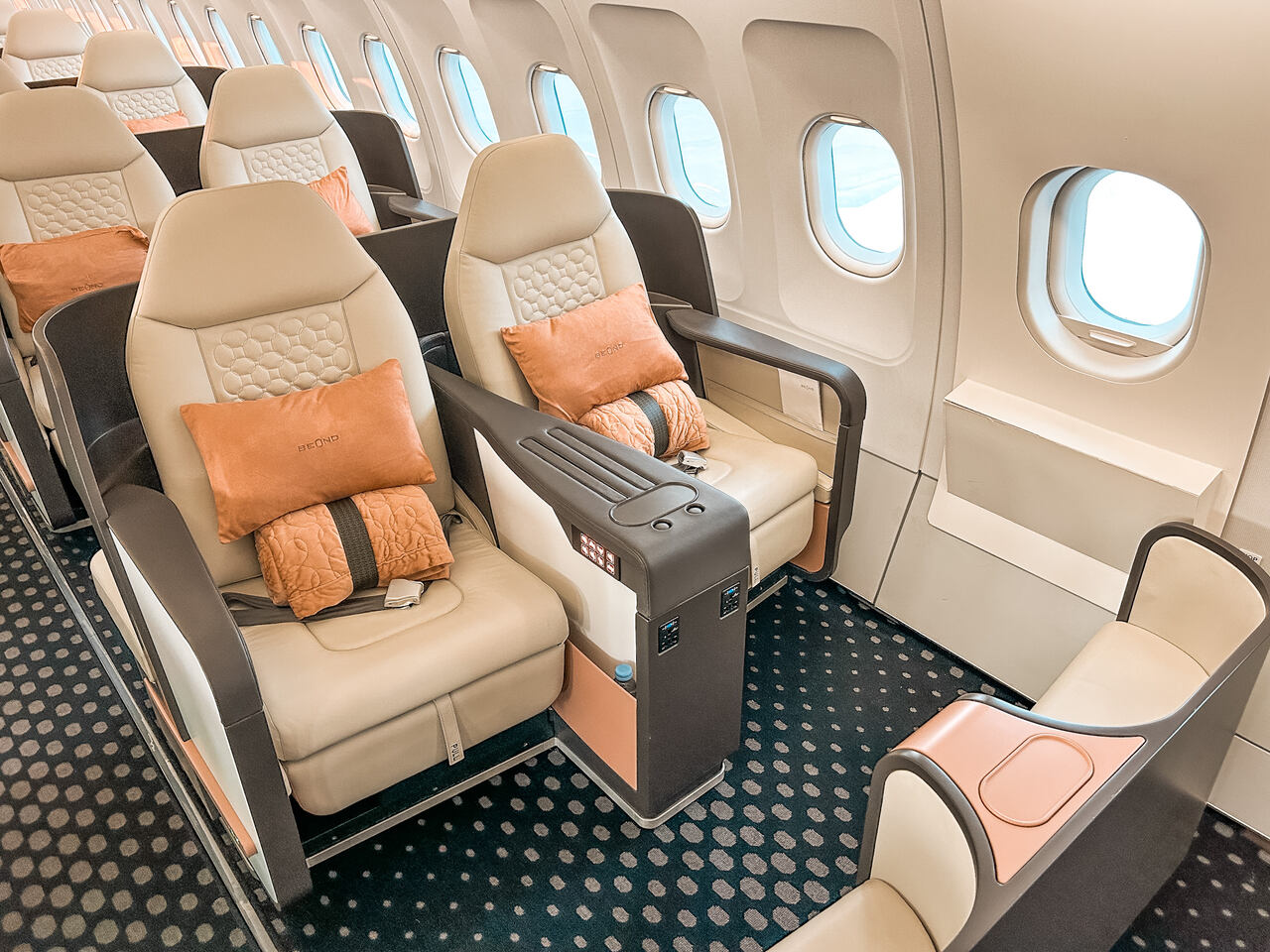
“Perfect. I have you confirmed in first class, seat 2A. As one of our founding shareholders, there’s no charge for this booking.”
No charge. I’d forgotten about that benefit too.
My final call was to a boutique hotel in Maui that I remembered from my travel agent days. The Sunset Palms Resort was small, exclusive, and incredibly expensive. When I’d booked clients there in the 1990s, it cost more per night than most people made in a week.
“I’d like to book your penthouse suite for a week starting this Friday.”
“I’m sorry, ma’am, but our penthouse is booked months in advance. We do have a lovely ocean view room available.”
“This is Estelle Morrison. I believe I have priority booking status.”
Another pause, then typing. “Oh my goodness, Ms. Morrison. Yes, absolutely. The penthouse is yours. It’s our pleasure to host you again.”
I’d never actually stayed there myself, but apparently the resort remembered me from the dozens of VIP clients I’d sent their way over the years.
By Thursday evening, I was packed and ready. I’d gone shopping for the first time in years, buying clothes that made me feel like the successful businesswoman I’d once been instead of the invisible widow I’d become. A crisp white linen blazer, elegant trousers, a silk scarf in Pacific Coast’s signature blue, a subtle nod to my connection with the airline. I’d told no one about my plans. Not David, not Mara, not even my neighbor, Mrs. Peterson, who usually watered my plants when I was away. I wanted this to be a complete surprise.
Friday morning arrived gray and drizzly, but my mood was bright. I called a taxi instead of driving to the airport myself. No point in leaving my car in long-term parking when I could afford the luxury of door-to-door service. The taxi driver was chatty, asking about my destination. When I told him Hawaii, he whistled appreciatively. “Lucky you. Vacation.”
“You could say that,” I replied, thinking about the look on Mara’s face when she saw me at the airport.
I bypassed the regular check-in lines and went directly to the first class counter. The agent’s eyes widened when she saw my name in the system. “Ms. Morrison, what an honor. You’re all set. Would you like to wait in our executive lounge?”
The lounge was a world away from the crowded gates outside. Leather chairs, complimentary drinks, and floor-to-ceiling windows overlooking the runway. I settled in with a cup of coffee and watched the planes taxi back and forth, remembering the early days when seeing Pacific Coast’s blue and silver livery had filled me with pride.
At 1:30, boarding was announced for my flight. As a first class passenger, I was among the first to board. I settled into seat 2A, accepted a glass of champagne from the flight attendant, and waited. The boarding process continued, economy passengers filing past toward the back of the plane. I was reading a magazine when I heard familiar voices approaching the first class cabin.
“Excuse me, I think there’s been a mistake.” Mara’s voice was sharp with irritation. “These are our seats.”
I looked up to see Mara standing in the aisle, boarding pass in hand, glaring at a flight attendant. Behind her stood David, looking embarrassed by his wife’s tone.
“I’m sorry, ma’am, but you’re ticketed for seats 12B and 12C in economy plus.”
“That’s impossible. I specifically requested first class when I booked.”
The flight attendant checked her tablet. “I see the request in your file, but first class was fully booked. You’re on the upgrade wait list, but no seats became available.”
Mara’s face was turning red. She wasn’t used to being told no, especially not in front of other passengers. “This is ridiculous. Do you know who my husband is? His mother helped build this airline.”
I nearly choked on my champagne. David looked mortified, tugging at Mara’s arm. “Mara, please. Let’s just go to our seats.”
But Mara wasn’t finished. “I demand to speak to a supervisor. This is completely unacceptable.”
That’s when I stood up. “Mara, David, what a lovely surprise.”
Both of them froze. David’s mouth actually fell open. Mara looked like she’d seen a ghost.
“Mom.” David’s voice was barely a whisper. “What are you doing here?”
Before I could answer, the flight attendant, who had been dealing with Mara’s complaints, approached me with a warm smile. “Ms. Morrison, is everything all right? Are these passengers bothering you?”
The question hung in the air like a bomb waiting to explode. Mara’s eyes darted between me and the flight attendant, clearly trying to process what was happening.
“Not at all,” I said calmly. “This is my son and daughter-in-law, though I believe they’re seated in economy.”
The flight attendant nodded. “Yes, seats 12B and 12C. If you’d like to follow me, I’ll show you to your section.”
Mara remained frozen in place, staring at me in my first class seat with my champagne and my complimentary warm nuts.
“I don’t understand,” she finally managed. “How did you—”
But before she could finish her question, another flight attendant approached, this one wearing the distinctive uniform of senior cabin crew. “Ms. Morrison, I’m Sarah Chen, your flight attendant today. On behalf of Captain Rodriguez and the entire crew, welcome aboard. We’re honored to have one of Pacific Coast’s founding shareholders flying with us today.”
The silence that followed Sarah’s announcement was deafening. I watched as Mara’s face cycled through confusion, shock, and something that looked like panic. David just stood there, mouth agape, trying to process what he’d just heard.
“Founding shareholder?” Mara’s voice came out as a squeak.
Sarah smiled warmly. “Oh yes, Ms. Morrison was instrumental in Pacific Coast’s early development. We have a lovely tribute to her and the other founders in our corporate headquarters.”
I could practically see the wheels turning in Mara’s head as she tried to reconcile the image of the helpless old woman she’d dismissed with this new information. The woman she’d suggested should go to a nursing home was being treated like royalty by the airline staff.
“Mom,” David finally found his voice. “I don’t understand. How are you here? How are you in first class?”
Before I could respond, the captain’s voice came over the intercom. “Ladies and gentlemen, we have a very special passenger with us today. Ms. Estelle Morrison, one of Pacific Coast Airlines’ founding investors, is traveling with us to Hawaii. Ms. Morrison, the entire crew would like to thank you for your vision and dedication that helped make Pacific Coast what it is today.”
A ripple of applause went through the first class cabin. Other passengers turned to look at me with respect and curiosity. I smiled graciously and raised my champagne glass in acknowledgment. Mara looked like she was going to faint.
“Ma’am,” Sarah addressed Mara gently but firmly, “I really do need to ask you to take your assigned seats so we can complete boarding.”
Mara’s legs seemed to move on autopilot as she stumbled toward the economy section, David trailing behind her. I could hear him asking questions, his voice urgent and confused, but Mara wasn’t responding. She was in shock.
As the plane taxied for takeoff, I settled back into my luxurious seat and allowed myself a small smile. The look on Mara’s face had been worth every penny of this trip, and I hadn’t even spent any pennies.
Twenty minutes into the flight, after we’d reached cruising altitude, David appeared at my seat. His face was pale and his hands were shaking slightly. “Mom, can we talk?”
Sarah immediately approached. “Is everything all right, Ms. Morrison?”
“It’s fine, Sarah. This is my son, David. Would you like to sit here for a few minutes?” I gestured to the empty seat beside me.
David sank into the seat like a man who’d just run a marathon. “Mom, I don’t understand what’s happening. Mara is back there having some kind of breakdown. She keeps saying she made a terrible mistake, but she won’t explain what she means.”
I took a sip of my champagne and looked at my son. Really looked at him. When had he gotten so thin? When had those worry lines appeared around his eyes? When had he started looking so much older than his thirty-eight years?
“What did you think would happen, David?”
“What do you mean?”
“When Mara suggested I should go to a retirement home while you two went to Hawaii, what did you think would happen?”
David’s face flushed red. “Mom, that’s not what she meant. She just thought—”
“She thought I was a burden to be managed. And you agreed with her.”
“I didn’t agree. I just — I didn’t know how to handle the situation.”
I studied his face, searching for the little boy who used to curl up next to me when he had nightmares, who used to tell me everything about his day at school, who used to look at me like I could solve any problem.
“David, what do you know about my life before you were born?”
He frowned. “I know you and Dad met in college. You worked as a travel agent for a while, then stayed home with me.”
“That’s it?”
“Well, yes. I mean, you were just — you were Mom. You took care of the house, took care of me, helped Dad with his business sometimes.”
Just Mom. The words stung more than I’d expected. In his mind, I’d never been anything more than a caretaker, a support system for other people’s dreams.
“David, did you know that I built Pacific Coast Airlines?”
He laughed nervously. “Come on, Mom. That’s impossible.”
I reached into my purse and pulled out one of the old incorporation documents Margaret had copied for me. David’s eyes widened as he read my name at the top of the page, my signature beside Harold’s.
“This can’t be real,” he whispered.
“It’s very real. I started with nothing but an idea and a belief that people deserved better travel experiences. Your father and I mortgaged our house, took every risk imaginable, and built something extraordinary.”
“But why didn’t you ever tell me? Why did you give it up?”
The pain in his voice almost broke my resolve. Almost.
“Because you needed me more than I needed the business. At least that’s what I thought at the time.”
David was quiet for a long moment, staring at the document. “So when Mara said you should consider other living options, she was suggesting that a woman who helped build a billion-dollar airline should be put in a nursing home because she’d become inconvenient.”
“Oh god.” David buried his face in his hands. “Mom, I’m so sorry. I had no idea. Mara didn’t know either. She couldn’t have known.”
“Couldn’t she? David, in all the years you’ve known me, have I ever been helpless? Have I ever been unable to take care of myself or make my own decisions?”
He looked up at me, and I could see the realization dawning in his eyes. Mara’s suggestion hadn’t been based on my actual capabilities or needs. It had been based on her desire to remove me from their lives entirely.
“She knew exactly what she was doing,” I continued gently. “She saw an opportunity to get rid of the mother-in-law she’s always resented, and she took it. The question is, why did you let her?”
David’s shoulders sagged. “I don’t know. I guess — I guess I’ve gotten so used to keeping the peace, to avoiding conflict with Mara. She gets so angry when things don’t go her way, and it’s just easier to go along with what she wants.”
I felt a stab of sympathy for my son. Even in the midst of my anger, he’d traded his backbone for domestic tranquility. And now he was discovering the true cost of that bargain.
“David, I need you to understand something. What happened this week? The phone call? The suggestion about the retirement home? Your silence when I needed you to stand up for me? That changed everything between us.”
Fear flickered in his eyes. “What do you mean?”
Before I could answer, Mara appeared at the end of our row. Her face was blotchy from crying and her hands were clenched into fists at her sides. “I need to talk to you,” she said. But she was looking at me, not David.
Sarah immediately stepped forward. “Ma’am, you need to return to your seat. The seat belt sign is on.”
“It’s all right, Sarah,” I said calmly. “But Mrs. Morrison will need to make this quick.”
Mara’s face went white at my use of her formal name instead of the casual Mara I’d always used before. “Estelle, I think there’s been a misunderstanding,” she began, her voice shaking.
I looked at her steadily. “Oh, I don’t think there’s been any misunderstanding at all. I think you’ve shown me exactly who you are, and now you’re afraid of the consequences.”
“You don’t understand the pressure I’m under, the stress of managing everything.”
“Managing everything?” I interrupted. “Including managing me out of your life.”
Mara’s mouth opened and closed like a fish gasping for air. She had no defense because we both knew exactly what she’d tried to do.
“I think,” I said quietly, “that you should return to your seat now. We’ll have plenty of time to discuss this further once we reach Hawaii.”
As Mara stumbled back toward economy, David turned to me with desperation in his eyes. “Mom, please don’t let this destroy our family.”
I reached over and patted his hand gently. “David, I’m not the one who tried to destroy this family. But I am the one who’s going to decide what happens next.”
Hawaii was everything I remembered from my travel agent days. Pristine beaches, perfect weather, and the kind of luxury that money could buy. What I hadn’t expected was how liberating it would feel to experience it all as myself, not as someone’s wife or mother, but as Estelle Morrison, successful businesswoman.
The Sunset Palms Resort was even more beautiful than I’d imagined. My penthouse suite overlooked the ocean with floor-to-ceiling windows and a private balcony that seemed to stretch into infinity. The staff treated me like visiting royalty, which, given my history with the resort, I suppose I was.
David and Mara were staying at a mid-range hotel about twenty minutes away. I knew this because David had called my room twice since we’d arrived, asking if we could meet for dinner. Both times I’d politely declined. I wasn’t ready to deal with them yet. I needed time to think, to decide what I wanted this confrontation to accomplish.
On our third day in paradise, I was having breakfast on my balcony when the concierge called. “Ms. Morrison, you have visitors in the lobby, a Mr. and Mrs. Morrison. Shall I send them up?”
I sighed. I’d known this moment would come. “Send them up, please.”
Twenty minutes later, there was a soft knock on my door. When I opened it, I found David and Mara standing there looking like scolded children. Mara had been crying. Her eyes were red and puffy, and she was clutching a tissue in her hand.
“Thank you for seeing us,” David said quietly.
I gestured for them to sit on the living room sofa while I took the chair across from them. The power dynamic was clear. This was my space, my territory, and they were here as supplicants.
“We need to talk,” Mara said, her voice barely above a whisper.
“Yes, we do,” I agreed. “But first, I want you both to understand something. I didn’t come to Hawaii to have a confrontation with you. I came because I wanted to take a vacation, and I can afford to take any vacation I choose.”
David’s eyes swept around the luxurious suite. “Mom, I had no idea you had this kind of money. Why didn’t you ever tell me?”
“Why would I? You never asked about my life before you were born. You never showed any interest in what I might have accomplished or what dreams I might have had. To you, I was just Mom, someone who existed to serve your needs.”
The words came out harsher than I’d intended, but they were true.
Mara shifted uncomfortably. “Estelle, I owe you an apology. I completely misjudged your situation.”
“No, Mara, you didn’t misjudge my situation. You tried to manipulate it for your own convenience.”
Her face crumpled. “That’s not true. I was just trying to think of what might be best for everyone.”
“Stop.” My voice was firm enough to cut through her protestations. “Just stop lying. We all know exactly what you were trying to do. You wanted me out of your lives, and you thought you’d found the perfect way to make it happen.”
Mara looked at David desperately, but he was staring at his hands, unable to meet her eyes.
“The retirement home suggestion wasn’t about my well-being,” I continued. “It was about removing an inconvenience. You’ve never liked me, Mara. You’ve barely tolerated me since the day David brought you home. But you made a critical error. You assumed I was powerless to resist.”
“I never said you were powerless,” Mara protested weakly.
“You suggested I go to a nursing home while you and my son went on vacation without me. If that’s not treating someone as powerless, what is?”
David finally looked up. “Mom, I should have stopped her. I should have defended you.”
“Yes, you should have. But you didn’t. And that tells me everything I need to know about where I stand in your life.”
The room fell silent, except for the sound of waves crashing against the beach below. Finally, Mara spoke again. “What can we do to fix this? There has to be something.”
I studied her face, looking for genuine remorse, but seeing mostly fear. She was afraid of what I might do with my newfound power. Afraid of how this revelation might change her comfortable life.
“Mara, do you know what I’ve been doing for the past twenty-five years?”
She shook her head.
“I’ve been watching. Watching you treat service workers rudely when we go out to dinner. Watching you make cutting remarks about other family members behind their backs. Watching you manipulate David with tears and tantrums whenever you don’t get your way. I’ve seen who you really are. And I’ve said nothing, because I thought it wasn’t my place to interfere in my son’s marriage.”
Mara’s face had gone pale.
“But when you tried to have me institutionalized so you could enjoy your vacation in peace, you crossed a line. You made it my business.”
“What do you want from us?” David asked, his voice hollow.
I stood up and walked to the window, looking out at the ocean. The truth was, I wasn’t entirely sure what I wanted. Revenge felt too petty. An apology felt insufficient. What I really wanted was something that couldn’t be given. I wanted my son to have been the man I’d raised him to be.
“I want honesty,” I said finally. “Complete honesty. Mara, I want you to tell David exactly why you suggested the retirement home. Not some sanitized version about thinking it might be good for me. The real reason.”
Mara’s hands started shaking. “Estelle, please don’t make me.”
“The real reason, Mara.”
She looked at David, then back at me, tears streaming down her face. “I wanted you gone,” she whispered. “I’ve wanted you gone for years. Every time you come over, every time you call, every time David mentions you, I feel like — like you’re judging me, like I’m not good enough, like I’ll never be the daughter-in-law you wanted.”
“And so you decided the solution was to have me locked away.”
“I thought — I thought if you were somewhere else, somewhere with other people your age, maybe you’d be happier. Maybe we’d all be happier.”
David was staring at his wife like he’d never seen her before. “Mara, how could you think that was okay?”
“Because I was desperate,” she burst out. “Do you know what it’s like living in the shadow of the perfect mother? Every story you tell about your childhood, every time you talk about how wonderful she was, how much she sacrificed for you, it makes me feel like garbage. Like no matter what I do, I’ll never measure up.”
The honesty was brutal. But it was what I’d asked for.
“So instead of trying to build a relationship with me,” I said quietly, “you decided to eliminate me entirely.”
Mara nodded miserably.
I turned to David. “And you? What’s your honest answer? Why did you let her suggest putting me in a home?”
David’s voice was barely audible. “Because it was easier than fighting with her. Because Mara gets so upset when things don’t go her way. And I just — I wanted peace in my house.”
“Even if that peace came at my expense.”
He nodded, unable to look at me.
I felt something settle in my chest. Not forgiveness, but understanding. My son had become a man who chose the path of least resistance, even when that path led to cruelty. Mara had become a woman whose insecurities had turned her vindictive. And I had become a mother who had stayed silent too long about too many things.
“Well,” I said, returning to my chair, “now we all know where we stand.”
We spent another hour in that room, moving past the initial confrontation into something quieter and more complicated. I asked David more about how things had gotten to this point, and he told me, haltingly, about the years of small compromises that had led here, the way he’d started managing Mara’s moods the way you’d manage weather, the way he’d stopped mentioning me around her because it was easier than the fallout. Mara, for her part, admitted things I don’t think she’d ever said out loud before, about her own mother, distant and critical, about how she’d spent her whole life terrified of being found wanting, and how somewhere along the way that fear had curdled into cruelty toward the one person who reminded her most of everything she felt she’d failed to become.
I didn’t excuse it. I want to be clear about that. Understanding where someone’s cruelty comes from doesn’t obligate you to absorb it. But it did soften something in me, enough that when they finally left my suite that afternoon, I didn’t feel triumphant so much as tired, the particular tiredness that comes after finally saying things that have needed saying for years.
The rest of my week in Hawaii, I spent largely alone, and I discovered I didn’t mind it at all. I swam every morning before the beach got crowded. I had a massage at the resort spa that lasted two hours and left me feeling like a different woman entirely. I ate dinner alone at a small restaurant overlooking the water and didn’t feel the pang of self-consciousness I might have expected, watching couples and families at the tables around me. I read three novels I’d been meaning to get to for years. I called Margaret twice more to talk through some ideas that had started forming, half-formed plans about what I might want to do with both my money and my remaining years.
Hawaii was everything I remembered from my travel agent days. Pristine beaches, perfect weather, and the kind of luxury that money could buy. What I hadn’t expected was how liberating it would feel to experience it all as myself, not as someone’s wife or mother, but as Estelle Morrison, successful businesswoman.
Six months later, I was standing on the deck of my new home in Carmel by the Sea, watching the sunset paint the Pacific Ocean in shades of gold and crimson. The house was perfect. Not too large, but elegant and comfortable, with panoramic ocean views and a garden where I could grow the roses Harold and I had always loved.
I’d bought it with cash two weeks after returning from Hawaii. The decision hadn’t been impulsive. During those final days in paradise, after the painful honesty session with David and Mara, I’d done a lot of thinking about what I wanted the rest of my life to look like. Did I want to return to the small duplex where I’d been gradually disappearing? Did I want to continue being treated as an afterthought by my own family? The answer had been surprisingly clear. No.
I’d spent forty years putting other people’s needs before my own. I’d given up my business empire to be present for David’s teenage years, only to discover that he’d grown up to be a man who would throw me away for his wife’s convenience. I’d spent two years after Harold’s death living quietly, trying not to be a burden, only to be told I should be warehoused in a facility anyway. Enough was enough.
The move to California had been surprisingly easy. I’d hired a moving company to pack up my life in Ohio, keeping only the things that truly mattered to me. The rest I’d donated to charity, including most of the furniture Harold and I had accumulated over the years. I wanted a fresh start, not a shrine to the past.
My new house came furnished by a decorator who specialized in coastal elegance. Everything was cream and blue and silver, like the Pacific Coast Airlines colors I’d chosen all those years ago. The irony wasn’t lost on me.
David had called the day I closed on the house. He’d been frantic, convinced I was having some kind of breakdown. “Mom, you can’t just move across the country without talking to us about it.”
“Why not? You didn’t talk to me before deciding I should be put in a home.”
“That’s different. We were just suggesting options.”
“And this is my option, David. I’m choosing to live somewhere beautiful, somewhere I can wake up every morning and feel grateful to be alive.”
He tried to argue, of course. Mara had even gotten on the phone, tears in her voice, begging me to reconsider. But I’d made my decision. And for the first time in decades, I wasn’t changing my mind to make other people comfortable.
Now, as I sipped my evening wine and watched the waves roll endlessly toward shore, I felt something I hadn’t experienced in years. Complete peace.
My new life was fuller than I’d expected. Within a month of moving to Carmel, I’d been invited to join the local historical society, where my background in business and travel made me a valuable contributor. I’d also started volunteering at a nonprofit that helped women over fifty start their own businesses. Turns out there were a lot of women my age who had dreams they’d deferred for family obligations.
Last month I’d even started dating. Richard was a retired professor, widowed like me, with kind eyes and a gentle sense of humor. He didn’t know about my Pacific Coast holdings. To him, I was just Estelle, a woman who’d moved to town and was making a new life for herself. It was refreshing to be appreciated for who I was rather than what I could provide.
The phone rang, interrupting my sunset meditation. I glanced at the caller ID and smiled. David called every Sunday now. Ever since I’d moved, our conversations were different than they used to be. More honest, less automatic.
“Hi, sweetheart.”
“Hi, Mom. How was your week?”
I settled into my favorite chair, still facing the ocean. “Wonderful. I helped a woman named Patricia write a business plan for a catering company she wants to start. She’s sixty-two and thinks she’s too old to begin again. Sound familiar?”
David chuckled, but it sounded forced. “That’s great, Mom. Listen, I wanted to ask you about Thanksgiving.”
Here it was. The question I’d been expecting.
“What about it?”
“Well, we were hoping you might come back to Ohio. Mara really wants to cook for you, to show you that she’s changed.”
I was quiet for a moment, watching a pelican dive for fish in the surf below. “David, that’s very thoughtful, but I have other plans.”
“Other plans?”
“Richard and I are having dinner with some friends here in town. People I’ve come to care about.”
The silence stretched between us. I could practically hear David processing the fact that his mother had built a life that didn’t revolve around him and his family.
“Mom, are you — are you punishing us?”
The question caught me off guard. “Punishing you? No, David. I’m living my life.”
“But you moved so far away. You hardly ever call. It feels like you’ve written us off.”
I sat down my wine glass and really considered his words. Had I written them off? Maybe. But not out of spite.
“David, do you remember when you were little and you’d throw tantrums when you didn’t get your way? I never gave in to those tantrums, because I knew that if I did, you’d learn that emotional manipulation was an effective way to get what you wanted. This isn’t punishment. It’s me refusing to be manipulated.”
“Mara’s really sorry about what happened.”
“I believe she is. But sorry doesn’t undo the damage, and it doesn’t guarantee she won’t try something similar again when I become inconvenient.”
Another long pause. “So what does this mean for us? For our relationship?”
I looked out at the ocean, vast and powerful and indifferent to human drama. “It means we start over on equal terms. No more expecting me to accommodate everyone else’s needs while mine are ignored. No more assuming I’ll always be available because I have nowhere else to go. No more taking me for granted.”
“And if we can do that?”
For the first time in the conversation, I smiled genuinely. “Then maybe next year you can come visit me for Thanksgiving. I think you’d like it here. The sunsets are incredible.”
After we hung up, I sat in the gathering darkness, listening to the eternal conversation between wind and waves. Tomorrow, Richard and I were driving up to San Francisco to see a museum exhibition. Next week, I was flying to Phoenix to help another woman my age launch her consulting business. Next month, Pacific Coast’s board of directors had invited me to attend their annual meeting, the first time in decades that I’d considered taking an active role in the company again.
I had choices now. Real choices. Not the limited options of convenience and obligation that had defined my life for so long, but the full spectrum of possibilities that came with independence and self-respect.
Emma and Sophie, my granddaughters, had started calling me every few weeks. They were curious about my new life, asking questions about the ocean and the seals I sometimes saw from my deck. David had told them I was an important businesswoman, and they were fascinated by this new version of their grandmother.
“Grandma Estelle,” Sophie had said during our last call, “when I grow up, I want to live by the ocean too.”
“You can do anything you set your mind to, sweetheart,” I’d told her. “Don’t let anyone convince you otherwise.”
As I finally headed inside for the night, I caught my reflection in the sliding glass door. The woman looking back at me stood straighter than she had in years. Her eyes were clearer, her expression more determined. She looked like someone who had remembered her own worth.
Mara had tried to send me to a nursing home, thinking I was a burden to be managed. Instead, she’d awakened something in me that I’d forgotten existed. The woman who had once built an airline empire from nothing but vision and determination.
I was sixty-five years old, and my life was just beginning again. And this time, I was going to live it entirely on my own terms.

Laura Bennett writes about complicated family dynamics, difficult conversations, and the quiet moments that change everything. Her stories focus on real-life tensions — inheritance disputes, strained marriages, loyalty tests — and the strength people find when they finally speak up. She believes the smallest decisions often carry the biggest consequences.