My father died when I was sixteen. A car accident on a rainy night on Highway 74. A truck crossed the median. He never saw it coming.
After that, Uncle Tom called me every Christmas.
Never long. Never sentimental.
“You doing okay, kid?”
“Yes.”
“Good.”
That was usually it. Sometimes he’d ask what I was drawing. Sometimes he’d tell me the lake had frozen early. Once, when I was in college, he asked me what the hardest part of architecture school was, and I talked for twenty minutes about structural loads and he just listened. When I finally stopped, he said, “You’ll figure it out. Carters always figure out the load.”
Then he died at seventy-four. Heart failure.
I went to the funeral. A small church in a small town in Michigan I’d never been to before. There were maybe twenty people. Old men in flannel shirts. A woman with white hair who cried quietly in the back row. My mother didn’t come. She said it was too far.
My cousin Derek handled everything. The arrangements. The burial. The house, the will, the paperwork. He stood at the front of the church in an expensive suit and gave a short speech about “family” and “legacy.” He shook my hand afterward and said, “Don’t worry about any of the boring stuff, Em. I’ve got it covered.”
At least, that was what I believed.
“Thomas left you a property,” Rachel said.
I laughed.
Not because it was funny. Because my life had gotten ridiculous enough that a mysterious inheritance sounded like the next scam. Some guy calling about a Nigerian prince would have seemed about as likely.
“What property?”
“A cottage.”
“Where?”
“On Lake Charlevoix.”
I stopped laughing.
Even I knew Lake Charlevoix wasn’t where broke relatives hid worthless cabins. It was where rich people from Chicago and Detroit kept summer homes. I’d seen pictures in architecture magazines. Big shingle-style houses with wraparound porches and docks and sailboats.
“What kind of cottage?”
“Old.”
“How old?”
“Approximately ninety years.”
“Condition?”
“Habitable.”
“Value?”
“Probably modest compared with neighboring waterfront properties.”
That sounded suspicious. Lawyers are never vague by accident.
“How modest?”
“Thomas placed certain restrictions on sale,” Rachel said carefully. “So valuation is complicated.”
“Why didn’t anyone tell me? He died eleven months ago.”
“That’s why I’m calling.”
Her tone changed. It went from professional to something else. Something careful. Almost angry.
“The transfer was supposed to happen shortly after his death. It didn’t.”
“Why not?”
“Someone challenged the trust.”
“Who?”
“Your cousin Derek.”
There it was.
Family. Always family.
“What does Derek want?”
“The property.”
“Why?”
Rachel was quiet for a moment.
“How much do you know about your great-grandfather, Emily?”
I knew the story. Everybody in the Carter family knew the story. It was the one thing my father used to tell me at bedtime when I was little, the way other dads told fairy tales.
My great-grandfather, Silas Carter, had owned a shipping company on the Great Lakes in the 1920s. Carter Freight. Six steel freighters carrying iron ore and grain from Duluth to Detroit. He’d been one of the richest men in northern Michigan.
Then the stock market crashed in 1929.
The story went that Silas didn’t trust banks after that. He’d watched three of them fail in Petoskey alone. So he quietly sold off what was left of his company and turned everything he could into gold. Gold coins. Twenty-dollar Double Eagles. Hundreds of them.
In 1934, he loaded the gold onto his last ship, the Margaret Ann, named after his wife. He was moving it to Canada, people said. Somewhere safe.
The Margaret Ann sank in a November gale off Beaver Island. All six crew members survived in a lifeboat. But the ship went down in two hundred feet of water.
And the gold went down with her.
At least, that was the story. Silas died two years later, broke and bitter. His sons fought over the scraps. The family scattered. My grandfather moved to North Carolina and never went back.
“Divers have searched for the Margaret Ann for ninety years,” my father used to say, tucking the blanket around my chin. “Nobody’s ever found the gold. It’s still down there, Em. Somewhere in the dark.”
I’d fall asleep dreaming of gold coins glowing at the bottom of the lake.
“I know the story,” I said to Rachel. “The Margaret Ann. The lost gold.”
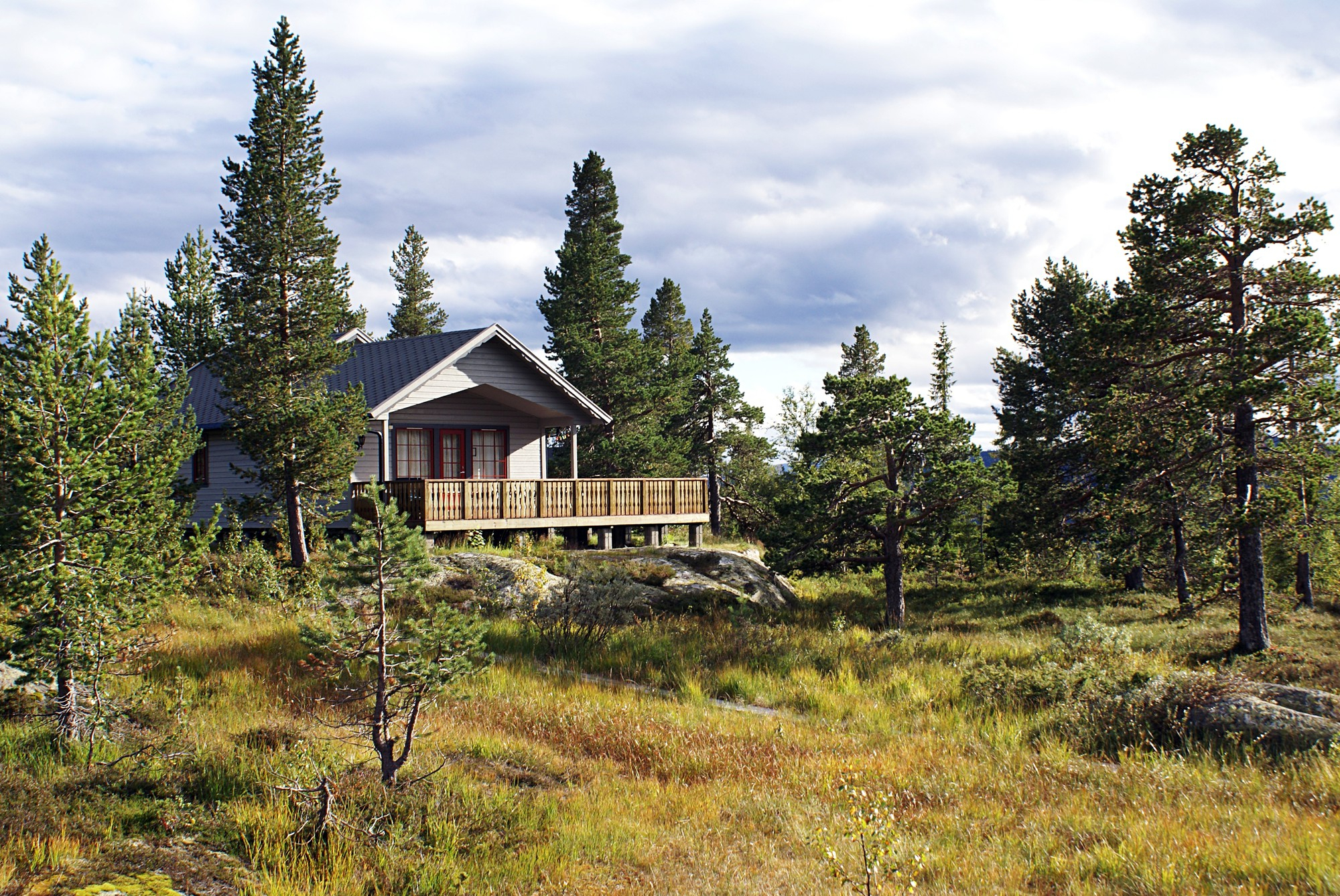
“Your cousin Derek believes the gold was never on that ship,” Rachel said. “He believes Silas hid it somewhere on his property before the sinking. And the cottage your uncle left you was built by Silas Carter in 1936.”
I stared out the windshield at the empty parking lot.
“That’s insane.”
“Possibly,” Rachel said. “But your cousin has hired a very expensive lawyer to argue that your uncle wasn’t of sound mind when he changed his trust. Derek claims Thomas suffered from dementia. That he was obsessed with the gold. That he spent forty years digging holes on the property and talking to himself. Derek is arguing that a mentally incompetent man left his most valuable asset to a niece he barely knew.”
“Was he?” I asked quietly. “Incompetent?”
“Thomas Carter,” Rachel said, “was the sharpest client I’ve ever had. He beat me at chess every Thursday for six years. I’ve never once won.”
I didn’t know what to say.
“There’s a hearing in thirty days,” Rachel said. “In probate court here in Charlevoix. If Derek wins, the trust is thrown out, and the property goes through the old will, which splits everything among the living relatives. Derek would control it. He’s already got a developer lined up. They want to tear down the cottage and put up three luxury homes on the lot.”
“And if I win?”
“Then the cottage is yours. With conditions.”
“What conditions?”
“Thomas was very specific.” I heard papers rustling. “The beneficiary must take possession of the property and live there. She cannot sell it for ten years. And she must open a sealed envelope that’s been sitting in my office safe for two years.” She paused. “He wrote on the envelope, in capital letters, FOR EMILY ONLY. NOT DEREK. NOT ANYONE ELSE.”
My hands were shaking.
“There’s one more thing,” Rachel said. “And it’s important. Derek’s attorney has filed a motion. If the named beneficiary doesn’t take physical possession of the property before the hearing, they’ll argue you’ve abandoned your claim. That you don’t really want it. The judge could grant Derek temporary control while the case is decided.”
“How long do I have?”
“The motion goes before the judge in ten days.”
I looked at my phone. At my bank balance. One hundred and eighty-six dollars.
Charlotte to Charlevoix, Michigan, was almost eight hundred and fifty miles.
“Ms. Carter?” Rachel said. “Are you still there?”
“I’m here.”
“Can you get here?”
I looked at the orange security light. At the empty shopping carts. At my winter coat crumpled on the passenger seat.
I thought about Brandon and Madison clinking glasses on a rooftop. About my mother saying you can’t keep expecting family to rescue you. About Uncle Tom on the phone at Christmas. You doing okay, kid?
No, Uncle Tom. I’m not.
“I’ll be there Sunday,” I said.

Specialty: Emotional Turning Points
Rachel Monroe writes character-driven stories about betrayal, second chances, and unexpected resilience. Her work highlights the emotional side of family conflict — the silences, the misunderstandings, and the moments when someone quietly decides they’ve had enough.