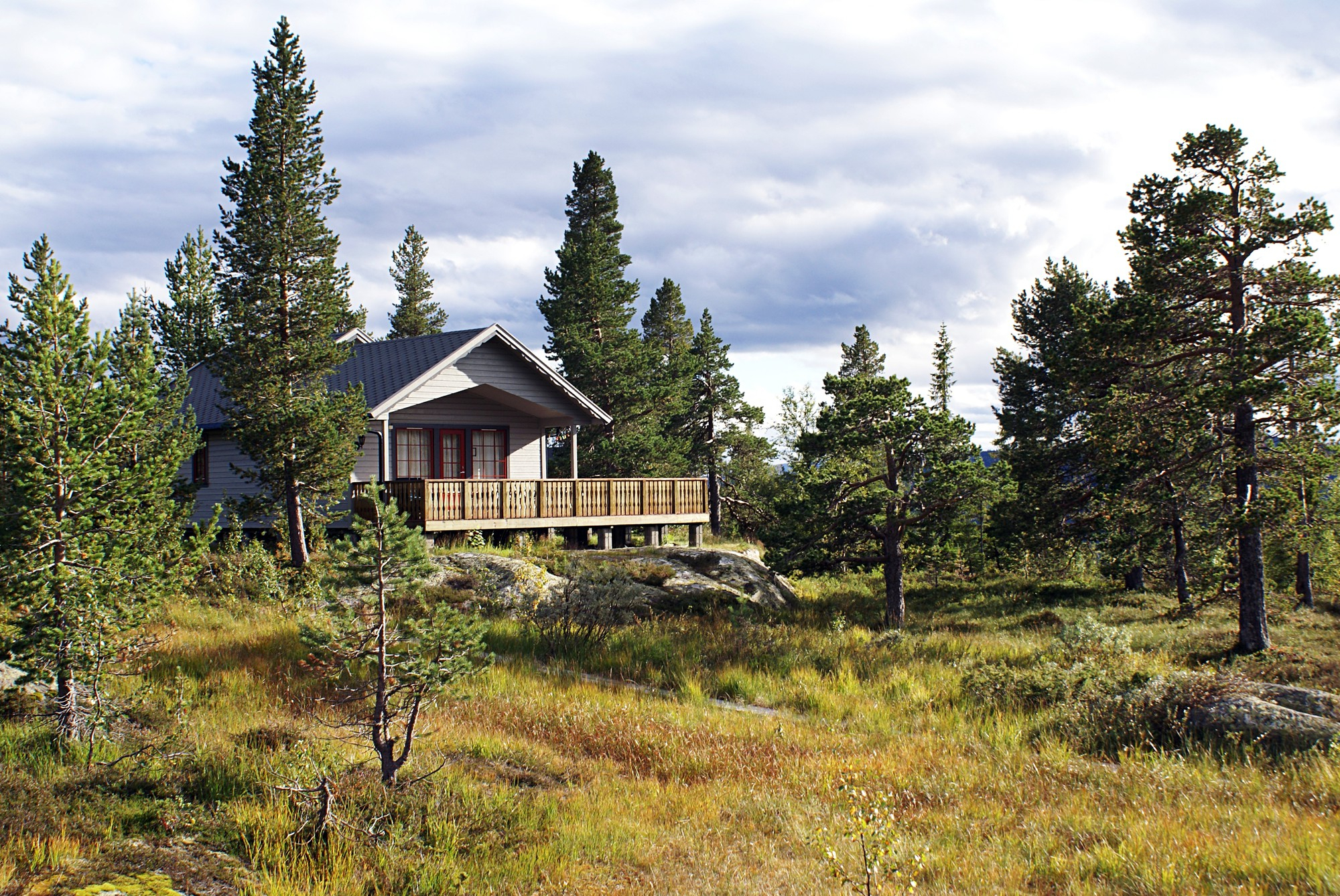
I read the letter by the light of the window until the sun went down. Then I found the lamp and read it again.
THE GOLD IS REAL. AND IT WAS NEVER ON THE MARGARET ANN.
MY GRANDFATHER SILAS WAS A LOT OF THINGS. STUBBORN. PROUD. BAD WITH PEOPLE. BUT HE WASN’T STUPID. HE NEVER WOULD HAVE PUT EVERYTHING HE HAD ON ONE BOAT IN NOVEMBER. NOBODY WHO KNEW THE LAKES WOULD.
THE SHIP SANK EMPTY. SILAS LET PEOPLE BELIEVE THE GOLD WENT DOWN WITH HER. HE THOUGHT IF EVERYONE BELIEVED IT WAS GONE, NOBODY WOULD COME LOOKING. HE WAS RIGHT ABOUT THAT FOR A WHILE.
THEN HE BUILT THIS HOUSE.
HE BUILT IT HIMSELF, WITH TWO MEN FROM BOYNE CITY, IN 1936. EVERY STONE. HE DIED A YEAR AFTER IT WAS FINISHED. HE NEVER TOLD ANYBODY WHERE HE PUT IT. NOT HIS WIFE. NOT HIS SONS.
BUT HE LEFT CLUES. HE WAS THAT KIND OF MAN. HE WANTED SOMEBODY TO FIND IT. JUST NOT THE WRONG SOMEBODY.
The next page was different. The handwriting was shakier. Like it had been written on a different day.
I’VE SPENT A LOT OF YEARS IN THIS HOUSE, KID. YOUR COUSIN WILL TELL YOU I WAS CRAZY. THAT I DUG HOLES ALL OVER THE YARD. THAT I TALKED TO MYSELF. SOME OF THAT IS TRUE. THE TALKING PART, ANYWAY.
BUT I WANT YOU TO UNDERSTAND SOMETHING. THAT GOLD WRECKED OUR FAMILY. MY FATHER AND HIS BROTHER DIDN’T SPEAK FOR THIRTY YEARS BECAUSE OF IT. YOUR GRANDFATHER LEFT MICHIGAN AND NEVER CAME BACK. DEREK’S FATHER SPENT HIS WHOLE LIFE CHASING IT AND DIED BROKE AND ANGRY. EVERYBODY WHO WENT LOOKING FOR THAT MONEY LOST SOMETHING MORE IMPORTANT THAN MONEY.
SO HERE’S WHAT I DECIDED. THE GOLD GOES TO THE ONE CARTER WHO DOESN’T NEED IT TO BE SOMEBODY. THE ONE WHO’LL BUILD SOMETHING WITH IT INSTEAD OF JUST SPENDING IT.
THAT’S YOU, EMILY.
I’VE KNOWN IT SINCE YOU WERE FOURTEEN.
I stopped reading and pressed the heels of my hands against my eyes.
YOU ALREADY HAVE EVERYTHING YOU NEED TO FIND IT, the letter went on. I SENT IT TO YOU A LONG TIME AGO. I JUST DIDN’T TELL YOU WHAT IT WAS FOR.
TRUST YOUR EYE, KID. YOUR DAD ALWAYS SAID YOU COULD LOOK AT A HOUSE AND SEE WHERE THE WALLS WERE LYING.
THIS HOUSE IS LYING. FIND OUT WHERE.
I didn’t sleep much that night.
I lay in Uncle Tom’s bed in the loft under a pile of old wool blankets and listened to the wind coming off the lake. It howled around the chimney. It rattled the diamond windows. Somewhere out in the dark, waves were crashing against the dock.
I sent it to you a long time ago.
The compass. The pocketknife. The shipwreck book. The drafting pencils.
They weren’t random gifts. They’d never been random.
Every one of them was in a shoebox in the trunk of my car. I’d carried that shoebox from apartment to apartment for fifteen years. Brandon used to tease me about it. “What’s with the weird box of junk?” he said once. “My uncle sent me those,” I told him. “Weird uncle,” he said, and I didn’t argue.
At six in the morning, I went out to the car in my socks and got the shoebox.
At eight, someone knocked on the door.
I jumped so hard I knocked the shoebox off the table. The compass rolled across the floor.
I opened the door a crack. An old woman was standing on the porch. She was tiny, wrapped in a red parka, with white hair sticking out from under a knit hat. She was holding a covered dish.
I recognized her. The woman who’d cried in the back row at Uncle Tom’s funeral.
“You must be Emily,” she said. “I’m June Halloran. I live next door. Well. Next door is a quarter mile up the road. But that’s next door around here.”
She held out the dish. “Blueberry coffee cake. I make it every Monday. I used to bring half to Tom. I’ve been making too much for eleven months.”
I let her in. She looked around the cottage like it was a church.
“I haven’t been inside since the funeral,” she said quietly. “Derek changed the locks for a while. Then Tom changed them back.” She touched the arm of the leather chair. “He used to sit right here. Every night. With a pencil and a pipe and some drawing or other.”
“You knew him well,” I said.
“For forty-one years.” She smiled sadly. “We were good friends. Very good friends. If you know what I mean.”
I did. I could see it in her face.
We sat at the table and ate coffee cake. It was the first real food I’d had in four days. I tried not to eat it too fast.
June watched me. She didn’t say anything about how fast I was eating. She just cut me another piece.
“He talked about you, you know,” she said.
“He did?”
“Oh, all the time. Every Christmas, after he called you, he’d come over and tell me everything you said. What you were drawing. What you were studying. Where you were working.” She smiled. “When you got that job at the firm in Charlotte, he bought a bottle of champagne. He never drank champagne. Said it tasted like fizzy regret. But he drank a glass for you.”
My throat closed up.
“He kept every drawing you ever sent him,” June said. “When you were little. You used to draw houses and send them to him in his birthday cards. Remember?”
I didn’t. I’d forgotten completely. But now that she said it, I could see it. Me at the kitchen table, eight or nine years old, drawing houses with crayon. Castles. Treehouses. A house with a slide coming out of the second floor. My mother addressing the envelope. Thomas Carter, Charlevoix, Michigan.
“He kept them?”
“Every single one.” June nodded toward the shelves. “Somewhere in all of that mess. He used to take them out and look at them.”
I couldn’t speak.
“He wasn’t a man who said things,” June said. “But he felt things. Very deeply. He just didn’t know what to do with them, so he drew them instead.”
She finished her coffee and stood up.
“Be careful of Derek,” she said at the door. “He’s been coming around. Driving by slowly. Two weeks ago, I saw him out on the ice in front of the house with a man in a parka and some kind of machine. Like a radar.”
“Ground-penetrating radar,” I said.
“Whatever it was, it made him angry. He threw a shovel.”
She patted my arm and left.
I spent the morning with the shoebox.
The brass compass. Heavy and old. On the back, engraved in tiny letters, a set of numbers I’d never paid attention to: N 11.
The pocketknife. A plain wooden-handled knife, the blade worn thin with sharpening. I’d never used it for much except opening boxes.
The shipwreck book. Lost Ships of the Great Lakes. I opened it to the chapter on the Margaret Ann. I’d read it a hundred times as a kid. But this time, I noticed something I’d never noticed before.
In the margin, very faint, in pencil, someone had written three words.
SHE SANK EMPTY.
Uncle Tom had written that in a book he sent to a twelve-year-old girl. And then he’d waited sixteen years for her to notice.
And the drafting pencils. Twelve of them in their wooden box. I’d used them every day for my whole career. I knew them like I knew my own hands.
I took them out one by one and looked at them.
Under the foam tray that held the pencils, there was a folded piece of paper. I’d never seen it. I’d never once taken the tray out.
I unfolded it.
It was a floor plan. A tiny, perfect floor plan, drawn in pencil on graph paper. Every wall. Every window. Every room. With measurements written in feet and inches.
Across the top, in block capitals:
STONE COTTAGE. LAKE CHARLEVOIX. AS BUILT, 1936. — S.C.
The original plans. In my great-grandfather’s hand. Hidden in a box of pencils Uncle Tom had sent me when I was fourteen years old.
I was staring at it when I heard tires on the gravel outside.
A black Range Rover was pulling into the driveway. It stopped right behind my Honda, blocking it in.
The driver’s door opened.
My cousin Derek got out.

Specialty: Emotional Turning Points
Rachel Monroe writes character-driven stories about betrayal, second chances, and unexpected resilience. Her work highlights the emotional side of family conflict — the silences, the misunderstandings, and the moments when someone quietly decides they’ve had enough.