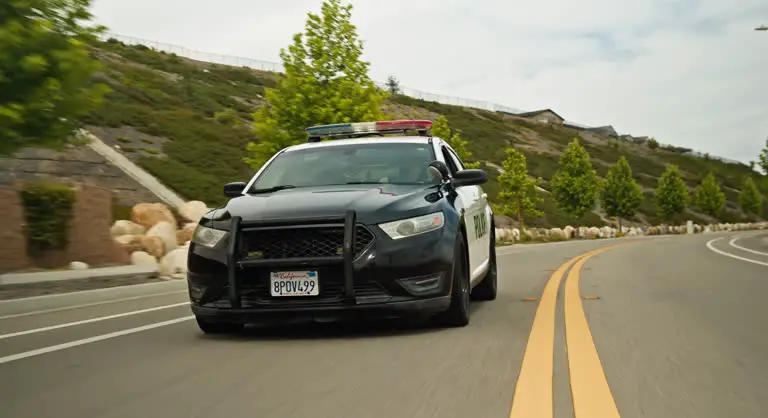
“Kessler, State Two Forty-One.”
That one was crisp. Clipped. A state trooper.
“I’m up on Highway 14, and I’ve had you on scan the last half hour. Tell Shirley the State Patrol says good afternoon. Tell her she talked me through that fog in oh-eight.”
“State Two Forty-One, she copies,” Kim said. And I could hear that Kim was crying and doing her job at the exact same time.
Hiss.
“County Highway Nine. It’s Gary. Shirl, if you need a ride, I’m four miles off, and I’ve got the orange truck.”
Gary drove a snowplow. For thirty-four winters, my mother called every single plow driver in that county on the quarter hour, all night long, in every blizzard, to make sure each one of them answered. If one didn’t answer, she sent somebody. Every time.
I knew that part. I knew it because she used to say their names in her sleep. I used to hear her through the wall on Saturday afternoons. Gary. Lyle. Pete. Answer me, Pete.
I had my door open by then. I don’t remember opening it. I was standing on the gravel with a pan of ruined lemon bars in both hands, and nobody told me to sit down.
Hiss.
“Kessler Nine.”
This voice was young. Thirty, maybe. Then he stopped, and I could hear him breathing with the button still held down. Breathing like it hurt.
“Shirley, it’s Mike. You sat on the phone with my wife.”
Then the click, and he was gone. That was all he could manage.
My mother closed her eyes for one second.
“I remember,” she said.
Seven voices. Each one waited for the one before it to finish. Nobody stepped on anybody. Nobody talked over anyone. It was the most orderly thing I have ever heard in my life, and I realized, standing there sweating on the gravel, that they were doing it exactly the way she had taught them.
One at a time. Say who you are. Say what you need. Get off the air and let the next one in.
The deputy’s face had gone the color of the road.
“Ma’am,” he said. His voice had changed too. “Who are you?”
She didn’t get the chance to answer him.
“Kessler One.”
Everything else on that radio stopped. Even the hiss seemed to hold its breath.
It was a big man’s voice, in a moving vehicle, with the windows down. You could hear the wind roaring through it.
“Shirley. It’s Tom.”
Sheriff Tom Hanley. I knew the name from the yard signs every election year.
“Where are you standing?”
She couldn’t answer unless the deputy pressed the button for her. She looked at him. She waited. She didn’t reach for it. She just stood there with her hands folded over the clasp of her handbag and waited.
He pressed it. His thumb was shaking.
“I’m at the back of my Buick, Tom. On the shoulder. About a half mile east of the elevator.”
“How long?”

Specialty: Quiet Comebacks & Personal Justice
David Reynolds focuses on stories where underestimated individuals regain control of their lives. His writing centers on measured decisions rather than dramatic outbursts — emphasizing preparation, patience, and the long game. His characters don’t shout; they act.